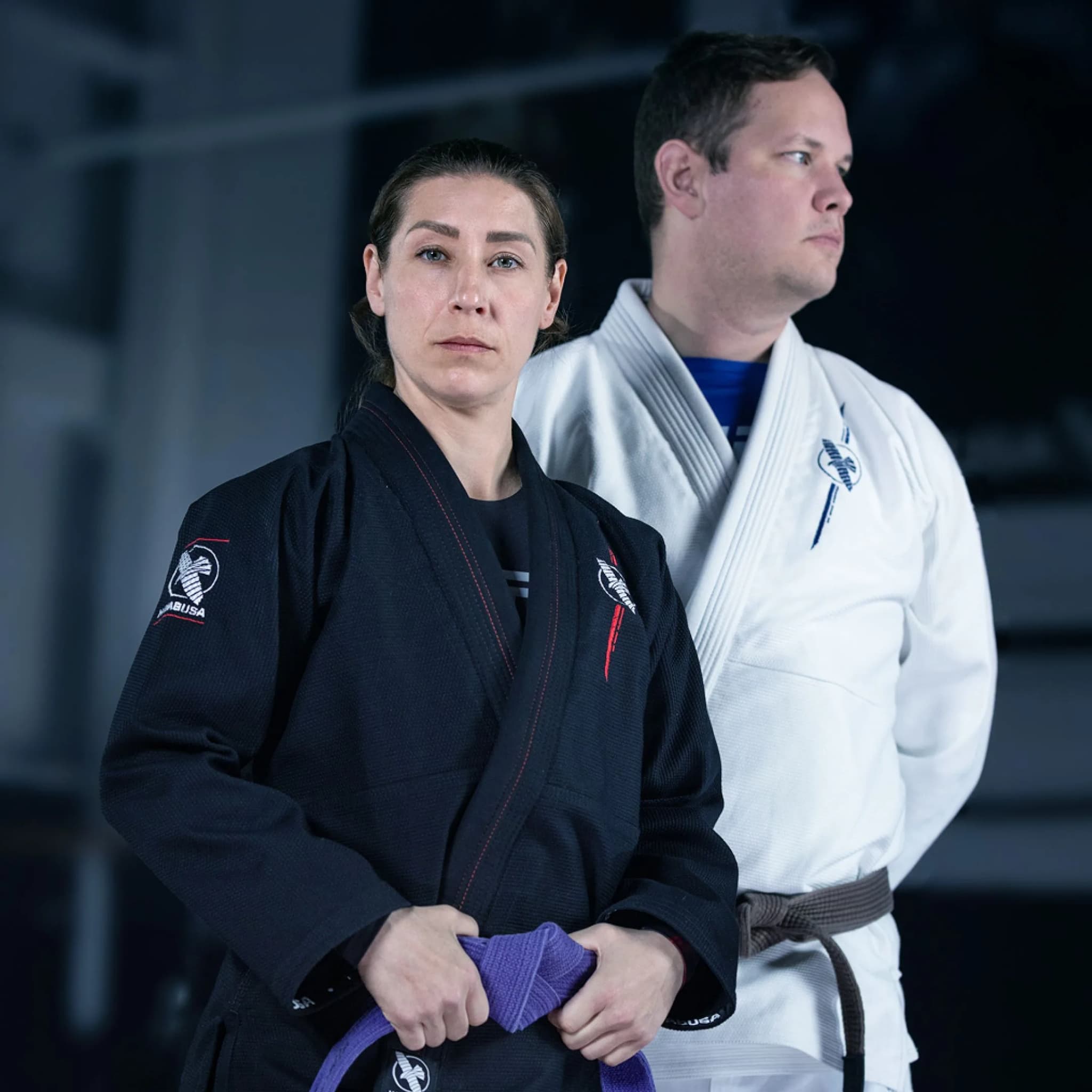

The first BJJ class often feels the same for many people – you turn up in a borrowed uniform, try to remember the names of positions and wonder about one specific thing: What actually is the BJJ belt order, and how long does it take to progress? It is a natural question. The belts in Brazilian jiu-jitsu are not just about colour, but about skills, understanding, confidence in sparring and how well you function in actual training.
In BJJ the belt system is clear, but not always quick. That is one of the reasons the sport has high credibility. You do not get the next belt because you have turned up for a few months and bought the right gi. You get it when the coach thinks you have developed enough technique, timing, control and maturity for the level above.
BJJ belt order for adults
For adult athletes, the usual BJJ belt order goes like this: white, blue, purple, brown and black. After black belt come degrees and later coral and red belts, but for most people who train actively, the five main belts are the most relevant in practice.
What sets BJJ apart from several other martial arts is that the road between belts is often long. In many clubs, athletes spend several years going from white to blue, and considerably longer further up. That is not a sign of weakness in the club. On the contrary, it is often a sign that grading is taken seriously.
White belt
White belt is the starting point. This is where you build the foundation. You learn how to move on the ground, how to defend yourself, how to get out of bad positions, and how to think control before submission. Many new athletes are focused on submissions early, but at white belt it is often defence, base and understanding that decide your development.
This level can be brutal and motivating at the same time. You get dominated, you make mistakes, and you quickly learn who actually understands the details. At the same time, this is where good habits are formed. The right gi, a belt that stays tied, and clothes that withstand hard training matter more than many people think when you train several times a week.
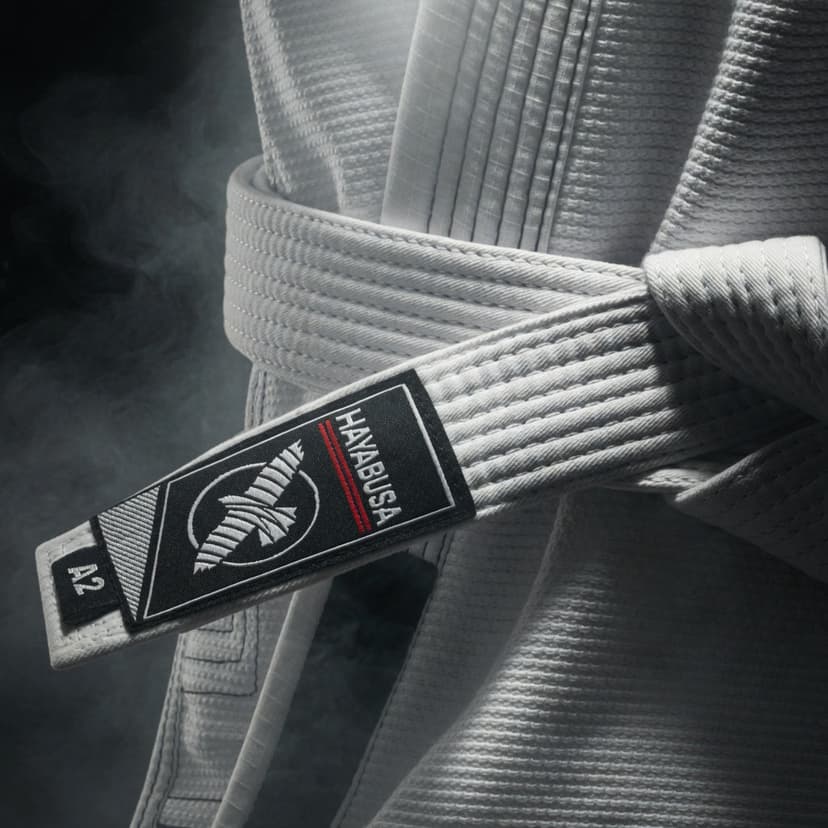
Blue belt
Blue belt usually means you are no longer just surviving. You start to have a plan. You know key positions, can use some techniques with timing, and understand the difference between drilling and free sparring. At this level you are typically expected to defend yourself sensibly against new athletes and use basic attacks without losing control all the time.
At the same time, blue belt is often the level where many people notice how big the sport actually is. You learn enough to understand how much you do not know. That is completely normal. Blue belt is not a goal in itself, but the start of more deliberate technical work.
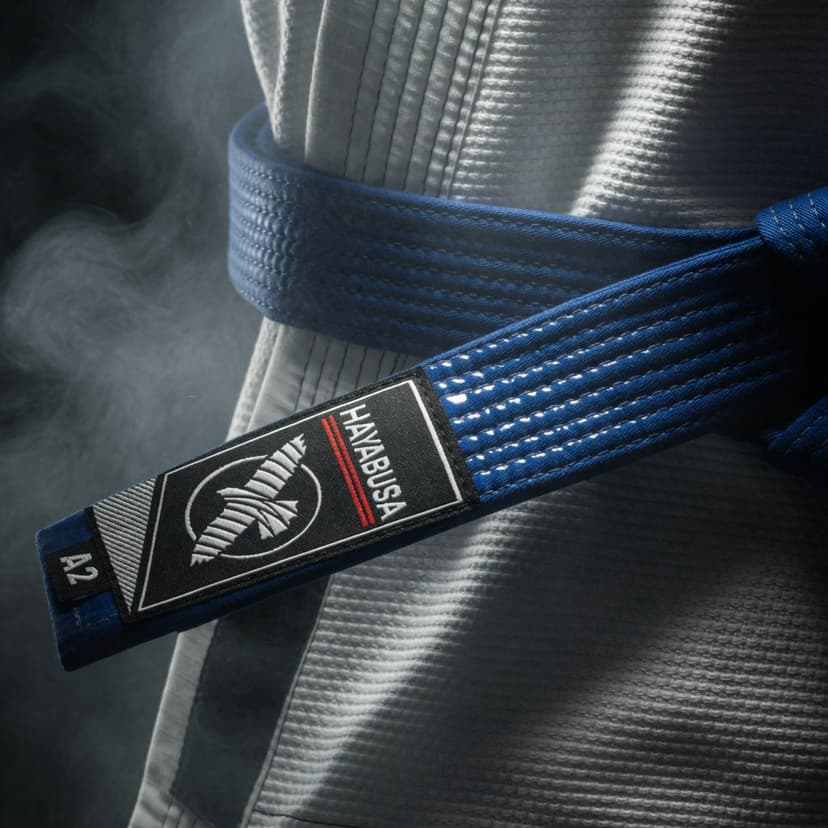
Purple belt
Many consider purple belt the level where personal style starts to become clear. Here you often see which guards, passes and submissions an athlete prefers. You can set up sequences, read reactions and work more fluidly between positions.
That does not mean everything is perfect. But it often means you have enough experience to teach basic details to less experienced athletes, and that you understand the sport on a deeper level than just individual techniques. Purple belt is often where BJJ goes from something you train to something you truly study.
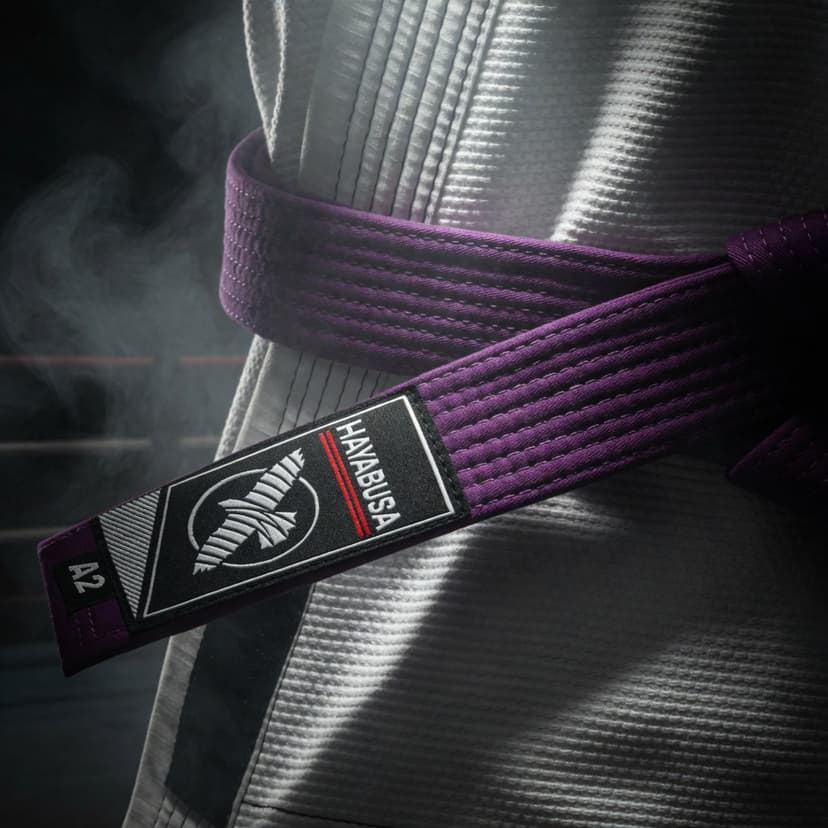
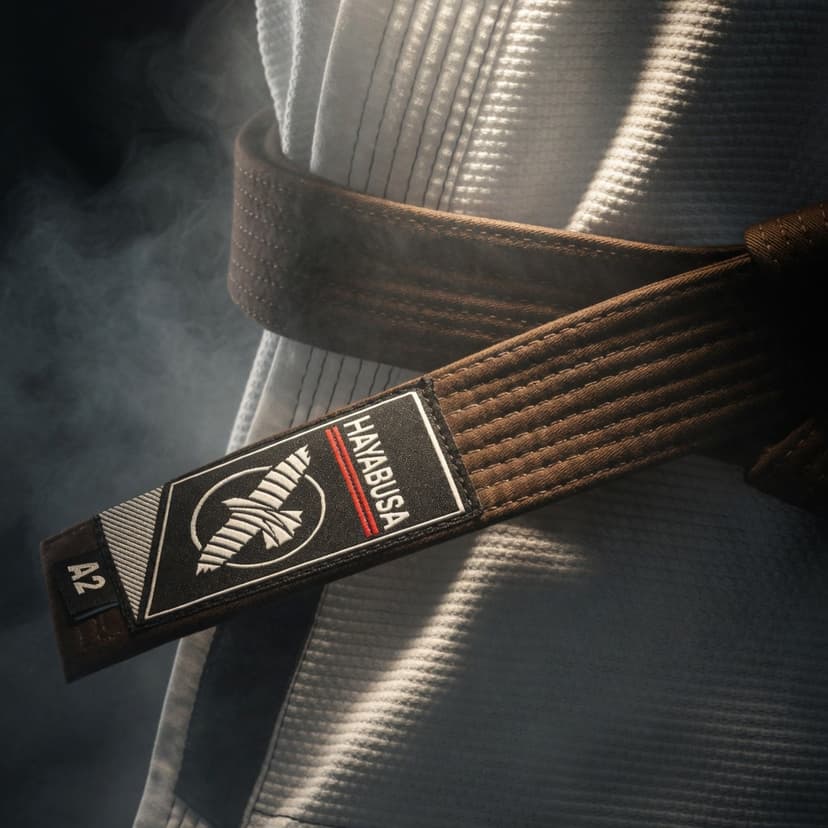
Brown belt
Brown belt is often about sharpening. Technique becomes tighter, decisions faster, and the margins for error smaller. Many brown belts are very demanding training partners because they combine experience, control and efficiency without having to use unnecessary strength.
At this level you can often see clearly whether an athlete has worked thoroughly over time or whether their development has been more uneven. Brown belt is close to black, but it is still a level of its own with requirements for the whole game, not just individual parts of it.
Black belt
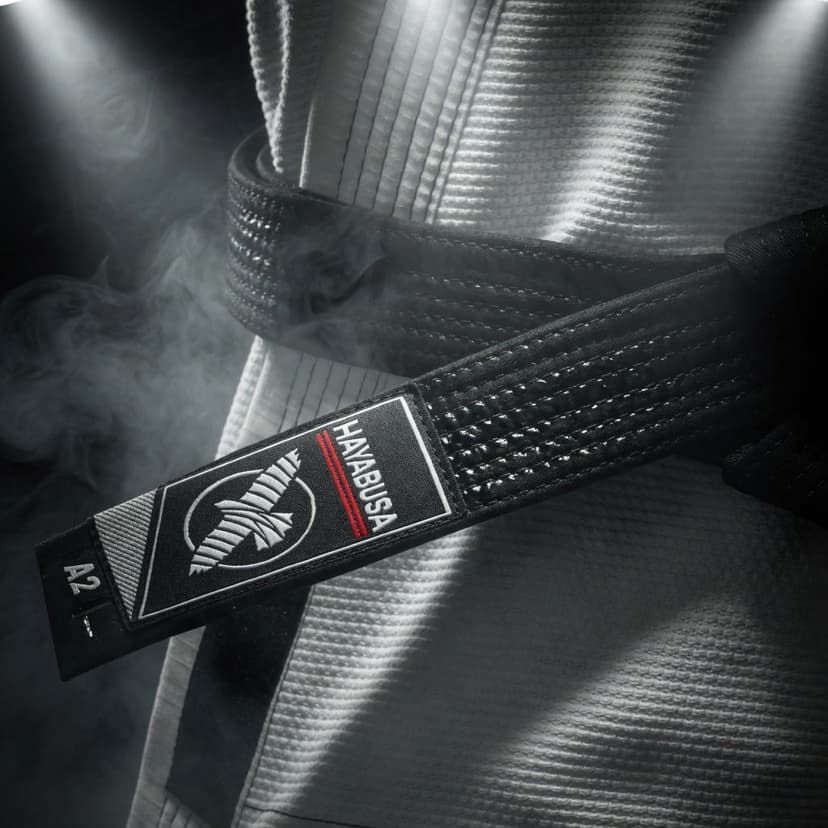
Black belt in BJJ is not the end. It is proof of long-term quality. A black belt is expected to have a high level of technical understanding, sound judgement, confidence in different training situations and a mature approach to the sport. In many settings, black belt is also linked to responsibility – for the club, for the culture on the mat and for how you represent the art.
That is why a black belt in BJJ carries strong value. Not because the colour itself is special, but because the road there is usually long and demanding.
The BJJ belt order for children is different
For children, the BJJ belt order does not follow the same system as for adults. Here white, grey, yellow, orange and green are typically used, often with intermediate ranks. This is designed to give a more realistic progression for younger athletes who train for several years before they are old enough for the adult system.
It is important for parents to know this, because many compare children's belts with adult levels. That is a mistake. A green children's belt does not mean the same as an adult blue belt, and the transitions are assessed differently. Children's grading is also to a greater extent about maturity, attendance, confidence and the ability to follow training in a structured way.
For children, the right gear matters extra. A gi that is too big or a belt that keeps coming undone quickly becomes an irritation. When the gear fits, it becomes easier to focus on learning and enjoyment.
How long does it take between belts?
The short answer is that it varies. The slightly more honest answer is that it varies a lot.
Some train twice a week without competitive ambitions. Others train five to six sessions, watch videos, take private lessons and compete regularly. Those two paths cannot be measured the same way. Club standards also vary, as does each coach's philosophy on grading.
Still, there are some rough guidelines. Many spend around one to three years reaching blue belt. The road to purple, brown and black often takes several years per level. In total it is not unusual for it to take around ten years or more to reach black belt in BJJ. For some it goes faster, for others slower. Injuries, work, family and breaks also play a part.
The most important thing is that belts in BJJ do not just measure time on the mat. They measure the quality of the time you have spent.
What does the coach look for at a grading?
Many think the next belt is first and foremost about how many techniques you can show. That is rarely the whole picture. An experienced coach often looks at how you move under pressure, how you defend yourself, how you treat training partners and whether you have control of the basic principles.
Timing often counts for more than a long list of techniques. So does consistency. If you have one good guard but fall apart completely in the rest of your game, that can count against you. The BJJ belt order follows a logical progression, but development is not linear. Some are strong offensively early on. Others build slowly, but become very solid over time.
There is also a question of attitude. In serious clubs it matters whether you train well with others, take instruction, come prepared and contribute positively. BJJ is an individual sport on the mat, but it is developed in a team environment.
Stripes, degrees and why small steps matter
Before the next belt, many athletes get stripes on their belt. They are small markings, but they have a practical function. They show progression between the main belts and can give motivation in a sport where development often happens slowly.
At the same time, you should not become too focused on stripes. Some clubs use them actively, others less so. What matters is not the tape on the belt, but whether your skills are actually improving. If you train consistently, understand more, defend better and work more efficiently, you are heading in the right direction even if the stripes do not come right away.
Belt colour says something – but not everything
Belts are useful. They create structure, expectation and respect for progression. But in BJJ there are always nuances. A competitive blue belt can be a very tough round. An older purple belt with a smart and economical style can feel harder than a physically stronger brown belt. Rule sets, body weight, age and training focus all play a part.
That is why it is wise to see the belt as a guide, not as the answer to every single encounter on the mat. Belt colour tells you something about level over time. It does not necessarily tell you who will win today.
Gear and belt level – what is worth thinking about?
As you move up in level, the amount of training often increases. Then the quality of your gear becomes more important. A beginner often manages fine with a simple starter kit, while an athlete who trains a lot needs a gi with good durability, a rashguard that keeps its fit, and a belt that withstands frequent use and washing.
For competitive athletes, requirements for fit and rules also come into the picture. Not all uniforms and cuts work the same in every context. That is exactly why a specialist retailer matters. You do not just need something that looks right in a photo, but gear that works in club training, drilling and competition.
At Combat Store, it is exactly this practical side that is central – gear that withstands use, suits your level and meets the requirements you actually train under.
If you are new to the sport, the smartest thing is often to keep it simple: buy a gi that fits well, a BJJ belt in the right size and possibly no-gi clothing that fits closely without restricting movement. If you already train a lot, it is worth being more selective about fabric, seams and durability.
BJJ teaches you quite quickly that progress does not happen on command. The belt system follows the same logic. Work consistently, train with people who are better than you, and use gear that can keep up with your pace – and the rank will come when it is truly earned.