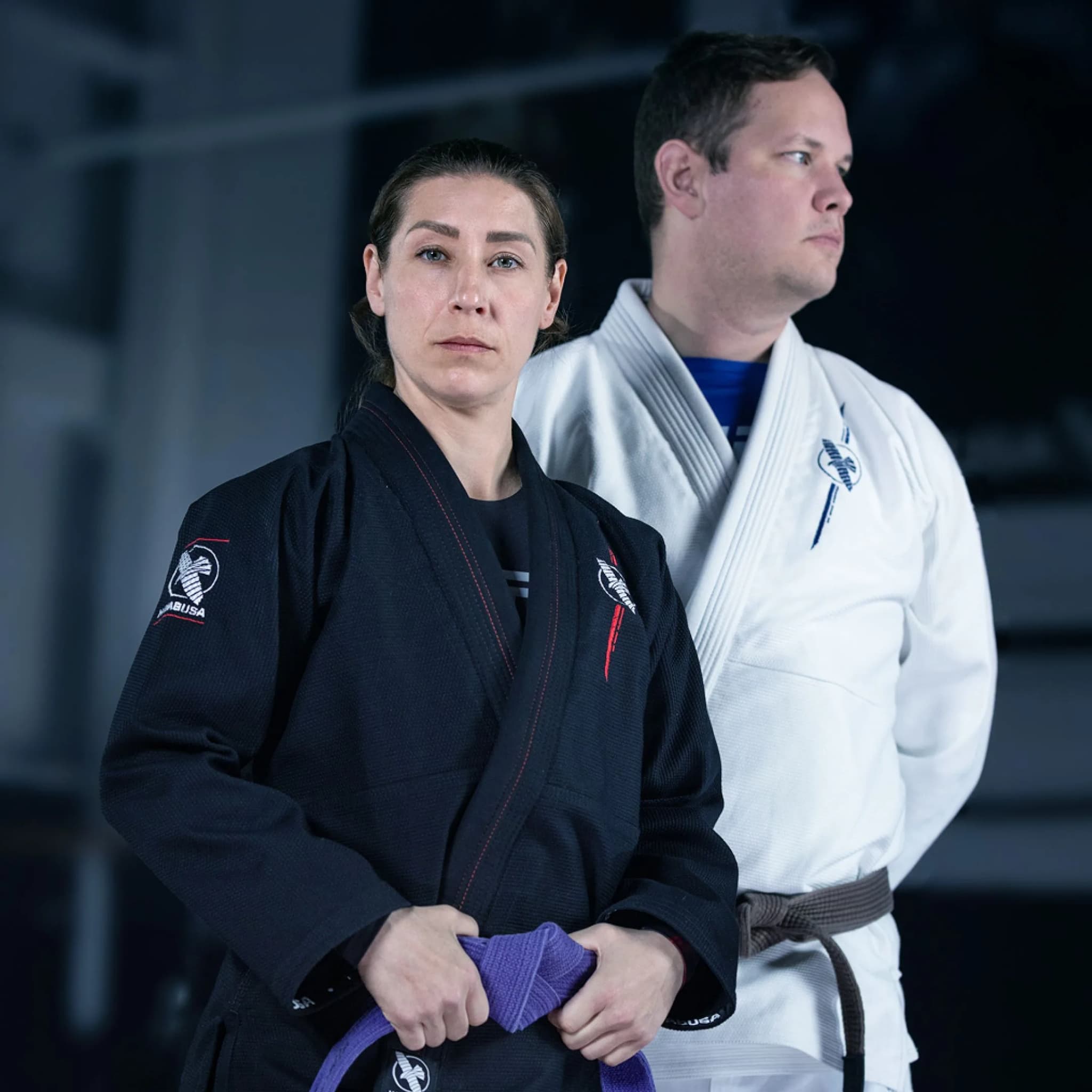

Brazilian jiu-jitsu, most often just called BJJ, is a martial art in which almost everything happens on the ground. There are no punches and no kicks. Instead, everything is about position, control and submissions: joint locks and chokes that force your opponent to give up. That makes BJJ one of the few martial arts where you can train at almost full strength against an opponent offering resistance, every single session, without taking blows to the head.
Here is the overview: where the sport comes from, the difference between gi and no-gi, what gear you actually need to start, how the belt system works, and what the first few months will demand of you.
What is Brazilian jiu-jitsu?
BJJ has its roots in Japanese jiu-jitsu and judo, and was developed further in Brazil by the Gracie family from the 1920s onwards. Their idea was simple and radical: a smaller person should be able to control a bigger and stronger opponent, if the technique is good enough and the fight is taken to the ground. When the UFC started in 1993 and Royce Gracie won the first tournaments against far heavier opponents, the rest of the world saw the point demonstrated.
The core of BJJ is the hierarchy of positions. Some positions give you control and attacking options, others put you in danger. Much of what you learn in the first year is about recognising which position you are in, and how to get to a better one. The submissions almost come by themselves once the position is right.
Gi or no-gi?
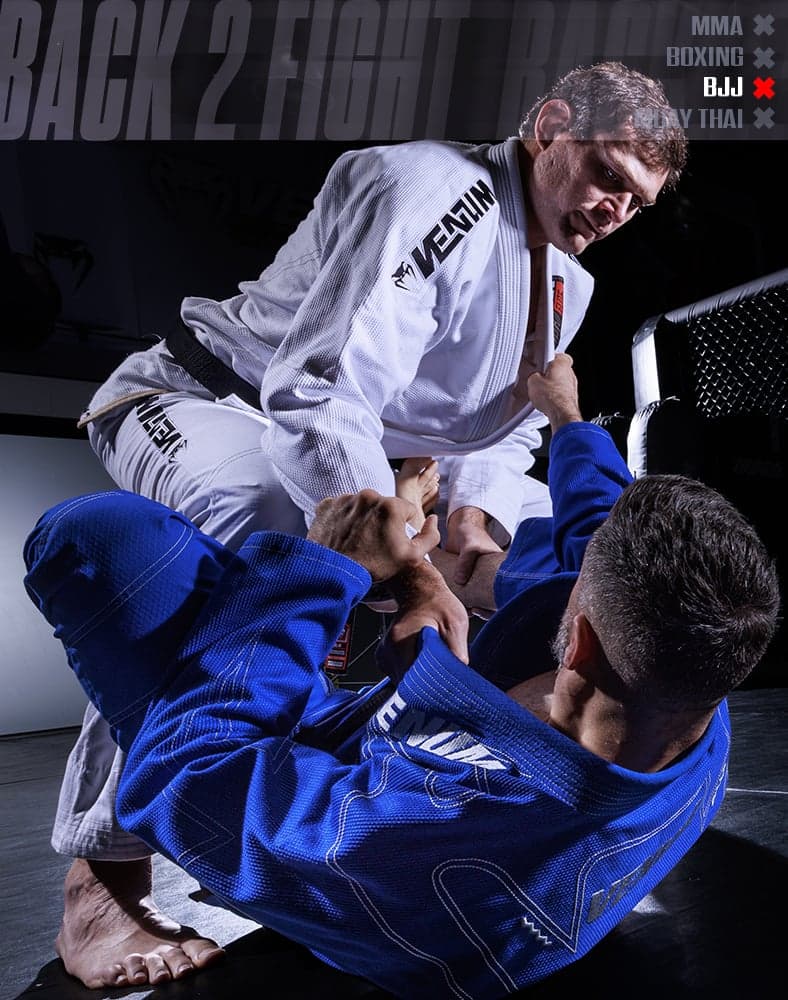
BJJ is trained in two variants, and most clubs offer both.
Gi means both people wear the uniform, and grips on the collar, sleeves and trousers are allowed. That makes the game slower and more technical. There are more chokes and more ways of controlling your opponent, and many believe gi is the best way to build a fundamental understanding.
No-gi is trained in a rashguard and shorts or spats. Without fabric to grip, everything becomes faster and more slippery, and it is closer to what you find in MMA and submission wrestling. Many new athletes find no-gi more intuitive, but harder to control.
The gear you need
- BJJ gi. A jacket and trousers in thick, woven cotton that can take being pulled session after session. A BJJ gi has shorter sleeves and a tighter fit than a judo or karate gi, precisely so your opponent doesn't get too much fabric to grab. See BJJ gis for adults and BJJ gis for children.
- Belt. Usually bought separately. You start on white. See BJJ belts.
- Rashguard. Worn under the gi to protect the skin from friction, and on its own in no-gi. See Rashguards.
- Spats or tights. The same function for the legs, and necessary in no-gi. See BJJ spats and tights.
- Mouthguard. Not mandatory in every club, but cheap insurance when elbows and knees are flying. See Mouthguards.
- Finger tape. Not necessary in the first month, but when you start gripping the gi hard, your fingers get tired. Tape is standard among experienced athletes.
How to choose the right gi
The three things that matter are size, weave and shrinkage tolerance.
| Size | Height | Weight |
|---|---|---|
| A1 | 163 to 172 cm | 60 to 70 kg |
| A2 | 172 to 180 cm | 70 to 82 kg |
| A3 | 180 to 189 cm | 82 to 94 kg |
| A4 | 189 to 196 cm | 94 to 105 kg |
The table is a guideline. Always check the manufacturer's own size chart on the product page, as it varies between brands. If you are between two sizes, choose the smaller if the gi is untreated cotton that will shrink, and the larger if it is pre-shrunk.
About the weave: a lighter gi is more comfortable in warm halls and counts for less on the scales in competition. A heavier gi is stiffer to grip and tends to last longer. As a beginner, the difference matters less than the gi fitting.
The belt system
BJJ is known for having one of the slowest belt systems in martial arts. For adults, the order is white, blue, purple, brown and black. Along the way you get stripes on your belt, usually up to four per grade. It is common to spend one to two years on white belt, and many spend ten years or more on the road to black.
Children and young people have their own system with more colours, including grey, yellow, orange and green, before they move on to the adult grades.
The point of the slow progression is that the grading should say something real about skill level. A blue belt in BJJ represents considerably more training than the equivalent grade in most other martial arts.
The first few months
Expect to lose a lot. Everyone does, and that is how the sport works: you spar against people who are better than you, and you learn by ending up in bad positions and finding your way out. The first few weeks will be physically tough because you use too much strength. As your technique comes along, it becomes less exhausting.
Three things that make the start easier:
- Tap early. Giving up in a submission isn't a defeat, it is how you train safely. Wait too long, and you get injured.
- Breathe. Most beginners hold their breath under pressure. Calm breathing is half of your endurance.
- Wash your gi after every session. Skin infections spread quickly in grappling clubs. A clean gi, short nails and a shower after training aren't optional.
Our recommendations
Classic first choice
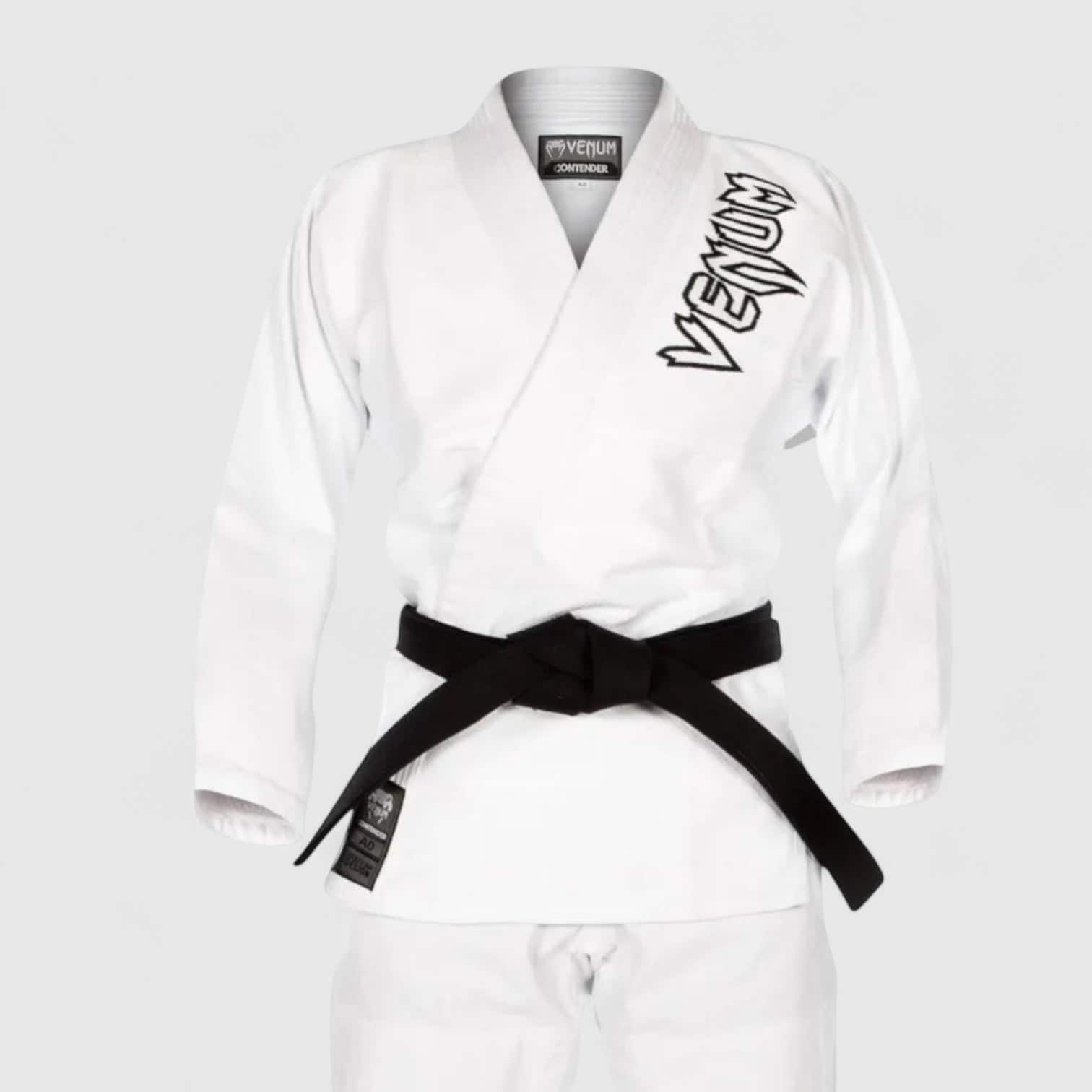
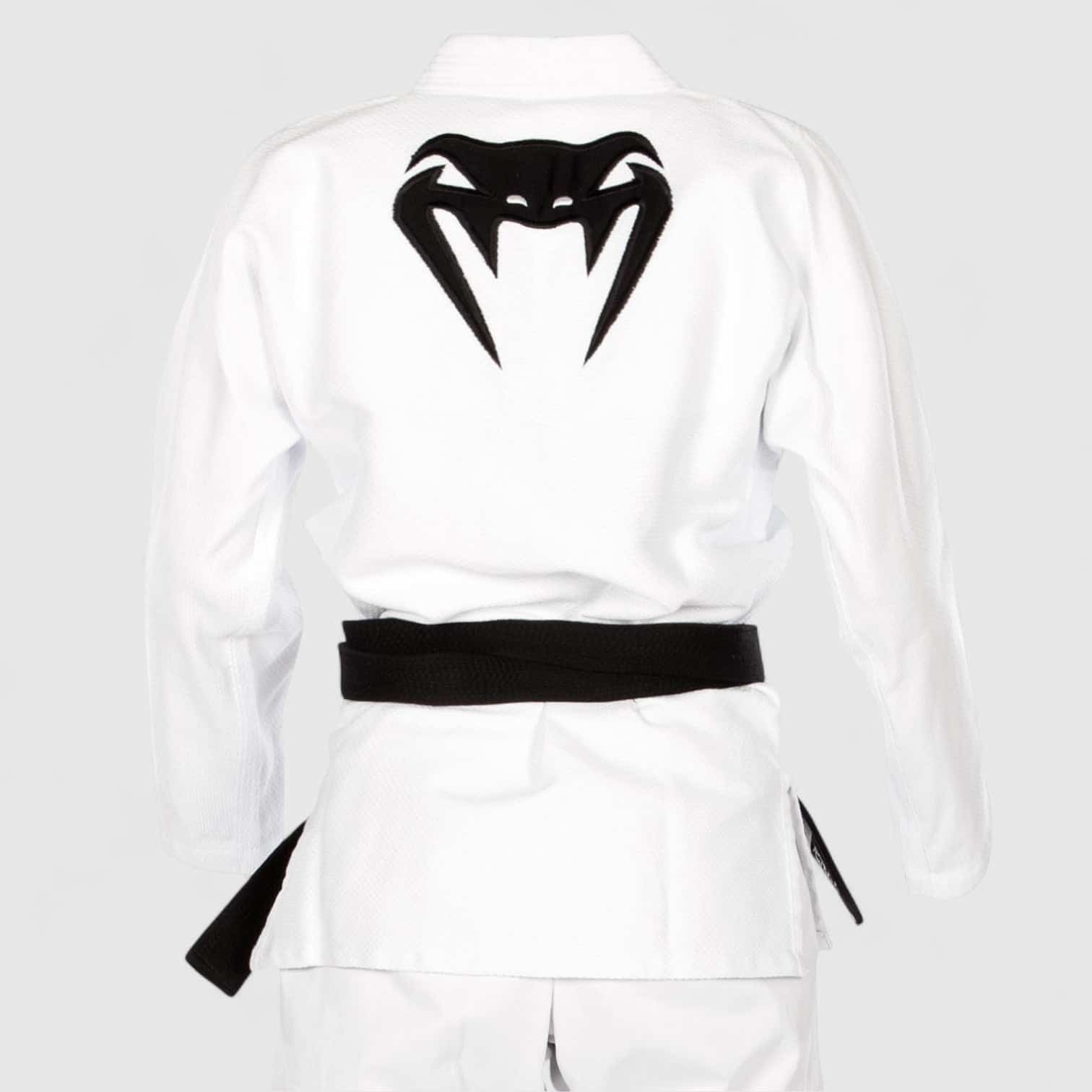
A white gi is allowed in all clubs and all competitions. Solid weave and reinforced seams where the strain is greatest.
The same gi in black
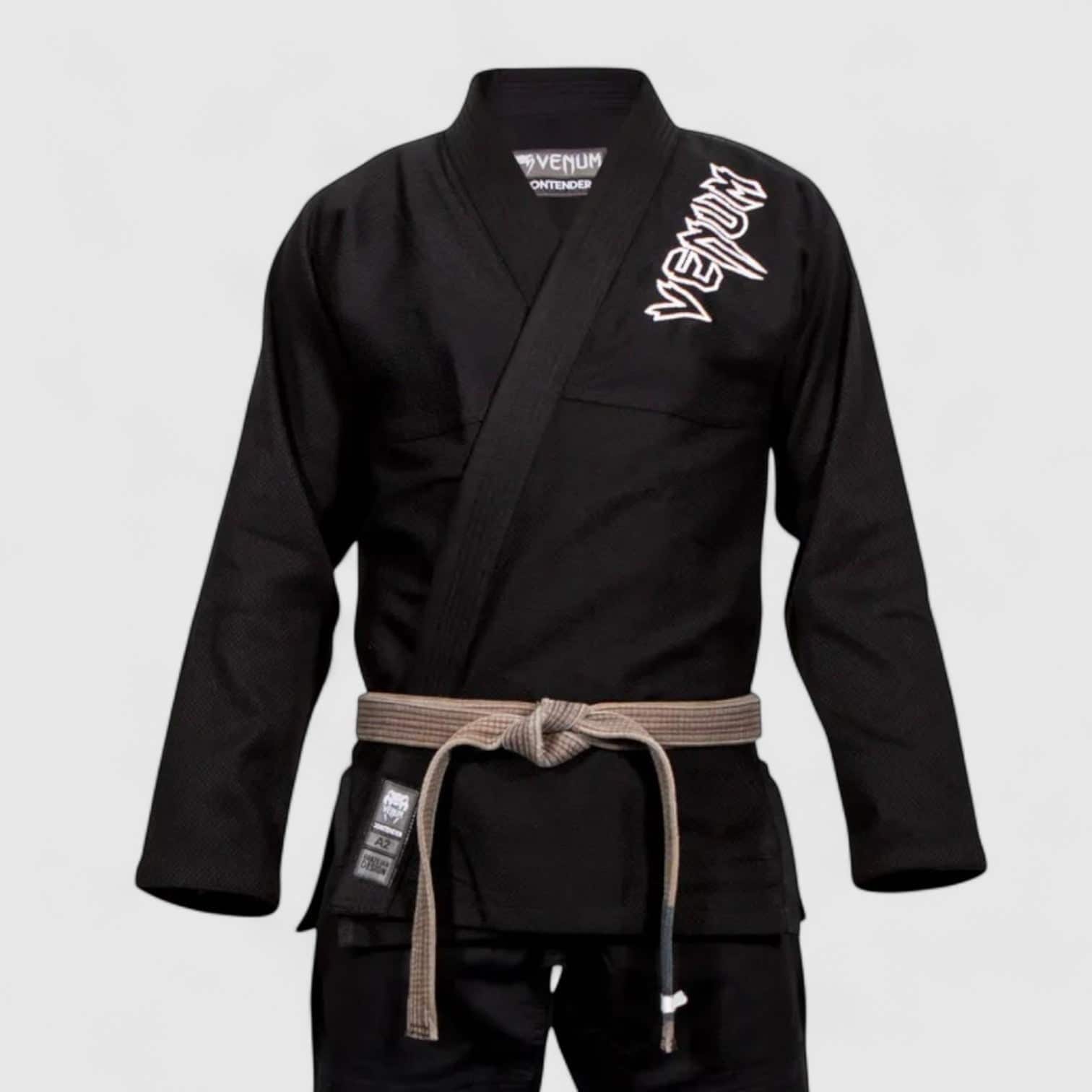
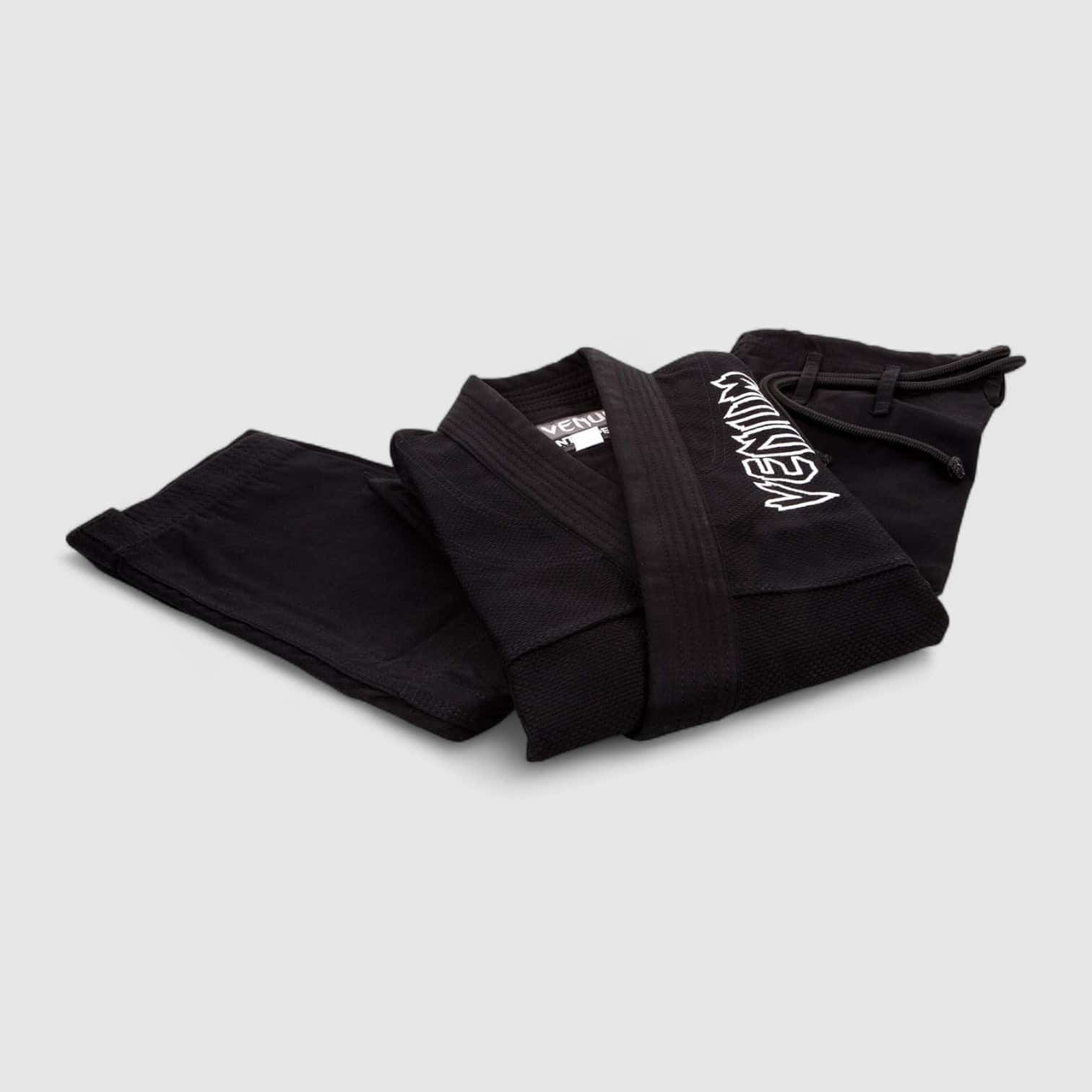
Identical construction in black. Check your club's rules if you plan to compete.
Lighter alternative
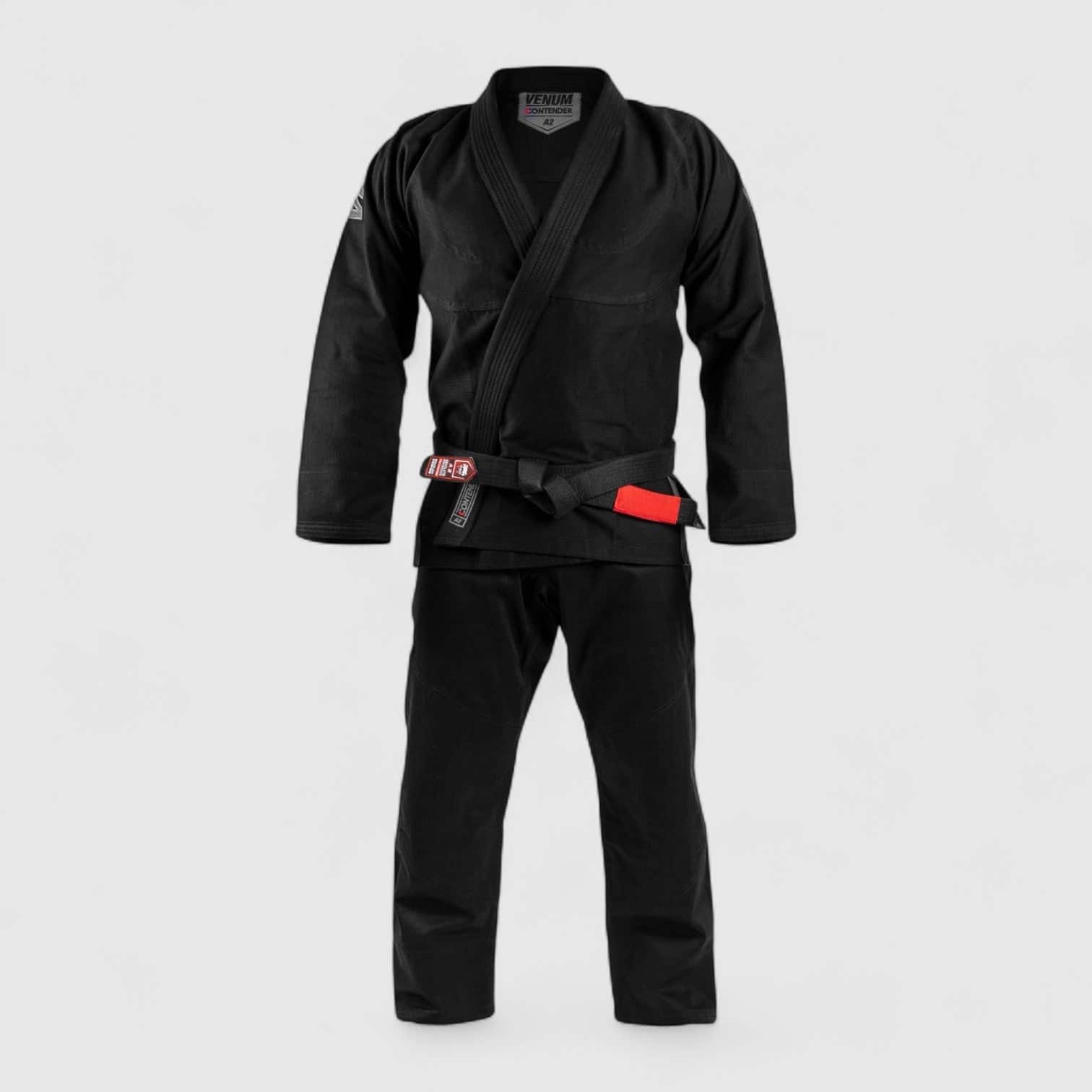
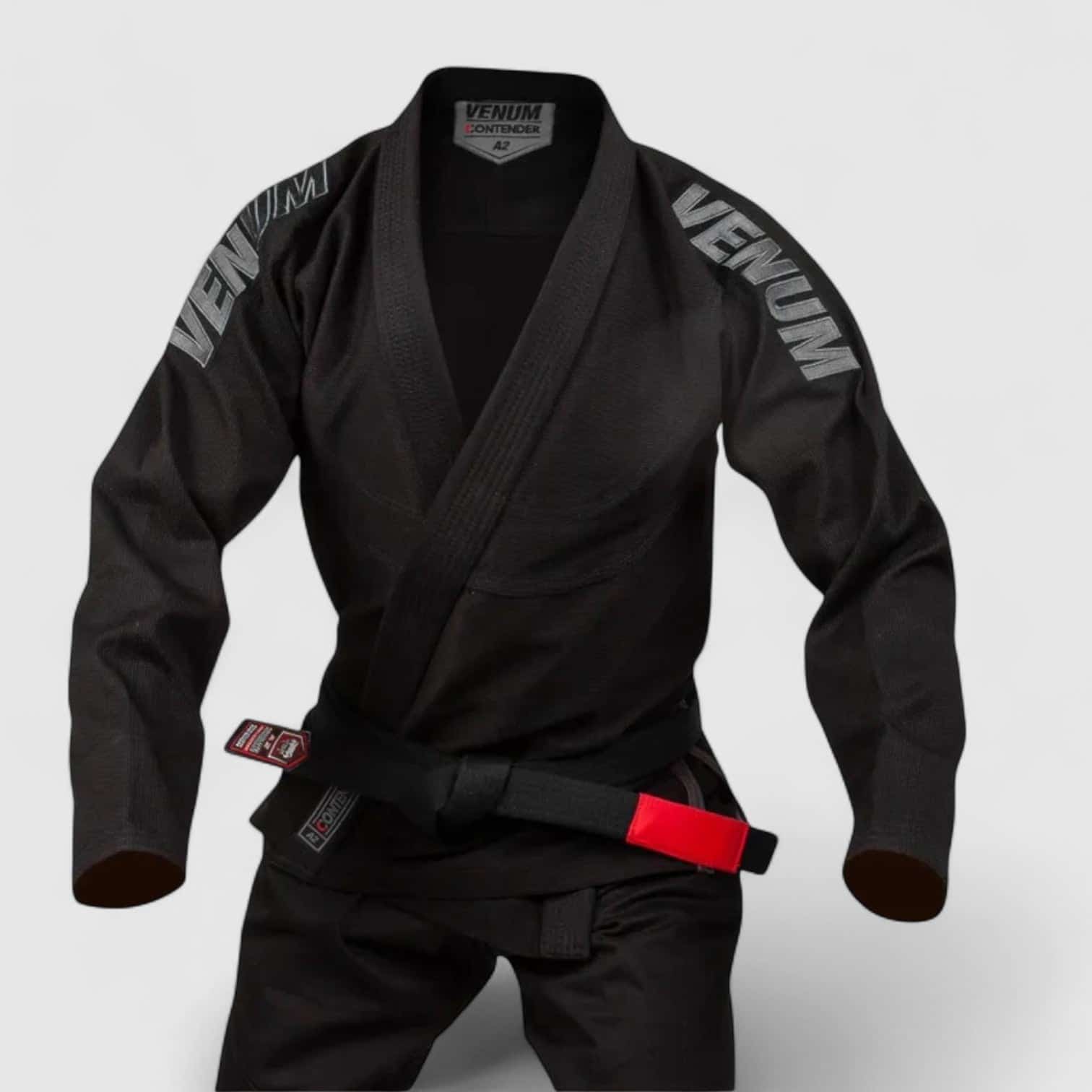
A lighter cut for those who train a lot and want something that dries quickly between sessions.
The belt you need
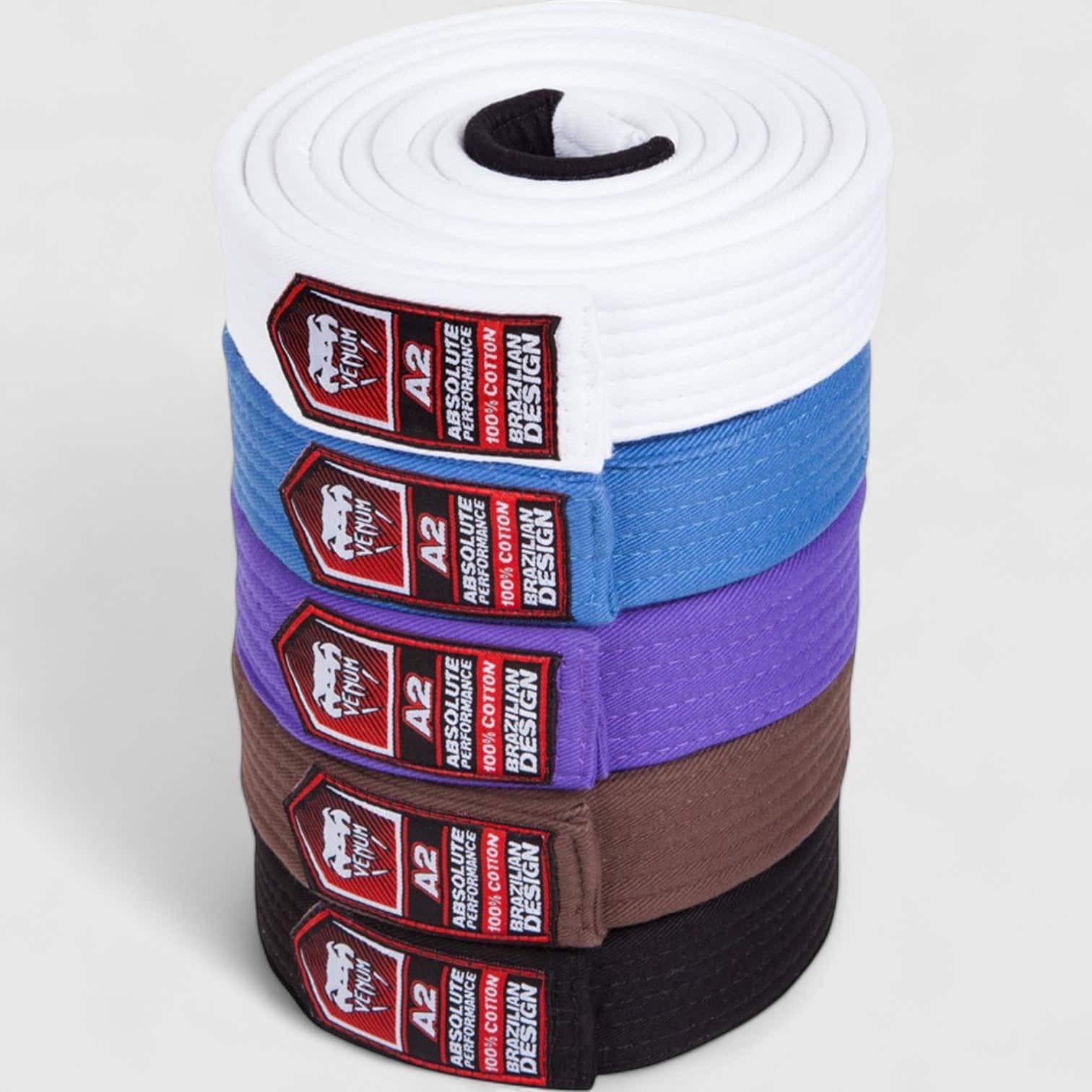
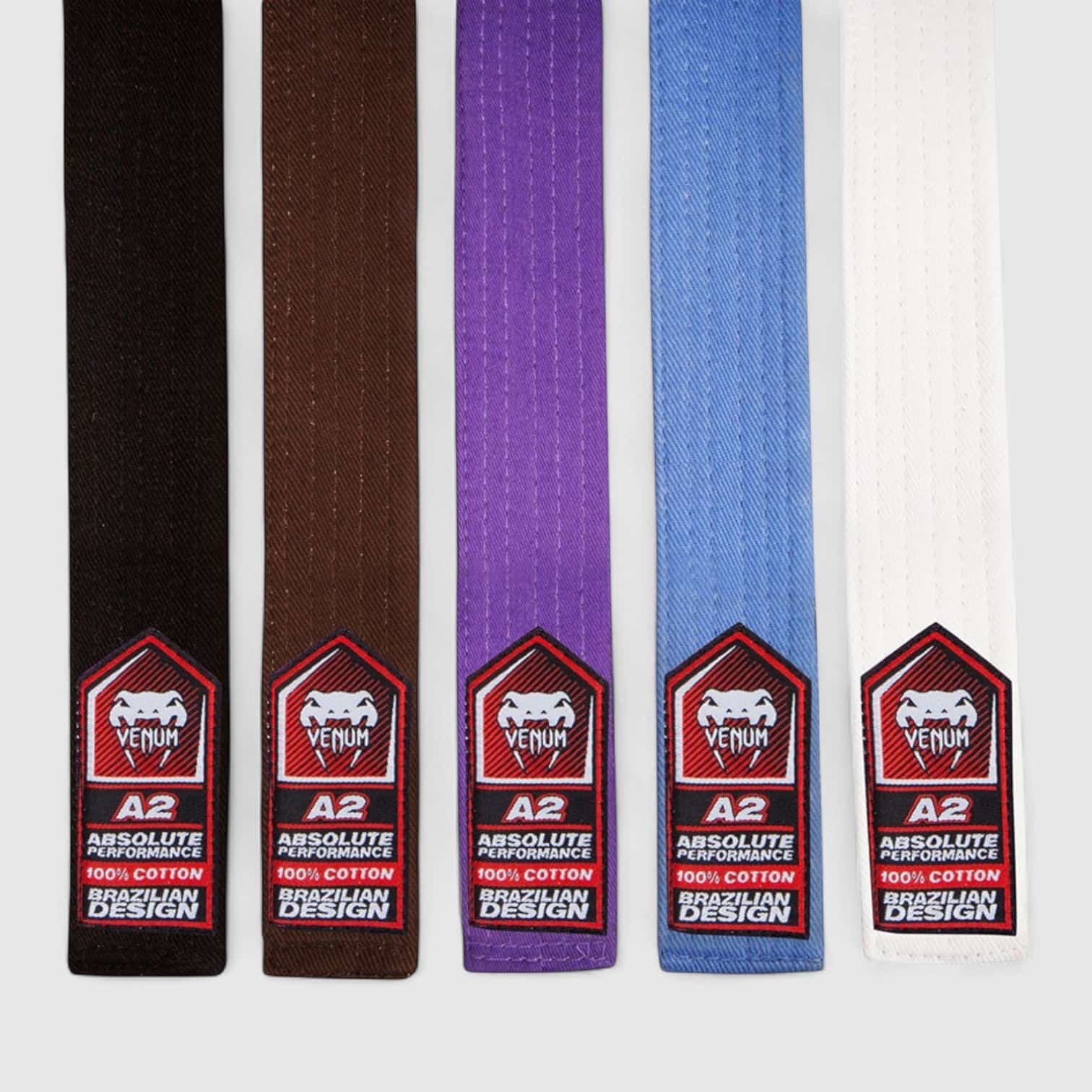


Available in all adult grades. Remember that the belt usually doesn't come with the gi.
Later on
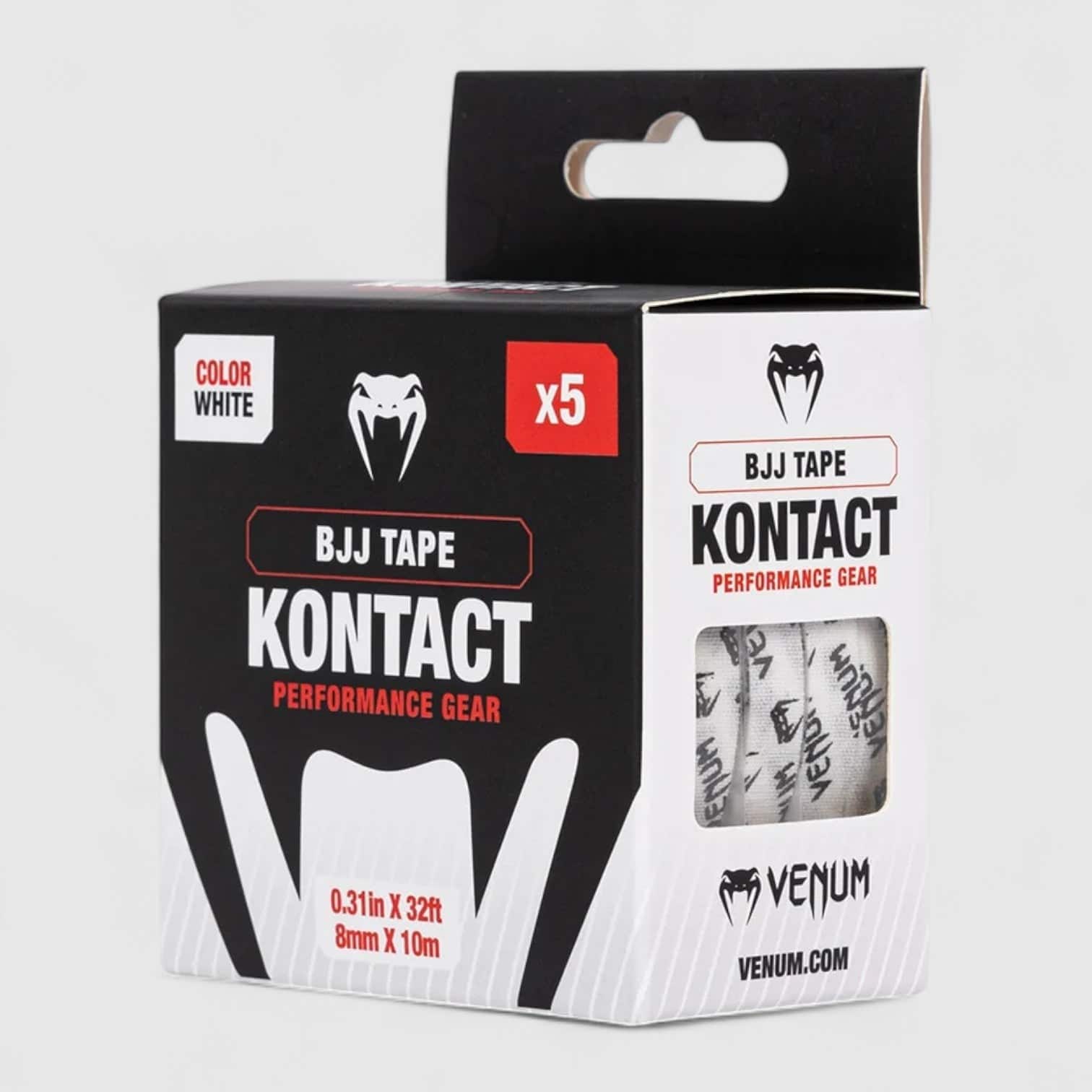
Narrow tape that supports the finger joints when you start gripping the gi hard.
Frequently asked questions
Do I need a gi for my first session?
Most clubs lend out gis or let you train in a T-shirt and tracksuit bottoms the first few times. Ask before you buy.
What size gi should I get?
Use height and weight as a starting point, and check the manufacturer's chart on the product page. Untreated cotton shrinks, so a slightly tight gi at the start is often right.
How long does it take to get a blue belt?
One to two years of consistent training is common. It varies a lot between clubs and athletes.
Is BJJ safe?
Compared with striking-based martial arts, the risk of head injury is low, since there is no punching. The most common injuries are to the fingers, knees and shoulders, and most come from waiting too long to tap.
Can I train BJJ if I'm not strong or flexible?
Yes. The whole basic idea of the sport is that technique should count for more than strength. Flexibility comes from training, not the other way round.
What is the difference between BJJ and judo?
Judo puts the main emphasis on throws from standing, with limited time on the ground. BJJ often starts on the ground and has no time limit there.