
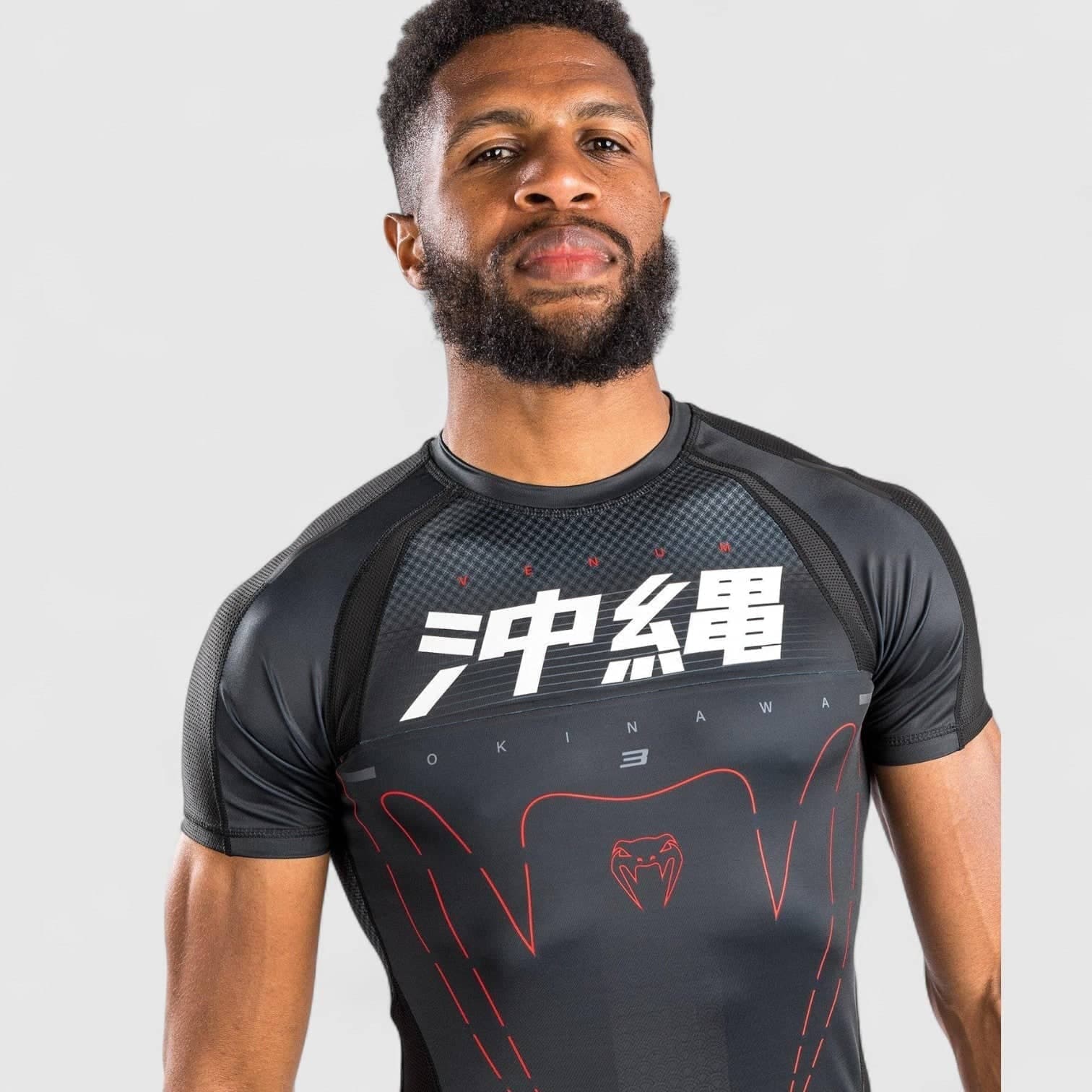
Did you know that elite athletes around the world use compression wear to perform better and recover faster? Here is everything you need to know – from what it actually is, to how to choose the right garment for your training.
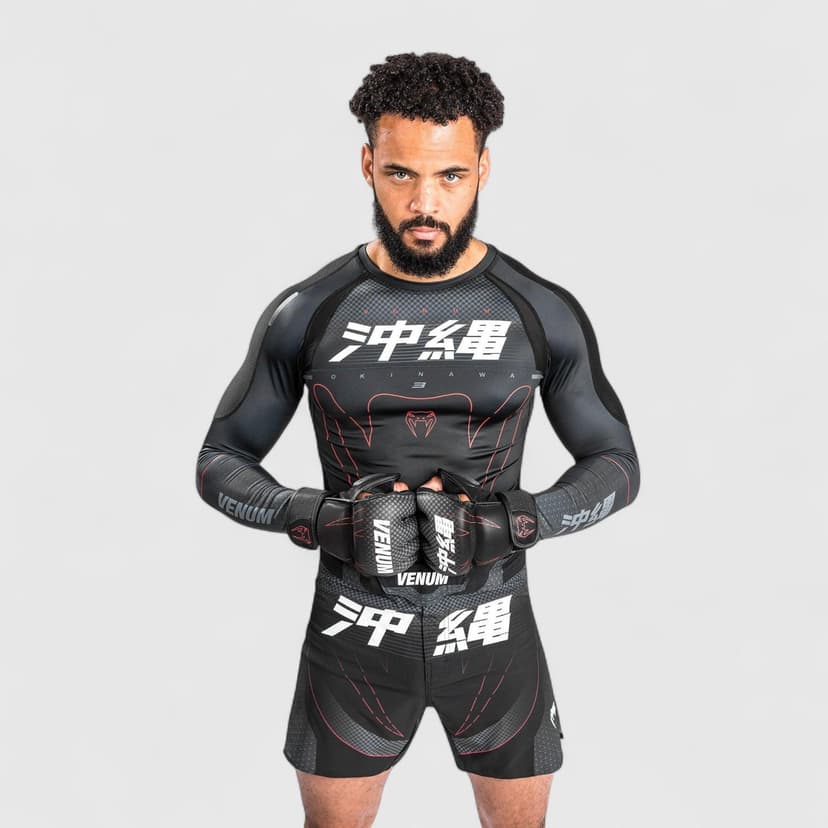
What is compression wear?
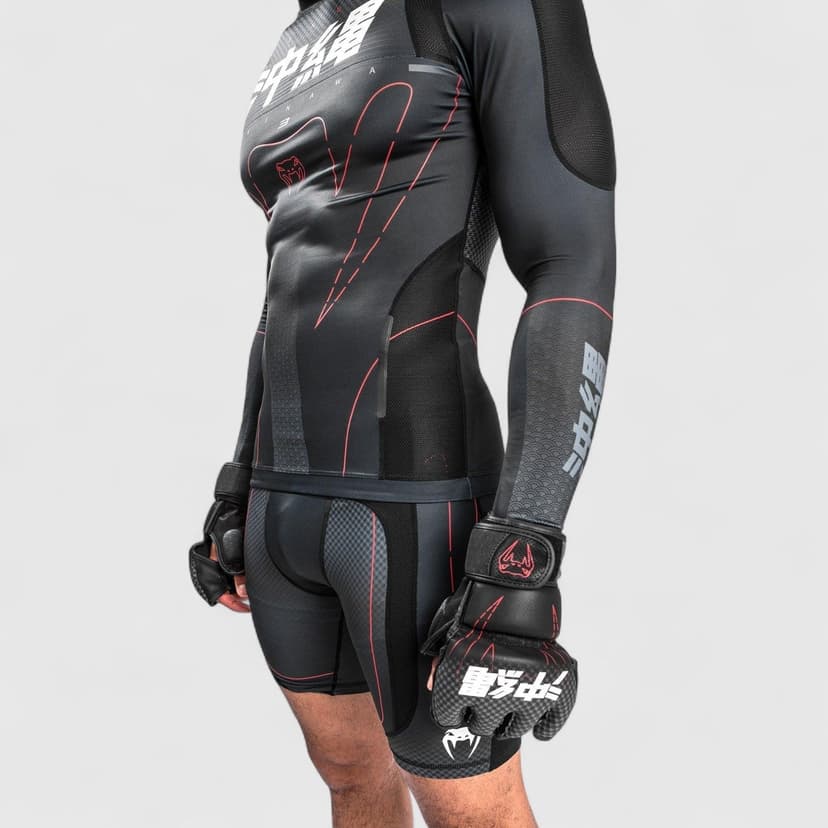
Compression wear is clothing made from special elastic fabrics that squeeze the muscles together and give better support and blood flow. They compress the area they are worn on – hence the name. Unlike ordinary training tights that just fit snugly, genuine compression garments are built with graduated pressure that actively supports the muscles.
The most popular garments are:
- Compression tights – compress the whole leg from ankle to hip
- Compression top / rashguard – compresses the upper body and arms
- Compression shorts – compress the thighs and glutes
How does compression wear work?
The mechanism is simple but effective: the increased pressure on the muscles improves venous return – the blood flowing back to the heart. This gives several benefits at once:
- Better oxygen supply to working muscles during training
- Faster removal of lactic acid and waste products
- Reduced muscle oscillation – the muscles vibrate less with each step or punch, which reduces fatigue
- Faster recovery after a hard session
- Reduced swelling in muscles and joints after exertion
The result is that you can train harder and longer – and be ready for your next session sooner.
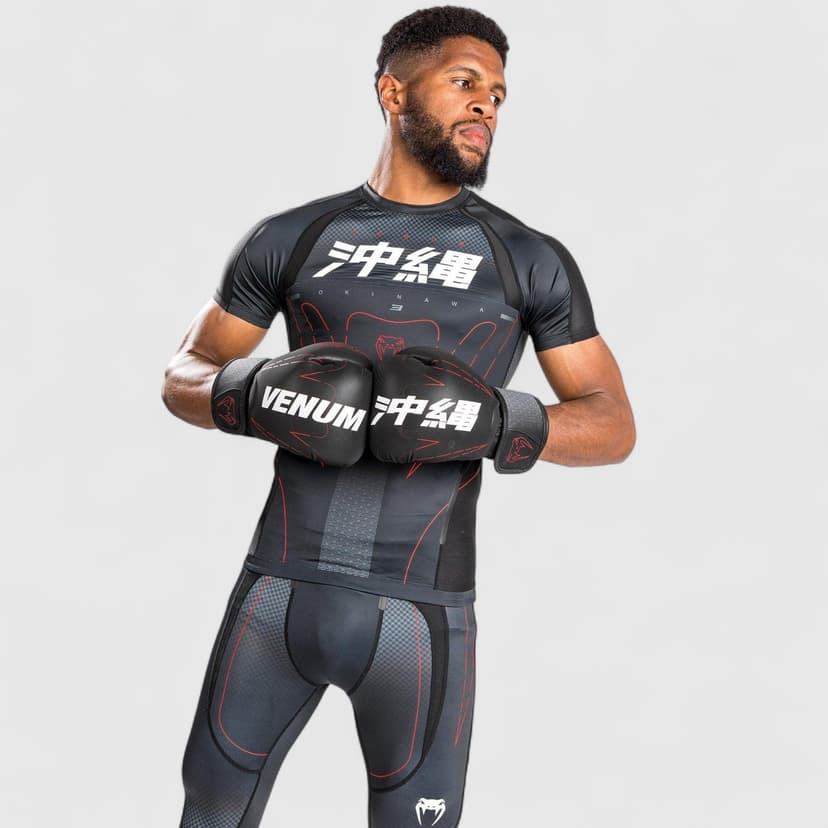
Different levels of compression
Light compression
Most big sportswear brands sell clothing they call «compression». These are good, comfortable training garments with a close fit, but they don't compress the muscles in a technical sense. They fit tightly to the body, but give no measurable physiological effect beyond comfort and support.
Normal compression
Genuine compression garments from specialist brands such as Venum and 2XU are a completely different experience. You feel as soon as you put them on that they tighten in a different way – it is an active, supportive feeling in the muscles, not just on the skin. These are the garments that actually deliver the documented benefits.
Strong compression (recovery)
Recovery garments are made with extra-strong compression and are meant to be worn after training. They are so tight that they aren't suitable for active training, but are very effective at speeding up recovery – especially after competitions or extra-hard sessions.
For training and recovery
Compression wear works best when worn both during and after training. Muscles benefit from increased blood flow both while they work and while they recover. Recommended practice is to keep the compression wear on for 30–60 minutes after training to maximise the recovery effect.
Many professional athletes also wear recovery tights overnight after a hard competition to reduce stiffness the next day.
Injury prevention
By holding the muscles in place and reducing unnecessary movement in the muscles, compression wear can help prevent certain overuse injuries. Compression socks and calf guards are especially popular among runners – they support the calf muscles and can help prevent shin splints (medial tibial stress syndrome).
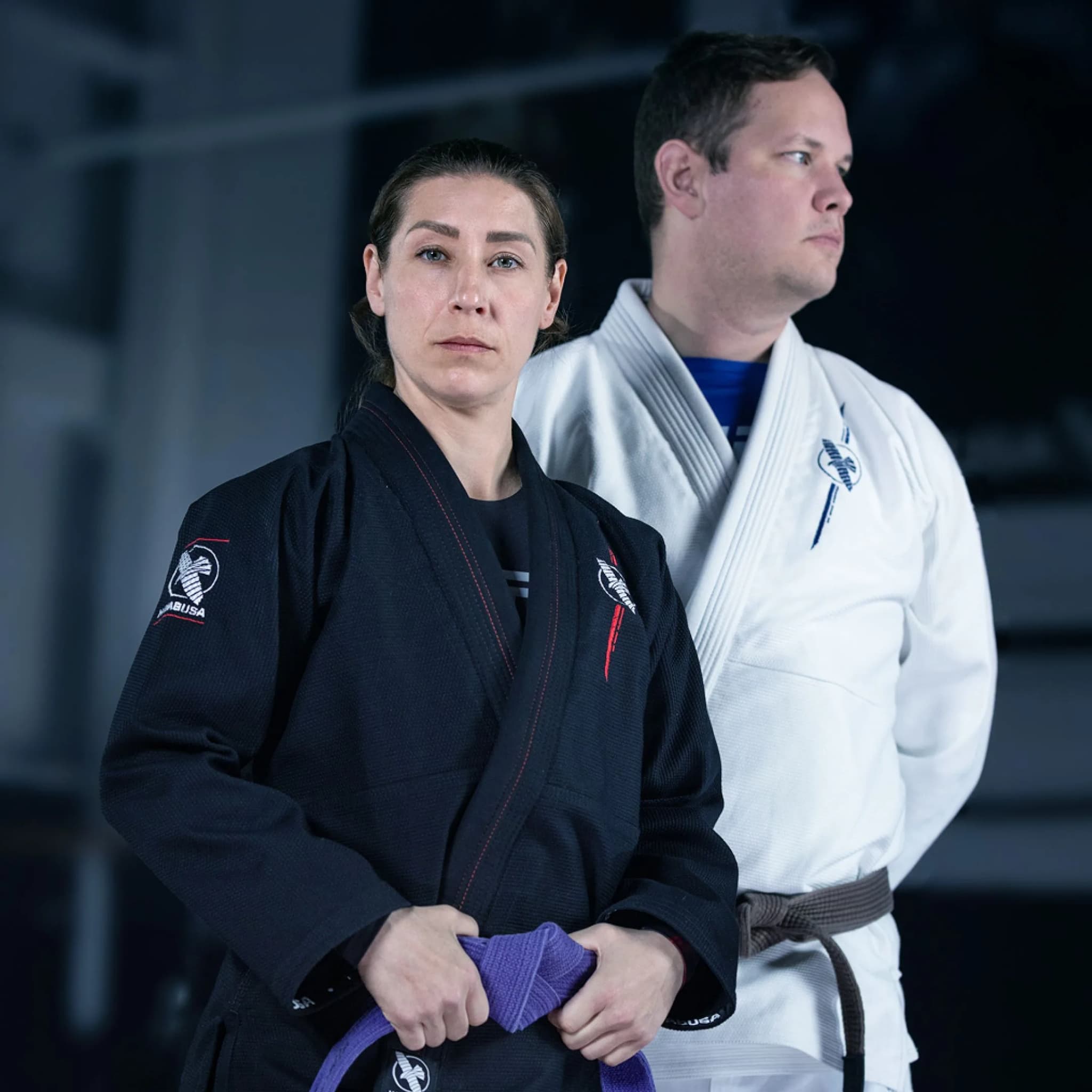
For martial artists, rashguards and compression tops give extra protection against mat burn, as well as muscle support.
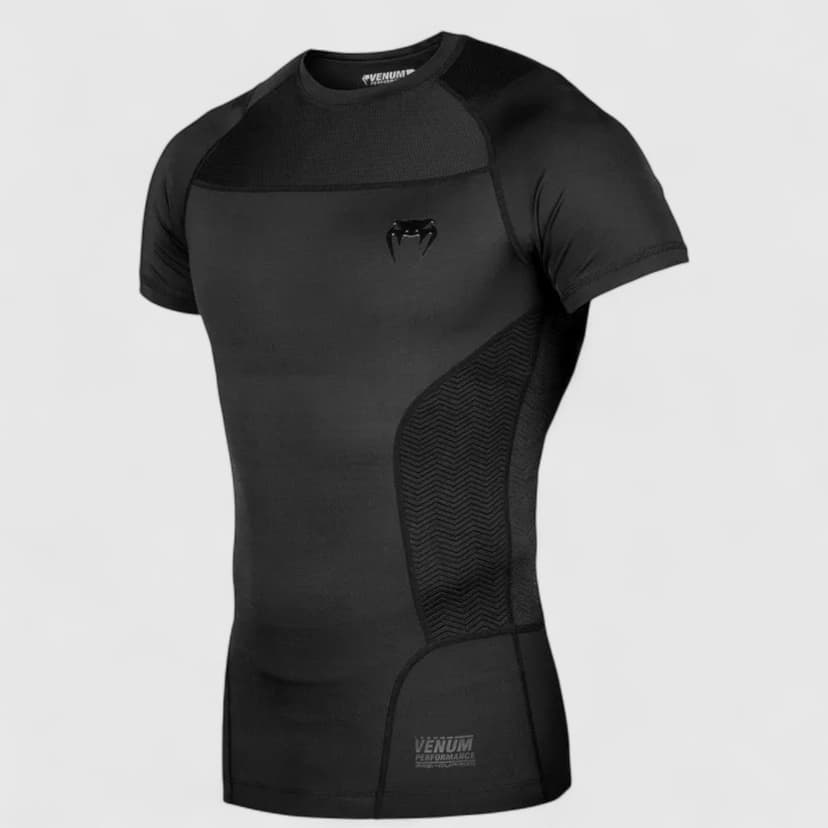
What kind of training is compression wear suited to?
Compression wear is versatile and suits most types of training. It is especially popular in:
- Martial arts – boxing, kickboxing, MMA, BJJ and wrestling
- Running and triathlon – reduces muscle fatigue over long distances
- CrossFit and functional training – gives support during explosive movements
- Strength training – gives support and warmth to the muscles
- Team sports – football, handball and basketball
How to choose the right compression wear
Here are the most important points to consider:
- Purpose: Training or recovery? Choose normal compression for training and recovery garments for rest.
- Activity: Martial arts require durable materials and good freedom of movement – look for rashguards from brands such as Venum.
- Size: Compression wear should fit tightly, but not cut off your circulation. Follow the size guide carefully.
- Quality: Cheap alternatives rarely give real compression. Invest in well-known brands to get an actual effect.
Frequently asked questions about compression wear
Does compression wear have a documented effect?
Research shows mixed results on performance, but there is solid evidence for reduced muscle fatigue and faster recovery. Either way, there is no doubt that quality compression wear feels completely different on the body from ordinary training tights.
Should you wear compression wear during or after training?
Both have an effect. Wear it during training to support the muscles and reduce fatigue, and keep it on for 30–60 minutes afterwards for optimal recovery.
What is the difference between a rashguard and a compression top?
A rashguard is a compression top specially designed for martial arts and water sports. It protects the skin against abrasion and gives compression to the upper body. Functionally they are similar, but rashguards are often made of more durable materials that withstand hard contact.
Can children wear compression wear?
Yes – compression wear is available in children's sizes. Choose light compression for children, and make sure the garment isn't too tight around joints and muscles.