Krav Maga differs from most other martial arts on one fundamental point: it isn't a sport. There is no ring, no points and no competitions. The system was developed for the Israeli military by Imi Lichtenfeld in the 1940s, with one single aim: to enable an untrained person to defend themselves and get away as quickly as possible.
That difference shapes both how it is trained and what gear you need. Here is an overview of what Krav Maga is, what a session looks like, what gear is actually used, and what you should know before signing up for a course in Norway.
What is Krav Maga?
Krav Maga means «close combat» in Hebrew. The system was built up by Imi Lichtenfeld, who had a background in boxing and wrestling, and who was tasked with training Israeli soldiers in close combat in the shortest possible time. The need for quick learning shaped the whole system: the techniques had to be simple, build on the body's natural reactions, and work for people with very different physiques.
Over time the system was made available to civilians, and today police, security staff and ordinary people train Krav Maga all over the world. The content is adapted to who is training: a civilian course is about assaults on the street, not military missions.
The principles the system is built on
- Get away. The aim is always to end the situation and get away, not to win a fight.
- Defend and attack at the same time. Instead of blocking first and striking afterwards, you learn to do both in the same movement.
- Build on reflexes. The techniques start from what the body does by itself when it is taken by surprise, instead of fighting against that reflex.
- Train under stress. Much of the training takes place when you are tired, from awkward starting positions, with noise or multiple attackers, because that is what a real situation feels like.
- No rules to follow. There are no forbidden targets in self-defence. That is exactly why control and partner safety are extra important in training.
What a session looks like
A typical class lasts around an hour and starts with a high-intensity warm-up. Then comes the technique part, often built around one specific situation: a grab around the neck, a punch from the side, an attacker coming from behind. You practise the technique slowly first, then with increasing resistance and pace.
Many clubs finish with scenario training. The technique is then put into context: you are tired, you are standing wrong, and the attack comes unexpectedly. The point isn't to perform the technique neatly, but to make it work when everything else is chaotic.
The gear you need
Gloves
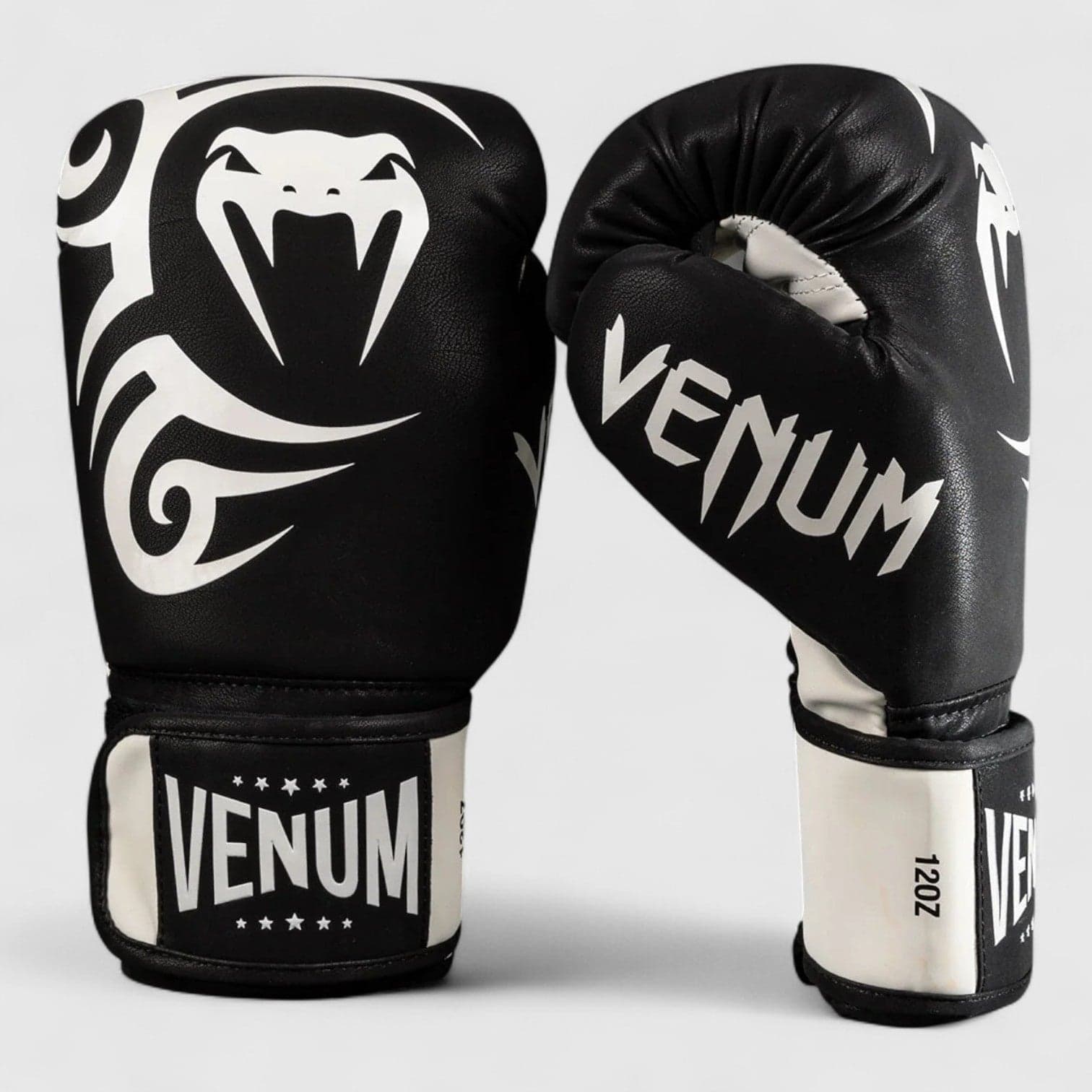
You hit pads and a partner, and need gloves that protect both you and whoever you are hitting. Many use regular 12 to 16 ounce boxing gloves for striking work, and MMA gloves when the session includes grabs and releases. See Boxing gloves and MMA gloves.
Mouthguard
Cheap, and the first thing you should buy. Krav Maga involves a lot of contact to the head from unexpected angles. See Mouthguards.
Groin guard
Kicks and knees to the groin are part of the Krav Maga syllabus, precisely because they work. That is why a groin guard is mandatory in partner training in most clubs.
Shin guards
Protect both you and your partner when kicks are added to the drills. See Shin and instep guards.
Pads and mitts
Many clubs have their own, but if you train at home or with a regular partner, a pair of focus mitts is the most commonly bought item.
Clothing
There is no uniform in Krav Maga. Train in something you can move freely in and that can take being pulled. Avoid zips and pockets your partner can get their fingers caught in.
Krav Maga in Norway
Krav Maga has been available in Norway for several decades, and today it is found in most larger towns. Most clubs are affiliated with an international organisation that certifies instructors and sets the syllabus, and it is worth asking about exactly that when choosing a club. Krav Maga isn't a protected term, so quality varies more than in martial arts with a Norwegian sports federation.
Courses are usually divided into levels, from beginner to advanced, and many clubs also offer shorter courses aimed at specific groups, such as women or young people.
Who is it for?
Krav Maga is a good fit for those who want to train self-defence without going down the competitive sport route. You need no background, and because the system is built to work without years of technical refinement, the sense of achievement comes quickly.
If you want competition, grading in a sporting system or martial arts as a sport, boxing, Muay Thai, BJJ or taekwondo are better choices. Many train Krav Maga in addition to one of these, not instead of it.
Our recommendations
Gloves
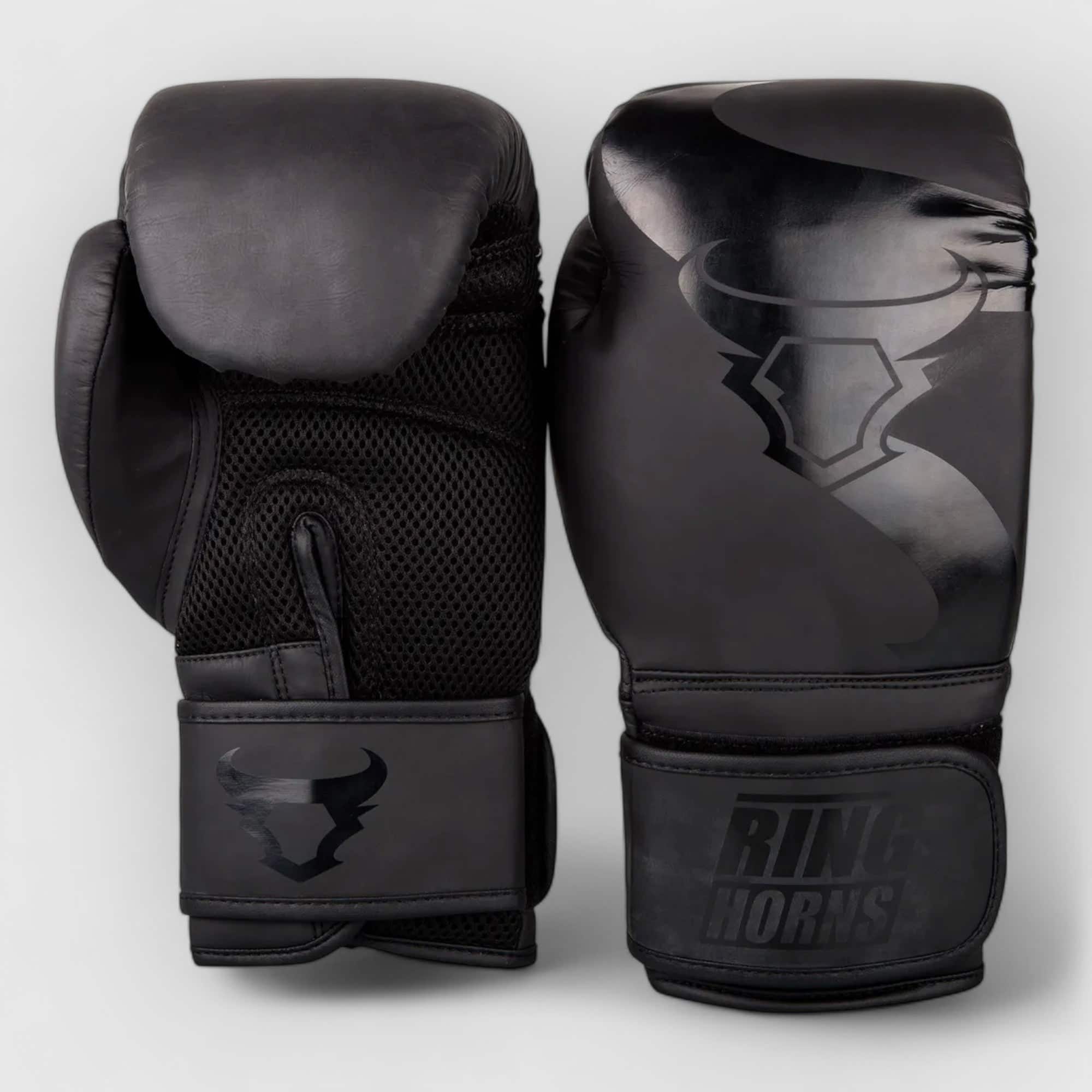
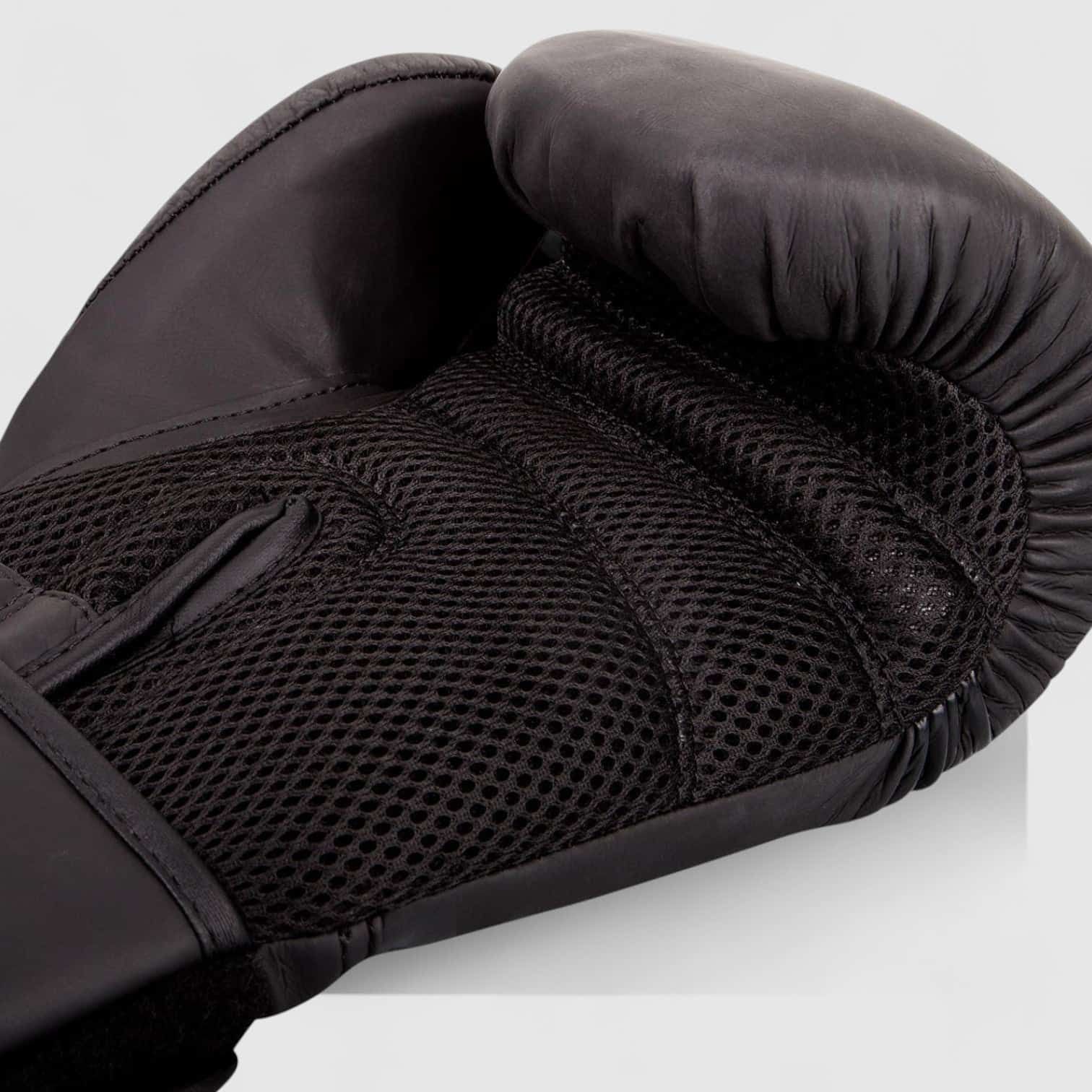
A simple, robust all-round glove for striking work on pads and with a partner.
Mouthguard
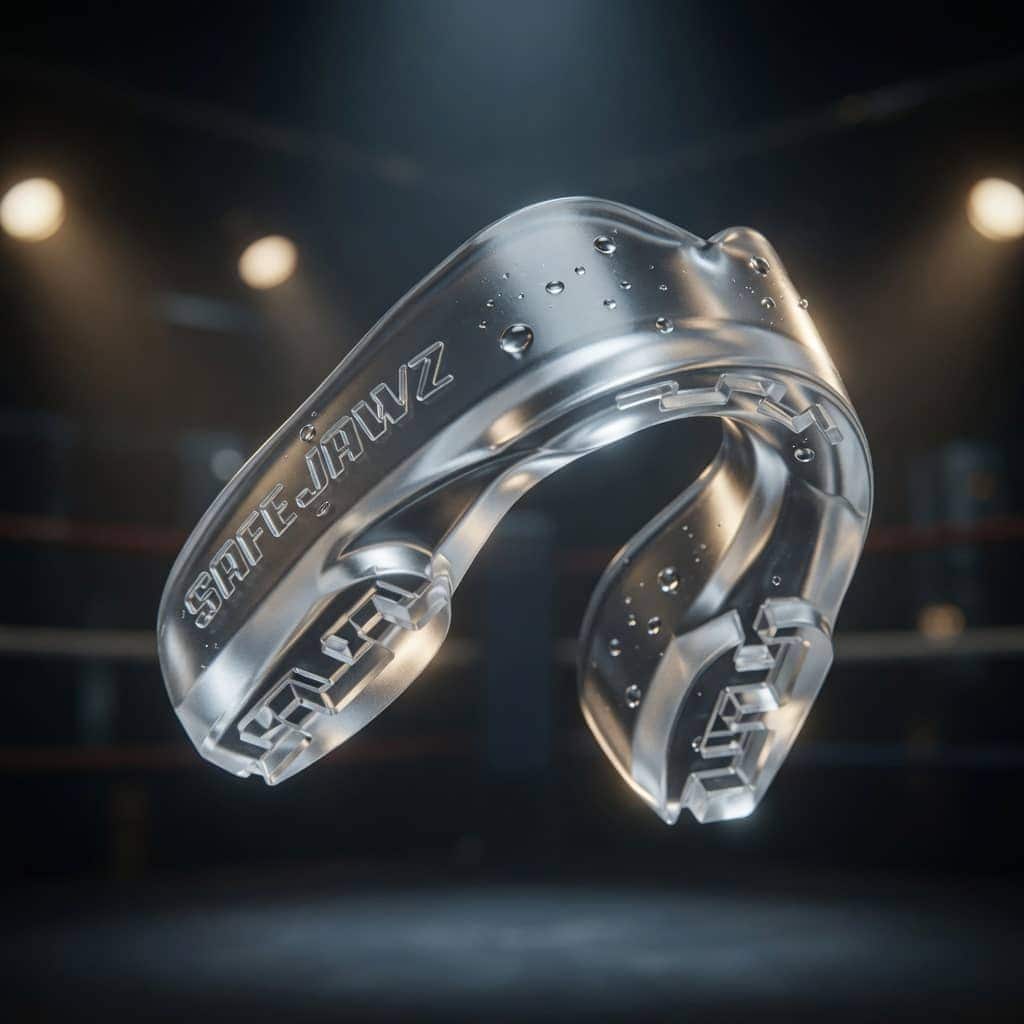
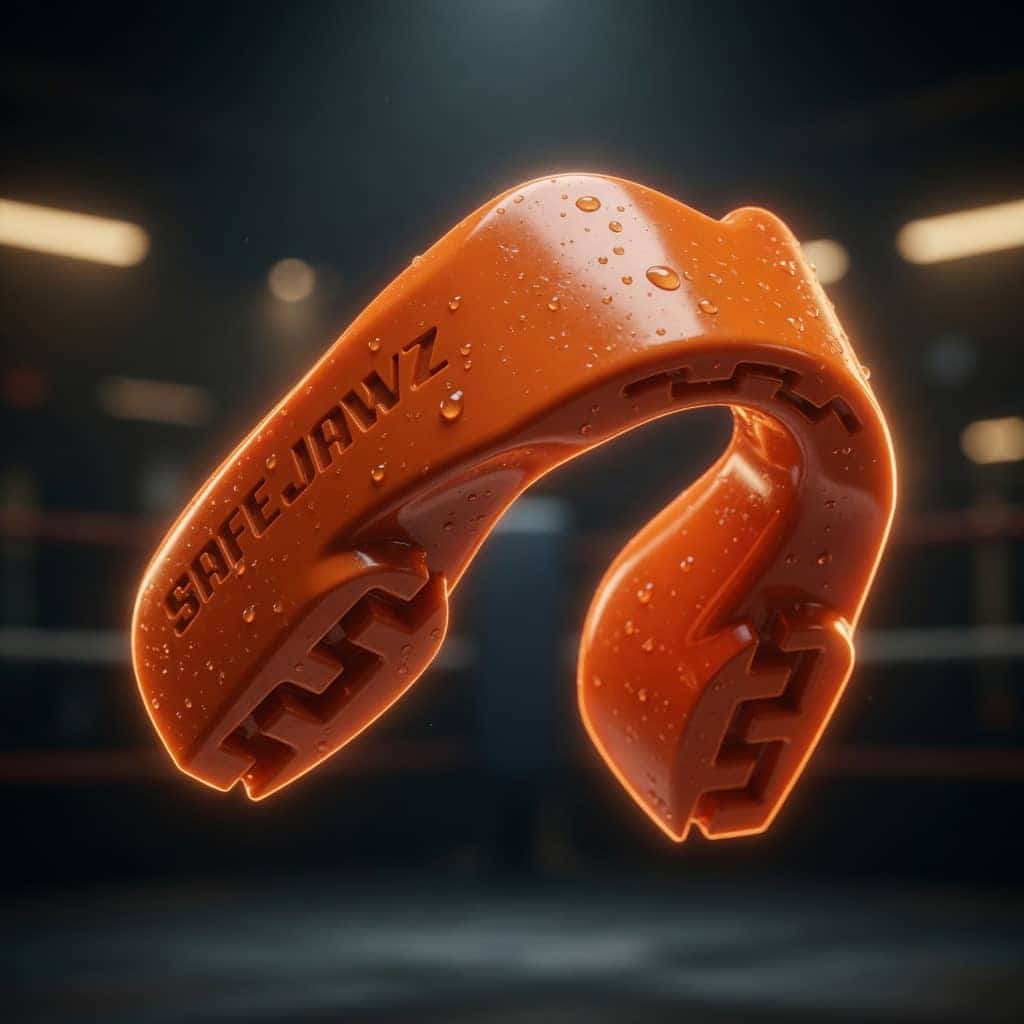


Moulded in boiling water and stays in place without you having to bite it into position. The most affordable gear you will buy.
Groin guard
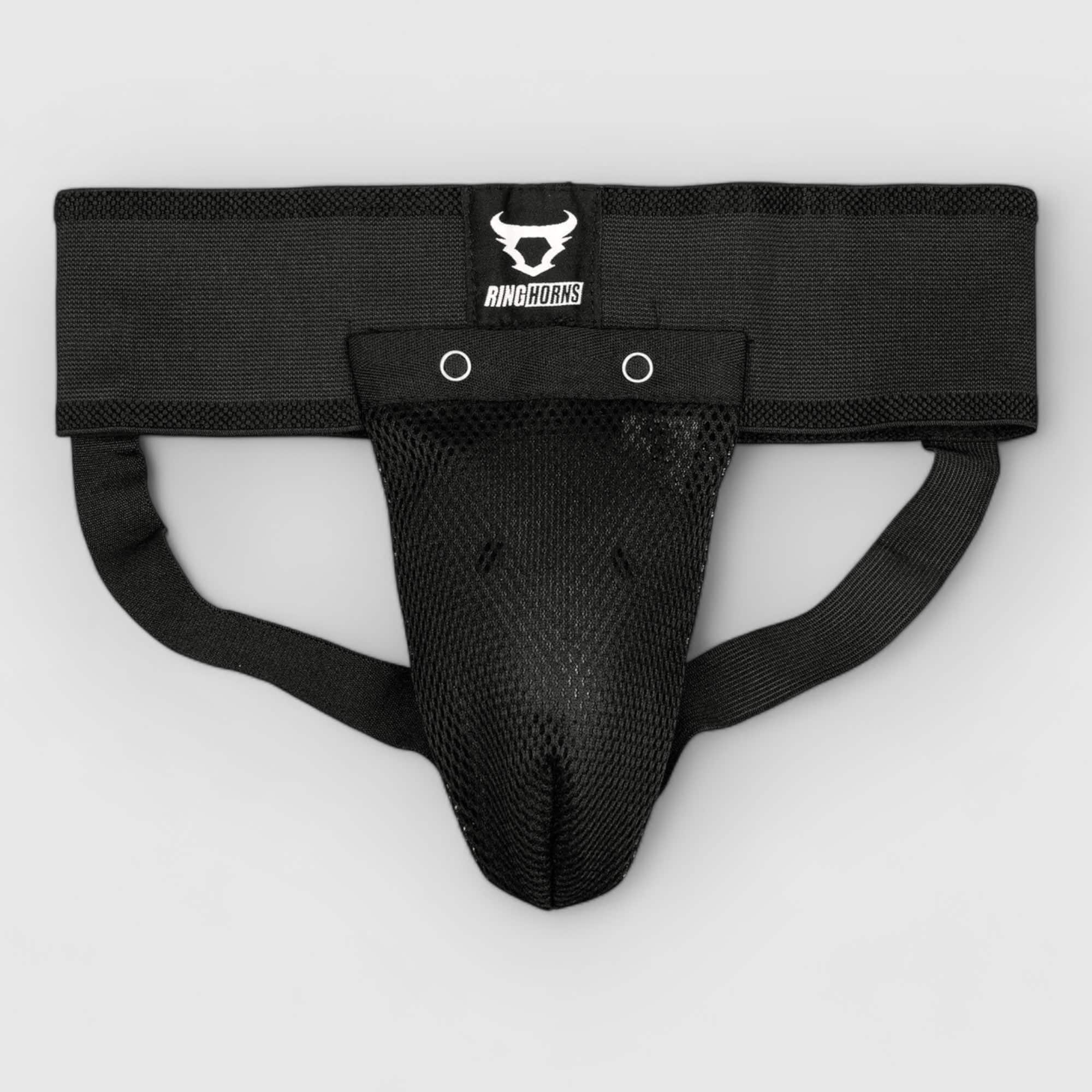
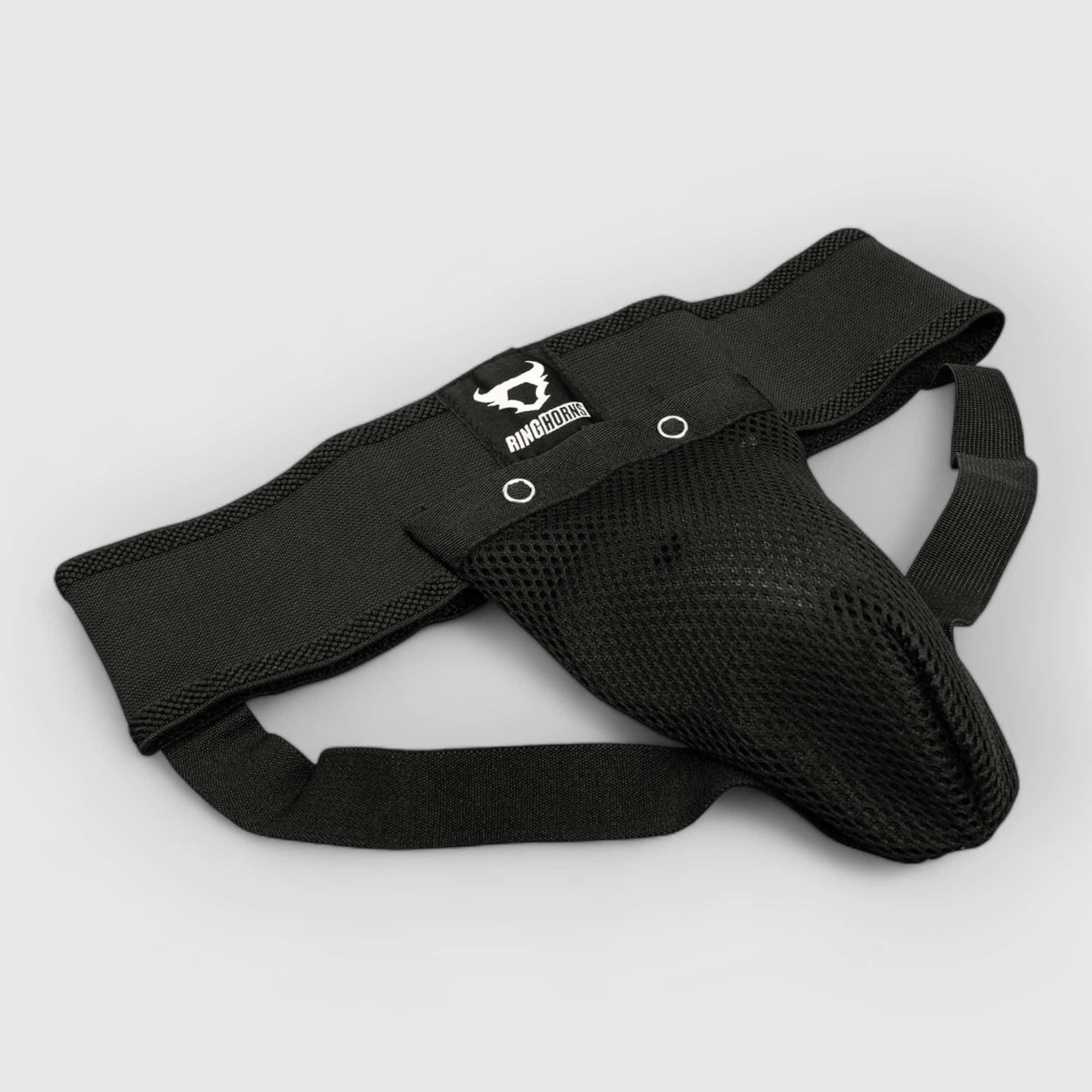


A standard model that fits well under regular training clothes. Also available in a women's model.
Shin guards
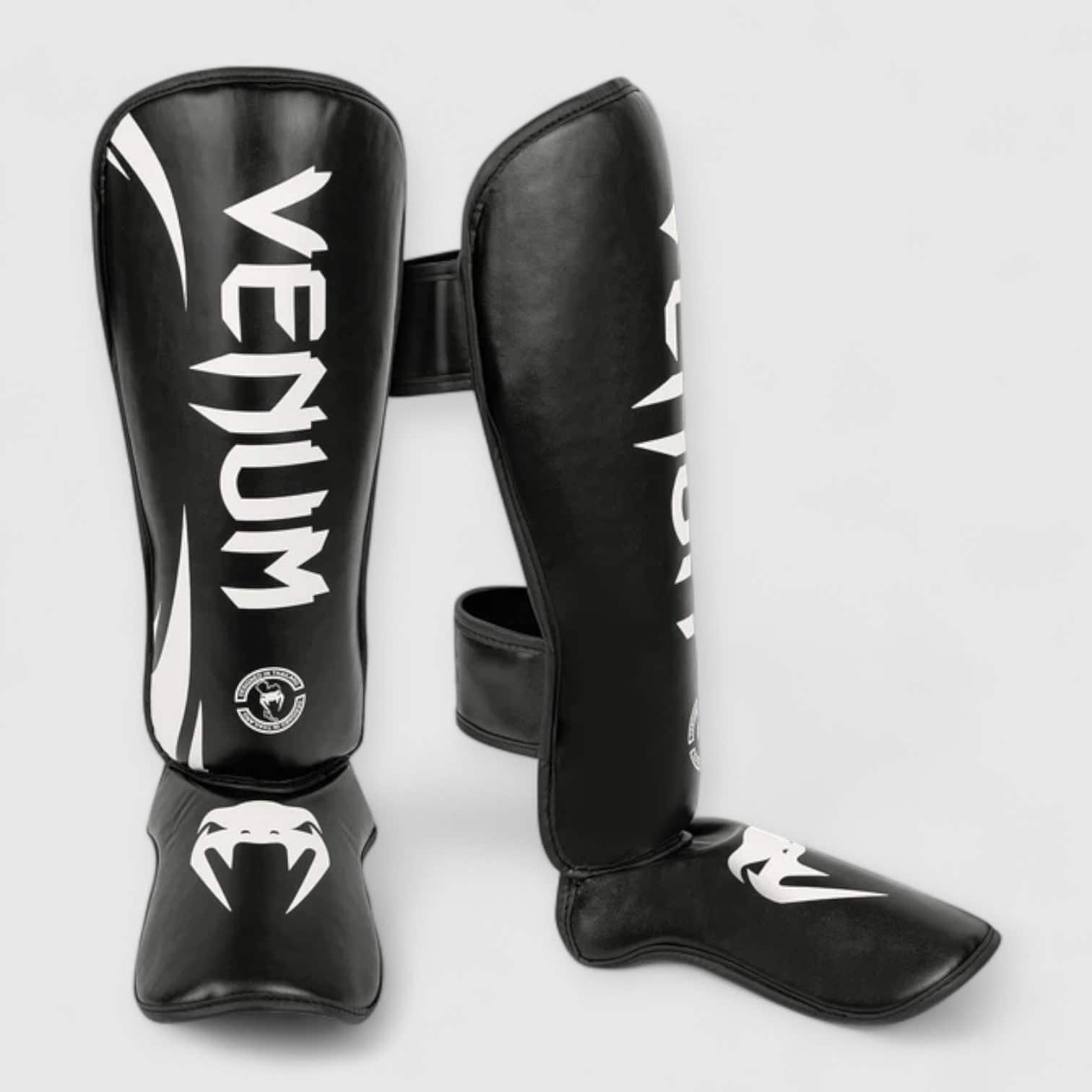
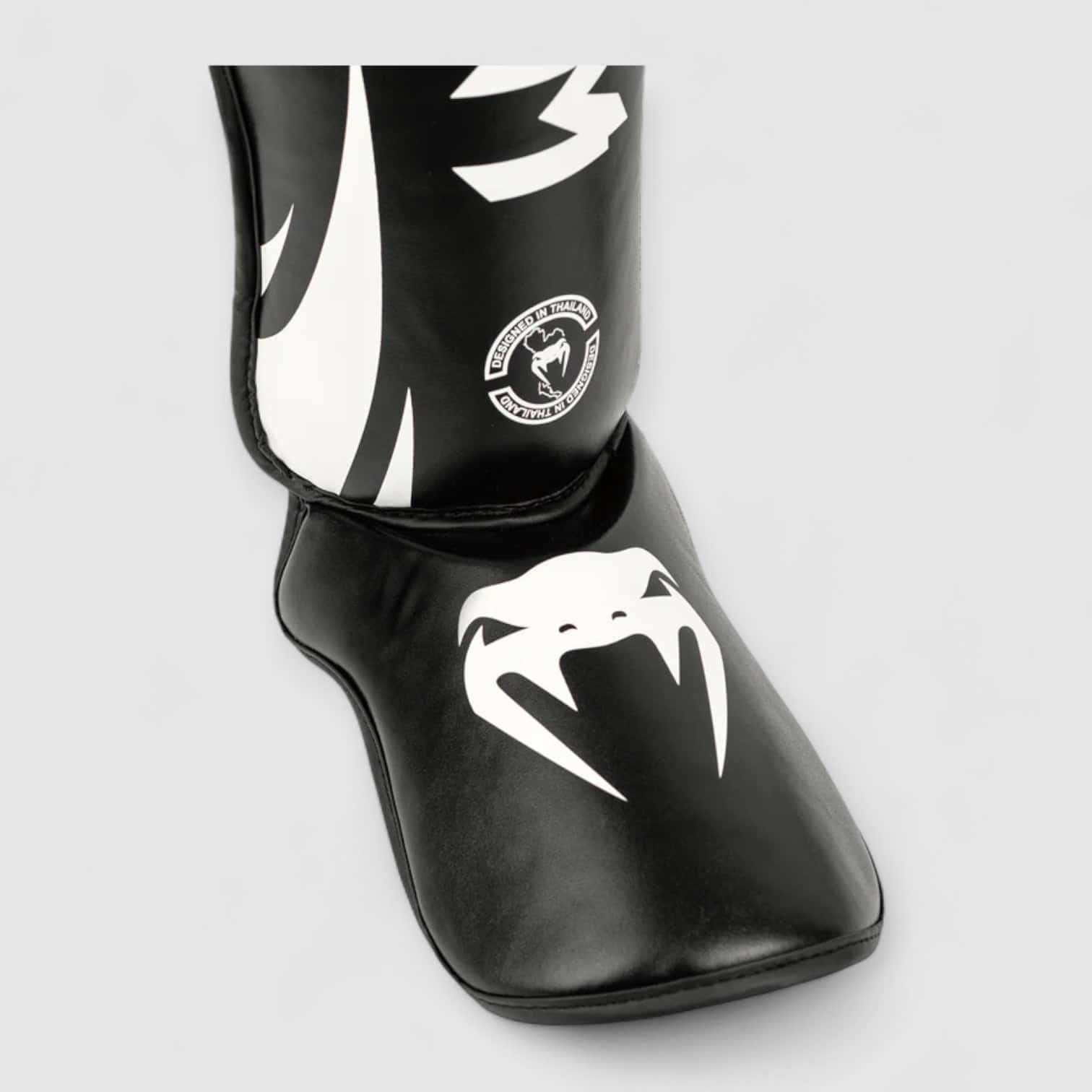


Covers the shin and instep in one and stays put through a whole session.
For partner training
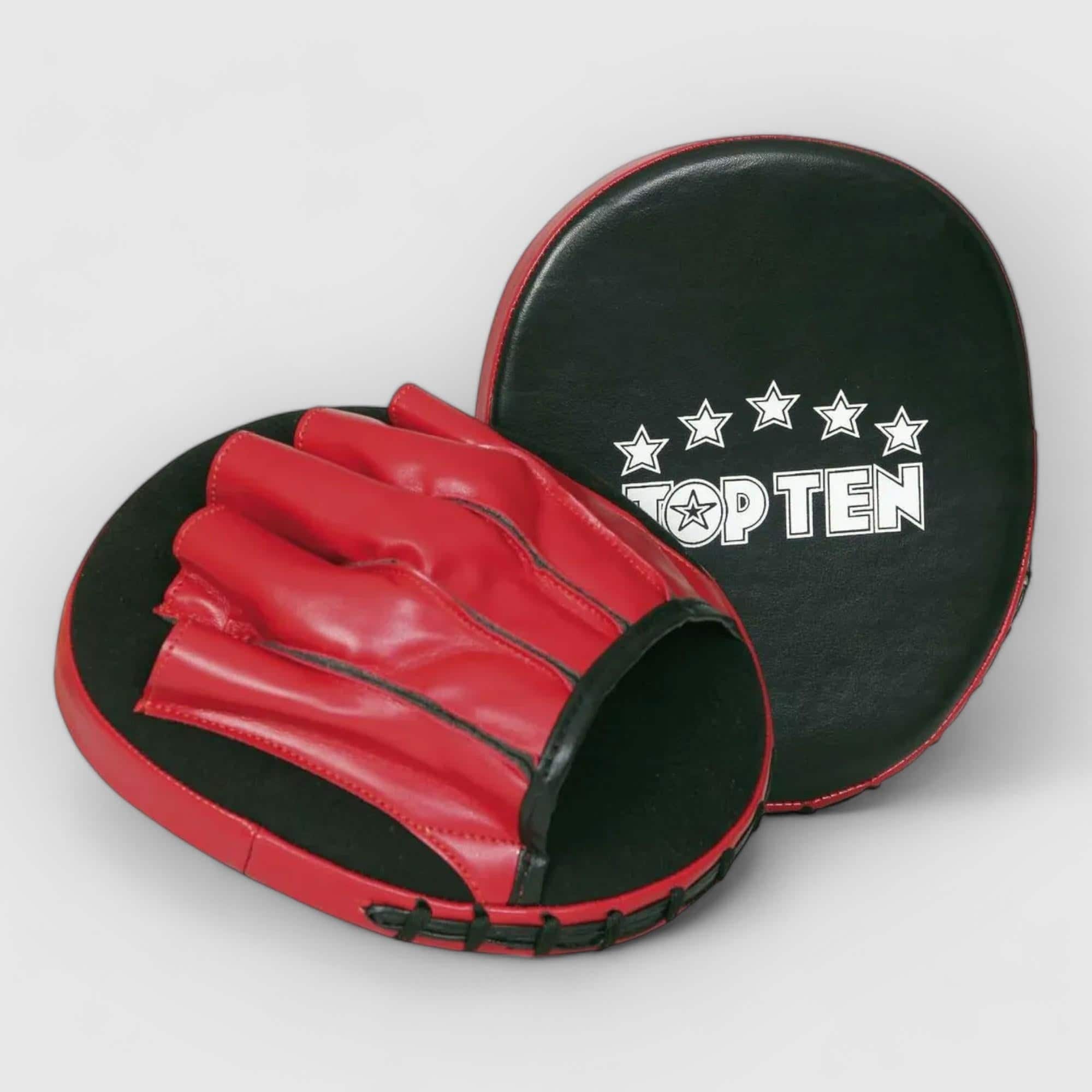
Light focus mitts for those who train with a regular partner. Sold in pairs.
Frequently asked questions
Do I need martial arts experience before I start?
No. Krav Maga is built precisely for people with no background, and most beginner courses assume nothing.
Do I need a special uniform?
No. There is no dobok or gi in Krav Maga. Ordinary training clothes without zips and pockets work fine.
Are there belts and gradings?
Some organisations use a grading system with patches or levels, others don't. It varies with which organisation the club belongs to.
Can I train Krav Maga if I'm out of shape?
Yes. The sessions are intense, but you set your own pace, and your fitness improves quickly when you turn up regularly.
Is Krav Maga dangerous to train?
The techniques target vulnerable points, but are trained with control and protective gear. That is exactly why a mouthguard and groin guard are considered mandatory.
Which gloves are best?
Boxing gloves for pure striking sessions, MMA gloves when the session includes grabs and releases. Ask your club what they use most.