
MMA, or mixed martial arts, is the combat sport that has grown fastest in Norway over the last decade. Where most combat sports stick to one area of fighting, MMA draws on all of them: punches and kicks from boxing, kickboxing and Muay Thai, takedowns from wrestling and judo, and submissions from Brazilian jiu-jitsu. The result is a sport that demands more of you than almost anything else you can do, but that also gives a very steep learning curve in the first few months.
This guide goes through what MMA actually is, what gear you need to start, what you can expect from your first session, and which mistakes most beginners make. We stick to gear we actually stock, so you know what is available when you are ready.
What is MMA?
MMA is a full-contact sport in which athletes can use punches, kicks, throws and submissions. The fight can take place standing or on the ground, and it can be decided by knockout, submission or points. Precisely because the fight can go from standing to the ground in a second, an MMA athlete must be reasonably competent in several disciplines at once.
In practice, training is often divided into three areas. Striking is about punches, kicks, elbows and knees, and draws mostly on boxing and Muay Thai. Wrestling is about takedowns, clinching against the cage or wall, and controlling where the fight takes place. Grappling is about positions and submissions on the ground, and comes mainly from Brazilian jiu-jitsu and submission wrestling.
As a beginner, don't worry about mastering all three. Most clubs set up their beginner courses so that you get a taste of each part, and most athletes end up with one area they are strongest in. That is completely normal.
The gear you need to start
You need less than you think in the first month. Many clubs have loan gear for the very first session, but there are a few things you should get hold of quickly, both for hygiene and because gear that fits you works better.
MMA gloves
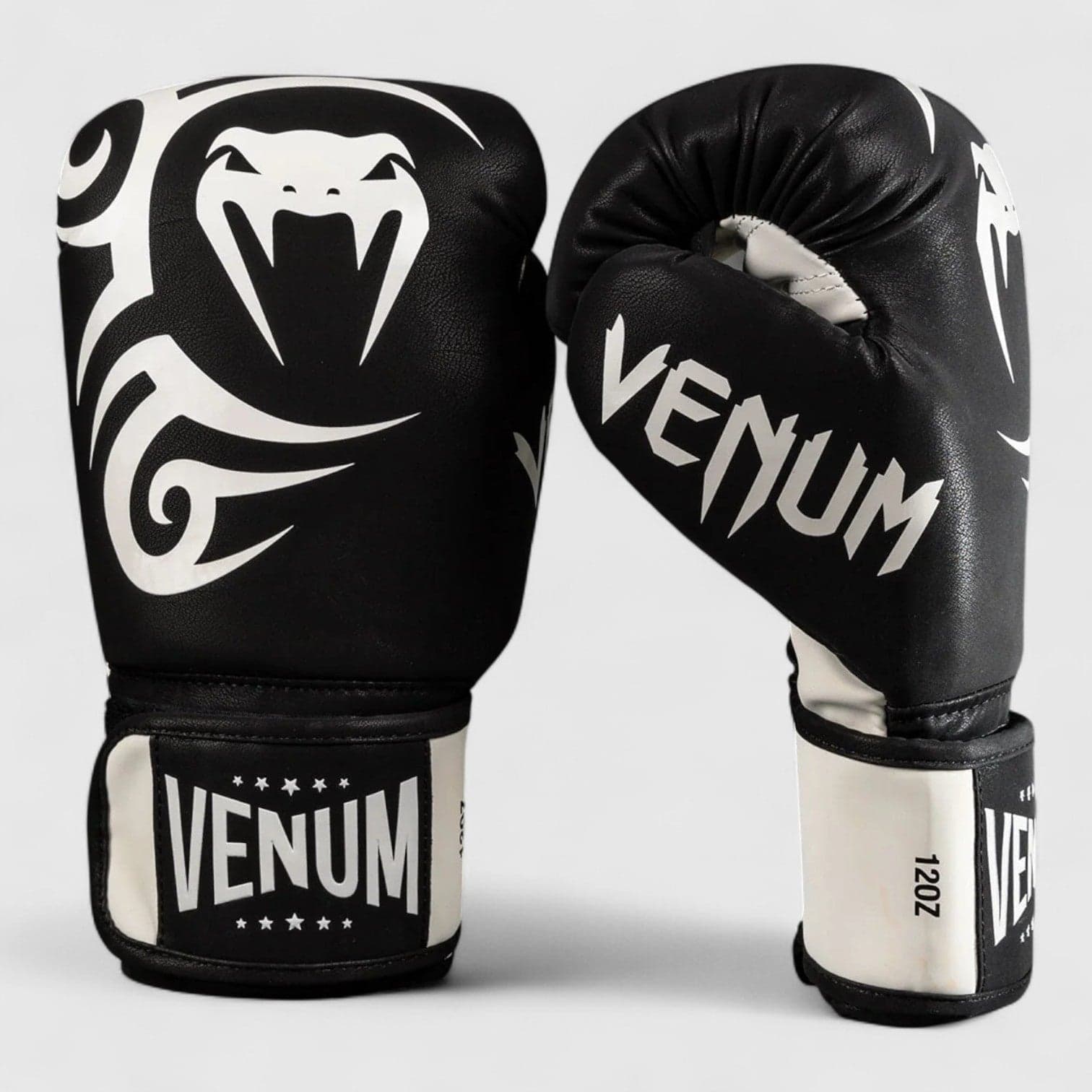
MMA gloves are small, open at the fingers and usually weigh between four and six ounces. The open fingers aren't a detail, they are the whole point: you need to be able to grip, hold and work with your hands during grappling. For sparring, many use a heavier version with more padding over the knuckles. See the full range in MMA gloves.
Mouthguard
This is the cheapest gear you buy and the most important. A mouthguard doesn't just protect your teeth, it also cushions impact through the jaw. Buy one you can mould yourself in boiling water, so it stays in place without you having to bite it into position. We stock several models in Mouthguards.
Groin guard
Mandatory in virtually every club. In MMA, the groin guard is usually the type that sits close to the body, not the large cup-shaped version used in boxing, because it mustn't get in the way during ground fighting. You will find it in MMA protection.
Shorts, spats and rashguard
Ordinary training shorts with pockets and zips aren't suitable, both because they tear and because zips injure your training partner. MMA shorts and fight shorts are sewn without metal and with splits or an elastic panel for kicks. Many train in spats under their shorts, and in a rashguard on top to protect the skin from mat burn and bacteria.
Gear you need when you start sparring
The first few weeks are mostly about technique, mat work and light drilling. When you start sparring, three things are added:
- Shin guards. Protect both you and your partner. In MMA, a model that covers the shin and instep and fits snugly is usually used, so it doesn't slip during ground fighting.
- Headguard. Used in many clubs for hard sparring. An MMA headguard usually has open ears and a clear field of vision.
- Heavier gloves. Some clubs require you to spar in 12 to 16 ounce sparring gloves instead of MMA gloves when the session is hard.
What your first session looks like
A typical beginners' class lasts between 60 and 90 minutes. It starts with a warm-up, often light running, hip mobility and movements on the mat that you will come to recognise from grappling. Then comes the technique part, where the instructor shows one or two techniques that you drill in pairs. Some clubs finish with light sparring or positional sparring, where you start in a given position and work from there.
You won't understand everything. That is the idea. MMA has a large vocabulary of positions and techniques, and it takes time to build it up. What you can do from day one is turn up, listen, and tell your partner if something hurts.
Five mistakes beginners make
- Going too hard too soon. Sparring is learning, not competition. Those who go hard in the first few months usually get injured before they get good.
- Buying gloves that are too cheap. A glove that loses its shape after two months doesn't protect your knuckles. It is better to buy one good pair than two bad ones.
- Holding their breath. Beginners often don't breathe at all during grappling. Calm breathing is half of your endurance.
- Skipping the mouthguard. It costs little. A dental injury costs a lot.
- Leaving gear wet in the bag. Gloves and protection that never get to dry are ruined and smell. Hang everything up to air after every session.
Our recommendations
Best starting point
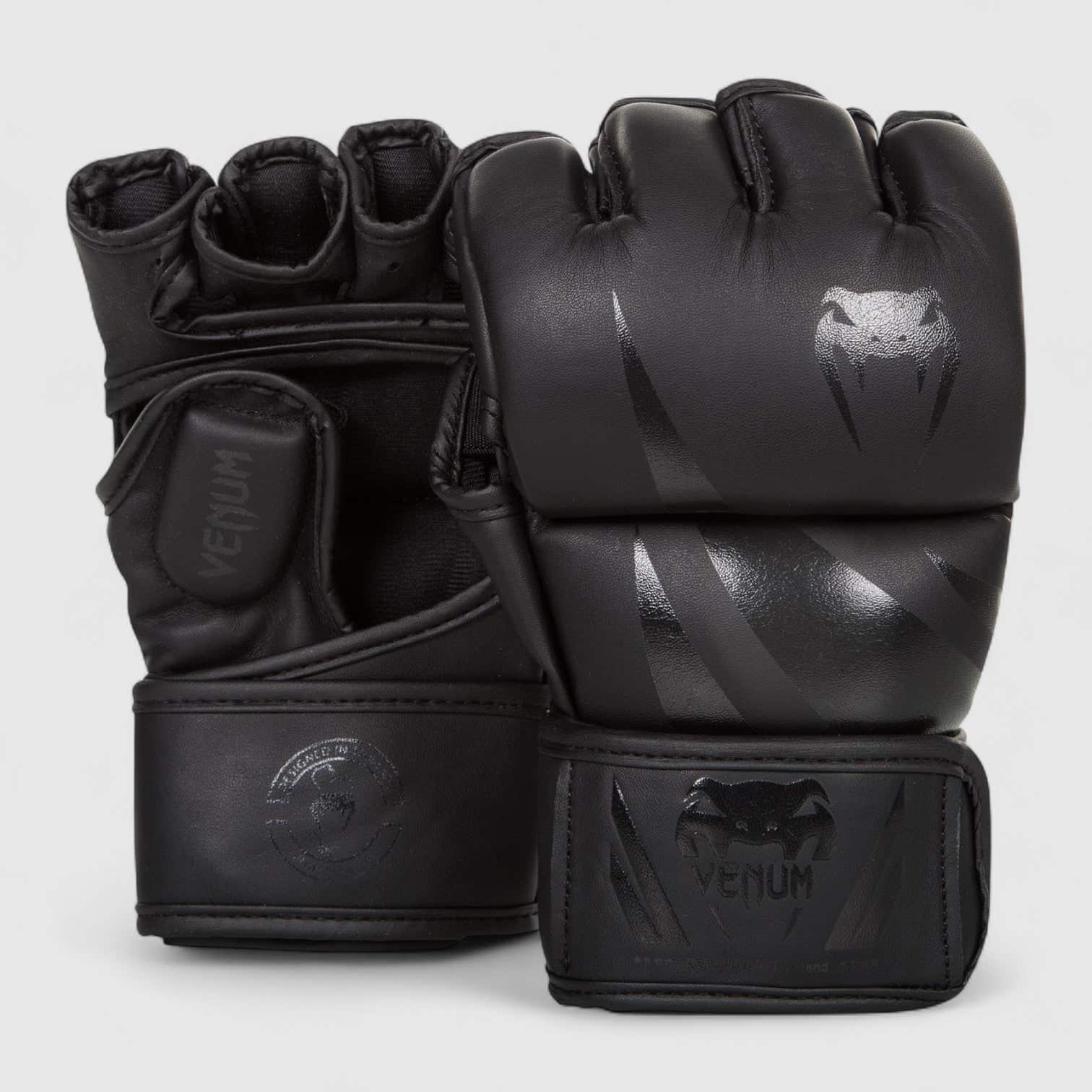
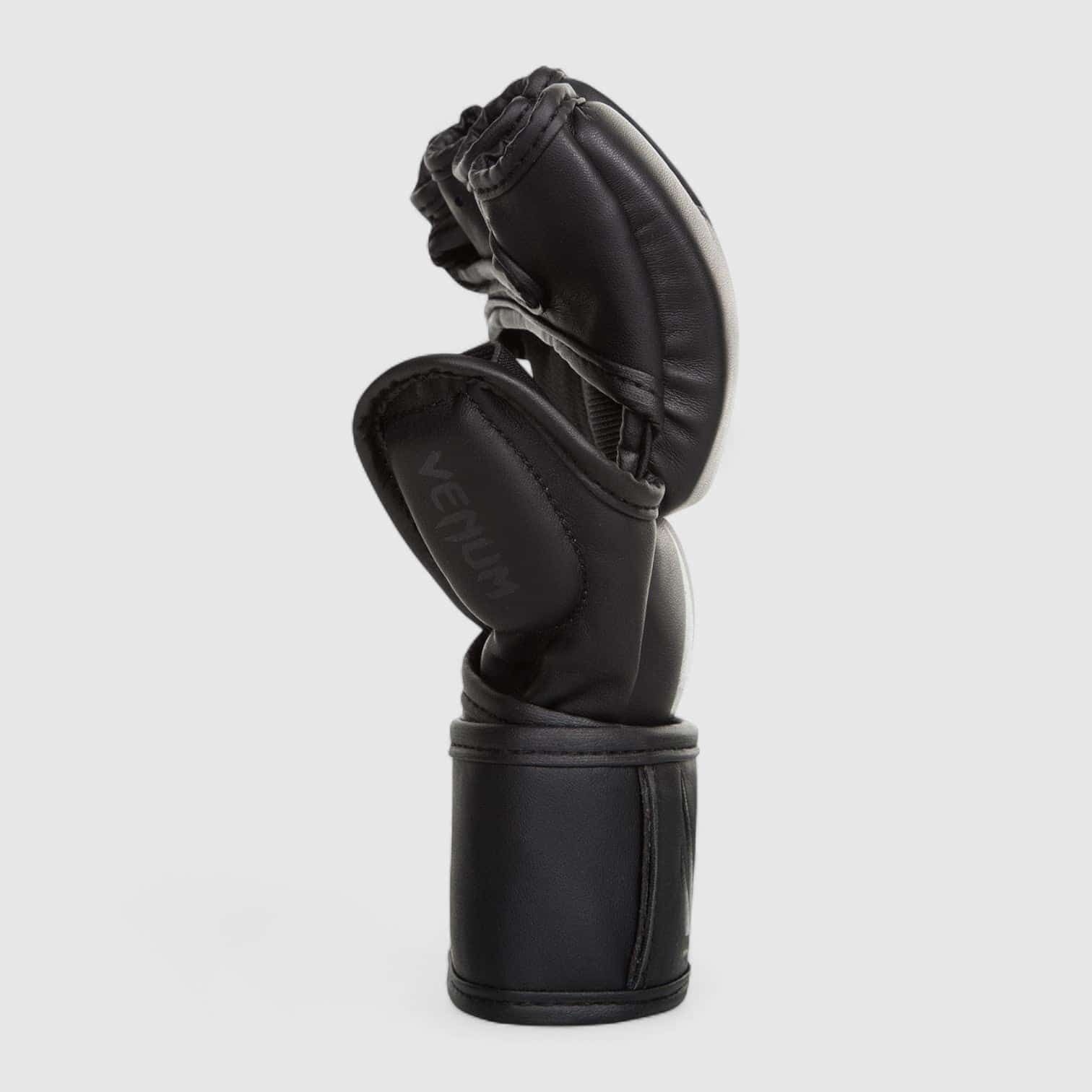
A solid entry model with thumb protection and a good fit. Handles bag work, pads and light sparring.
When you train a lot
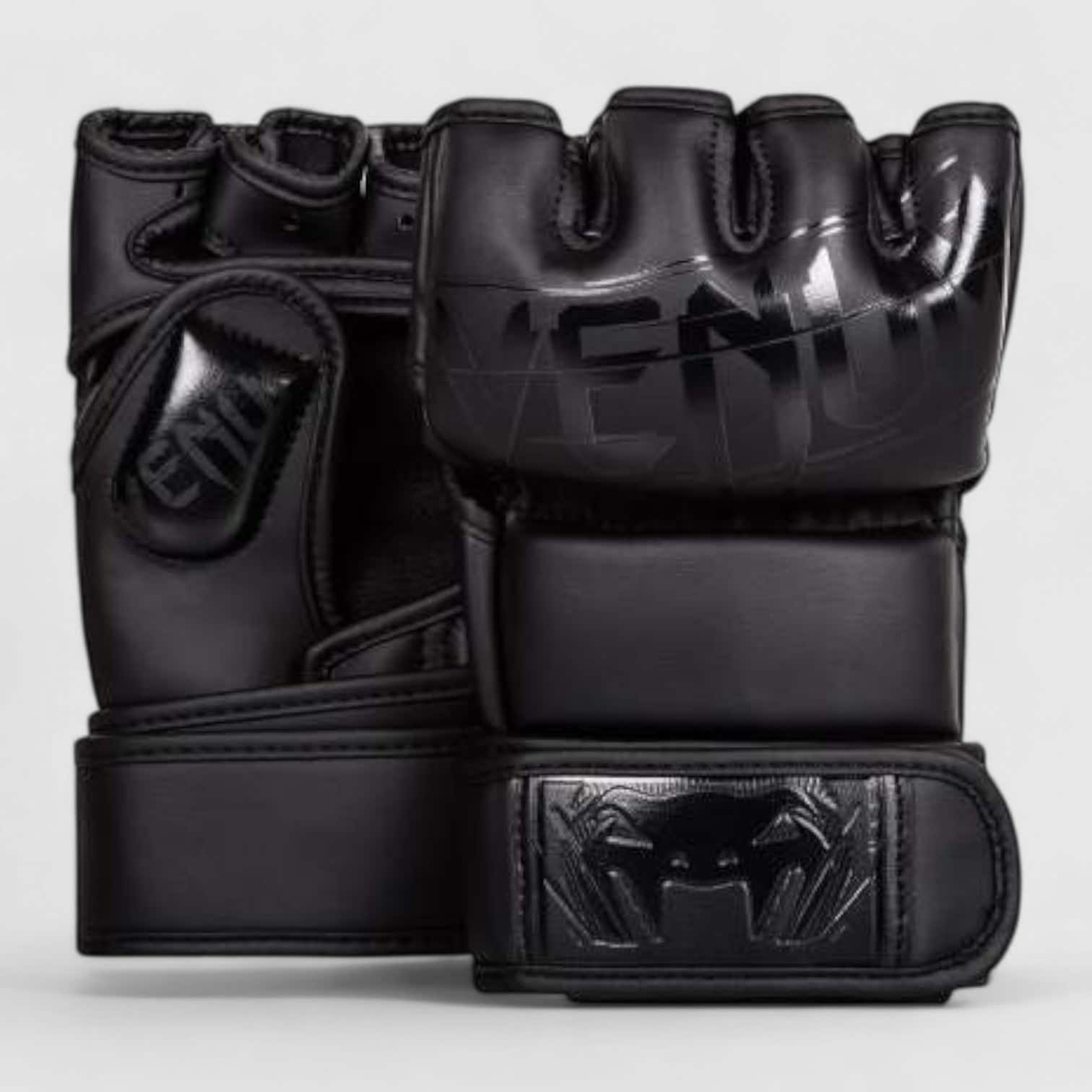
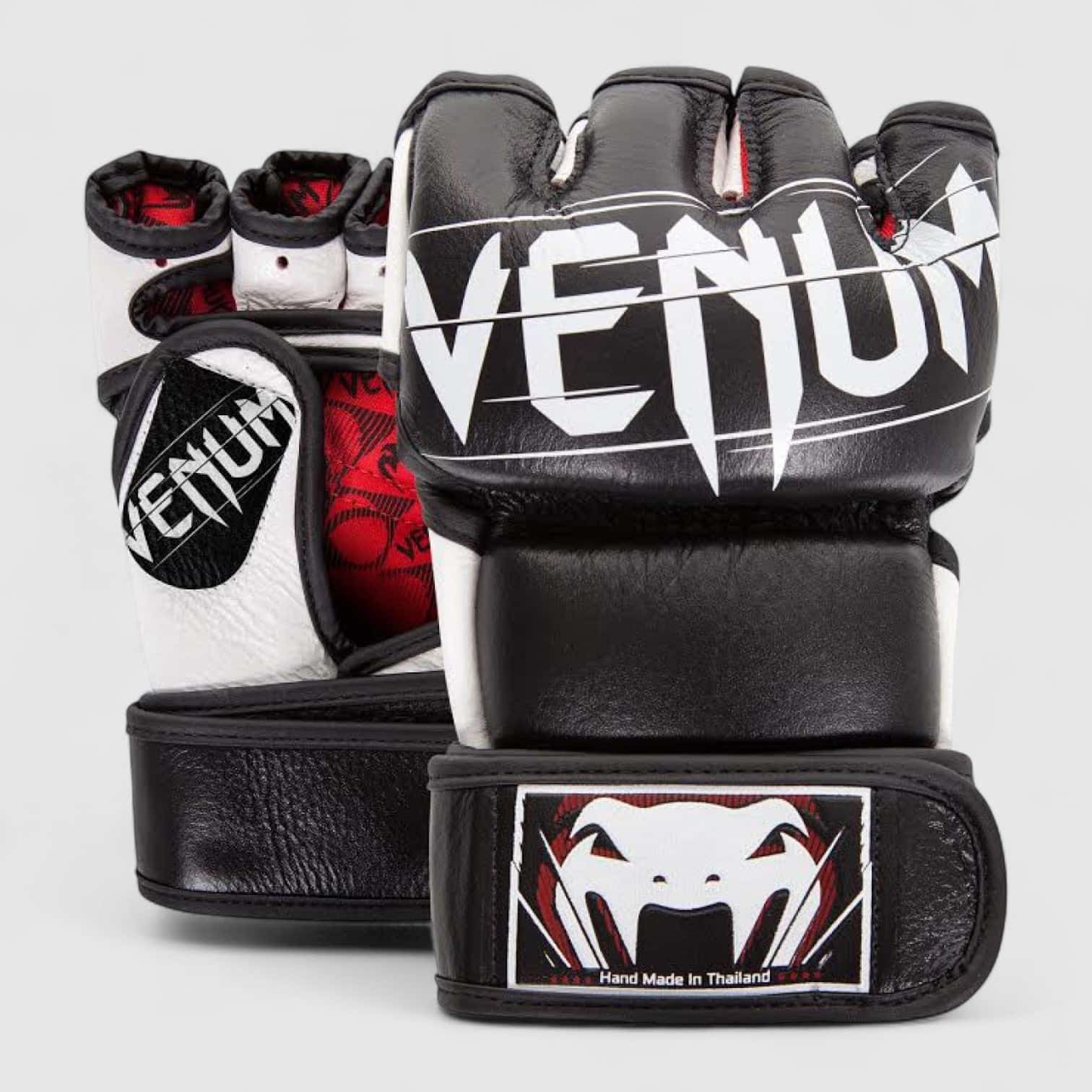


A higher-quality leather glove for those who train several times a week and want gear that lasts.
For sparring
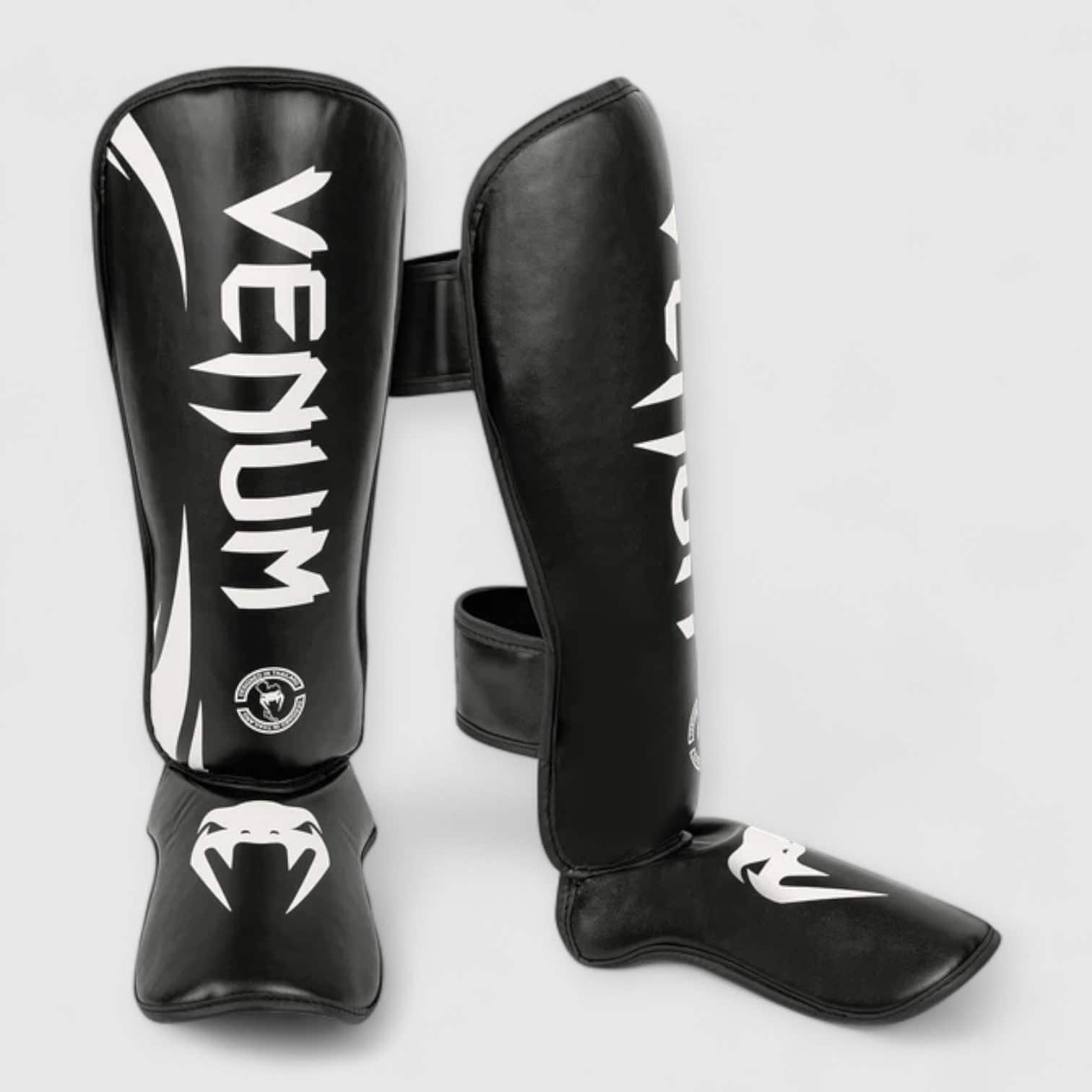
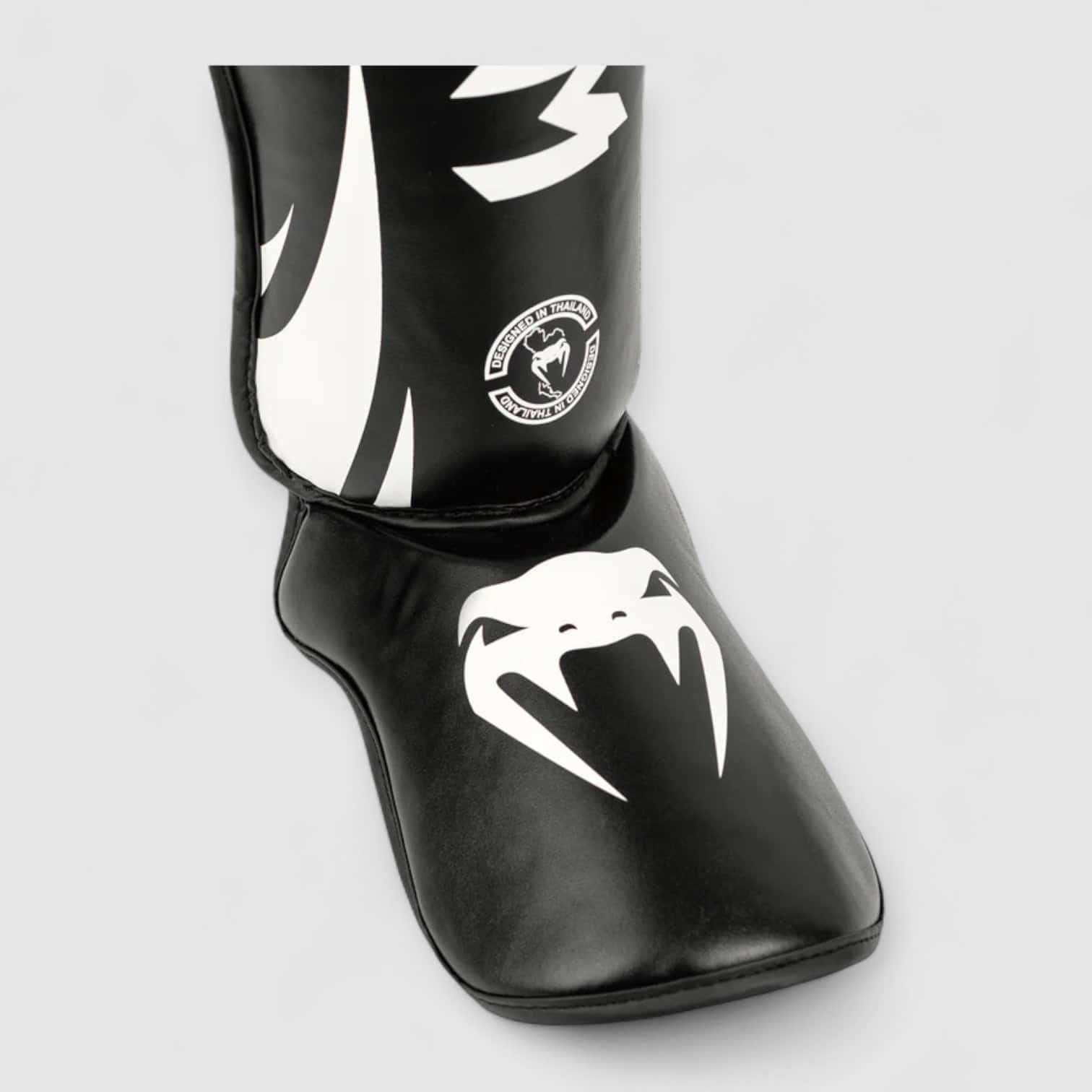


Covers the shin and instep in one, and fits well enough to stay in place through a whole session.
Headguard
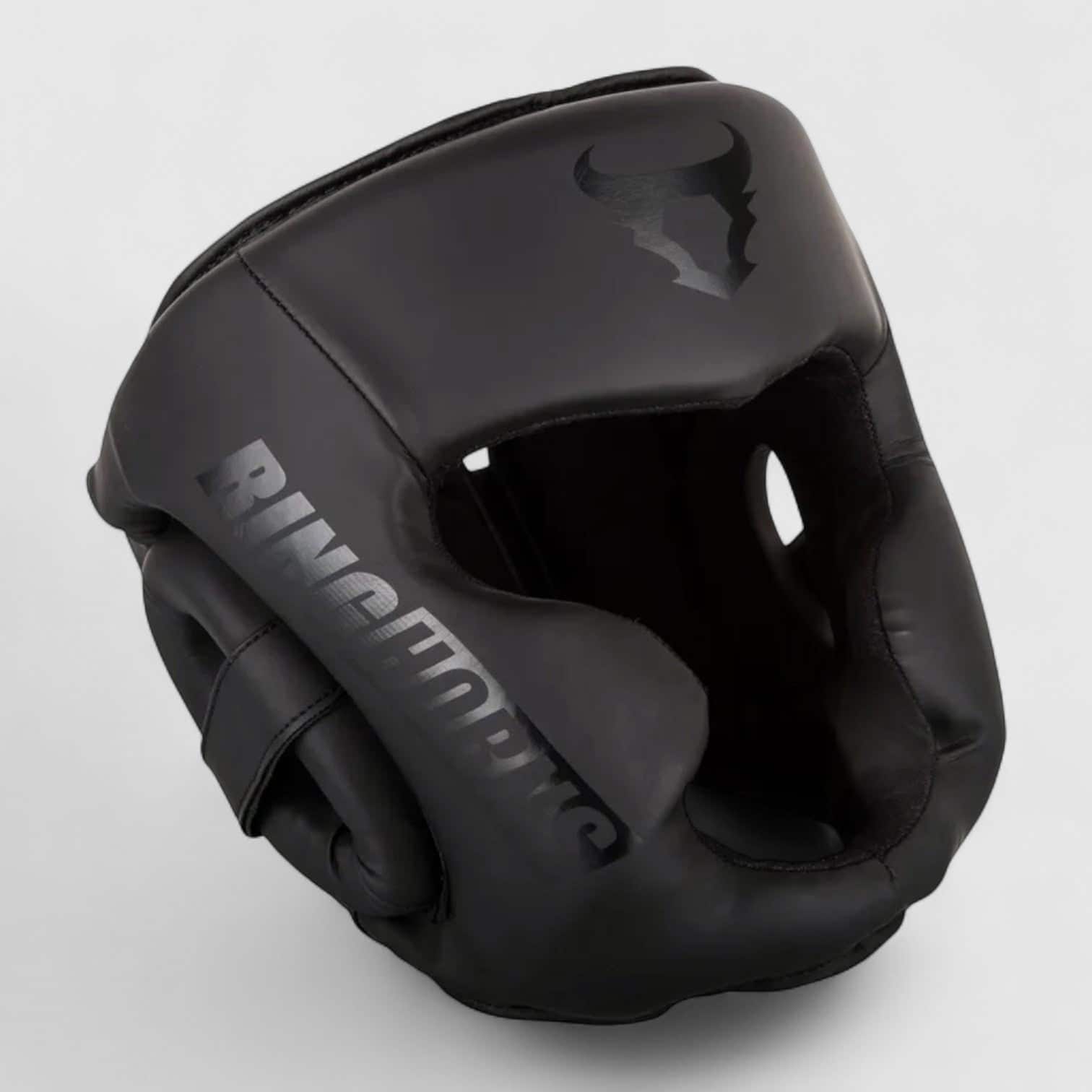
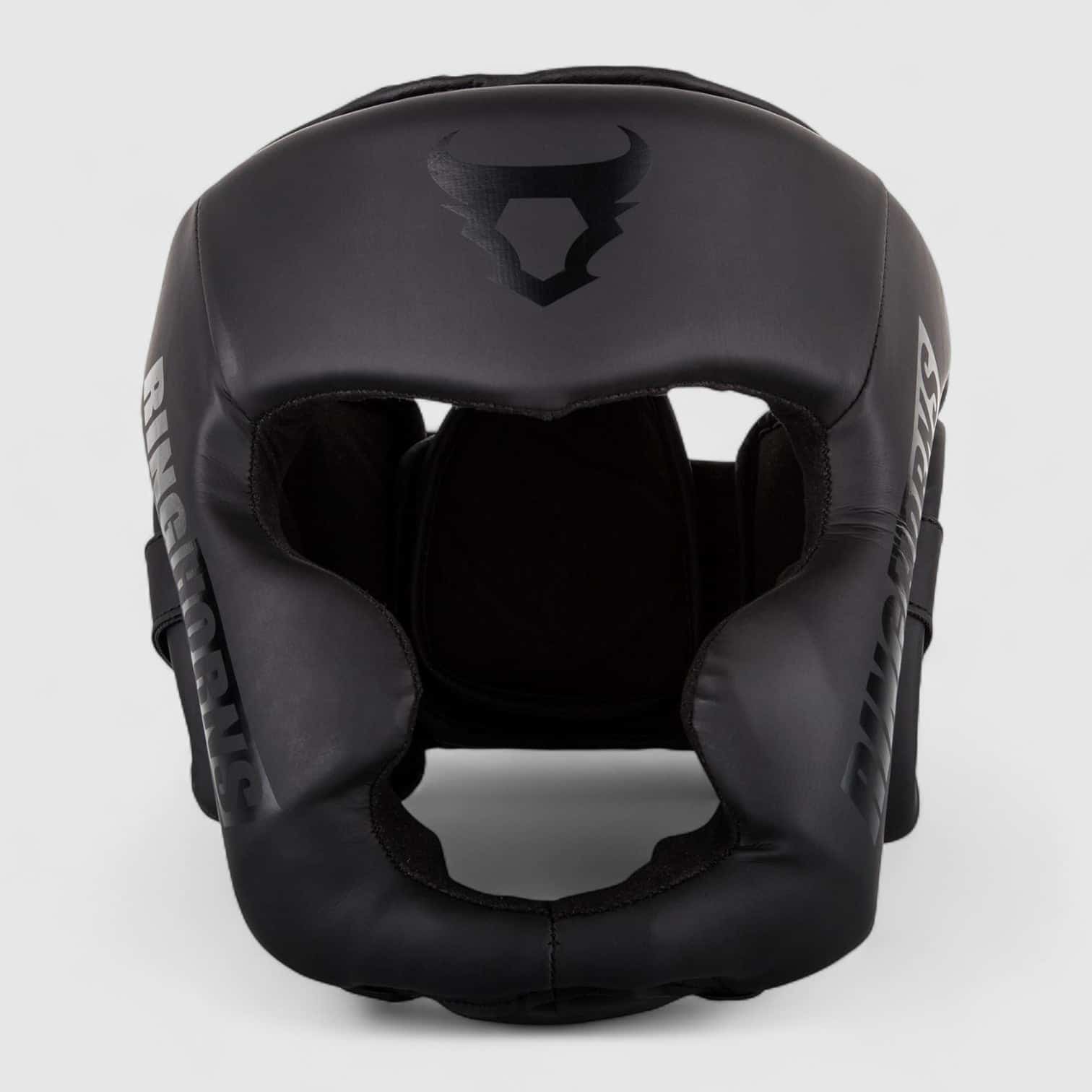
An open field of vision and good cushioning. A sensible choice when your club requires a headguard for hard sparring.
Frequently asked questions
Do I need to be fit before I start MMA?
No. Fitness comes from the training. Clubs are used to beginners of every shape, and you set your own pace in the first few weeks.
How old do I have to be?
It varies from club to club. Many have dedicated children's and youth classes from around age 8 to 10, with adapted content and no hard sparring.
What is the difference between MMA gloves and boxing gloves?
MMA gloves are small, open at the fingers and let you grip. Boxing gloves are closed and heavier, and are made for punching alone. You can't grapple in boxing gloves.
How many times a week should I train?
Twice a week is enough to develop steadily as a beginner. Three to four times is fine once your body has got used to the load.
Can I train MMA if I don't want to compete?
Yes. The vast majority of people who train MMA in Norway never compete. The sport works perfectly well as training, technique work and a social environment.