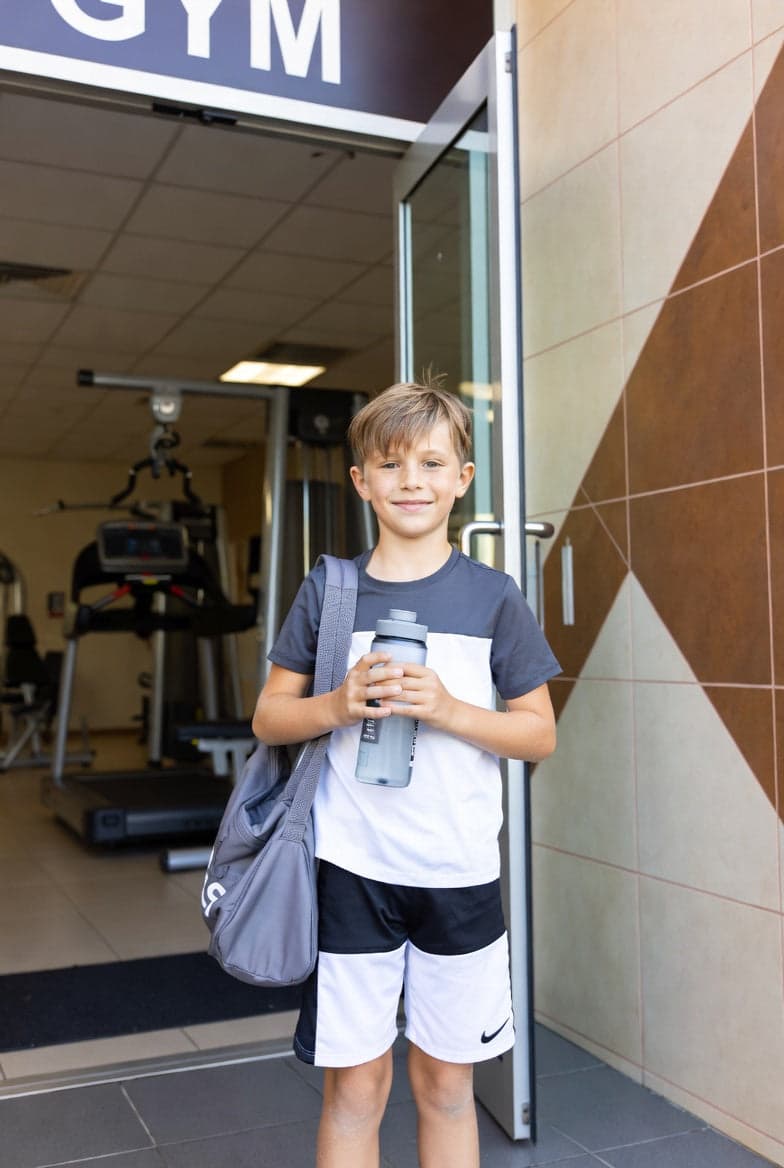
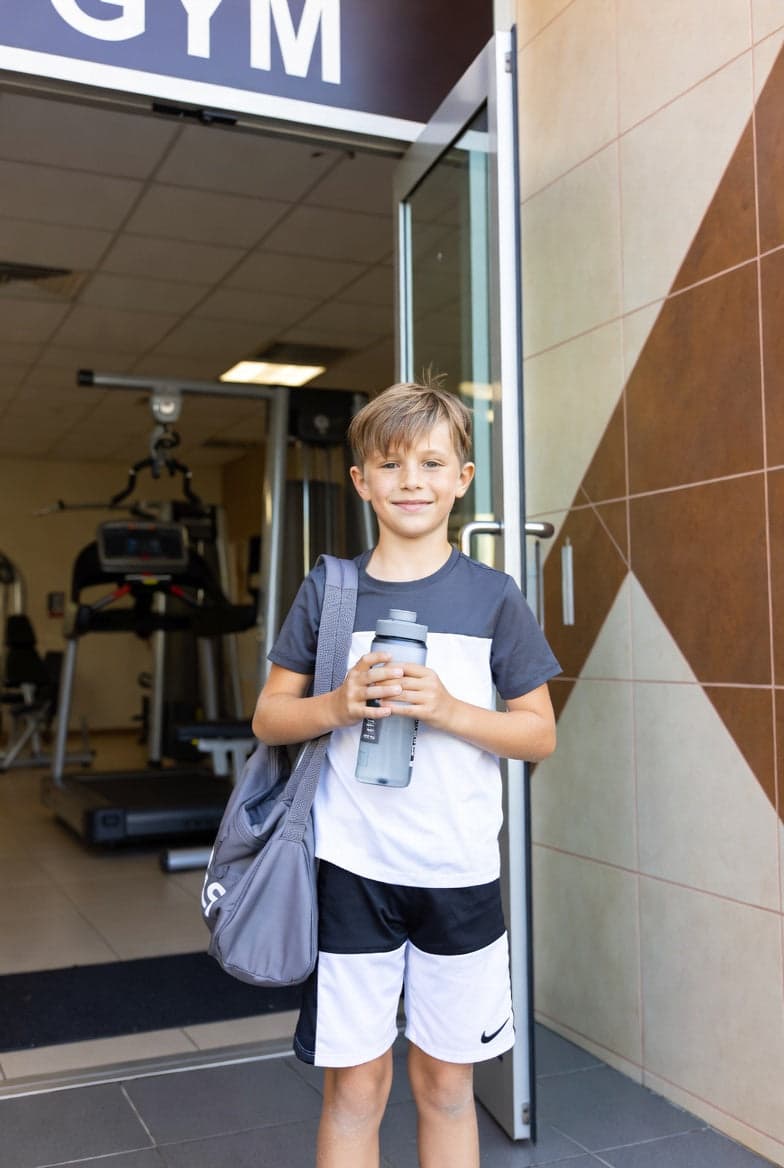
Your first martial arts class usually requires less gear than many people think. You do not need a special uniform, expensive gloves or professional gear to turn up. Most clubs let beginners start in ordinary training clothes – and that is exactly how it should be. Here is a simple packing list for children, teens and adults, plus an overview of what you can safely wait to buy.
The minimum kit for your first class
Training clothes you can move in
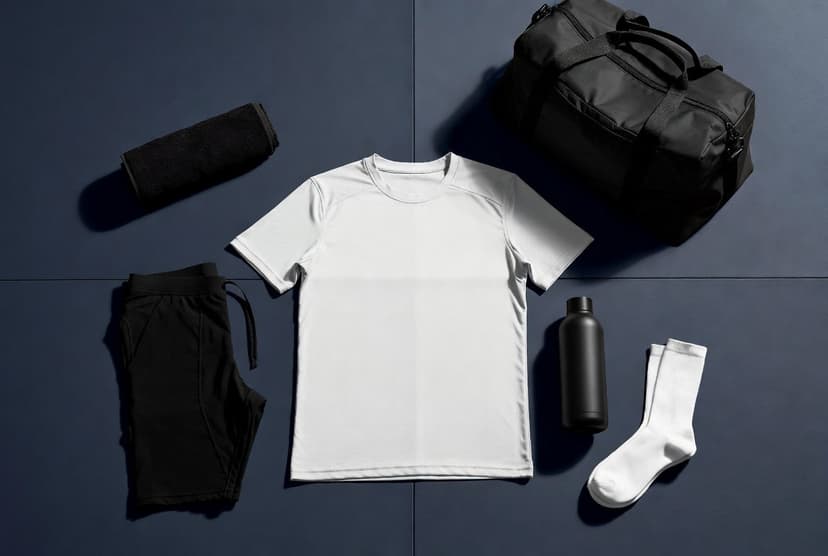
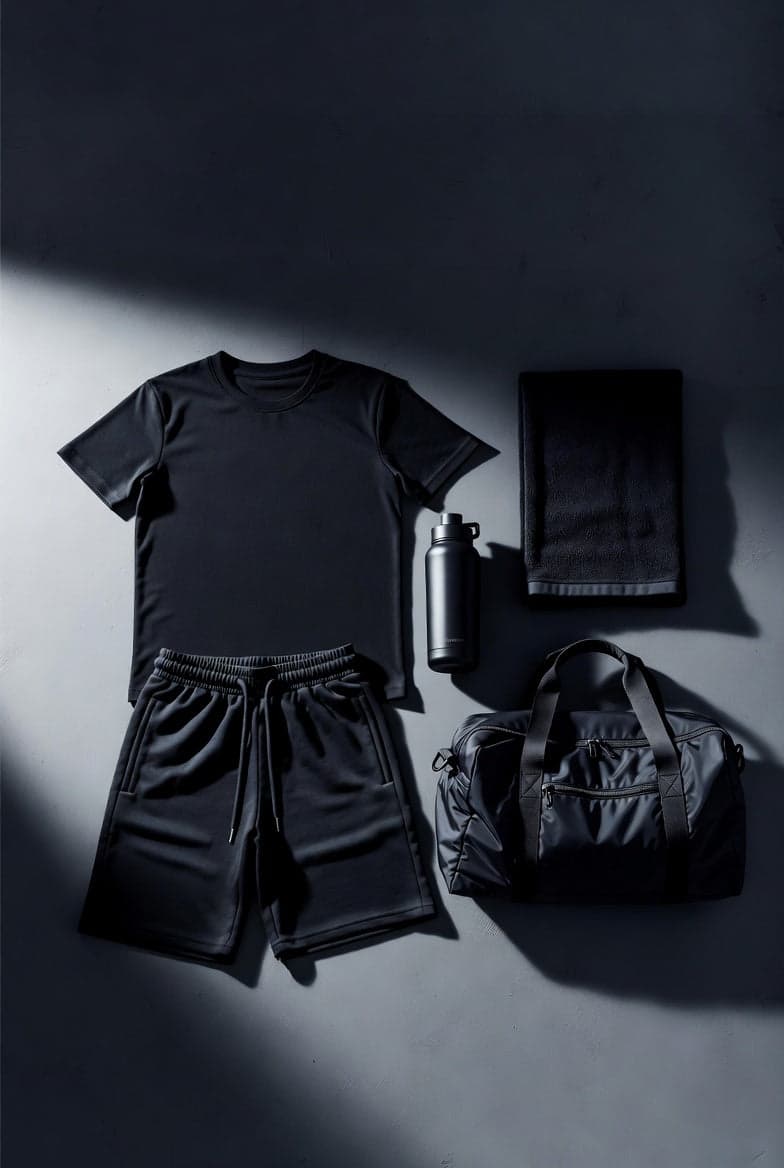
Choose clothes you can move freely in – shorts or tracksuit bottoms and a simple T-shirt work perfectly. Avoid jeans, clothes with zips or metal buttons that can injure you or others. Jessheim Taekwon-Do recommends ordinary training clothes for the first sessions, and that is the norm at most Norwegian martial arts clubs.
Water bottle and towel
Always bring a water bottle – martial arts training is physically demanding, and it is important to stay hydrated. A small towel is also good to have. FRAM Kampsport mentions this explicitly in its beginner FAQ.
Jewellery, nails and hair
Remove all jewellery before training – rings, bracelets, earrings and necklaces can injure both you and your training partner. Cut your nails short, especially for grappling and BJJ. Long hair should be tied up in a tight ponytail or braid.
What you usually do not need on day one
Expensive specialist gear
Do not buy gloves, a helmet, shin guards or a uniform before you know you want to continue. Moss Taekwondo is clear that beginners do not need specialist gear for the first sessions. Wait until you have chosen a style and a club – then you will know exactly what is needed and avoid buying the wrong things.
Competition gear
Competition-approved gear is not relevant until you have trained for a while and possibly decide to compete. Start simple and build up your gear gradually as you learn what you actually need.
Differences between karate, BJJ/grappling, taekwondo and kickboxing
Barefoot and mats
Most martial arts are trained barefoot on mats or the floor. Karate, taekwondo and BJJ are always trained barefoot. Kickboxing can be trained with or without shoes depending on the club. Remember to wash your feet and wear clean socks to and from training – hygiene on the mat is important.
When a gi or dobok becomes relevant
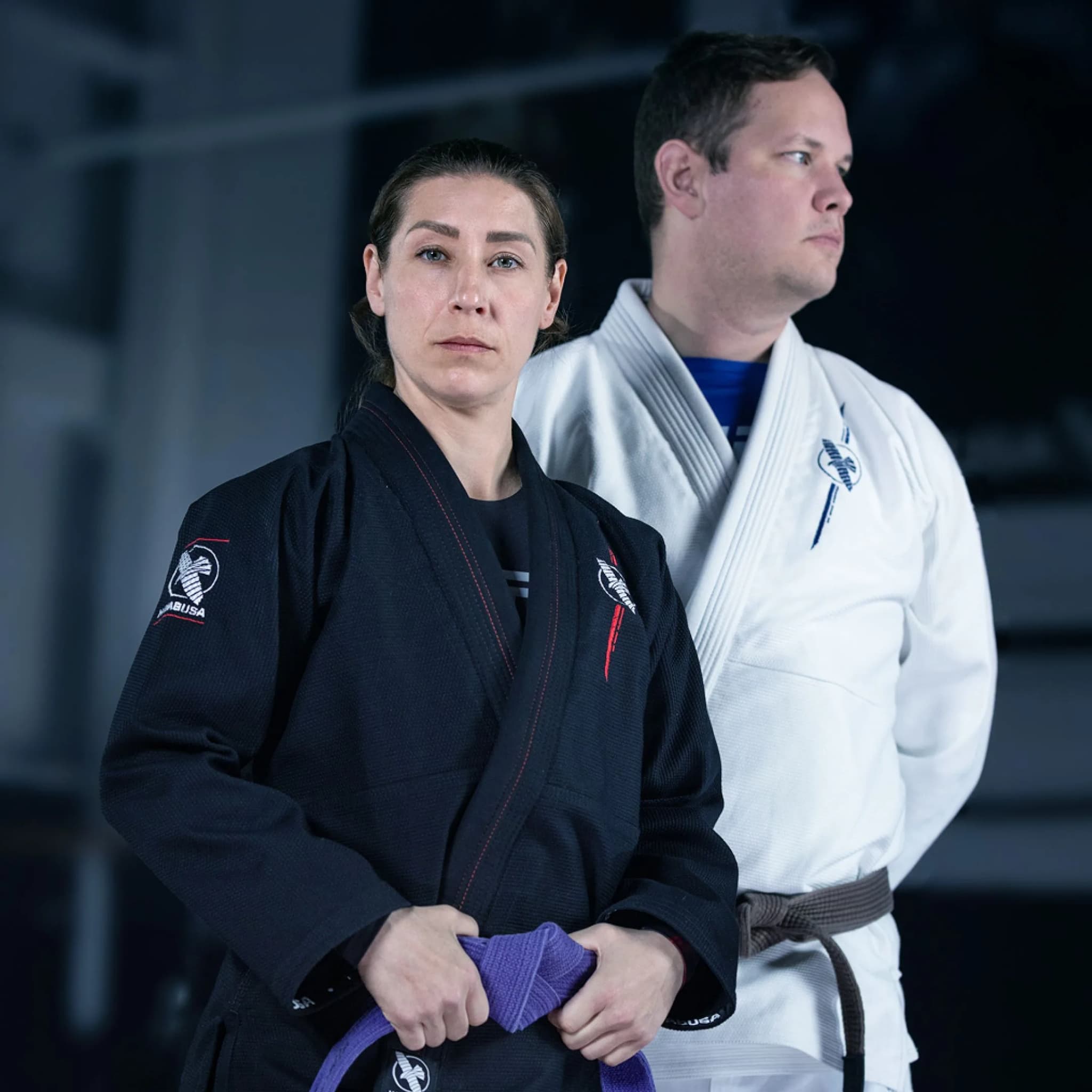
Karate, taekwondo and BJJ require a specific uniform (gi or dobok) once you decide to continue. Kickboxing and MMA do not require a uniform. Buy the uniform only after you have settled on a style and a club – then you will know which type and size is right.
See all uniforms and gis: Uniforms and Gis at Combat Store
Packing list for children
Once the child has decided to continue: See gear for children at Combat Store
Packing list for teens and adults
What is smart to buy after the trial period
Your first bag
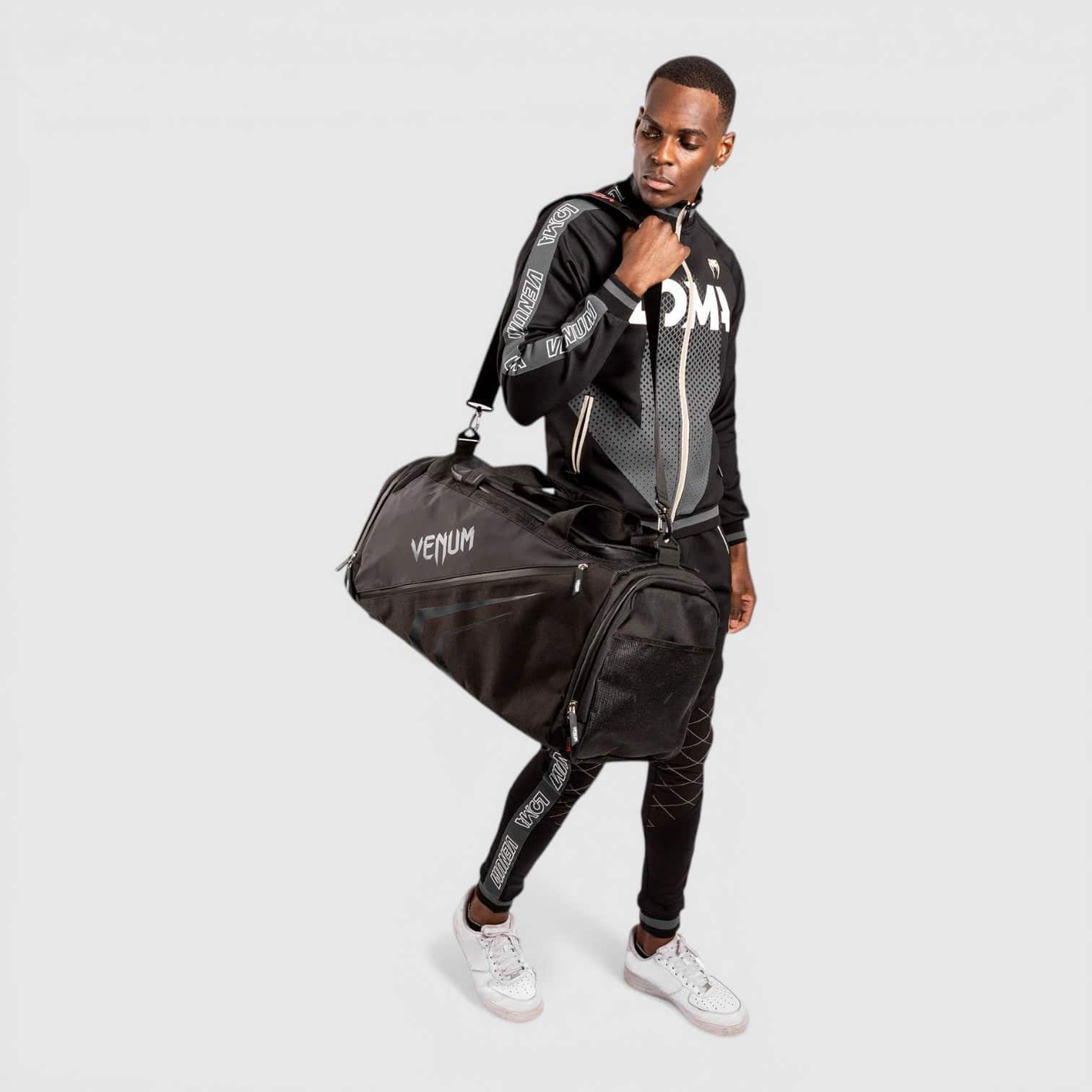
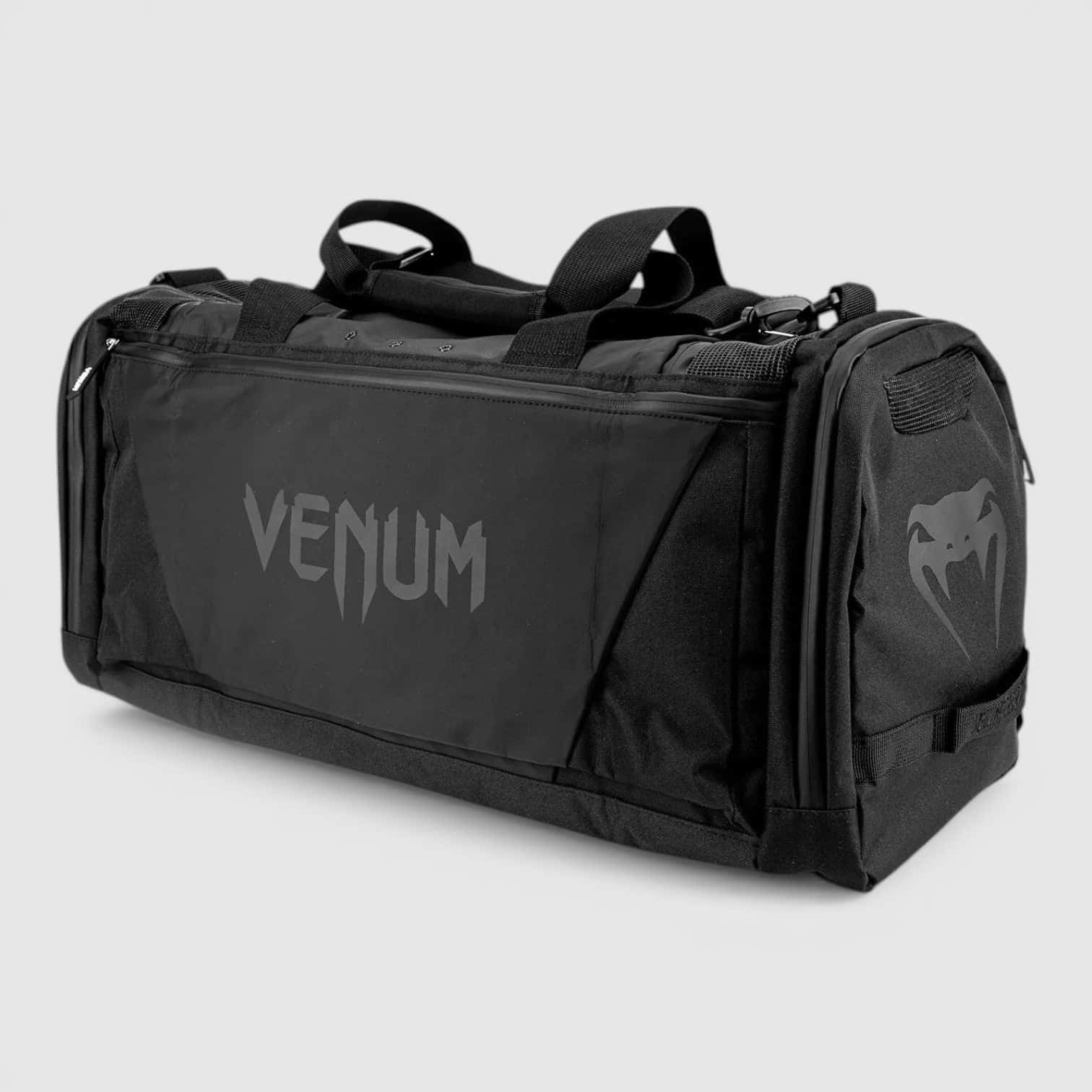
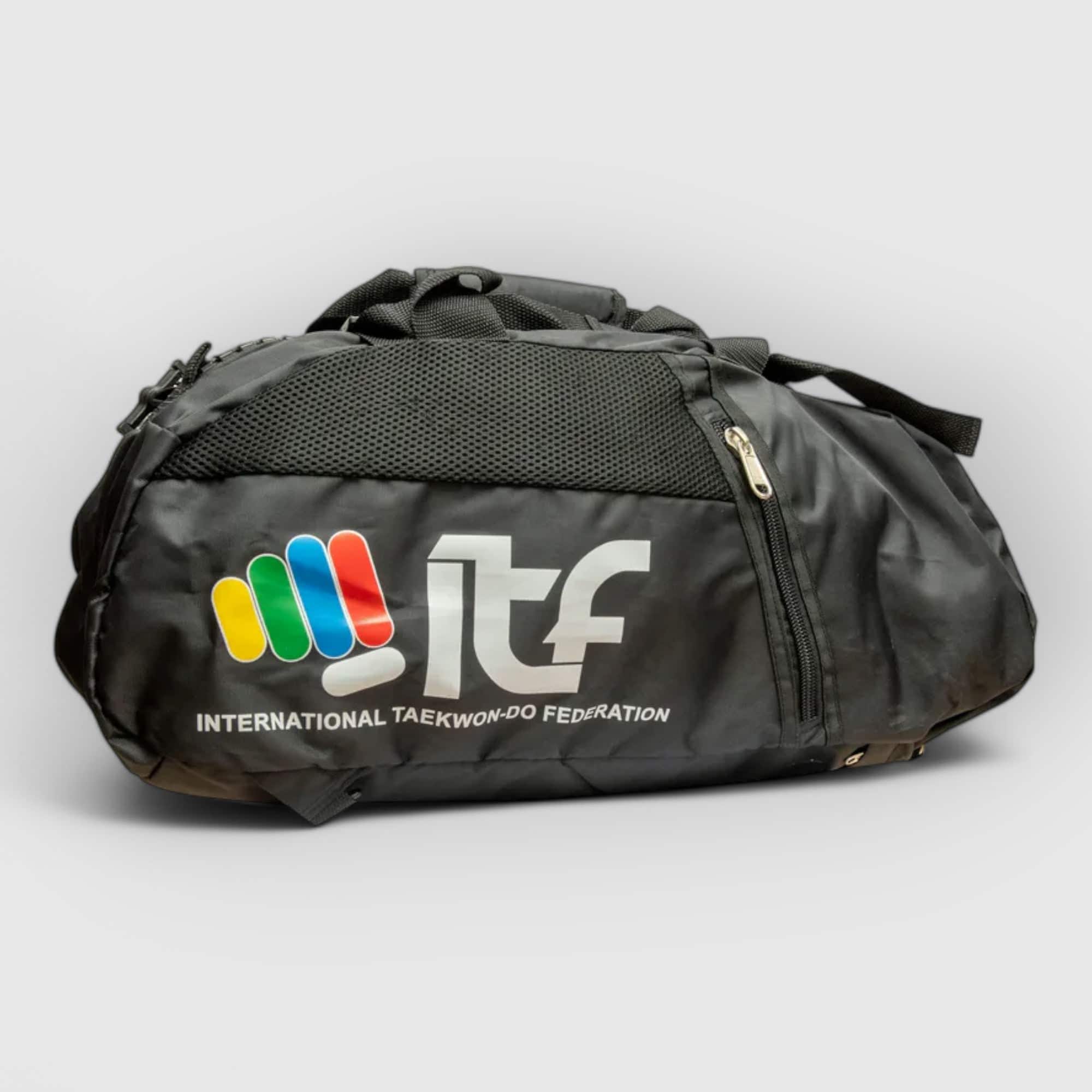
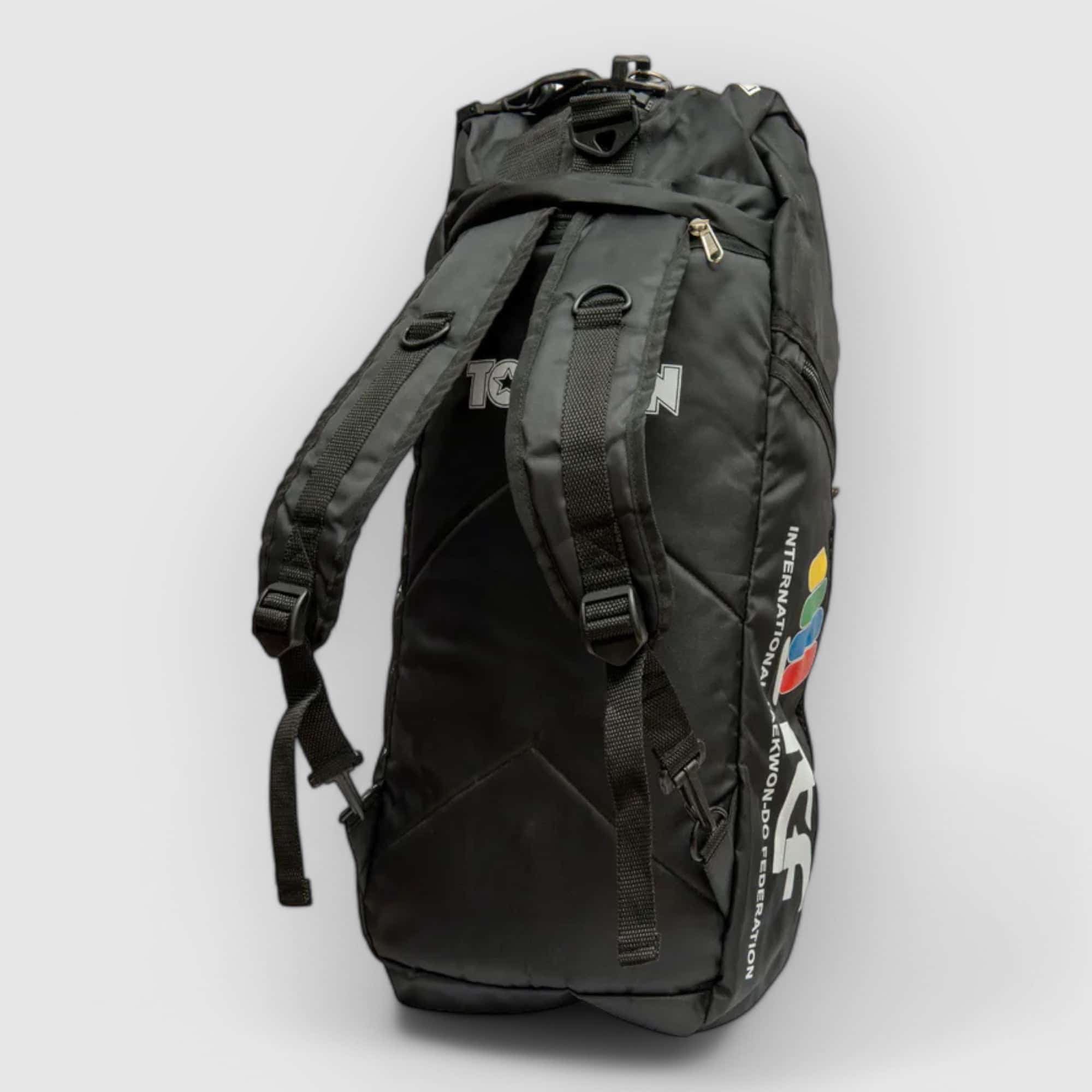
When you start collecting gear, a good training bag is the first thing you should invest in. A bag with separate compartments for dirty and clean gear, good capacity and comfortable straps makes everyday life much easier.


Buy from day one
Hygiene gear you do not borrow. Affordable, and protects your wrist from the very first punch.
Buy from day one
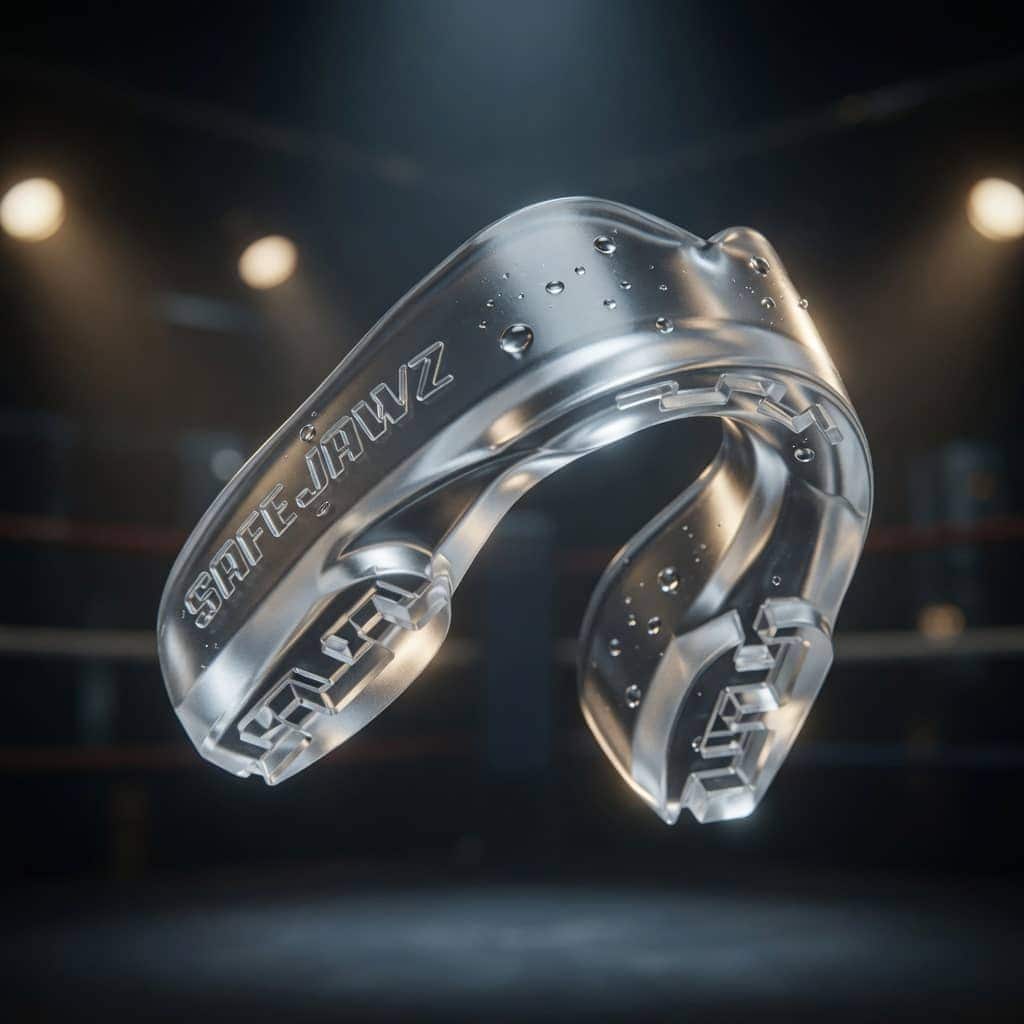
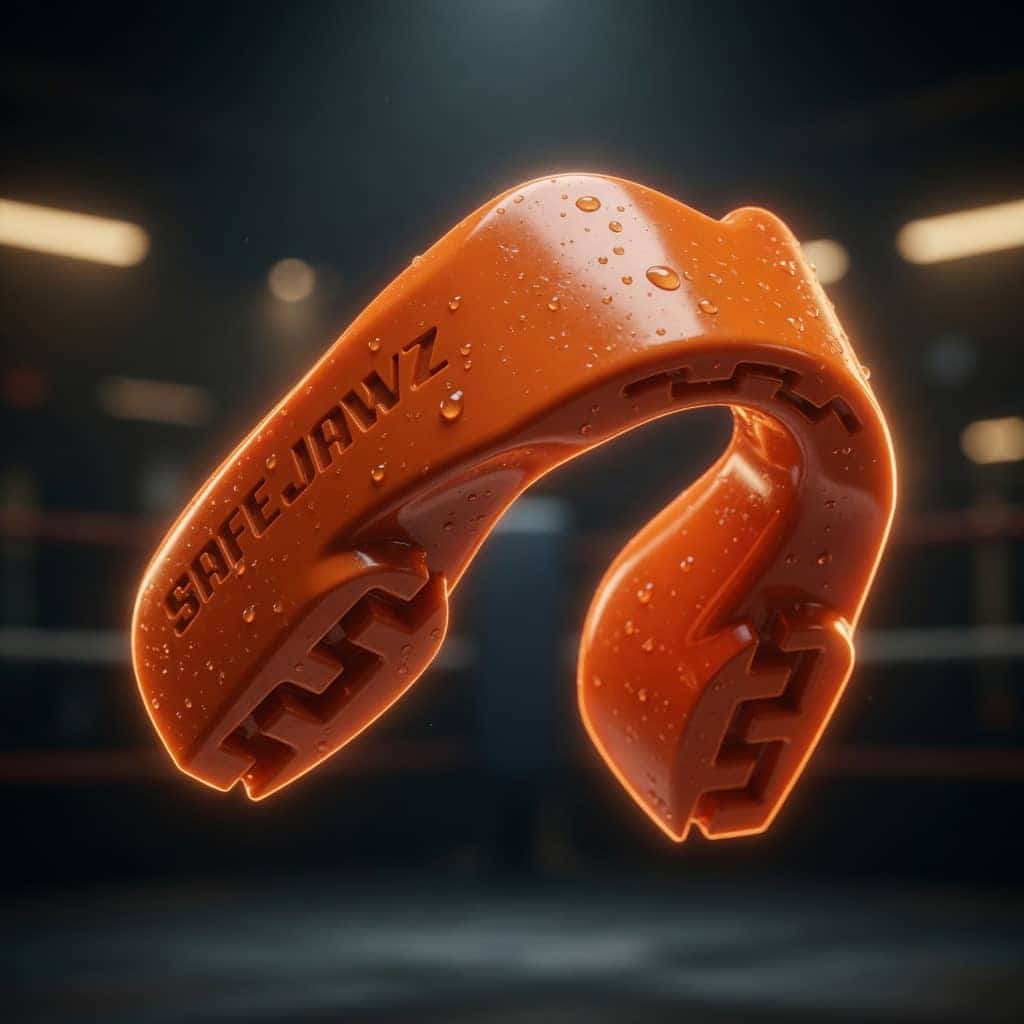


If there will be contact, you need your own. Spend five minutes moulding it correctly.
After a few weeks
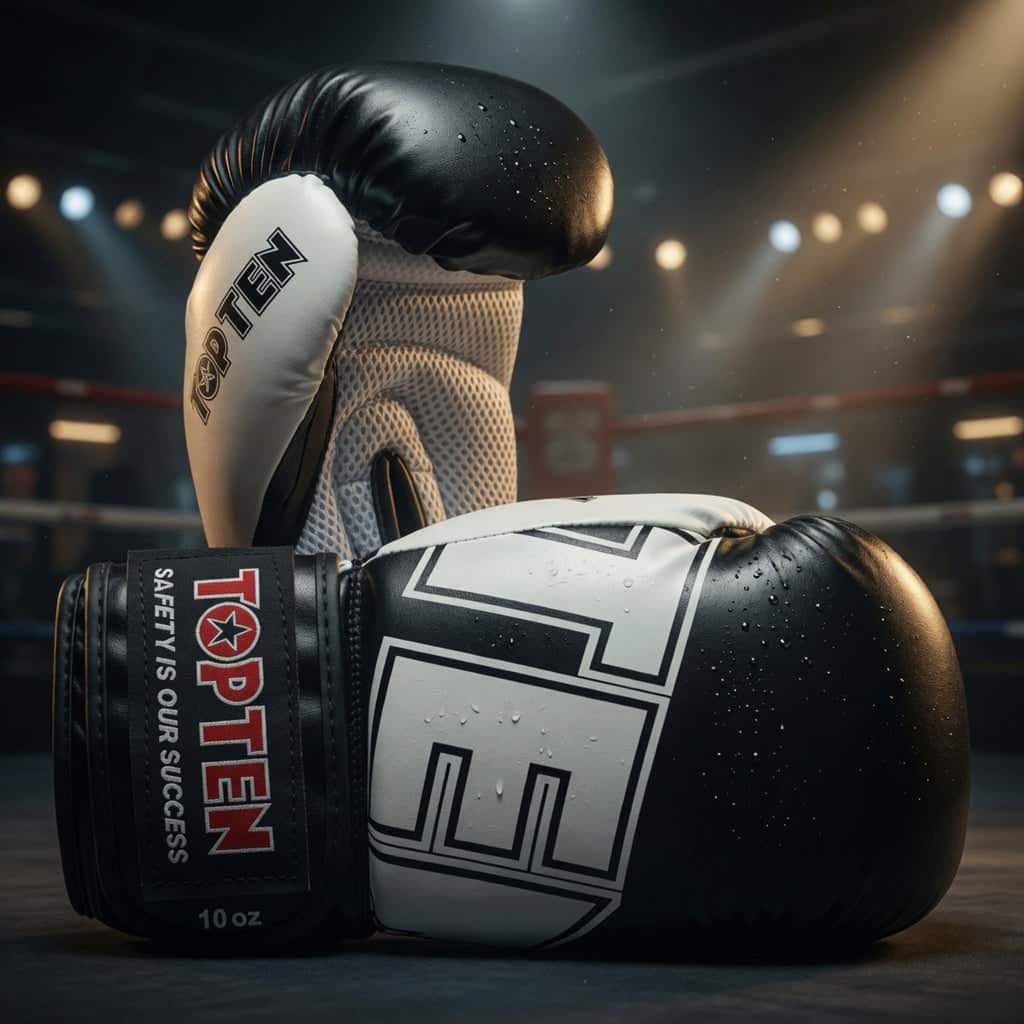
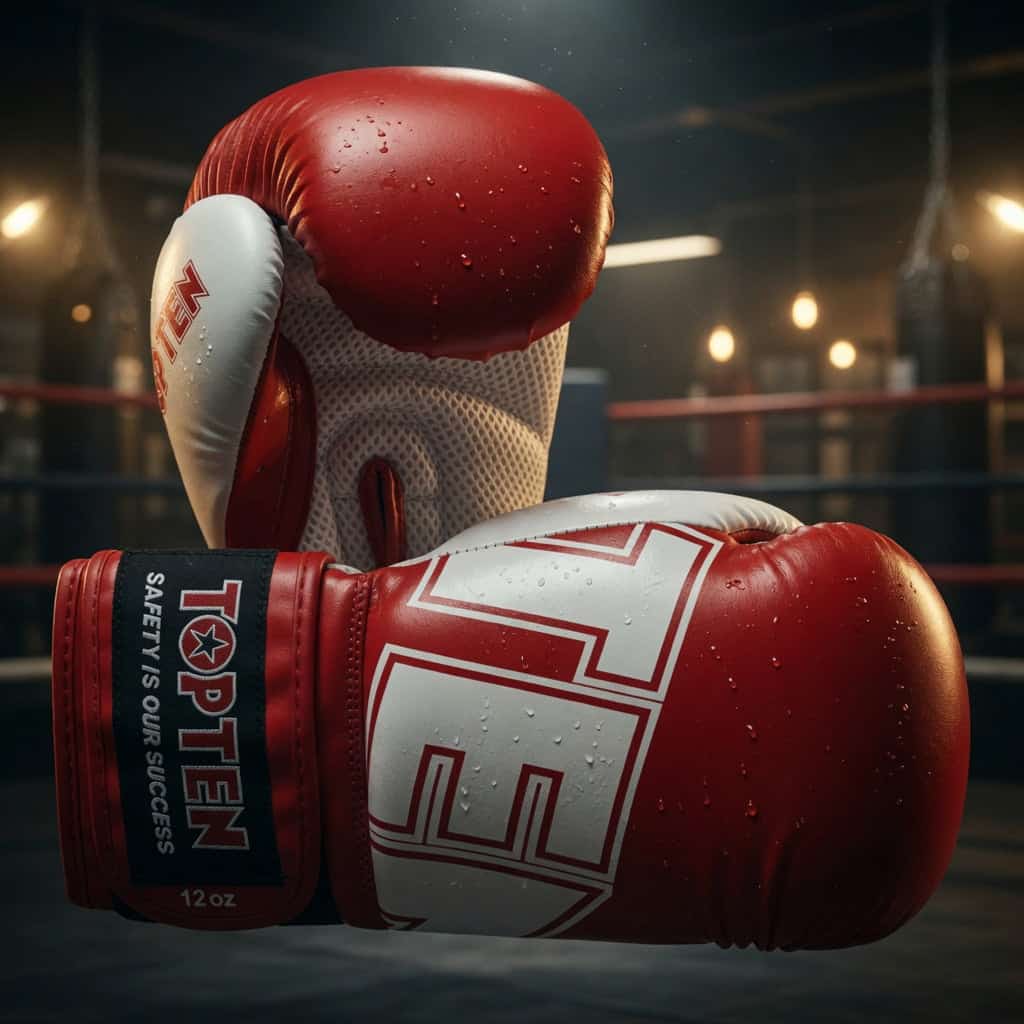


Most clubs have loan gloves at the start. Wait until the coach has seen what you need.
Your first protection
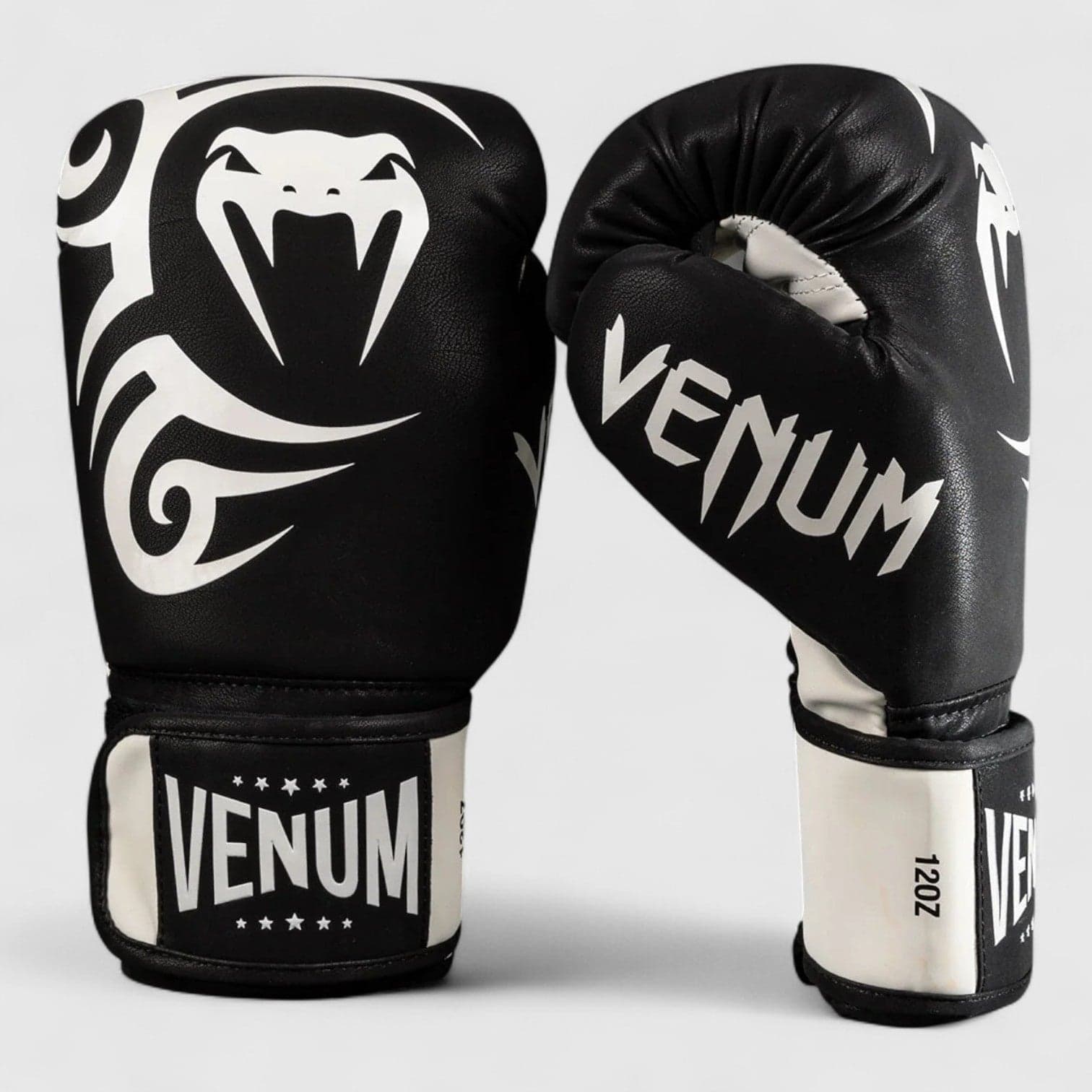
When sparring is approaching, a mouthguard is the first thing you should buy – whatever the style. Then come gloves, a helmet and foot protectors depending on what the club requires. Always ask the coach what is required before you shop.
Common mistakes beginners make
- Buying too much too early. Wait until you know you want to continue and which style you choose.
- Buying the wrong uniform. A karate gi, BJJ gi and taekwondo dobok are not the same – ask the club before you order.
- Forgetting the small things. Jewellery, long nails and loose hair are the most common causes of discomfort and minor injuries in the first session.
- Bringing too little water. A small bottle is not enough – bring at least 0.5–1 litre.
- Stressing about gear instead of enjoying the training. The first session is about seeing whether you enjoy it – not about having the right gear.
Wait with specialist gear until you know you want to continue – but here is what is smart to buy first: