
The sauna suit is one of the most misunderstood garments in martial arts. Some think it burns fat. Others think it is dangerous in itself. The truth lies somewhere in between, and is more about how it is used than what it is.
Here you will learn what a sauna suit actually does, what it does not do, when it has a real place in training, and which safety rules apply when you use it.
What is a sauna suit?
A sauna suit, also called a sweat suit, is a jacket and trousers in a dense material, usually nylon or a laminate with a coating on the inside. The point is that moisture cannot escape. The sweat stays against the skin instead of evaporating.
Evaporation is the body's most important cooling mechanism. When it is blocked, body temperature rises faster, and the body responds by sweating even more. That is the whole principle, and it is also the reason the suit must be used sensibly.
What it actually does
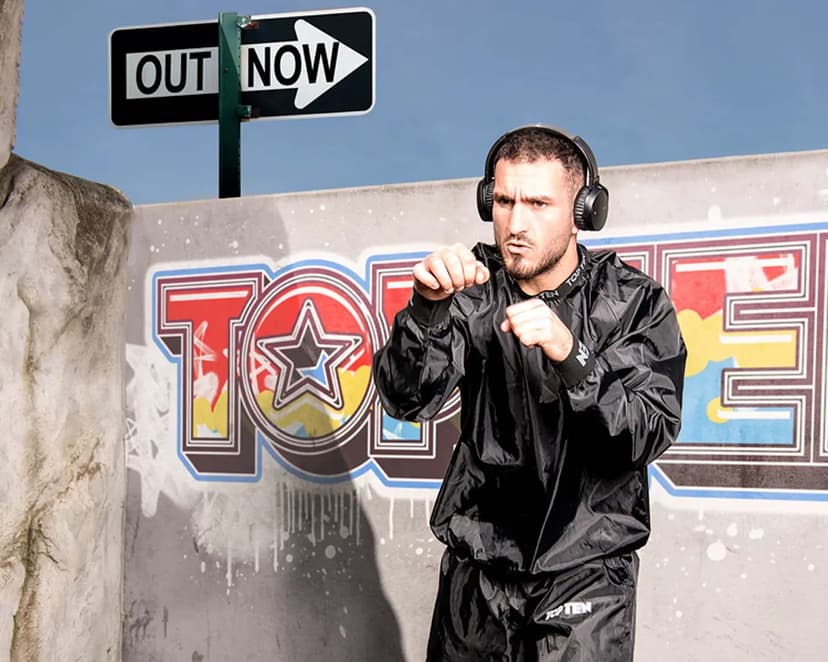
- Warms up the muscles faster. This is the most indisputable benefit. A short session in the suit before technique work gets the muscles ready in less time, especially in cold premises.
- Increases fluid loss. You can lose several kilos during a session. It is water, and that is exactly why the suit is used in weight cuts before competitions.
- Increases the perceived load. The same work feels harder because the body spends resources cooling itself down. Your heart rate is higher at the same intensity.
- Acclimatises the body to heat. If you are competing in a hot venue or a hot country, controlled heat acclimatisation can be of value.
What it does not do
It does not burn fat. The weight that disappears during the session is fluid, and it comes back within hours after you have drunk and eaten normally. Fat burning is determined by energy balance over time, not by how much you sweat in a single session.
Nor does it make you fitter on its own. A session in the suit is harder, but it is not necessarily better training. Often it is worse, because you have to lower the intensity to keep going, and so get less out of the work itself.
When should you use it?
- Warm-up. 10 to 15 minutes of light work in cold premises. Take it off before the main session.
- Weight cut before a competition. Only together with a coach, and only when you have experience with the process. Never on your own as a beginner.
- Heat acclimatisation. Short, controlled sessions well ahead of a competition in hot conditions.
And when you should not use it: throughout the whole session, in long endurance sessions, in premises that are already warm, without access to drinks, or when you are ill or training alone.
The safety rules
- Drink along the way. Even when you use the suit for a weight cut, fluid intake should be planned, not dropped.
- Keep sessions short. 15 to 20 minutes is enough. Long sessions in a dense suit are where problems arise.
- Never alone. Have someone in the room who can see you.
- Stop at warning signs. Dizziness, nausea, headache, confusion or suddenly stopping sweating. Take off the suit, cool down and drink.
- Not for children and adolescents. Young athletes should not do weight cuts or heat work in a suit.
- Ask your doctor if you have heart or vascular disease, high blood pressure or are pregnant.
How to choose a suit
Look for three things. The material should be dense, but not so stiff that it tears at the seams when you move. The seams should be reinforced at the crotch and armpits, which is where the strain is greatest. The fit should be roomy enough to let you move freely, but not so large that the suit catches on equipment.
Rinse the suit after each use and hang it to dry inside out. A suit packed away damp will smell after two sessions.
Our recommendations
Best starting point
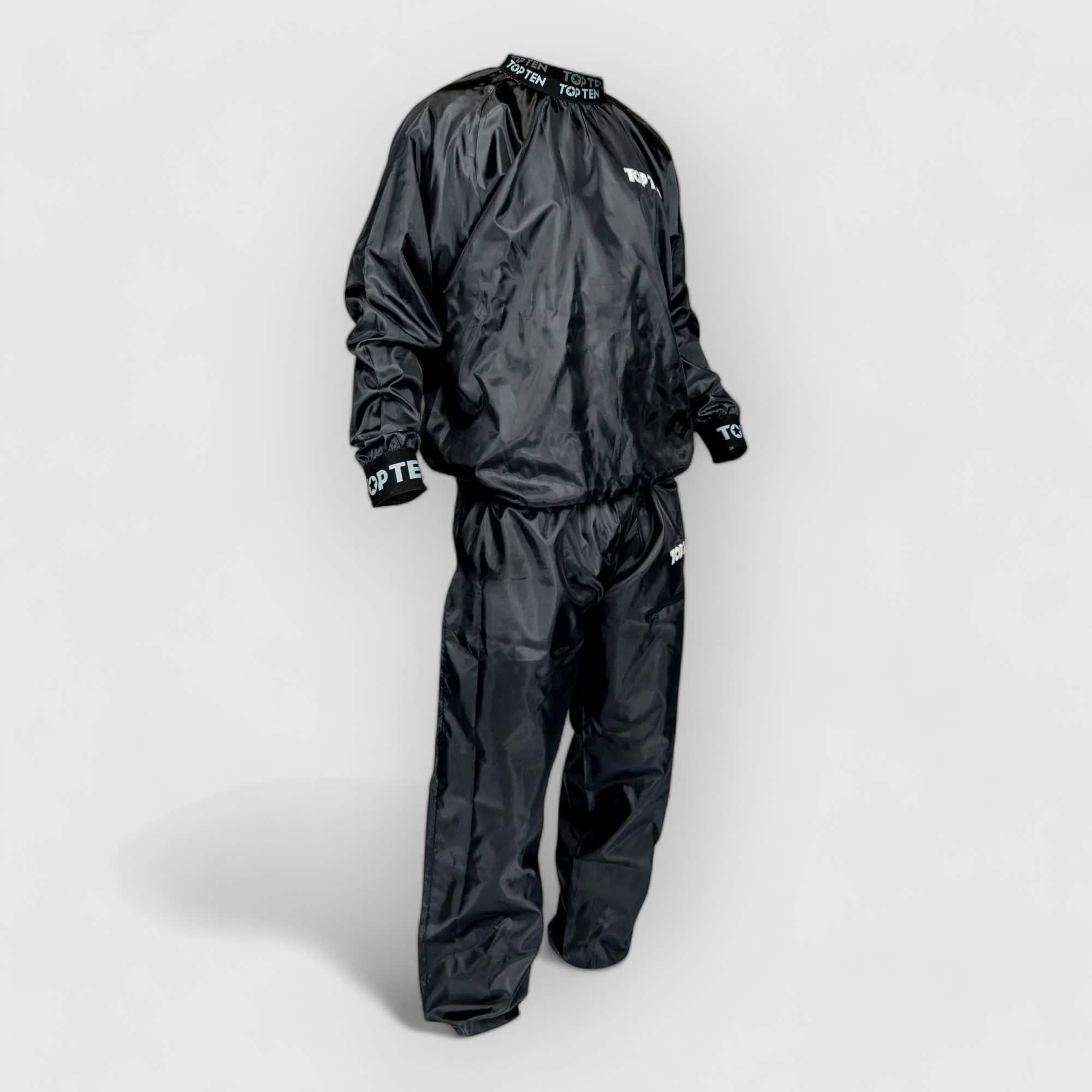
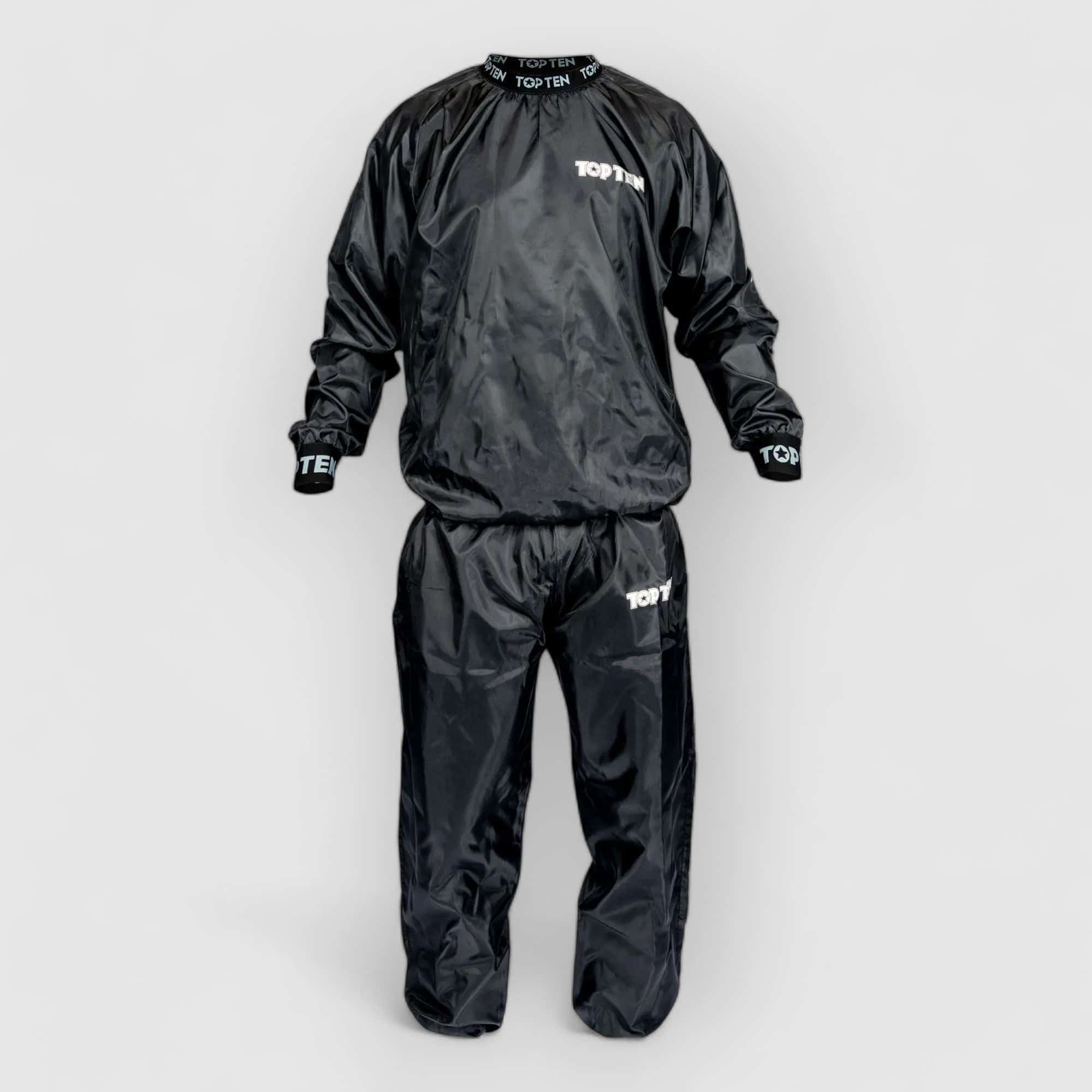
A simple, solid suit for warm-ups and short sessions. Roomy fit.
For competitive athletes
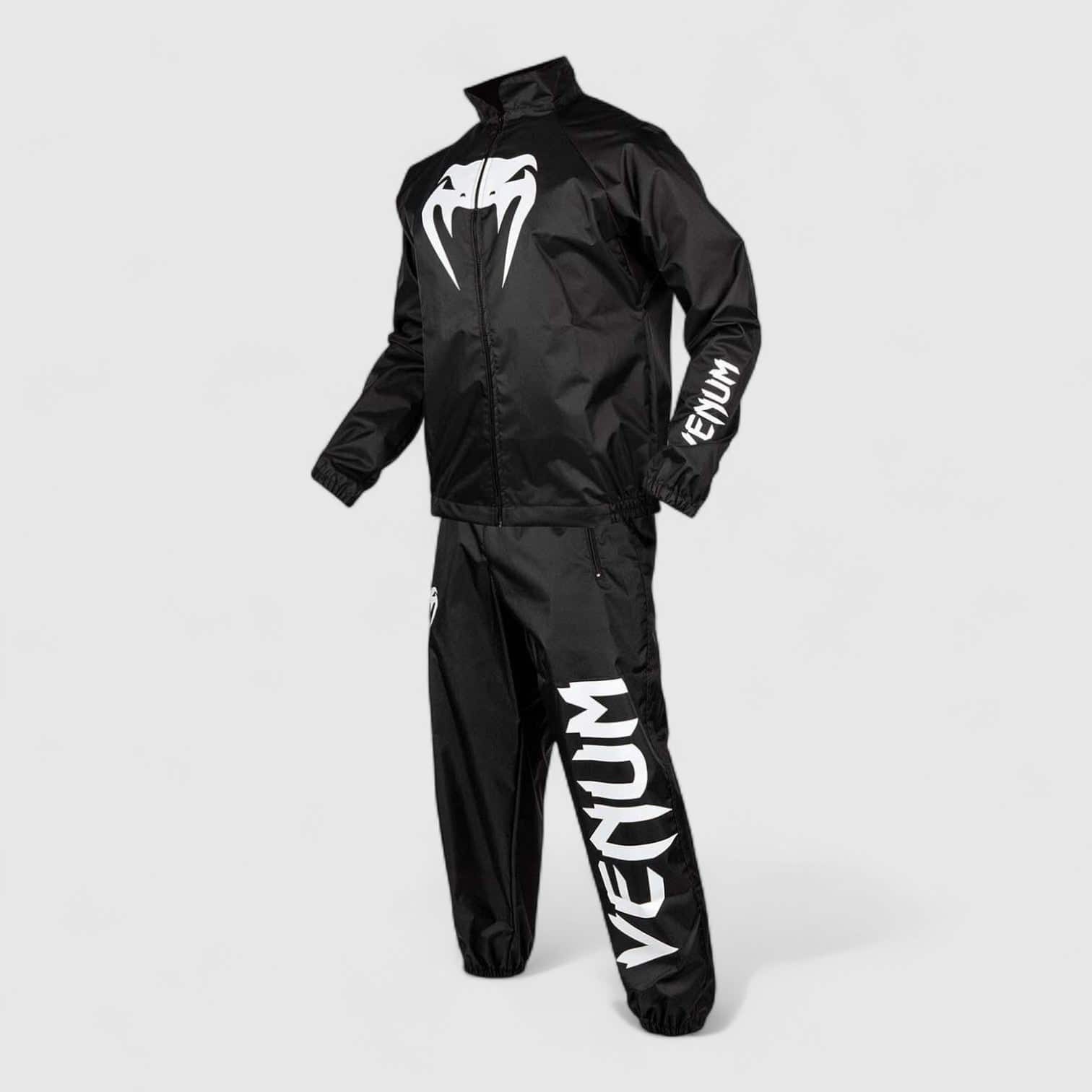
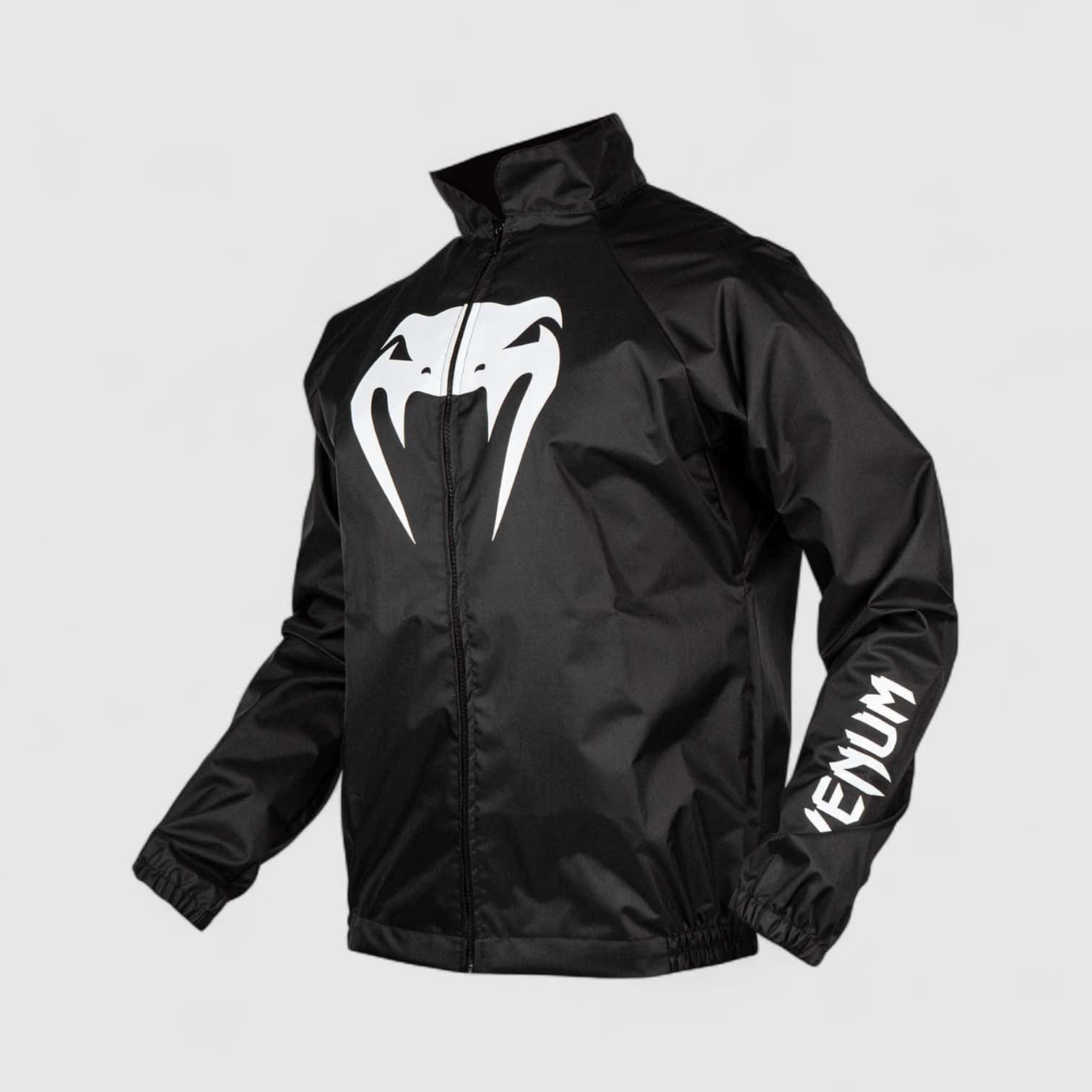
Heavier material and reinforced seams. Built for repeated use during weigh-in weeks.
Frequently asked questions
Do I burn fat by wearing a sauna suit?
No. The weight you lose is fluid and comes back when you drink. Fat burning is governed by energy balance over time.
How long can I wear it?
Stick to 15 to 20 minutes at a time, and drink along the way. Long sessions in a dense suit are where the risk lies.
Is a sauna suit dangerous?
Not in itself, but it can become so in long sessions without fluids. Stop if you feel dizzy or nauseous, or when your sweating suddenly decreases.
Can young people use a sauna suit?
No. Young athletes should not do weight cuts or heat work in a suit.
How do I wash the suit?
Rinse it after each use and hang it to dry inside out. Follow the care instructions on the garment.
Can I use it for regular strength training?
That is not the point of the suit. You have to lower the intensity to keep going, and so get less out of the session itself.