
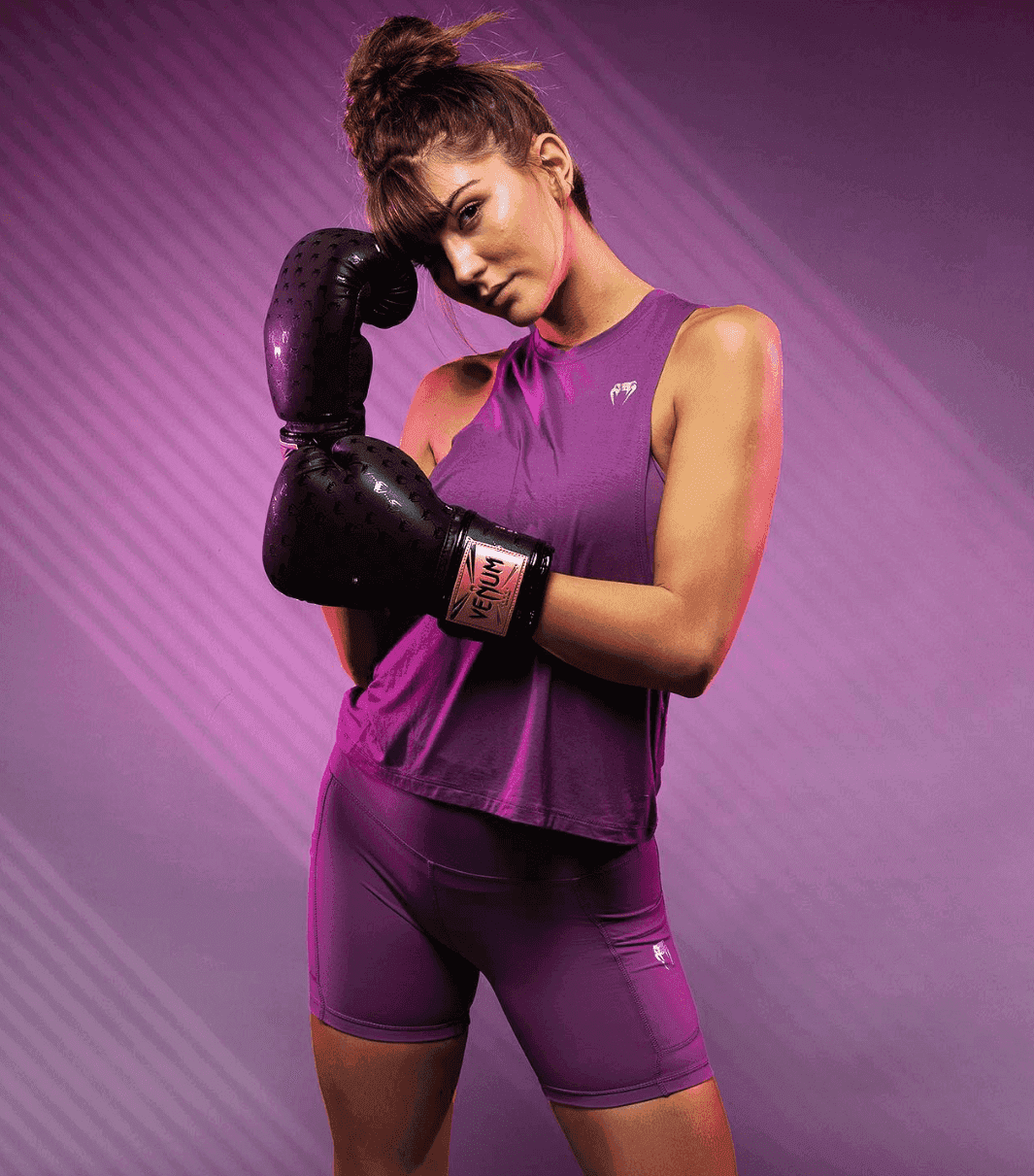
Women's boxing is no longer a sideline in Norwegian combat sports. The share of women in Norwegian boxing clubs has risen steadily for many years, and most clubs today have women in their regular classes, not just on dedicated courses. The sport has also been Olympic for women since the London Games in 2012.
This article is about what is actually different, what isn't, which gear comes in sizes that fit, and how to get started.
Women's boxing in Norway
Norwegian boxing clubs have seen a clear increase in female members, both among those who compete and those who box purely for fitness. Many clubs offer dedicated beginner courses for women, not because the training is different, but because walking into a gym where you don't know anyone can feel like a big step.
Women's boxing entered the Olympics in 2012, and international championships have their own categories in every weight class. In Norway, amateur boxing is organised under Norges Bokseforbund (the Norwegian Boxing Federation), which has the same licence and competition structure regardless of gender.
What is actually different?
In short: not much. The technique is the same, the training structure is the same, and sparring follows the same principles. Three practical things are still worth mentioning.
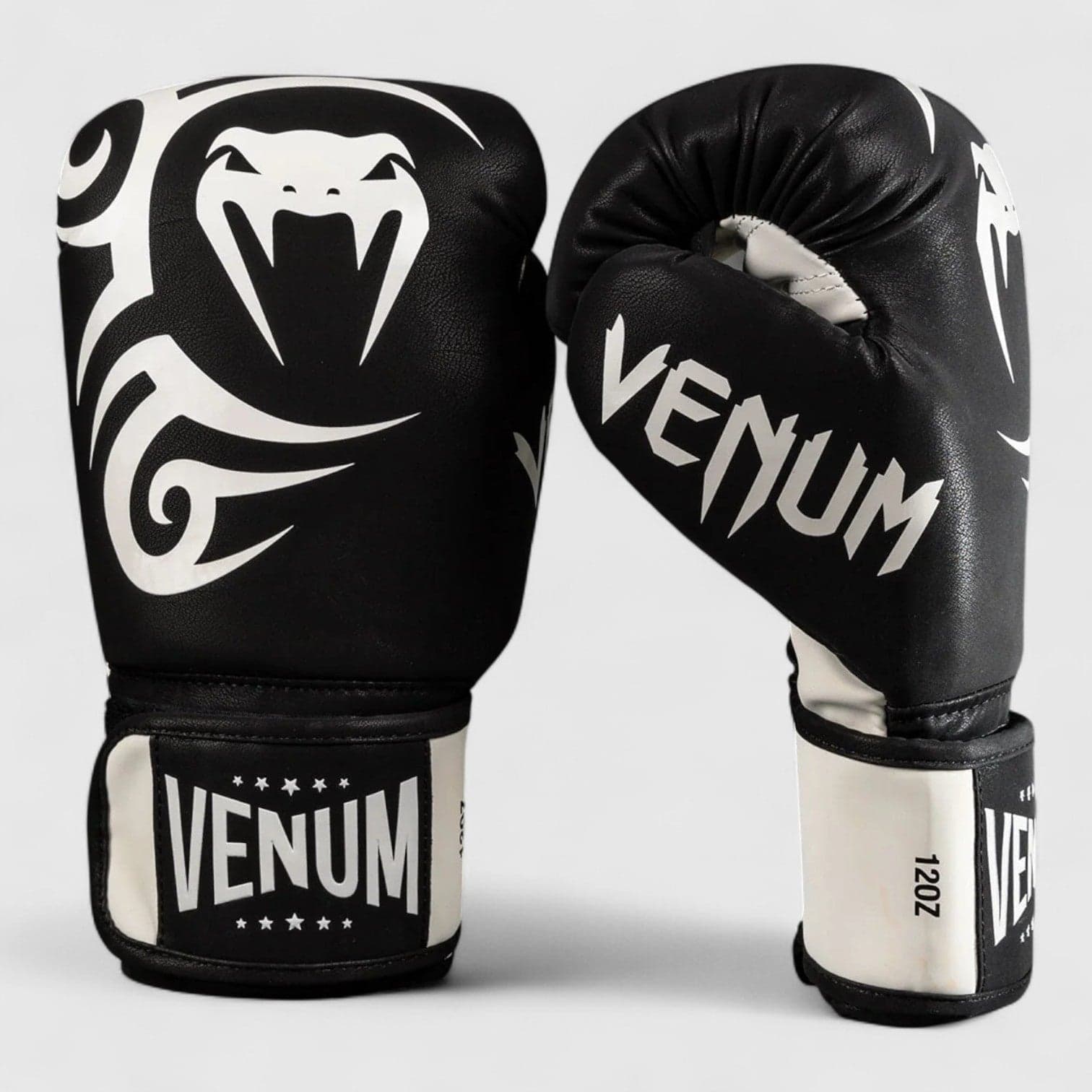
- Glove sizes. Many gloves are shaped for bigger hands. A glove in the right ounce weight can still be too wide across the palm. Women's models are shaped narrower, not just coloured differently.
- Chest guard. Used in amateur competition and in many clubs' sparring. Requirements vary, so ask your club.
- Groin guard. Women's models are designed for female anatomy and fit better than a standard model.
The gear
The basic gear is the same for everyone:
- Hand wraps. The first thing you buy. See hand wraps.
- Boxing gloves. See women's boxing gloves or the full range of boxing gloves.
- Mouthguard. Before sparring. See mouthguards.
- Headguard. Once sparring starts. See boxing headguards.
- Clothing. See the women's range.
Glove size and fit
For bag work and pads, 10 to 12 oz is common for most women, 14 oz for bigger athletes. For sparring you go up: 14 or 16 oz, depending on what your club requires.
The fit matters more than the number. Try the glove with wraps on, make a fist, and check that your fingertips reach the padding without being squeezed together. The glove should not be able to rotate on your hand when you punch. A glove that is too wide protects worse even if the ounce weight is right.
How to get started
- Find a club nearby. Distance is the most common reason people quit. Choose the one you will actually get to.
- Ask about beginner courses. Many clubs have their own starter courses, some specifically for women.
- Try a trial session. Almost all clubs offer one for free. Watch how people talk to each other on the floor.
- Buy wraps first. Clubs will often lend you gloves, but rarely wraps.
- You don't have to spar. Many people train boxing for years without sparring at all.
Three myths
«I need to get fit first.» No. Fitness is what the training gives you. Clubs are used to beginners of every shape, and you set your own pace in the first few weeks.
«Boxing will make me big and bulky.» Boxing training builds endurance, coordination and explosiveness. Muscle mass comes from heavy strength training and an energy surplus, not from bag work.
«I have to compete for it to count.» The vast majority of people who train boxing in Norway never compete. Bag work, pads and shadowboxing give you the full training effect.
Our recommendations
Best starting point
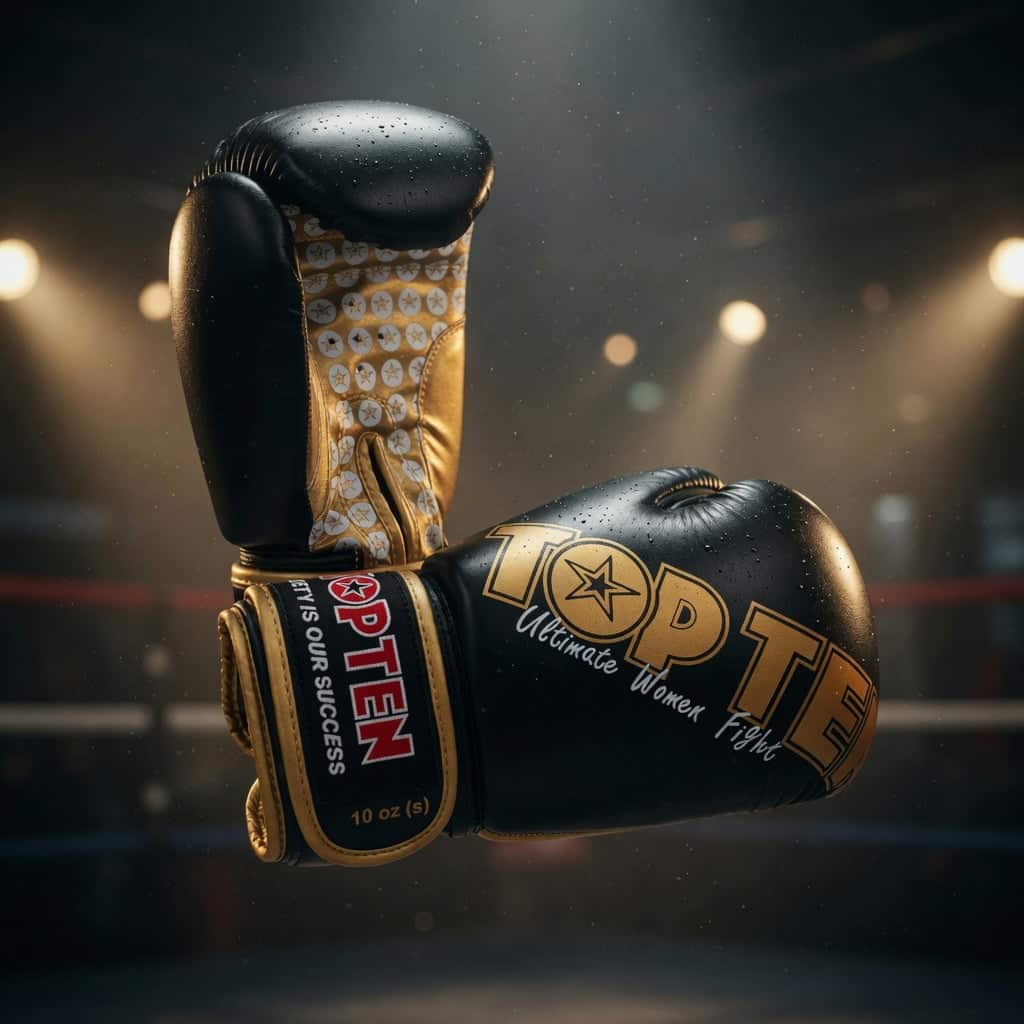
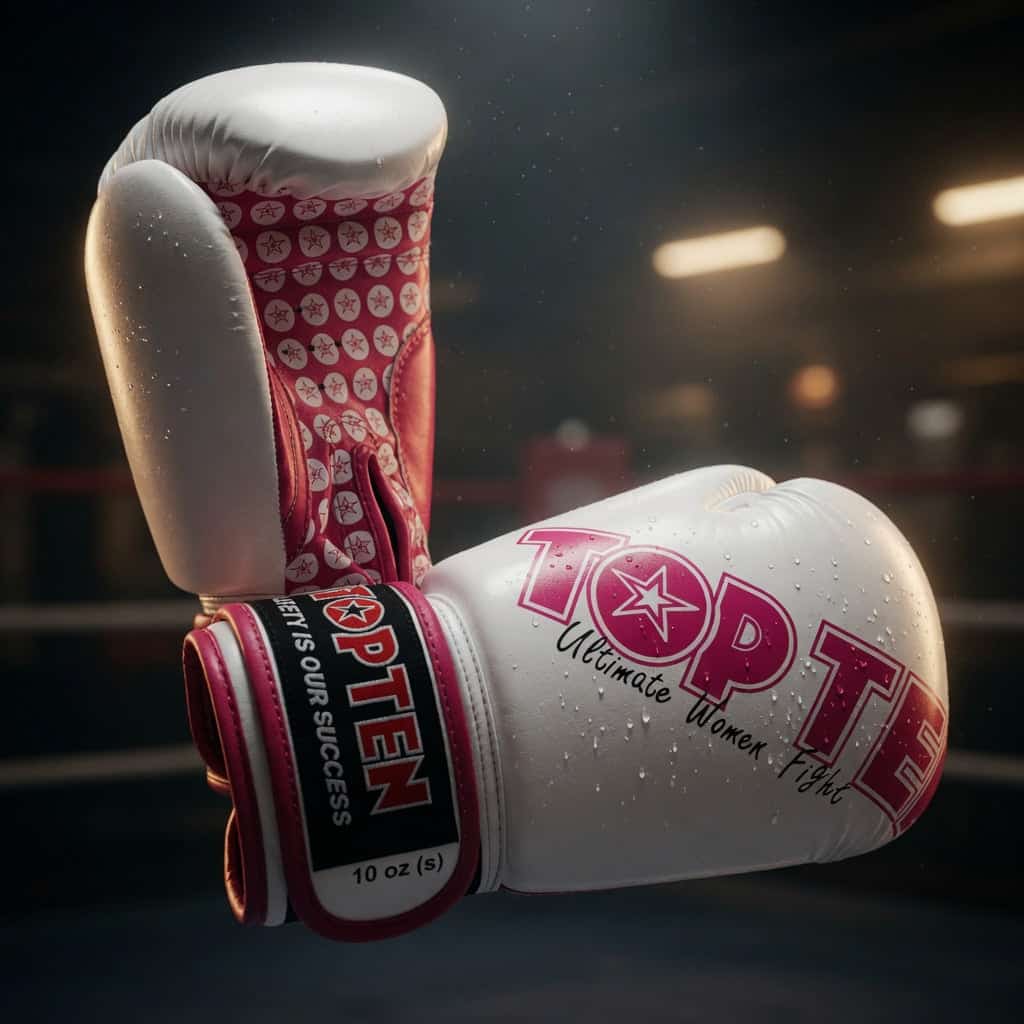


A narrower fit and good wrist support. Works for bag work, pads and light sparring.
The step up
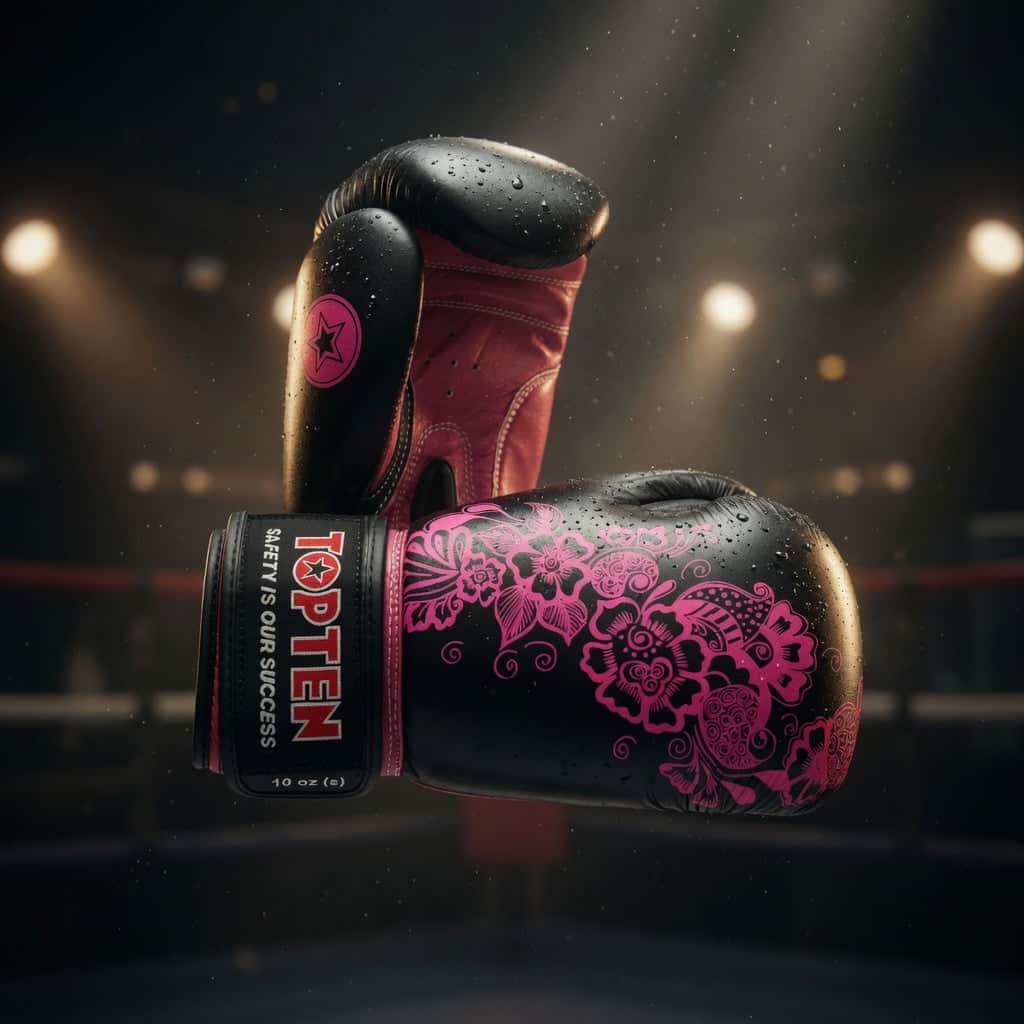
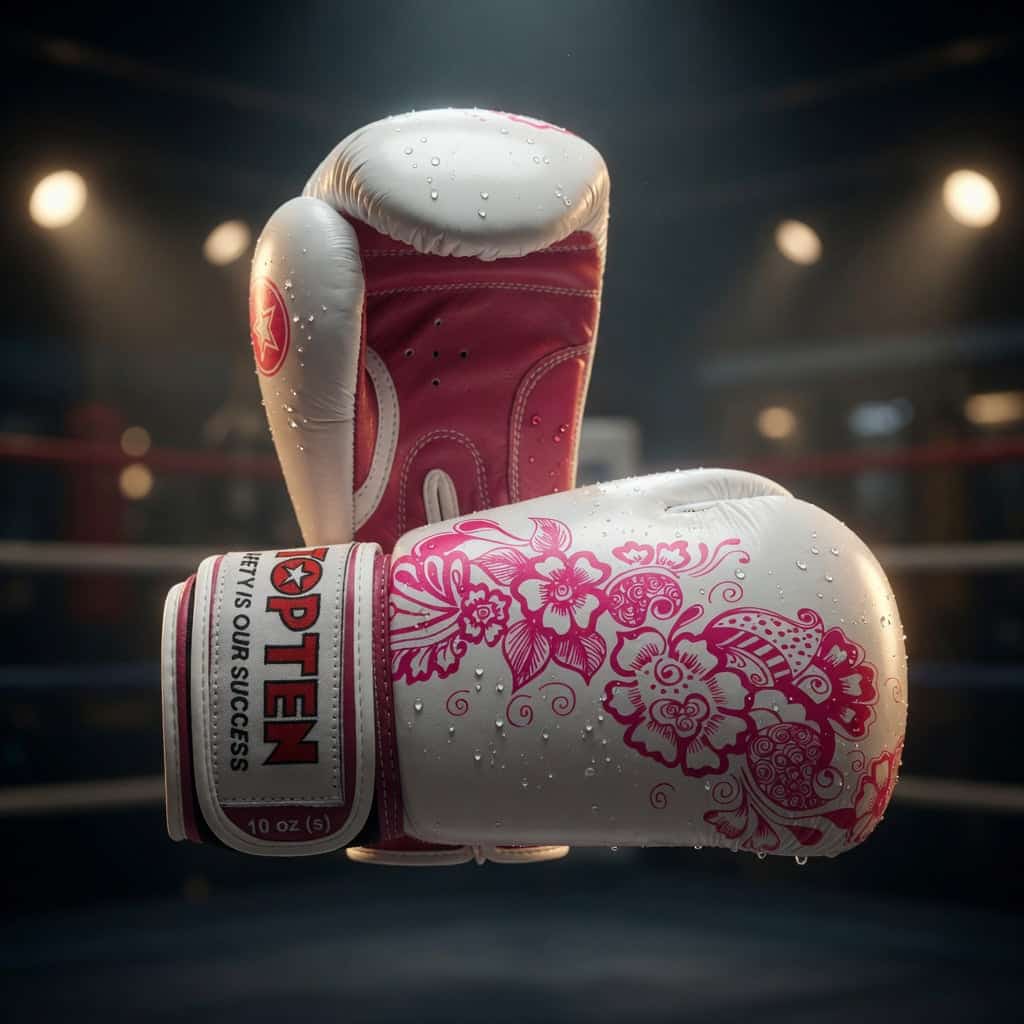


Denser padding for those who train several times a week.
Good all-rounder
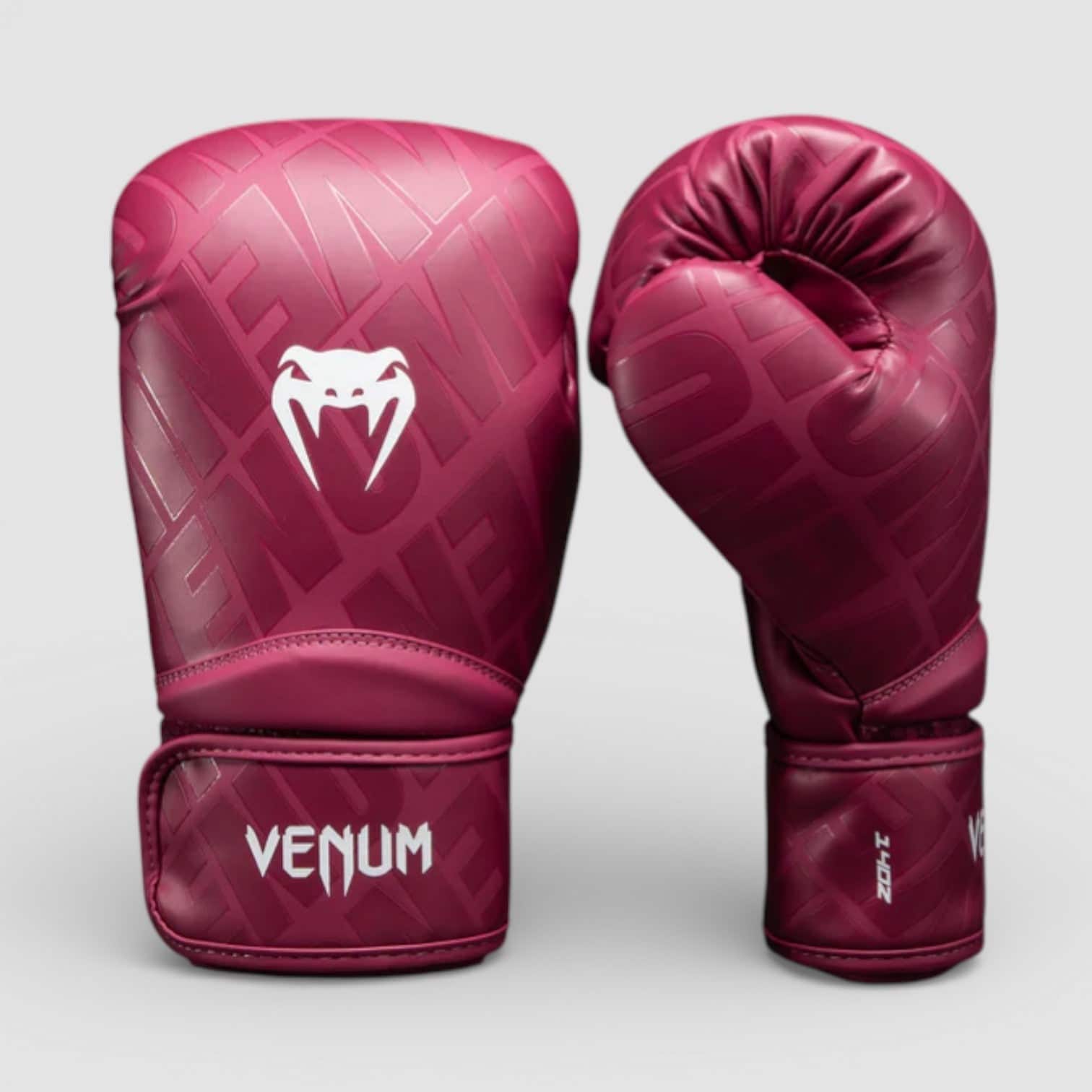
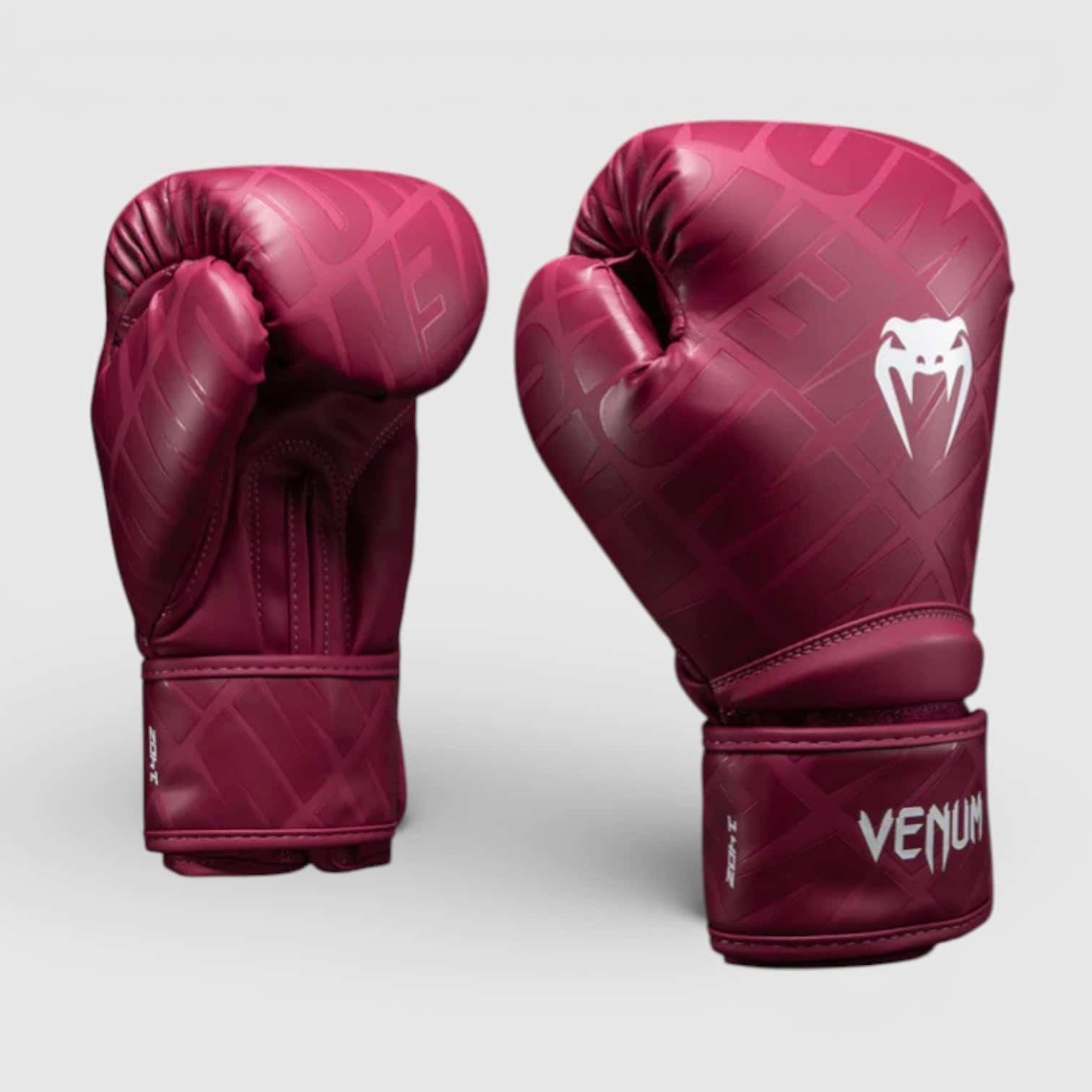
A light glove with a good fit across the palm.
Groin guard
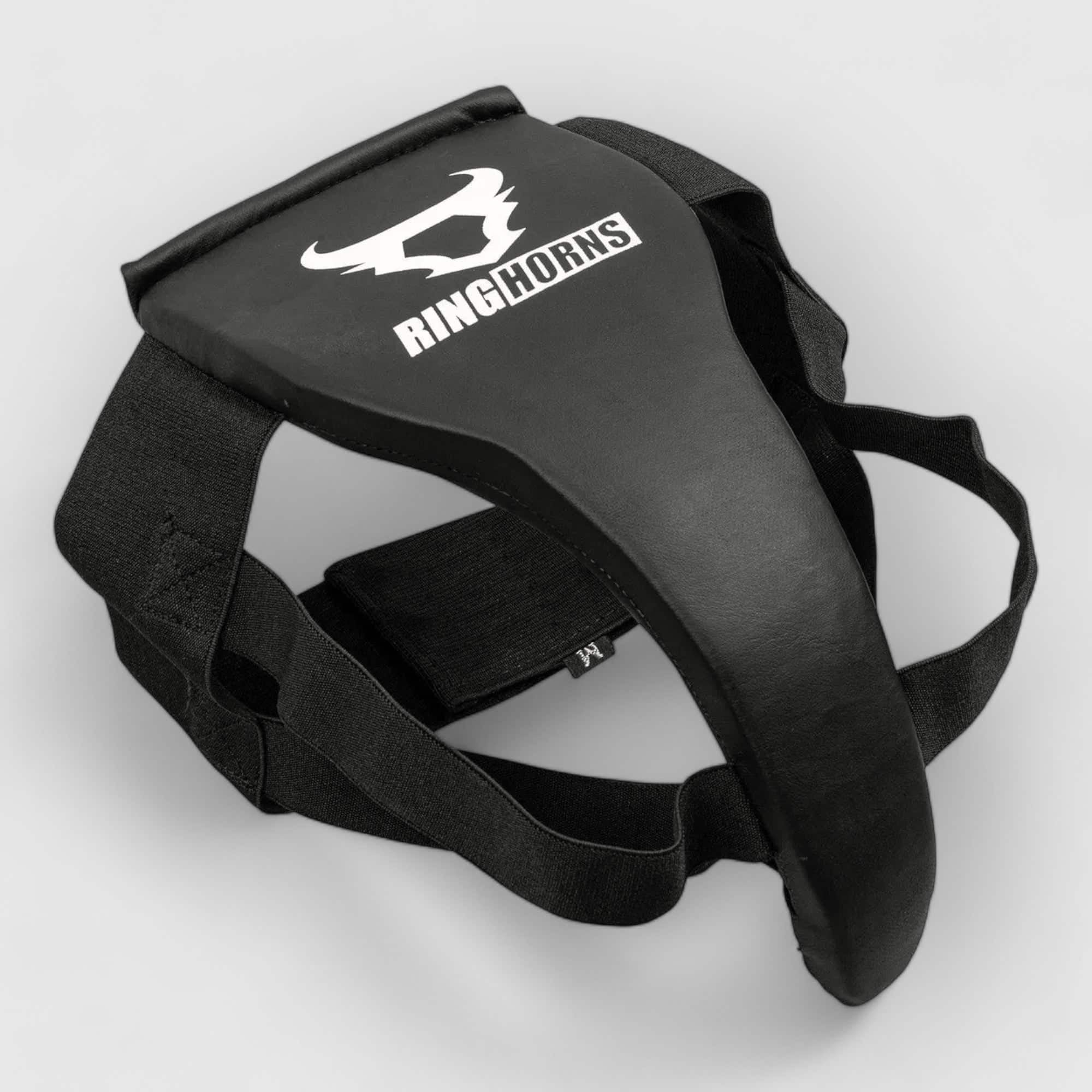
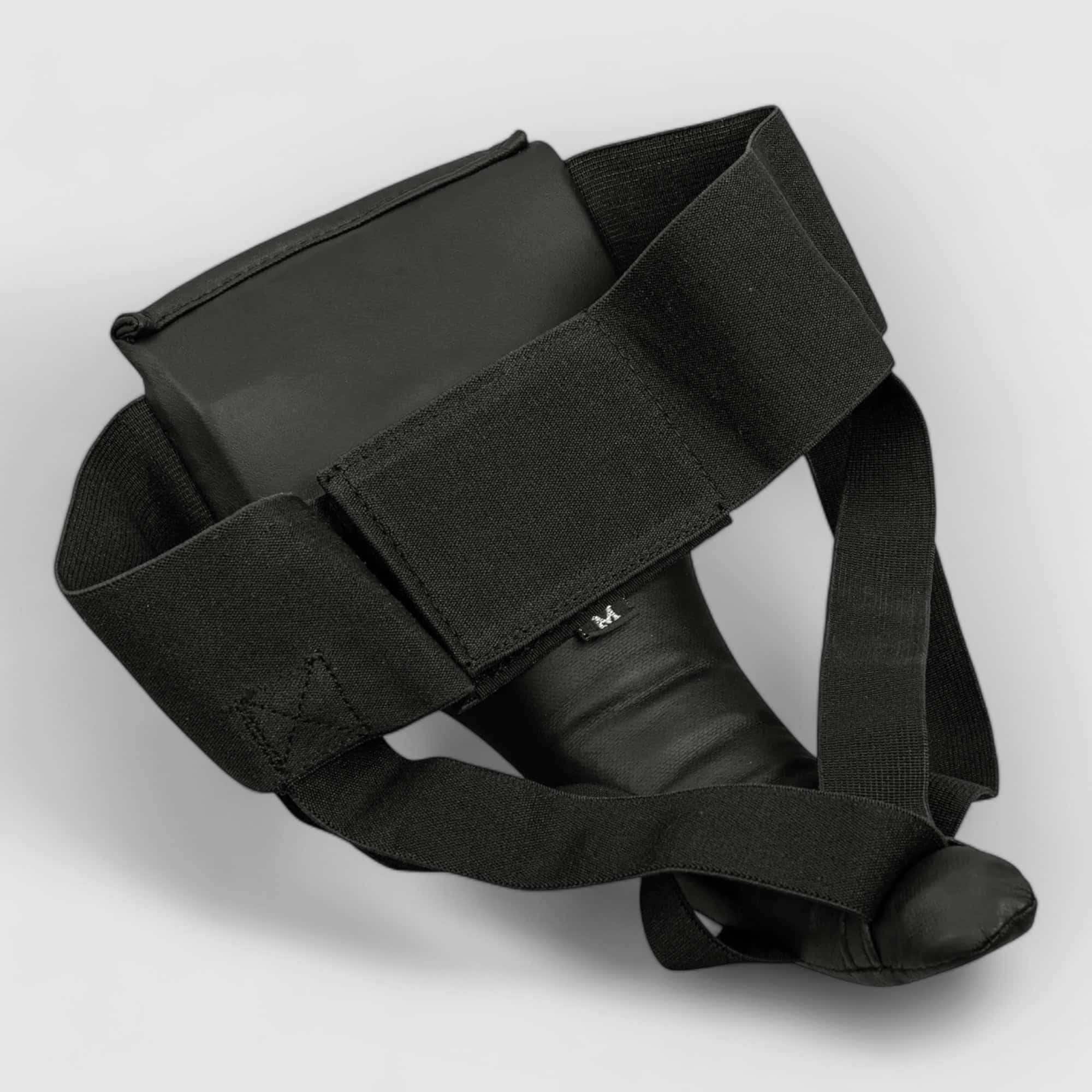


Designed for female anatomy and fits better than a standard model.
Buy this first
Wraps before gloves. Clubs will often lend you gloves, but rarely wraps.
Frequently asked questions
Do I need women's gloves?
No. What matters is the fit with wraps on. Women's models have a narrower fit, which suits many, but not all.
What glove size should I get?
10 to 12 oz for bag work and pads for most people, 14 or 16 oz for sparring. Ask your club what they require.
Do I need a chest guard?
In amateur competition it is usually required, and many clubs use them in sparring. Ask your club what applies there.
Do I have to spar?
No. You can train boxing for years without sparring, and get all the training effect from bag work, pads and shadowboxing.
Are there women-only classes?
Many clubs have dedicated beginner courses for women. Ask when you get in touch.
What do I need for my first session?
Hand wraps and training clothes. Gloves are often lent out the first few times.