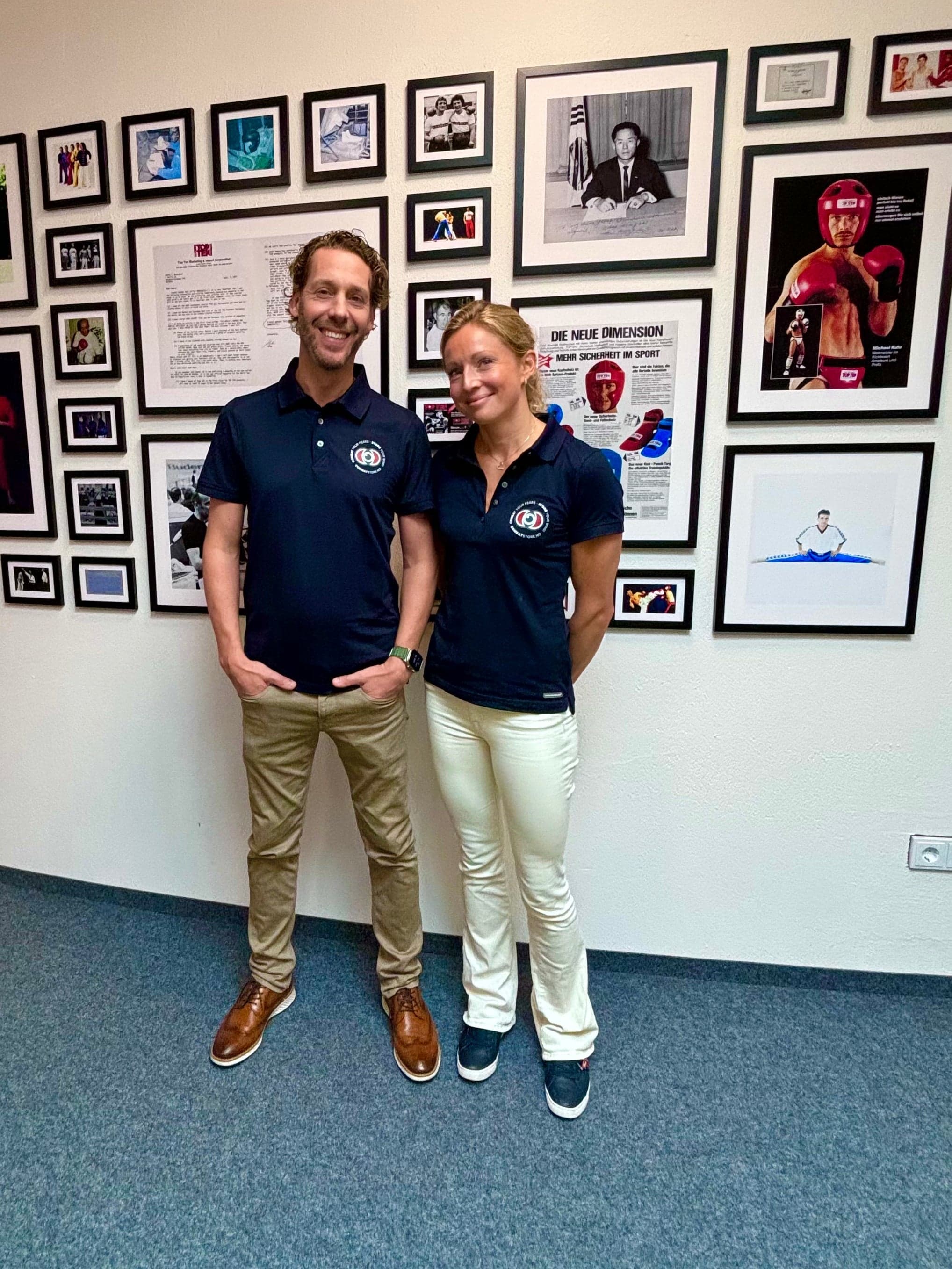

A regular mouthguard is shaped by biting down into soft plastic so that it takes an impression of your teeth. That is exactly the method that does not work when you wear braces. The guard locks around brackets and wires, it can pull on the appliance, and in the worst case you cannot get it out again without tearing something with it.
That is why there are mouthguards made specifically for braces. This article explains how they work, what sets them apart from a regular mouthguard, and how to choose and care for one.
Why a regular mouthguard does not work
A standard mouthguard is heated in boiling water and then moulded to the teeth. The point is that the plastic should follow the row of teeth exactly, so that the guard stays in place without you having to bite it into position.
With braces, that very property creates three problems. First, the plastic moulds around the brackets and locks in place. Second, it pulls on the appliance when you take it out, and brackets can come loose. Third, your teeth are constantly moving, so an impression that fits today will fit poorly in six weeks.
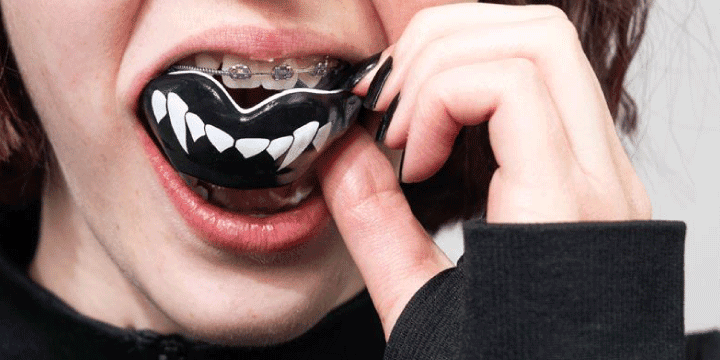
What is an ortho mouthguard?
An ortho mouthguard is made of a softer material and designed with a deep, padded channel that sits over both teeth and brackets without clamping onto them. It should not be moulded in boiling water.
There are three advantages:
- It protects the appliance. A blow to the mouth with unprotected brackets pushes metal into the lip. The channel adds a layer in between.
- It protects the lips and cheek. Brackets are sharp. Most mouth injuries in martial arts with braces are cuts on the inside of the lip, not tooth injuries.
- It fits all the way through. Because it does not take an impression, it works just as well before and after an adjustment at the dentist.
The differences in a table
| Regular mouthguard | Ortho model | |
|---|---|---|
| Fitting | Boiled and moulded to the teeth | Used as it is |
| With braces | Can lock in place | Made for it |
| After adjustment | Must be remoulded | Still fits |
| Material | Firmer plastic | Softer, more flexible |
| Lifespan | One to two years | Throughout the whole treatment period |
How to use it
Take it straight out of the package, rinse it in cold water, and place it on the upper jaw so that the channel covers both the row of teeth and the brackets. It should stay in place without you biting it on, but it will feel looser than a moulded guard, and that is intended.
If it feels uncomfortably long at the back, the rearmost millimetres can be carefully trimmed off with scissors. Trim a little at a time. If in doubt, ask your dentist or orthodontist first.
Care and lifespan
- Rinse in cold water before and after every session. Never hot.
- Let it air-dry before putting it in the case. A damp guard in a closed case becomes a bacteria culture.
- Use disinfectant spray regularly, especially if it is used several times a week.
- Store it in a case with air holes, not loose in your training bag.
- Replace it when the channel has lost its shape or the material has started to crack.
Who needs a mouthguard?
Everyone who trains martial arts with contact to the head, and everyone who plays team sports with a high risk of collision. With braces the need becomes greater, not smaller, because the appliance itself increases the risk of cuts.
This also applies to sports where you do not think about blows at all: handball, football, ice hockey, roller skating and mountain biking account for a significant share of dental injuries among children and young people.
Our recommendations
For braces
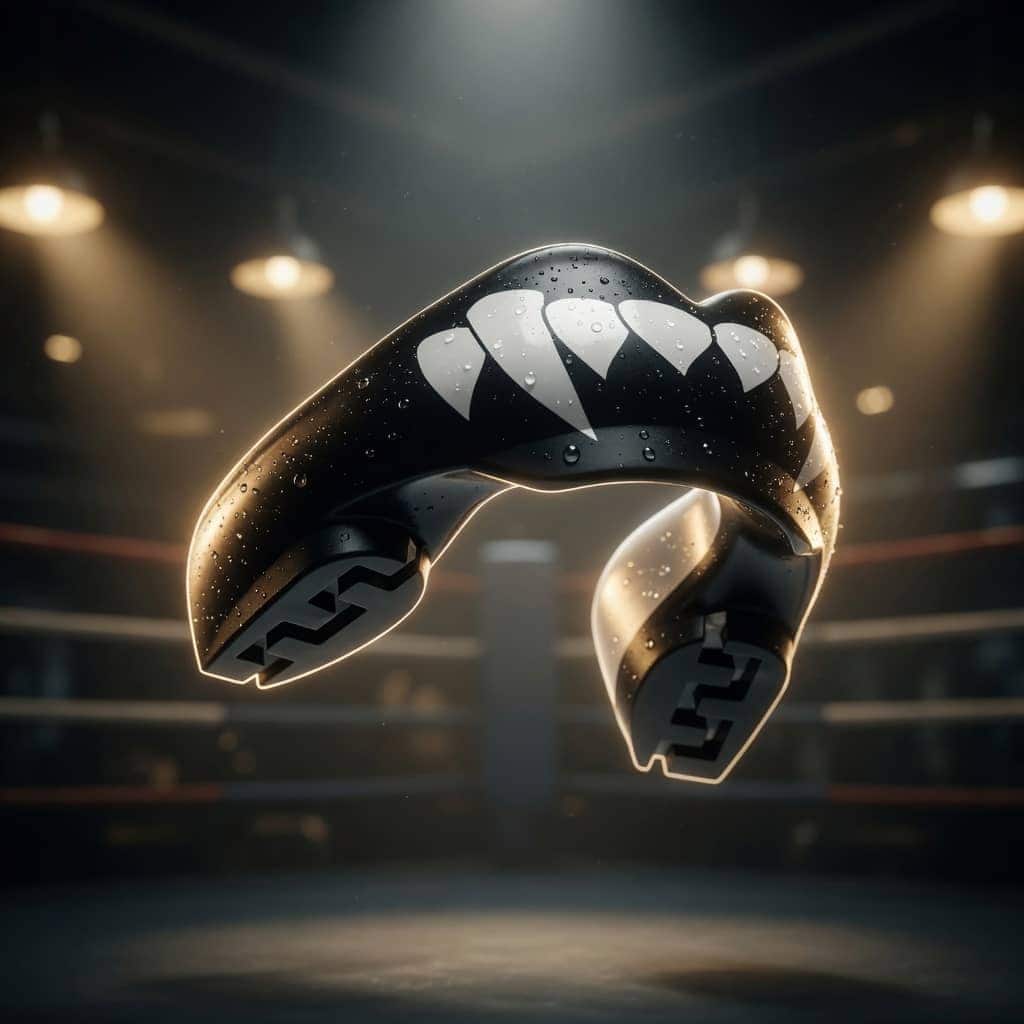
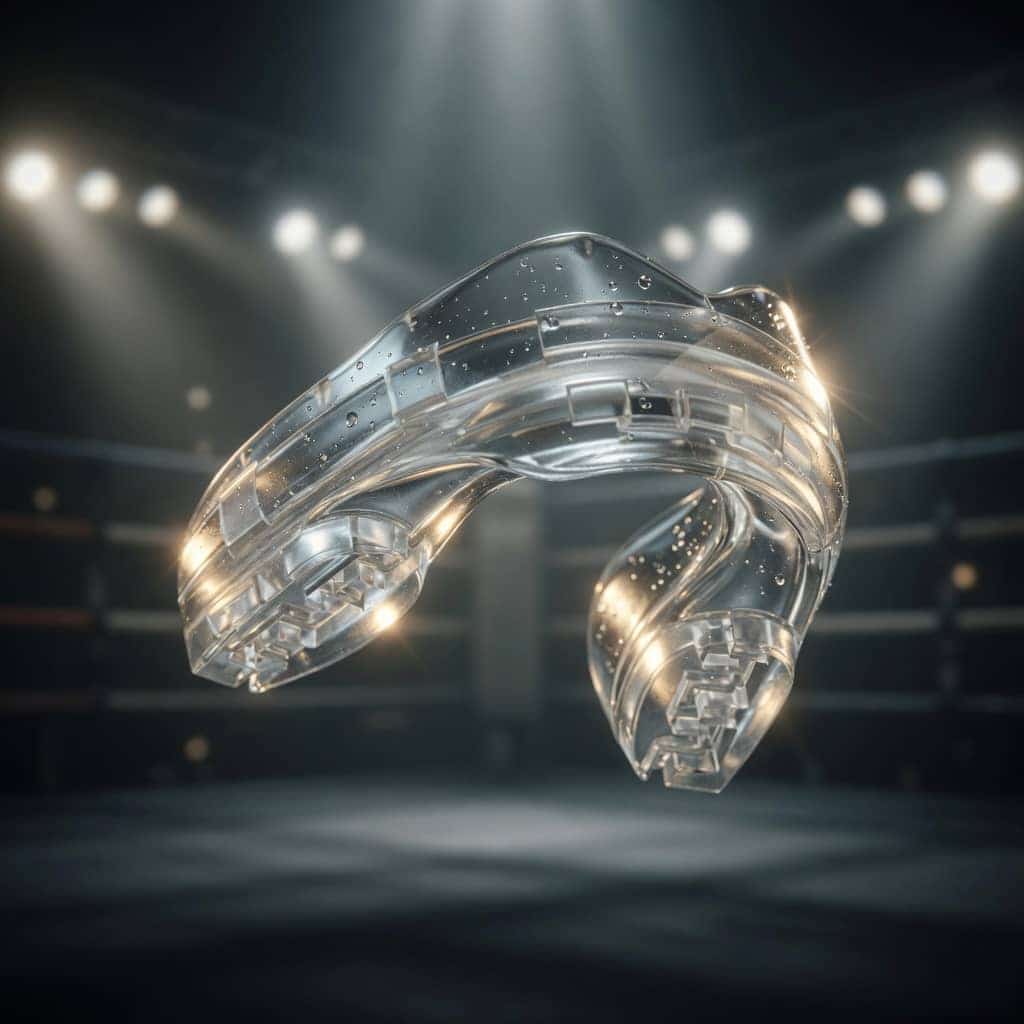


Built for brackets. Not to be boiled, fits throughout the whole treatment period.
Hygiene
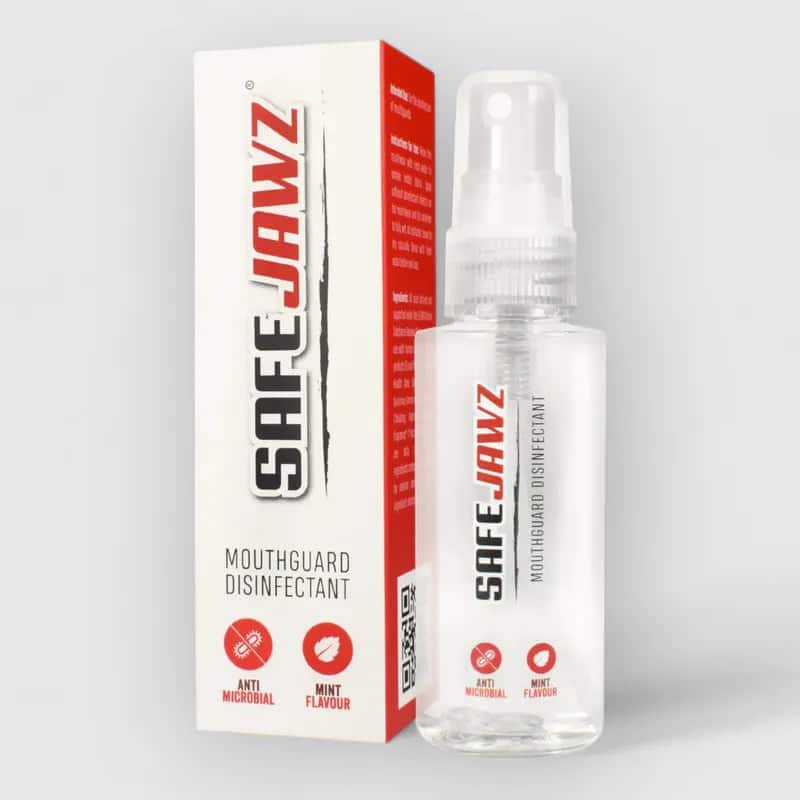

Spray after the session, let it dry. The single most important measure against bad smells and bacteria.
Storage
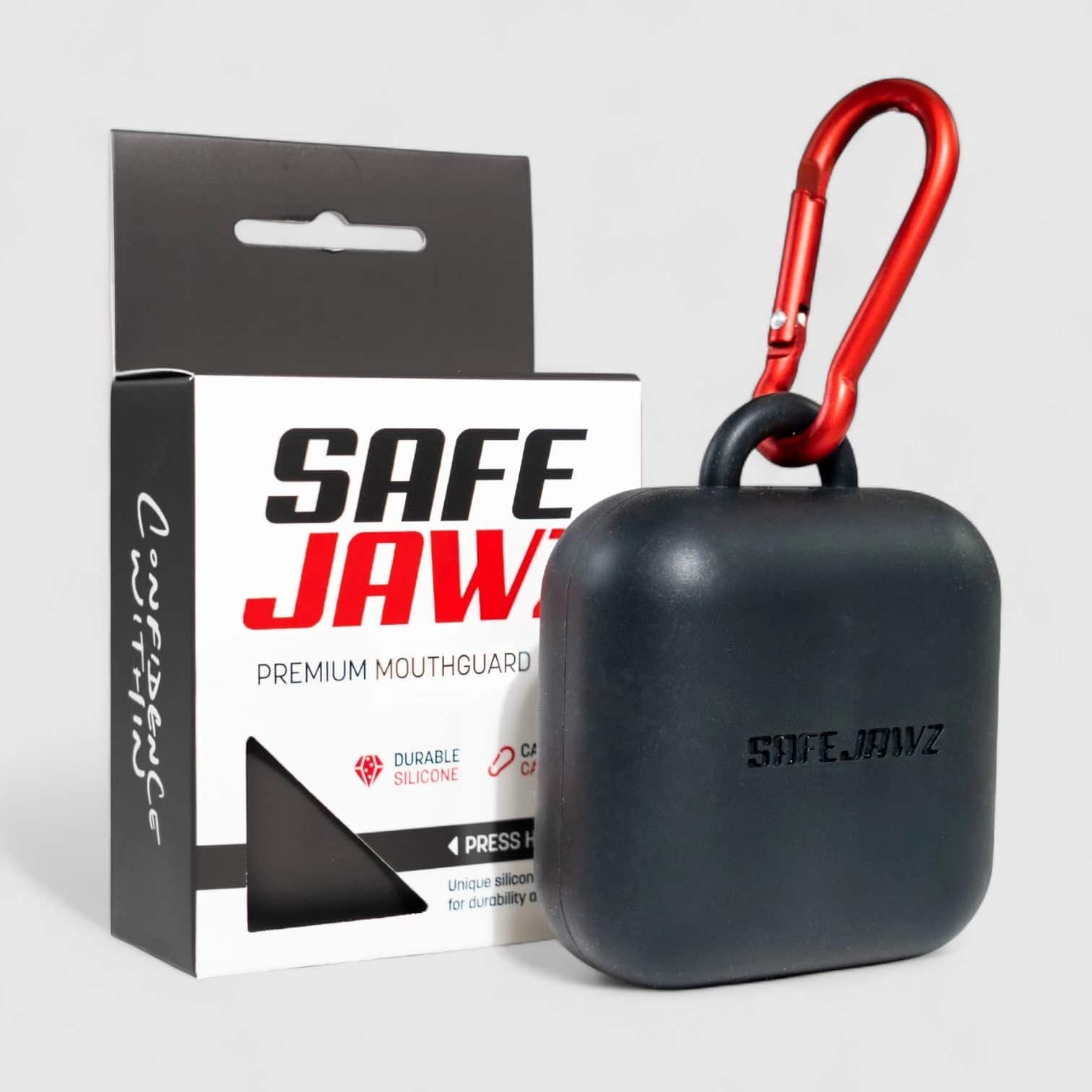
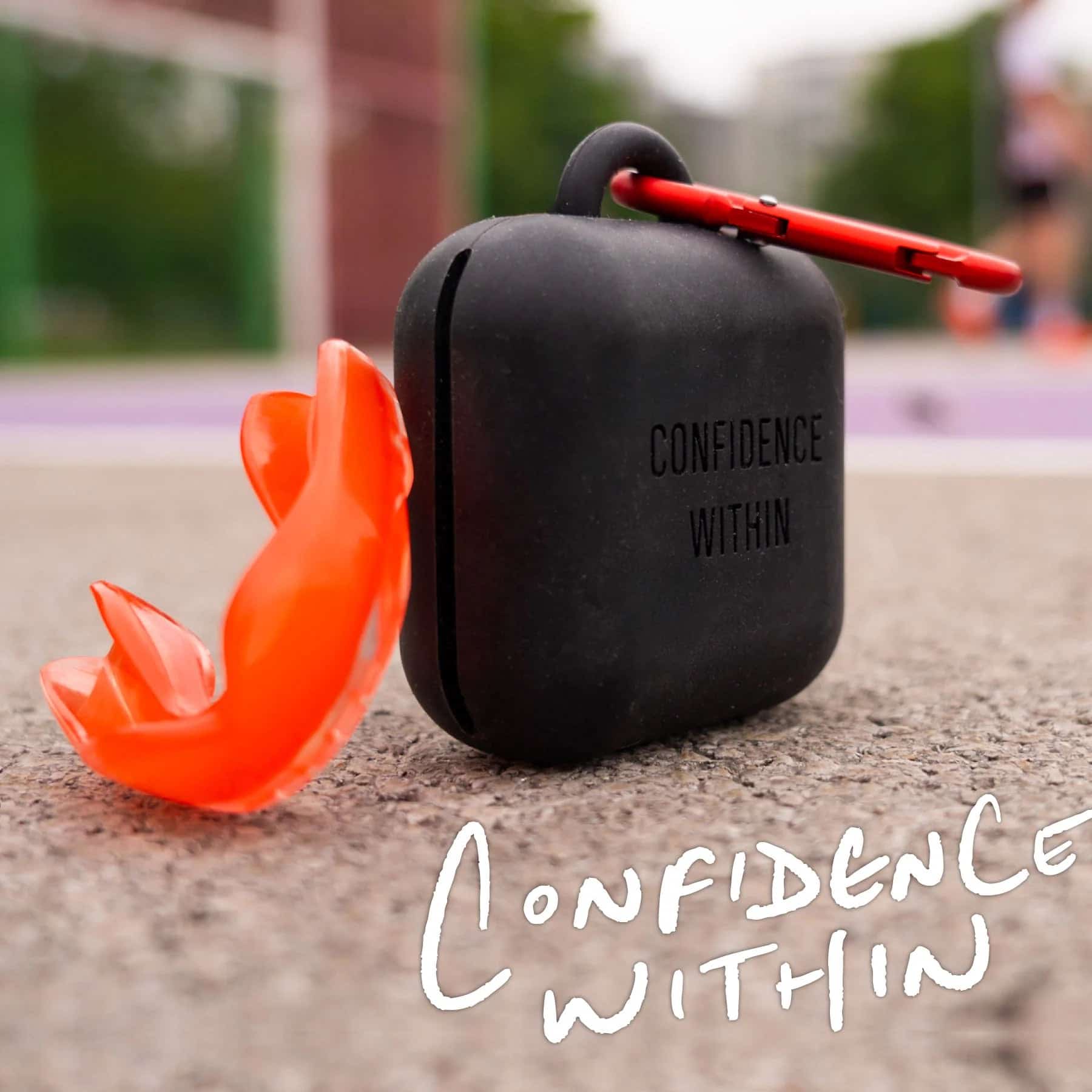


A case with air holes, so the guard can dry instead of staying damp.
Without braces
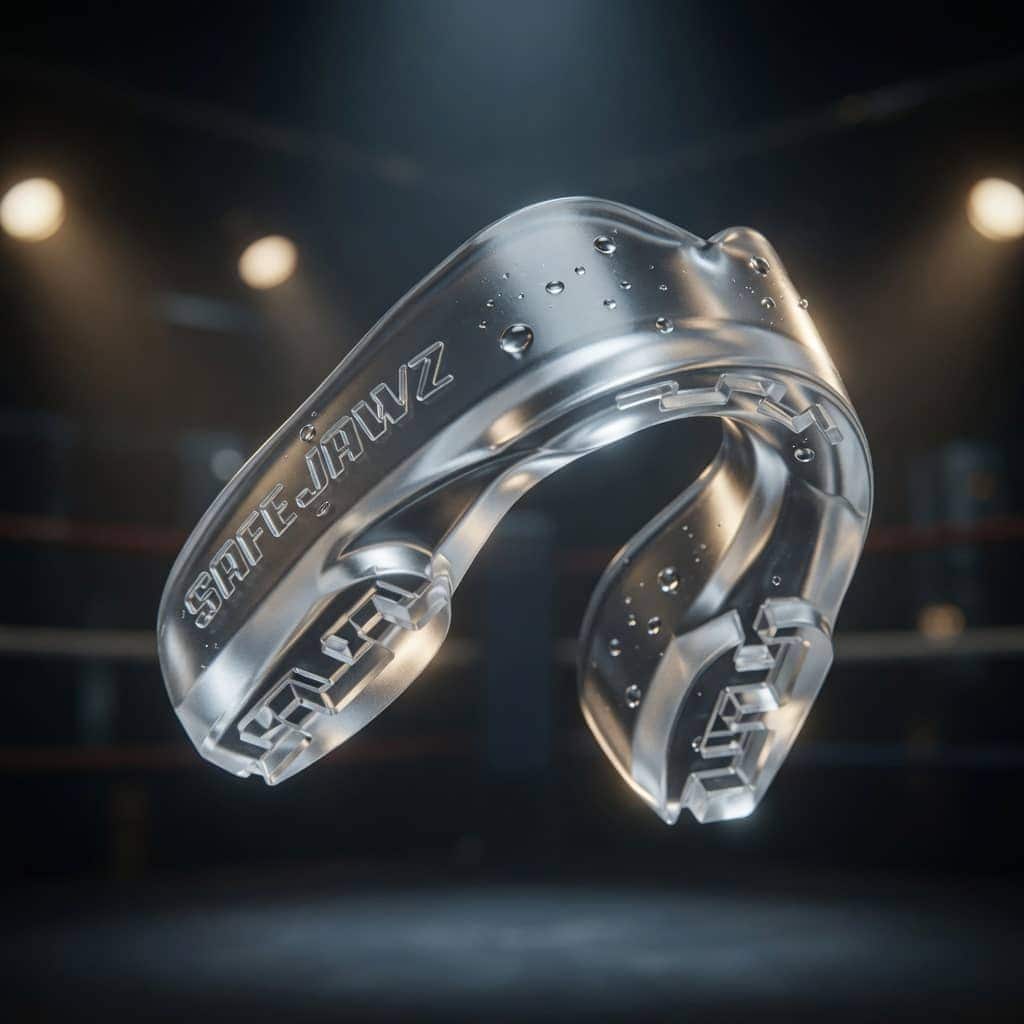
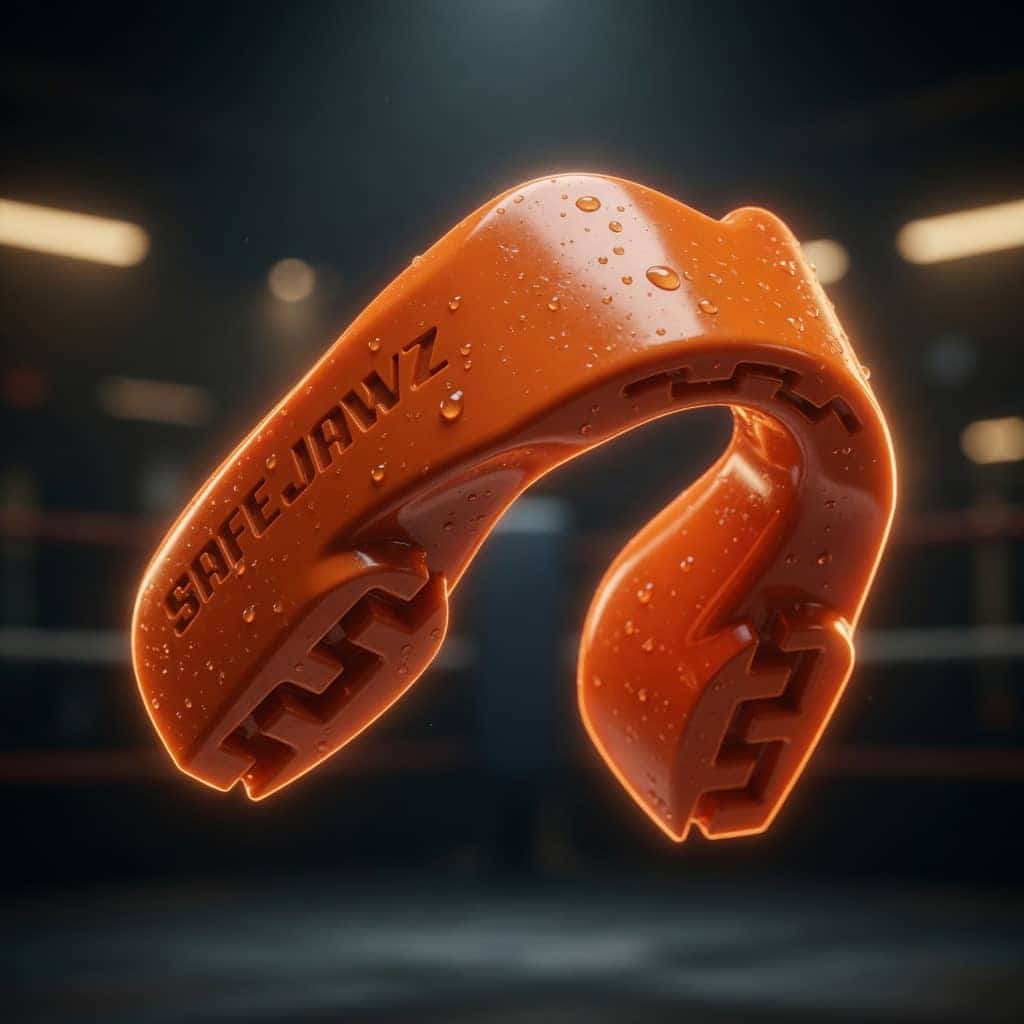


Classic boil-and-bite model for those without braces. Also available in children's sizes.
For the youngest
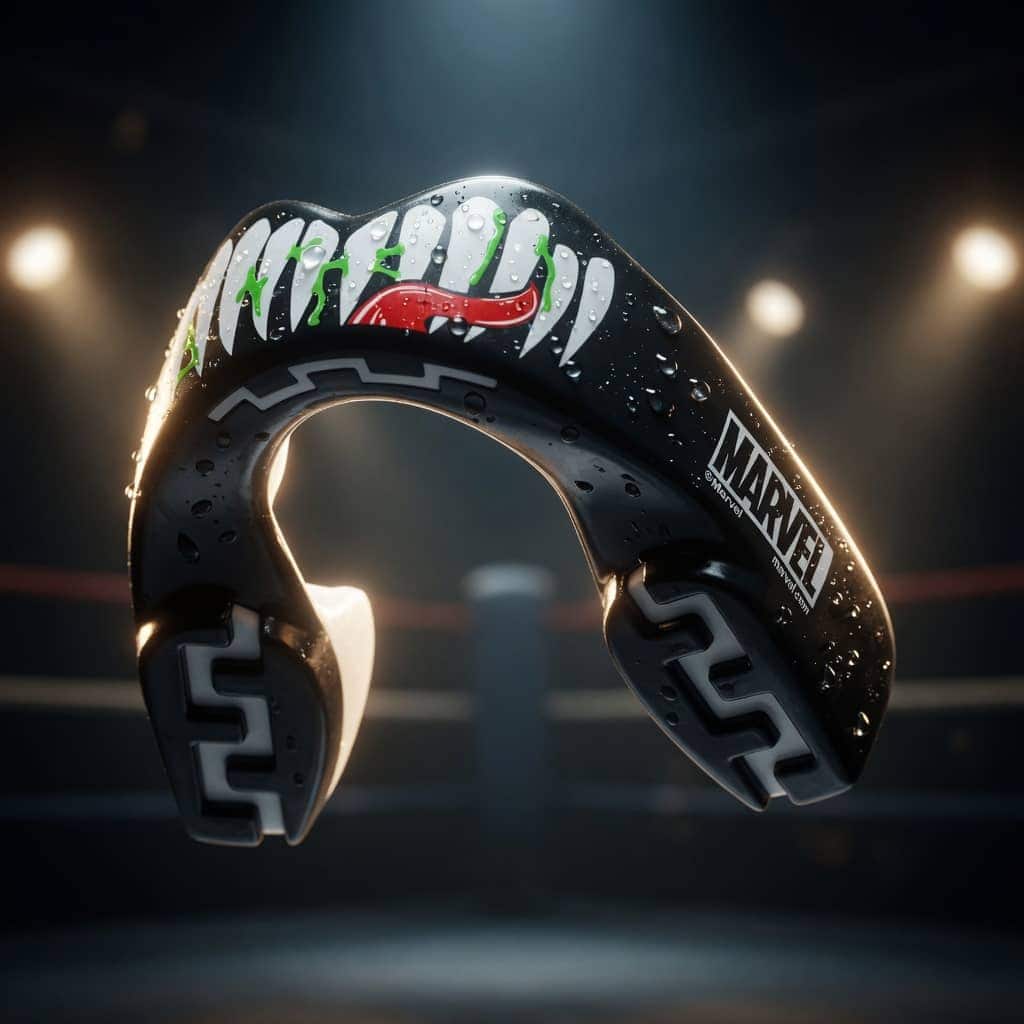
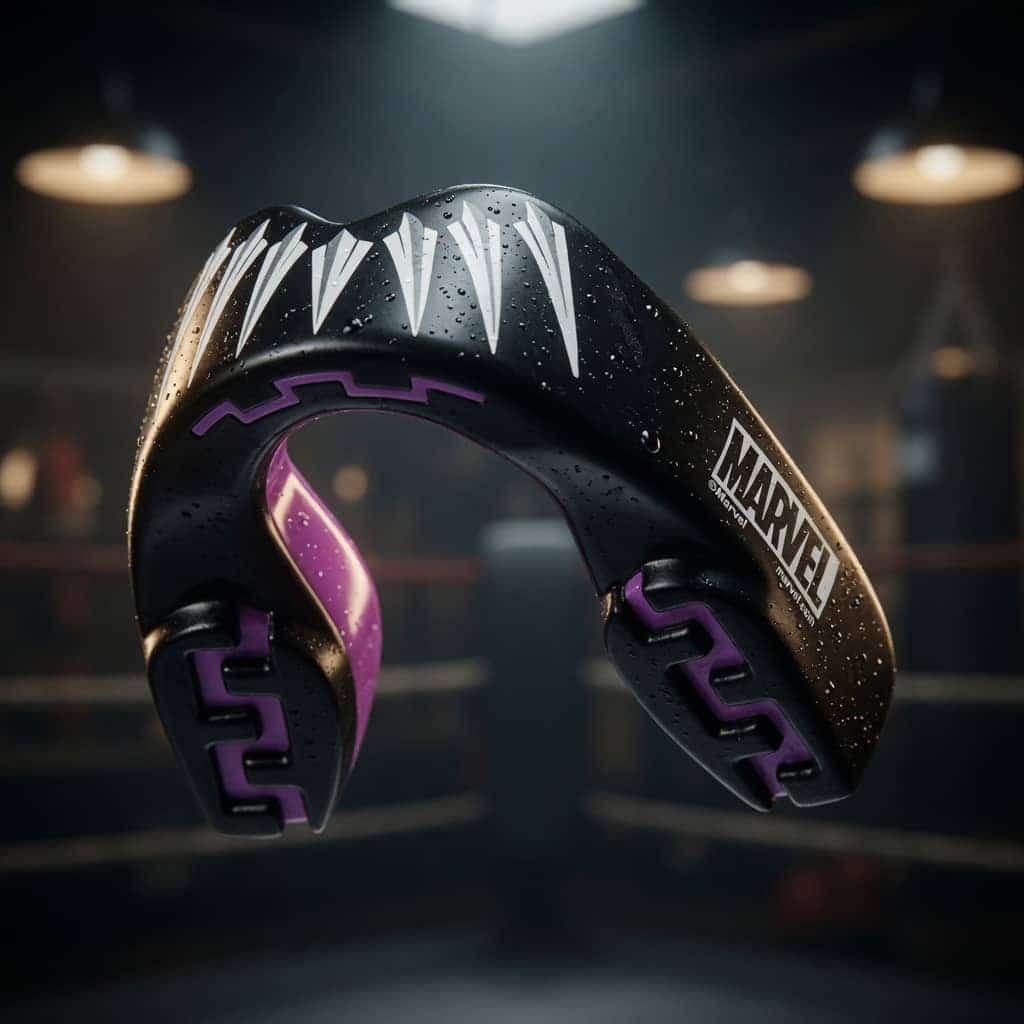


The same protection in a design that means it actually gets used.
Frequently asked questions
Can I use a regular mouthguard with braces?
No. It moulds around the brackets and can lock in place or pull the appliance loose when you take it out.
Should the ortho model be boiled?
No. It is used as it is. Heat destroys the channel that sits over the brackets.
Do I need a guard for the lower jaw as well?
Most people only use one on the upper jaw. If you have braces on both jaws, ask your orthodontist for a recommendation for your situation.
How long does an ortho mouthguard last?
It is made to last throughout the treatment period. Replace it when the channel has lost its shape or the material cracks.
What do I do when the braces come off?
Then you can switch to a regular boil-and-bite model moulded to your new tooth positions.
Can children use it?
Yes. Check the sizing on the product page, and choose the junior model for the youngest.