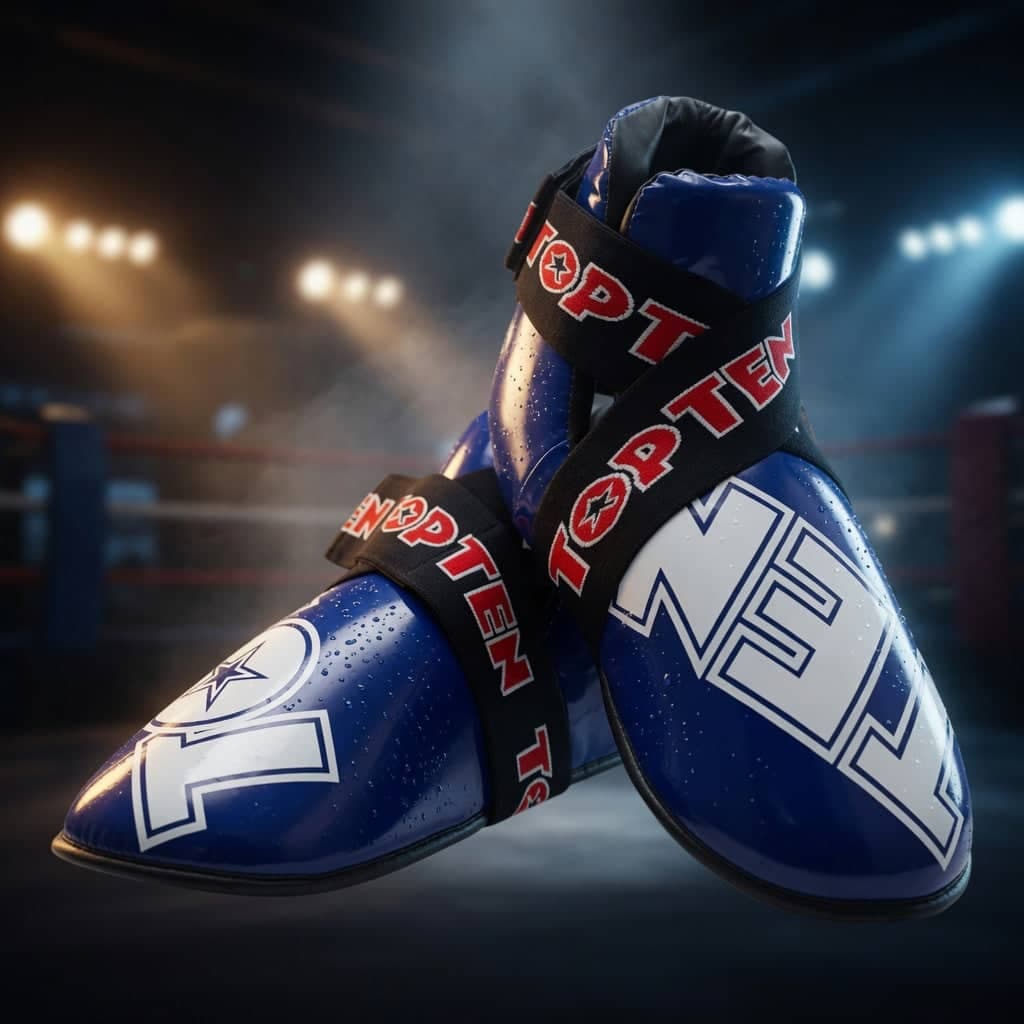
Safety kicks, or instep guards, are the gear that makes semi-contact sparring possible. They cover the instep, heel and toes, and they have to do two things that pull in opposite directions: protect the foot, and yet not get in the way when you kick.
TOP TEN has several models in its range, from the simple classic to ultralight competition models. Here is what sets them apart, which approvals come with each, and how to choose the right one.
What are safety kicks?
A safety kick is a padded sock that pulls over the foot and covers the instep, heel and toes. In semi-contact disciplines they are mandatory, because they mean a kick to the opponent hits foam instead of bone.
The instep is a small area with thin tissue over the bone, and it copes badly with hitting an elbow or a hip bone. That is why kicks protect the athlete doing the kicking just as much as the one being kicked.
They differ from shin guards in that they cover the foot rather than the shin. In several disciplines both are used at the same time.
The models compared
| Model | Approved by | Price |
|---|---|---|
| Fight | ITF, NTN | 149 kr |
| WAKO Fight | WAKO, ITF, NTN | 749 kr |
| Competition Ultra Lett | Competition model | 349 kr |
| WAKO Competition Ultra Lett w/UV | WAKO, with UV mark | 790 kr |
| Superfight 3000 | ITF | 890 kr |
Notice how the price follows the approvals more than the material. A WAKO-labelled model costs more than the same construction without the label, because the approval itself is what you are paying for when you are going to compete.
Approvals, and why they matter
For club training, approval doesn't matter. Then it is fit and cushioning that count, and the Fight model does the job well.
For competition it is the opposite. The referees check the gear before the bout, and if the marking is missing, you can't fight. The four abbreviations you will come across:
- WAKO. The international kickboxing federation. Required at sanctioned kickboxing competitions.
- ITF. International Taekwon-Do Federation.
- NTN. National Taekwon-Do Norway, the Norwegian ITF organisation.
- NKBF. Norges Kickboxing Forbund (the Norwegian Kickboxing Federation).
Some WAKO products also have a UV mark, an authenticity mark that is only visible under UV light, so the gear can be checked quickly.
The weight that makes the difference
The development of these products has been about one thing: making them lighter without losing the cushioning. A heavy kick affects both kicking speed and balance, and in point fighting, where points go to whoever lands first, you notice it.
The ultralight models are the answer to this. They are developed to protect the sensitive instep area while giving maximum comfort, and you notice the difference from the first kick. In return they are thinner, and for hard sparring many people will prefer a sturdier model.
Size and fit
Kicks should fit snugly without tightening over the instep. If they are loose, they rotate during the kick, and the padding ends up in the wrong place at the moment it is needed.
Try them with the kind of sock you actually train in. If you are between two sizes, choose the smaller if the model is elastic, and the larger if it has a fixed shape. Always check the manufacturer's size chart on the product page.
Care and lifespan
- Take them out of your bag after every session and let them air.
- Wipe the inside. They sit against a foot that sweats for a whole hour.
- Check the washing instructions before putting them in the machine. Many can't handle it.
- Never on a radiator. Heat ruins the foam.
- Replace them when the padding over the instep has gone hard or flat.
Our recommendations
Best starting point
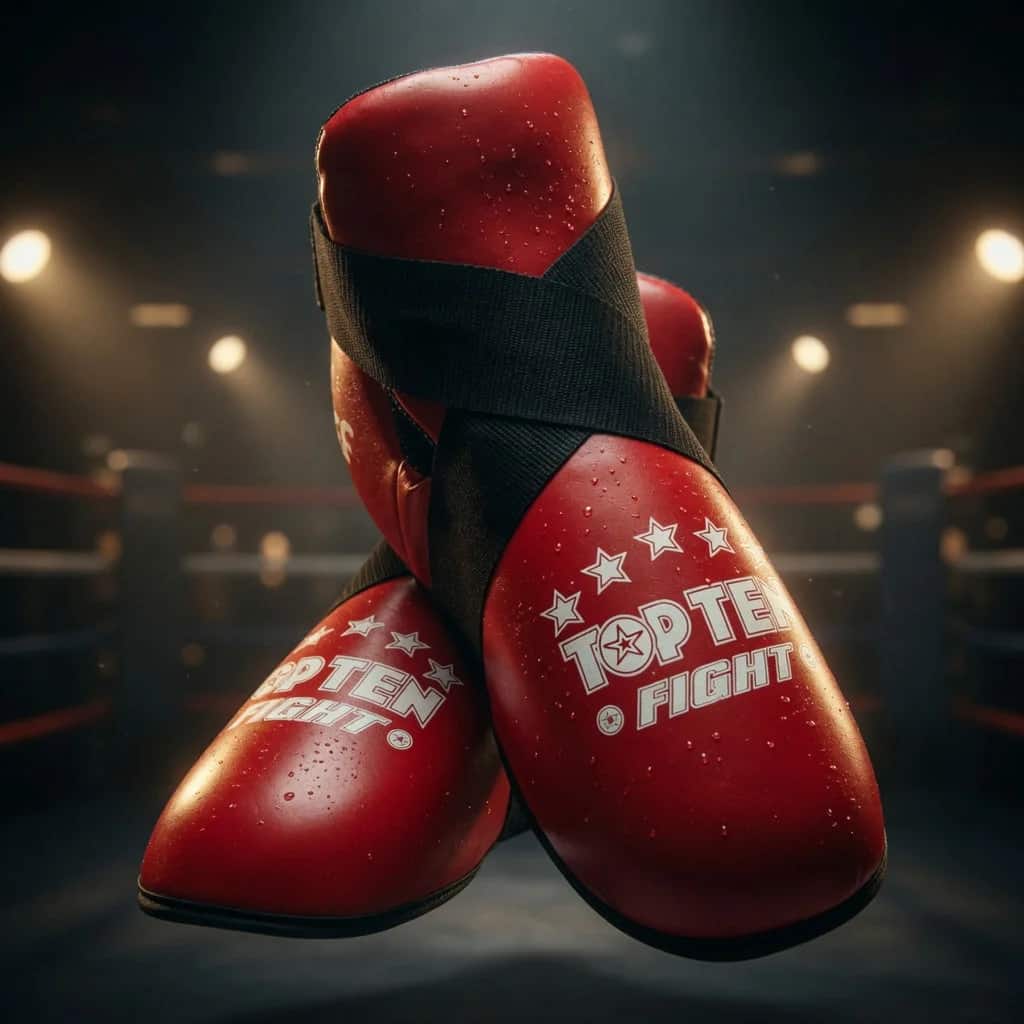
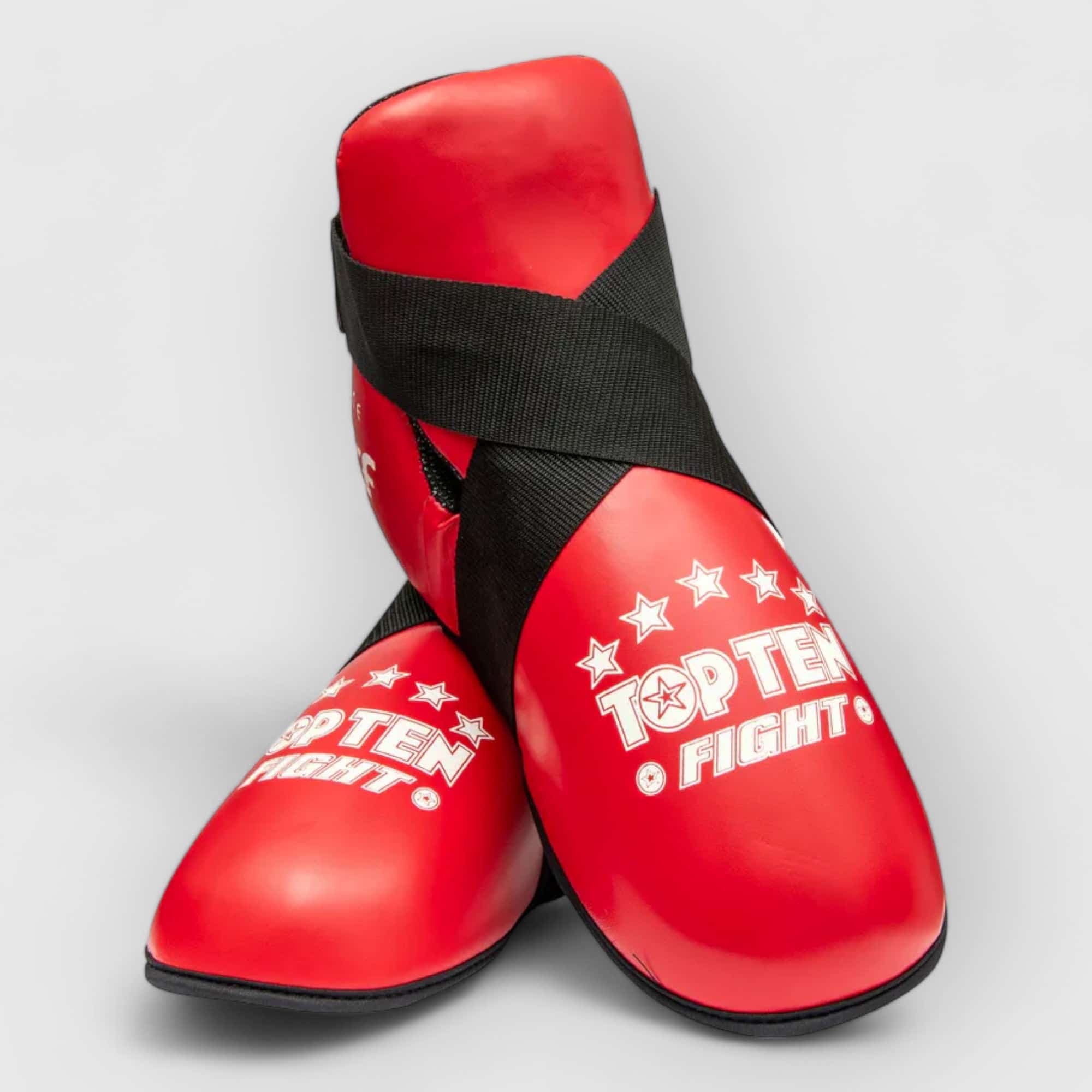


The classic. Approved by ITF and NTN, and affordable enough that you can have two pairs.
Lightest
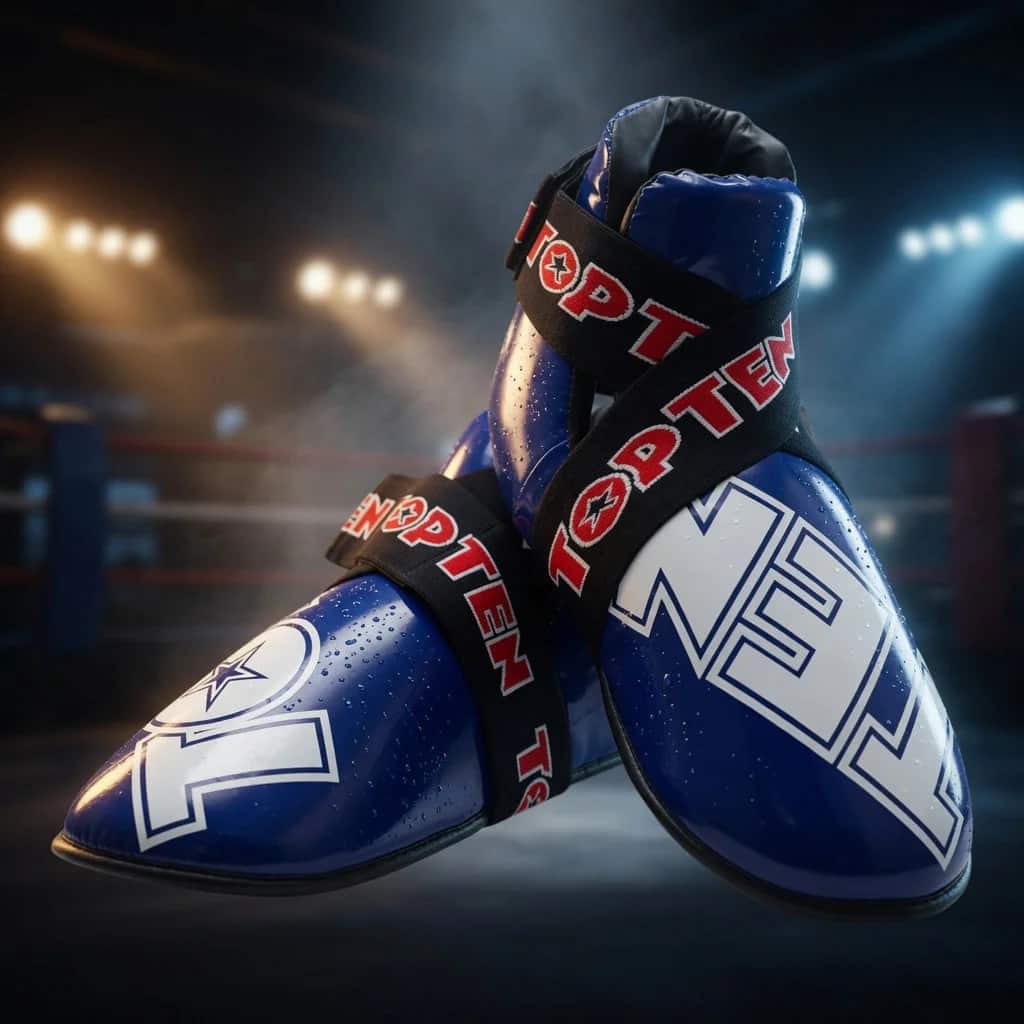
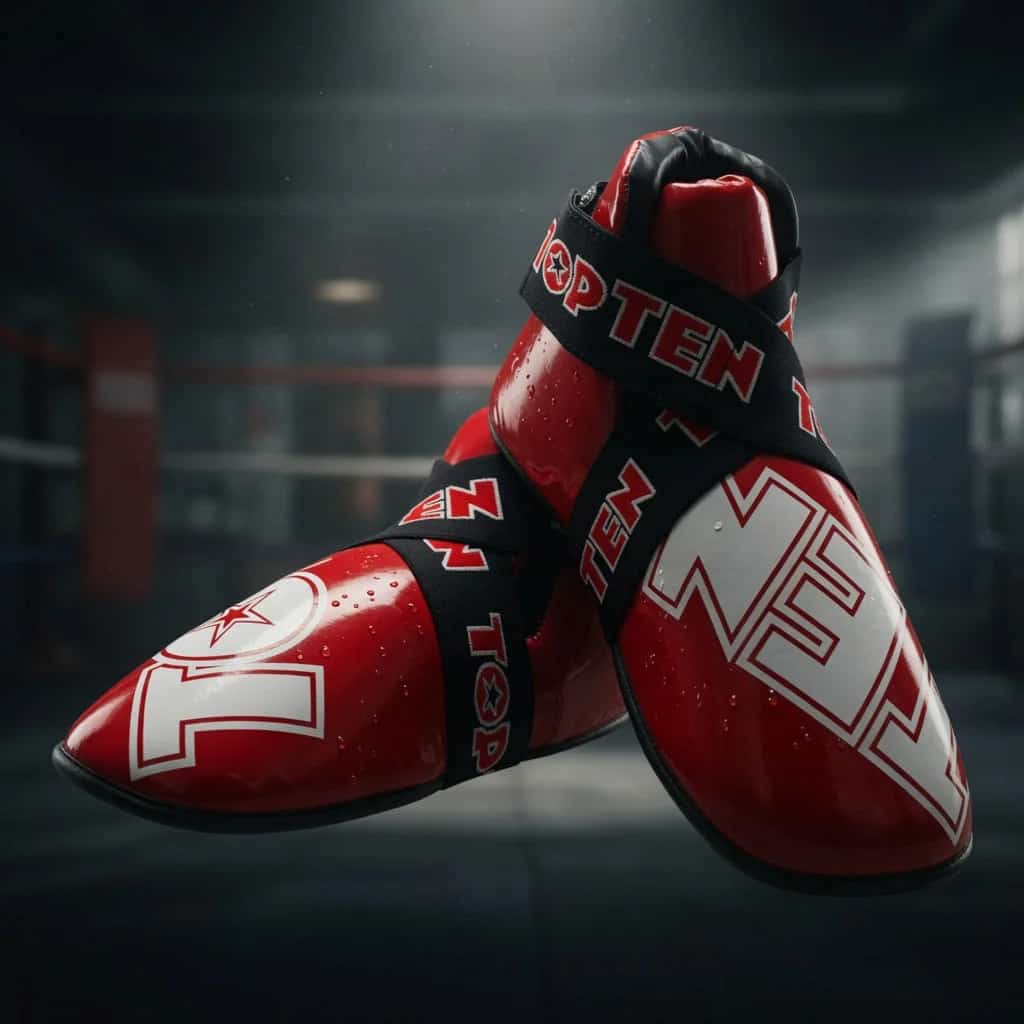


Ultralight construction for those who want to feel as little as possible on the foot.
For taekwondo
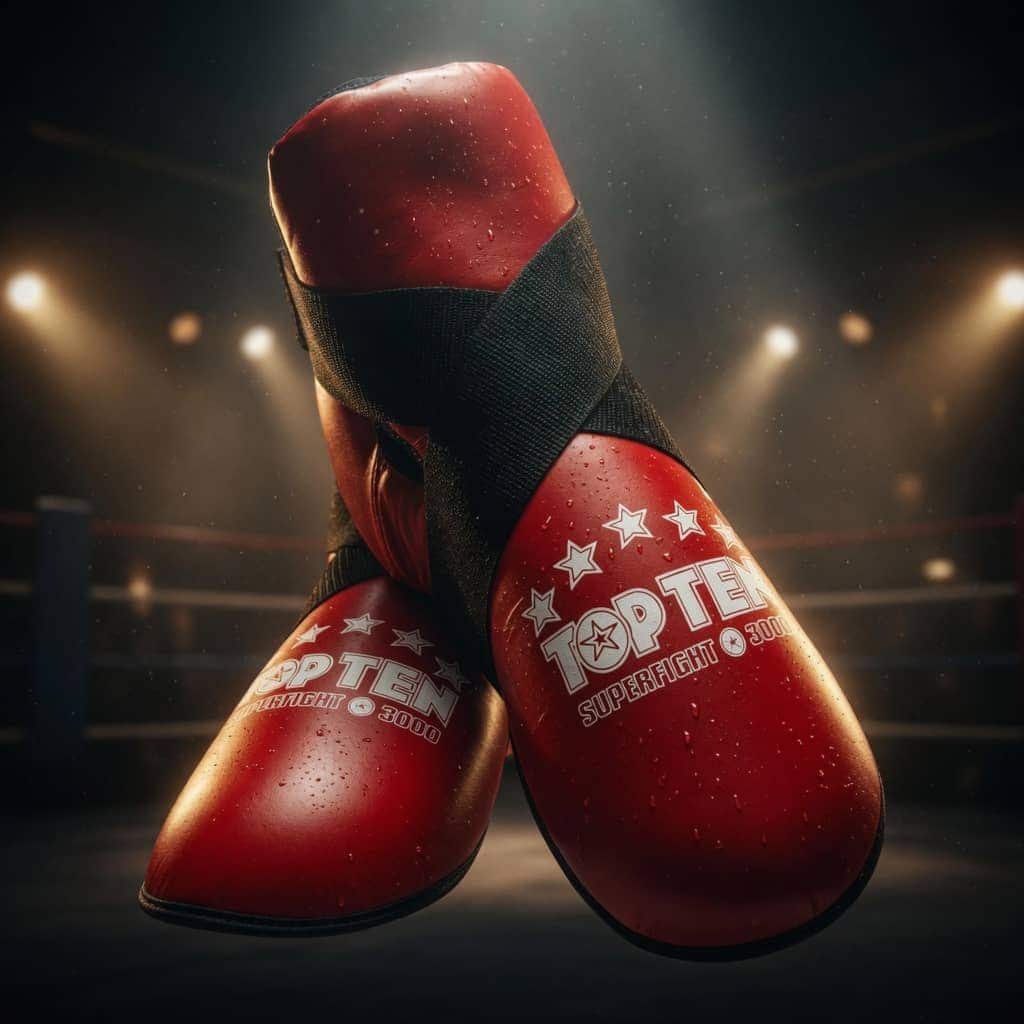
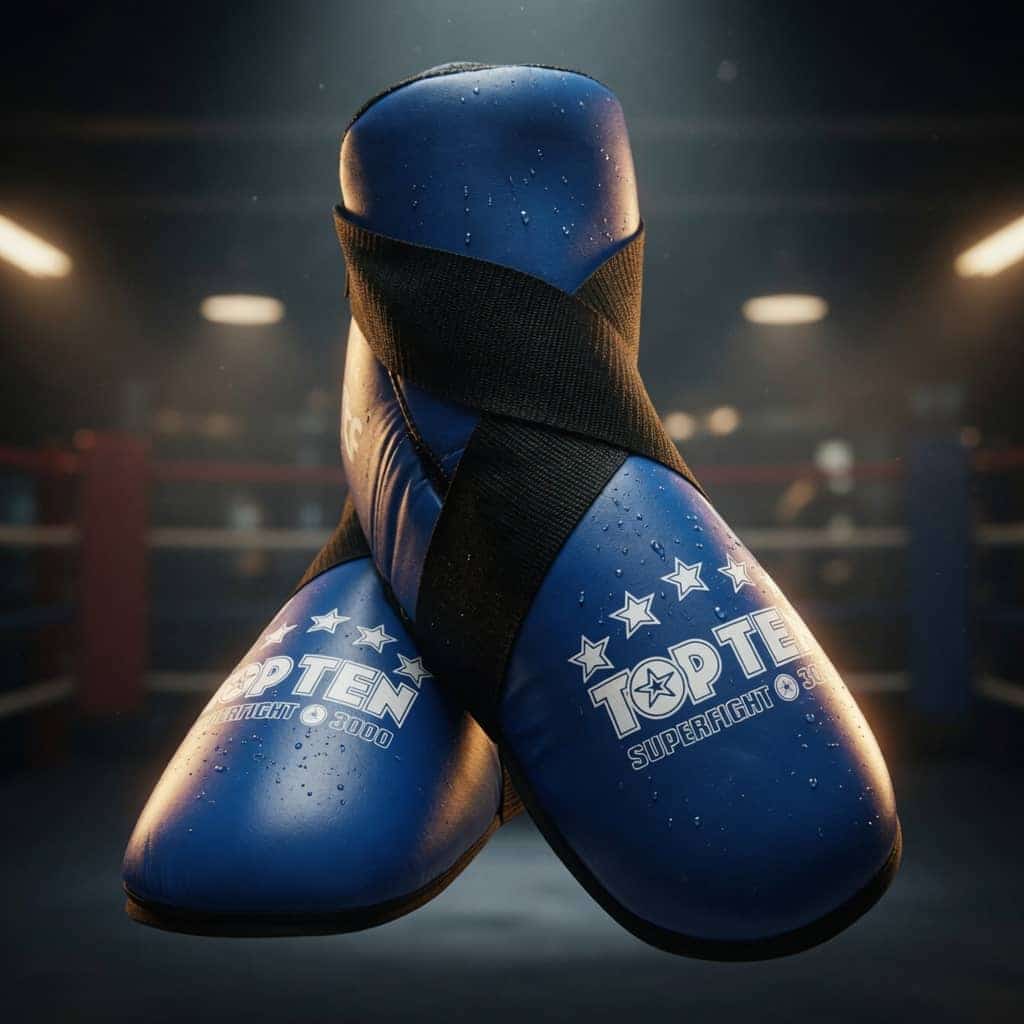


Approved by ITF, most used in taekwon-do and kickboxing. Matches the Superfight gloves.
Frequently asked questions
Do the kicks have to be approved?
Only for competition. For club training, any model your club accepts will do.
What is the difference between kicks and shin guards?
Kicks cover the foot, shin guards cover the shin. In several disciplines both are used at the same time.
Why red and blue?
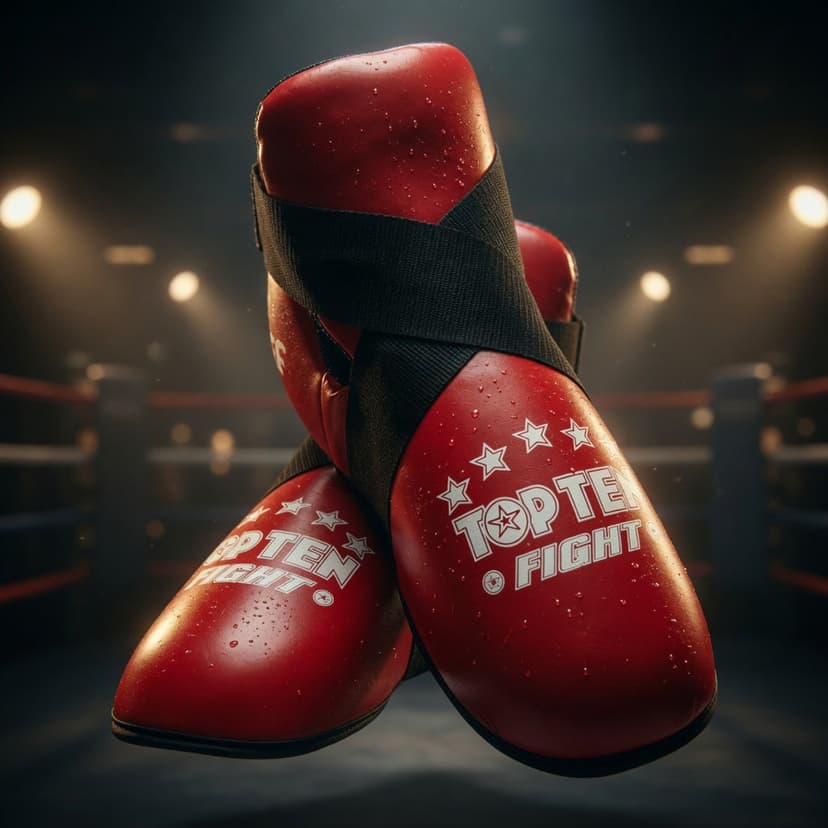
Because athletes in competition fight from the red or blue corner, and the gear has to match the corner.
What does the UV mark mean?
An authenticity mark that is only visible under UV light, used for quick checks at the gear inspection.
What size should I get?
See the manufacturer's chart on the product page, and try them with the sock you actually train in.
What else is required in WAKO competition?
See our overview of WAKO-approved gear.