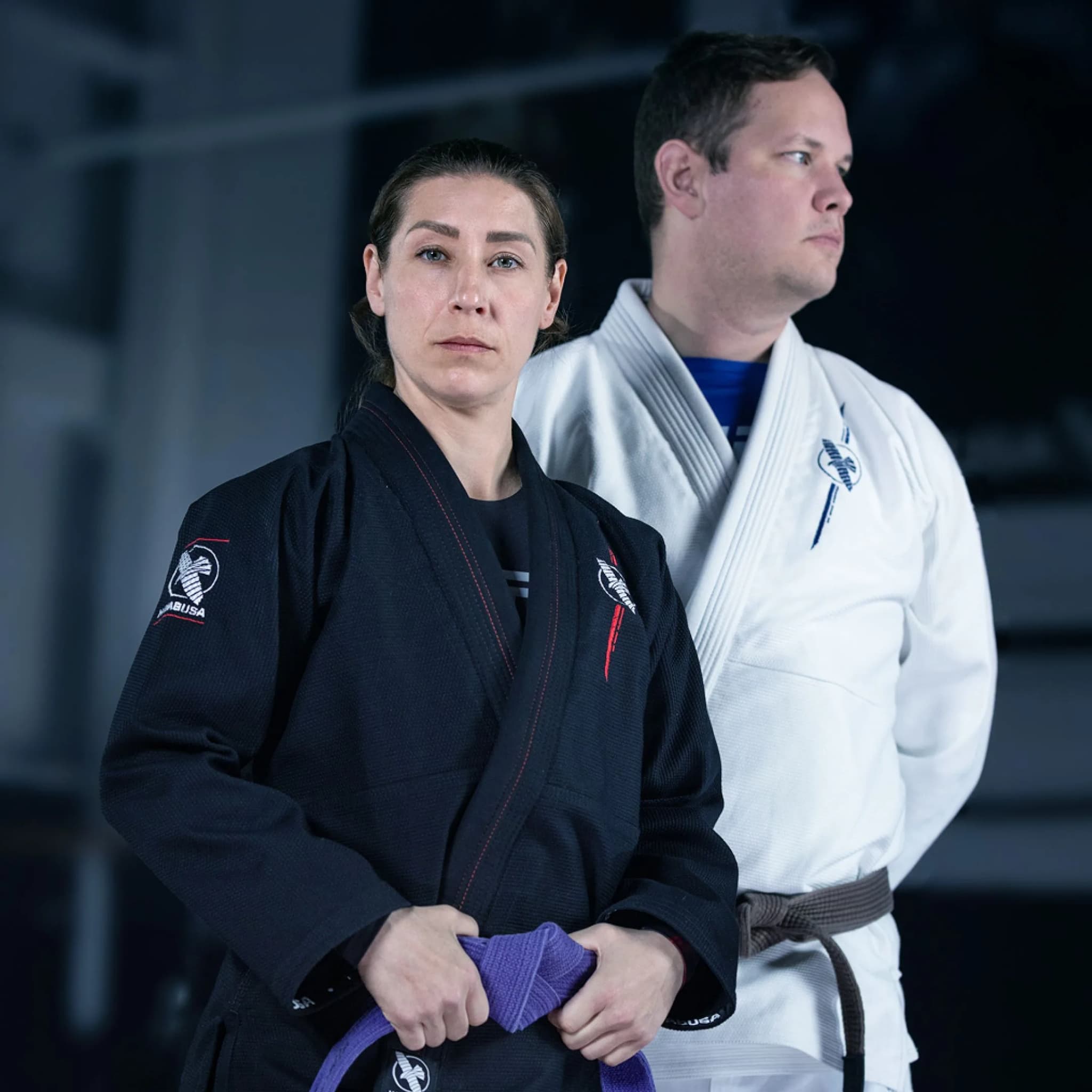

Brazilian jiu-jitsu is among the fastest-growing martial arts in Norway over the last decade. There are clubs in most larger towns, many of them with their own children's classes, no-gi classes and competition groups. The threshold for getting started is low: you need one gi, and many clubs will lend you one the first few times.
Here you get the practical side: how to choose a club, what gear applies, how the belt system works, what competitions cost and require, and what you can expect from your first year.
BJJ in Norway
The growth in Norway has come from two directions. One is MMA and submission wrestling, which have made grappling known to a wider audience. The other is that BJJ has proven to work very well as adult training: you get hard physical training and technical development without taking blows to the head.
Most clubs today offer four types of classes: beginner, advanced, no-gi and competition. Many also have their own classes for children, and a growing number have women's classes. Ask for the timetable before you sign up, so you know there are sessions at times that suit you.
How to choose a club
- Proximity beats quality. The club you can get to twice a week is better than the best club you never make it to.
- Ask about beginner courses. A structured beginner course over a few weeks is the gentlest way in there is.
- Look at the hygiene. Clean mats, short nails and club rules about showering and a clean gi. This isn't nitpicking in a sport where skin contact is constant.
- Look at the sparring culture. In a good club, the experienced members adapt to the beginners. Notice whether people tap early and let go.
- Ask about the instructor's grade. Who graded them, and under whom does the club train.
The gear you need
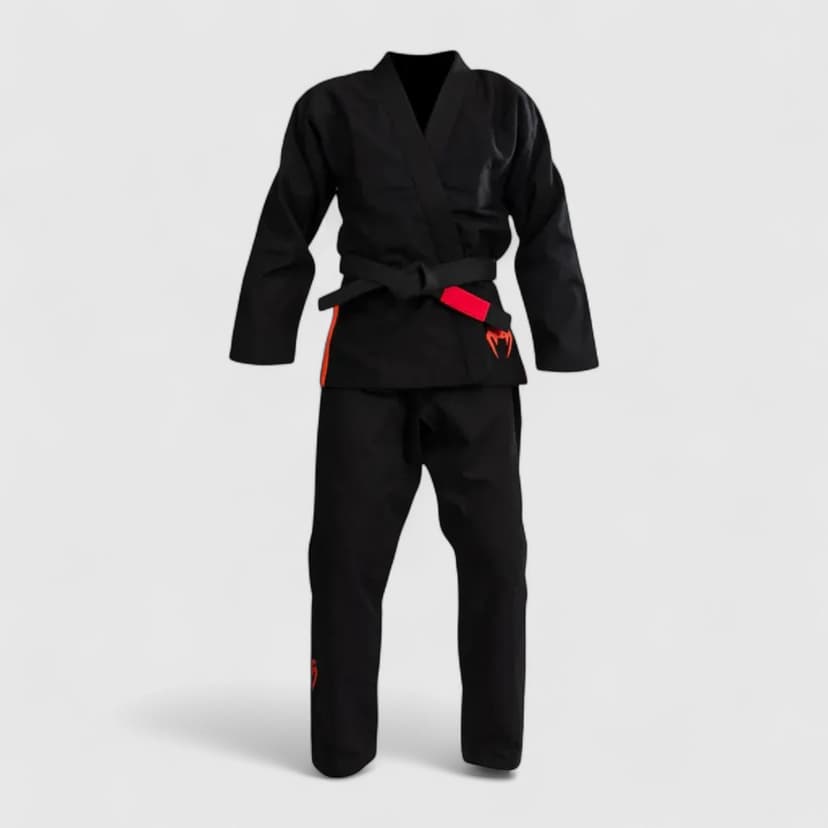
For gi training: a gi and a belt. That's all.
For no-gi: a rashguard and spats or shorts without zips and pockets.
For both, there are three things that make everyday training better: finger tape when the grips start to wear on you, a mouthguard even though it isn't mandatory in every club, and two sets of gi or rashguard so you always have something clean.
Gi sizes
| Size | Height | Weight |
|---|---|---|
| A1 | 163 to 172 cm | 60 to 70 kg |
| A2 | 172 to 180 cm | 70 to 82 kg |
| A3 | 180 to 189 cm | 82 to 94 kg |
| A4 | 189 to 196 cm | 94 to 105 kg |
Use this as a starting point, and always check the manufacturer's own chart on the product page. If the gi is untreated cotton, it will shrink at the first wash, so a slightly tight gi is right from the start. If it is pre-shrunk, choose the larger of two sizes.
The belt system
For adults the order is white, blue, purple, brown and black, with up to four stripes per grade along the way. BJJ is known for grading slowly: one to two years on white belt is normal, and the road to black takes more than ten years for most people.
Children and young people have their own system with more colours, including grey, yellow, orange and green, before they move on to the adult grades.
The slow progression is a strength, not a weakness. A blue belt in BJJ represents a real level of skill, not a completed grading.
Competition
BJJ competitions are held in Norway throughout the season, in both gi and no-gi. Divisions are split by belt grade, age, gender and weight, so you face someone at your own level.
Three practical things before your first competition. Check whether the organiser has requirements for gi colour and for the gi to be measured. Weigh yourself in good time, since many competitions weigh athletes in their gi. And go through the points system with your coach, because winning on points is easier than most beginners think.
The first year
In the first few months you are going to lose a lot. That's how the sport works, and it is also why it teaches you so quickly: you get to try the techniques against someone offering real resistance, every single session.
Three tips that make the start easier: tap early, breathe calmly, and turn up consistently. The last one matters more than the other two combined. Two sessions a week for a year makes you a completely different athlete than five sessions a week for two months.
Our recommendations
Safe first choice
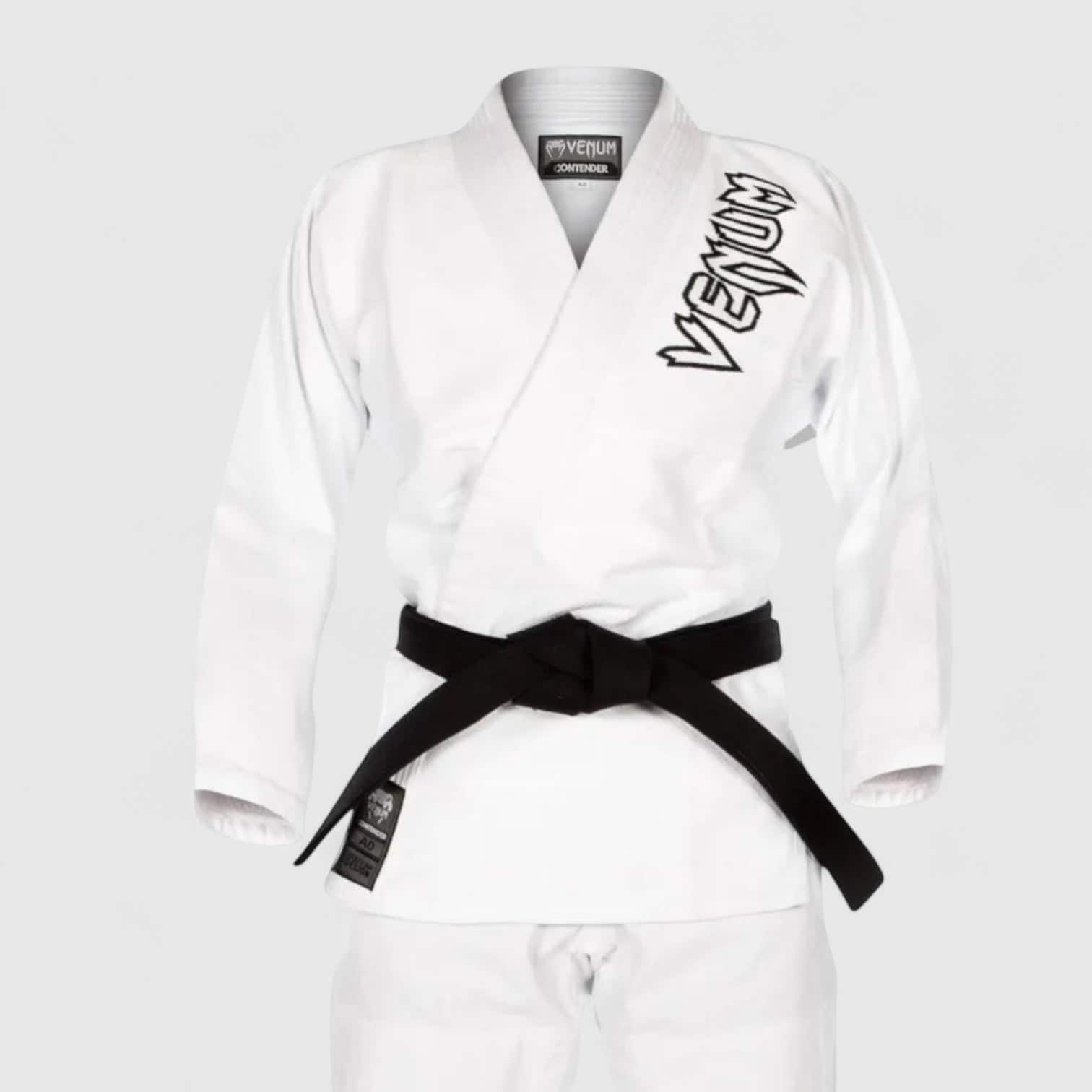
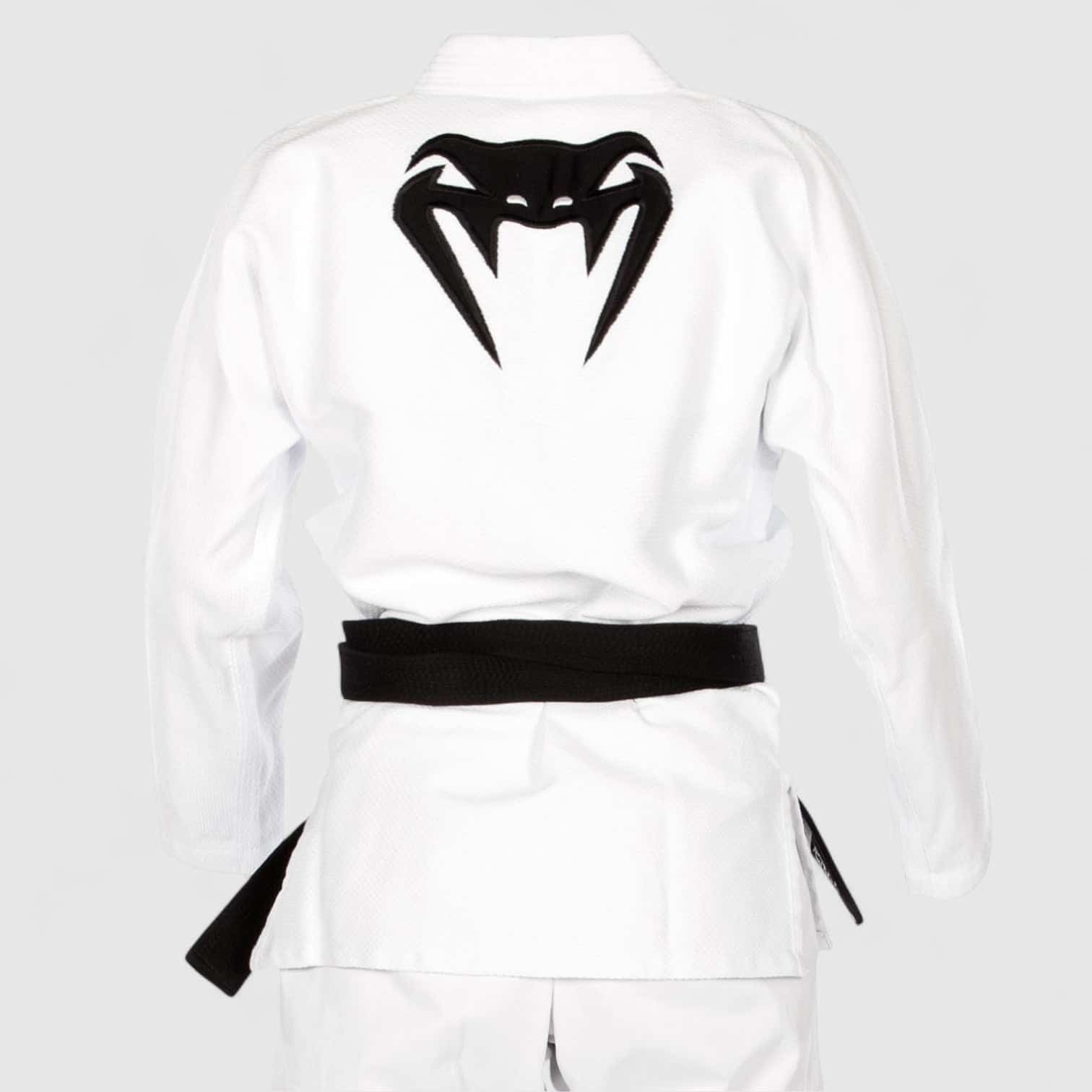
A white gi is allowed everywhere, including in competition. Reinforced where the strain is greatest.
When you train often
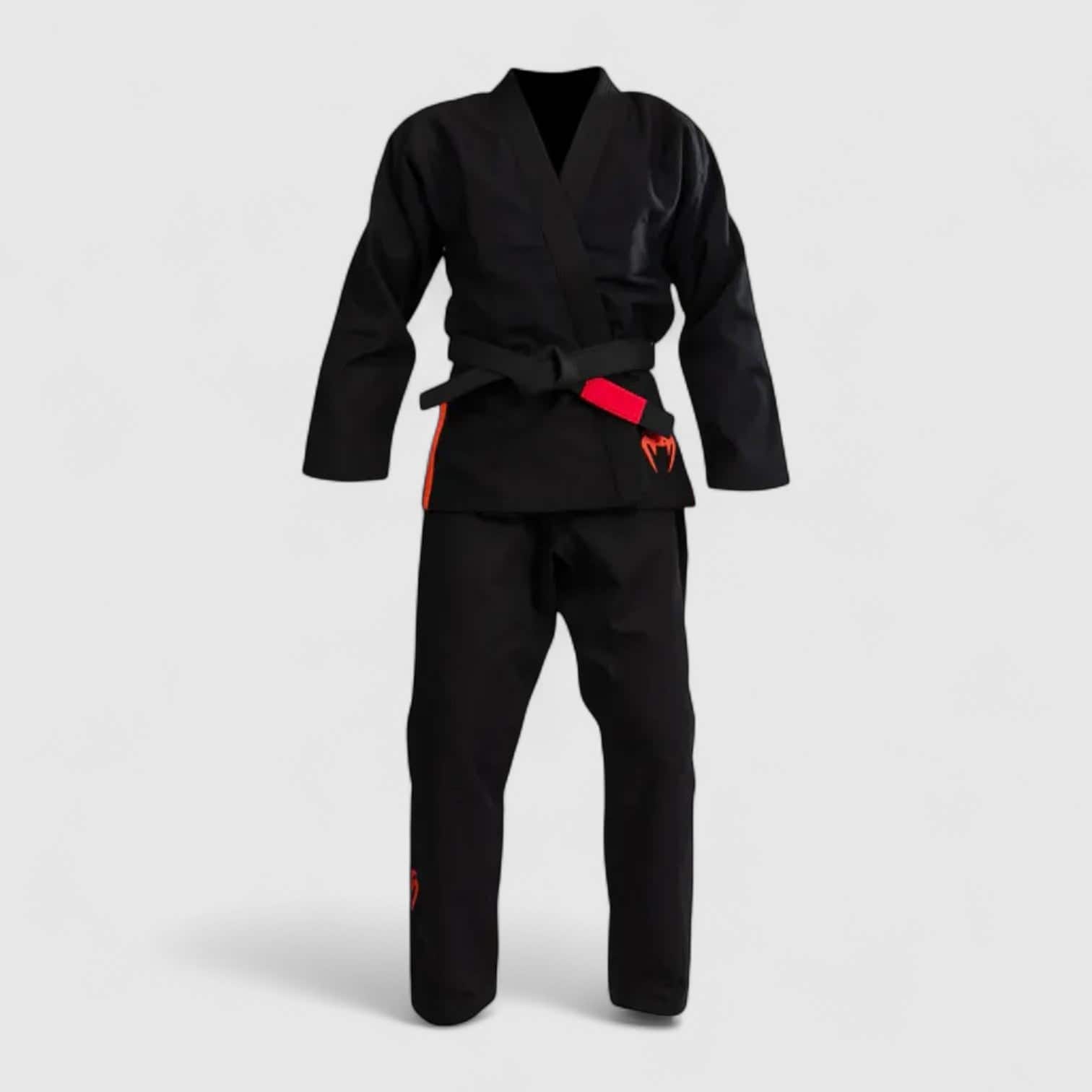
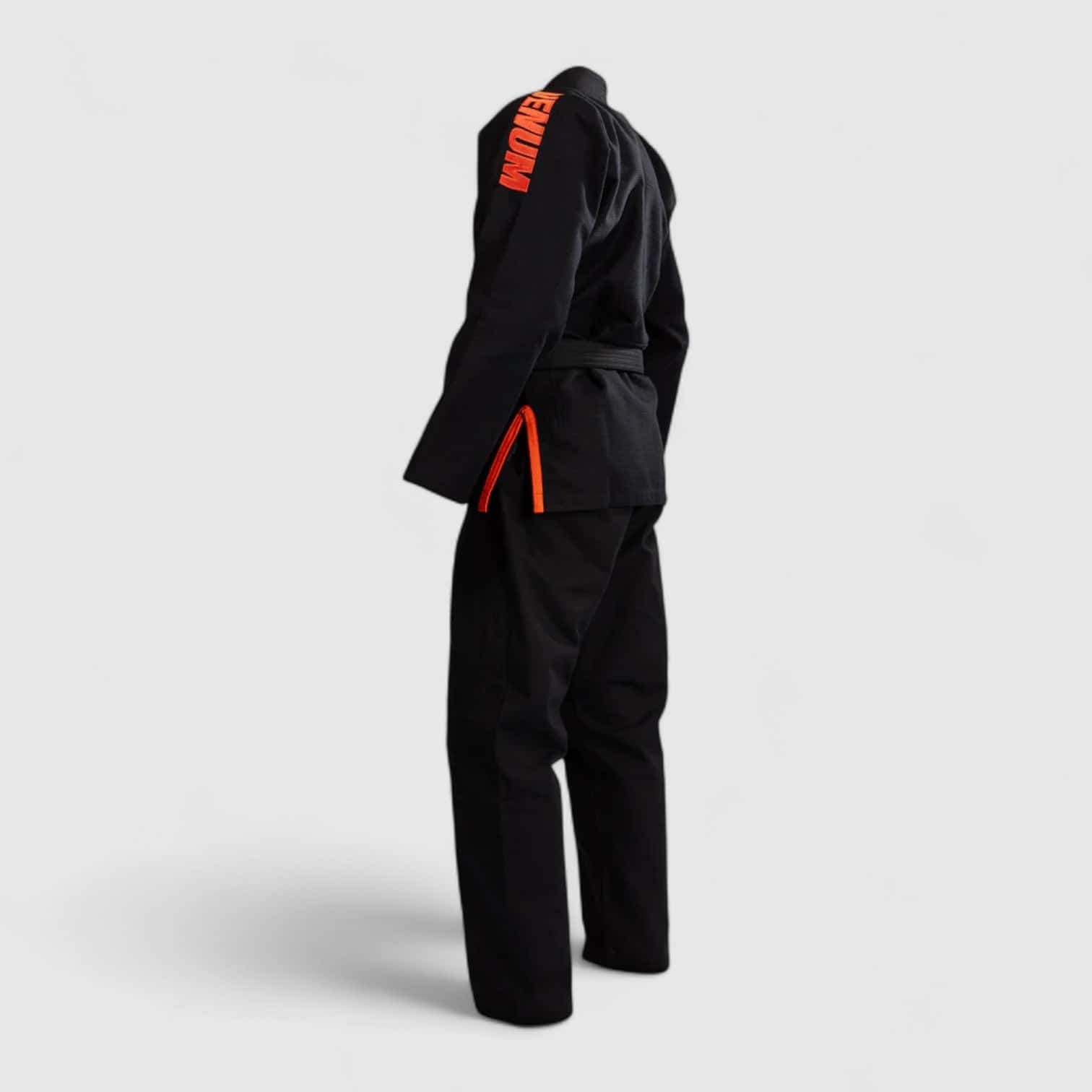
Solid weave and reinforced seams for those of you on the mat several times a week.
For children
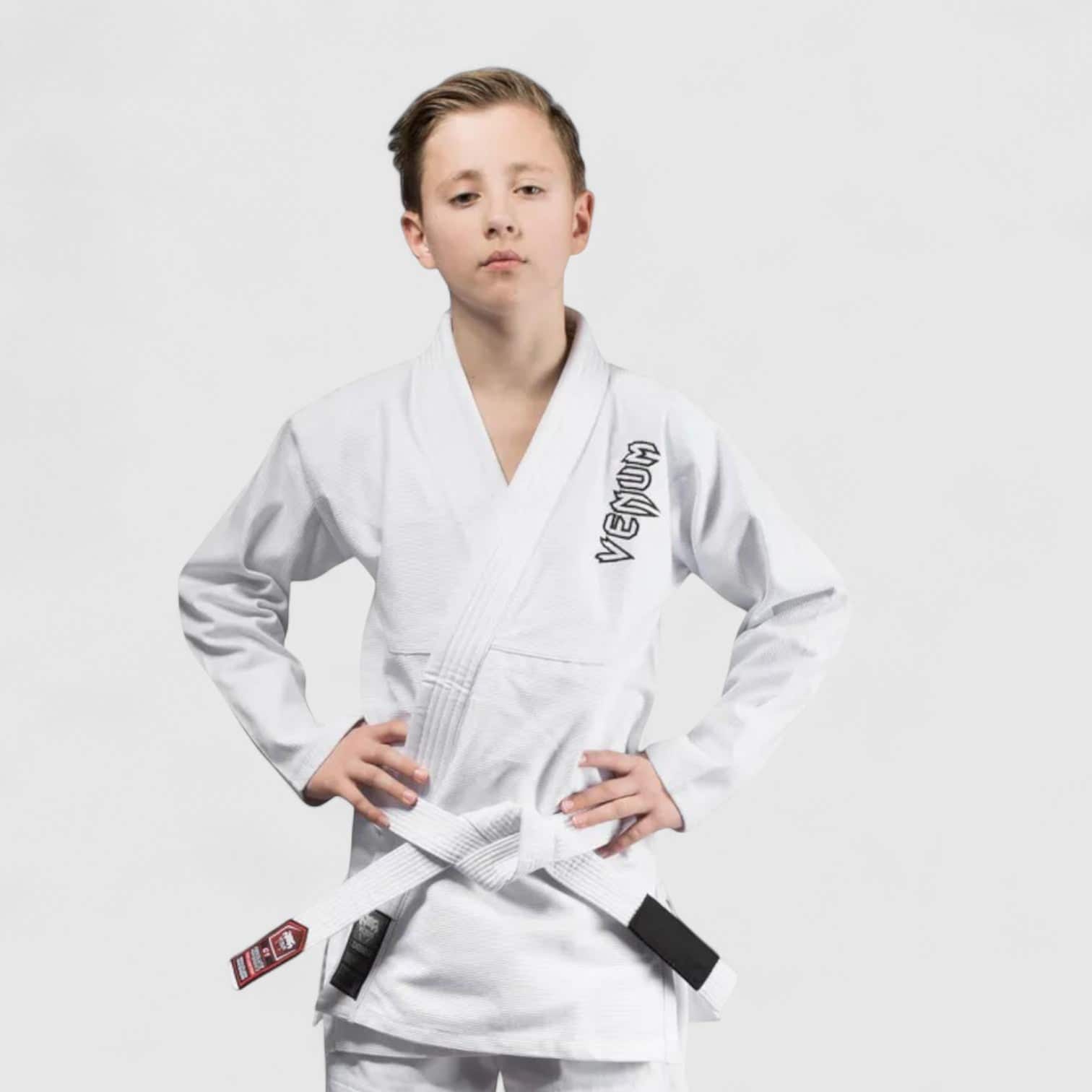
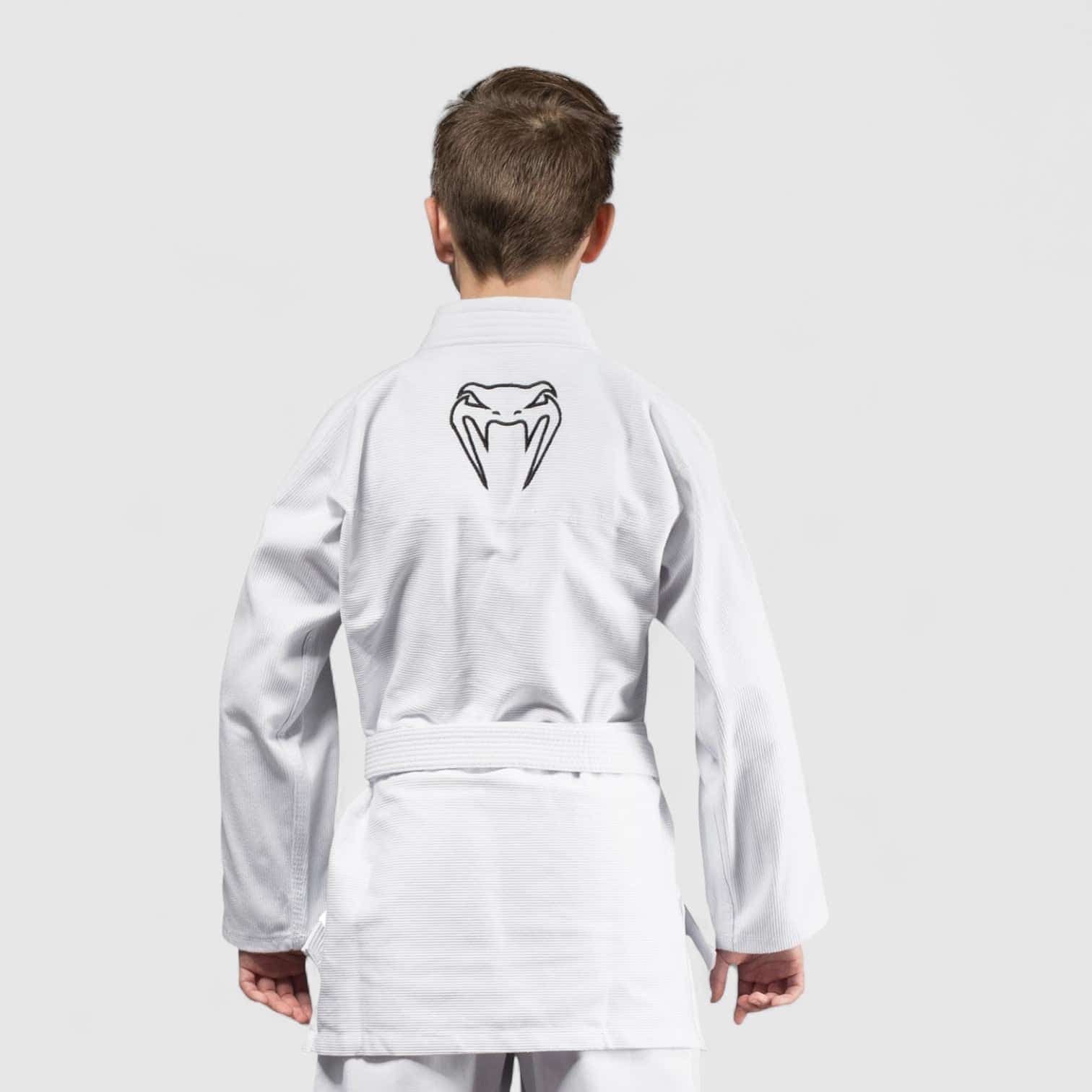
Children's sizes in the same quality. Also available in black.
The belt
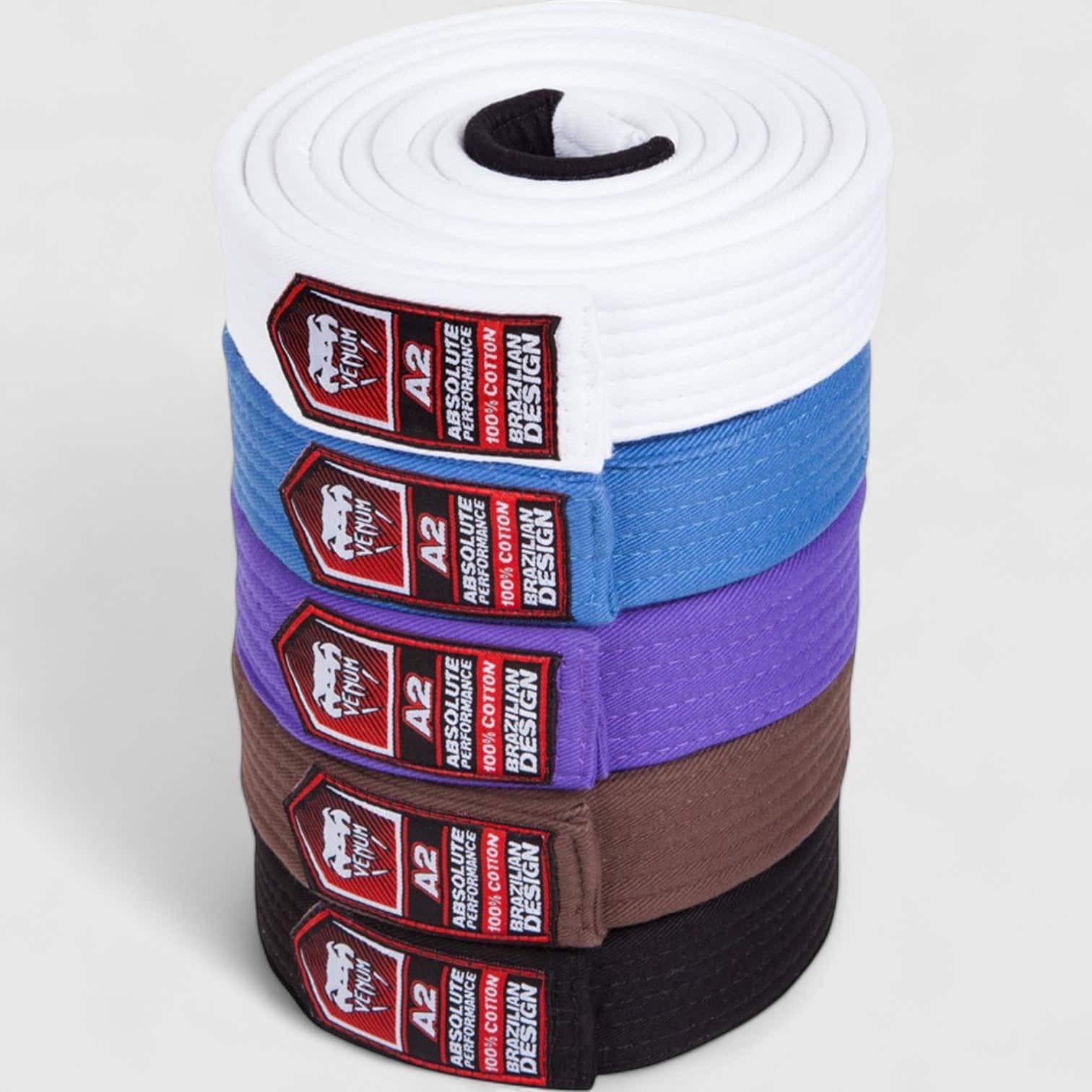
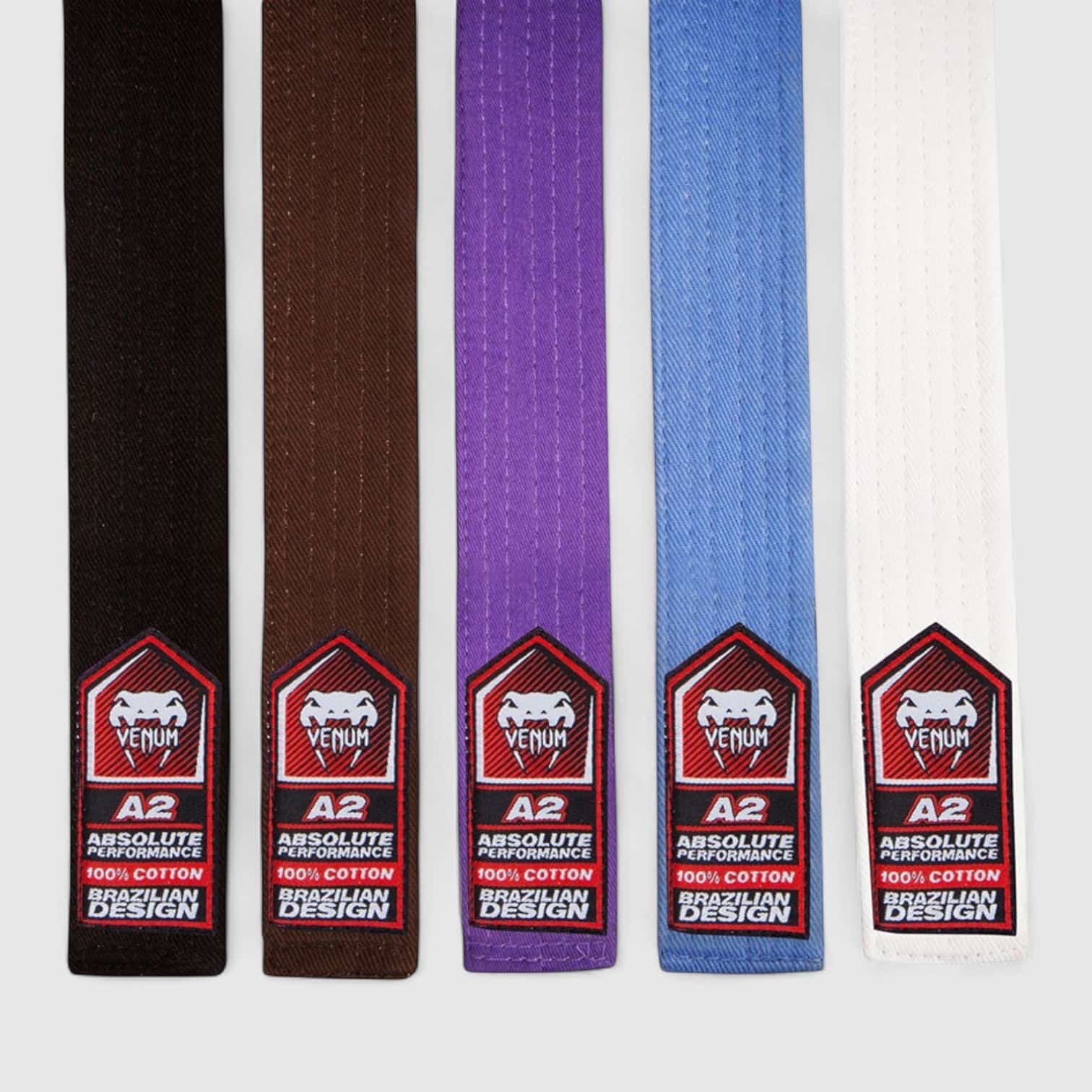


Available in all adult grades. Remember that the belt rarely comes with the gi.
For no-gi
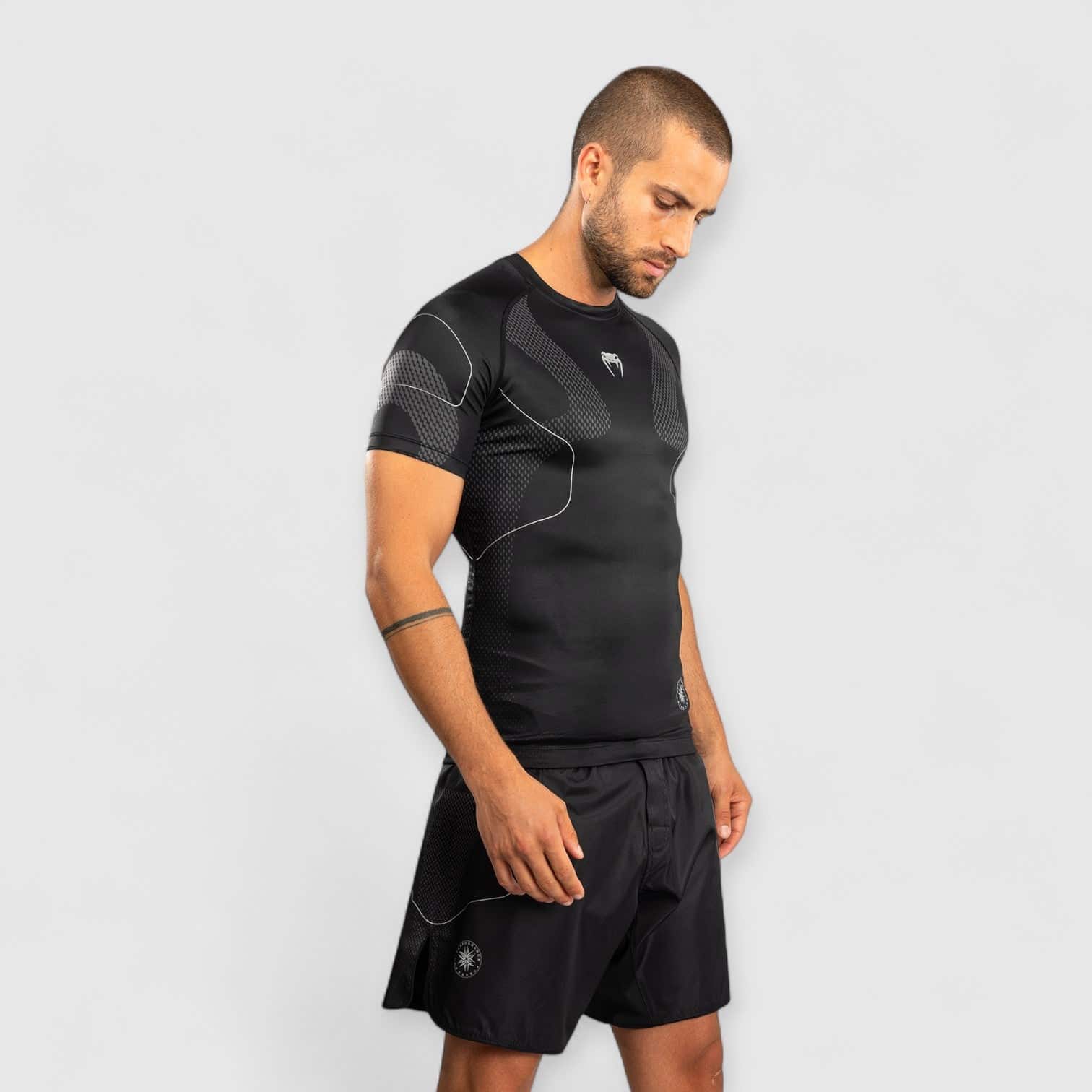
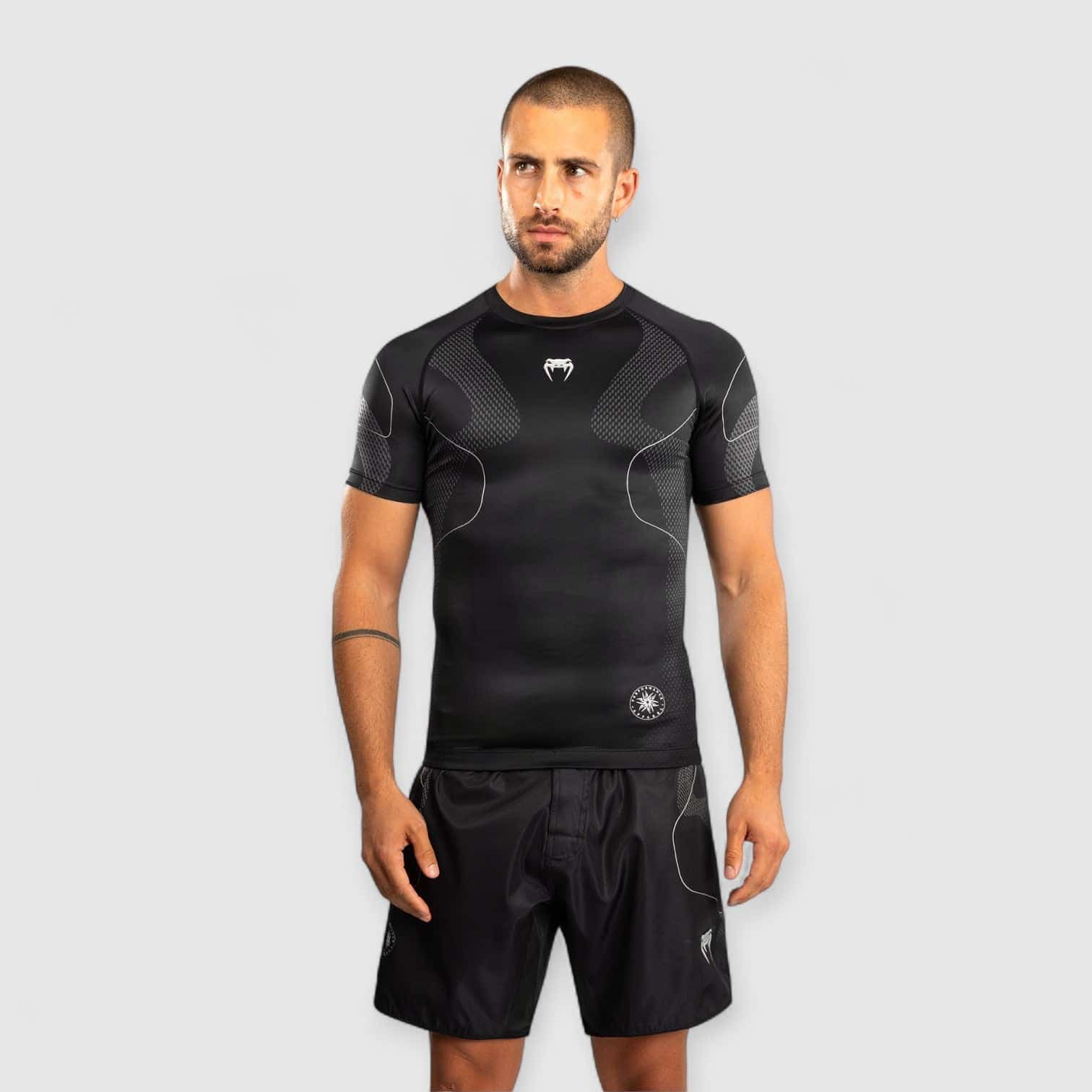
Protects your skin against mat burn and keeps bacteria out.
Frequently asked questions
Do I need a gi for my first session?
Usually not. Most clubs lend one out, or let you train in a T-shirt and tracksuit bottoms the first few times.
Which gi colour can I choose?
For regular training, most Norwegian clubs allow all colours. For competition, white, blue and black are the norm.
How long does it take to get a blue belt?
One to two years of consistent training is normal. It varies between clubs.
How much does membership cost?
Typically between 400 and 800 kroner a month, depending on the club and location.
Can children train BJJ?
Yes. Most clubs have their own children's classes with adapted content and a separate belt system.
What actually is BJJ?
See our basic guide to what Brazilian jiu-jitsu is.
Build your starter kit – everything for your first session, with 10% off