
Footwear is the part of martial arts equipment people think about least and replace least often. That is a pity, because it is also the part that most often causes blisters, slipping and inflamed toes. And the choice is not primarily a question of which sport you do - it is a question of what kind of floor you stand on.
Now in September, many clubs move into new premises or new time slots in the sports hall, and a group that trained on mats in the spring may suddenly be standing on a varnished wooden floor. Then the answer changes.
The floor decides, not the sport
Start here, not with which sport you do. The same group may need three different solutions over a year if it moves between surfaces.
| Surface | Recommended | Why |
|---|---|---|
| Mat or puzzle mat | Barefoot | The mat provides the grip itself. Bare feet give the best feel for balance and foot position, and that is how most martial arts are trained. |
| Varnished wooden floor in a sports hall | Martial arts shoes | Cold, slippery and hard. Bare feet here will give you blisters under the ball of the foot within a few weeks. |
| Ring with canvas | Boxing shoes | Canvas is made to be stepped on with soles. Ankle support is the whole point of a boxing shoe. |
| Standing grappling on a mat | Wrestling shoes or barefoot | Wrestling shoes give grip without damaging the mat. In gi training, barefoot is still the norm. |
| Concrete or asphalt outdoors | Regular training shoes | Do not use martial arts shoes or boxing shoes outdoors. The sole is thin and wears out in one session. |
Barefoot is the starting point
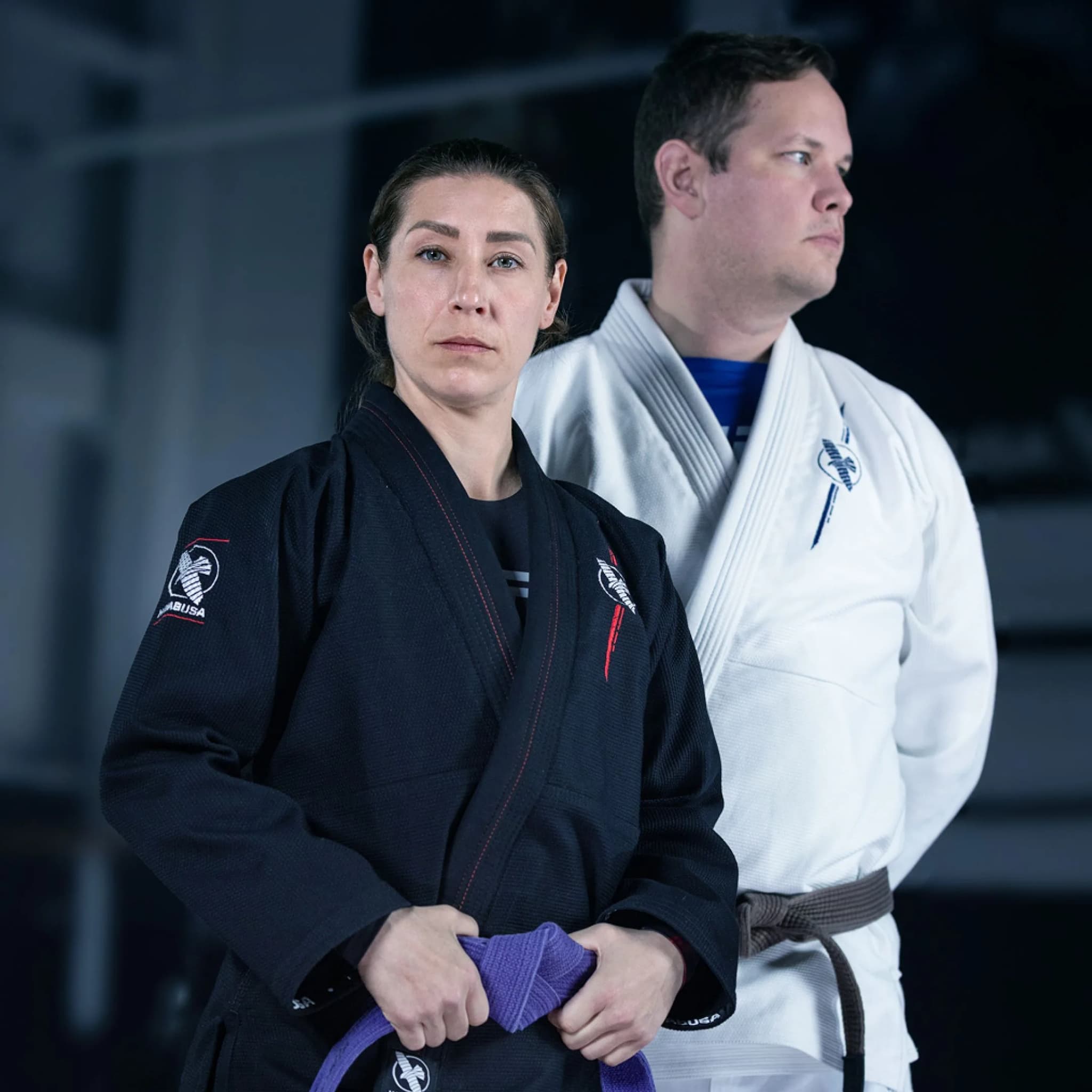
In karate, taekwondo, BJJ and most traditional martial arts, training is done barefoot, and that is no coincidence. The foot is full of small muscles that keep you balanced, and they work best when they are allowed to work. A shoe takes over that job, and over time it makes the foot lazier.
Training barefoot demands two things of you. One is that your nails are trimmed - a long big toenail catching in the mat is one of the most common and most unnecessary injuries in martial arts. The other is that your feet are clean when you step onto the mat, and that you wear something when you step off it.
Martial arts shoes: the cheapest solution
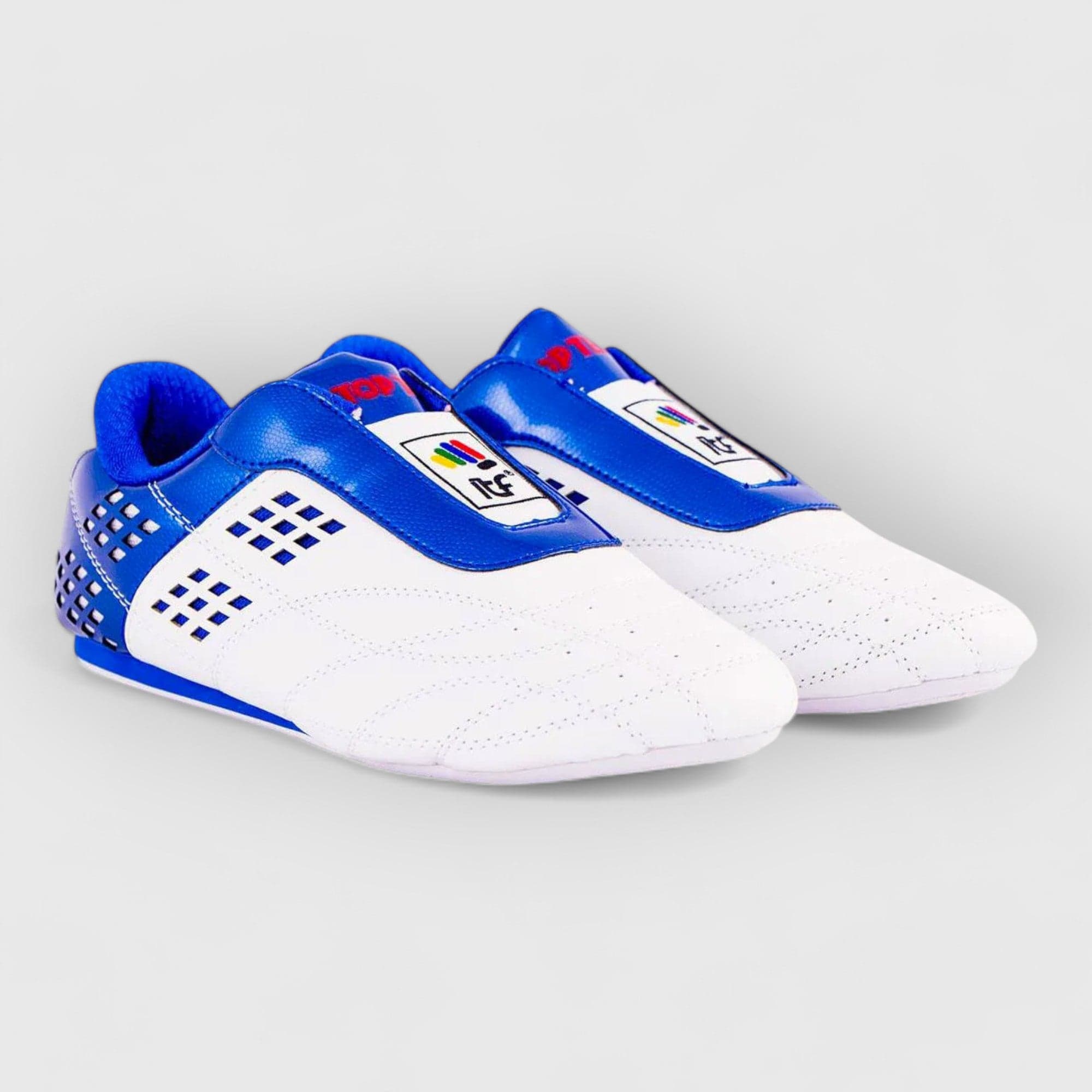
Martial arts shoes are thin, light shoes with a soft rubber sole, made for indoor martial arts. They cost little, take up no space in the bag, and solve the problem most people have: a floor that is not a mat.
They are used particularly in ITF taekwondo and in clubs that train in sports halls. They are also what we recommend for people with sore feet, an old foot injury, or who simply get cold. A cold foot is a stiff foot.
The price range is wide - from around a hundred kroner for a simple model to around six hundred for one in synthetic leather with better ventilation. For a children's group or a trial period, the simplest one lasts a long time.
Boxing shoes: the ring, ankles and footwork
A boxing shoe is a completely different shoe. It is high over the ankle, it laces up tight, and the sole is made to give grip on canvas without locking the foot when you pivot. If you have ever twisted your ankle in a pivot, you know why they exist.
Boxing shoes are not necessary to box. The vast majority who train boxing twice a week do perfectly well in regular training shoes. But if you are going into the ring, or you train a lot of footwork on hard surfaces, it is the one shoe that actually makes a difference to how you move.
Wrestling shoes: grip on the ground
Wrestling shoes sit somewhere between the two. They are light and flexible like a martial arts shoe, but have more grip and more support around the ankle. They are used in wrestling and in the standing part of grappling, where you need to plant your foot and pull.
For Norwegian martial artists, this is usually a third shoe, not the first one you buy. If you do wrestling, or wrestling as part of your MMA training, however, there is no way around it.
Athlete's foot, warts and other boring things
This is the unglamorous part, and it is the reason half the club gets infected every November. Athlete's foot and plantar warts spread on the changing room floor, not on the mat.
- Wear something on your feet in the changing room. Flip-flops are the cheapest insurance there is.
- Dry between your toes. Fungus thrives in moisture, not in dirt.
- Air your shoes between sessions. A shoe left damp in the bag until the next session is a greenhouse.
- Do not lend out your shoes. And do not borrow other people's.
- If you have a wart under your foot: cover it. That is how you avoid passing it on to the whole group.
Our picks right now
Everything below is in stock today.
Cheapest
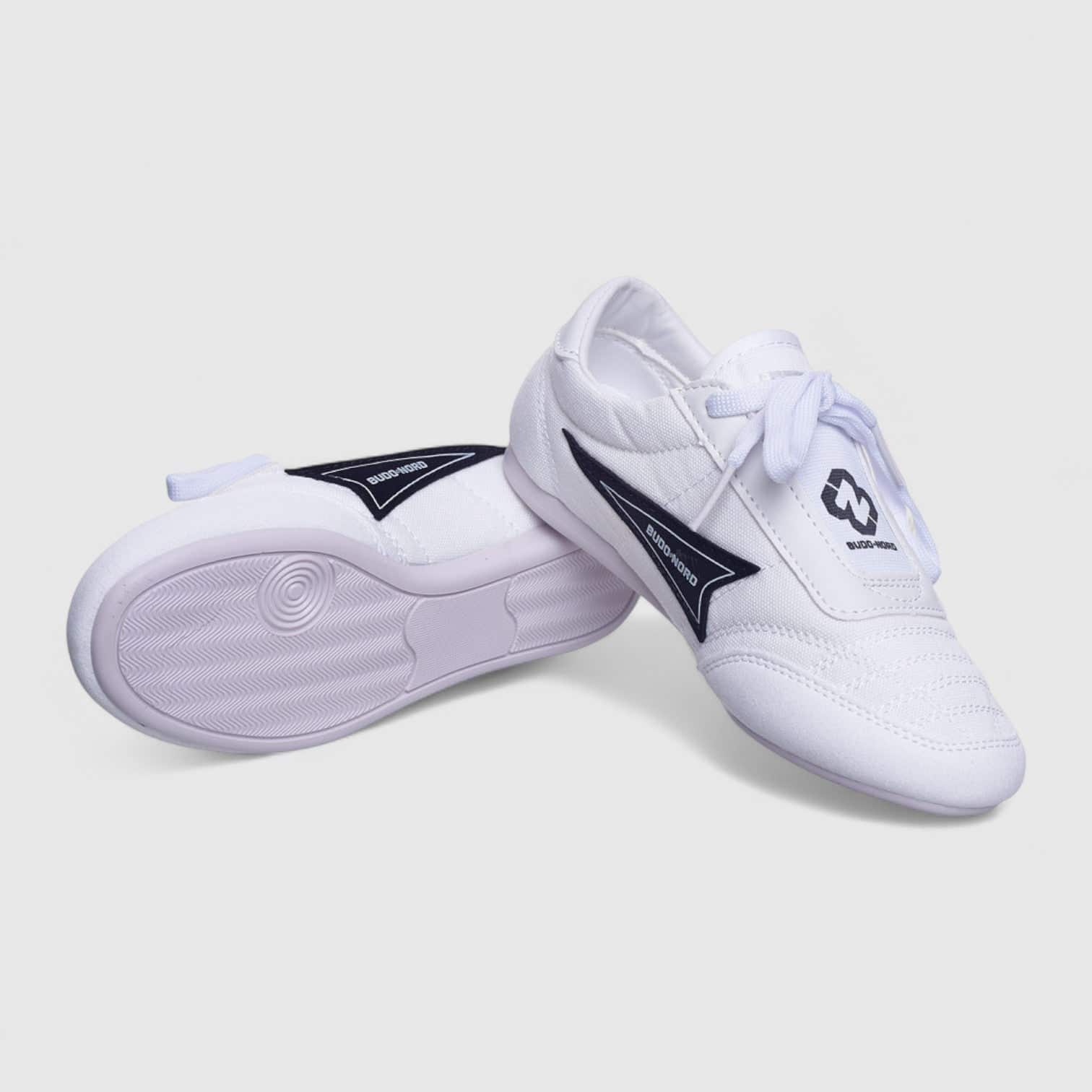
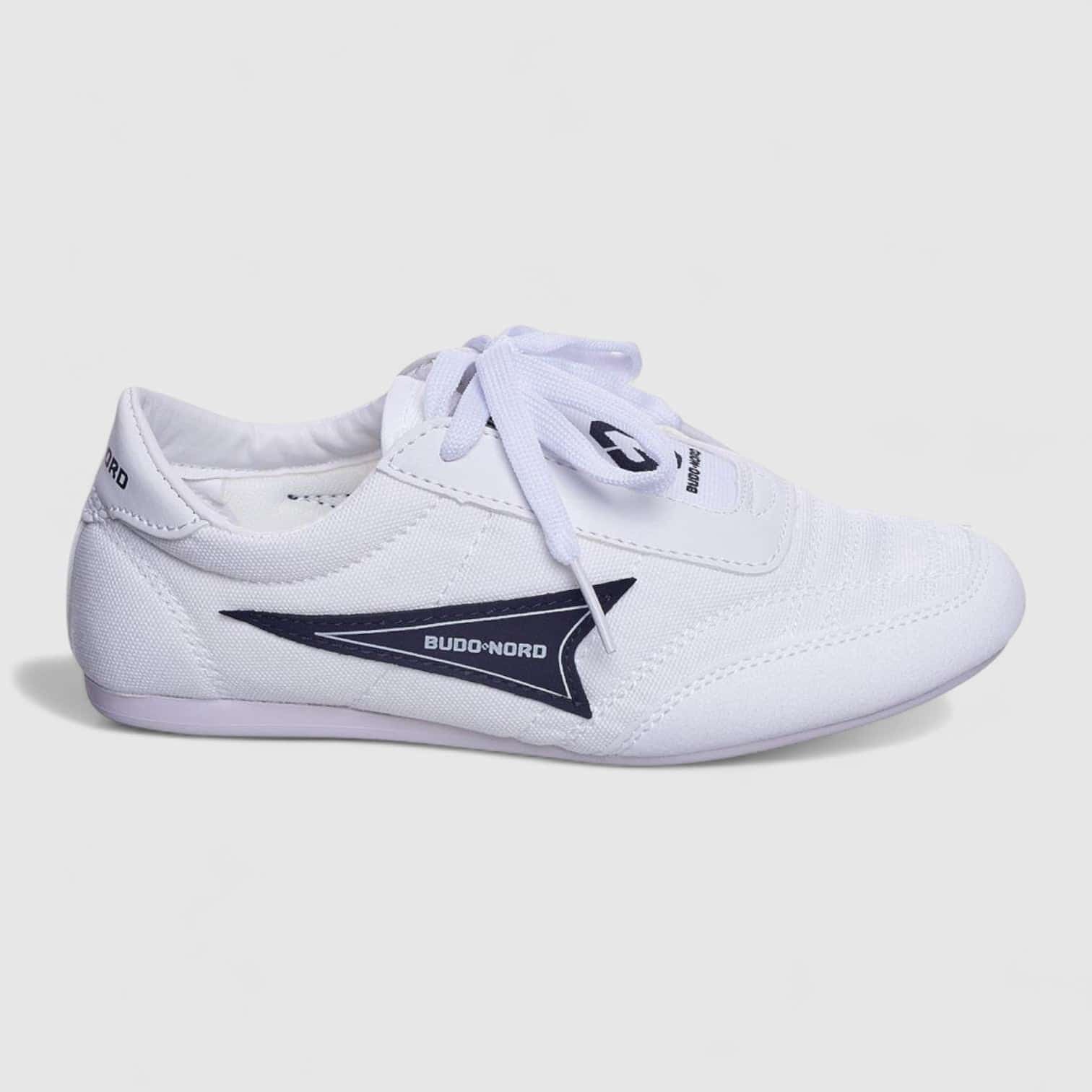
99 kr. Available in white and black. For a children's group or a trial period, this is all you need to spend.
Martial arts shoes, better version
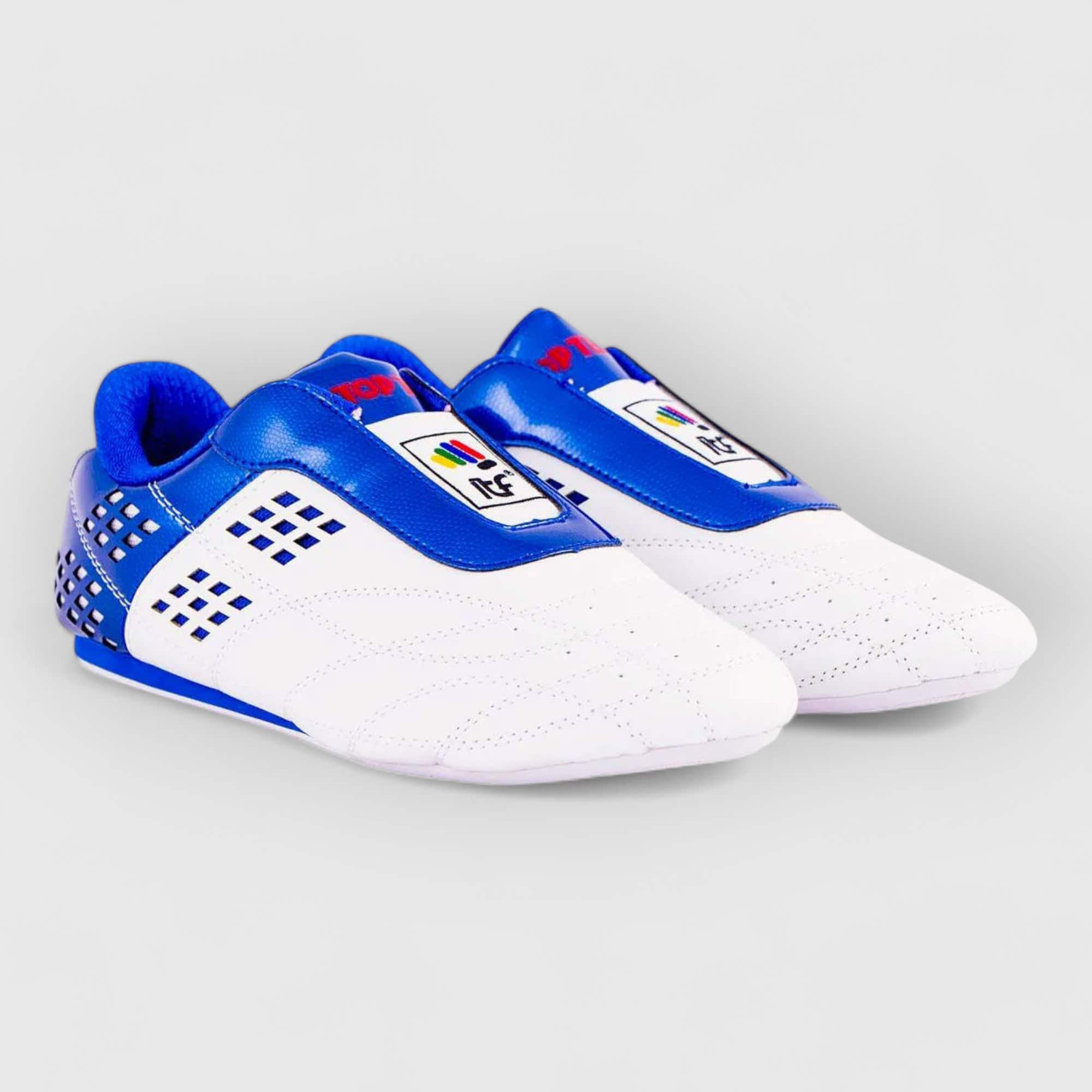
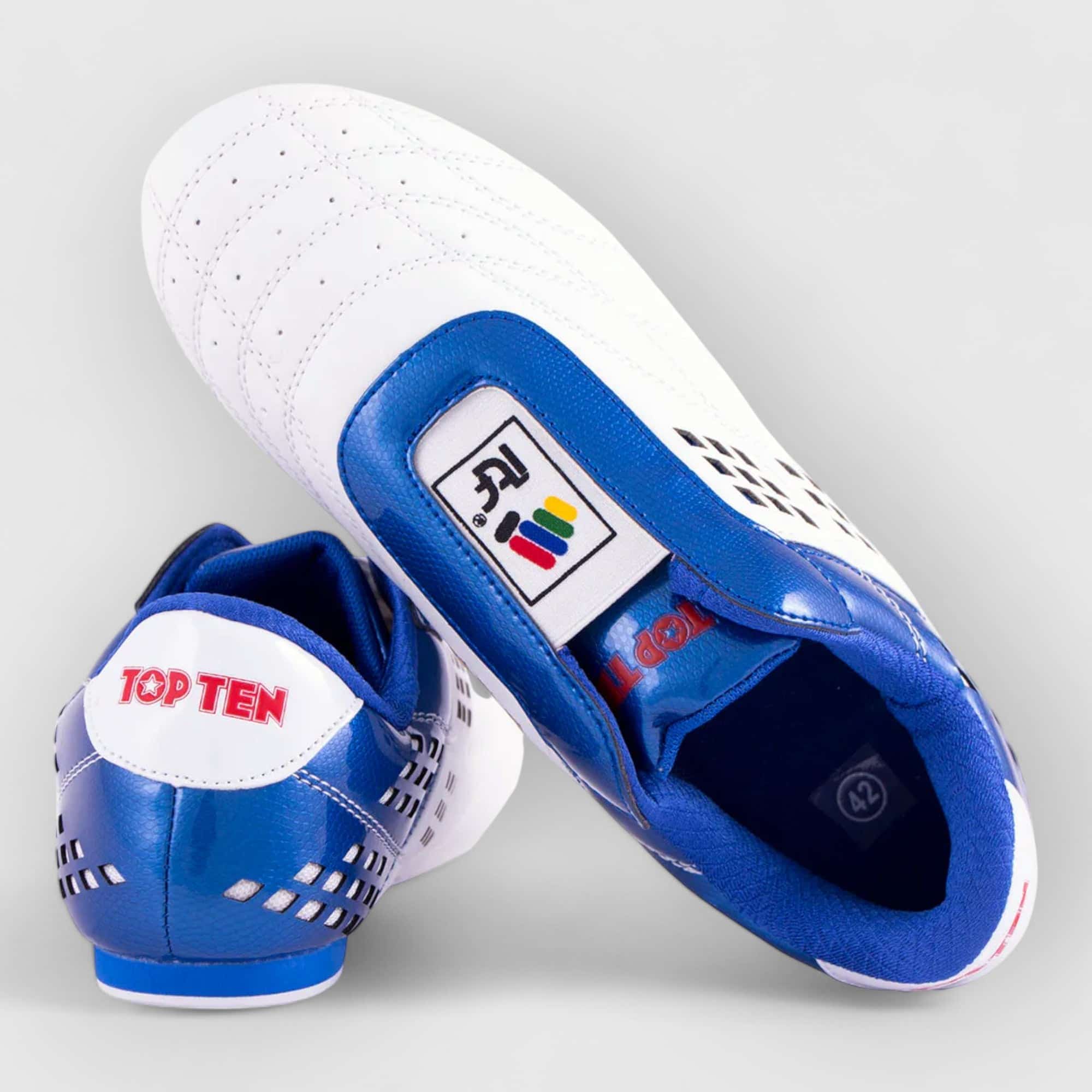
590 kr. High-quality synthetic leather, no closure system, non-slip sole and good ventilation. The one we recommend to ITF athletes who train several times a week.
For the gym
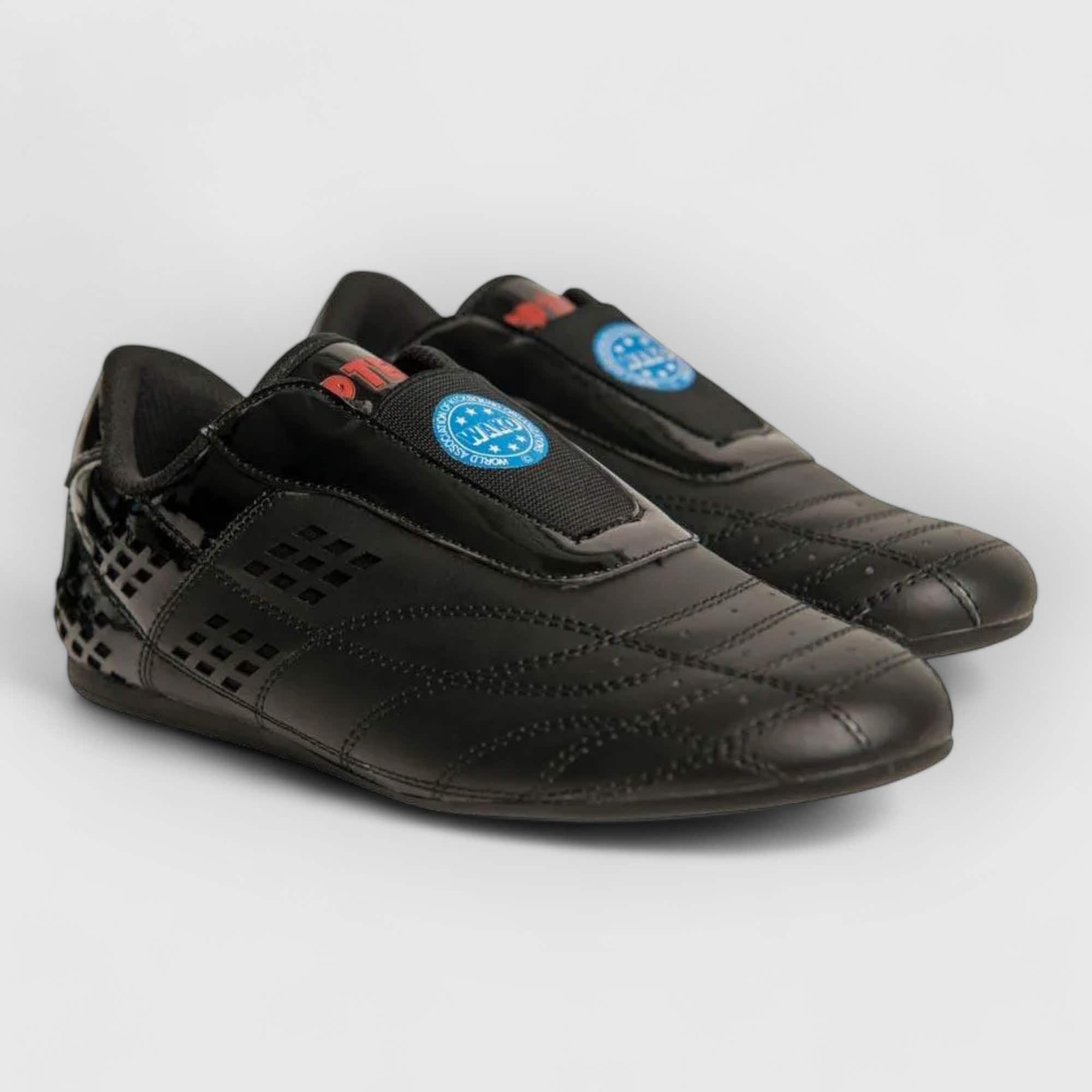
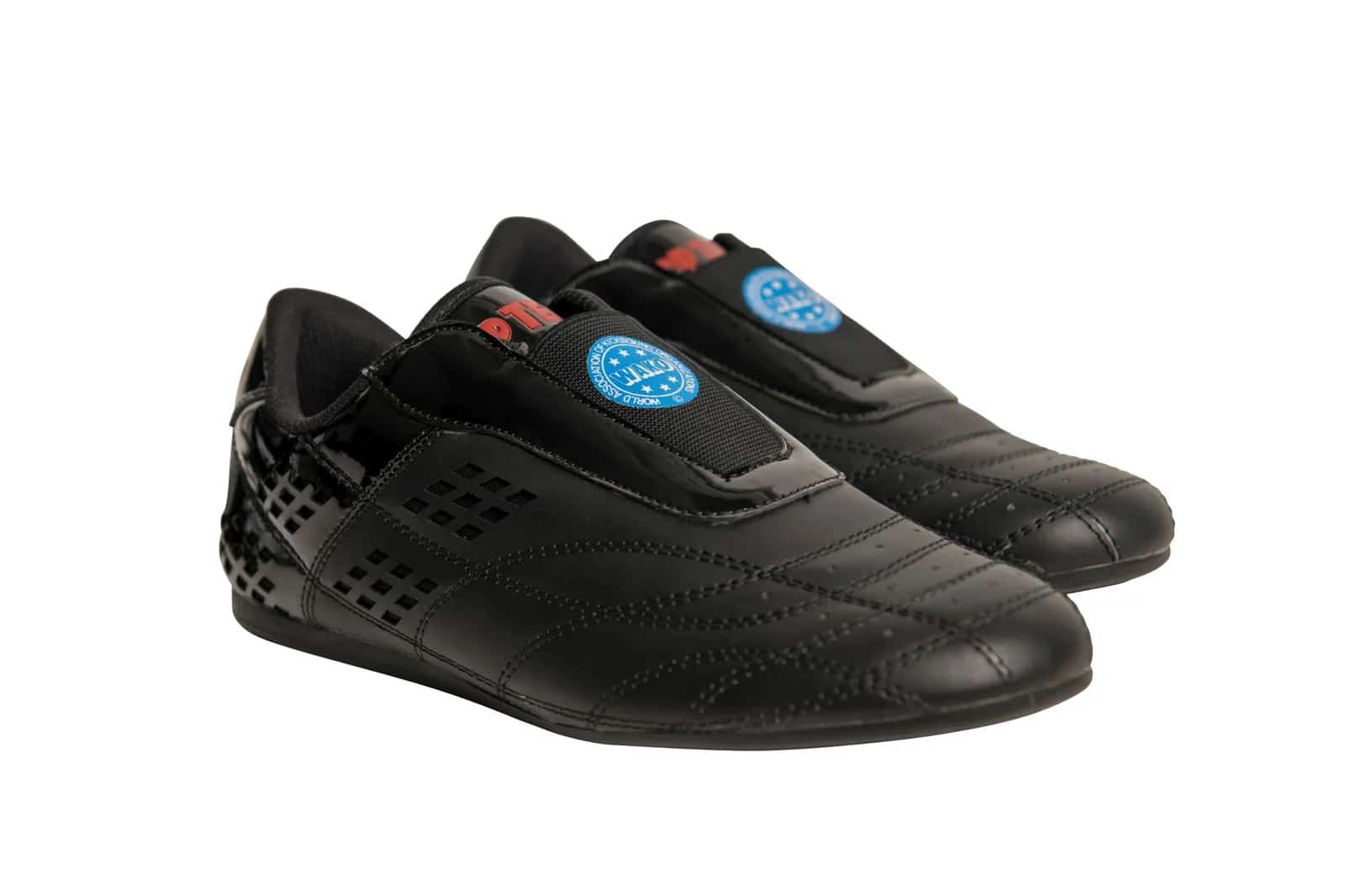
590 kr. Synthetic leather with a durable rubber sole. A cross between a martial arts shoe and a training shoe, made for the martial arts gym.
Boxing shoes for the price
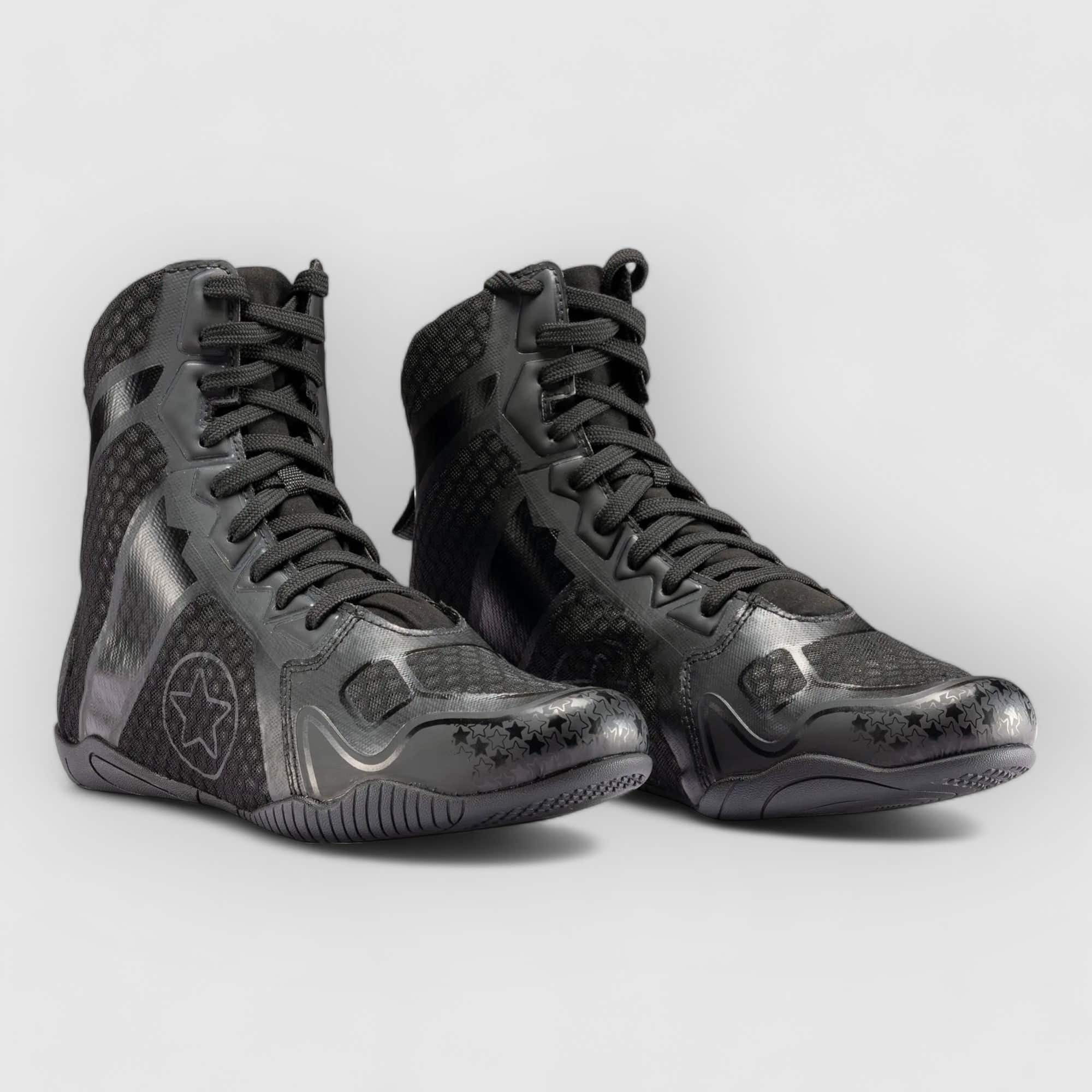
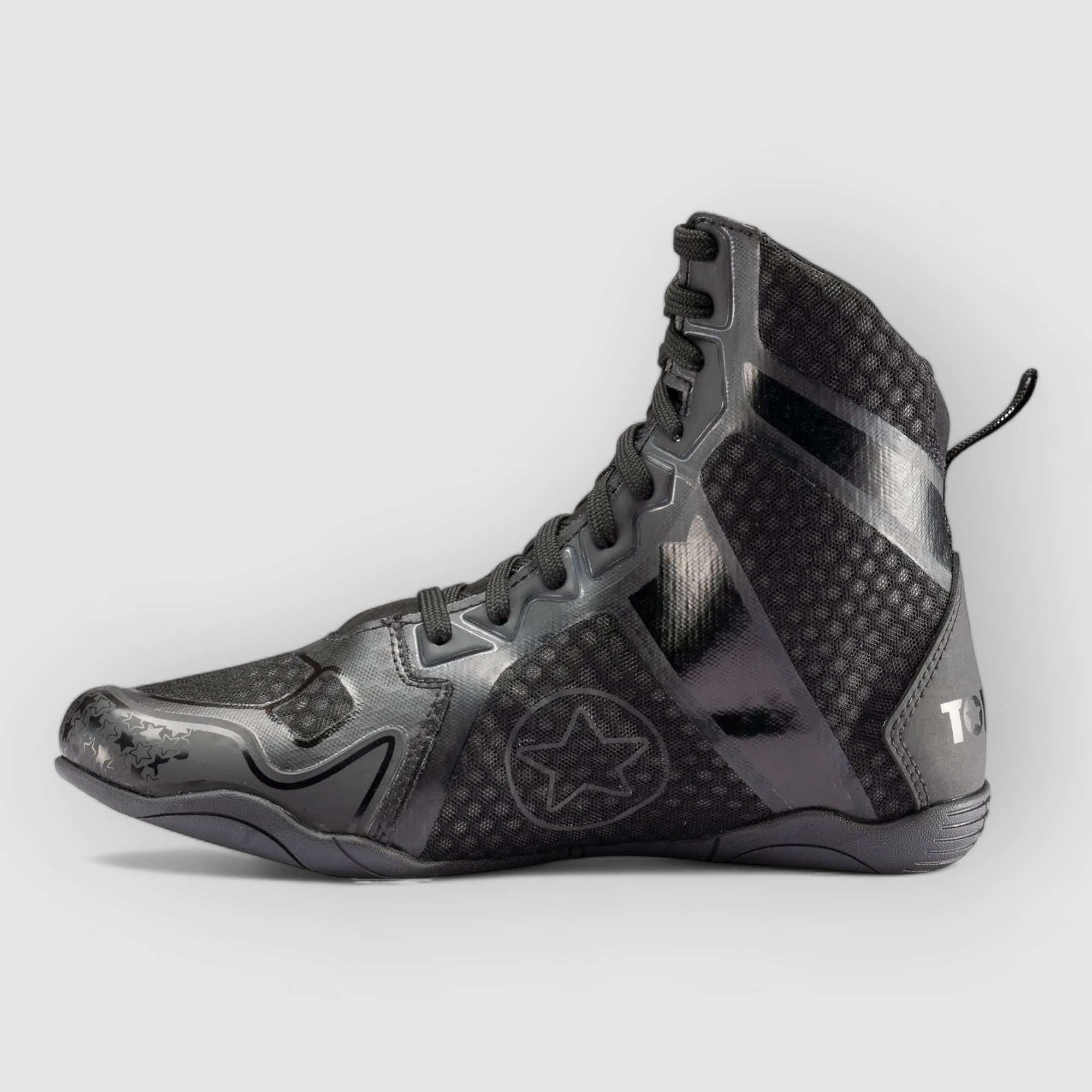
490 kr. A stable shoe for the ring, at under half the price of a top model. The natural first pair.
The top model
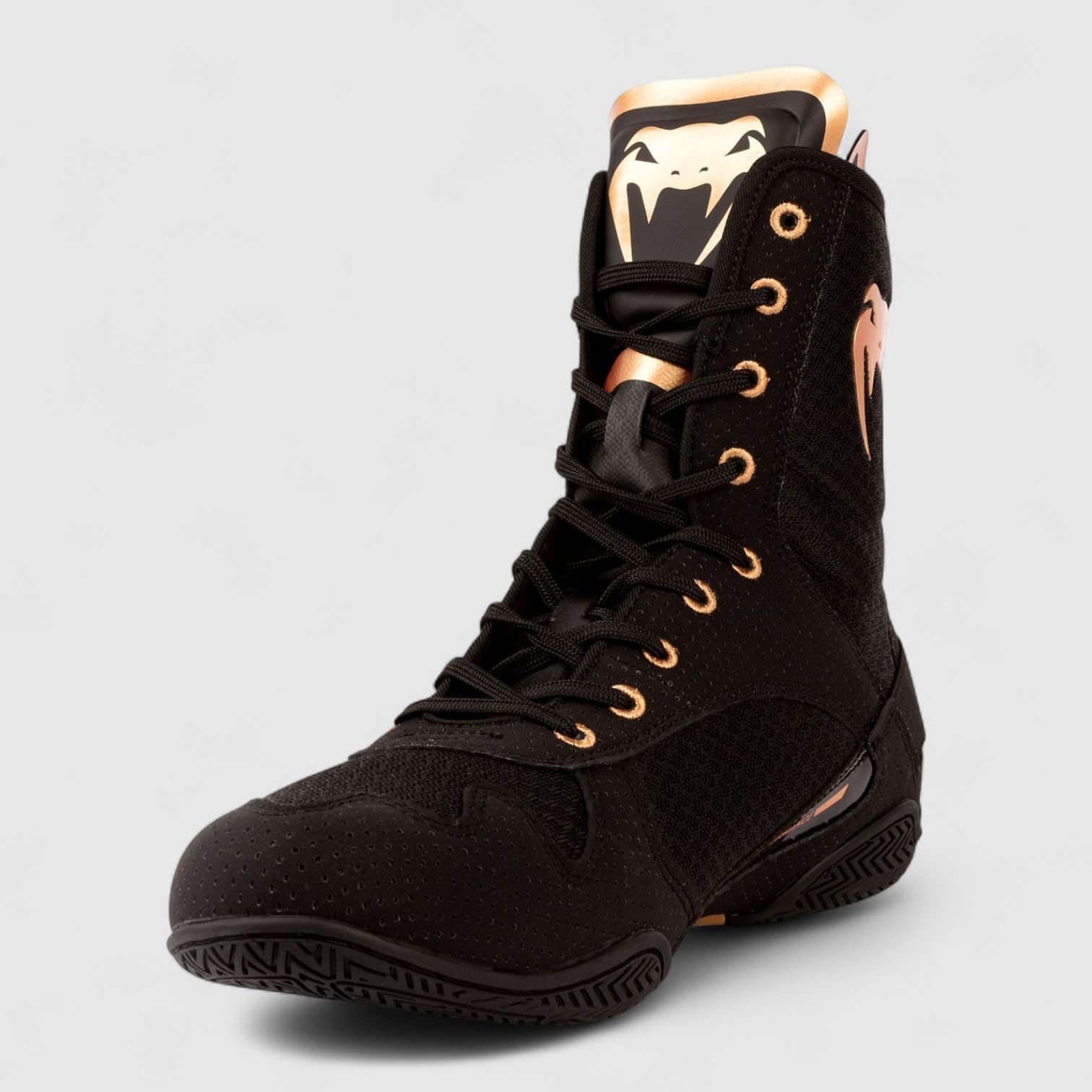
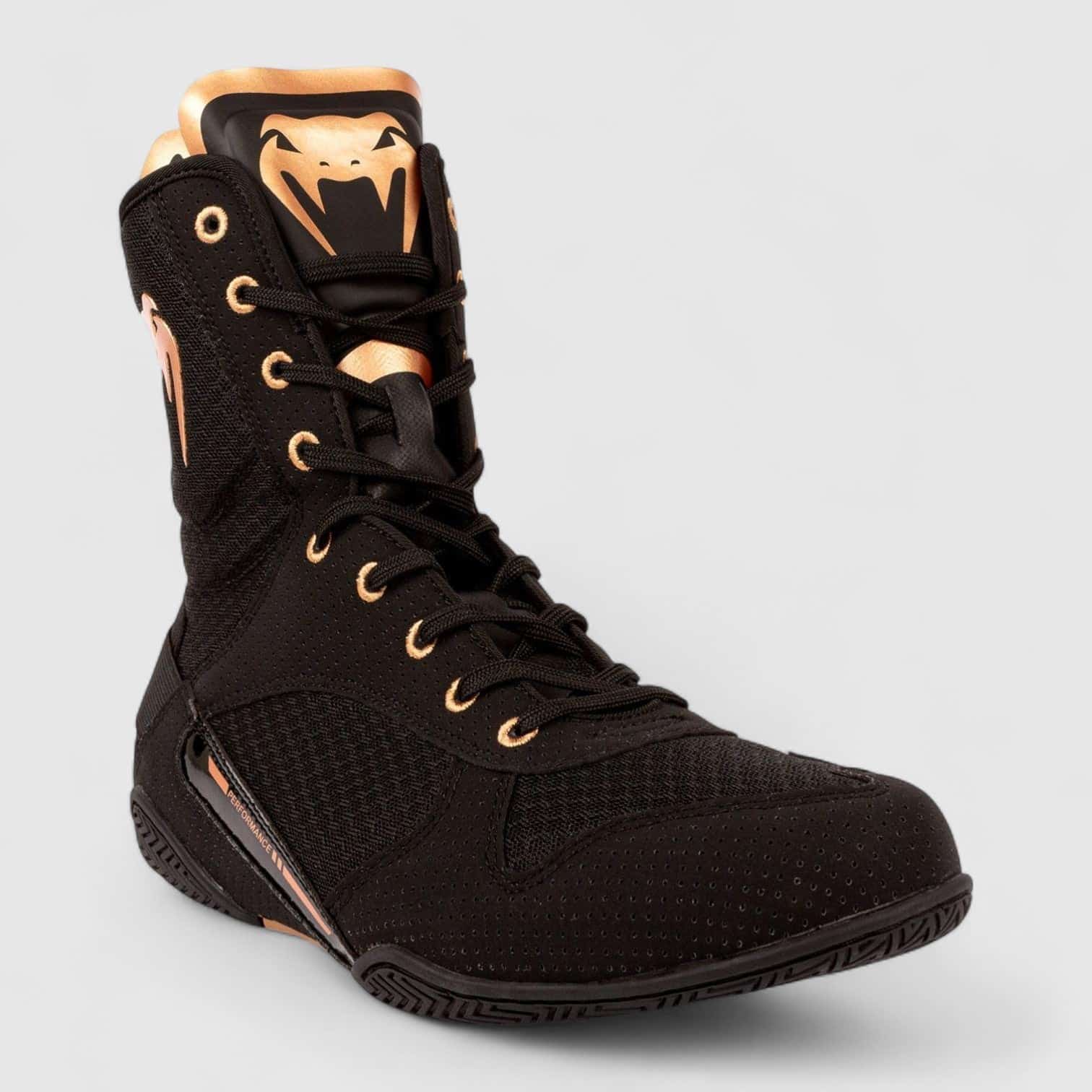
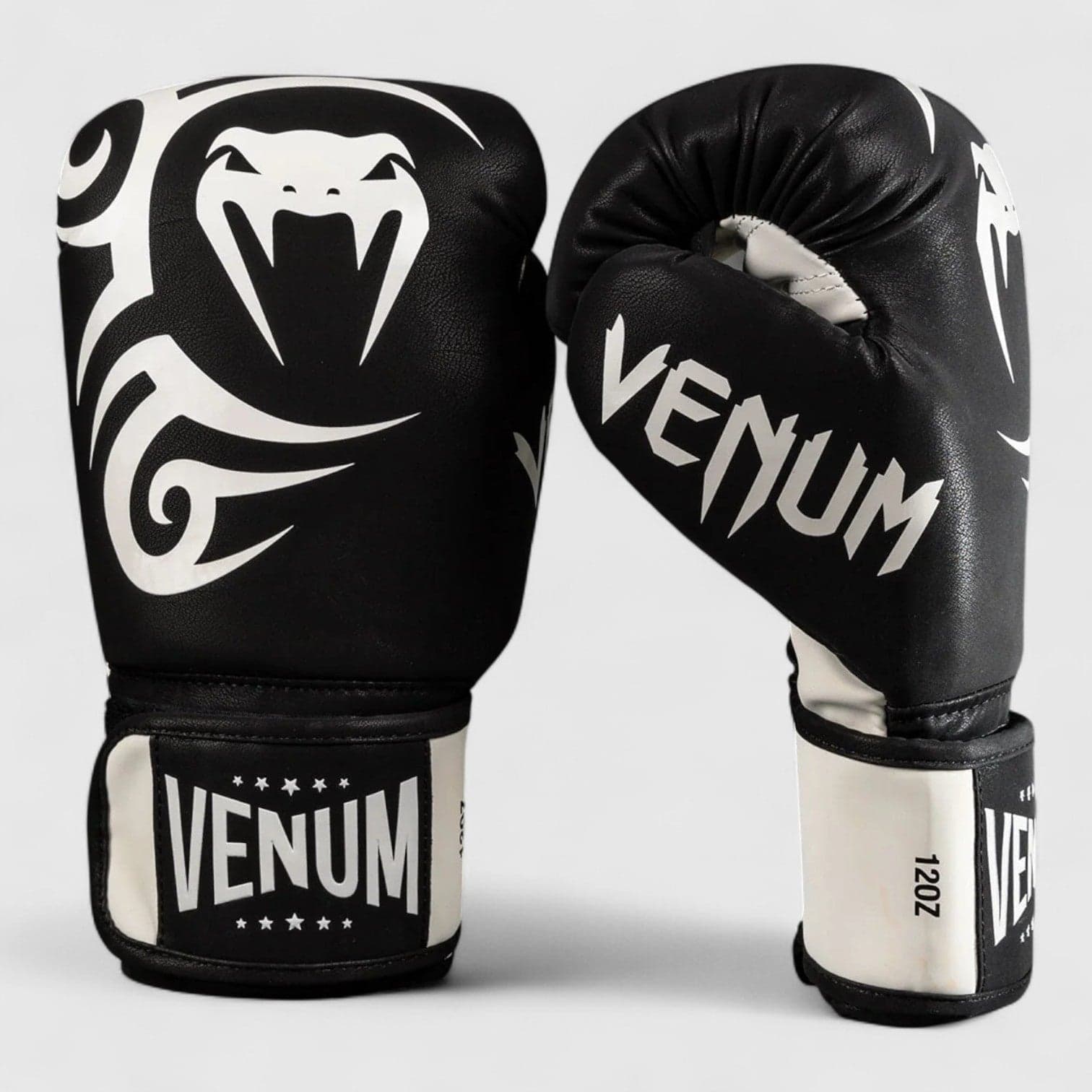
1,690 kr. Venum's first professional boxing shoe, with a rubber outsole for grip and stability, an anatomical insole and a bonded insole that prevents slipping.
Grappling
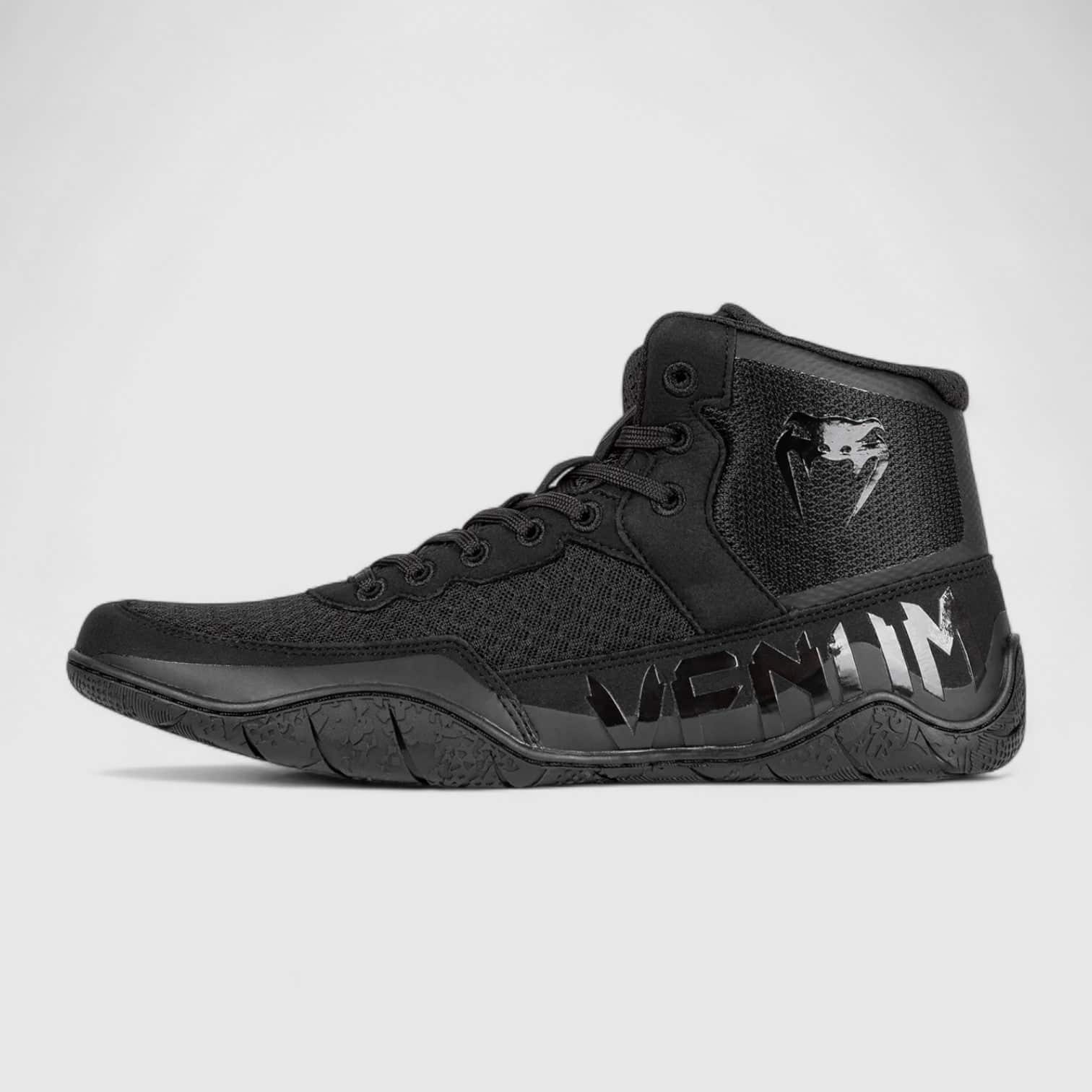
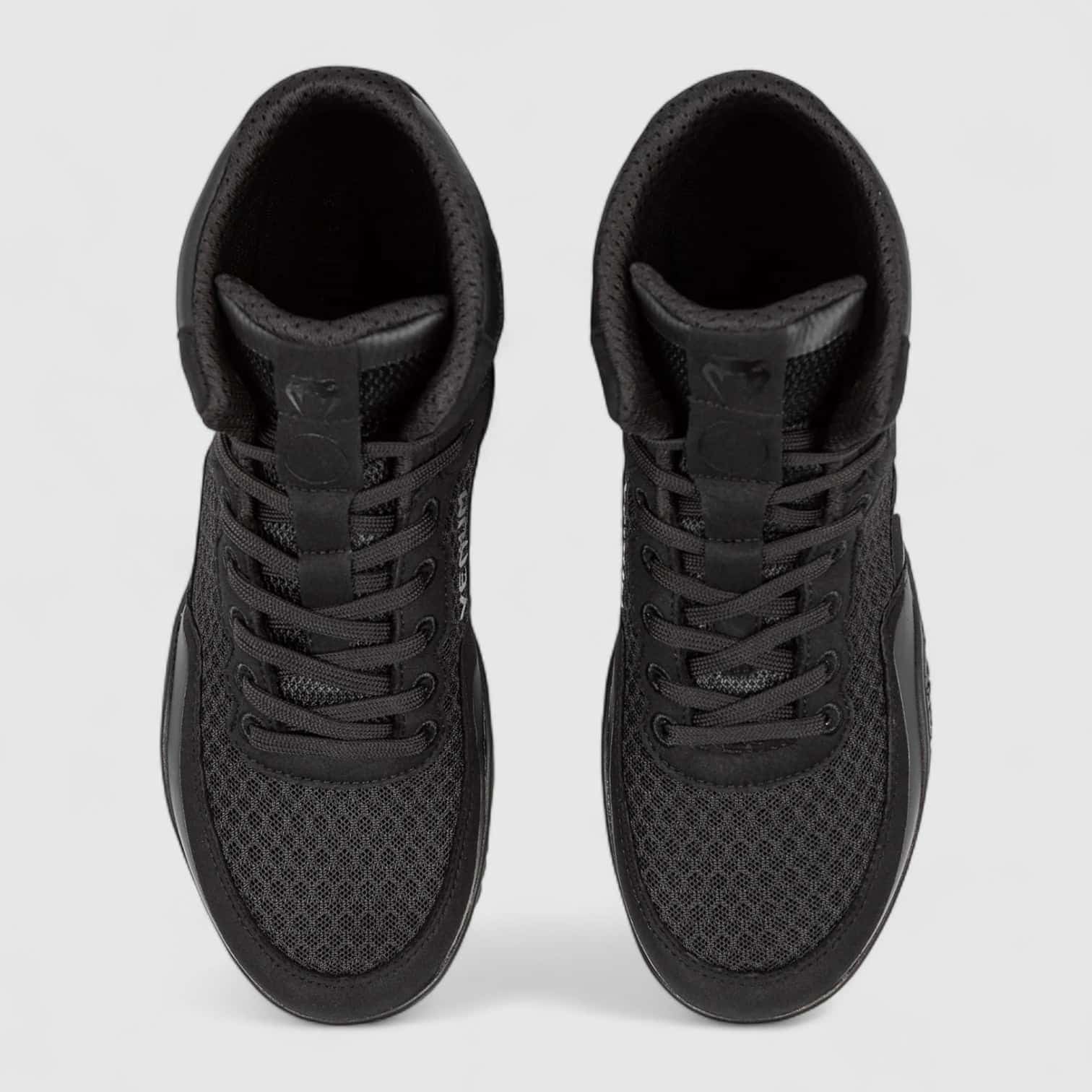
1,690 kr. Designed for agility and precision in standing grappling and wrestling.
For the bag
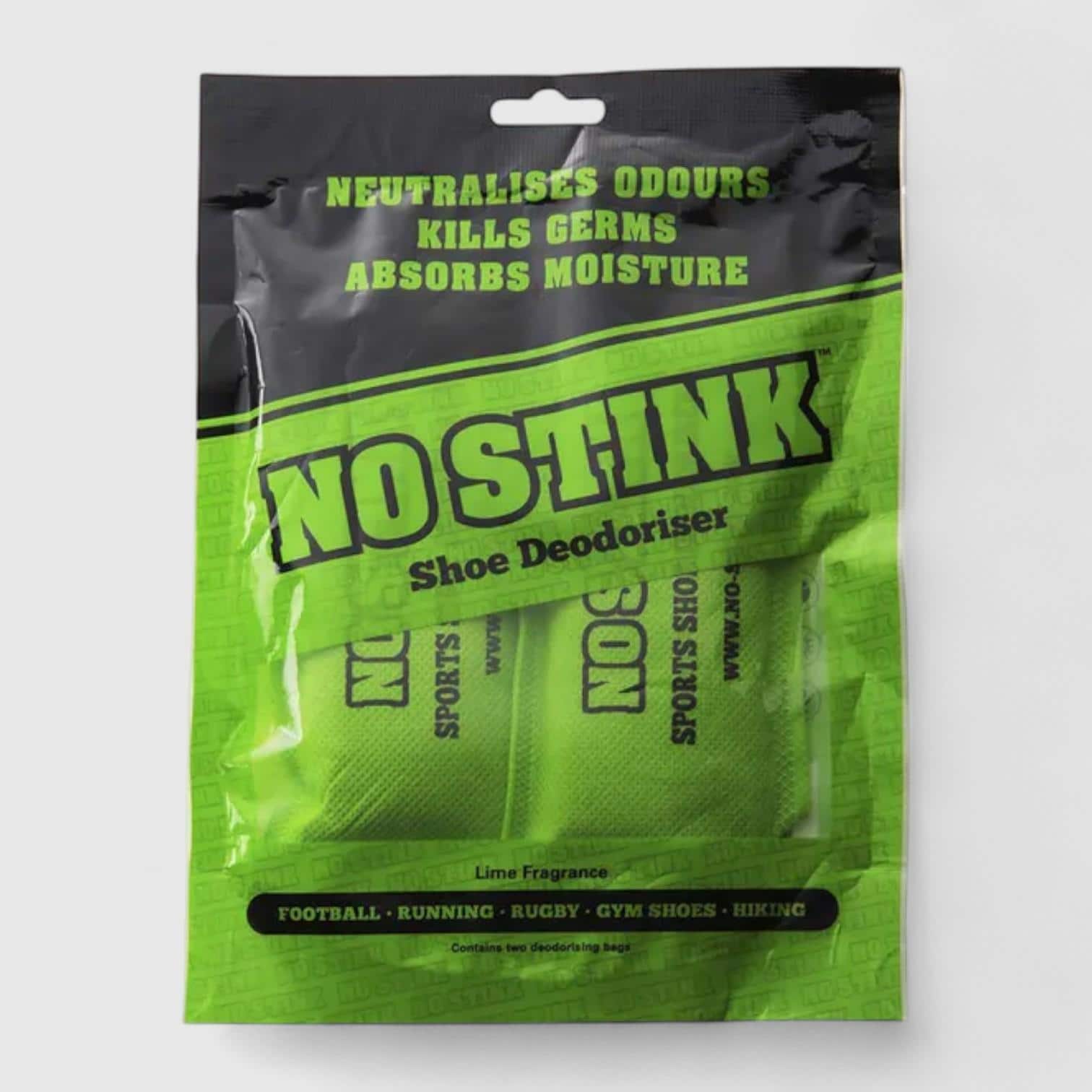
129 kr. Martial arts shoes ventilate poorly on their own. This is the cheapest thing you can do for your teammates.
Frequently asked questions
Can I wear regular running shoes in the gym?
For warm-up and strength work, yes. For martial arts on a mat, no - the sole is too hard and too wide, and it does not twist with the foot when you pivot.
What size should I get in martial arts shoes?
Martial arts shoes usually run slightly small and stretch little. If you are between two sizes, take the larger one. A martial arts shoe that pinches will never be good.
Are boxing shoes allowed in competition?
It depends on the discipline and the rules, and it is the event invitation and the federation's rules that apply. Ask your coach before buying with competition as the reason.
How often do I need to replace them?
Feel the sole. When you start to feel the floor through it, or when the grip is gone, it is done. For someone who trains twice a week, that is typically one and a half to two years.
Do children need martial arts shoes?
Only if the group trains on something other than mats. Children usually have better footing barefoot than adults, and they outgrow the shoes before they wear them out anyway.