
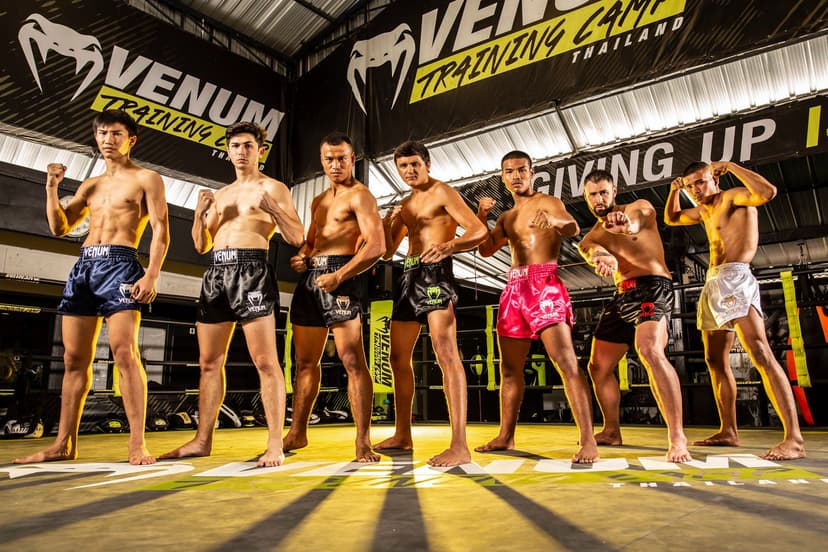
Muay thai is called «the art of eight limbs», and the name is an accurate description. Where a boxer has two weapons, a Thai boxer has eight: two fists, two elbows, two knees and two shins. The sport is Thailand's national sport, has several hundred years of history, and is today one of the most widespread stand-up combat sports in the world.
This guide covers what muay thai consists of, what equipment you need before your first training session, what you need in place before you can spar, and what sets muay thai apart from kickboxing.
What is muay thai?
Muay thai is a stand-up full-contact sport where punches, kicks, knees and elbows are allowed, as well as the clinch. The clinch is what most clearly sets the sport apart from everything else: when the fighters get close, they are allowed to hold the neck and arms, control the opponent's balance and throw knees from that position. This makes clinch work a skill of its own that takes a long time to build.
The other hallmark is the roundhouse kick. A Thai boxer kicks with the shin, not the instep, and rotates the whole hip into the kick. That is why the kick sounds the way it does on pads, and why shin guards are necessary as soon as you spar with a partner.
Muay thai or kickboxing?
The two sports are similar, but the differences matter for both training and equipment.
| Muay thai | Kickboxing | |
|---|---|---|
| Elbows | Allowed | Usually not |
| Knees | Allowed, also in the clinch | Limited or not |
| Clinch | A central part of the fight | Broken up by the referee |
| Kicks to the leg | Allowed | Varies by rule set |
| Pace | Steadier, more weight behind each strike | Faster, more combinations |
In terms of equipment, you can use the same for both, with one practical difference: kickboxing under WAKO rules often requires approved equipment with specific labelling. If you are training with competition in mind, check the requirements before you buy.
The equipment you need
Hand wraps
The first thing you buy, and the cheapest. The wraps stabilise the wrist and hold the knuckles together, and absorb sweat before it gets into the glove. See Muay thai wraps and hand wraps.
Gloves
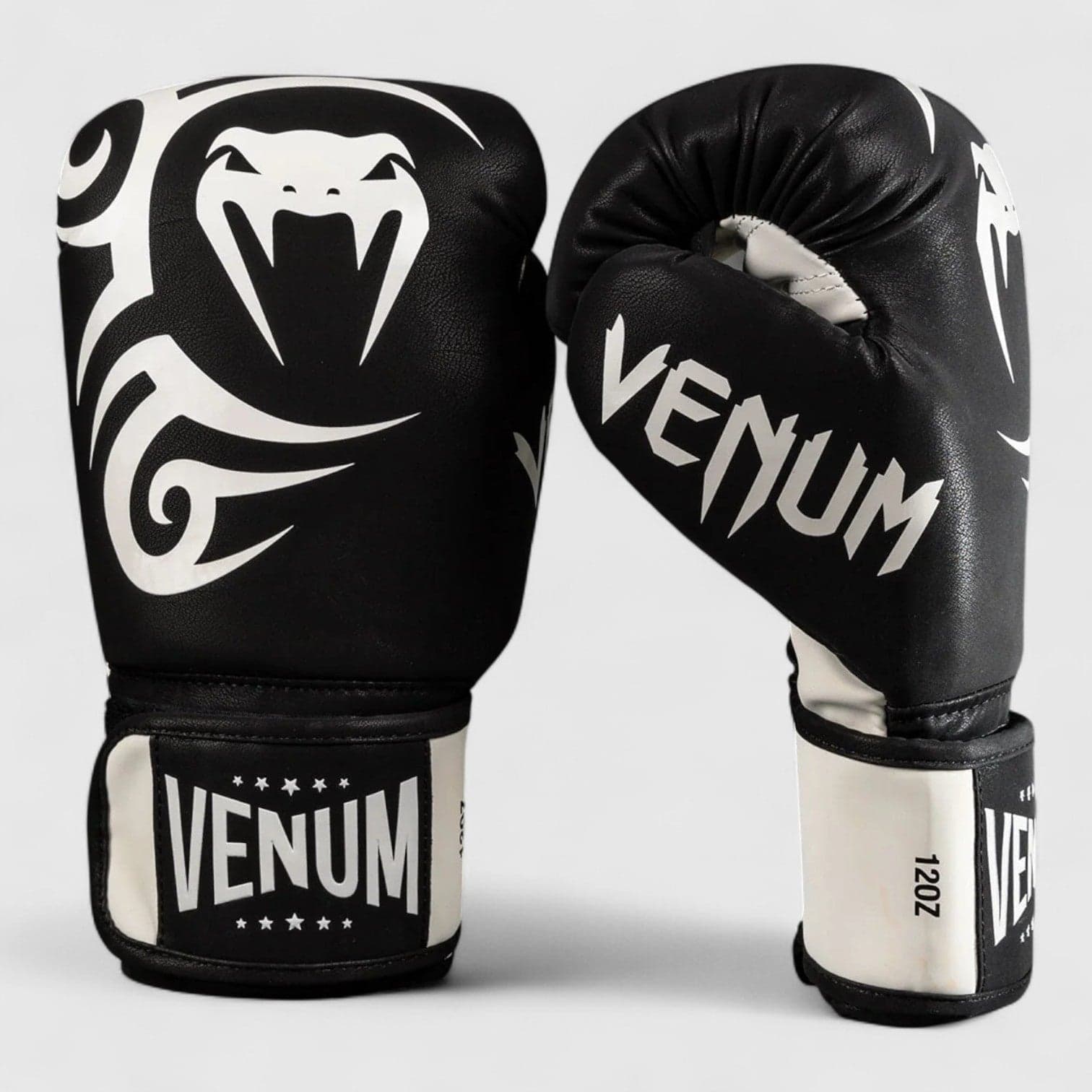
Muay thai gloves have a slightly more open palm than pure boxing gloves, so you can grip in the clinch. 12 to 14 ounces covers bag and pad work for most adults, while 16 ounces is standard for sparring. See Kickboxing gloves and Boxing gloves.
Thai shorts
Short, wide shorts with a broad waistband. They are not just tradition: the cut gives full mobility in high kicks, and the absence of zips and pockets makes them safe to spar in. See Muay thai shorts.
Equipment for sparring
- Shin and instep guards. The most important sparring equipment in muay thai. They protect both your shin and your partner's thigh. See Muay thai shin and instep guards.
- Mouthguard. Mandatory. Mould it yourself in boiling water. See Mouthguard.
- Groin guard. Standard in club training.
- Elbow and knee guards. Used in clubs where elbow work is part of sparring. See Muay thai elbow and knee guards.
- Head protection. Required in many clubs for hard sparring. See Boxing headgear.
What your first training session looks like
A typical session lasts between 60 and 90 minutes. It opens with a warm-up, often skipping rope and shadow boxing, where you work on your stance and the basic punches and kicks without resistance. Then comes the technique part with a partner, usually on Thai pads or focus mitts. The session often ends with knees in the clinch or core training.
Your body will be sore for the first few weeks, especially your shins. That is normal and passes. Many Thai boxers use Namman oil or similar warming liniments before a session to warm up the muscles.
Common beginner mistakes
- Kicking with the instep. The roundhouse kick in muay thai lands with the shinbone. The instep is a small, vulnerable area and breaks easily.
- Kicking too hard too soon. The shins need to get used to the load gradually. Volume first, power later.
- Skipping wraps. Even on the bag. The wrist is the most exposed joint in the sport.
- Buying shin guards that are too thin. A thin guard is comfortable to wear and of little use in sparring.
- Leaving equipment damp. Gloves and guards that are not allowed to dry lose their shape and start to smell after just a few weeks.
Our recommendations
Best starting point
Classic cut with a broad waistband and full mobility in high kicks. Works for both training and competition.
First shin guards
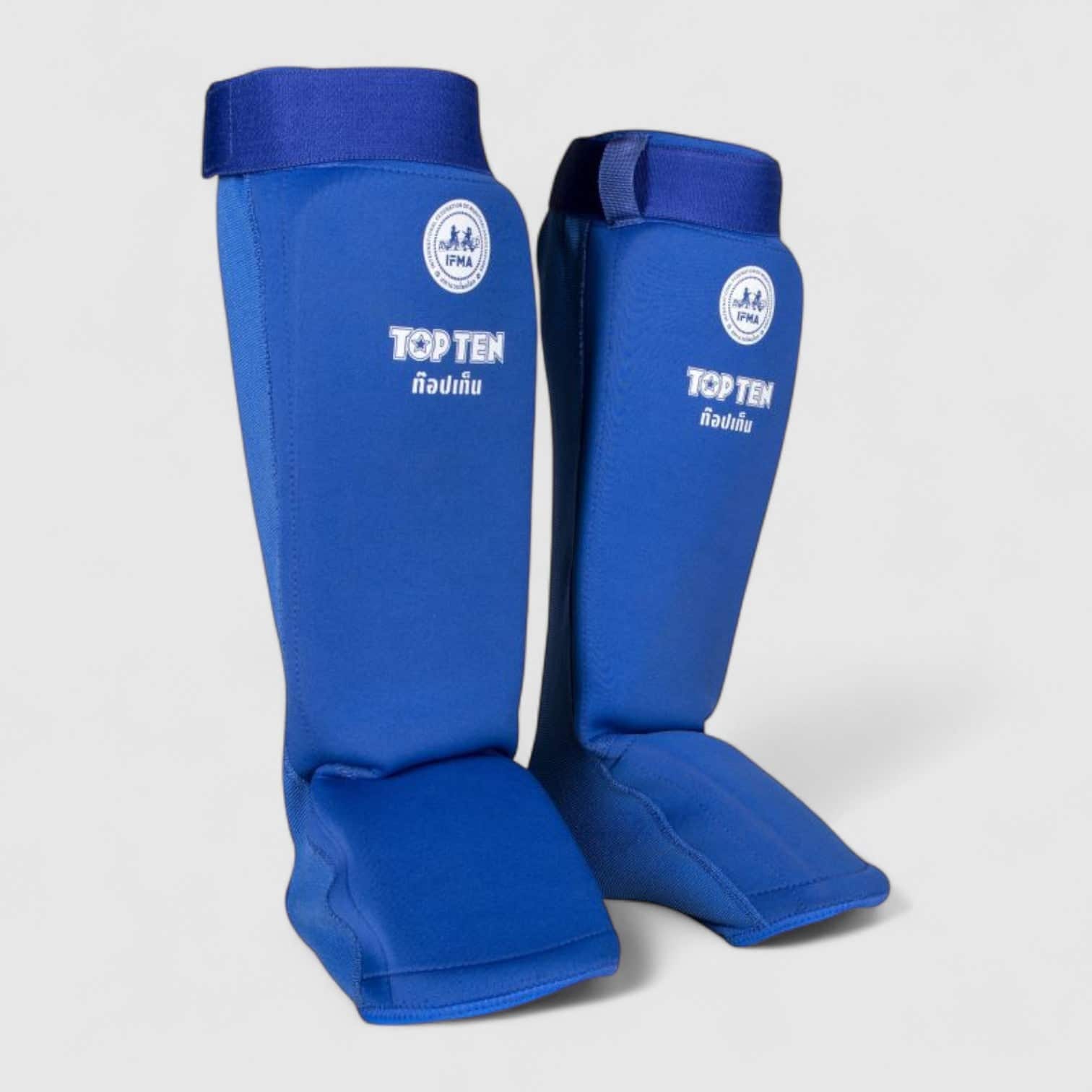
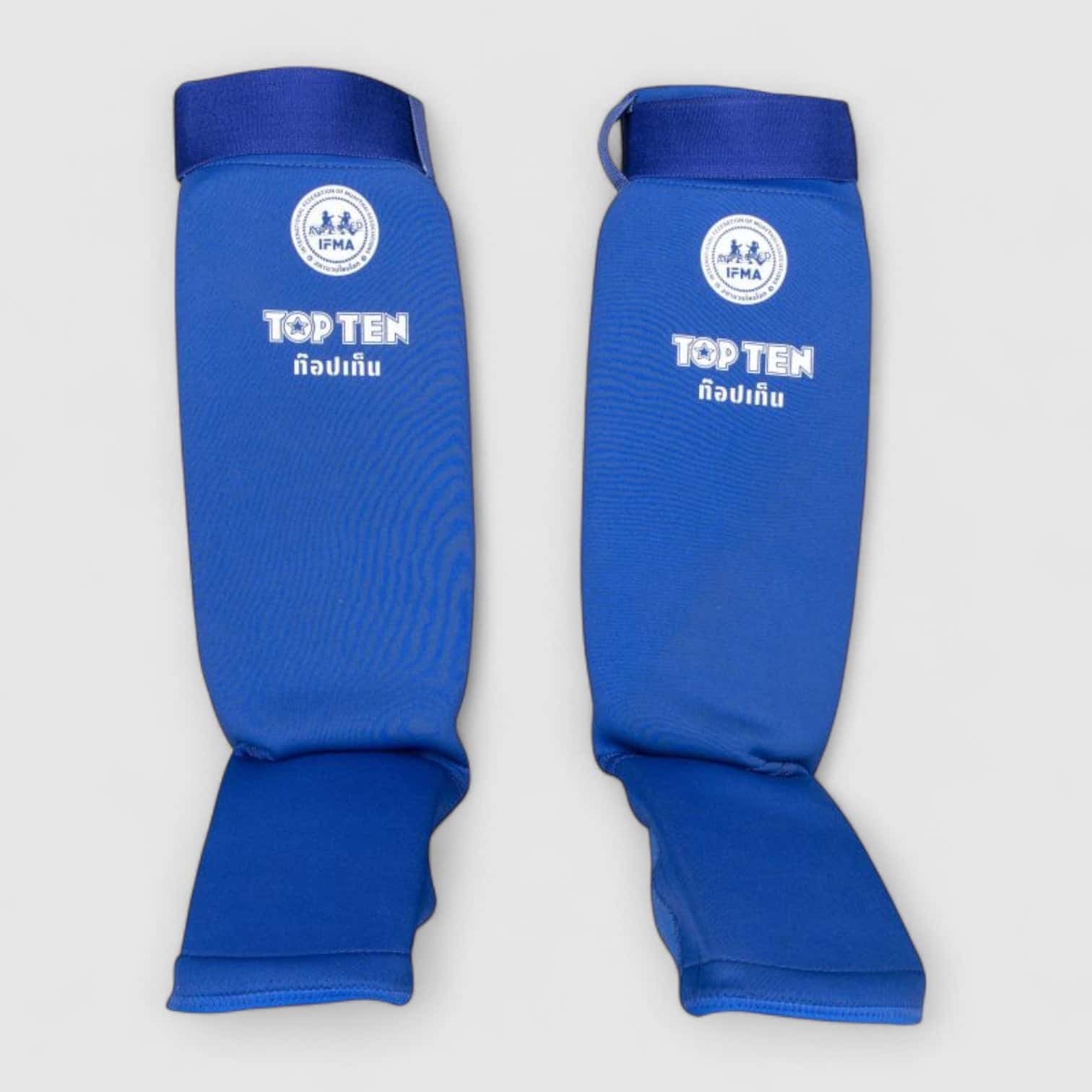


The IFMA model used in international amateur muay thai. Good cushioning for the price.
When you spar a lot
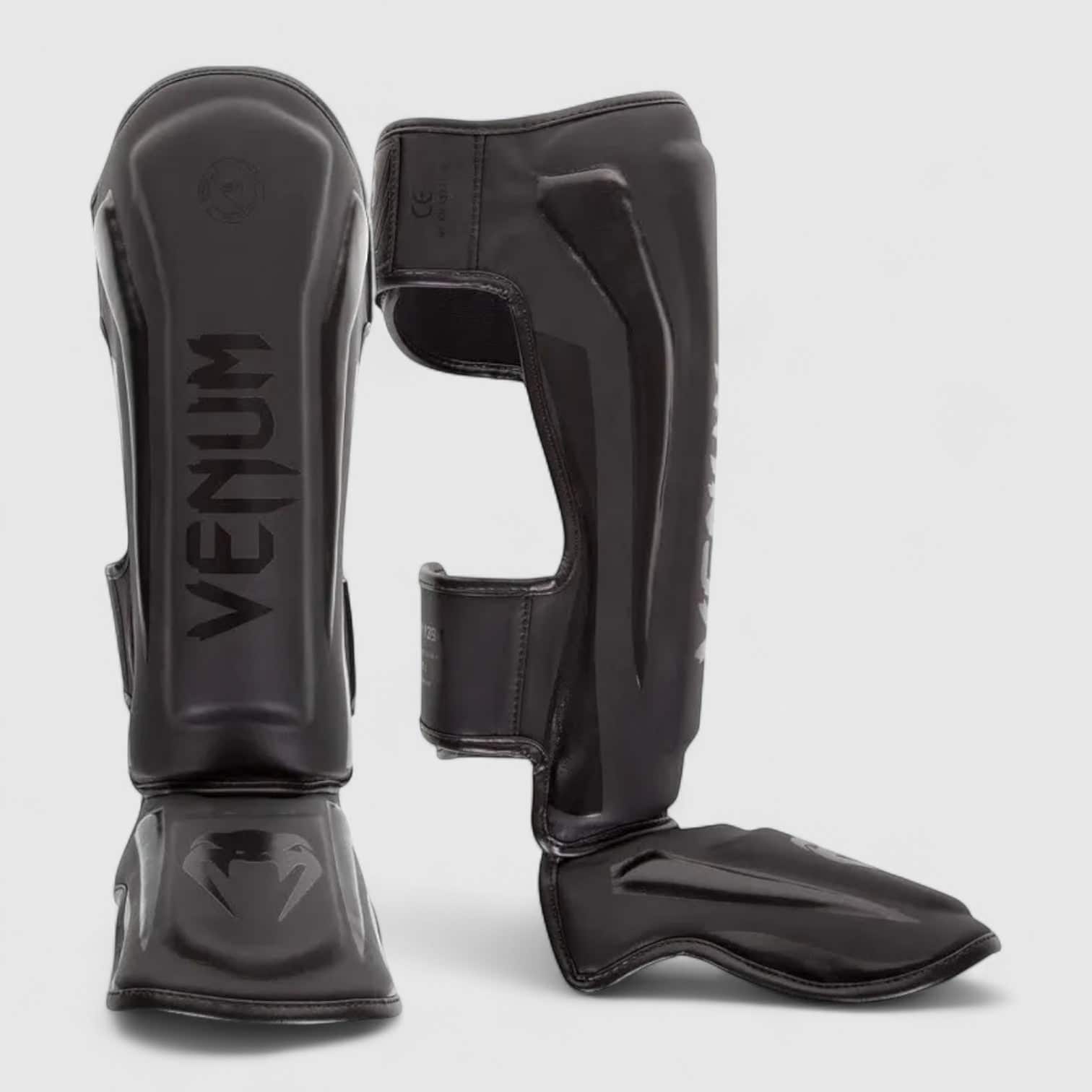
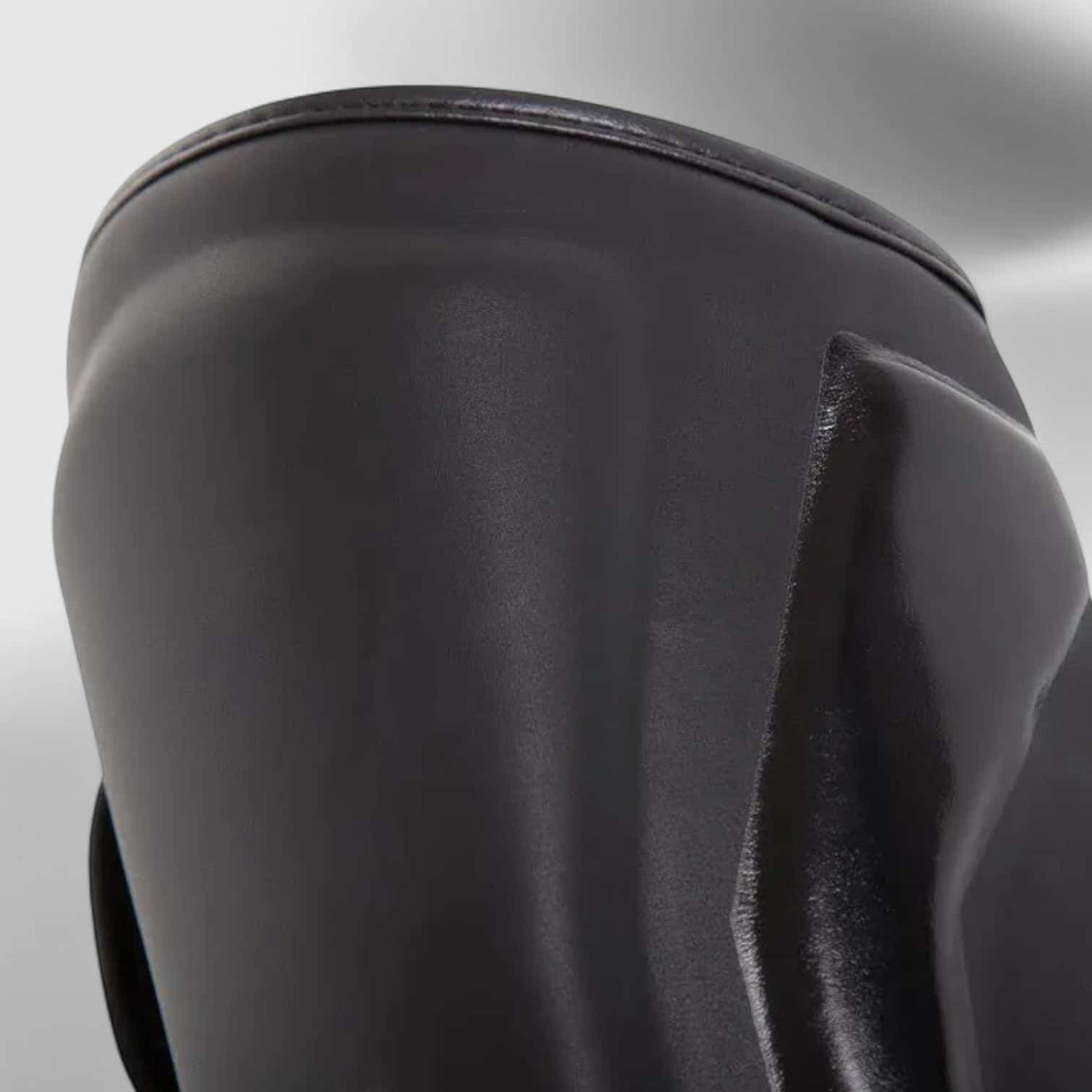


Thicker foam and a better fit around the shin. You notice it as soon as you start sparring hard.
For competition
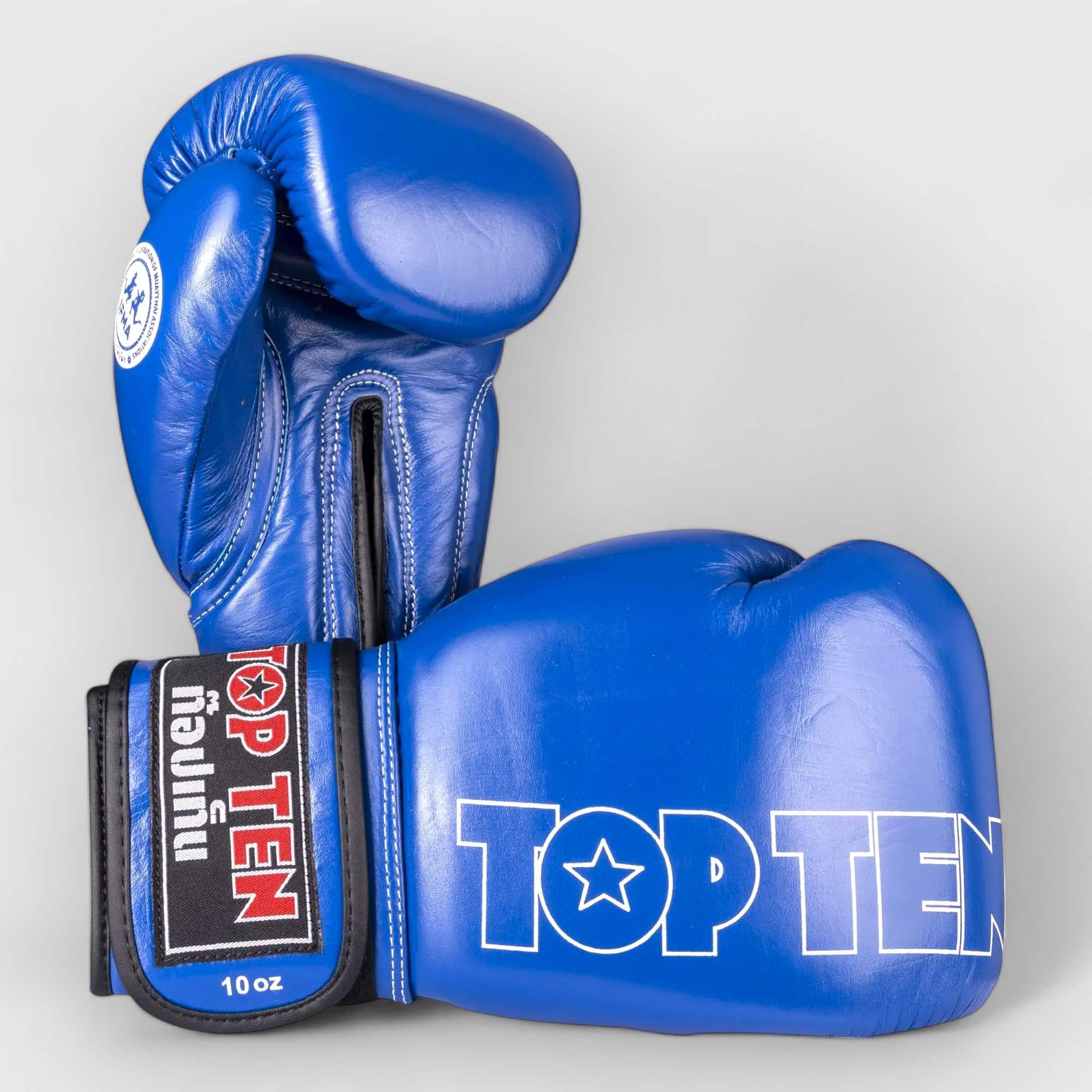
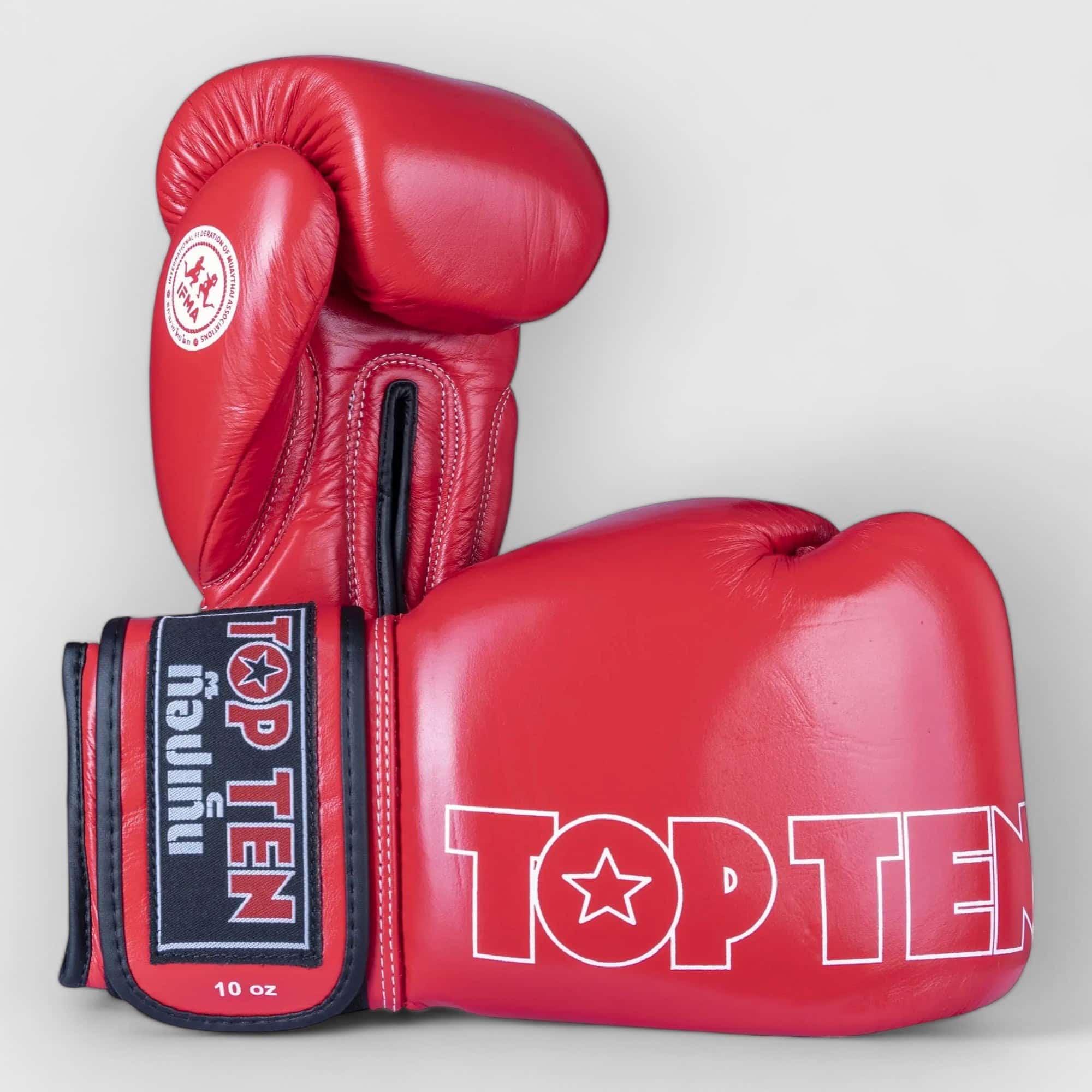


Competition glove for muay thai to IFMA standard. For those aiming to compete.
For warming up
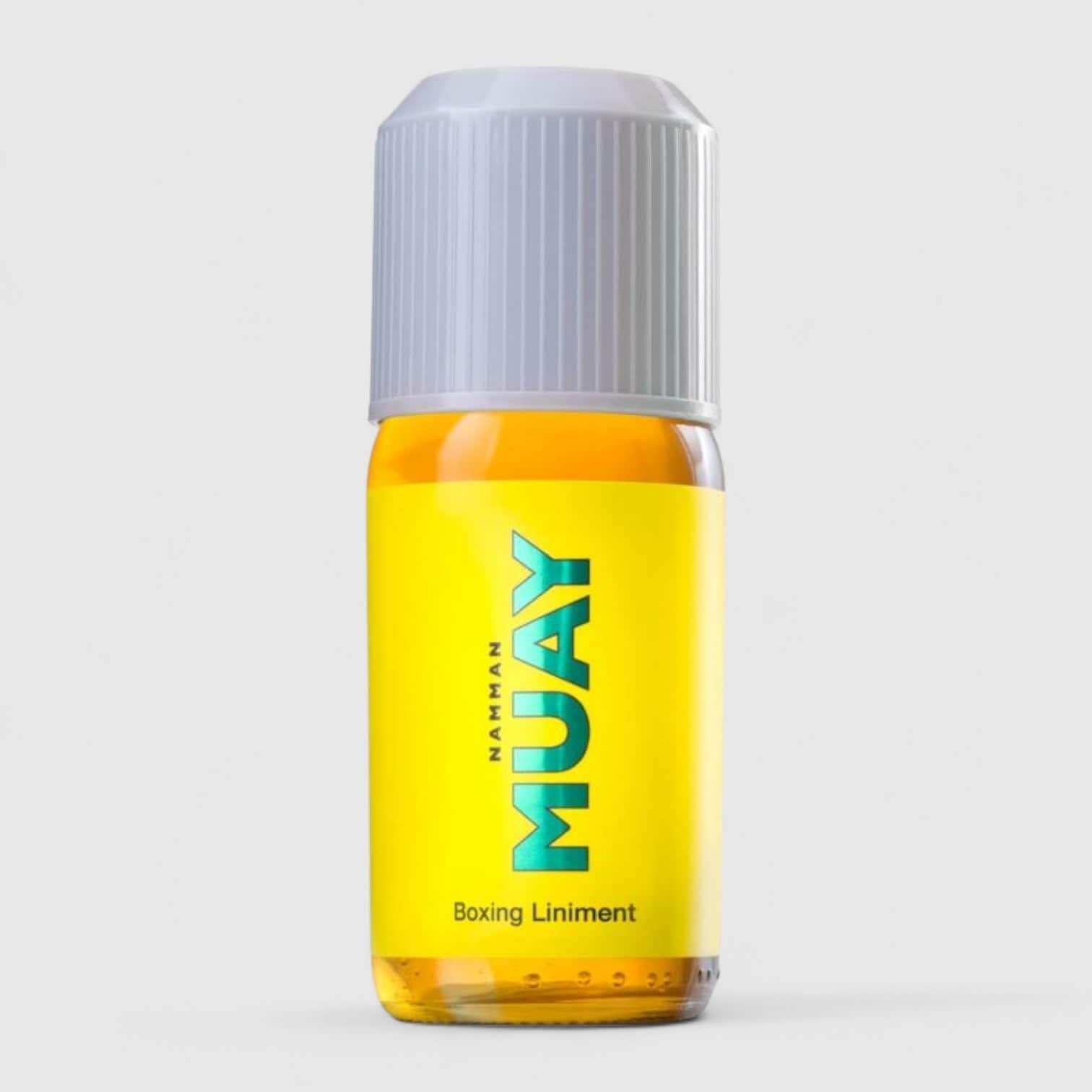
The warming oil Thai boxers have used before sessions for generations. Rub it into the shins and shoulders before warming up.
Frequently asked questions
Do I need to be fit before I start?
No. Beginner classes are designed for people who have not trained martial arts before, and you set your own pace for the first few weeks.
Will my shins get sore?
Yes, for the first few weeks. The body adapts gradually. Do not kick hard on the bag or pads until your technique is in place.
Can I use boxing gloves for muay thai?
Yes, for regular training. Muay thai gloves have a slightly more open palm for the clinch, but you only notice the difference when you clinch a lot.
Do I need shin guards from the first session?
Not necessarily. In the first few weeks, you mostly kick pads and bags. Once partner sparring begins, they are mandatory.
What is the difference between IFMA-approved and regular equipment?
IFMA is the international amateur federation for muay thai. Approved equipment meets their requirements for design and padding, and is required at sanctioned events.
Is muay thai suitable for children?
Many clubs have their own children's classes with adapted content, without elbows and without hard sparring. Ask the club about the age limit.