

You often notice it after a few hard sessions on the mat – the rashguard still looks fine, but it smells more than it should, or the fabric starts to lose its tightness. Then the question is not just how to wash a rashguard, but how to do it without ruining the compression, fit and seams. A rashguard is made for close contact, lots of sweat and hard use. That is exactly why it can take a lot in training, but not necessarily the wrong wash.
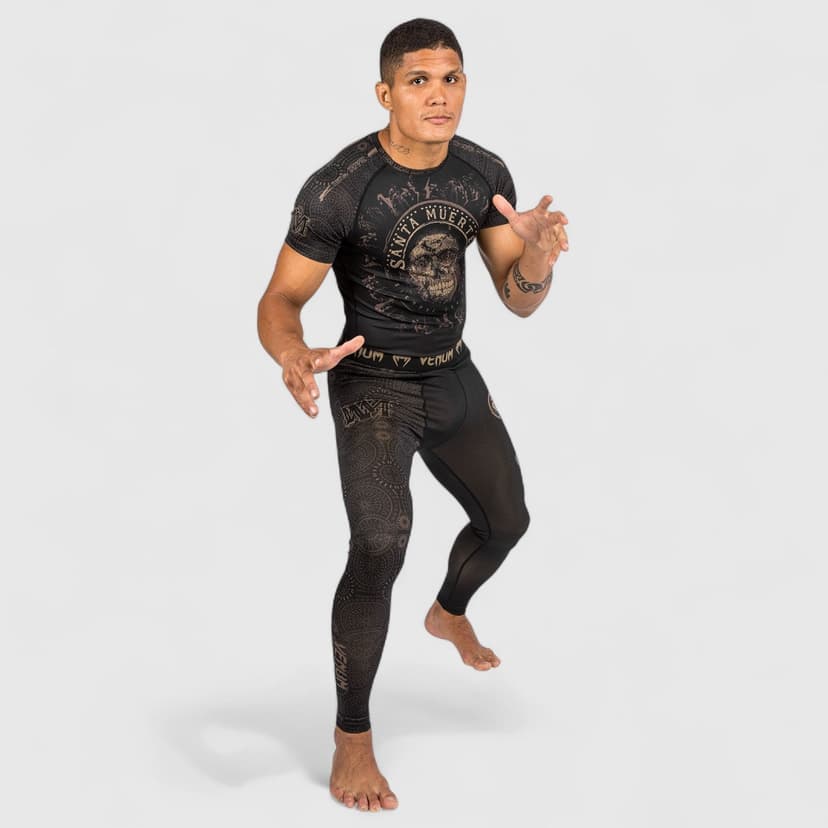
How to wash a rashguard without wearing it out
Rashguards are usually made of polyester, nylon and elastane. That gives the garment stretch, compression and a close fit, but it also means heat, the wrong detergent and rough mechanical treatment can shorten its lifespan quite quickly. Many people think training clothes can just be thrown in with the rest of the laundry. That sometimes works, but not if you want the rashguard to fit properly even after many rounds of grappling, MMA or no-gi.
The most important thing is to wash it early. If you leave a sweaty rashguard crumpled in your bag until the next day, smell and bacteria settle into the fibres more easily. Rinse or wash it as soon as you can after training. If you cannot wash it straight away, it is better to hang it up to air than to leave it lying damp.
In practice, most rashguards handle machine washing fine, as long as you keep the temperature low and the treatment gentle. Cold water or 30 degrees is usually the safest. Higher temperatures can damage elastic fibres and make the garment lose compression over time. You will not always see it after one wash, but after ten or twenty you will.
See our range of rashguards and compression trousers and tights for martial arts.
Machine wash or hand wash?
For most people, machine washing is the most realistic option. It works well if you turn the rashguard inside out, use a mild detergent and choose a gentle programme. Turning it inside out protects prints, logos and the outer fabric, especially on models with sublimated print or panels with extra compression.
Hand washing is still a good choice if you have an expensive competition rashguard, a model with a lot of silicone print, or if the garment is already showing signs of wear. Then you get less friction and better control. A short soak in lukewarm or cold water with a little mild detergent is often enough. Rinse well afterwards, and avoid wringing the garment hard.
There is no single right answer for everyone. If you train four to six times a week and use your rashguard heavily, machine washing is perfectly practical. If, on the other hand, you have a few favourite garments you want to keep as long as possible, hand washing is gentler.
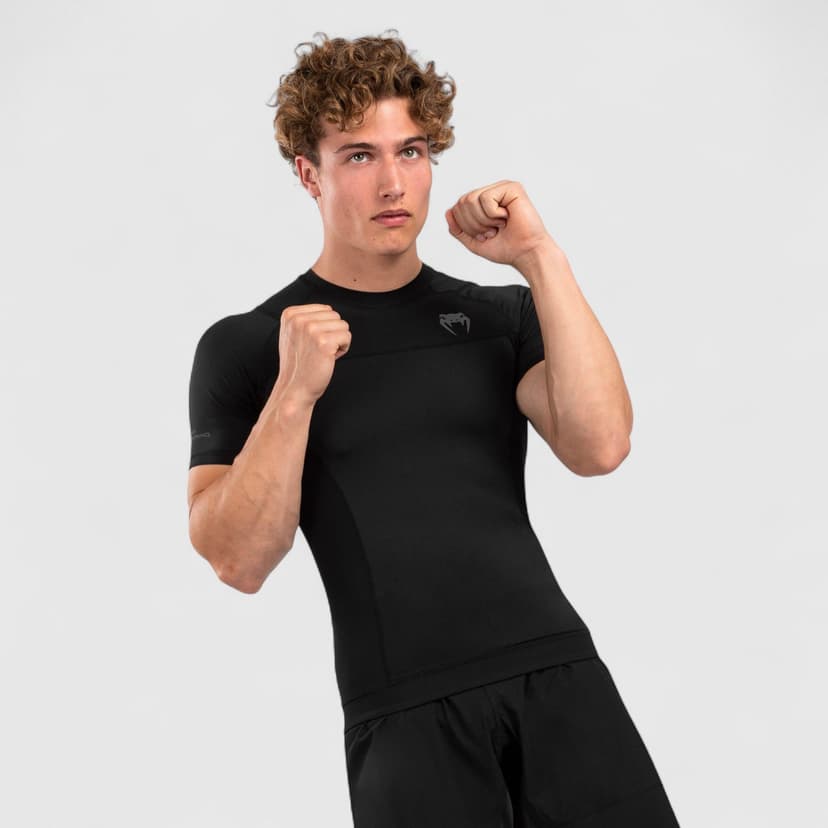
How to wash a rashguard in the washing machine
If you want a simple routine that works in everyday life, a few steps are enough. Separate the rashguard from clothes with zips, hook-and-loop closures or rough seams. That is often where the damage happens. Gloves and protective gear should of course never go in the same wash.
Use little detergent. Too much soap settles more easily in technical textiles and can actually make the garment hold on to smells more. Choose a mild detergent without strong bleaching agents. You should steer clear of fabric softener. It can leave a film on the fabric that weakens moisture wicking, and the rashguard does not do its job as well in training when it becomes clammy and heavy.
Choose a delicates or sports programme if your machine has one. A low spin speed is often smart, especially for garments with a lot of stretch. A rashguard does not need rough treatment to get clean. It just needs an even and gentle wash.
Temperature and detergent
The most common mistake is believing that hotter water means a cleaner garment. With ordinary cotton garments that can sometimes be true, but with rashguards it is more often the opposite. 30 degrees is a safe starting point. Some prefer a cold wash, and that works fine if the garment is washed soon after use and is not full of ingrained smell.
When it comes to detergent, less is often more. A mild detergent for sportswear or synthetic textiles is a good choice. If the garment has started to smell sour even after washing, it is often not because you need stronger soap, but because you need to change your routine around drying and storage.
What you should not wash together with a rashguard
Rashguards should ideally be washed with similar textiles. If you put it in with towels, jeans or clothes with rough details, the fabric is exposed to unnecessary wear. Hook-and-loop closures from other training gear are especially hard on smooth compression fabrics. The same goes for hoodies with metal zips.
If you have several rashguards, compression shorts or tights in the same wash, that is a much safer combination. Then you get less friction and more even treatment.
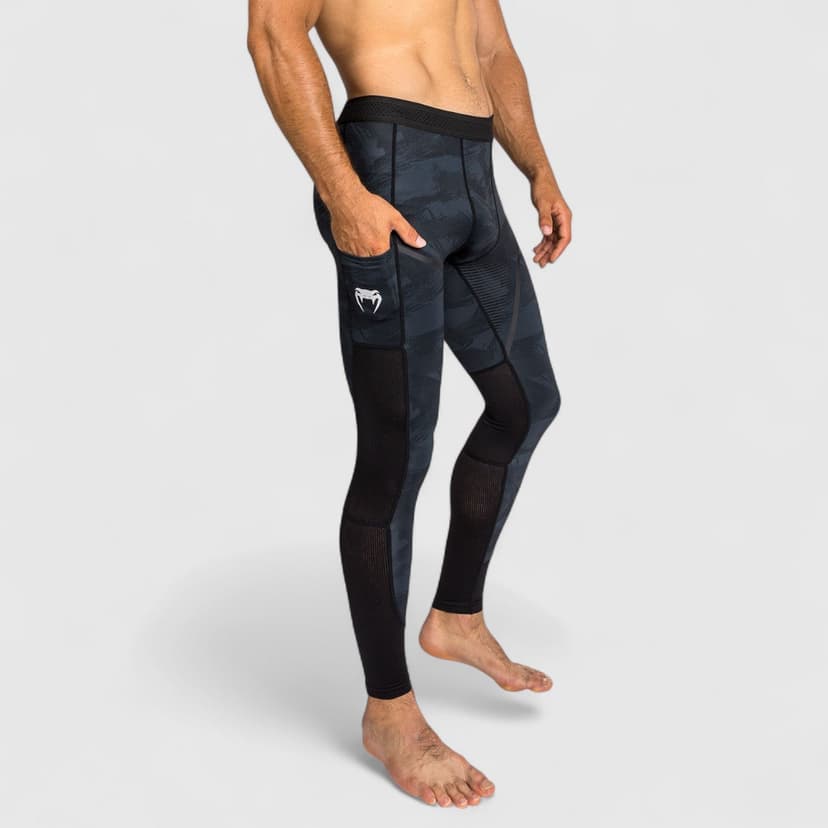
How to get rid of rashguard odour
Odour is a common problem, especially for athletes who train BJJ, MMA, grappling or other training with a lot of close contact and heavy sweating. Even a clean rashguard can start to smell if bacteria have settled in the fibres over time.
The first step is simple – wash it sooner. The longer the sweat is allowed to sit, the harder the smell is to get rid of. The second is to dry the garment completely before putting it in a cupboard or bag. A little residual moisture is enough for the bad smell to come back.
If the smell has already set in, you can soak the rashguard briefly before washing. Do not overdo home remedies. Some people use mixtures that are too strong, which wear on the elastane or affect the colours. Here it pays to be conservative. The goal is to preserve the garment, not just win one wash.
Drying – where many rashguards are ruined
The wash itself often gets the blame when a rashguard loses its fit, but drying is at least as important. A tumble dryer is the clear risk factor. High heat breaks down elastic fibres faster than most people think. The result is a rashguard that looks fine, but fits looser, rides up or feels slack in the fabric.
The safest solution is air drying. Hang the garment up or lay it flat, ideally somewhere with good ventilation. Avoid strong, direct heat from a panel heater or underfloor heating. It takes a little longer than a tumble dryer, but you preserve both stretch and compression better.
The same goes for ironing. A rashguard should never be ironed. Technical training wear does not need it, and heat against the fabric can damage both the material and the print.
How often should you wash a rashguard?
Short answer – after every session. A rashguard is worn close to the skin and quickly collects sweat, skin residue and bacteria. In martial arts it is also a question of hygiene towards your training partners. Wearing the same unwashed rashguard for several sessions in a row is not good practice, even if the garment looks clean.
The same applies to children and teens, but here it is especially common for gear to be left in the bag a little too long. Parents would do well to set up a fixed routine straight away. It saves both the clothes and the noses of the rest of the family.
Signs that the rashguard has been treated wrongly
If the rashguard loses compression, gets wavy seams, faded colours or prints that crack early, the washing routine is often the culprit. It does not always mean the garment is poor. Even quality rashguards from strong brands will deteriorate if they are washed too hot, tumble dried or left wet for too long.
Sometimes it is also the combination of hard use and washing too rarely that does the damage. Sweat, salt and bacteria do not break the garment down in a week, but over time they make the fabric feel older faster. If you look after the rashguard from the start, it usually lasts considerably longer.
A simple routine that works in practice
The best solution is rarely complicated. Take the rashguard out of the bag straight after training. Wash it at 30 degrees or cold, inside out and together with similar garments. Use a mild detergent, skip the fabric softener, and let it air dry completely before the next session.
It sounds basic, and that is exactly the point. You do not need advanced tricks to look after technical training wear. You just need a routine designed for how the garment is actually used. For martial artists who train regularly, it is small habits that decide whether the rashguard stays tight, hygienic and ready for many more rounds.
If you invest in good gear, the care should be at the same level. That applies whether you train no-gi a couple of times a week or are on the mat almost every day. A rashguard that is washed properly feels better, lasts longer and works as it should when training starts. See the full range of rashguards and compression trousers at Combat Store.