
MMA has grown quickly in Norway, but the sport has had a different journey here than in most other countries. The rules on fights with punches to the head have long been strict, and that still shapes how the sport is run, where you can compete, and what clubs can offer.
This article is about MMA in a Norwegian context: how to find a club, what rules apply, what gear you need, and what the road from your first session to your first fight actually looks like.
MMA in Norway
MMA in Norway has been driven forward by club communities that often came from other combat sports: wrestling, judo, BJJ, boxing and Muay Thai. Many of today's MMA clubs share premises with a grappling club or a Thai boxing club, and share both mats and coaches.
The sport has long been more strictly regulated in Norway than in neighbouring countries. Amateur MMA is permitted here today, while the framework for professional fights is far narrower. Because the rules have changed several times, one rule always applies: ask your club and the federation what the situation is now, instead of relying on something you read a few years ago.
Rules and rule sets
There are several rule sets in MMA, and the differences only really matter once you get close to competing.
| Amateur | Professional | |
|---|---|---|
| Protection | Often shin guards and headguard | Only gloves and groin guard |
| Elbows | Usually not allowed | Allowed |
| Rounds | Shorter, often three of three minutes | Three or five of five minutes |
| Knees to the head | Often restricted | Allowed against a standing opponent |
| Licence | Required | Required |
The table shows the main features. The details vary between organisers and federations, and they change. If you are going to compete, get the rule set in writing from the organiser, and go through it with your coach.
How to find a club
- Search locally first. The best club is the one you will actually get to twice a week. Travel time is the most common reason people quit.
- Ask about a beginners' class. Clubs with their own beginners' group have usually thought through how new athletes are welcomed.
- Ask who coaches. The coach's background, and whether the club has coaches with formal qualifications, says a lot.
- Go to a trial session. Almost all clubs offer one for free. Watch how people talk to each other on the mat.
- Check the sparring culture. A healthy club has controlled sparring where beginners don't get steamrollered.
The gear you need
For the first few weeks you can manage with very little. This is the order most people end up buying in:
- Mouthguard and groin guard. Cheap, and mandatory in most clubs.
- Shorts and rashguard. See MMA shorts, rashguards and spats.
- MMA gloves. See MMA gloves.
- Shin guards. When sparring starts.
- Headguard and sparring gloves. When your club says you are ready for hard sparring. See MMA protection.
From your first session to your first fight
The first three months are about getting comfortable with the movements and with having someone up close. You learn basic positions on the ground, basic strikes standing, and how to fall without hurting yourself.
From three to twelve months, the pieces start to come together. You get a first repertoire, you spar in a controlled way, and you notice your fitness lasting longer.
For most people the first amateur fight is somewhere between one and two years away, and it is the coach who decides when you are ready. No serious club sends an athlete into a fight before the foundation is in place. If you never want to compete, that is completely fine: the vast majority of people who train MMA in Norway don't.
What does it cost?
Membership fees vary with location and club, but are typically somewhere between 400 and 800 kroner a month. On top of that: gear at the start, and a licence if you are going to compete.
Expect around 1500 to 2500 kroner for the basic gear. Buy it in the order above, rather than all at once. That way you know what your club actually requires before you spend money.
Our recommendations
First gloves
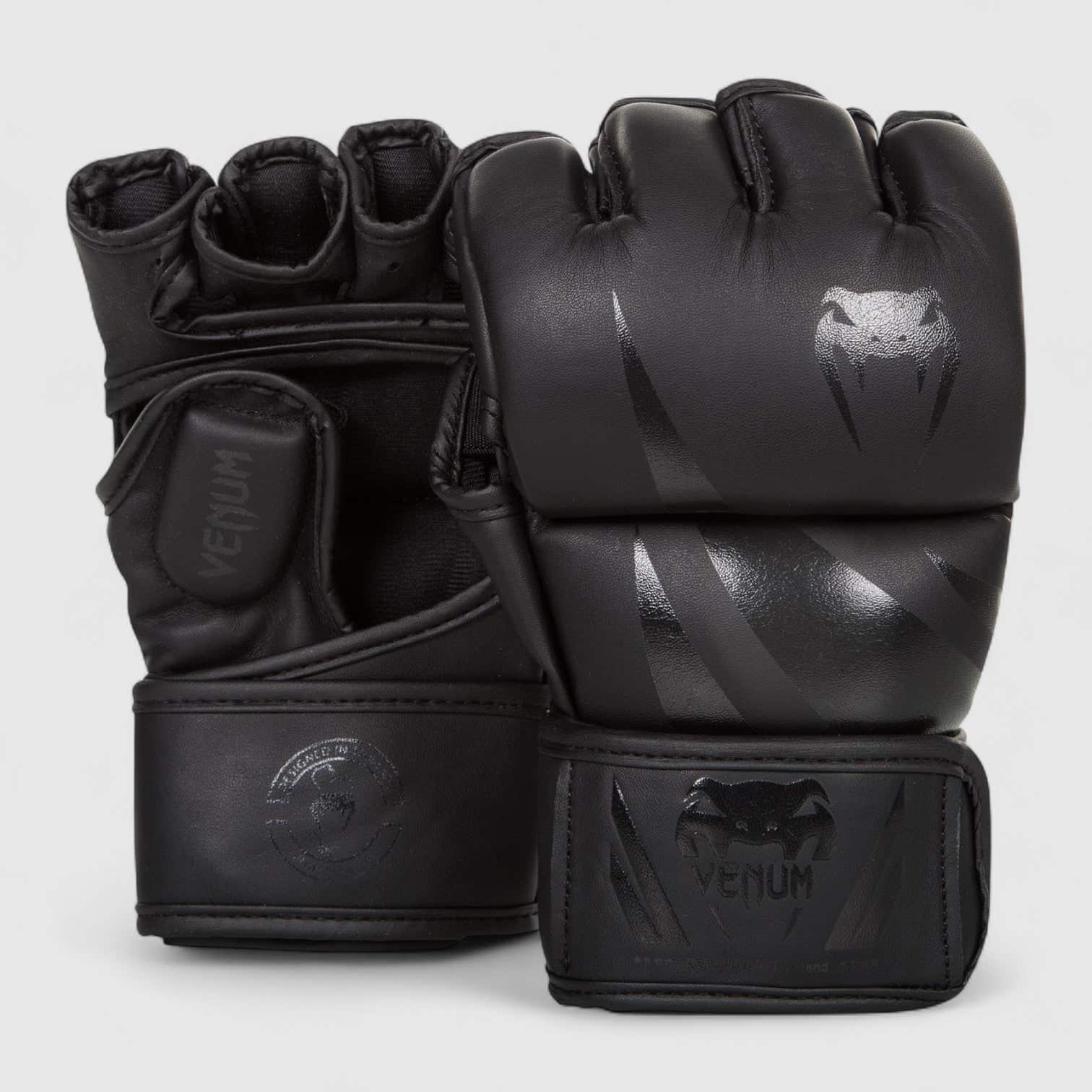
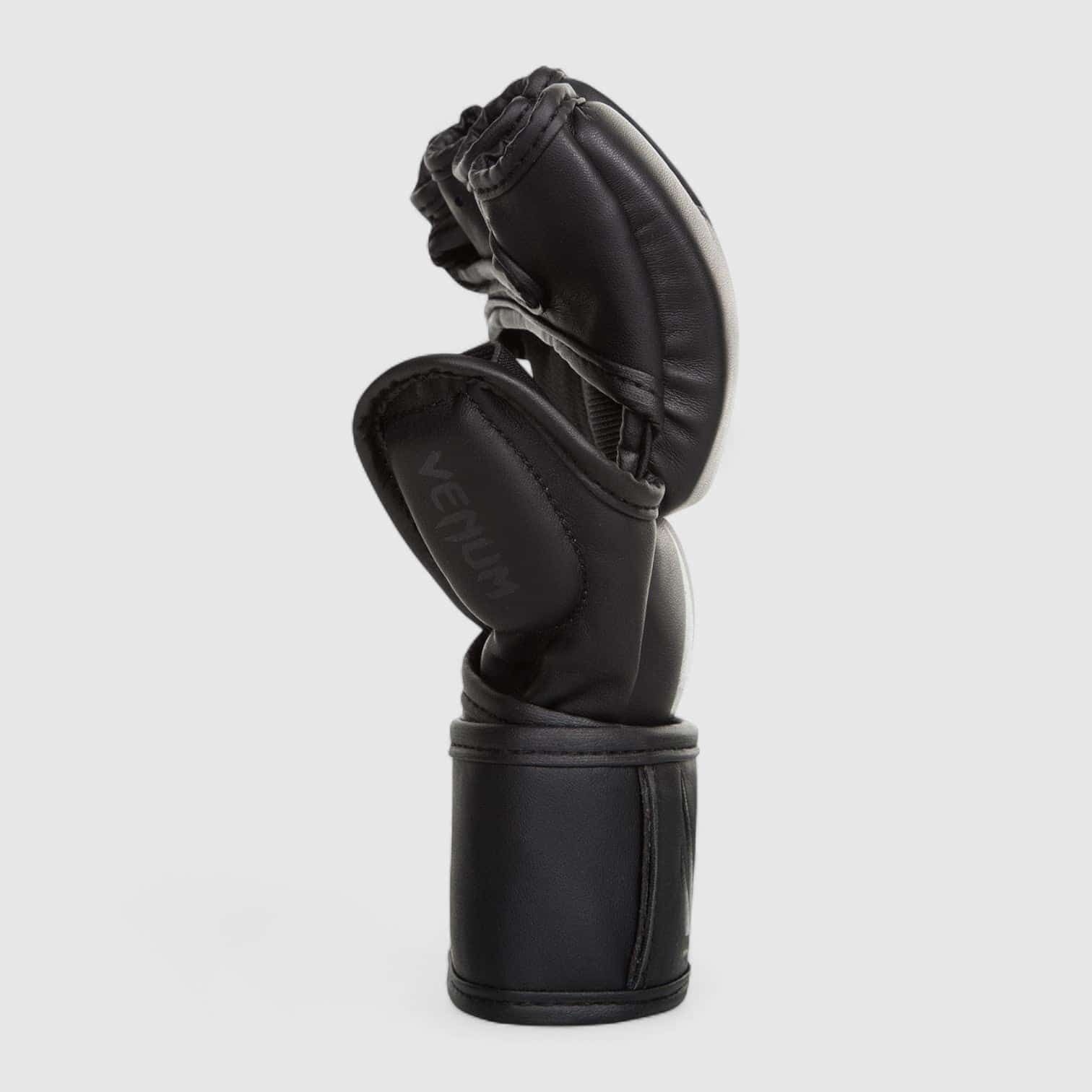
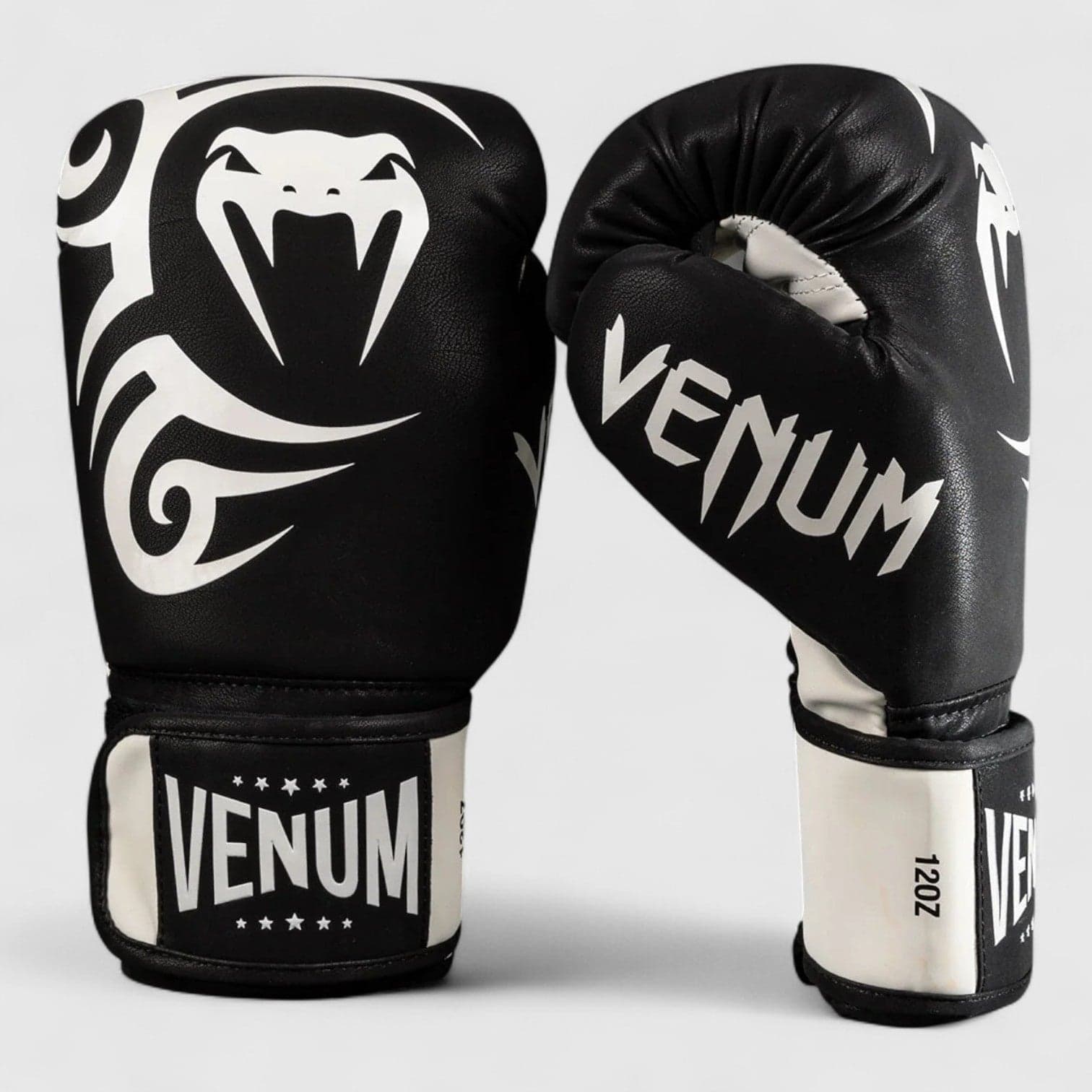
A solid entry model with thumb protection. Handles bag work, pads and light sparring.
For sparring
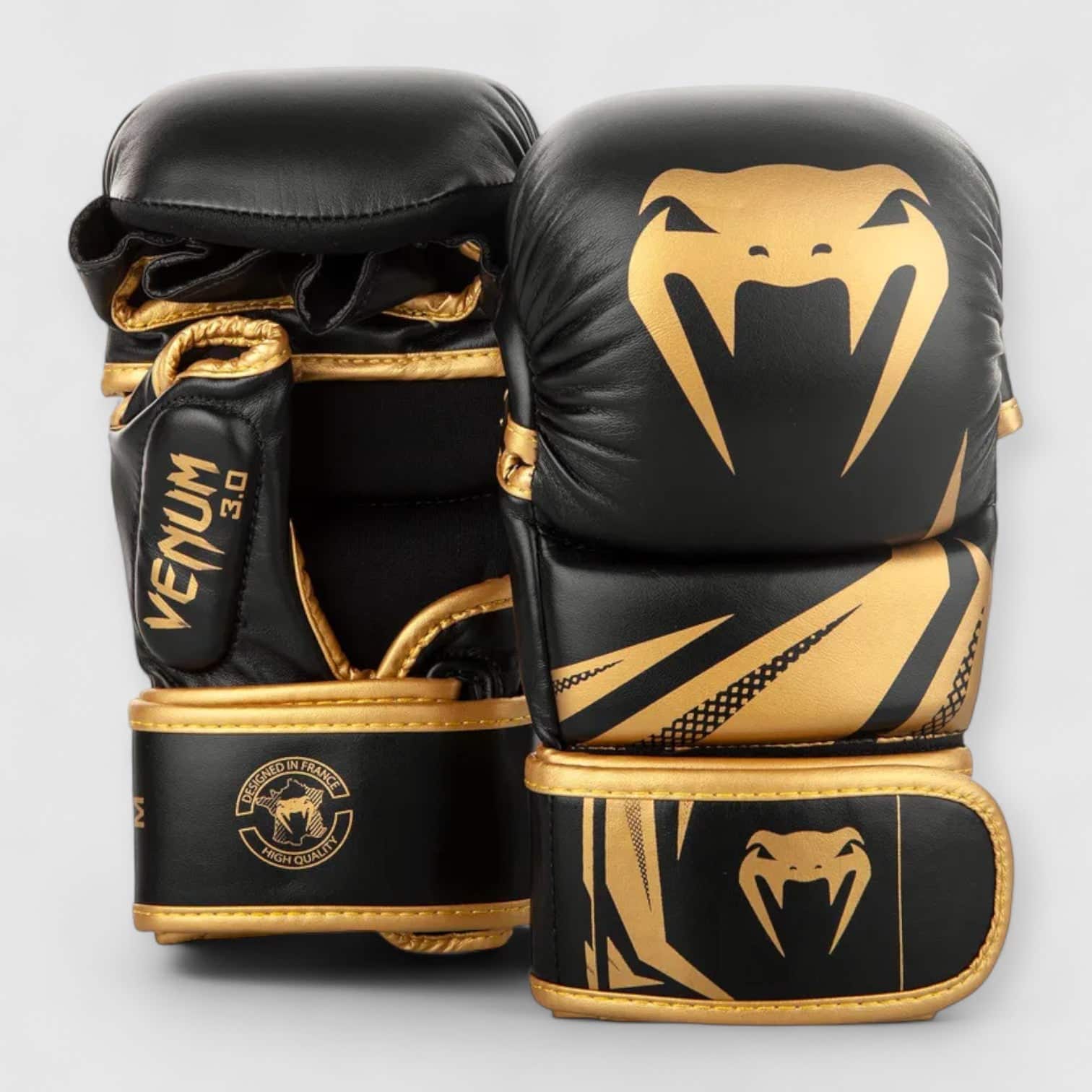
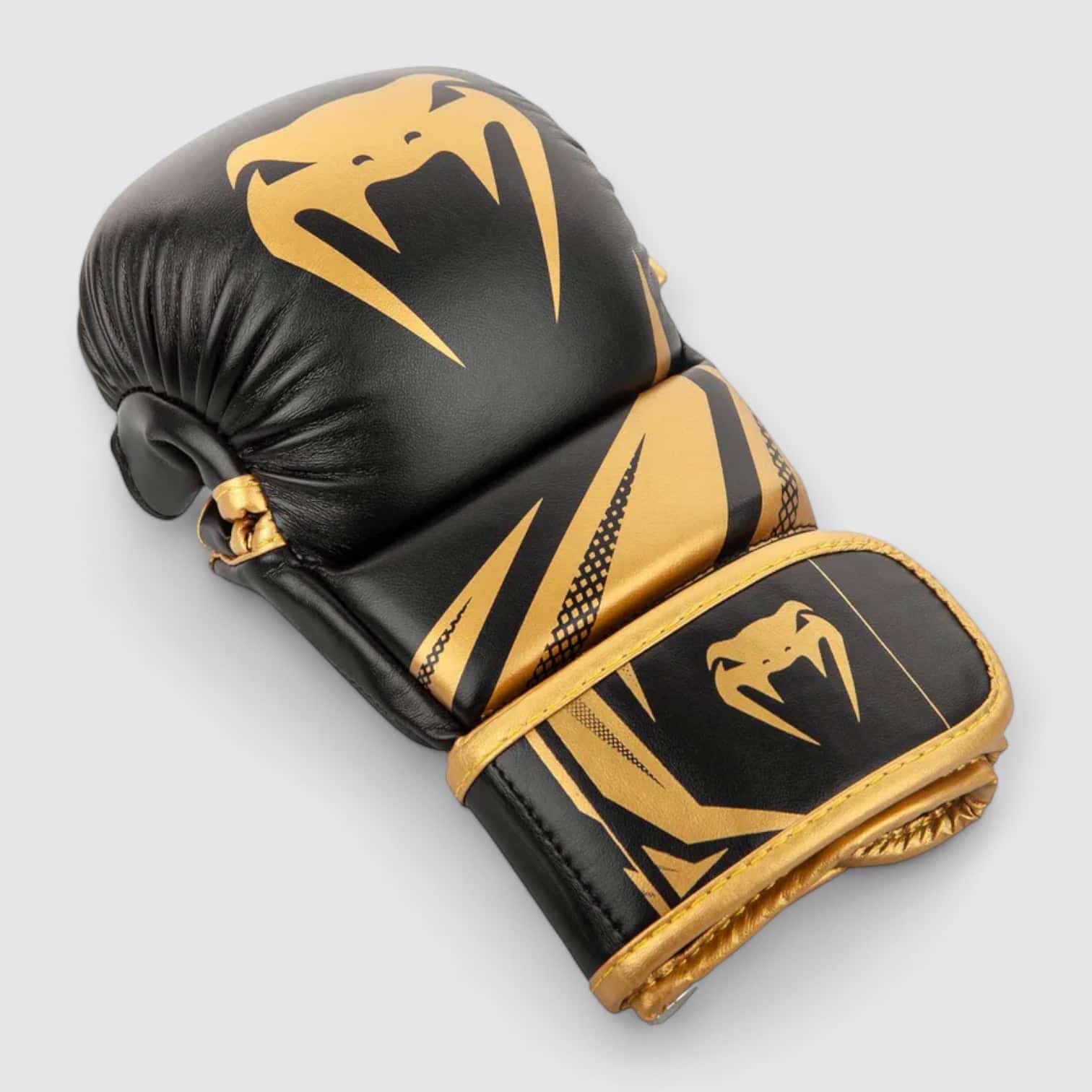
More padding over the knuckles than a regular MMA glove. What clubs usually require for hard sparring.
When you train a lot
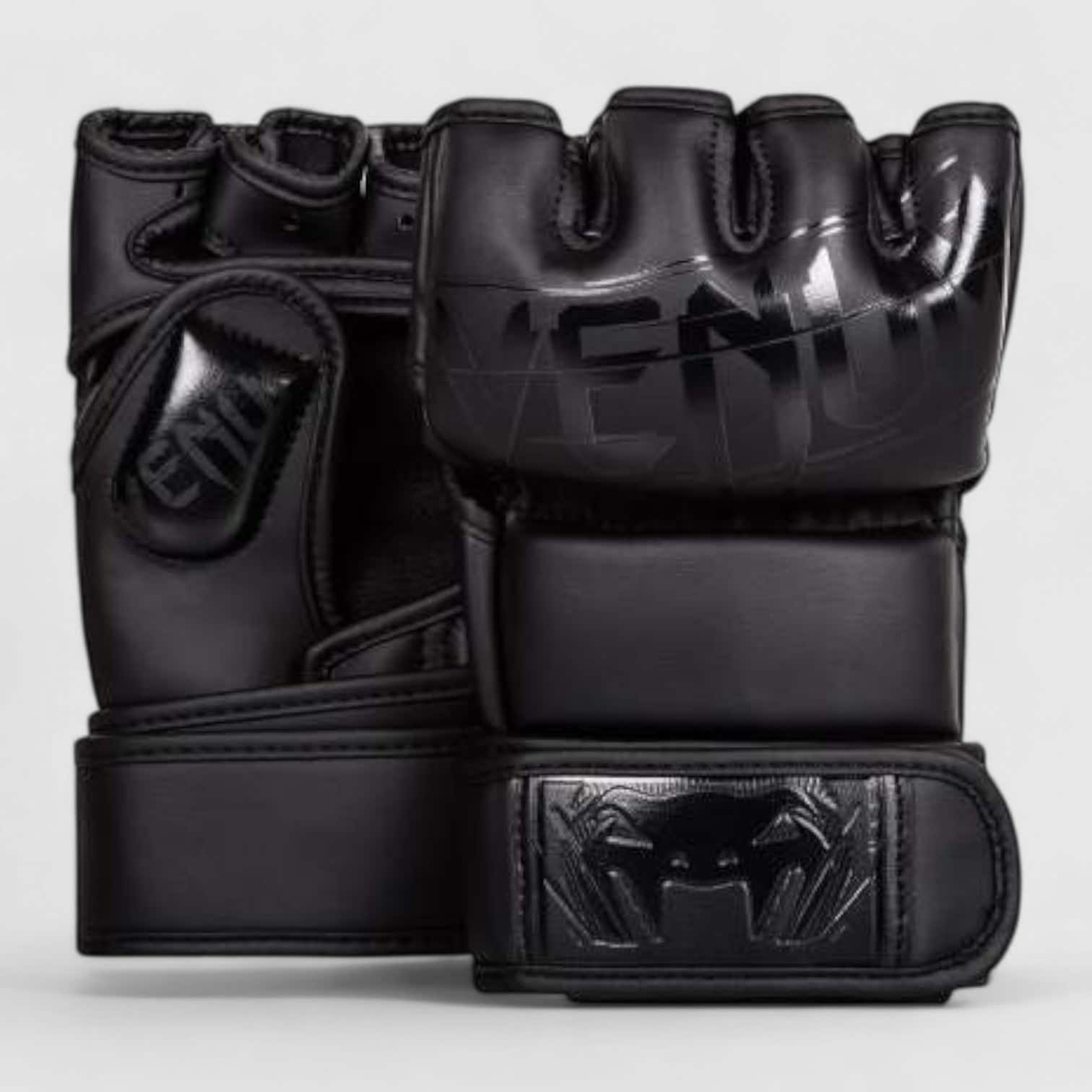
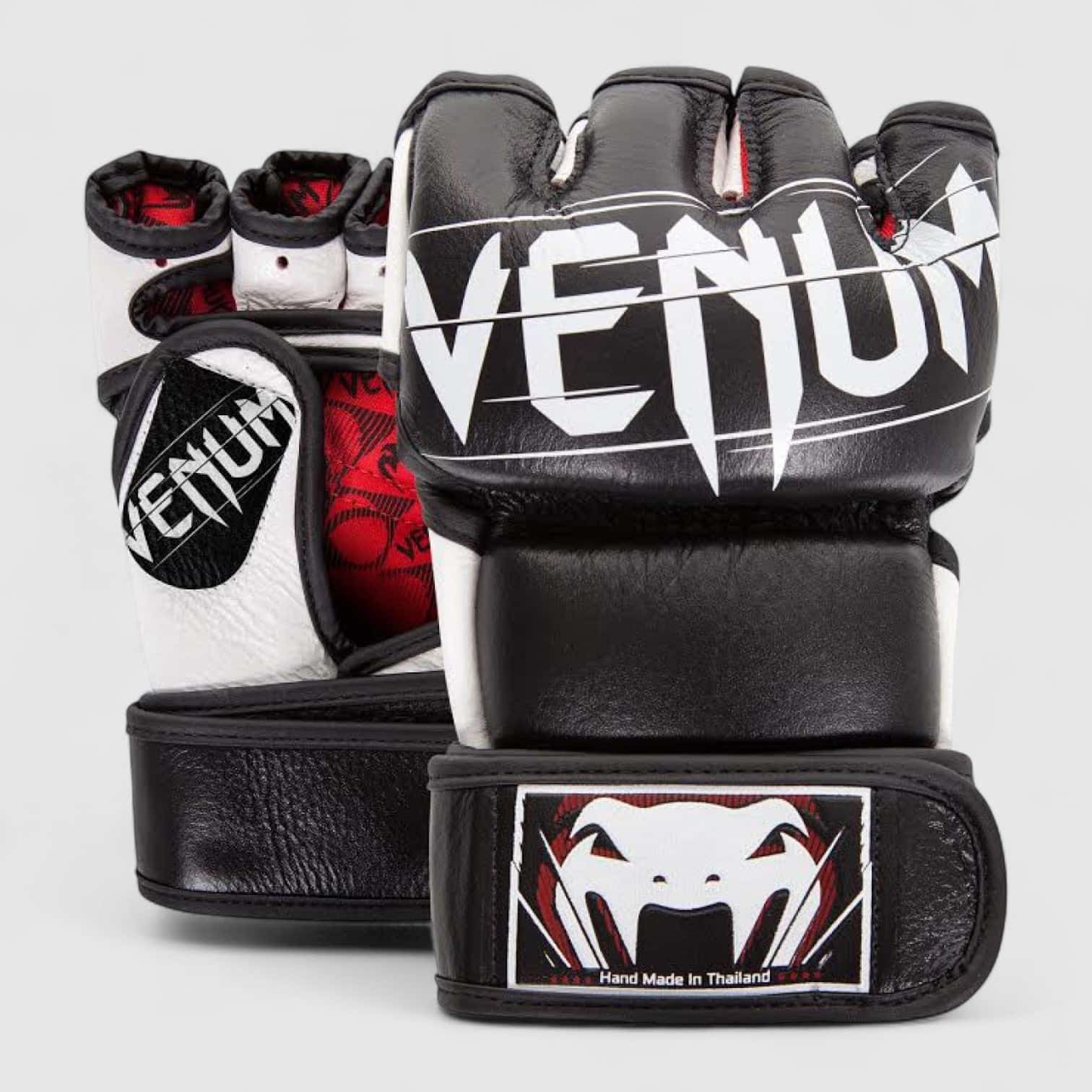


A leather glove for those who train several times a week and want gear that lasts.
On the mat
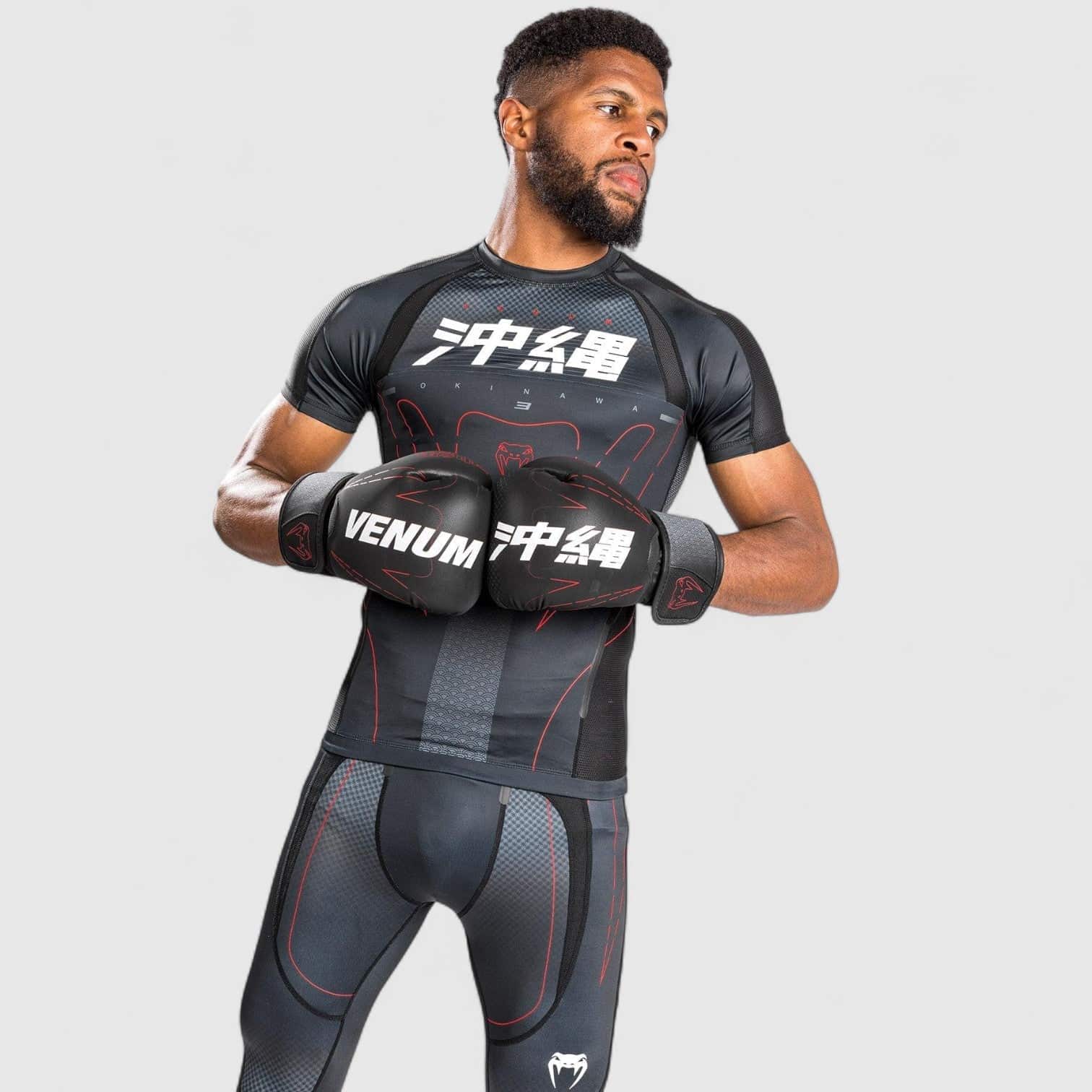
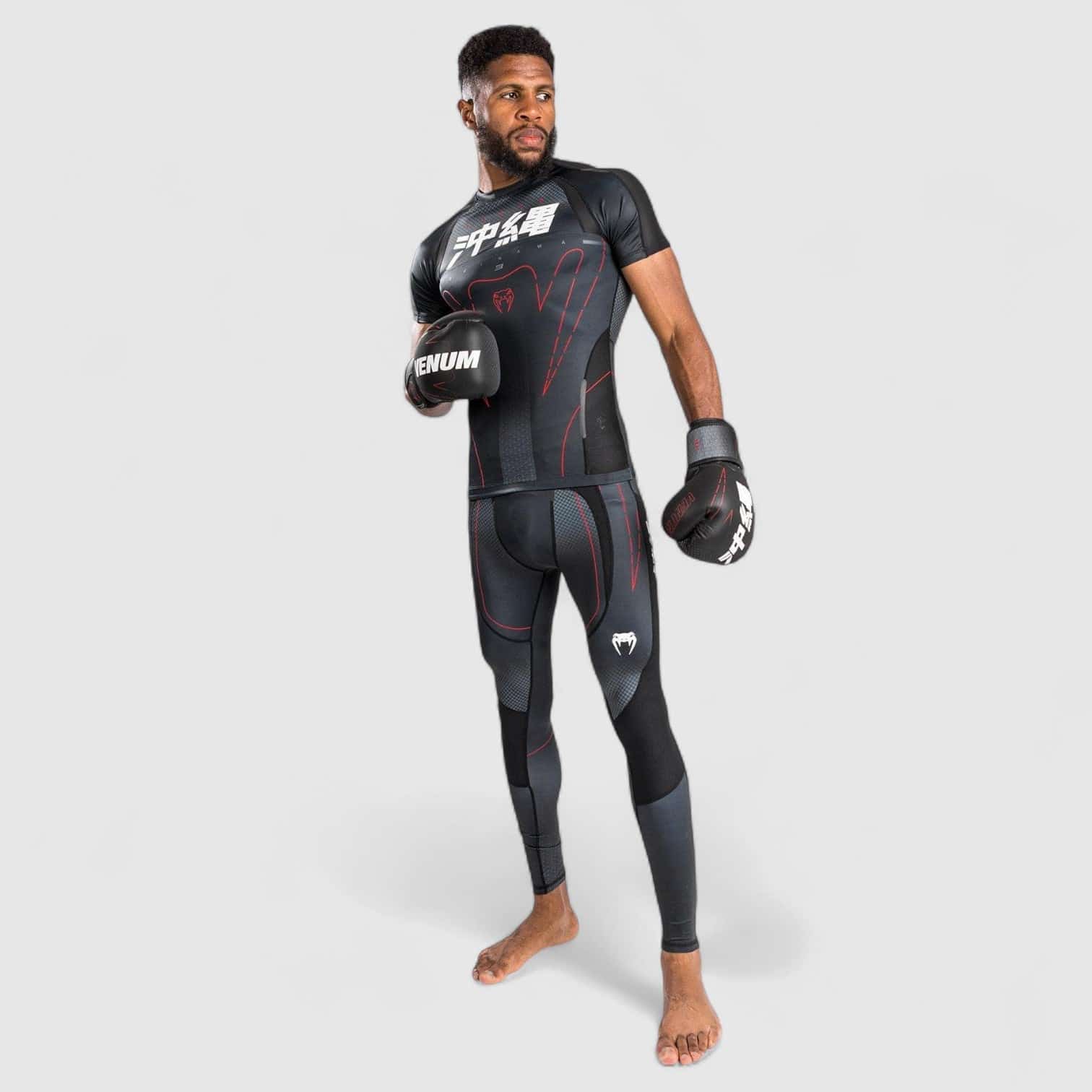
Protects your skin against mat burn and keeps bacteria out.
When sparring starts
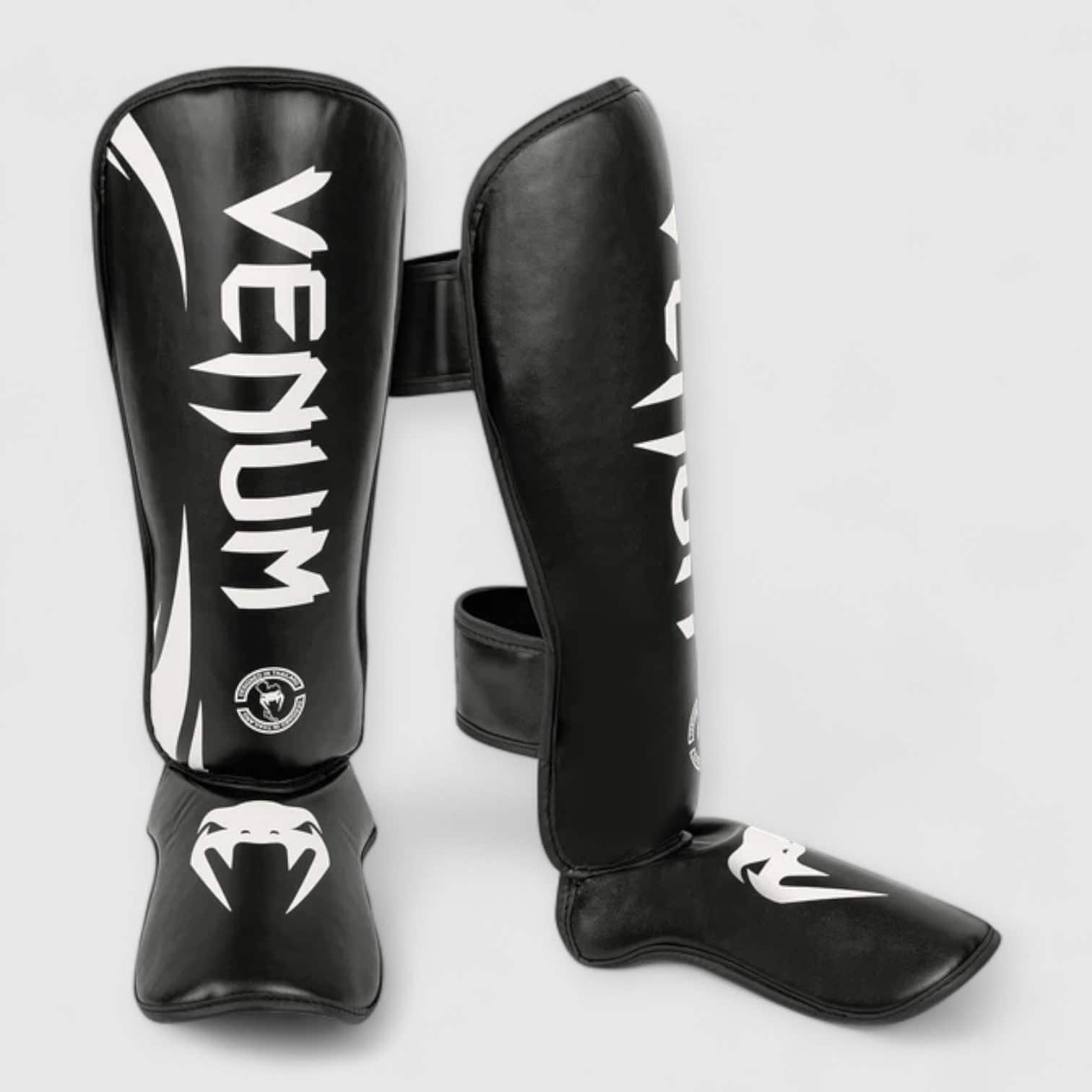
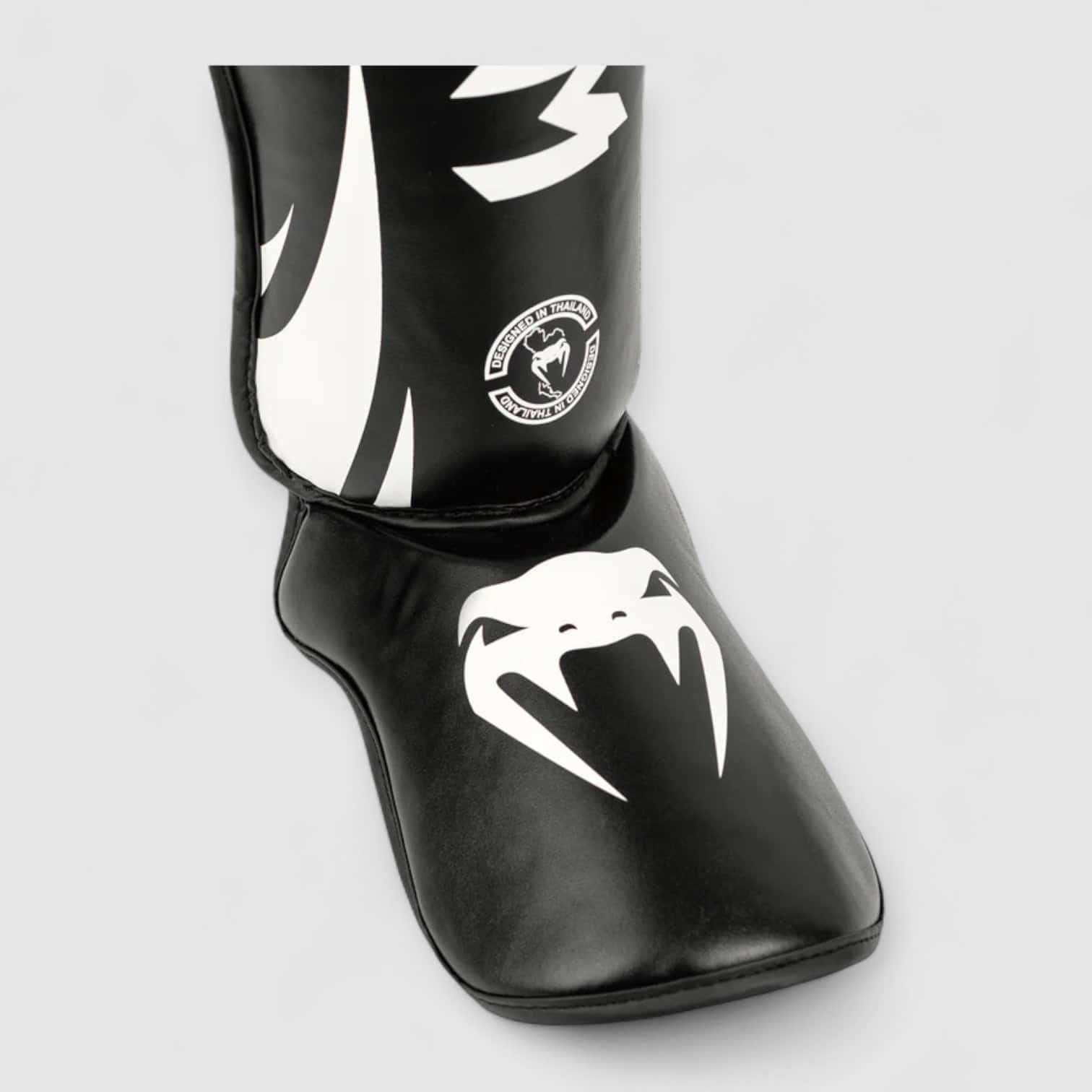


Fits snugly enough to stay in place even when the fight goes to the ground.
Frequently asked questions
Is MMA legal in Norway?
Amateur MMA is permitted, with its own rules. The framework for professional fights is narrower. Check with your club and the federation what currently applies.
Do I have to compete?
No. The vast majority of people who train MMA in Norway never compete.
How old do I have to be?
Many clubs have children's and youth classes from around age 8 to 10, with adapted content and no hard sparring. The age limit varies.
Do I need a background in another combat sport?
No. Beginners' classes assume nothing. If you have a background in wrestling or BJJ, you will have a head start on the ground.
How much does membership cost?
Typically between 400 and 800 kroner a month, depending on the club and location.
What actually is MMA?
See our basic guide to what MMA is and what gear you need.
Build your starter kit – everything for your first session, with 10% off