
The hand isn't built for punching. It is built for gripping. Twenty-seven small bones, held together by ligaments and tendons, give us a precision tool and a truly terrible striking weapon. Everything we do in combat sports to protect the hands is about compensating for exactly this.
The hand wrap is the most important of these measures, and the most overlooked. Here you find out what it actually does, why the glove isn't enough on its own, and what happens to the hands of those who skip it.
What actually happens in the hand
When you punch, the force should travel from the shoulder, through the forearm and wrist, and out through the two front knuckles. They are the strongest, and the best anchored in the hand.
The problem arises when something in that chain isn't in line. If the wrist bends backwards on impact, the ligaments take the impact instead of the bone. If you hit with the outer knuckles, which are thinner and less supported, the force is concentrated where the bone can take the least. And when the bones of the hand aren't held together, they splay apart on impact.
What the wrap does
- Stabilises the wrist. The turns around the wrist keep the hand in line with the forearm, so the force travels through the bone and not through the ligaments.
- Holds the knuckles together. The turns over the back of the hand make the bones move as one unit instead of splaying.
- Protects the thumb. The thumb is the most exposed part of the hand, and is locked in against the hand instead of sticking out.
- Adds a layer between skin and knuckle. It reduces cracks and skin damage over the knuckles.
- Fills out the glove. A glove fits more snugly with wraps underneath, and a glove that fits snugly doesn't shift on impact.
Why the glove isn't enough
It is easy to think that the glove has padding, and that padding is protection. But the glove's padding sits on the outside of the hand, and its job is to spread the impact over a larger area, both for your sake and for whoever you are hitting.
None of that holds the hand together. A glove doesn't stop the wrist from bending, and it doesn't stop the bones from shifting. That is why professional boxers never step into a ring without wraps, and why hand wrapping in professional boxing is supervised by an official.
The injuries you avoid
The most common hand injuries in combat sports all have in common that wraps significantly reduce the risk.
- Boxer's fracture. A fracture of the bone behind the little finger, which happens when the punch lands with the outer knuckles instead of the front ones.
- Sprained wrist. Stretched ligaments when the wrist bends backwards on impact. Annoying, long-lasting and easy to repeat.
- Thumb injuries. From stretched ligaments to fractures, usually when the thumb sticks out from the hand on impact.
- Skin damage over the knuckles. Cracks and abrasions that can become infected and keep you away from training.
- Inflammation over time. Minor injuries that don't have time to heal before the next session turn into chronic problems.
The wrap saves the glove too
A slightly underrated reason: the wrap absorbs sweat. Without it, all the moisture goes straight into the glove's lining and padding, and there it stays.
The result is a glove that smells after a few weeks, dries more slowly, and whose padding breaks down faster. A wrap that is washed after every session costs a hundred kroner. A pair of gloves costs five to ten times as much.
What length should you choose?
Standard boxing hand wraps come in lengths from around 2.5 to 4.5 metres. 2.5 metres is enough for small hands and makes for a quick wrap, but gives less wrist support. 4 to 4.5 metres is standard for adults and lets you put enough turns both around the wrist and over the knuckles.
If you are unsure, choose 4 metres. If it is too much, you can add extra turns around the wrist. If it is too little, there is nothing you can do.
How to put them on: see our step-by-step guide to hand wraps.
Our recommendations
Best starting point
An elastic wrap that follows the hand and gives good wrist support. Buy two pairs.
The classic
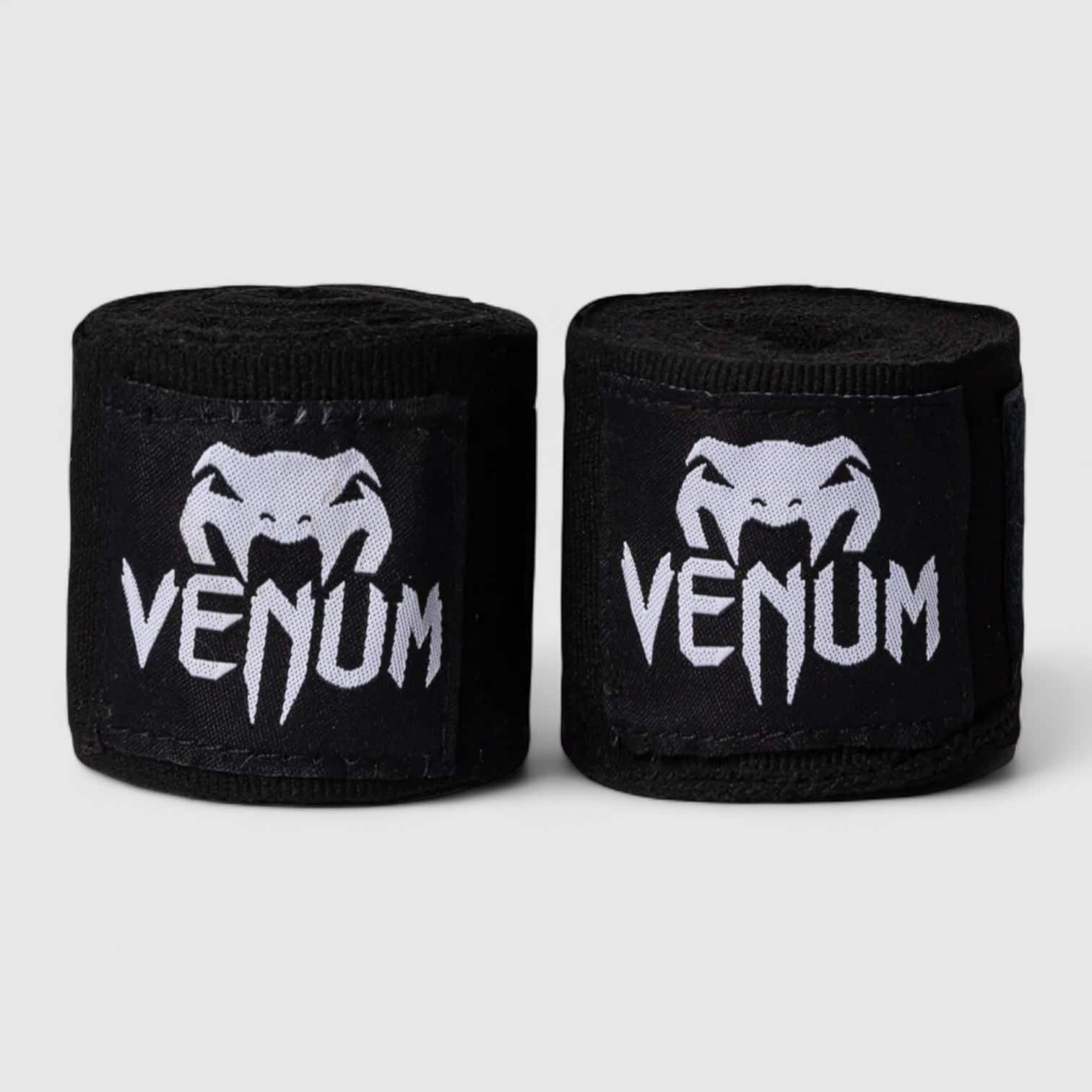
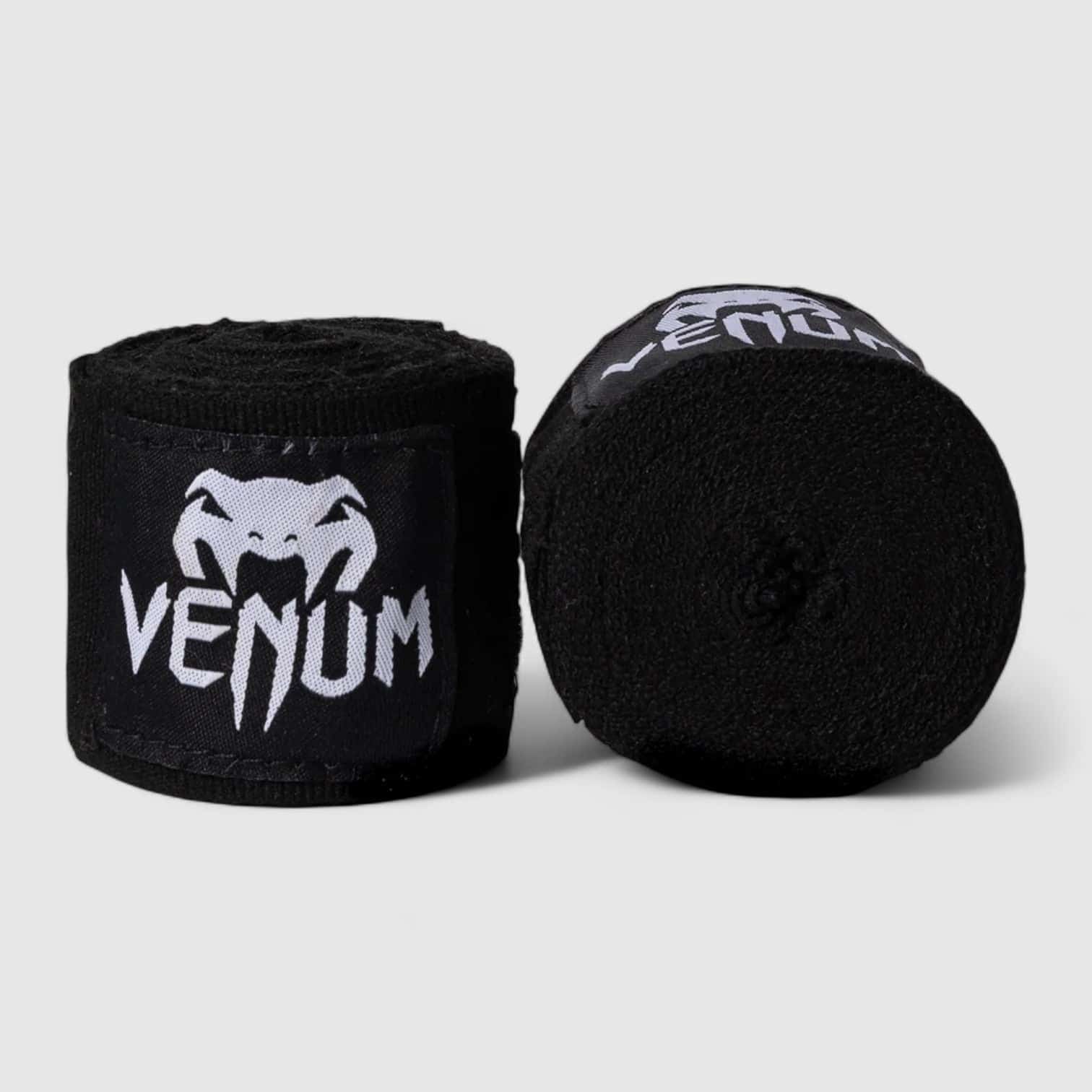


A durable standard wrap with Velcro and a thumb loop.
Full length
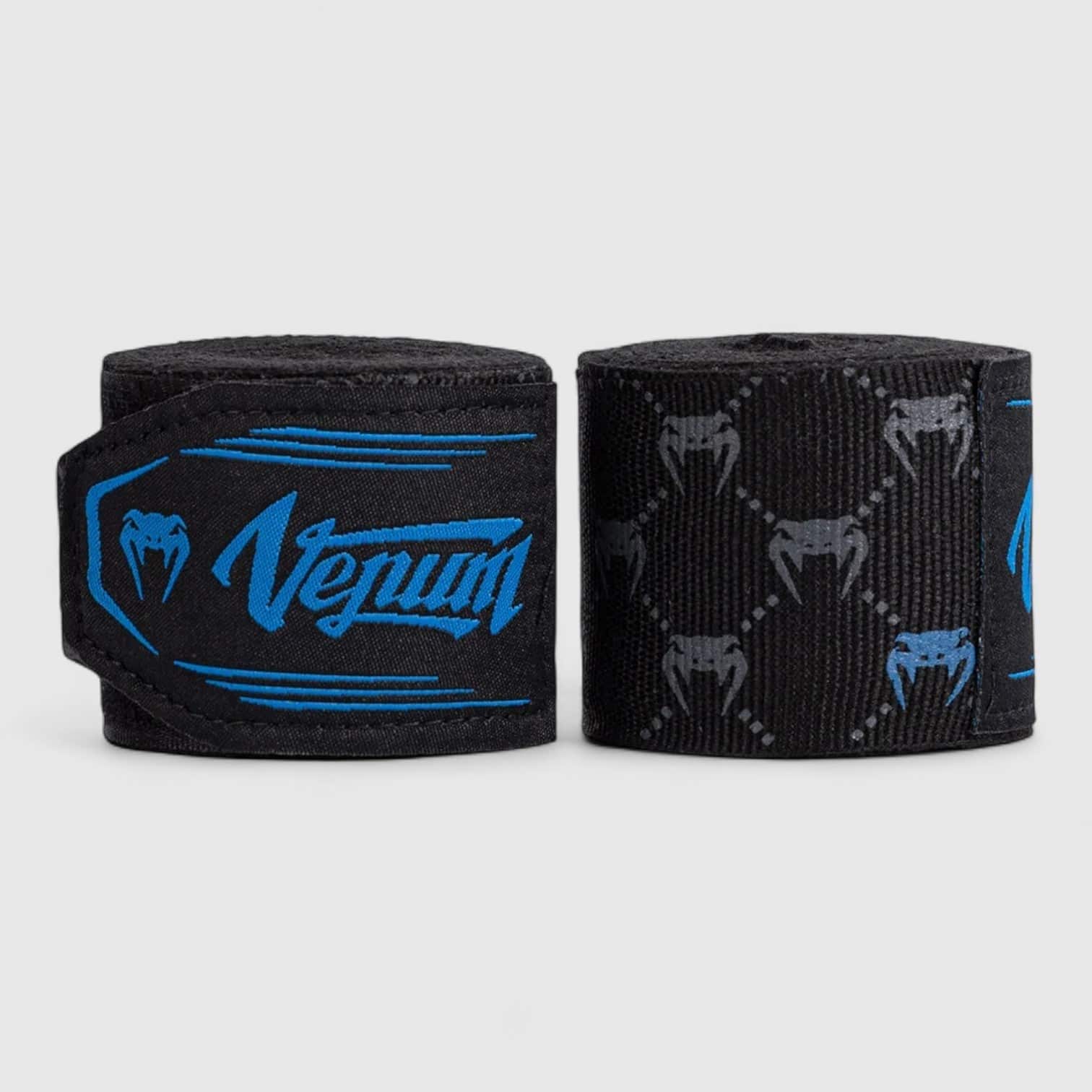
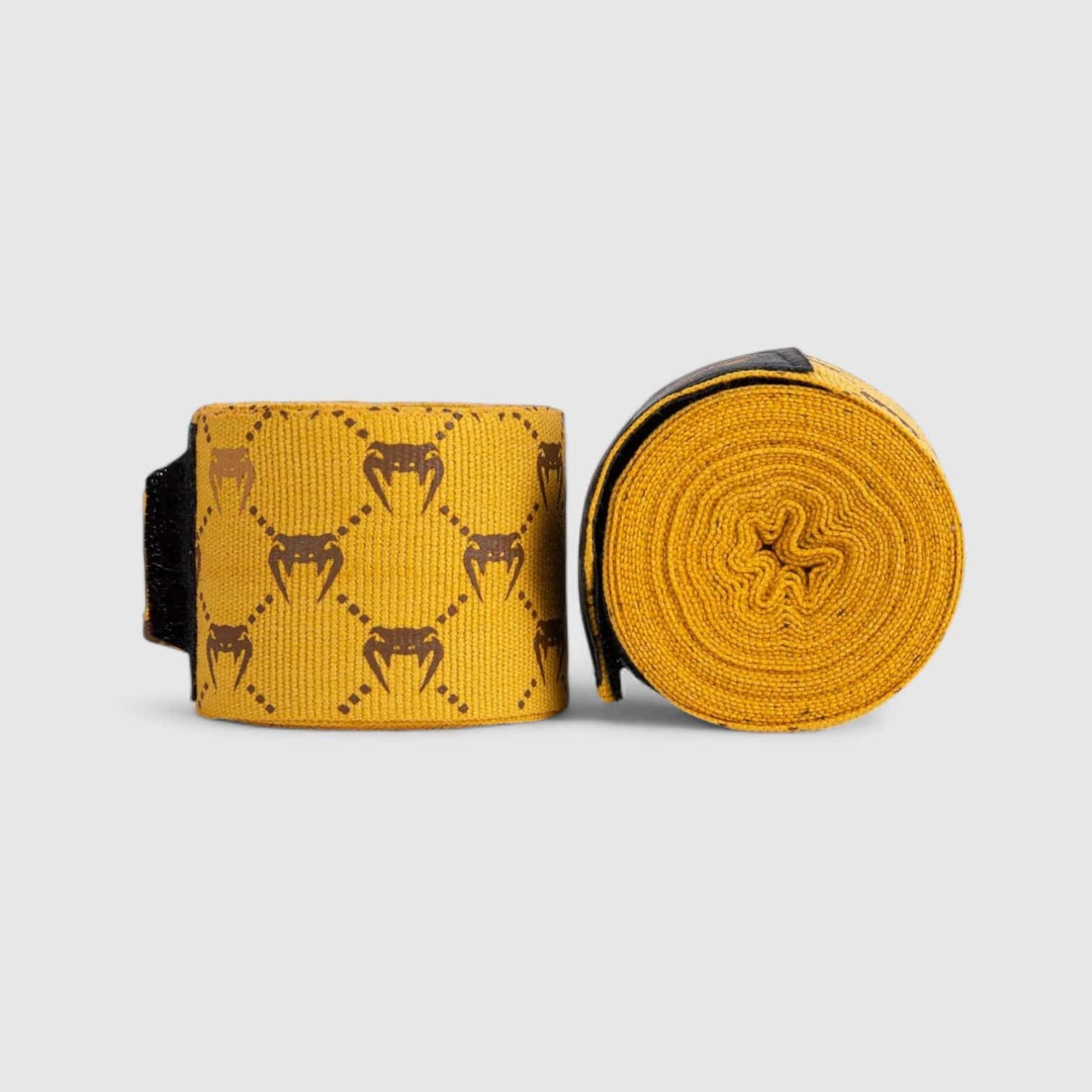


Four metres gives room for enough turns both around the wrist and over the knuckles.
Quick solution
Pulls on like a glove. Less wrist support than a traditional wrap, but far better than nothing.
For busy sessions
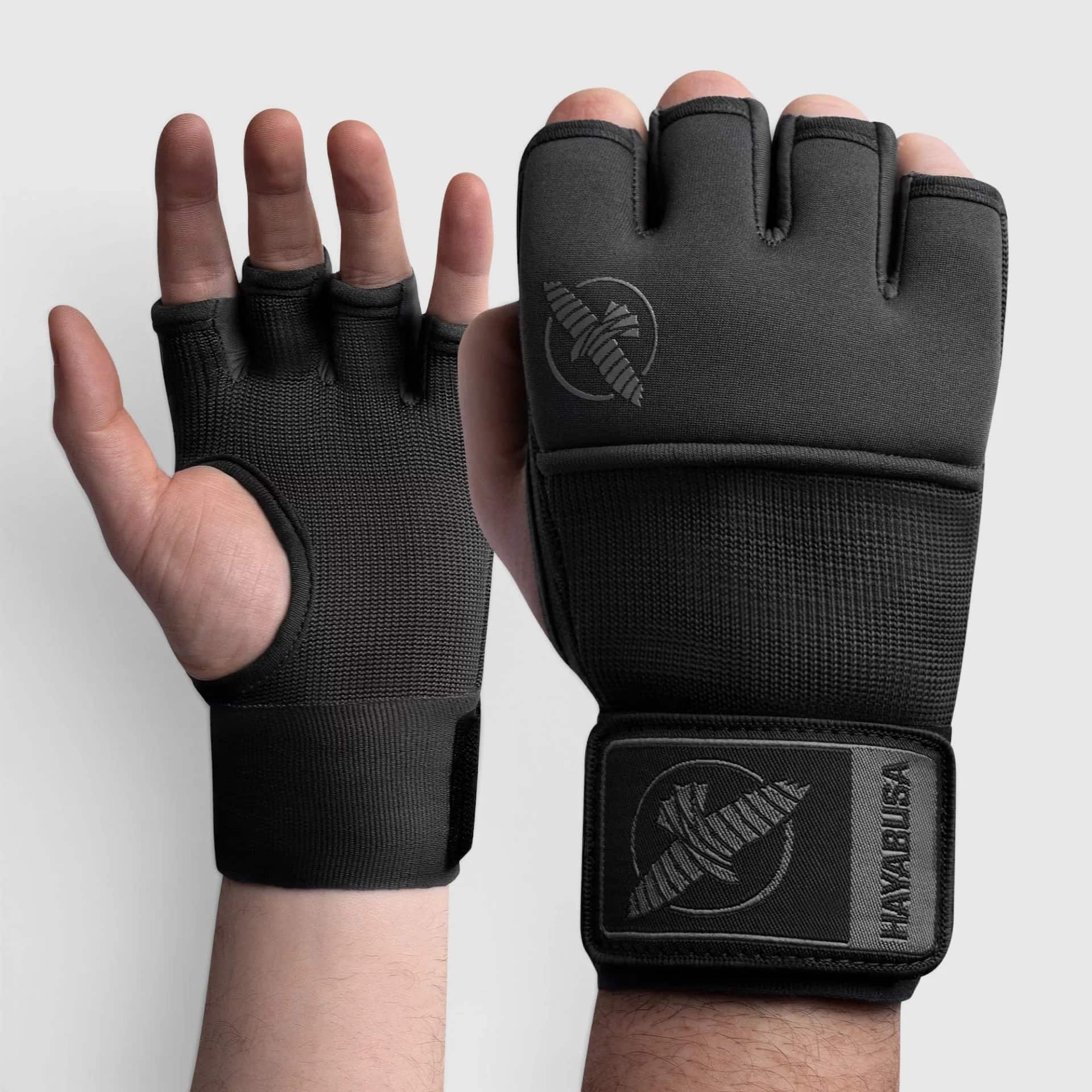
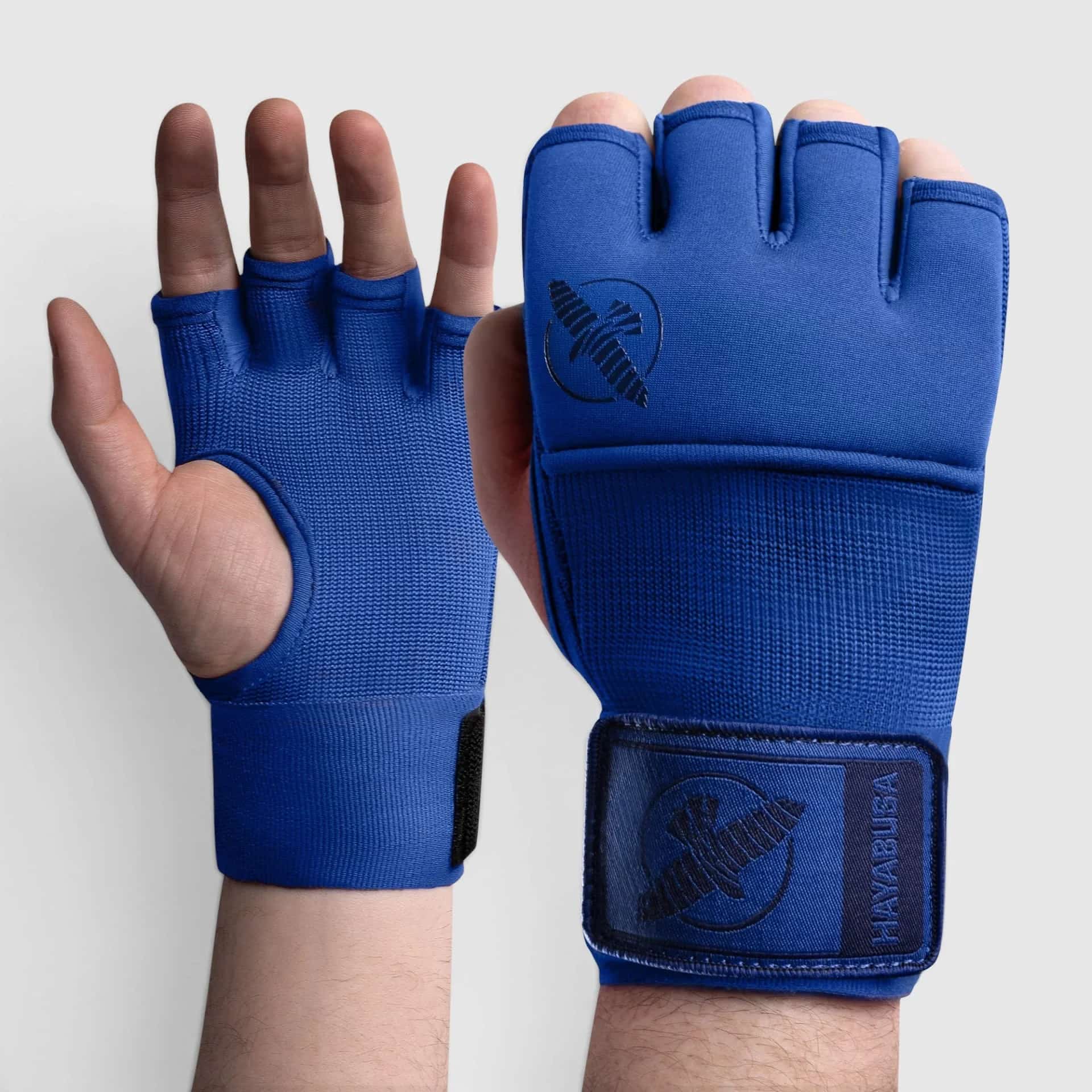


A pre-sewn shape with a wrist strap. Faster than a traditional wrap, with more support than a gel inner glove.
Frequently asked questions
Do I need to wear wraps when I am only hitting the bag?
Yes. The bag gives less than an opponent, so the load on the wrist is often greater there.
How tight should the wrap be?
Firm, but not so that your fingers tingle or go cold. Make a fist after wrapping and check that it still feels fine.
How long a wrap do I need?
4 metres suits most adults. 2.5 metres for small hands and children.
Can I use gel inner gloves instead?
They are quick and better than nothing, but give less wrist support than a traditional wrap. For hard bag work we recommend traditional wraps.
How do I wash the wraps?
In the machine at 40 degrees, ideally in a laundry bag so they don't tangle. Hang them to dry, not in the tumble dryer.
How often should I replace them?
When the elasticity has gone and they no longer stay in place during the session. With two pairs in rotation they last a long time.