
There are many ways to put on a hand wrap, and most of them work. What separates a good wrap from a bad one isn't the pattern, but whether the three jobs actually get done: the wrist is locked, the knuckles are held together, and the thumb is secured.
Below is a method that covers all three and is easy to remember. Use it until you have found your own variation.
Before you start
Roll the wrap up with the Velcro on the inside, so it is ready for next time. Keep your hand open with your fingers slightly spread while you wrap. That gives the skin and muscles the room they need when you later make a fist.
Keep even tension all the way. Uneven tension, where some turns are tight and others loose, gives both poorer support and discomfort.
Step by step
- Thumb loop on
Put the loop at the end of the wrap over your thumb, with the wrap on the back of the hand. From here you go down towards the wrist.
- Three turns around the wrist
Wrap three to four times around the wrist. This is the foundation of the whole wrap, so make it firm here, but without cutting off the circulation.
- Up to the knuckles
Take the wrap diagonally up across the back of the hand and make three turns around the hand just below the knuckles. Keep your fingers slightly spread while you do it.
- Between the fingers
Go down to the wrist, up between the little finger and ring finger, down again, up between the ring finger and middle finger, and so on. This separates the knuckles and stops them squeezing against each other.
- Around the thumb
Make one turn around the thumb from the inside and back to the wrist. Don't pull tight here; the thumb should be supported, not tied down.
- Cross over the back of the hand
Use what is left to make crossing turns over the back of the hand, between the wrist and knuckles. The cross is what ties the two anchor points together.
- Finish at the wrist
The last turns go around the wrist, and the Velcro is fastened on the outside of the wrist. Never in the palm, where it will rub.
How to check that it fits correctly
Make a fist. The wrap should tighten slightly, not loosen. Open your hand again: it should still be in place, without any tingling in your fingertips.
Press lightly on your nails. The colour should come back straight away. If your fingers go cold, white or numb during the session, it is too tight. Take it off and wrap again.
Common mistakes
- Too few turns around the wrist. That is where the support should come from. Use at least three.
- A clenched fist while wrapping. Then the wrap becomes too tight when you open your hand.
- Too tight around the thumb. The thumb should be supported, not tied down.
- Velcro in the palm. It rubs through a whole session.
- Skipping the turns between the fingers. Without them, the knuckles squeeze against each other on impact.
- Using the same damp wraps several days in a row. Buy two pairs and let one dry.
Length and variations
4 to 4.5 metres is standard for adults and gives room for all the steps above. 2.5 metres suits children and small hands, but then you need to prioritise: the wrist first, then the knuckles.
If you have a sore wrist, put more turns around the wrist and fewer between the fingers. If you have sore knuckles, do the opposite. The wrap should be adapted to your hand, not the other way round.
Washing and care
- Machine wash at 40 degrees, ideally in a laundry bag so they don't tangle around other clothes.
- Hang to dry. A tumble dryer ruins the elasticity.
- Roll them up with the Velcro on the inside when they are dry.
- Keep two pairs in rotation. Then one has time to dry while the other is in use.
- Replace them when the elasticity has gone and they no longer stay in place.
Our recommendations
Full length
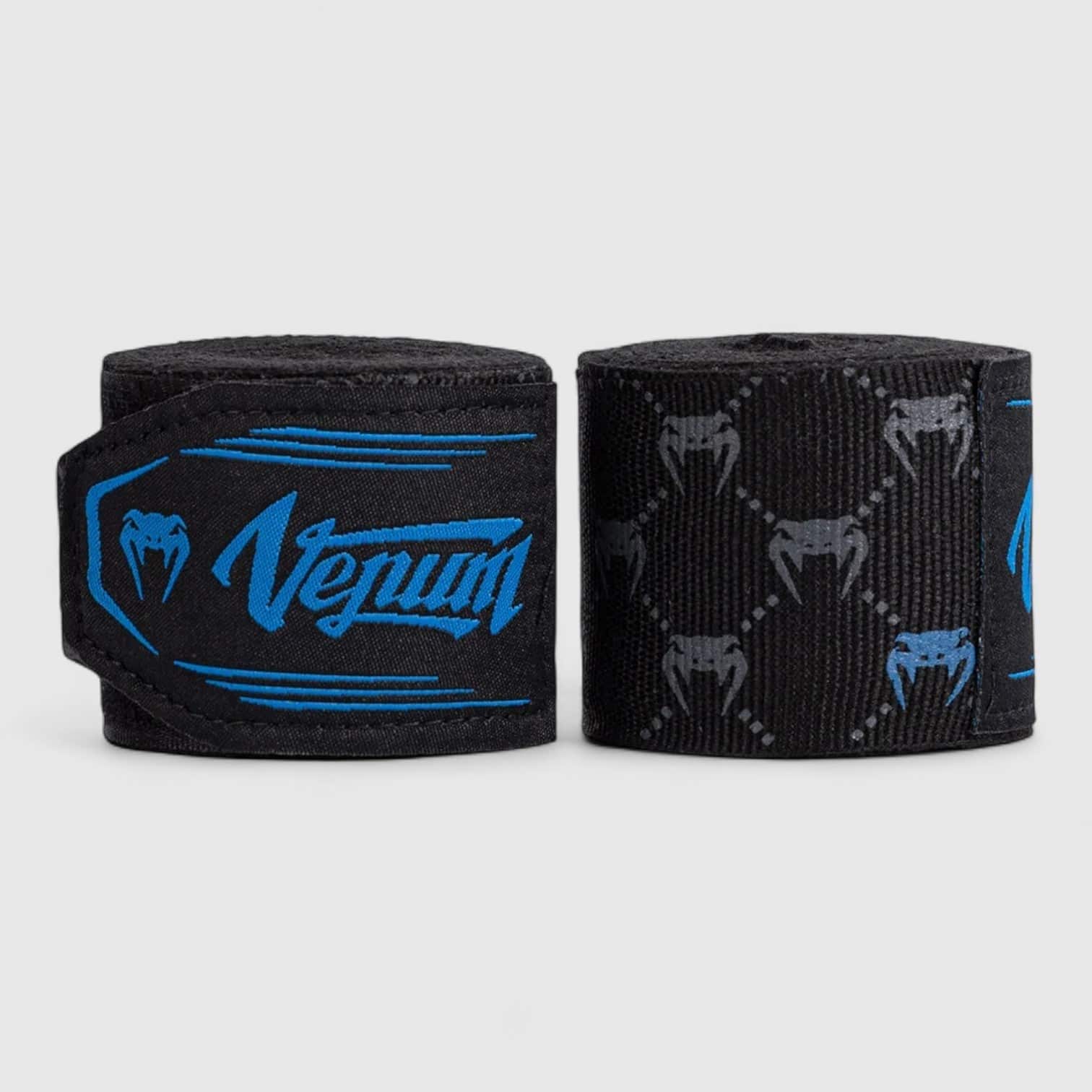
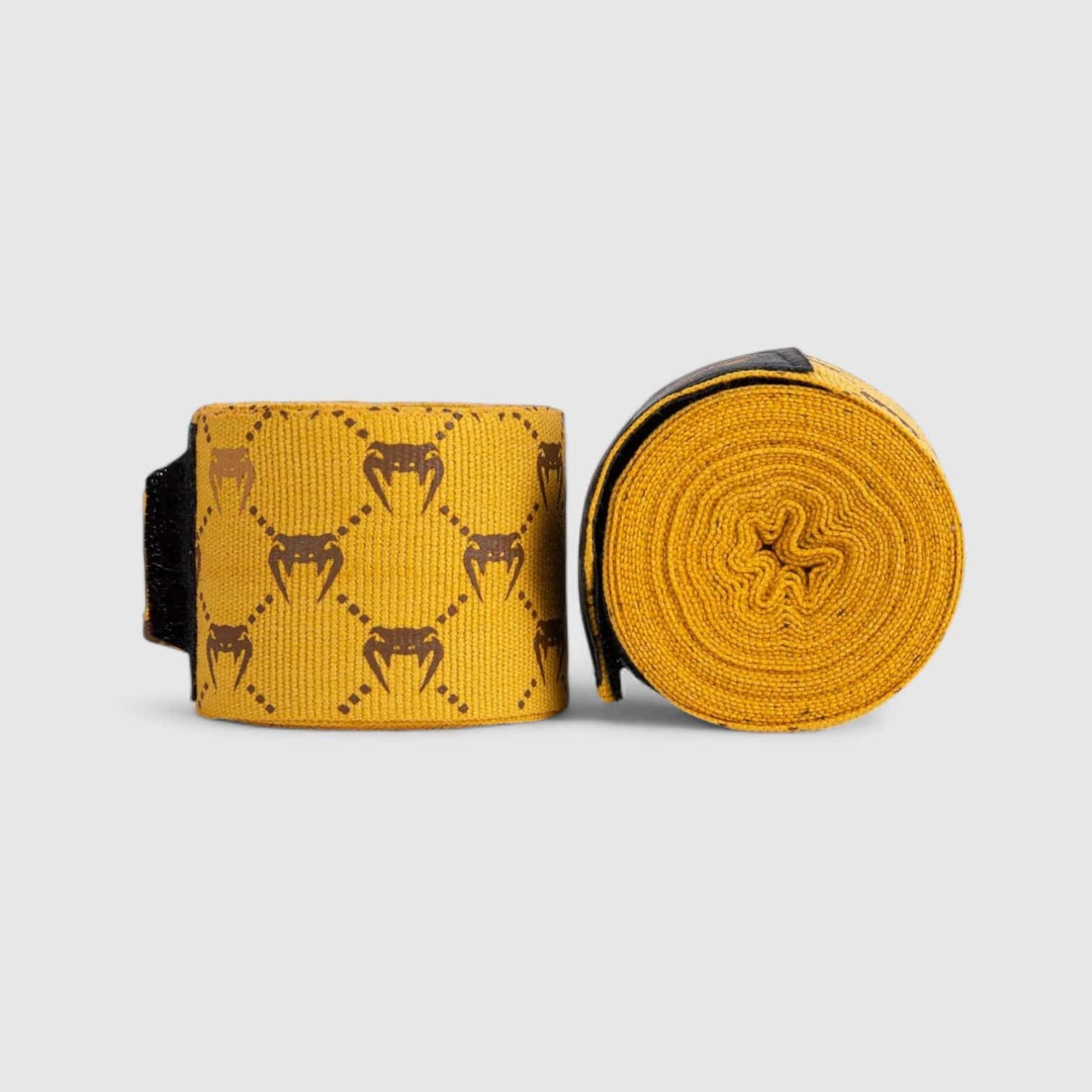


Four metres is enough for all the steps above with a good margin.
For small hands
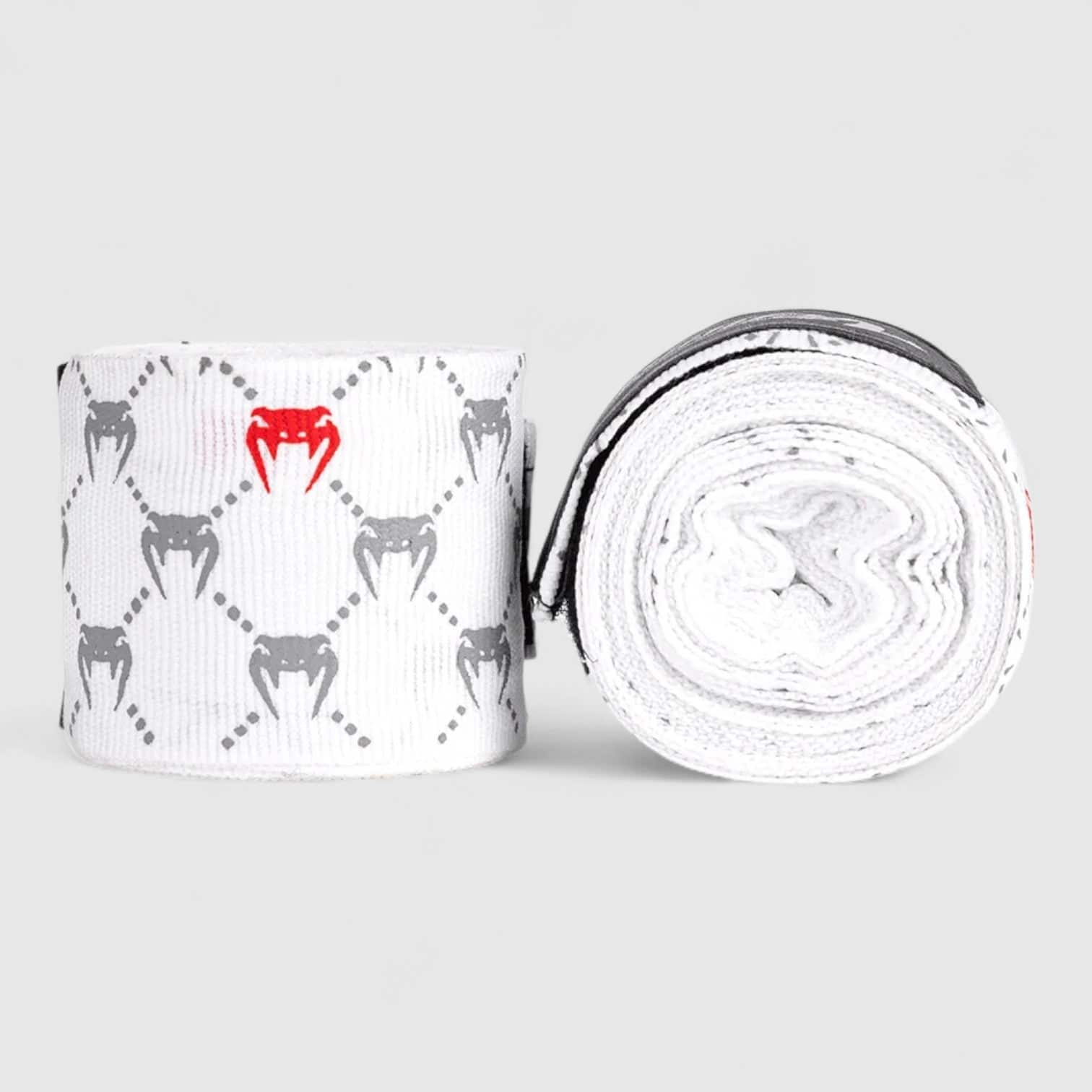
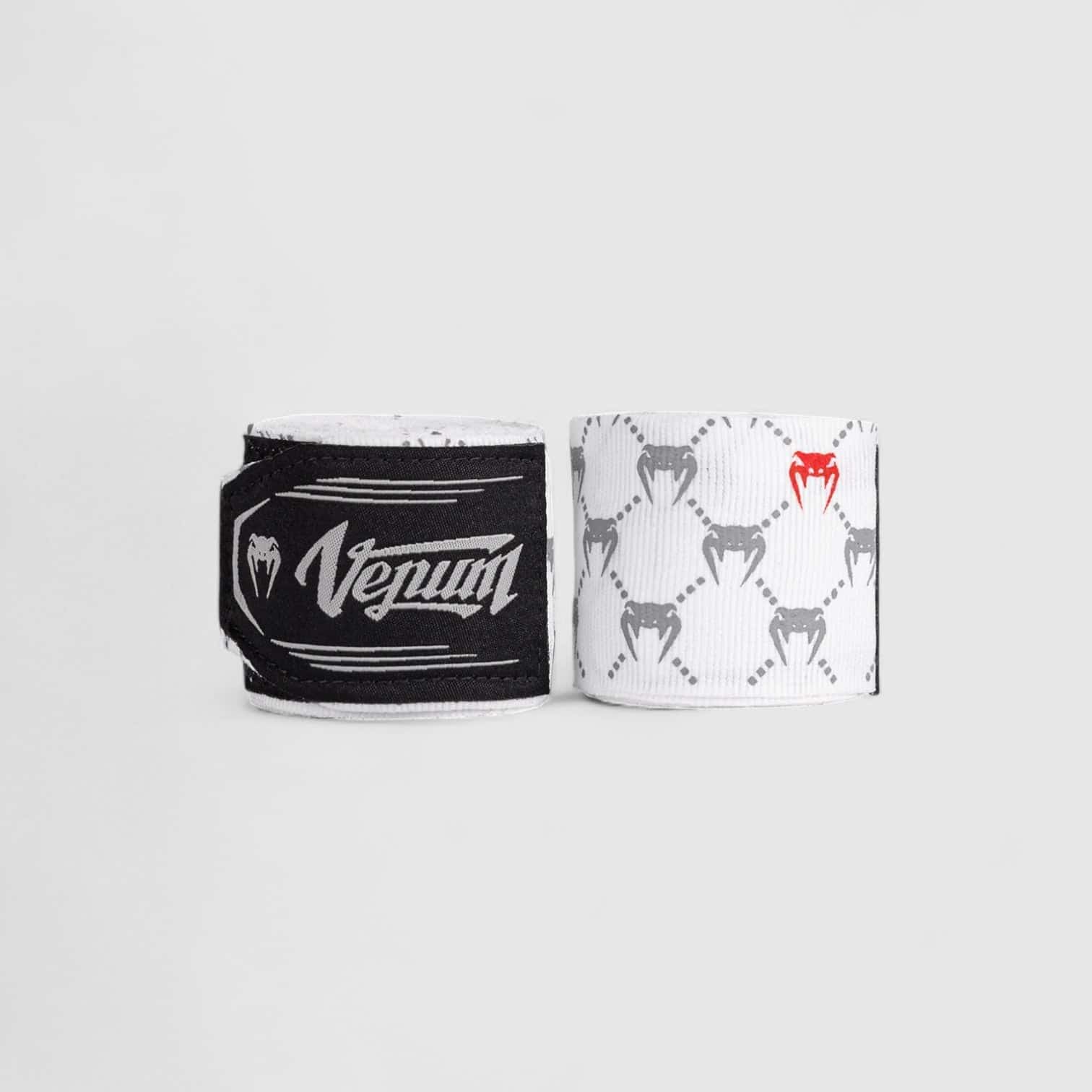


A shorter version for children and small hands. Prioritise the wrist and knuckles.
Most affordable
Elastic and easy to wrap firmly. Perfect to have two pairs of.
Holds its shape
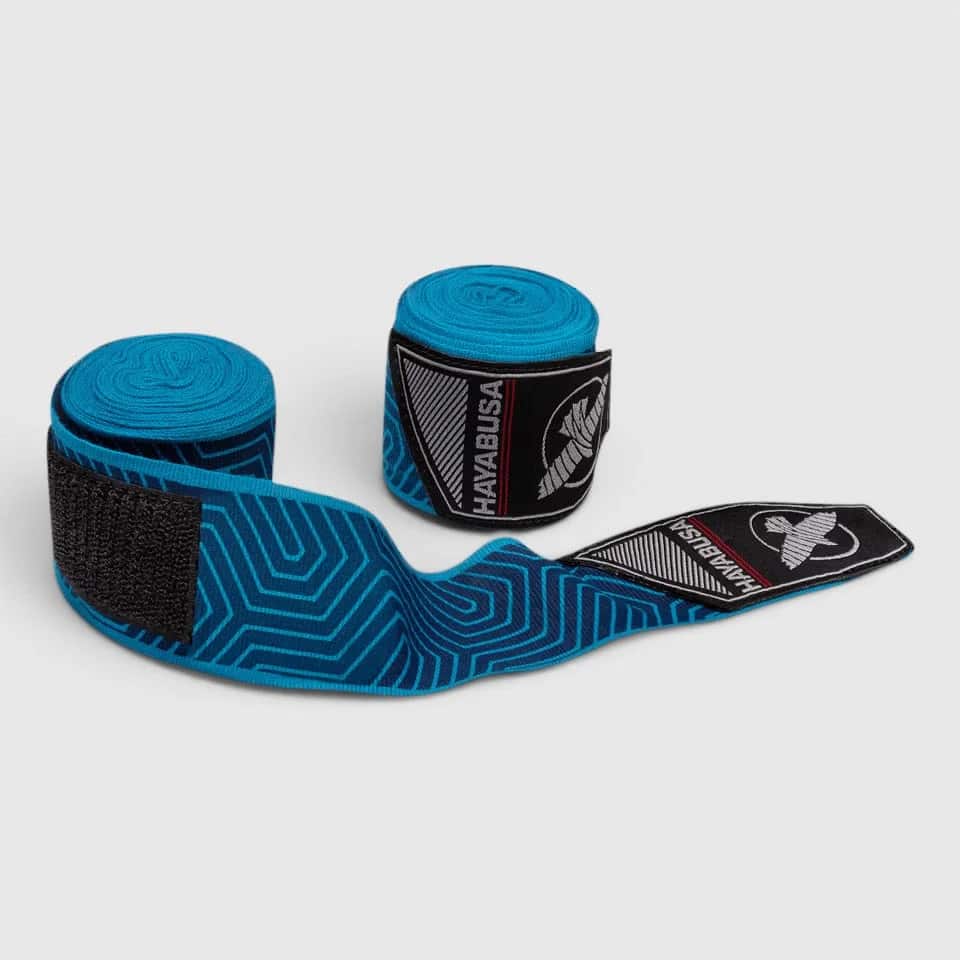
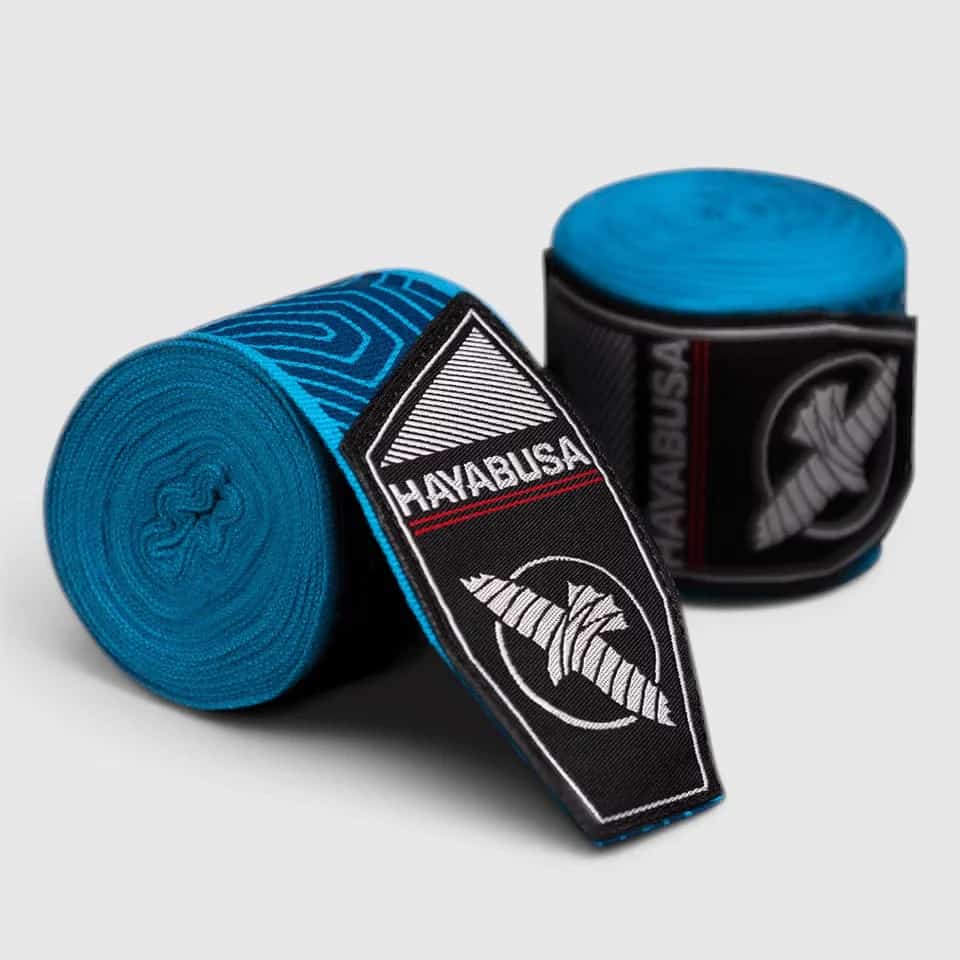


Keeps its tension throughout the session, even when you get sweaty.
No wrapping
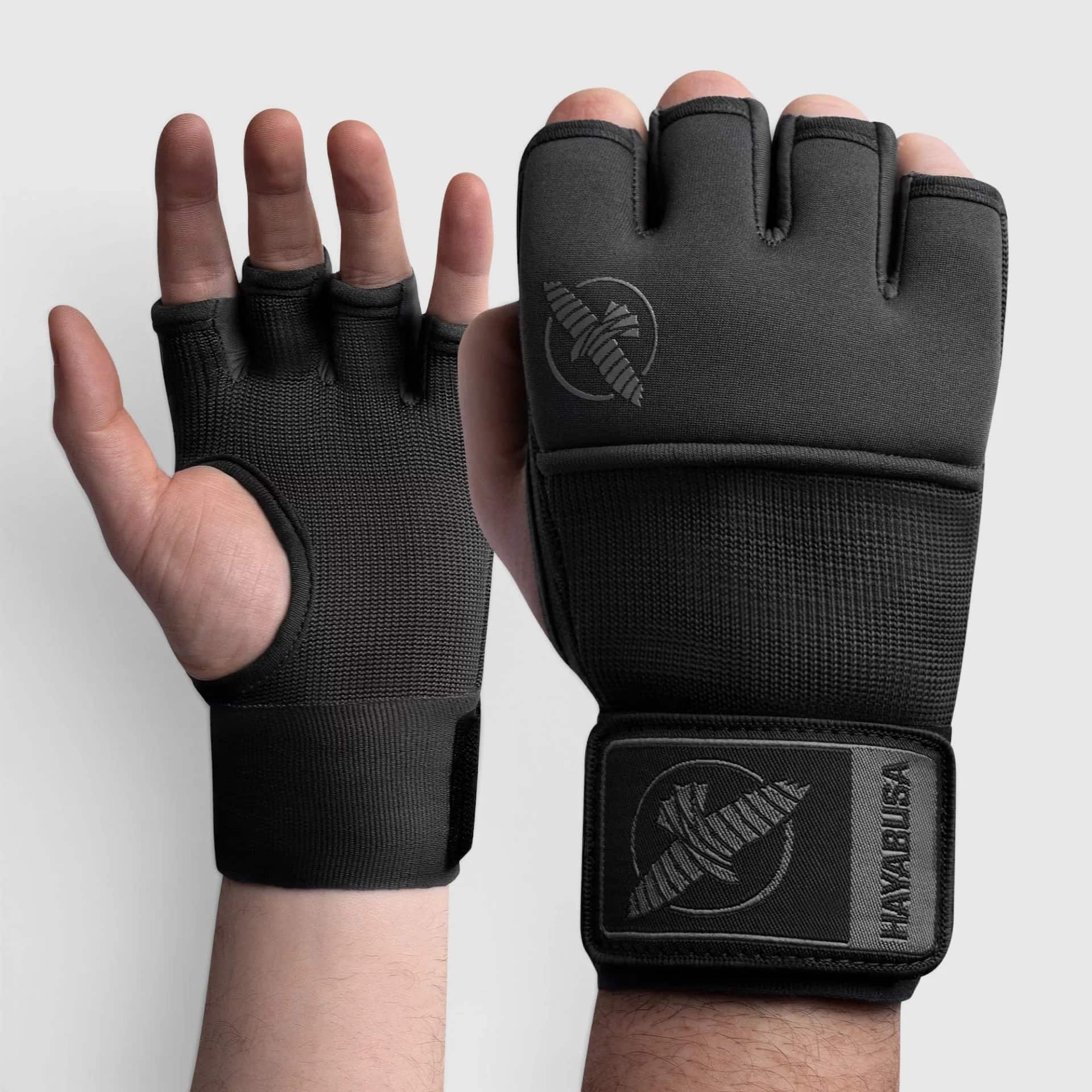
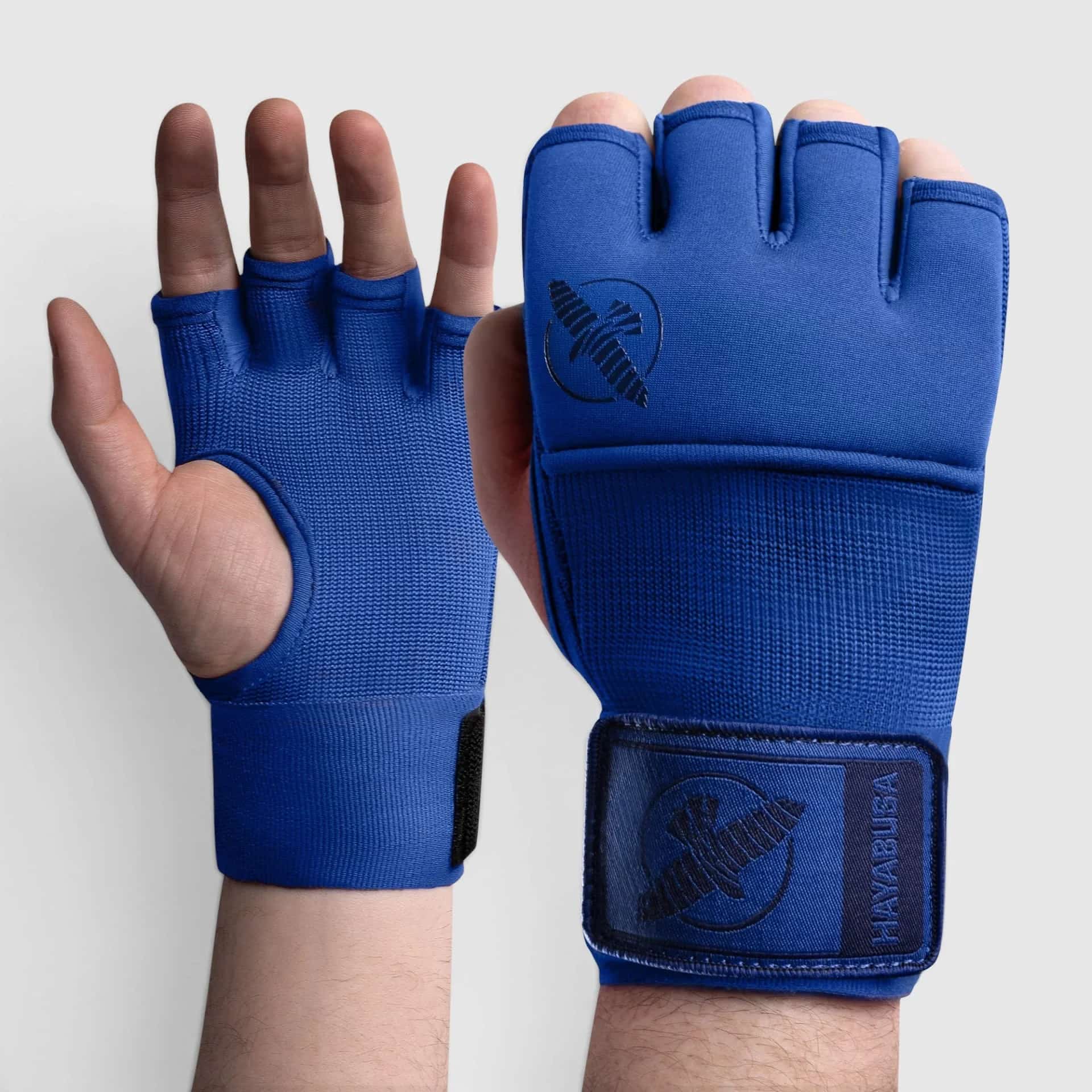


For those who never have time to wrap. A pre-made shape with a wrist strap.
Frequently asked questions
How tight should the wrap be?
Firm enough that it doesn't come loose, loose enough that your fingers don't tingle. Make a fist and check that it still feels fine.
Should I make a fist while wrapping?
No. Wrap with an open hand and slightly spread fingers, otherwise the wrap becomes too tight when you open your hand.
How long a wrap do I need?
4 to 4.5 metres for adults. 2.5 metres for children and small hands.
Why do you wrap between the fingers?
To separate the knuckles, so they don't squeeze against each other on impact.
How do I wash the wraps?
Machine wash at 40 degrees in a laundry bag, and hang them to dry. A tumble dryer ruins the elasticity.
Why does this matter at all?
Read more in the article on why hand wraps are so important.