
The belt system is the heart of ITF Taekwondo. It gives direction, motivation and a clear measure of progress – whether you are 6 years old and have just started, or an experienced athlete on the way to black belt. In this guide we explain what each belt means in ITF Taekwondo through NTN (National Taekwon-Do Norway), what is required to move up, and what gear you need along the way.
The belt system in ITF Taekwondo
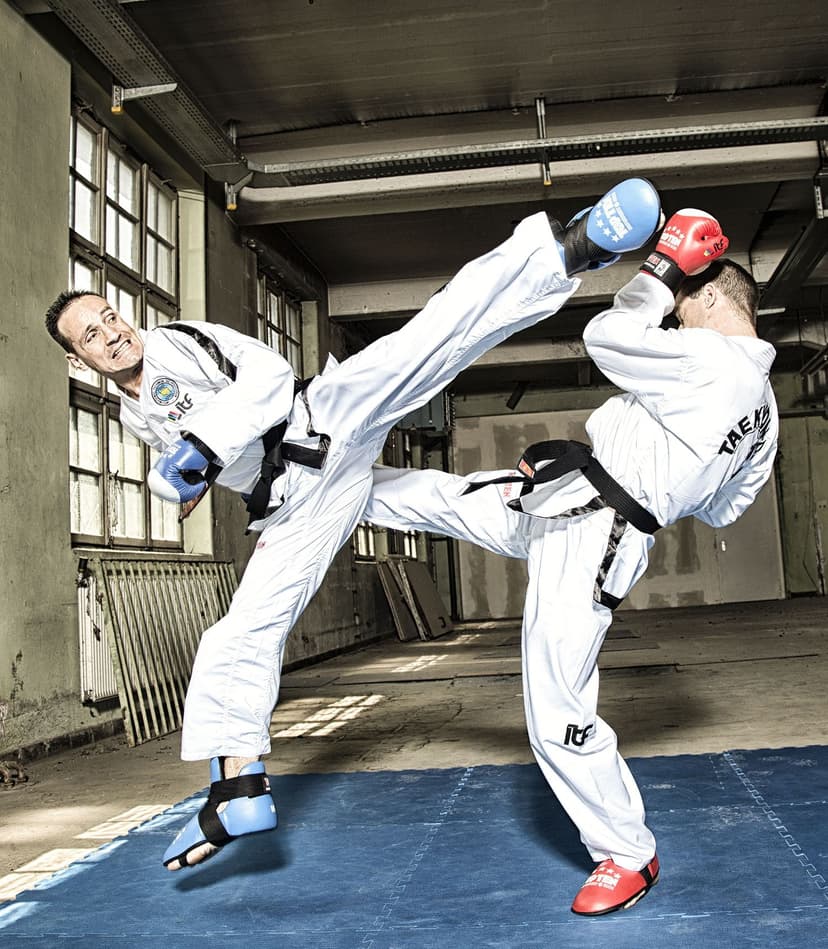
ITF Taekwondo uses a colour-based belt system that divides athletes into grades (gup) from beginner to black belt, followed by dan grades for the most experienced. NTN follows the international ITF system, but local clubs may have small variations in order and requirements.
The system is built so that each belt represents new knowledge, new techniques and new maturity – not just physical skill, but also mental development and an understanding of ITF's philosophy.
What do the colours mean?
Each belt colour has a symbolic meaning in ITF Taekwondo:
| Belt | Gup | Symbolism |
|---|---|---|
| White | 10th gup | Innocence – no knowledge of taekwondo yet |
| Yellow | 9th–8th gup | Earth – the foundation is laid, like a seed in the soil |
| Green | 7th–6th gup | Growth – skills begin to blossom |
| Blue | 5th–4th gup | Heaven – the tree grows towards the sky, the athlete matures |
| Red | 3rd–2nd gup | Danger – the athlete is dangerous and must control themselves |
| Black | 1st gup → 1st dan+ | Maturity and mastery – the opposite of white |
Between each belt there are often stripes that mark progress within the same colour. For example, a white belt with a yellow stripe can mean you are on your way to yellow belt. This varies somewhat between clubs.
How to move up in grading
A grading in NTN is a formal exam where you show what you can do in front of an examiner or instructor. Here is what is typically required:
1. Time at the level
There is a minimum number of months on each belt before you can move up. For the lowest grades this is often 2–3 months, while at higher levels it can be 6–12 months or more.
2. Patterns (tul)
Each belt has one or more associated tul (patterns) that must be performed correctly. ITF has 24 official tul, and you learn them gradually through the belt system. A tul is a sequence of attacking and defending techniques against imaginary opponents.
3. Fundamental techniques
You must show that you have mastered the fundamental techniques for your level: kicks, punches, blocks and stances. The requirements increase with each belt.
4. Sparring (from green belt upwards)
From green belt and higher, semi-contact sparring is usually part of the grading. You then need approved protective gear.
5. Self-defence and breaking (higher grades)
At higher levels, self-defence techniques and breaking (breaking boards with kicks or punches) may also be required.
Tip: Talk to your instructor well before the grading. They know exactly what is required and can give you targeted training.
Gear at each level
The gear requirements increase as you move up in grading and start sparring:
An ITF-approved dobok is mandatory from when you join an NTN club. TOP TEN Elite Kyong is the most popular beginner's uniform in Norway.
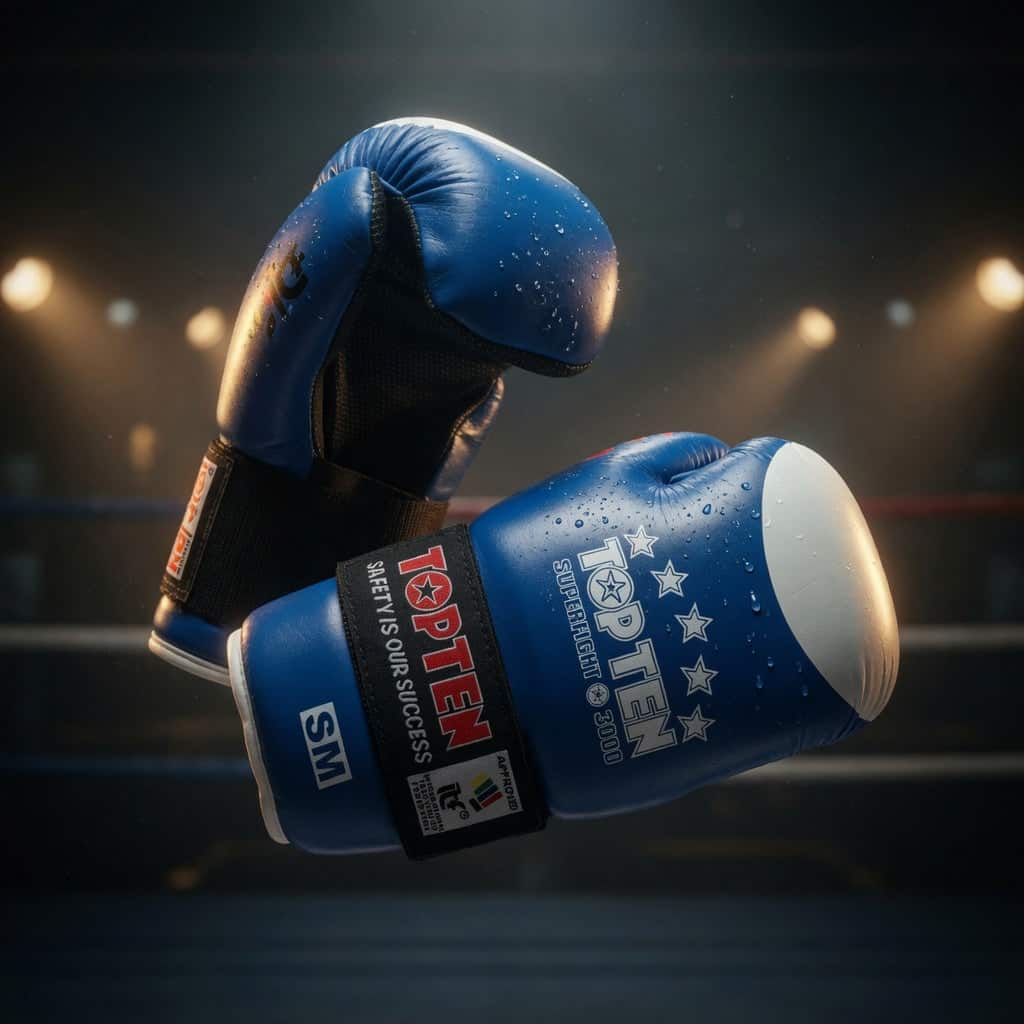



TOP TEN Superfight 3000 are the official ITF gloves for semi-contact. Mandatory from when you start partner training.




TOP TEN Superfight 3000 Safety Kicks match the gloves and are the standard for ITF semi-contact sparring.
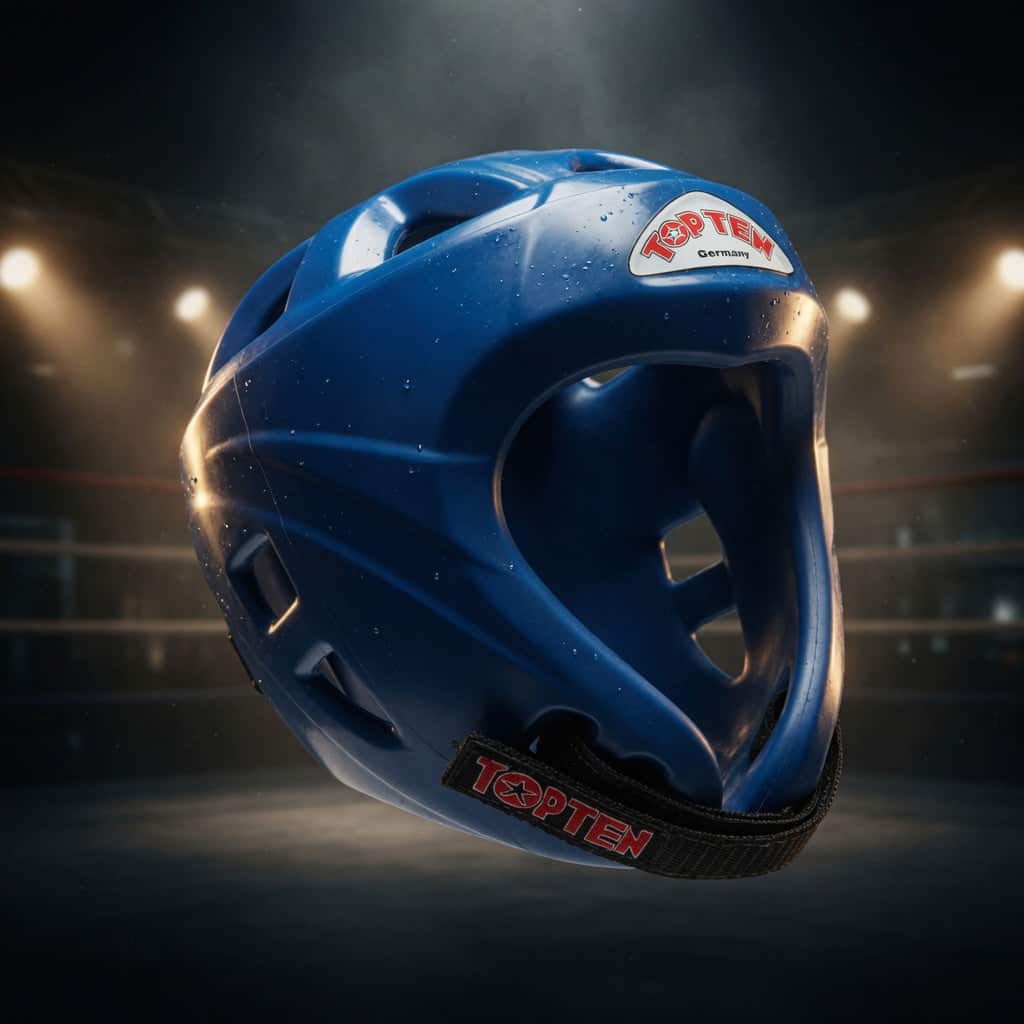
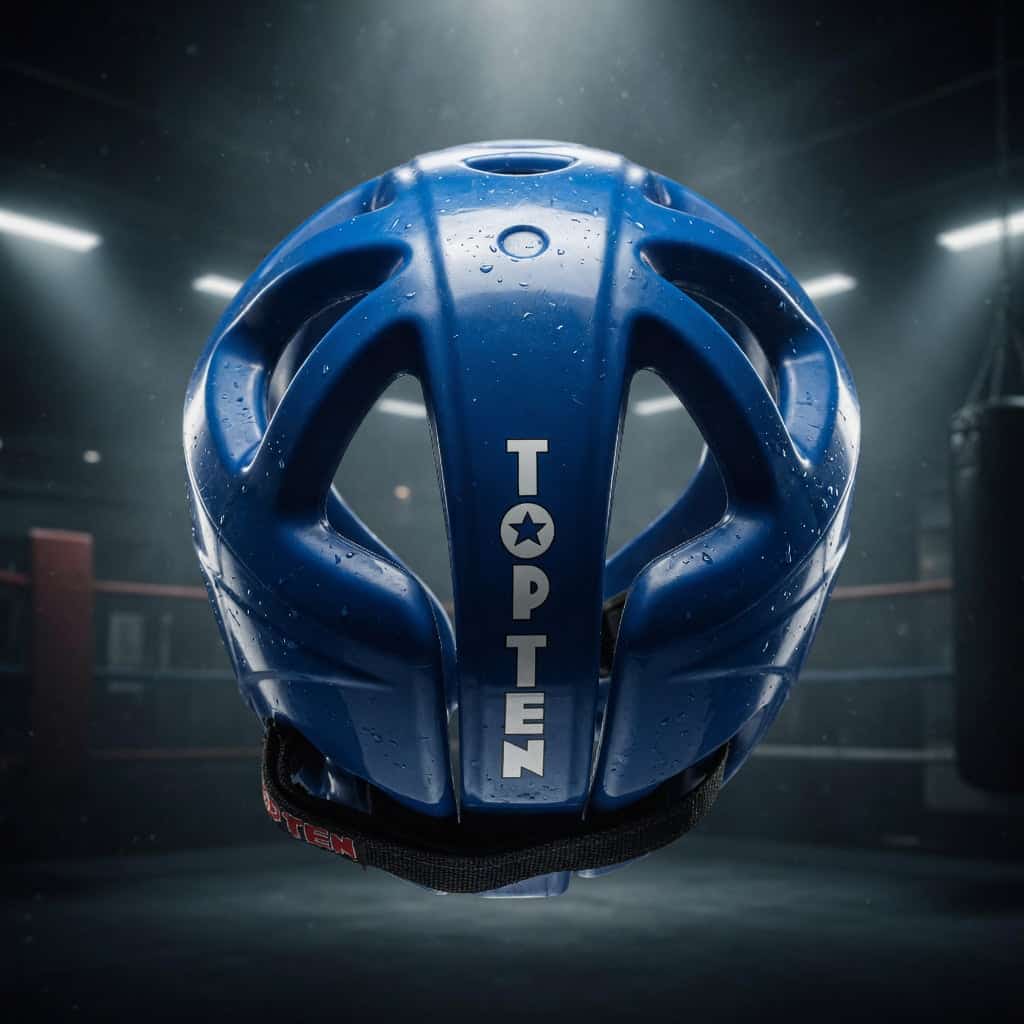


TOP TEN Avantgarde is one of the most popular headguards in NTN. ITF approved, with a good fit and solid protection.
See all taekwondo headguards | See the full taekwondo range
About belts: buy through your club – or NTN Shop
Combat Store does not sell taekwondo belts. We recommend that all athletes buy their belt through the club they train at. That way you support your local club directly – and the club can also make sure you get the right belt for the right grading.
You can also buy belts directly from NTN Shop, the official online store of National Taekwon-Do Norway. There you will also find TOP TEN sparring gear.
For uniforms, gloves, safety kicks, headguards and other protective gear, we recommend you shop at Combat Store. We are the official supplier of TOP TEN gear in Norway – and also supply NTN Shop. With us you get the widest range, the fastest delivery and the best price direct from the source.
See all ITF-approved taekwondo gear at Combat Store
Frequently asked questions
How many belts are there in ITF Taekwondo?
ITF typically uses 10 gup grades (white to red) before black belt, plus stripes between each belt. After black belt you continue with dan grades (1st dan and upwards). In total it is many years of work from beginner to the highest dan.
How long does it take to get a black belt in ITF?
With regular training (2–3 times a week) it typically takes 3–5 years to reach 1st dan black belt in ITF Taekwondo. It depends on training frequency, talent and the club's grading system.
What is a tul (pattern) in ITF?
A tul is a set sequence of attacking and defending techniques performed against imaginary opponents. ITF has 24 official tul, and you learn them gradually through the belt system. Tul is a central part of every grading.
Can I use a TOP TEN uniform in NTN Taekwondo?
Yes. The NTN requirement is that the uniform is ITF approved – not that it carries the NTN mark. All the TOP TEN uniforms we sell are ITF approved and fully accepted in NTN training, gradings and competitions. NTN may encourage buying the NTN uniform to support the organisation, but cannot require it or refuse anyone the use of another ITF-approved uniform.
Can I buy my belt from Combat Store?
No – Combat Store does not sell taekwondo belts. Buy your belt through your local NTN club to support them directly, or via NTN Shop. You will find uniforms and other gear with us.
What gear do I need for the grading?
For the lowest grades, an ITF-approved dobok is enough. When sparring is part of the grading (typically from green belt), you also need ITF-approved gloves, safety kicks, a headguard and a clear mouthguard.
What is the difference between gup and dan?
Gup grades (10–1) are the levels before black belt, where 10th gup is the lowest (white) and 1st gup is the highest before black. Dan grades start at black belt (1st dan) and go upwards. The highest dan in ITF is 9th dan.