
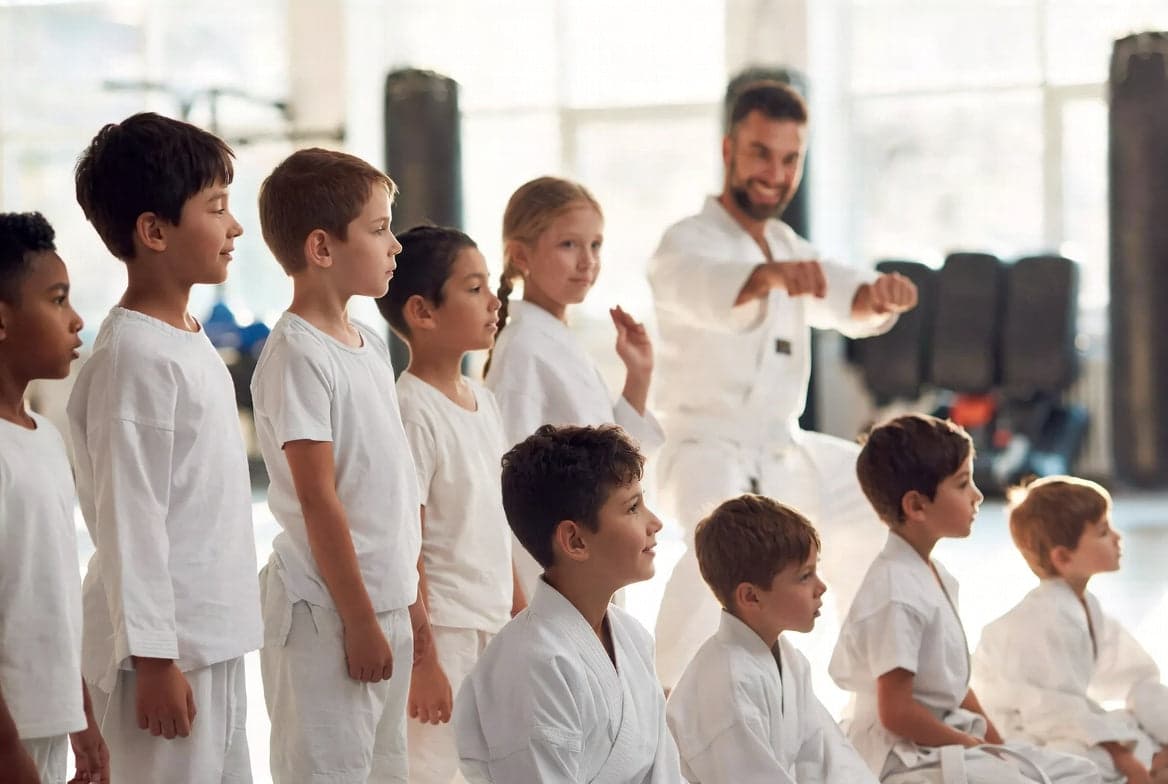
There is no single right answer to when children can start martial arts. Ask ten different clubs and you may well get ten slightly different answers – and that is actually perfectly fine. Because the answer does not depend on age alone, but on the child's maturity, the type of training and how the club is organised. Here we explain what actually decides when the start goes well.
Short answer: there is no single national starting age for all disciplines
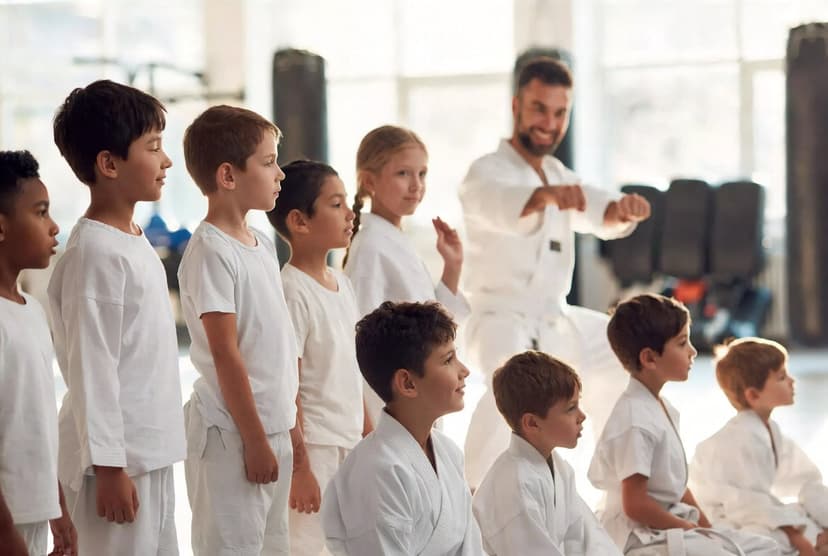
In Norway there is no national age limit that applies to all martial arts. The Norwegian Martial Arts Federation (NKF) has guidelines for children's sport, but the actual starting age varies from discipline to discipline and from club to club. Some karate clubs accept children from age 5, some BJJ clubs from age 4, while others wait until the children are 6–7. The most important thing is not to find the "right" age – it is to find the right time for your child.
What determines when a child is ready
Concentration and confidence
Martial arts training requires the child to be able to focus for short periods, follow an instructor and be present in a group. This is not about age alone – some 4-year-olds are ready, while some 6-year-olds need a little more time. A good sign is that the child can sit still for a few minutes, listen to an adult and take part in structured games without being overwhelmed.
Ability to follow simple instructions
The instructor must be able to communicate with the child in a safe way. Children who can follow simple instructions such as "stop", "come here" and "do it like this" are ready for group training. The child does not need to be particularly coordinated or athletic – they learn that along the way.
Enjoying being in a group
Martial arts is a social activity. Children who enjoy the company of other children, who are not afraid to try new things and who can handle a bit of frustration when something is difficult are well prepared to start. Children who are very shy or need a lot of individual attention may benefit from waiting until they are a little older – or finding a club with extra-small groups.
What clubs often do in practice
Before school age (3–5 years)

Some clubs offer "mini groups" or parent-and-child classes for the very youngest. Here the focus is play, motor skills and confidence – not technique. Moss Taekwondo is an example of a club that offers an adapted start for different age groups. These classes are great for children who are curious about martial arts, but perhaps not quite ready for structured group training yet.
Early primary school (6–10 years)
This is the most common starting age for most martial arts disciplines in Norway. Children of this age can follow instructions, enjoy being in a group and have enough concentration to learn basic techniques. Most clubs have their own children's classes for this age group, with adapted sessions of 45–60 minutes. Jessheim Taekwon-Do is a good example of a club with a clear structure for different age groups.
Teens and adults (11+ years)
From around 11–12 years, many children can start in youth classes or even adult classes, depending on maturity and discipline. At this age it is possible to train more technically and introduce controlled sparring. Many teenagers start martial arts at this stage – and it is absolutely not too late.
What clubs usually expect in the first month
Attendance and routines
Most clubs expect regular attendance – typically 1–2 times a week. The first month is about getting to know the environment, learning the bowing etiquette and basic movements. There is no expectation that the child should master anything quickly – progression takes time, and that is the point.
Ordinary training clothes before specialist gear
The vast majority of clubs let children start in ordinary training clothes for the first few weeks. Only once the child has decided to continue does it make sense to buy a uniform and possibly simple protective gear. Do not buy gear before you know which style and club the child chooses – then you will know exactly what is needed.
When you are ready to shop: See gear for children at Combat Store
Examples from karate and taekwondo
Karate
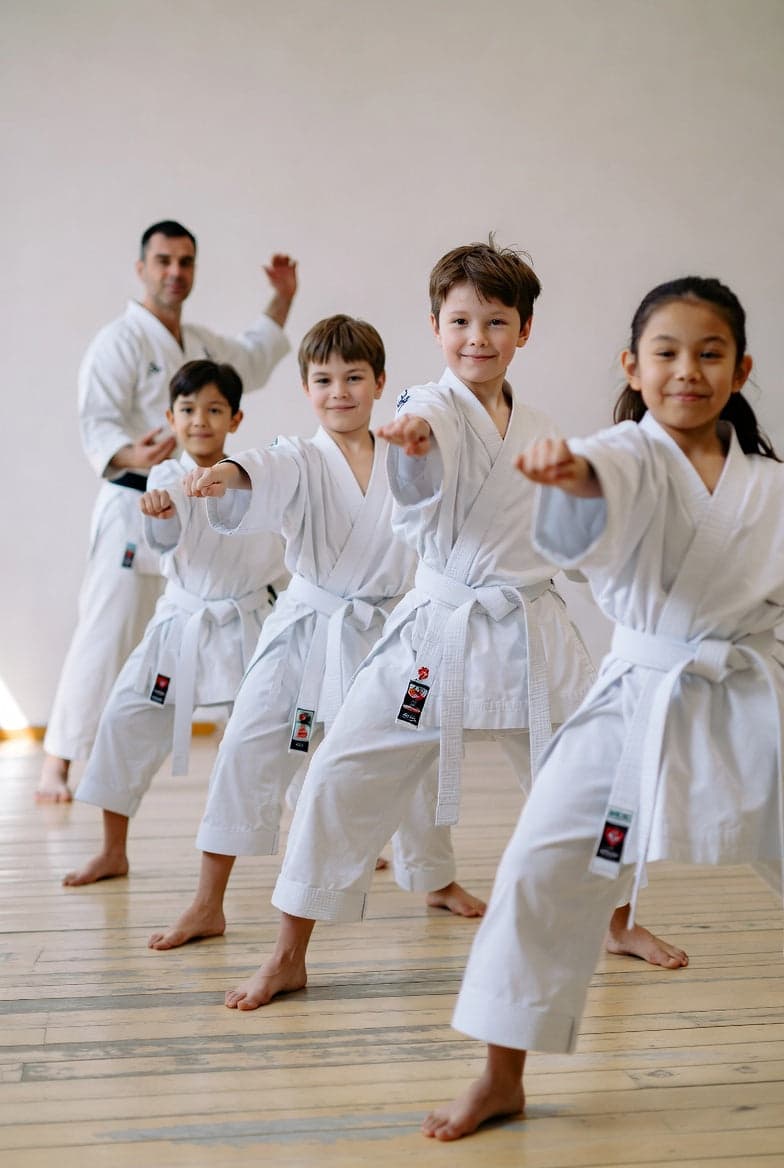
Karate is one of the most widespread martial arts for children in Norway, and many clubs accept children from 5–6 years. The children's classes are structured with a clear start and finish, and focus on basic techniques, kata and respect. Sakura Karate is a good example of a club with thorough beginner information for parents. Contact is introduced gradually and is not relevant for the youngest.
Read more: Karate in Norway – what gear do you need to get started?
Taekwondo
ITF taekwondo is very popular for children in Norway and has well-organised children's classes from around 5–6 years. The belt system gives clear progression and motivation, and the sessions are structured with fixed rituals that help children understand what is expected. Sparring is introduced gradually and always with protective gear.
Read more: ITF taekwondo – history, NTN in Norway and approved gear from TOP TEN
When it can be smart to wait a little
Some children are simply not ready yet – and that is completely normal. Here are some signs that it may pay to wait a few months:
- The child is very shy or anxious about new situations and unfamiliar adults
- The child finds it hard to be in a group without being overwhelmed
- The child shows little interest in martial arts – it is the parents who are enthusiastic, not the child
- The child is in the middle of a demanding period (changing schools, family changes, etc.)
None of these points mean that the child should never start – only that the timing may not be ideal right now. A good club will also give you honest feedback if they think the child should wait.
Common questions from parents
Can children start in the middle of the term?
Yes, most clubs take in new children on a rolling basis throughout the year. Ask the club whether they have trial classes or beginner periods – many offer these regularly.
What if the child wants to quit after a few weeks?
It is common for children to want to quit when something is new and a bit challenging. Give it 4–6 weeks before you make a decision – but also listen to the child. If it is clear that the style or the club is not a good fit, it is better to try something else than to force it.
Is it too late to start at 10?
Absolutely not. Many of the best athletes started late. 10 is an excellent age to start – the child is mature enough to learn technique quickly and has good body awareness.
Can siblings of different ages train together?
It depends on the club. Some have age-based classes, others have mixed groups. Ask the club whether they have solutions for siblings – many are flexible about this.

Is your child ready? Start with a trial class and keep the first gear purchase simple.