
Most injuries in martial arts are not dramatic. It is not the knockout or the broken bone that stops people, it is the sore thumb that will not settle, the inflamed Achilles, or a sprained finger that keeps you out for six weeks. Injury prevention in martial arts is therefore less about the spectacular and more about the boring stuff: the right gear, the right load and good enough judgement to skip a session.
The most common injuries, and where they actually happen
| Body part | Typical injury | Most often happens | Gear that helps |
|---|---|---|---|
| Wrist | Strains and sprains | On bags and pads, not in sparring | Hand wraps |
| Knuckles | Bruising and swelling | Hard punches with an uneven striking surface | Hand wraps and the right glove |
| Teeth and jaw | Cuts, chipped teeth, jaw joint problems | Sparring with contact | A fitted mouthguard |
| Shins | Shin splints | Shin-on-shin blocking over time | Shin and instep guards |
| Groin | Direct hit | Sparring with kicks and knees | Groin guard |
| Fingers and thumb | Hyperextension | Grappling and clinch | None – technique and tape |
Hands and wrists account for a large share of all injuries in striking-based martial arts, and the vast majority do not happen in sparring. They happen on bags and pads, where people punch hard without thinking about hand position, and often towards the end of the session when technique has become sloppy.
The common denominator is fatigue. Injuries rarely happen in the first round. They happen in the last one, when you are tired, and when you are doing a technique you do not really have control of.
Hands and wrists
The wrist is the most common single injury in boxing, kickboxing and Muay Thai. The cause is almost always the same: the fist does not land in line with the forearm, and the force goes sideways into the joint.
A hand wrap does two things. It holds the small bones of the hand together so they do not spread on impact, and it locks the wrist in a stable position. The latter is the most important. Without wraps it is the wrist, not the knuckles, that goes first for most people.
The thumb, the forgotten injury
The thumb is most often injured in grappling and in the clinch, not when punching. It gets caught in a gi, a pair of shorts or an arm, and is bent backwards. There is no gear that prevents this. What helps is training yourself to keep your thumb tucked against your hand when you grip, and taping a thumb that has already been injured.
Teeth and jaw
A mouthguard protects more than your teeth. It absorbs impacts through the jaw and reduces the load on the jaw joint. It is also the cheapest insurance product you own, compared with what a dentist's bill costs.
The most common mistake is not buying too cheap, but not moulding it properly. A mouthguard that has not been boiled and bitten properly sits loosely, makes it hard to breathe, and ends up in the bag after two sessions. A mouthguard you do not wear protects nothing. Spend five minutes on the fitting – we have a separate guide to moulding your mouthguard, and an overview of how to choose the right model.
Hands – from the first session
Elastic wraps are the easiest for new athletes to get right, because they adapt to the hand. If you train a lot, a longer wrap is often better.
Teeth – from first contact
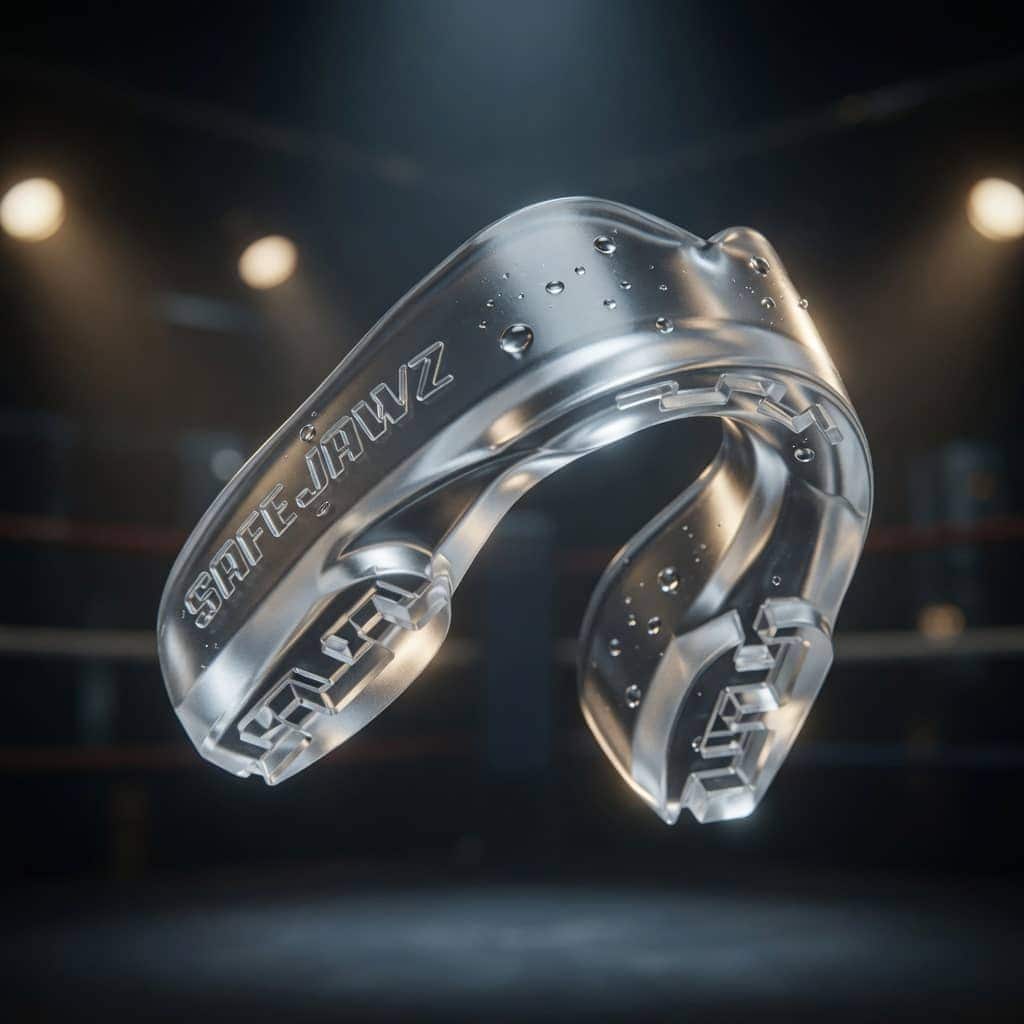
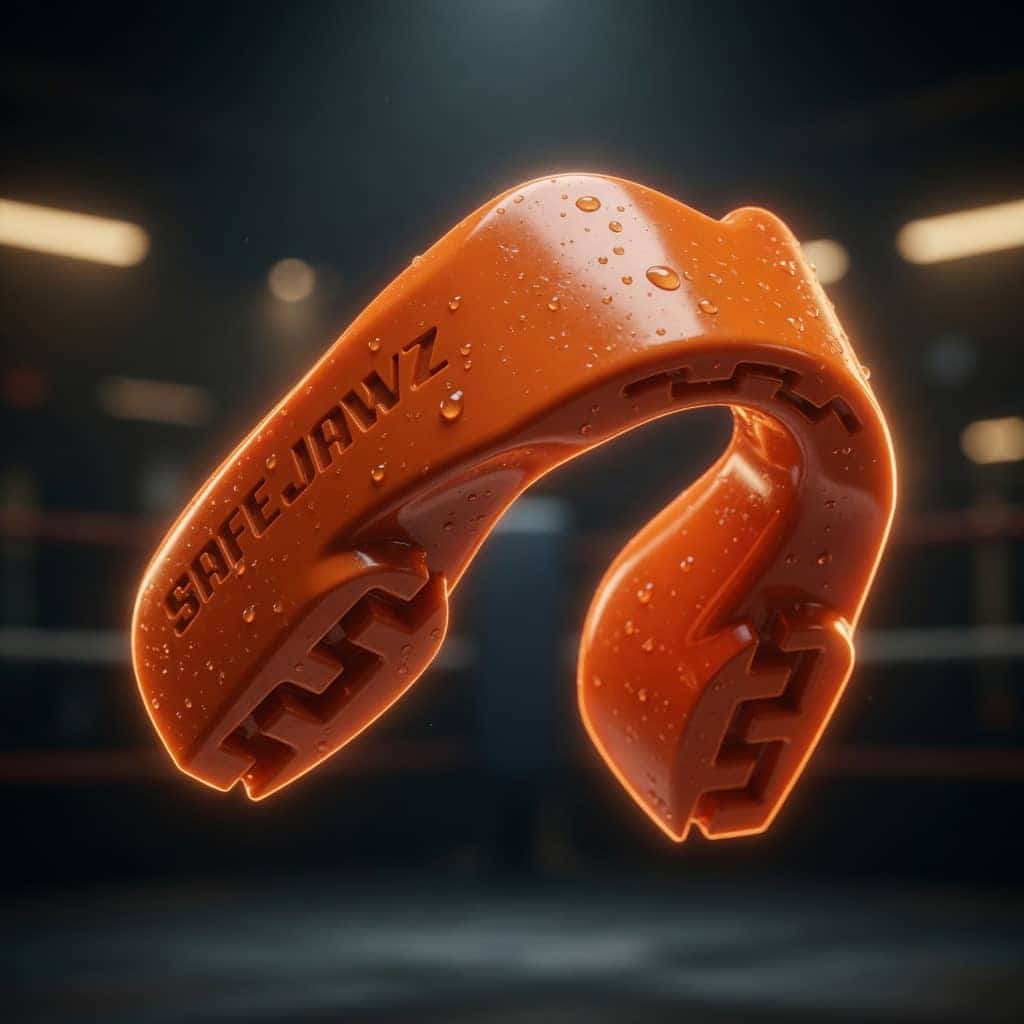


A simple mouldable model that works well for training. If you have braces, you need a model made for braces.
Groin – when you spar
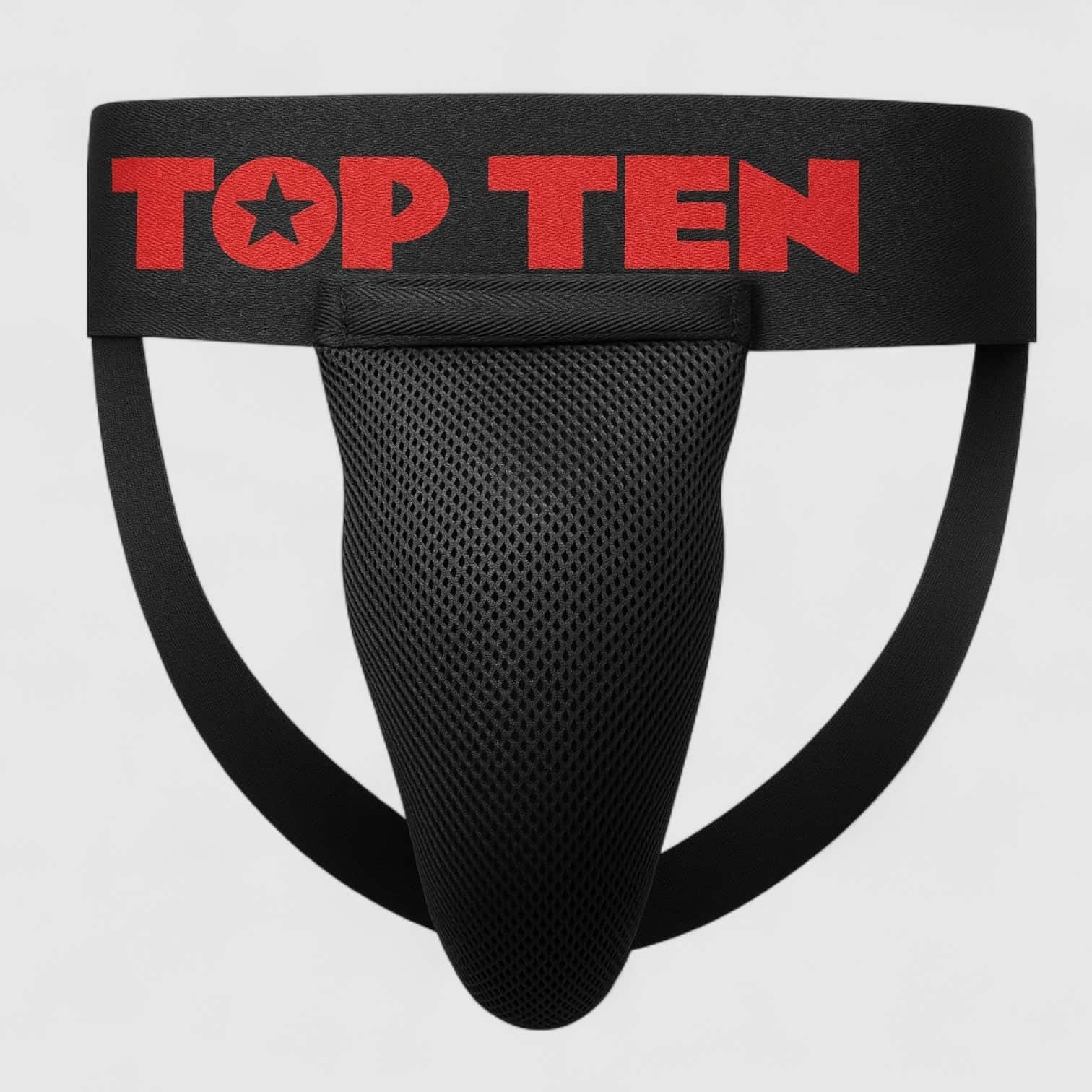
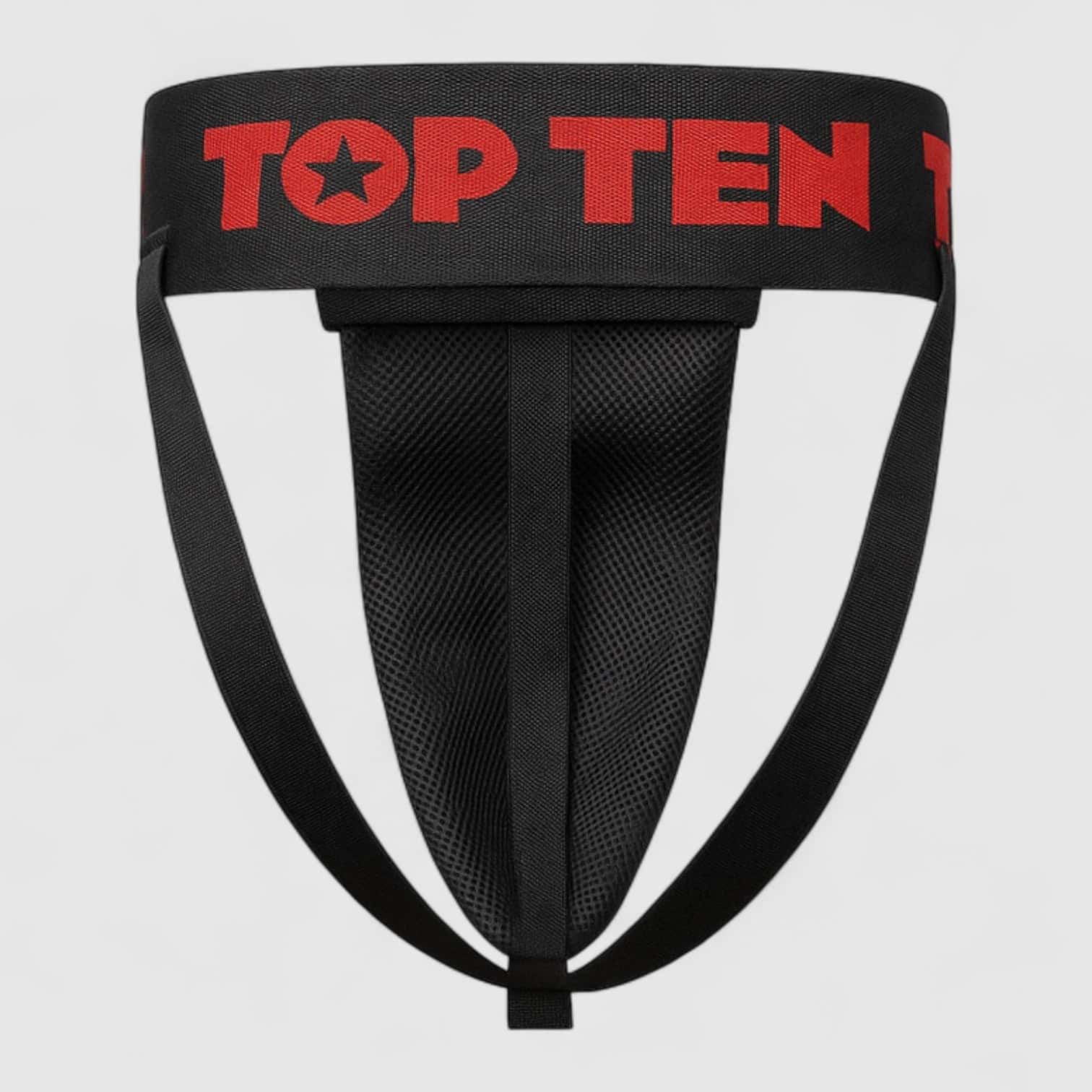
The standard choice: hard protection and a breathable support that holds the cup in place throughout the session.
One hygiene point: the mouthguard should be rinsed after every use and stored in a case with air holes, not loose in the bag. See all mouthguards and all hand wraps.
Shins and instep
The shin is where two hard surfaces meet with full force. Unprotected shin-on-shin blocking causes shin splints, which is one of the most persistent and tedious complaints in Muay Thai and kickboxing. It comes on slowly, and it goes away slowly.
That is why shin guards are not just used in sparring. Many experienced athletes also wear them in hard partner drills, precisely because it is the accumulated load over months that causes problems, not the individual hits.
Fit matters more than thickness. A guard that rotates around your shin when you block gives zero protection at the moment it is needed. Read our guide to choosing shin guards, or see the range of shin and instep guards.
Groin: the gear nobody talks about
A groin guard is the piece of gear most adult beginners skip, and it is a poor priority. An accident to the groin is not just painful, it can cause real injury, and it happens more often than people think in sparring with kicks and knees.
For men there are two main types. A mesh groin guard with a replaceable cup is the standard choice: you get hard protection and a breathable support that keeps the cup in place. The alternative is an integrated model that fits closer and is easier to wear under fight shorts.
Women also need groin protection in martial arts with kicks and knees. A groin guard made for women has a different shape and gives protection over the pubic bone instead of a cup. Many clubs require it for sparring, and most people who try it do not stop wearing it.
See all groin guards, or the full range of martial arts protective gear.
Warm-up and load: what gear cannot fix
Good gear prevents acute injuries. It does nothing for overuse injuries, and it is overuse injuries that keep the most people off the mat over time.
The most common mistake among new athletes is going from zero to four sessions a week in two weeks. The body tolerates it for a month, and then the knees, hips and Achilles start to creak. Add at most one session a week, and hold that level for at least three weeks before you increase again.
A warm-up does not need to be advanced. Five to ten minutes where you raise your pulse and move your hips, shoulders and ankles through their full range of motion is enough. The most important thing is that the joints have gone through the movement once at a calm pace before you do it at full speed.
Recovery is the other half. Muscles get stronger within a couple of weeks. Tendons and ligaments take months. That is why you can feel strong long before your body can actually handle the training load you put on it.
When you should skip a session
This is the hardest part, because martial arts communities reward turning up. But some signals you should take seriously.
Skip it if you have pain that changes your technique. If you compensate for a sore knee by kicking differently, you build in a new fault while not letting the old one heal. Also skip it if you have sharp pain in a joint, as opposed to the tender, diffuse feeling in a muscle.
Skipping one session costs you nothing. Training through an injury can easily cost you two months.
In short
Protective gear is cheap compared with time away from training. You should have hand wraps and a mouthguard from the first week. Shin guards and a groin guard come in as soon as you spar. All of it is a one-off purchase that lasts for years.
The rest is habits: warm up, increase more slowly than you want to, and be honest with yourself about the difference between being tired and being injured.
Frequently asked questions about injury prevention
Which protective gear is most important to get first?
Hand wraps and a mouthguard. Both are affordable, both are used from the first session with contact, and both prevent injuries that are expensive and long-lasting. Shin guards and a groin guard come in when you start sparring.
Do I need to wear hand wraps when I am only hitting a bag?
Yes, and especially then. Bag work is where most wrist injuries happen, because you punch hard without a partner regulating the pace. The wraps lock your wrist in the right position.
How often should protective gear be replaced?
When the padding has become permanently compressed, the hook-and-loop closure no longer holds, or the gear no longer fits as it did when it was new. Mouthguards should be replaced more often than people think – at the latest when it no longer stays in place on its own.
Can I train martial arts with an old injury?
Often yes, but talk to the coach first, and be specific about what you cannot do. Good clubs adapt exercises. BJJ and technical kickboxing can usually be adapted better than hard sparring.
Does a head guard protect against concussion?
No. A helmet reduces cuts, swelling and hits to the ears and face, but it does not stop the acceleration that causes concussion. That is why controlled sparring and sensible training partners matter more than the gear on this point.
How long a warm-up do I need?
Five to ten minutes is enough for most people. The goal is to raise your pulse and move your hips, shoulders and ankles through their full range of motion. If you are over 40 or train early in the morning, you may need a little more.