
Many parents wonder whether martial arts are safe for children – and the short answer is yes, when the training is adapted to age, level and environment. Martial arts are no more dangerous than football or handball – and in many cases they are safer, because contact is controlled, progressive and always supervised by a coach. But as with all sports: the quality of the club and the instructor is what decides everything.
Here is what to look for in the club, at the trial class and before you buy the first protective gear.
What does safe martial arts mean in practice?
Adapted to age and maturity
Safe martial arts for children starts with adapting to age. The Norwegian Martial Arts Federation (NKF) stresses that children's sport should be playful, varied and based on mastery – not competition-driven or contact-intensive for the youngest. This means a 6-year-old should not train the same way as a 14-year-old. Good clubs have their own children's classes with adapted exercises, shorter sessions and plenty of play.
Clear rules, boundaries and progression
Safety is also about predictability. Children thrive when they know what is happening, what is allowed and what is expected of them. The best martial arts clubs have clear rules of conduct, clear routines for starting and ending sessions, and a progressive approach to contact – where children are gradually introduced to more demanding training as they are ready for it.
What parents should look for at the trial class
Instructor style and group dynamics
The instructor is the most important factor. Look for a coach who is patient, encouraging and clear – and who sees every single child. Serious clubs such as Jessheim Taekwon-Do set requirements for coaching competence and have clear guidelines for children's sport. Feel free to ask whether the coach has completed an approved children's sport course or has equivalent competence.
Also look at the children in the class: are they enjoying themselves? Are they laughing? Is everyone taking part – or is anyone left out? A good environment is inclusive and positive, not marked by fear or pressure.
How contact, play and discipline are handled
At the trial class you should see contact being introduced gradually and always under supervision. Play and fun should be a natural part of children's classes – not just drills and repetition. Discipline should come from respect, not fear. Notice whether the children greet each other and the coach – this is a good sign that the club has a healthy culture.
Whether parents get good information
A safe club communicates openly with parents. You should get answers to questions about progression, equipment requirements, sparring and what happens if the child is not enjoying it. If the club is vague or dismissive, that is a warning sign.
When does sparring become relevant?
The difference between technical training and hard contact
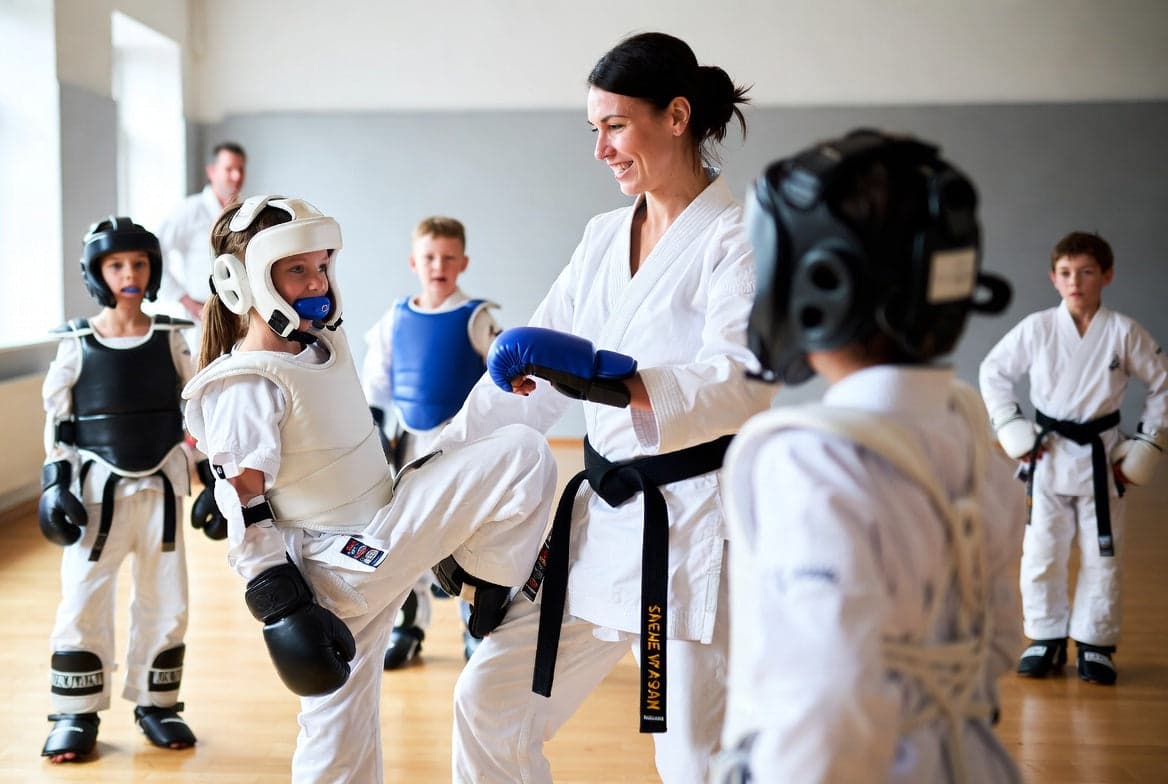
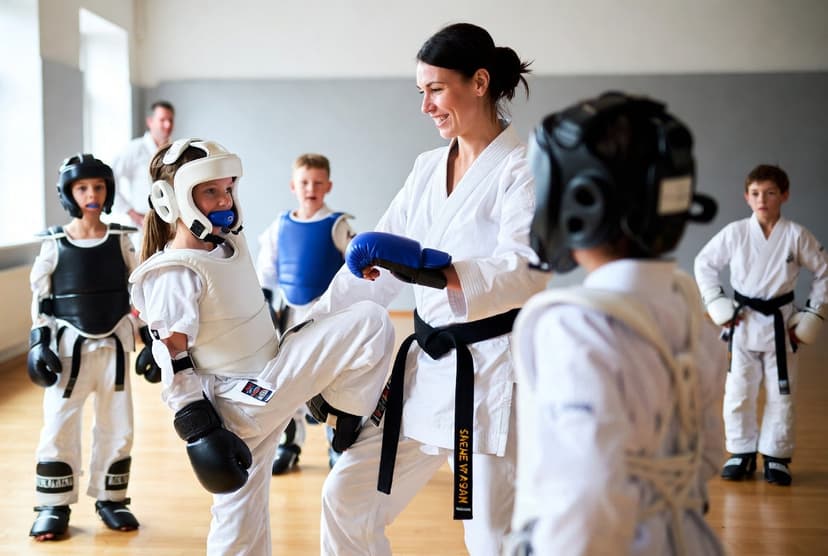
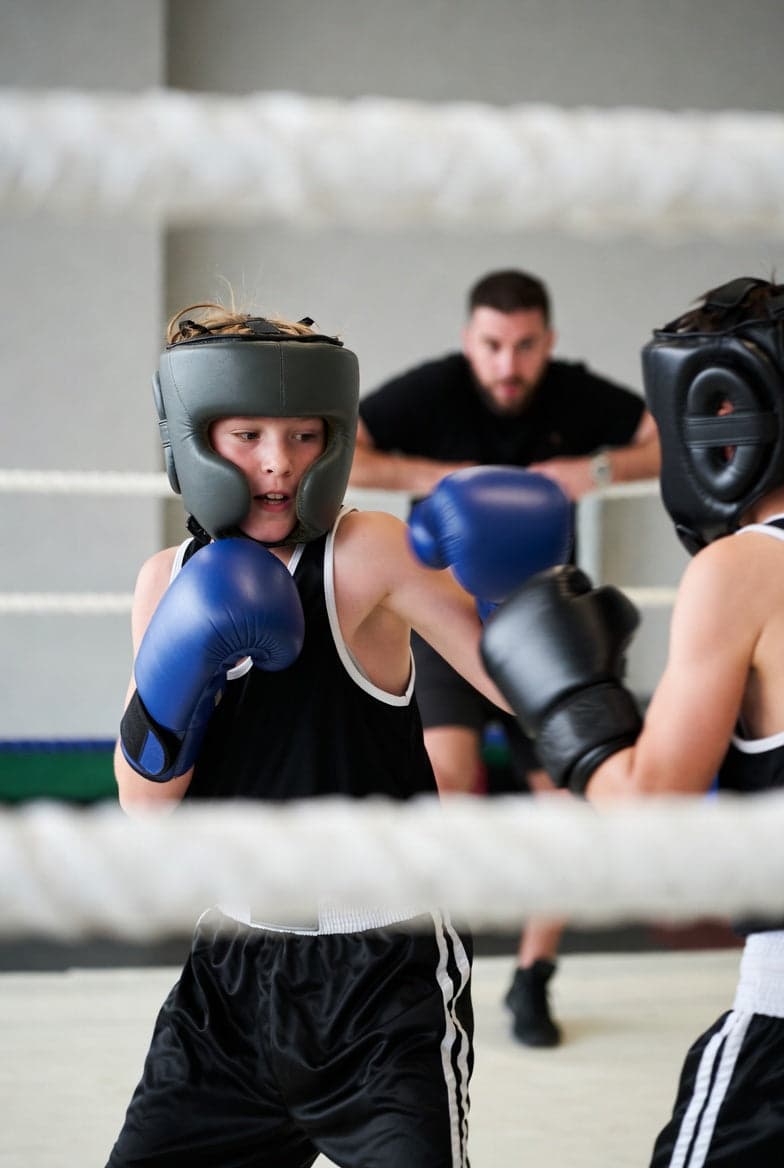
Sparring is not the same as fighting. In children's classes, sparring is introduced gradually – first as technical drills with controlled contact, then as light sparring with full protection. Hard contact is not relevant for children, and serious clubs never practise it in children's classes. Always ask: "When and how do you introduce sparring?"
Why progression matters more than speed
There is no advantage in starting sparring too early. Children who get to build technique, confidence and an understanding of the rules first become better and safer athletes in the long run. Progression is not a sign that the club is "too soft" – it is a sign that they are doing their job properly.
Which protective gear becomes relevant – and when?
Do not buy gear before the child has settled on a style and a club. When the time comes, this is the most important thing to know:
Mouthguard
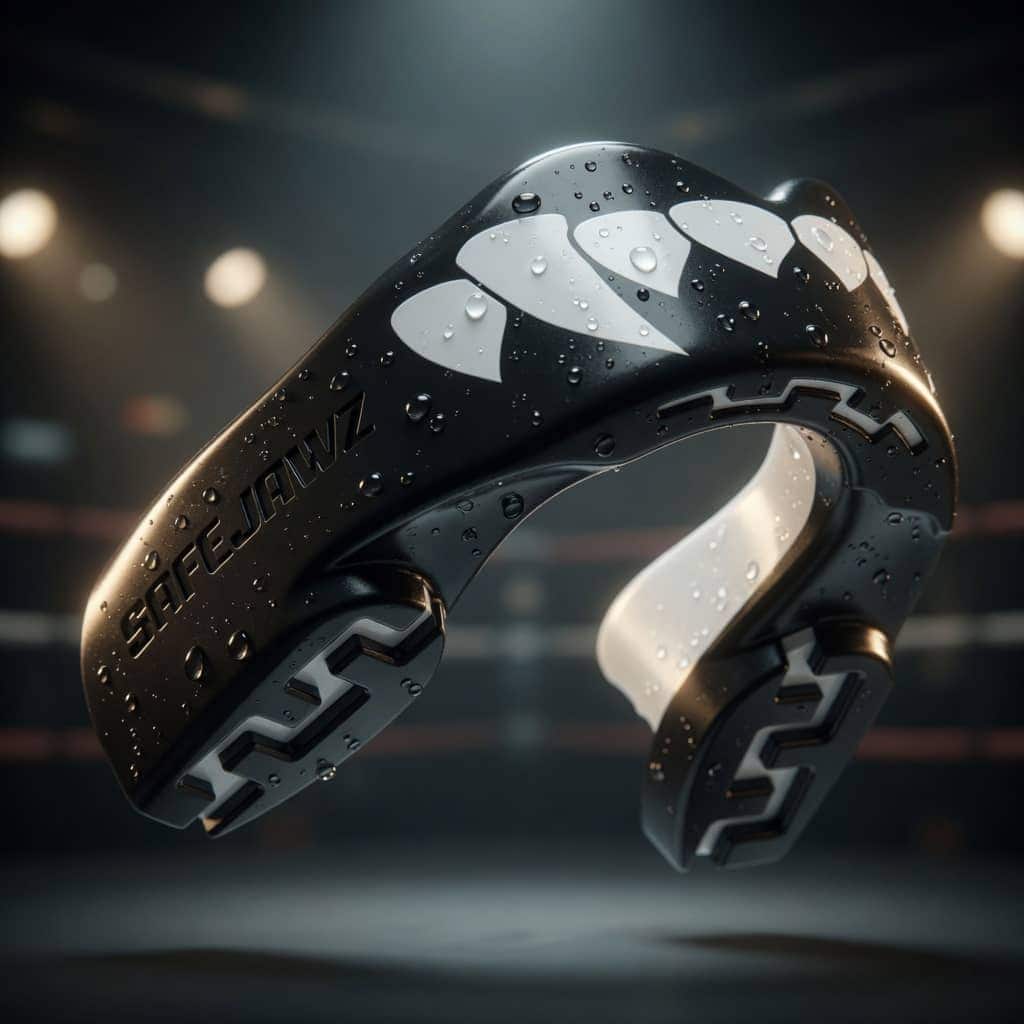
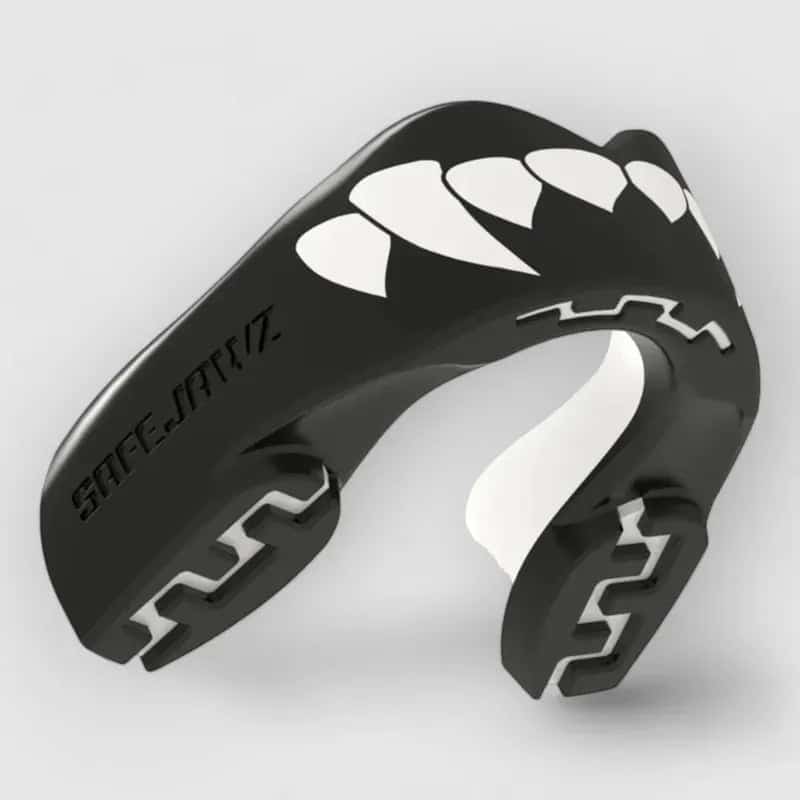
The American Dental Association (ADA) recommends a mouthguard for all contact sport athletes – children included. A good mouthguard protects teeth, lips and jawbone, and should be the first piece of gear you buy when sparring is approaching. For children there are dedicated models adapted to milk teeth and growing jaws.







Helmet, gloves and other protection
When sparring is introduced, the club will tell you what is required. Typical gear includes a head guard, gloves, foot protectors and possibly shin guards. Do not buy everything at once – ask the coach what is required and what is optional.








Examples from different disciplines
Karate
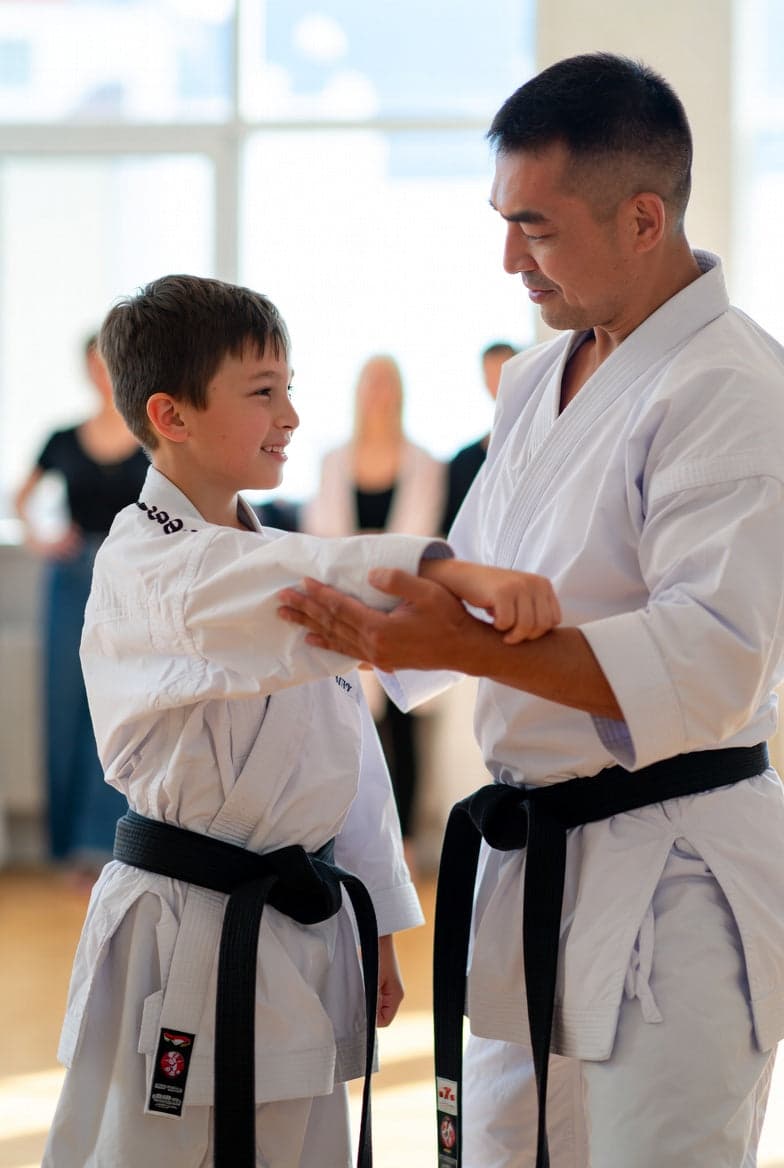
Karate for children is known for its clear structure and gradual progression. Contact is introduced late and always in a controlled way. Children's classes focus on kata (movement patterns), basic technique and respect. Sparring (kumite) with contact is not relevant for the youngest, and when it is introduced it happens with full protection and under close supervision.
Read more: Karate in Norway – what gear do you need to get started?
Kickboxing
Kickboxing for children often starts as fitness kickboxing – without contact, focusing on fitness, coordination and technique. Contact sparring is introduced gradually from around 10–12 years, always with approved protective gear. A serious kickboxing club will never put children into hard sparring before they are ready for it technically and mentally.
Read more: Kickboxing gear – the complete beginner's guide 2026
Checklist: five questions parents should ask the club
Not sure which style is right? Start with a trial class – and then read our sport guides before you buy your first gear.