
Boxing is the oldest and purest of the combat sports: two hands, one set of rules, and a technique that takes a lifetime to perfect. It is also the easiest combat sport to start. You need few things, you can do much of the training on your own, and the first progress comes quickly.
This guide goes through what boxing involves, what gear you need from day one, how to choose the right glove size, and what separates training, sparring and competition.
What is boxing?
Boxing is a combat sport in which only closed-fist punches to the head and upper body are allowed. No kicks, no throws, no holds. That limitation is exactly what makes the sport so deep: when the toolbox is small, distance, timing, footwork and head movement become everything.
A boxer works with four basic punches: the jab, the right hand or cross, the hook and the uppercut. Most of the combinations you will see are built from these four. The rest of the training is about getting into position to throw them, and about not being there when your opponent punches back.
In Norway, amateur boxing is organised under Norges Bokseforbund (the Norwegian Boxing Federation). There are clubs in most towns, and the vast majority of people who train boxing in Norway never compete. The sport works perfectly well as pure fitness and technique training.
The gear you need
Boxing gloves
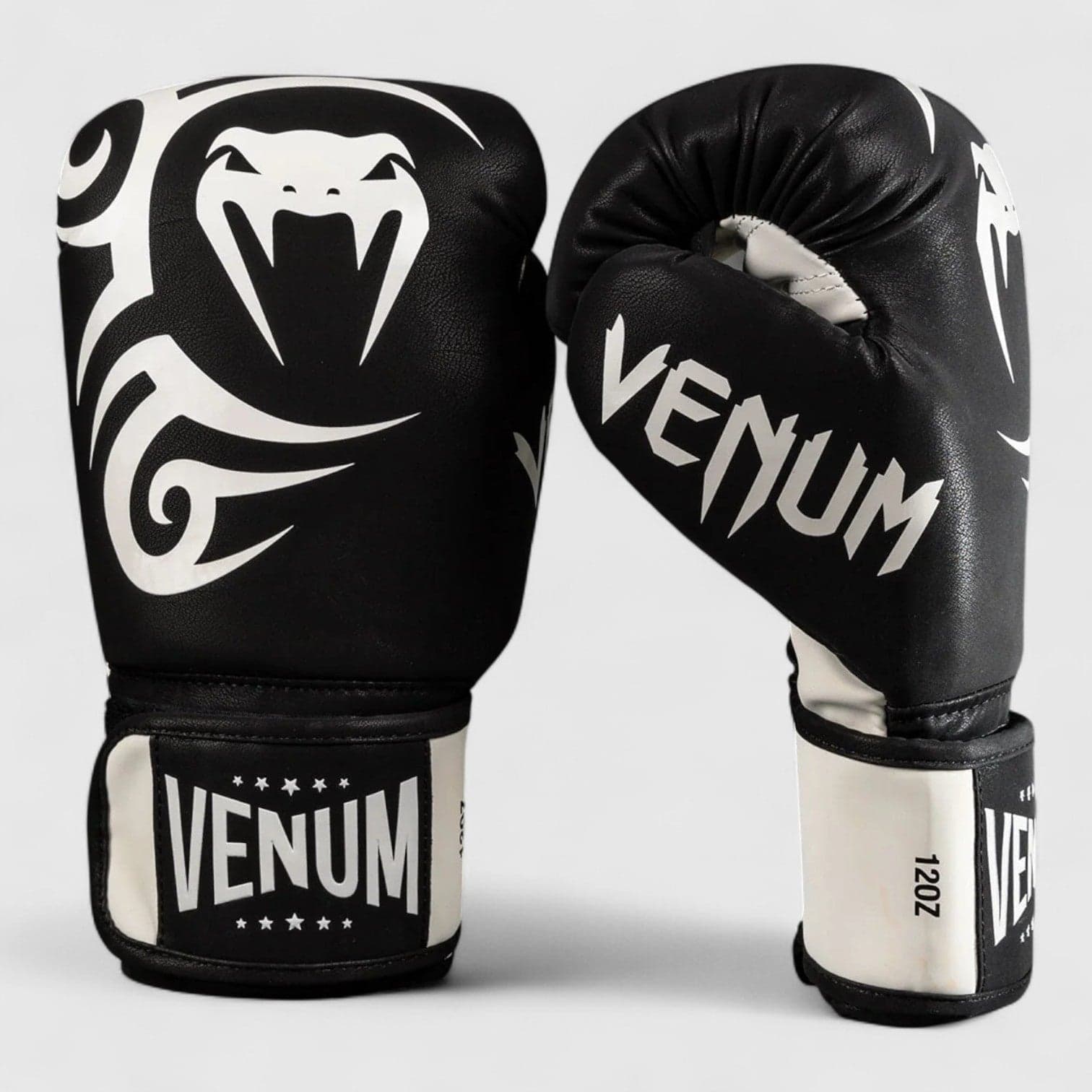
The glove has two jobs: protecting your hand and protecting whoever you are hitting. The padding is made of foam that compresses over time, which is why a poor-quality glove becomes dangerous before it becomes ugly. A good all-round glove handles bag work, pads and sparring. See the full range in Boxing gloves.
Boxing hand wraps
Wraps keep the wrist stable and hold the knuckles together, so the force of the punch travels through the hand instead of spreading out. They also soak up sweat before it gets into the glove, which makes the glove last longer and smell less. You should never punch without them. See Hand wraps.
Clothing and shoes
You can train in what you already have. Once you start training often, you will notice that boxing shoes with a thin sole give better contact with the floor and easier footwork than ordinary trainers. See Boxing shoes and Boxing uniforms and shorts.
How to choose your glove size
Boxing gloves are measured in ounces, abbreviated oz. The number tells you how much padding the glove has, not how big it is. A heavier glove protects more, but also tires your arms faster.
| Weight | Bag and pads | Sparring |
|---|---|---|
| Under 55 kg | 8 to 10 oz | 12 oz |
| 55 to 70 kg | 10 to 12 oz | 14 oz |
| 70 to 85 kg | 12 to 14 oz | 16 oz |
| Over 85 kg | 14 to 16 oz | 16 oz |
If you are only getting one pair, choose 14 oz if you weigh between 60 and 85 kilos. It isn't ideal for everything, but it is the best fit for most things.
If you want to go deeper into the choice, we have a separate guide to how to choose gloves for boxing, kickboxing and Muay Thai.
Gear for sparring and competition
- Mouthguard. The absolute minimum before you spar. Mould it yourself in boiling water so it stays in place without you having to bite down. See Mouthguards.
- Headguard. Required for club sparring in most places, and in amateur competition for some categories. See Boxing headguards.
- Groin guard. Standard in club training.
- Competition gloves. Competitions require approved gloves with the correct marking. Check what the federation or organiser requires before you buy.
What your first session looks like
A typical session lasts 60 to 90 minutes and mostly follows the same structure. First a warm-up, often skipping, light running and shoulders. Then shadowboxing, where you punch the air and work on form and footwork without resistance. Then technique on pads or with a partner, then the bag, and finally core work or conditioning.
You won't spar in your first session. In most clubs it is weeks or months before that is on the cards, and that is a good thing. The basic technique needs to be in place before you put it under pressure.
Common beginner mistakes
- Hitting the bag too hard. The bag is for practising technique and timing. Full power with poor technique just gives you sore wrists.
- Skipping the wraps. "It's only the bag" is the most common explanation for an injured hand.
- Dropping the hands. Everyone does it when they get tired. That is where most of the hits land.
- Buying gloves that are too big. A glove that slides around on your hand protects poorly. It should fit snugly with wraps on.
- Leaving the gloves in the bag. Damp gloves lose their shape and soon smell. Take them out and let them air after every session.
Our recommendations
Best starting point
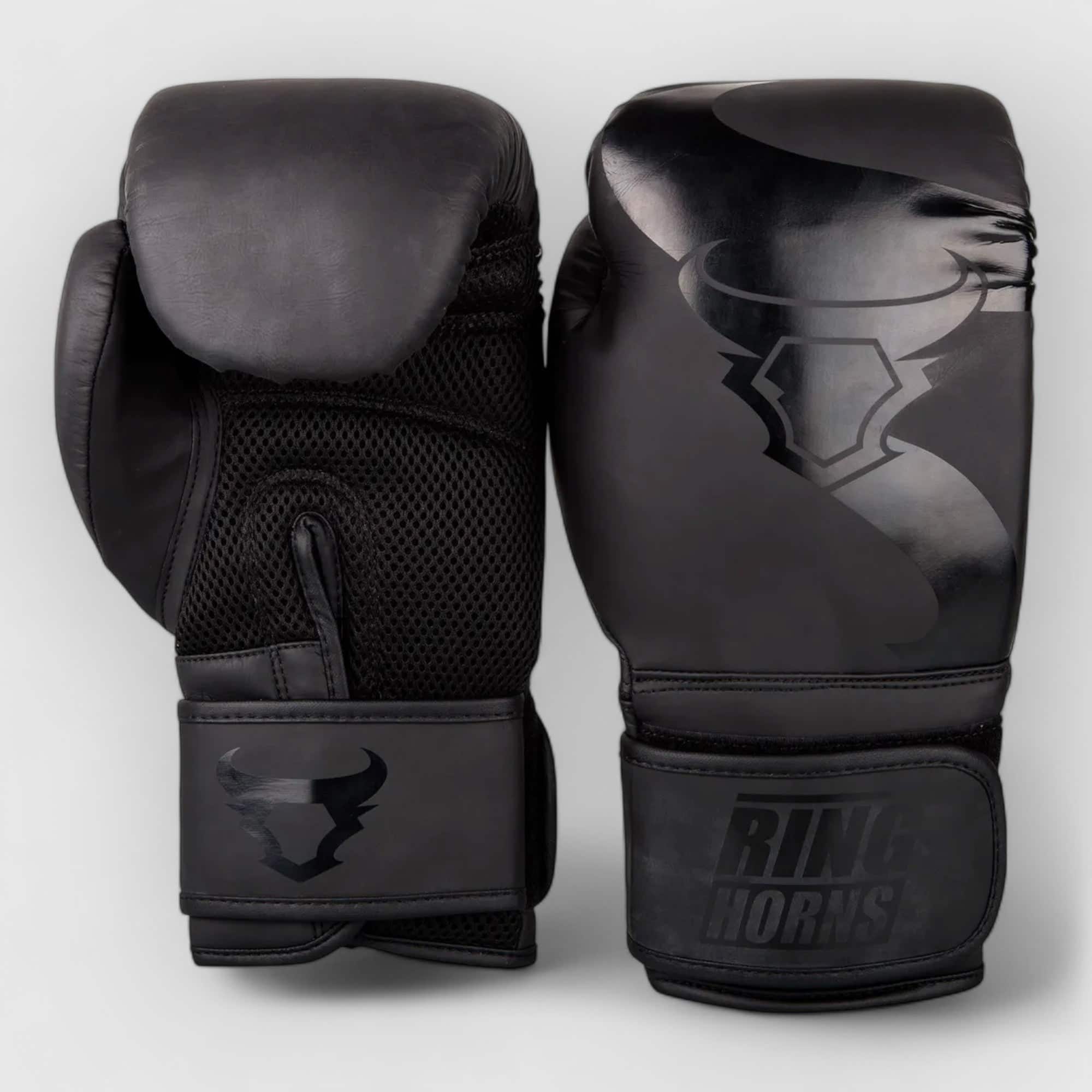
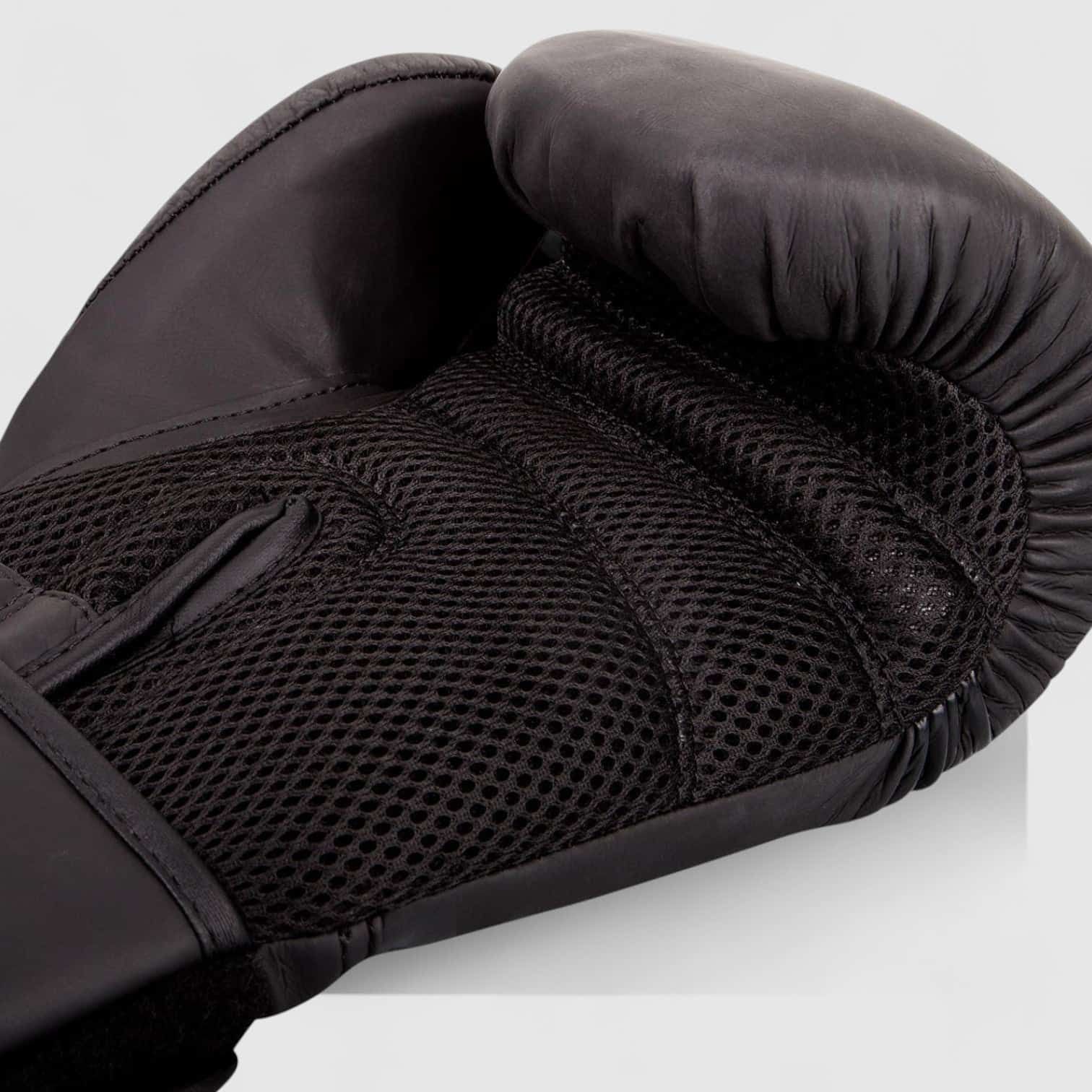
An affordable entry model that handles bag work, pads and light sparring. A good first glove.
For club and competition
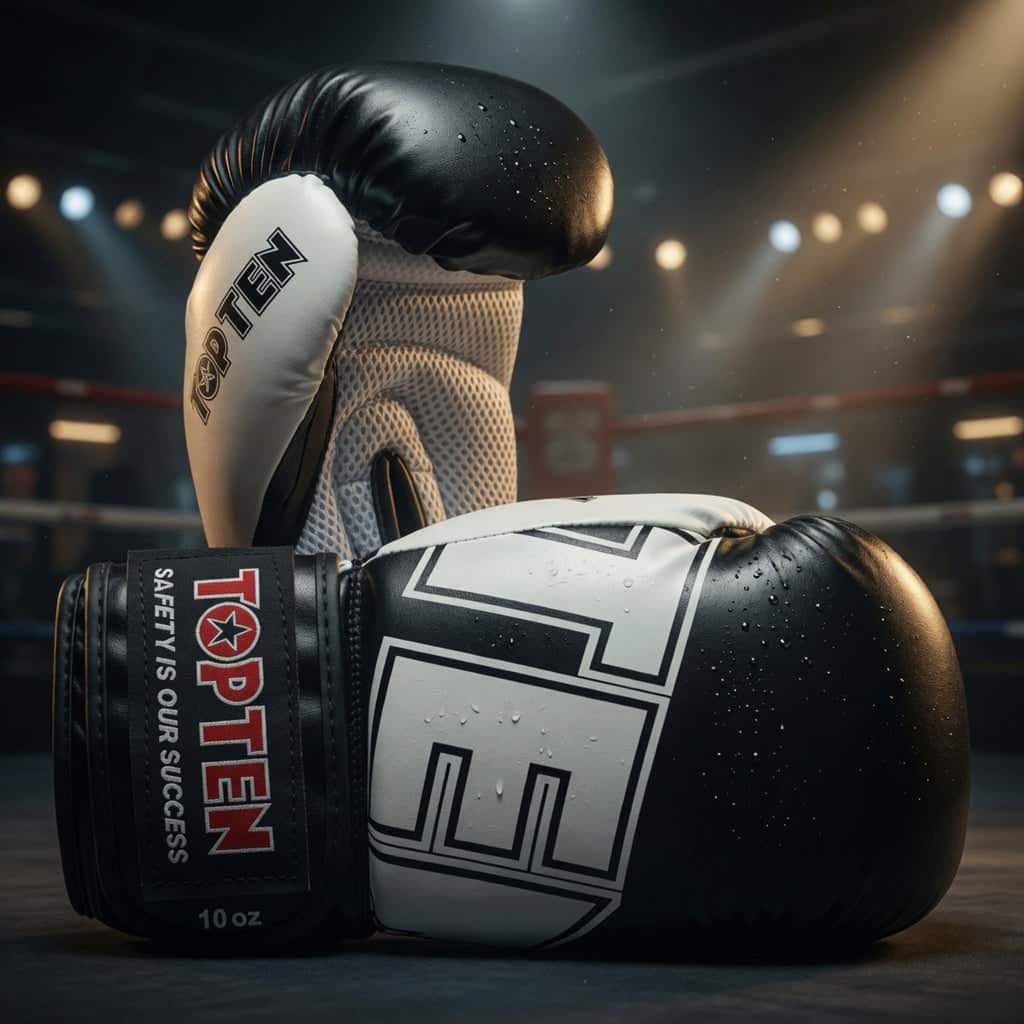
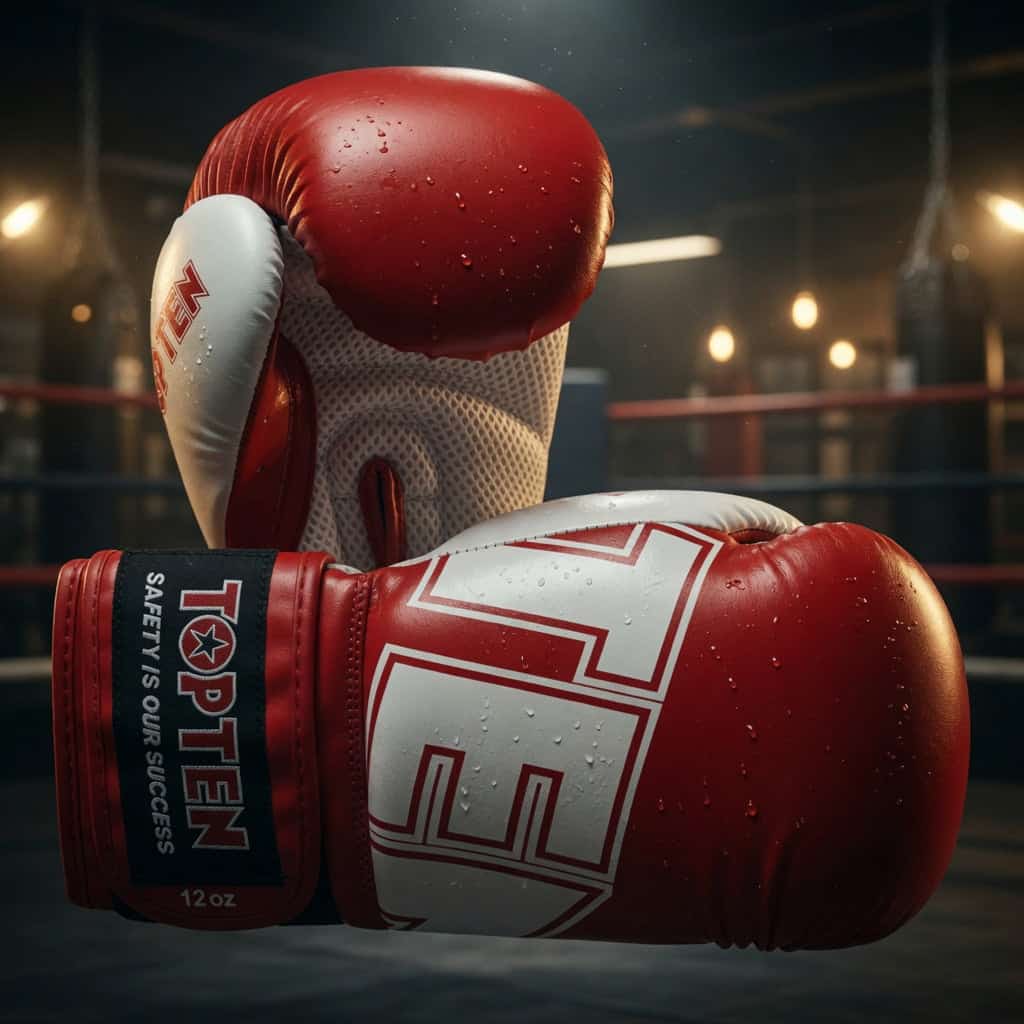


A solid model for those who train at a club.
When you train a lot
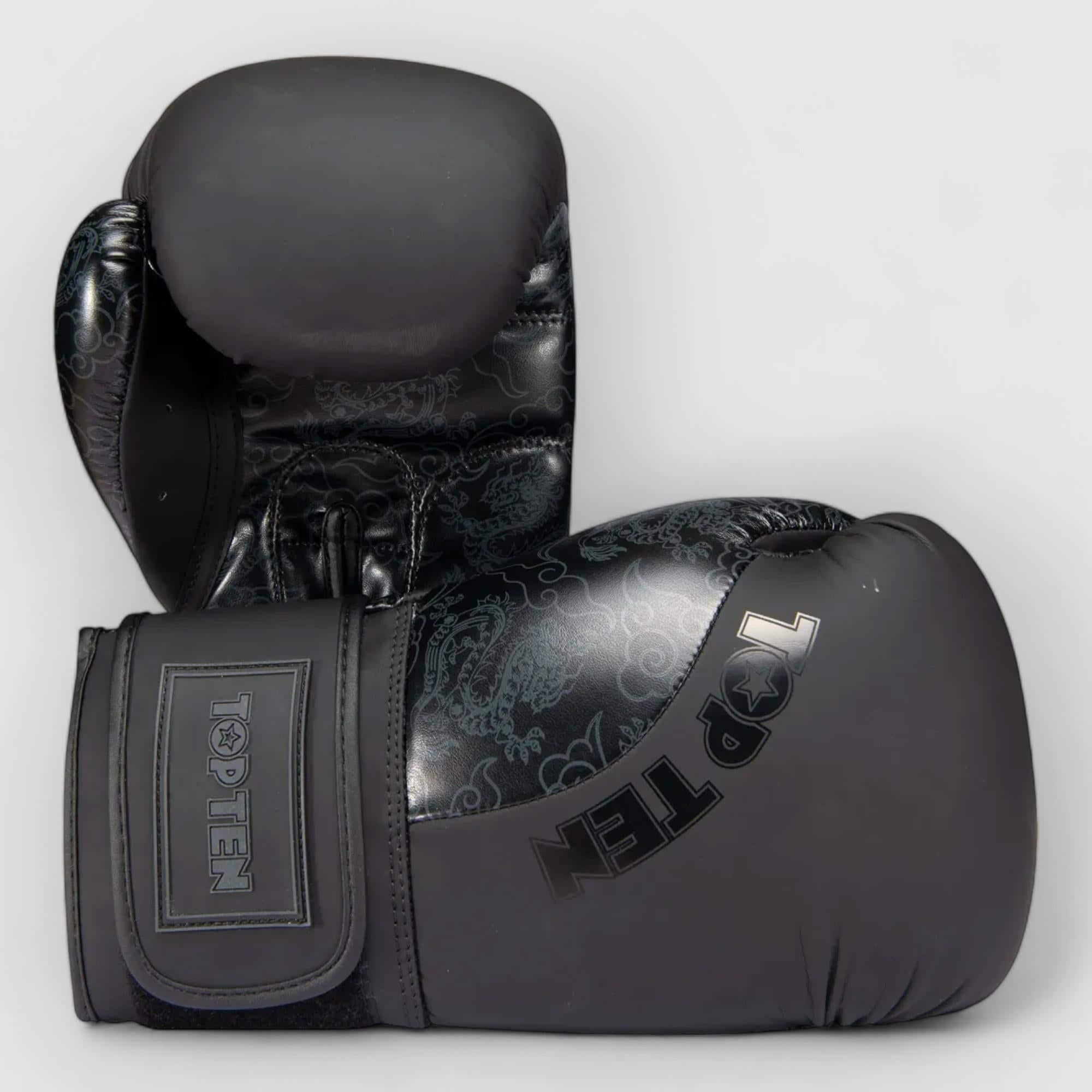
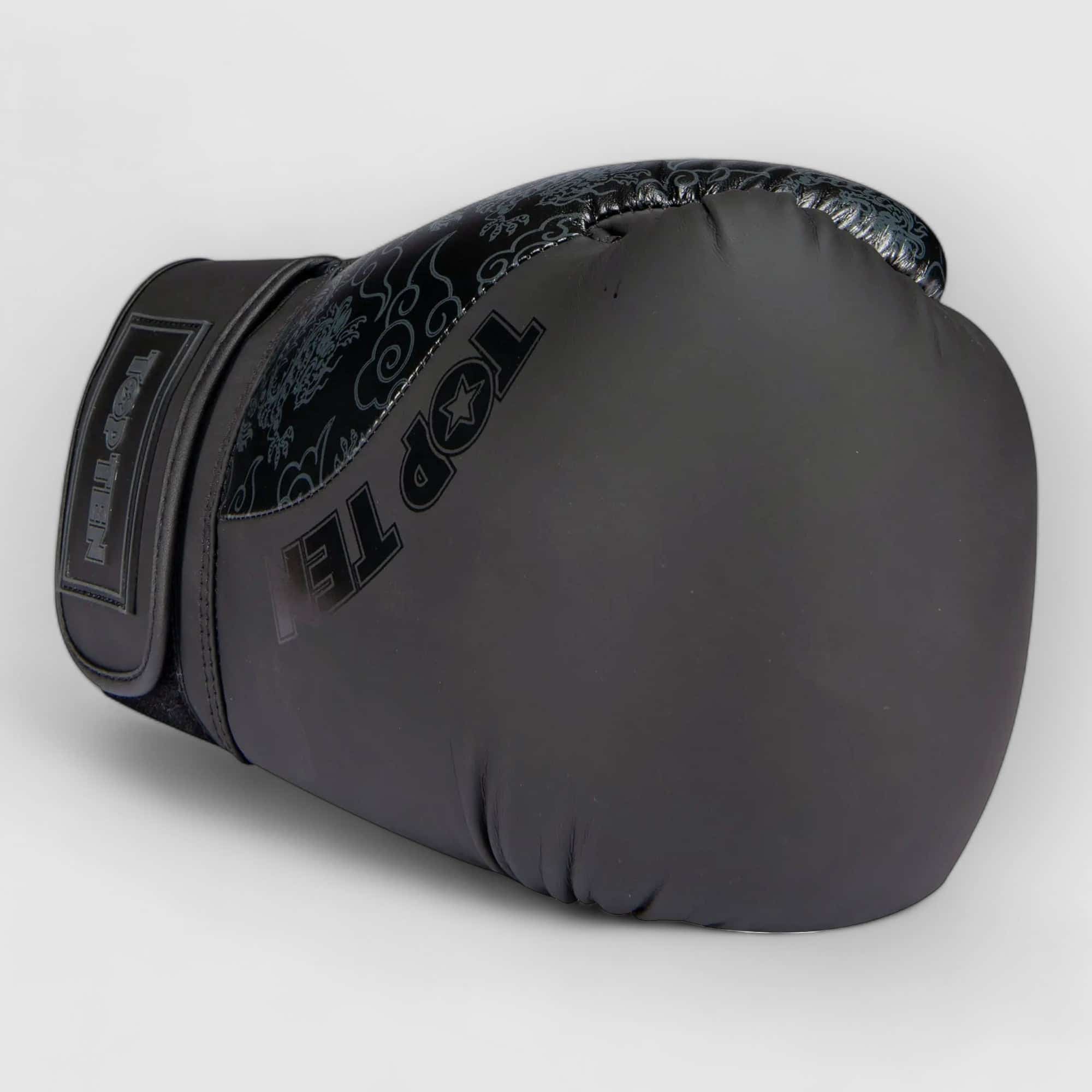


Denser padding and better wrist support. A natural step up when you train several times a week.
Hand wraps
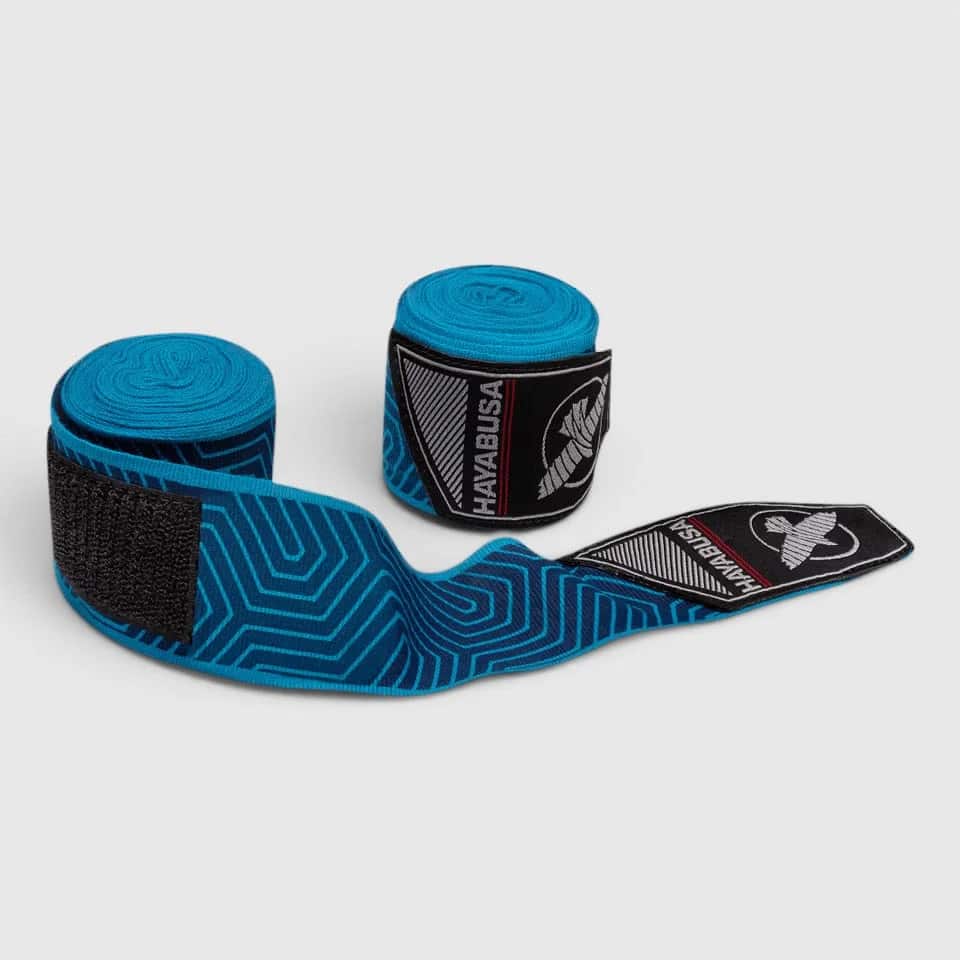
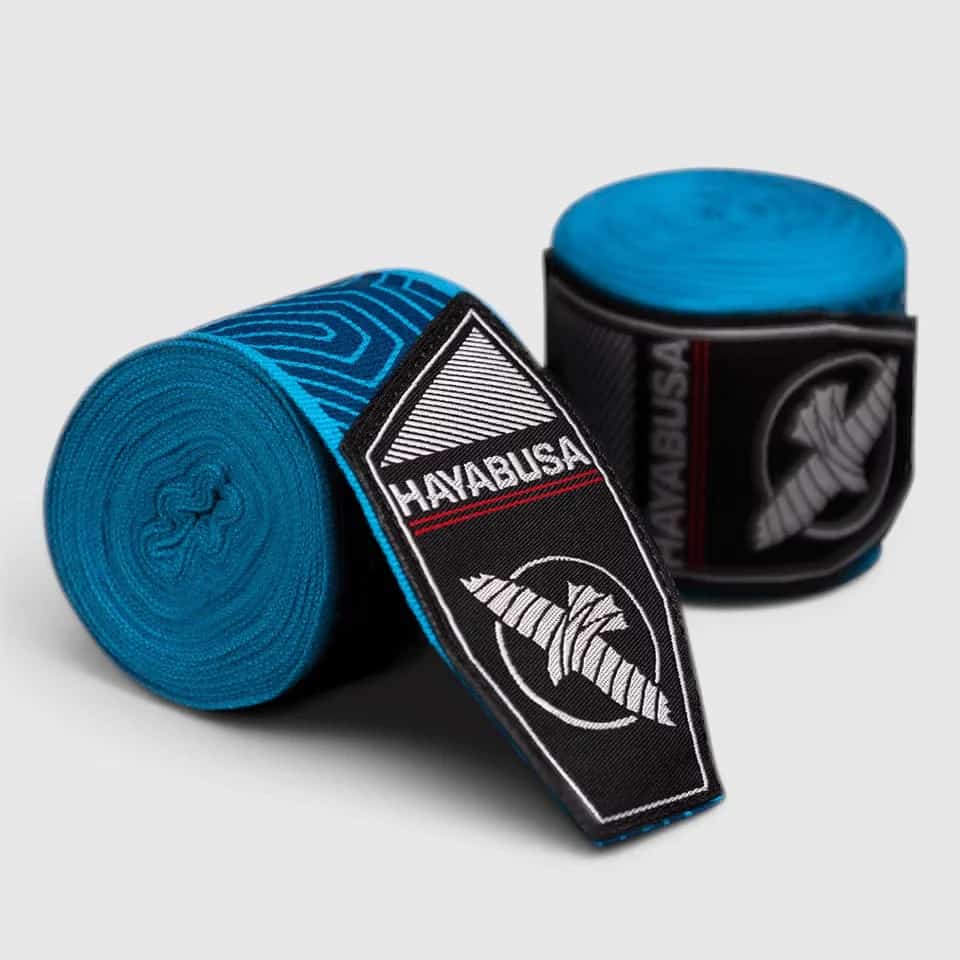


Elastic wraps in standard length. Ideally buy two pairs, so you always have a dry set.
Simpler alternative
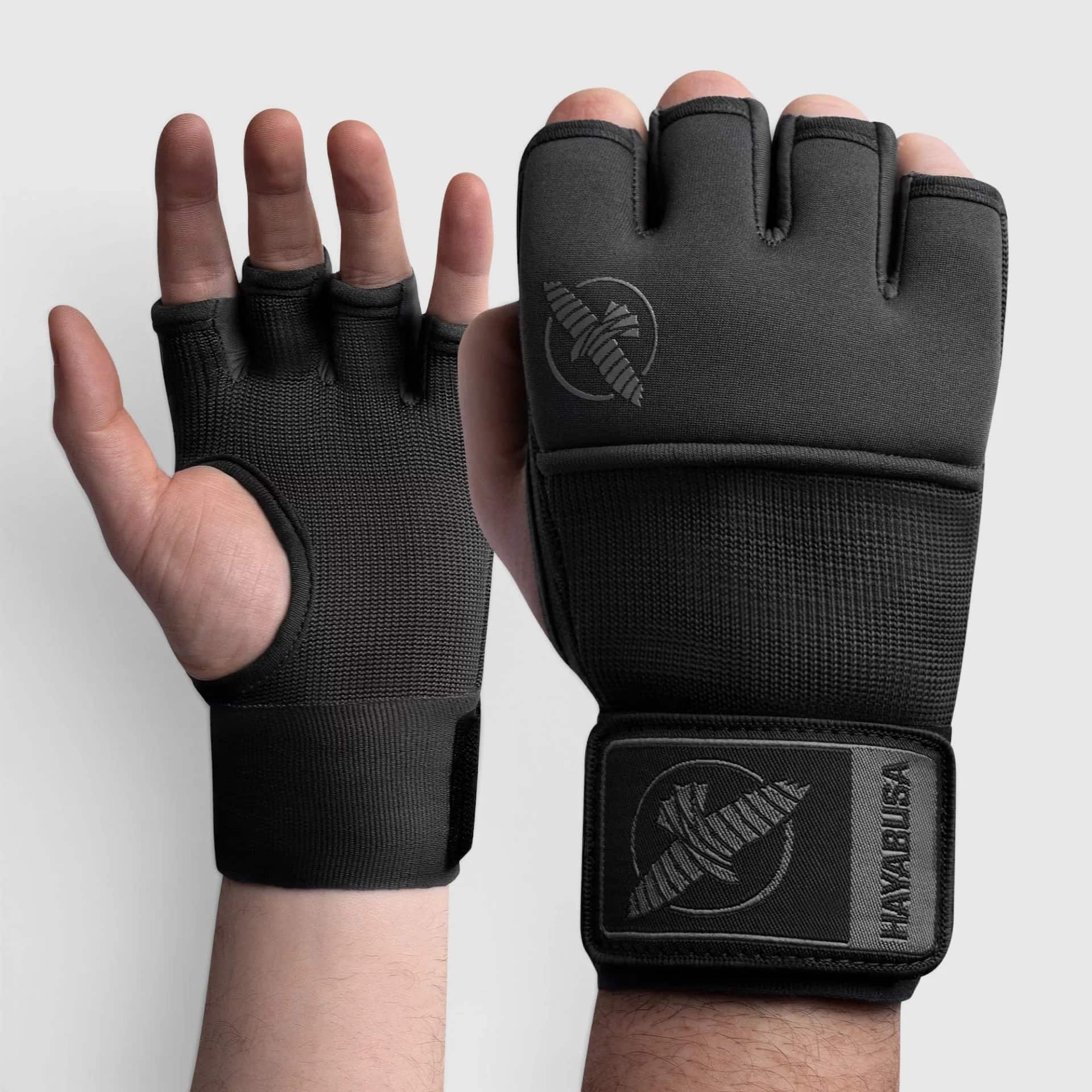
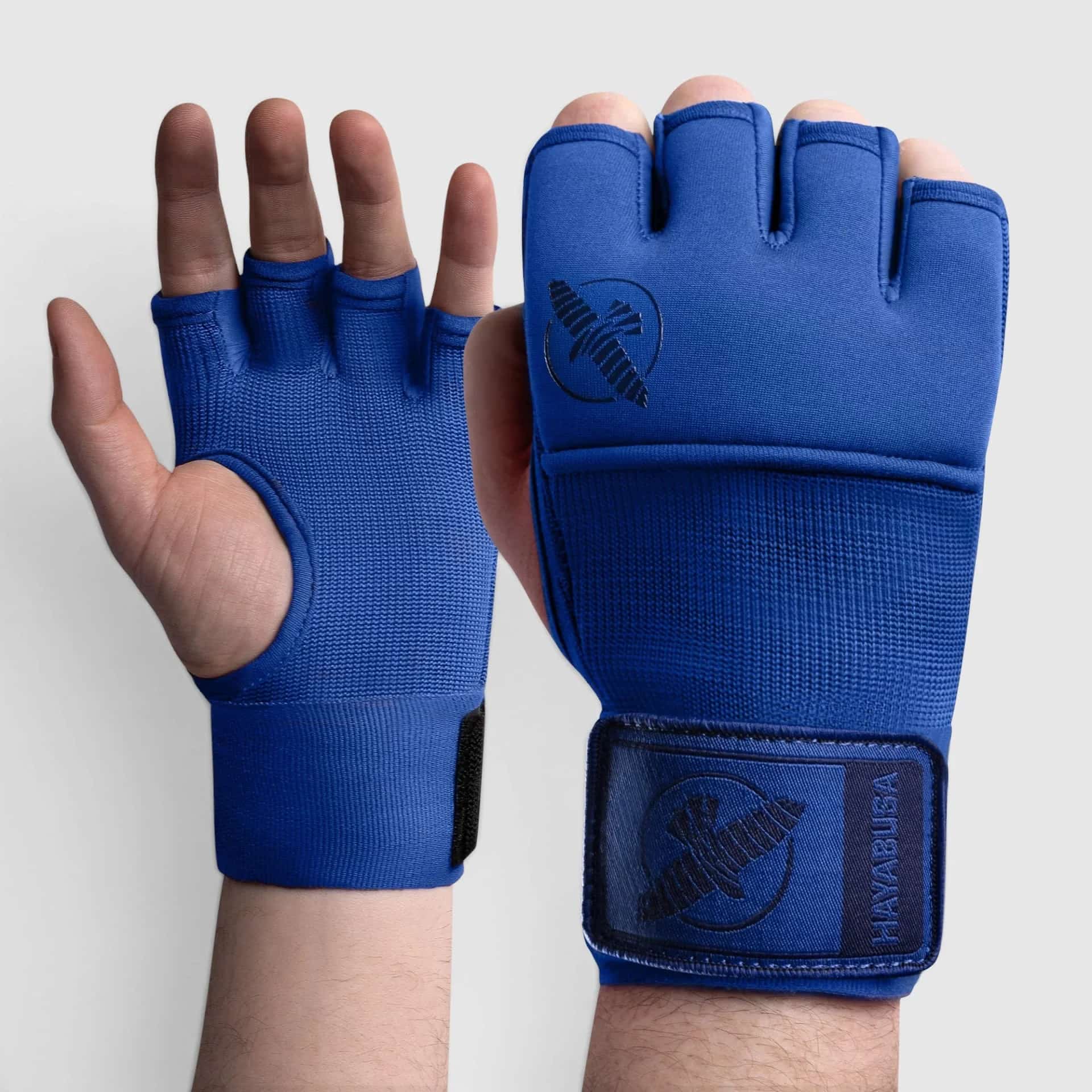


Pre-sewn wraps you pull on. Less support than traditional wraps, but much faster.
Frequently asked questions
Do I have to spar to train boxing?
No. Many people train boxing for years without sparring. Bag work, pads and shadowboxing give you all the training benefits, and it is up to you.
Which glove size should I start with?
12 or 14 oz for most adults. See the table above for a more precise recommendation based on body weight.
Can I use the same gloves for boxing and Muay Thai?
Yes, but Muay Thai gloves usually have a slightly more open palm to allow clinching. For regular training, both work fine.
How often should I train?
Two sessions a week gives steady progress as a beginner. Three to four is fine once your wrists and shoulders have got used to the load.
How long does a pair of boxing gloves last?
With two sessions a week and good airing, a good pair lasts two to four years. If the padding becomes hard or flat, it is time to replace them.
Is boxing good for fitness?
Yes. A typical boxing session combines interval work, coordination and strength, and most people notice improved fitness after a few weeks.
Build your starter kit – everything for your first session, with 10% off