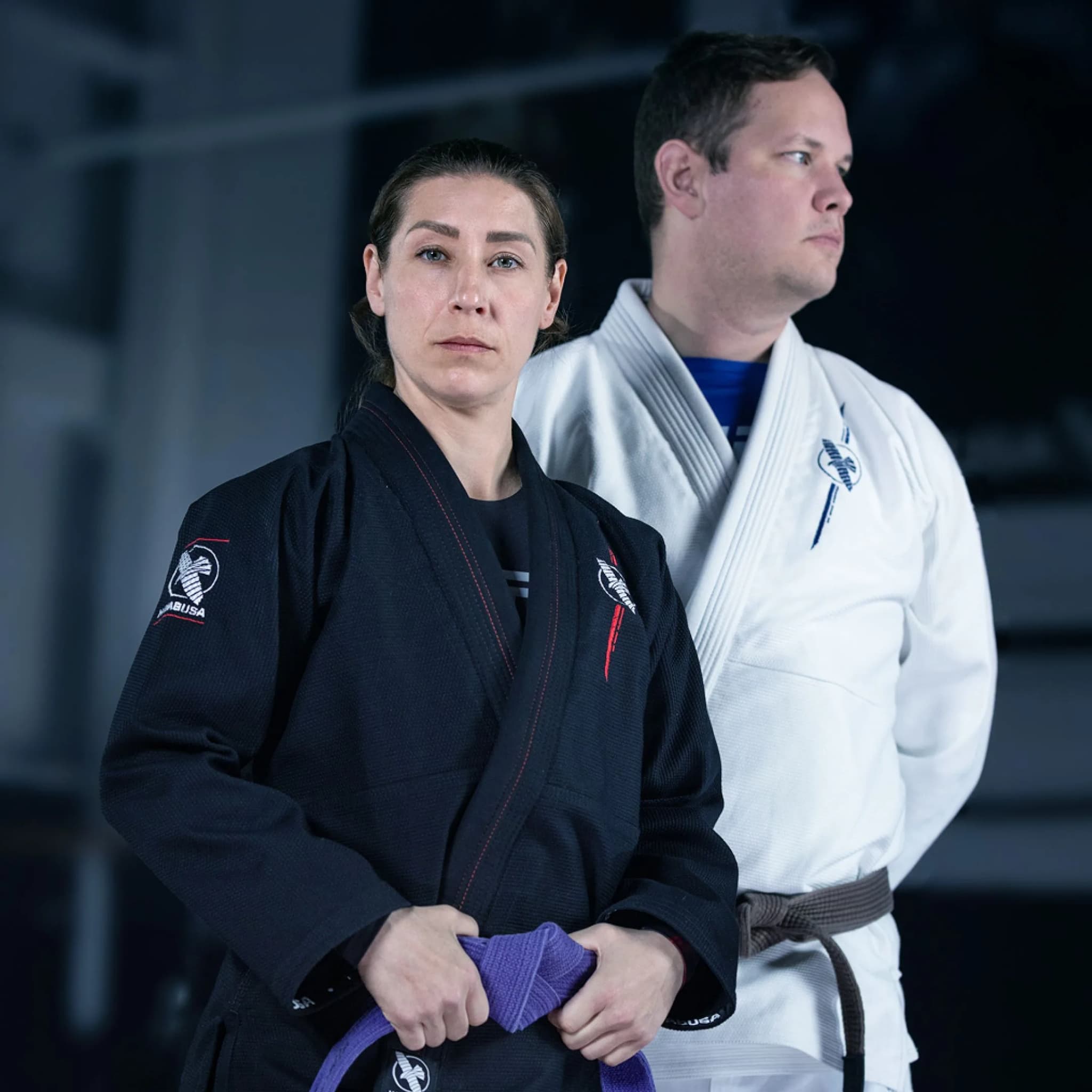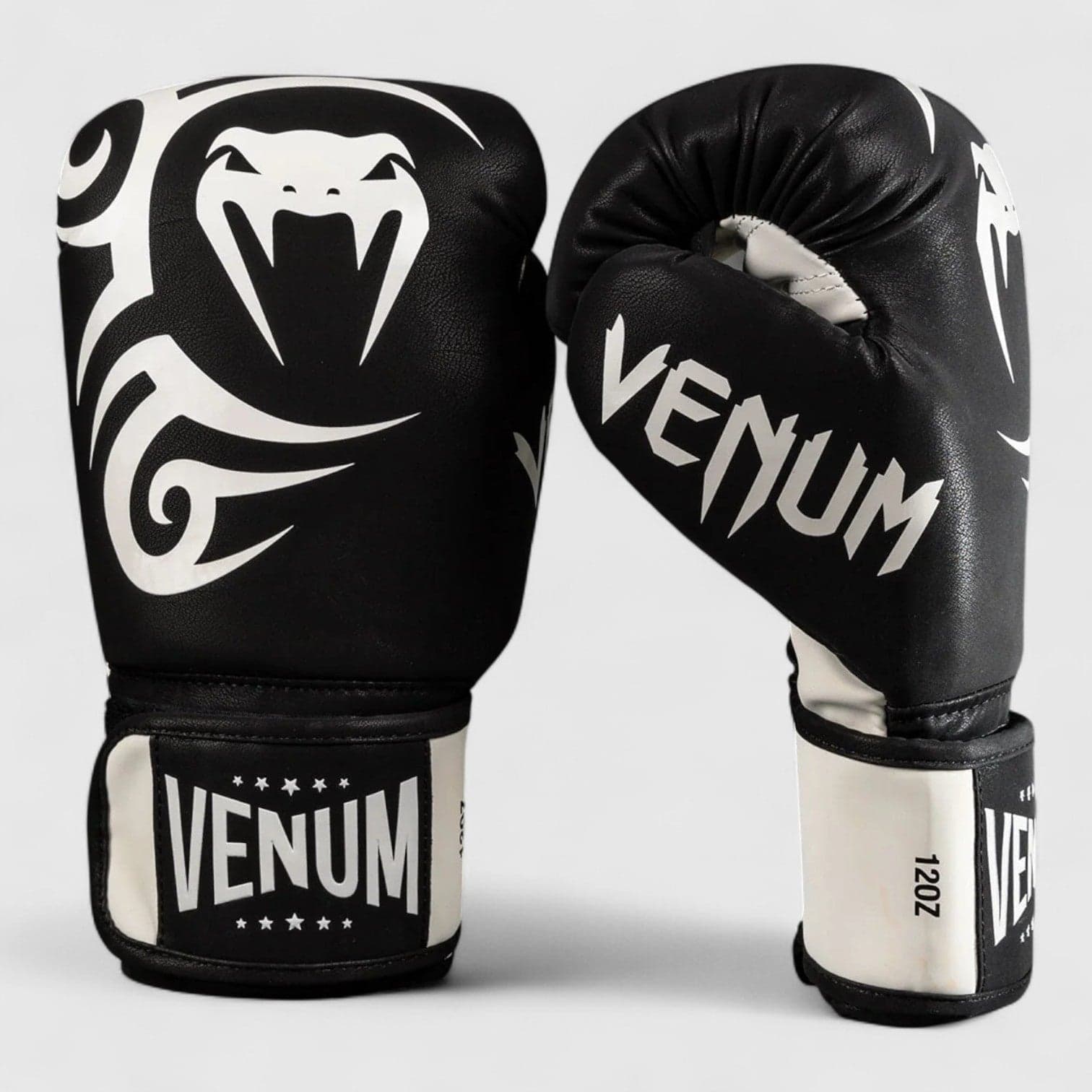

Boxing gloves look the same from the outside. The differences lie in how they are shaped around the hand, where the padding sits, and how much you can open your hand. Those are the details that decide whether a glove suits boxing, kickboxing or Muay Thai.
Here you find out what actually sets them apart, how to choose the weight, what the gloves need to withstand in different types of training, and how to make them last.
What sets the gloves apart
| Boxing | Kickboxing | Muay Thai | |
|---|---|---|---|
| Palm | Closed, firmly clenched | Slightly more open | Most open, for the clinch |
| Padding | Concentrated over the knuckles | Even | Evenly distributed, including the sides |
| Wrist support | Long cuff | Medium | Flexible |
| Used for blocking | Not very relevant | Somewhat | A lot, the glove takes kicks |
| Approval | Federation requirements | WAKO at competitions | IFMA at competitions |
In practice: a boxing glove is built for punching. A Muay Thai glove is built for punching, gripping and absorbing kicks. If you use a boxing glove for Muay Thai, you will only notice once the clinch starts.
How to choose the weight
Gloves are measured in ounces, abbreviated oz. The number tells you how much padding the glove has. More padding gives more protection and heavier arms.
| Your weight | Bag and pads | Sparring |
|---|---|---|
| Under 55 kg | 8 to 10 oz | 12 oz |
| 55 to 70 kg | 10 to 12 oz | 14 oz |
| 70 to 85 kg | 12 to 14 oz | 16 oz |
| Over 85 kg | 14 to 16 oz | 16 oz |
If you are only getting one pair, go for 14 oz if you weigh between 60 and 85 kilos. It is the compromise that works for the most things.
Bag, pads, sparring and competition
- Bag. Here you hit hard against something that doesn't give. Use a glove with dense, firm padding. Bag gloves are smaller and very durable, but give less wrist support than a full boxing glove.
- Pads and mitts. Here the pace is higher and the hits lighter. A 12 to 14 oz all-round glove is ideal.
- Sparring. Here the glove has to protect your partner as much as you. 16 oz is standard for adults in most clubs.
- Competition. An approved glove with the correct marking, in the weight and colour set by the organiser. Check the requirements before you buy, not afterwards.
Material and closure
Synthetic leather is standard today. It is light, affordable and very durable. Genuine leather costs more, moulds to your hand and lasts longer, but needs a bit more care.
Velcro is practical when you put the gloves on and take them off yourself, and is what you want for regular training. Laces give better, more even support around the wrist, but need someone to help you. That is why competition gloves are usually laced.
Fit
Try the glove with your wraps on. That is how you will use it, and a glove that fits a bare hand becomes tight with wraps.
When you make a fist inside the glove, your fingertips should reach the padding without being squeezed together. The glove should not rotate on your hand when you punch. If it feels loose, it is too big, and then it protects worse than the right size with less padding.
How to make them last
- Always wear wraps. They absorb the sweat before it reaches the glove's lining.
- Take the gloves out of your bag after the session. This is the simplest and most important measure.
- Let them air open. Ideally with the opening facing down, so the moisture runs out.
- Dry the inside. A piece of paper or a scrunched-up towel in the glove draws out moisture.
- Never on a radiator or in a tumble dryer. Heat ruins both the foam and the glue.
- Replace them when the padding has gone hard or flat. A glove without working padding doesn't protect, however good it looks.
Our recommendations
Best starting point
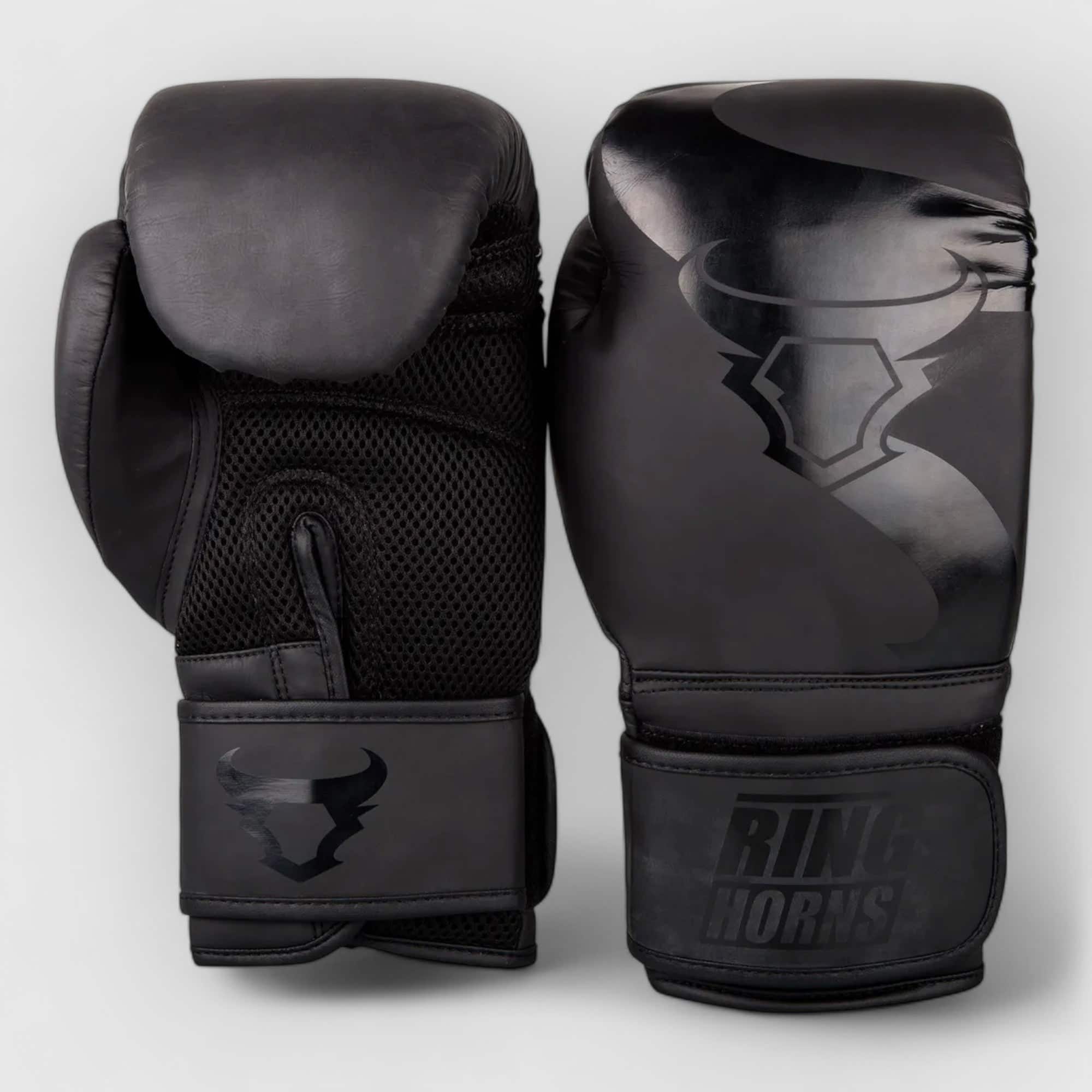
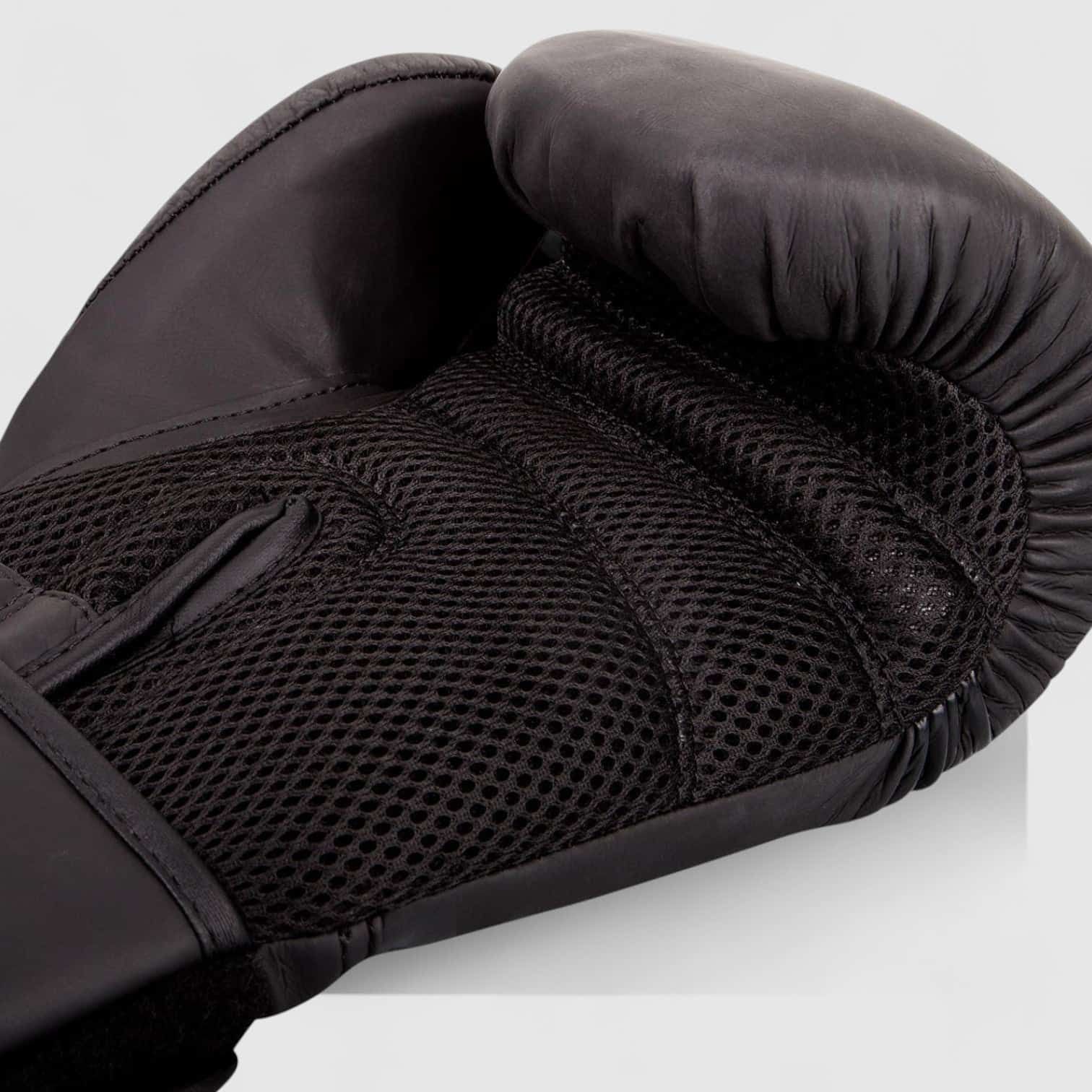
An affordable all-round glove for bag work, pads and light sparring. A safe first choice.
For club and competition
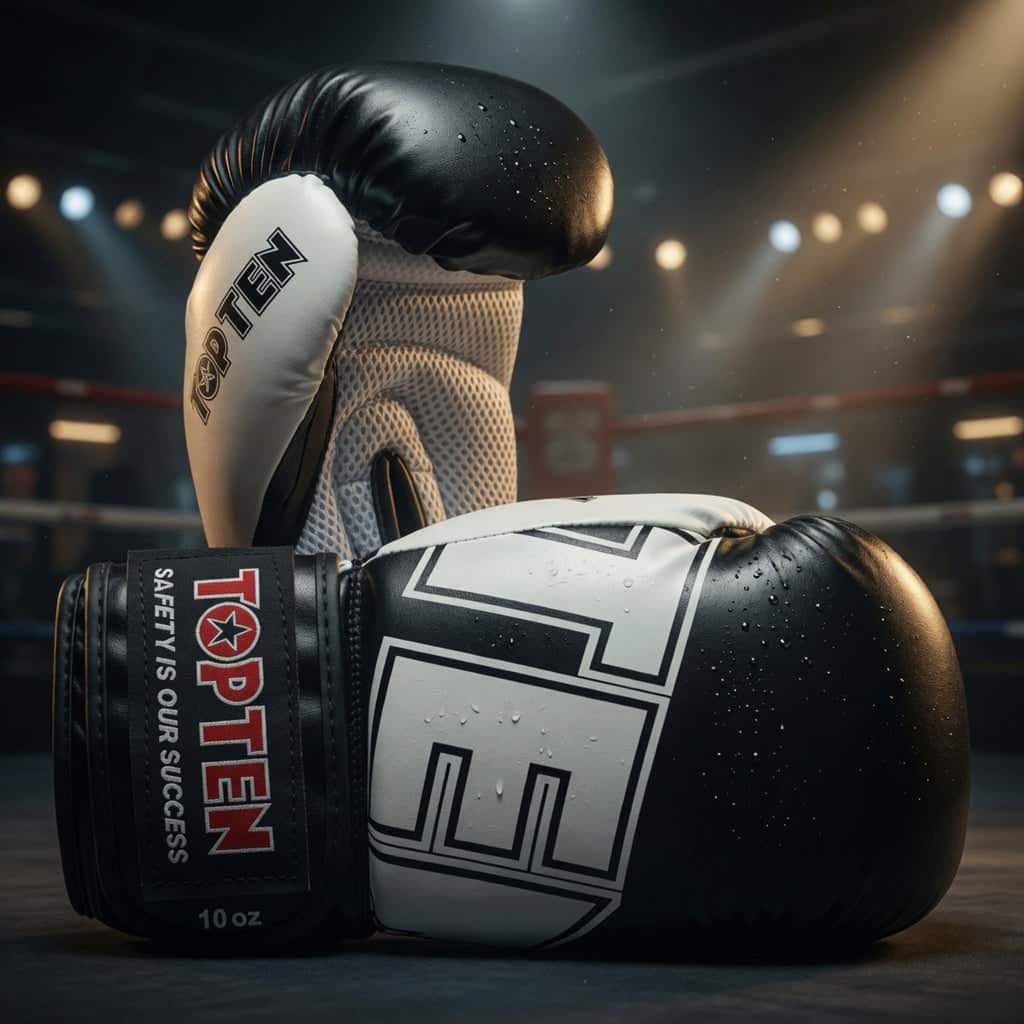
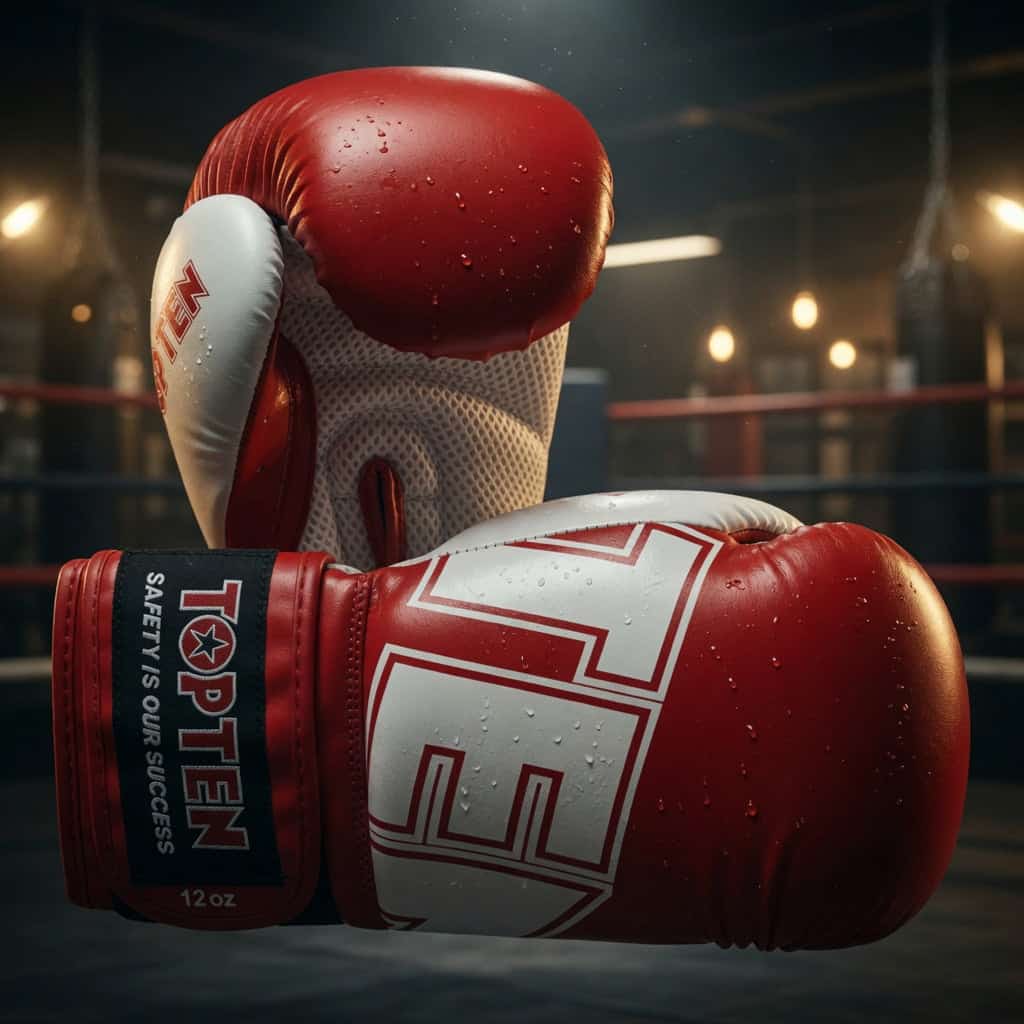


A solid all-round glove for club training.
The step up
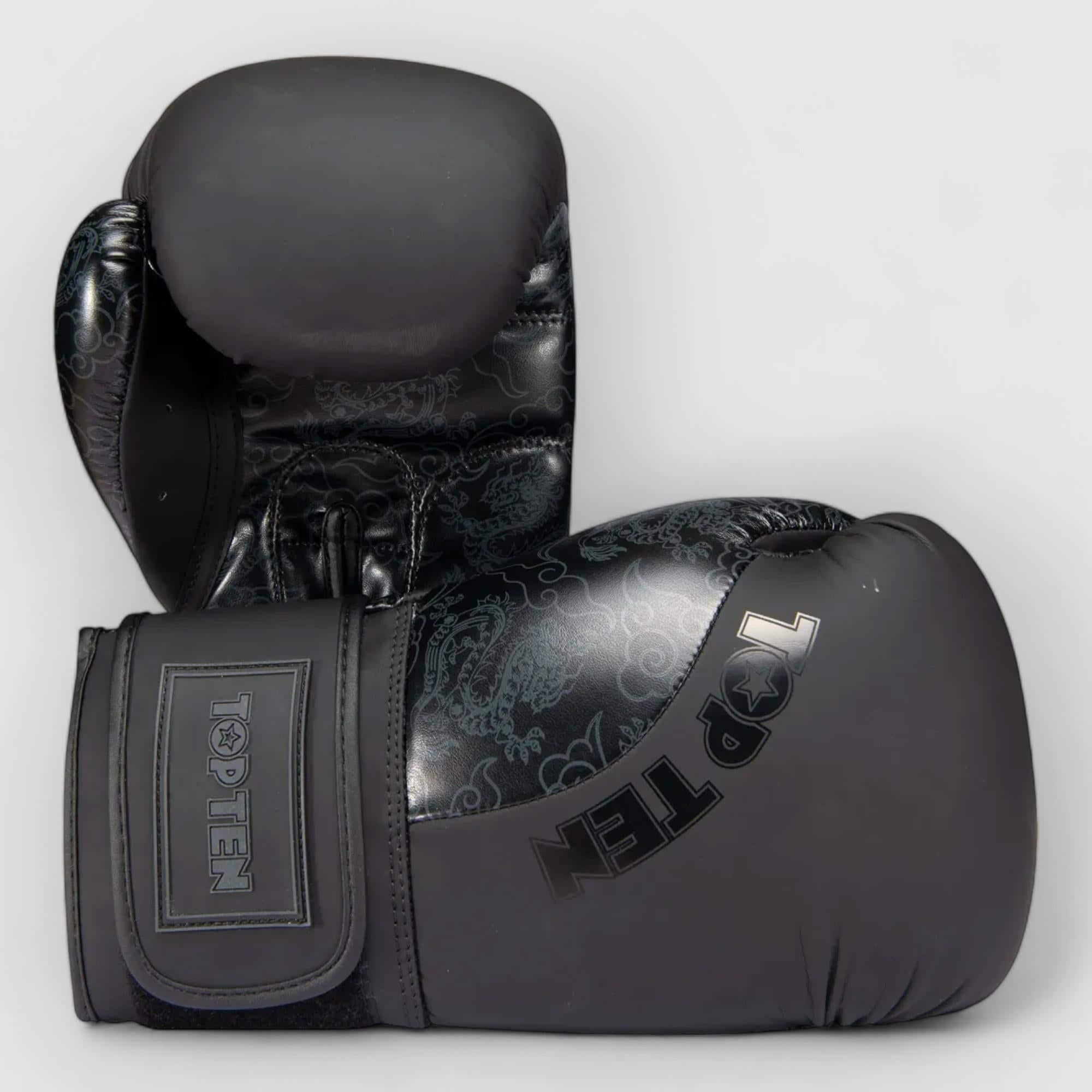
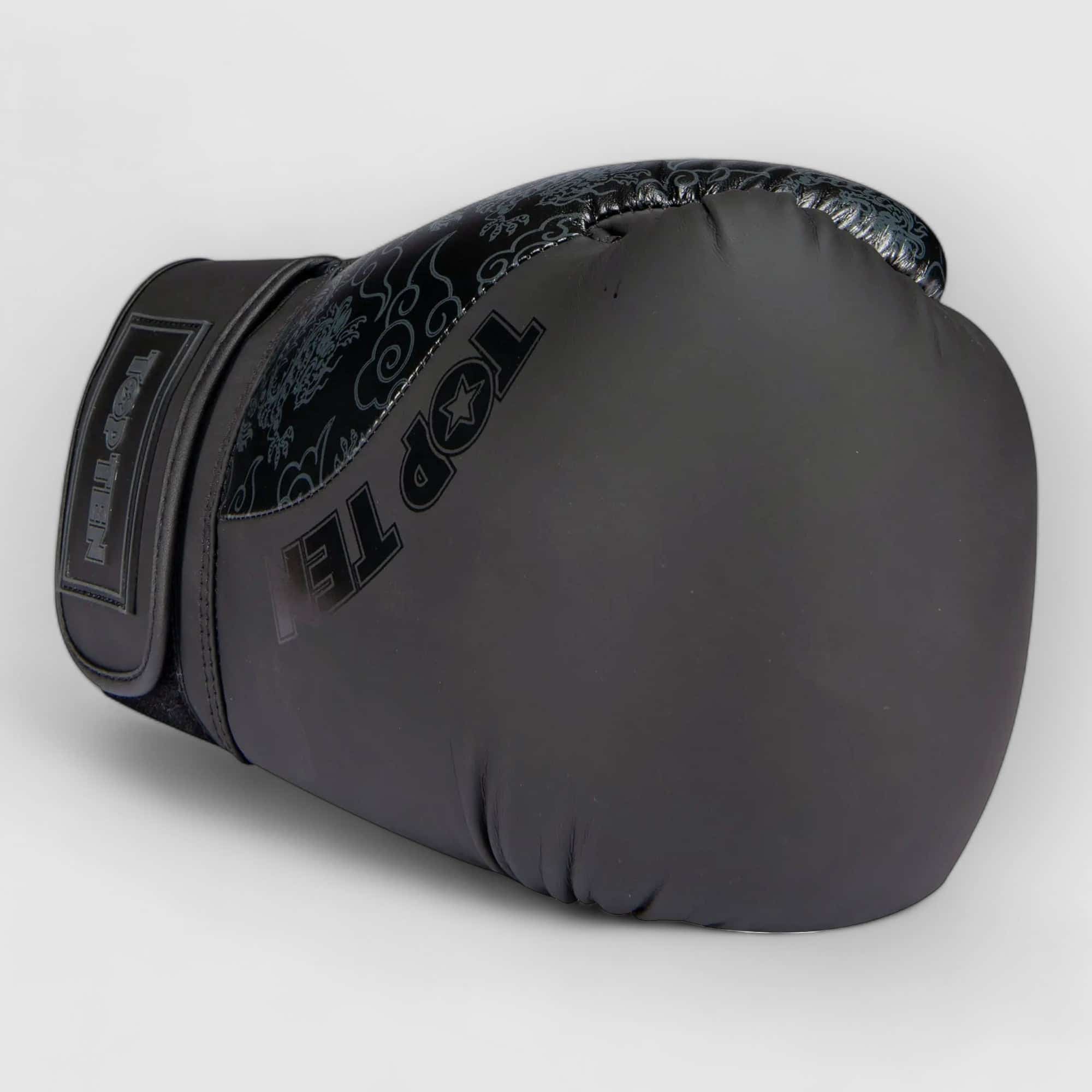


Denser padding and better wrist support for those who train several times a week.
Muay Thai
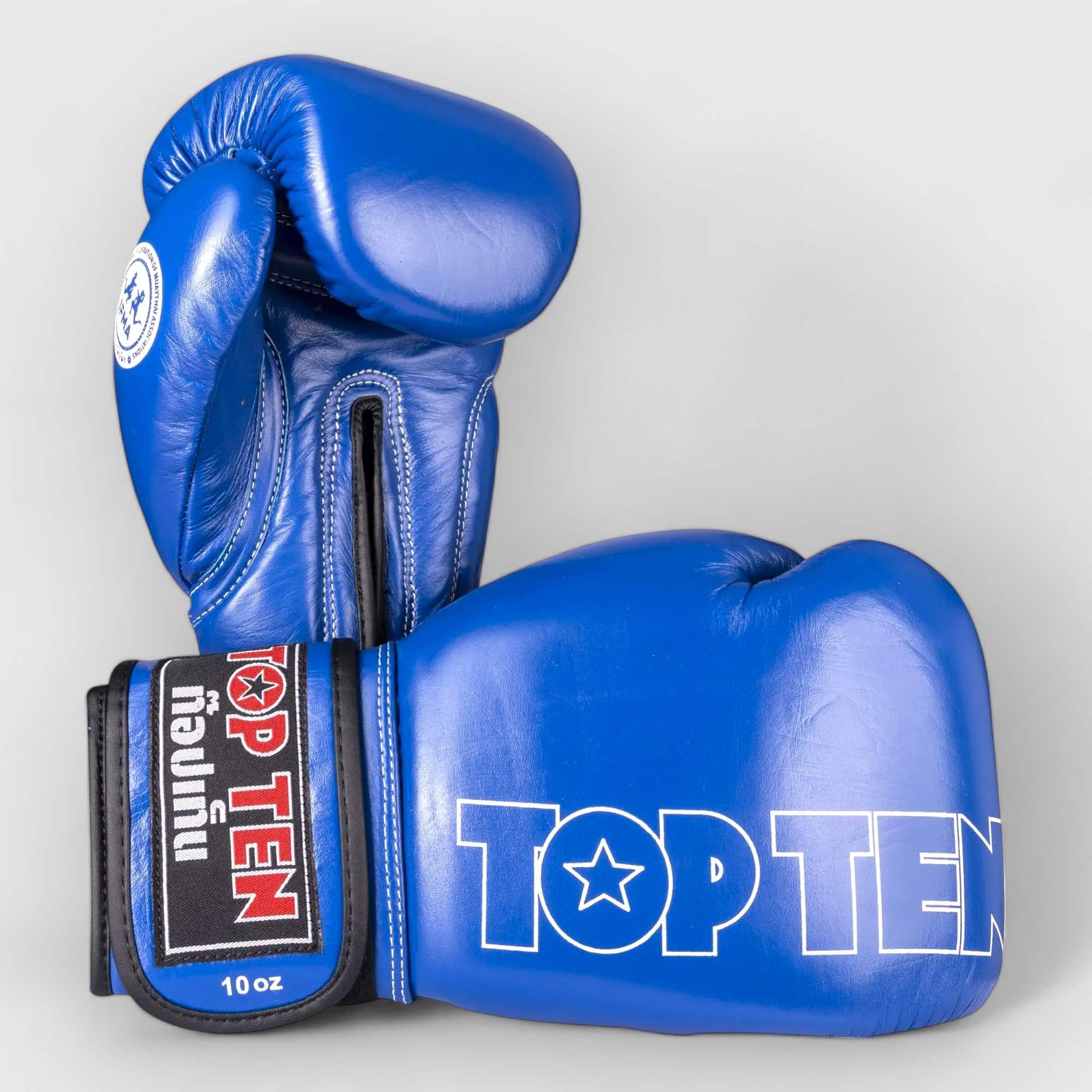
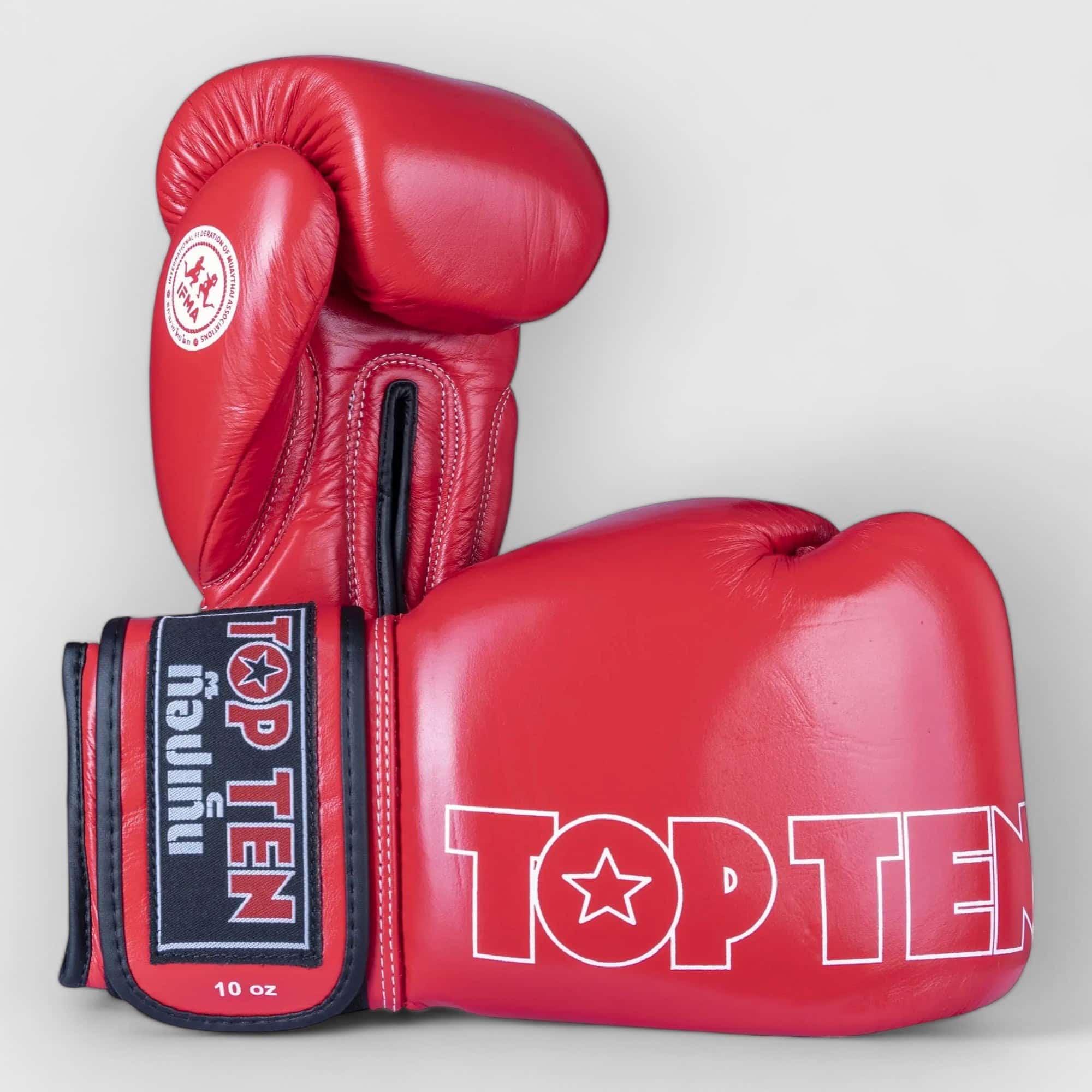


IFMA-approved model for Muay Thai, with a palm that lets you grip in the clinch.
Kickboxing
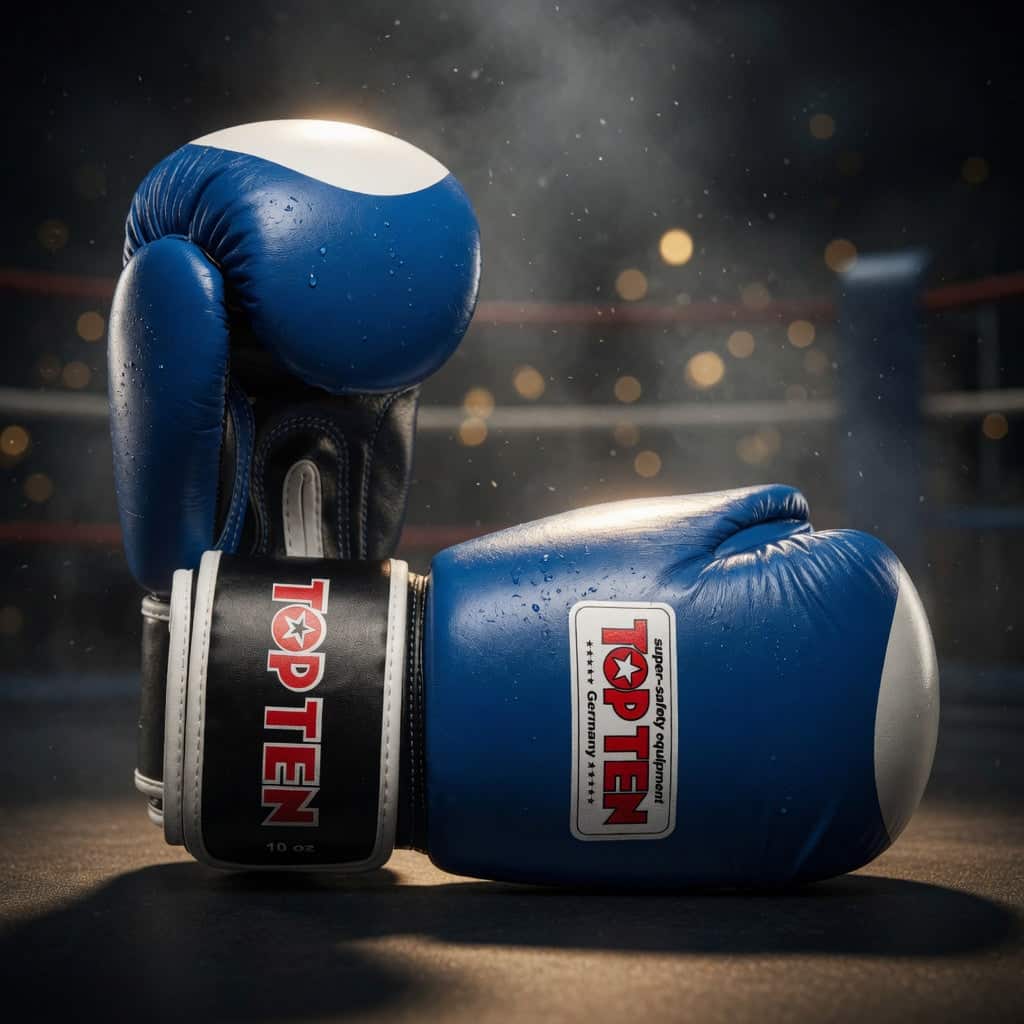
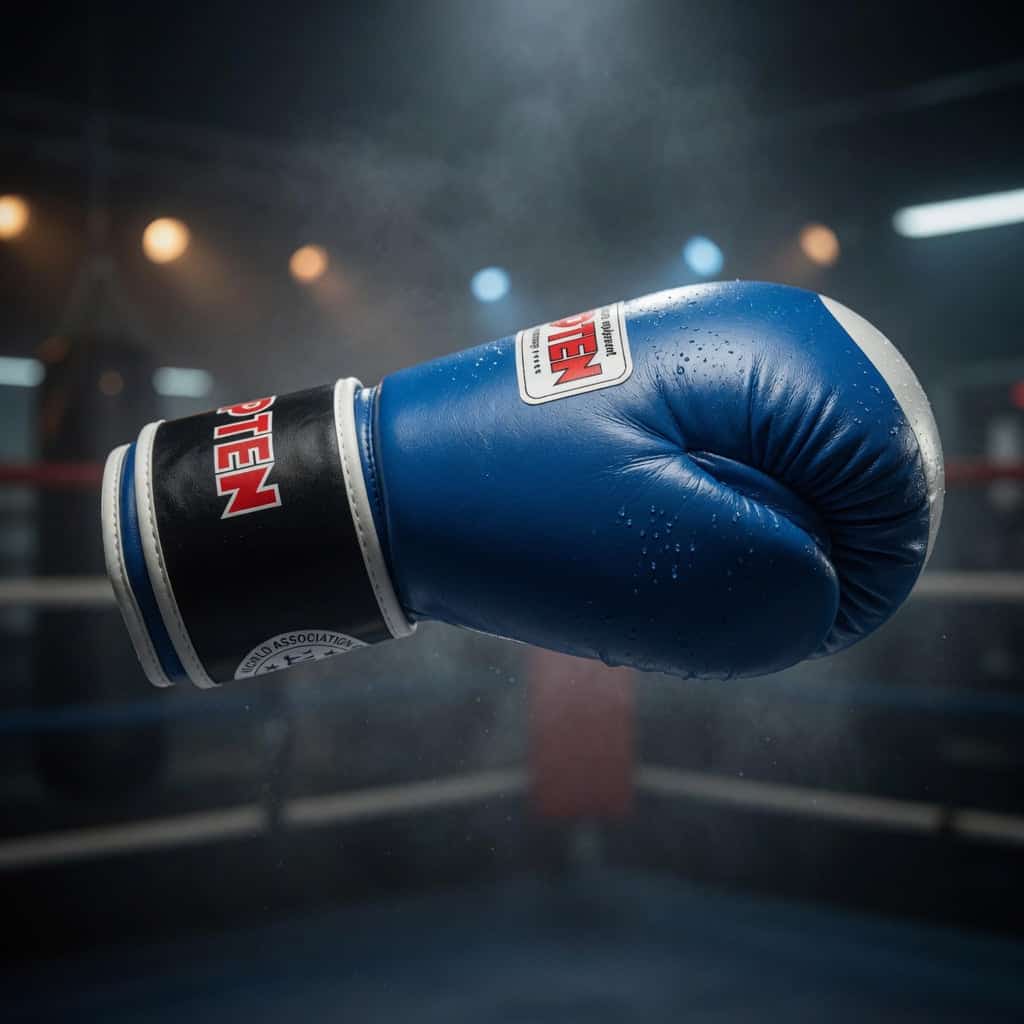


WAKO-labelled glove for kickboxing at sanctioned competitions.
Frequently asked questions
Can I use the same gloves for all three sports?
Yes, for regular training. You only notice the differences when you clinch a lot or are going to compete.
Which weight should I choose?
14 oz for most adults if you are only getting one pair. See the table for a recommendation based on body weight.
Velcro or laces?
Velcro for training, laces for competition. Laces give more even support, but need help to put on.
How do I know the glove fits?
Try it with wraps on. Your fingertips should reach the end without being squeezed, and the glove should not rotate when you punch.
How long does a pair last?
With two sessions a week and good airing, a good pair lasts two to four years.
What about kickboxing specifically?
See the detailed guide to choosing a kickboxing glove.