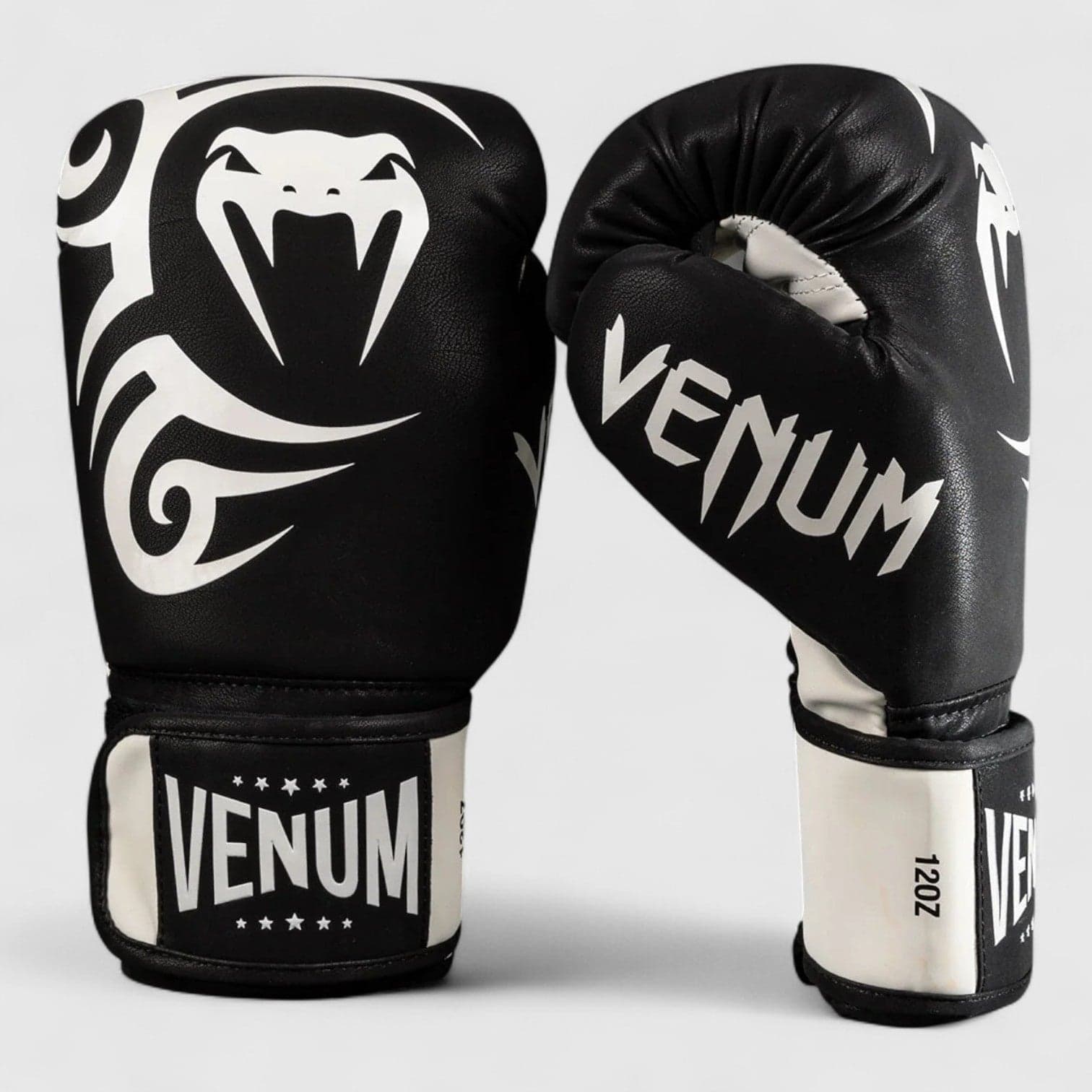


You often notice it in the first session. Either the gloves feel just right, or you are fighting the gear the whole way. If you are wondering how to choose boxing gloves, it is smart to start with what they will actually be used for - not just which brand or design you like best. The right glove gives better protection, a better striking surface and a more stable feel in the wrists and knuckles.
Many people buy their first pair based on price or looks. That is understandable, but it is rarely the best solution. Boxing gloves need to suit the discipline, type of training, body weight and experience. A glove for light bag work isn't necessarily right for hard sparring, and a model that feels soft and comfortable at first can turn out to be a poor choice if it lacks support where you need it most.
How to choose boxing gloves for the right use
The most important question is simple: what will the gloves be used for? The answer determines almost everything else.
If you mostly train on a punching bag or pads, many people prefer a more compact glove with a clear contact surface and good wrist support. Here you usually want to feel the punch better, while the padding protects your knuckles from repeated impacts. For regular technique training this often works very well.
Sparring makes different demands. Then it isn't just about protecting your own hands, but also the person you train with. Boxing gloves for sparring normally have more and softer padding, especially in front of the knuckles. They often feel bigger, and that is an advantage. The aim is controlled contact with less impact.
If you will use the gloves for a bit of everything, there are all-round models that cover several needs. They can be a good choice for beginners and recreational athletes who do a couple of sessions a week. If you train with more focus, it often pays to have at least two pairs - one for the bag and mitts, and one for sparring.
| Body weight | Bag and pads | Sparring |
|---|---|---|
| Under 60 kg | 10 oz | 14 oz |
| 60–70 kg | 12 oz | 14–16 oz |
| 70–85 kg | 12–14 oz | 16 oz |
| Over 85 kg | 14–16 oz | 16–18 oz |
Weight in oz - what most people look at first
When people ask how to choose boxing gloves, the next question is almost always how many oz they need. Oz tells you how heavy the glove is, and in practice it also says something about how much padding you get.
10 oz and 12 oz are often used for mitts, bag work and technique, especially by lighter athletes. 14 oz is a common middle ground for all-round training. 16 oz is very common for sparring, especially for adults. Some heavier athletes or clubs with strict sparring routines also use 18 oz.
There is no single answer that suits everyone. Body weight matters, but the type of training matters at least as much. A light athlete who only does bag work doesn't automatically need 16 oz. A heavy athlete who will spar regularly, on the other hand, should rarely go for gloves that are too light. Many clubs also have their own recommendations or requirements, and these should always carry a lot of weight.
Size is more than just oz
A common misconception is that the right weight automatically means the right fit. It doesn't. Two 14 oz gloves can fit completely differently. It is about the hand compartment, room for the thumb, the opening, the inner lining and how the foam is built up.
If you have narrow hands, a roomy glove can feel unstable even if the weight is right. If you have broad hands or use thick wraps, a snug model can be uncomfortable and hard to close properly. You should feel that your hand is held firmly and securely, without your fingers being squeezed together unnaturally.
A good boxing glove lets you close your hand naturally into the punching position. If you have to fight to make a fist, or if your hand slides around inside the glove, the fit is wrong. This is often where the difference in quality between cheap and well-thought-out models becomes clear.
Velcro or laces
For most people doing regular club training, Velcro is the practical choice. It is simple, quick and gives good support when the glove is properly constructed. If you train alone or change gear often during a session, Velcro is almost always the most sensible option.
Laces are widely used in competition circles and by athletes who want a very snug and precise fit. Laced correctly, the glove can fit fantastically well around the wrist and hand. The downside is that you usually need help to put them on and take them off properly.
For the vast majority in Norwegian club training, Velcro is the right place to start. Laces are best when you know you actually need them.
Materials and build quality
The material affects price, durability and how the glove develops over time. Genuine leather often lasts longer and moulds well with use, especially if you train often. Synthetic materials can also work very well, particularly in the mid-range, but the differences between models are large.
What you should look for isn't just what the surface is made of. Seams, wrist support, inner lining and the quality of the padding matter at least as much. A glove can look solid in the pictures but still go soft too quickly or lose its shape after a few months of hard use.
If you train once or twice a week, a good entry-level model is often fine. If you train four to six sessions or more, you should think more long term. Then it usually pays to choose gloves that can handle the load.
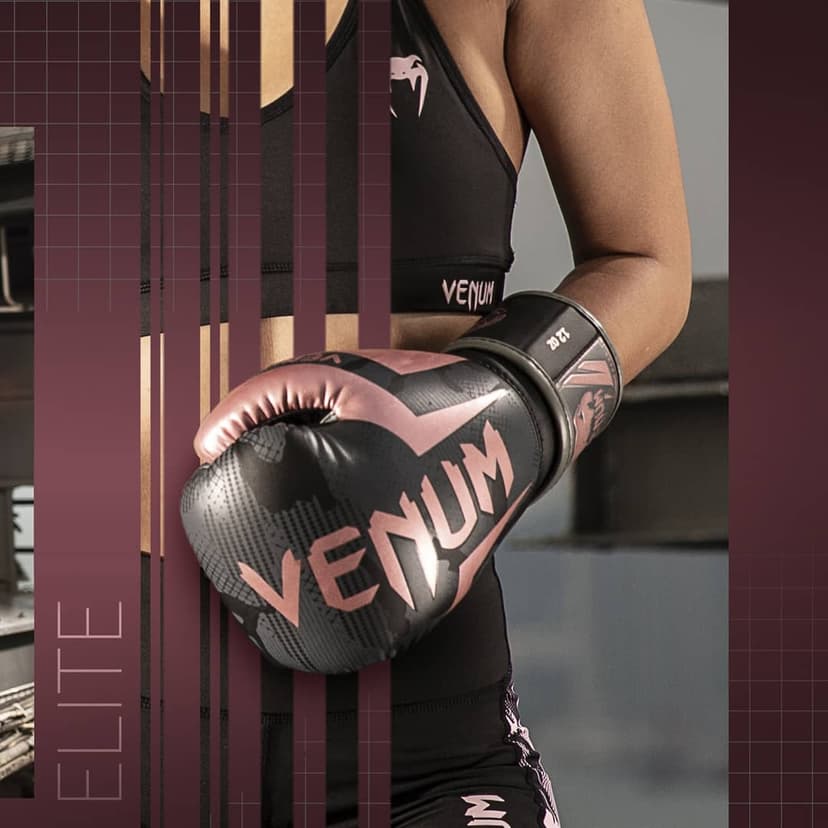
How to choose boxing gloves as a beginner
As a beginner you don't need the most advanced model on the market. You need a glove that protects well, fits correctly and suits the training you will actually be doing.
For many adult beginners, 12 oz or 14 oz is a good place to start for regular technique and light bag work, while 16 oz is often relevant if sparring is part of the programme. But this depends on body weight, club requirements and how hard you train. Children and young people need to be considered separately, and here the gloves should be matched to size, age and level - not just bought big to last longer.
The safest choice is often a well-balanced training glove from a manufacturer known for martial arts gear, not just fitness products in general. See our range of boxing gloves to find the right model for your level.
Don't forget hand wraps
Even the best glove doesn't do the whole job on its own. Hand wraps give extra support to the wrists, knuckles and the small structures in the hand that take a lot of strain over time. If you don't wear wraps, the glove will often fit worse, and the risk of minor problems increases.
Wraps also affect the fit. That is why it is wise to think about them when choosing size and model. A glove that feels perfect without wraps can become too tight when you use it properly.
Common wrong choices
The most common mistake is buying gloves that are too light because they feel fast and neat. That can work in the short term, but often gives less protection than you want, especially in harder training. Another classic is using the same gloves for everything, including sparring, even though they are really built for the bag.
Some people also choose a glove that is too big in the hope of more safety. That can backfire if the hand has too much room to move inside the glove. Good protection isn't just about thick padding, but about keeping the hand stable in the right position.
A final point is buying without checking whether the club or federation has requirements. In some circles there are clear rules on weight, type of glove or approvals. This applies especially to competition and organised sparring.
When should you have more than one pair?
If you train regularly and in varied ways, two pairs is often the best solution. One pair for the bag and mitts, and one pair for sparring. That gives better hygiene, a longer lifespan and the right protection for the right use.
It is also more economical than many people think. When one pair is used for everything, the padding wears faster and the glove loses its properties sooner. If you train a lot, specialising quickly becomes a better buy than compromising.
At a specialist store such as Combat Store, it is exactly these kinds of differences that matter. Not just what the glove is called, but what it is actually made for.
How to know you have chosen correctly
When the glove fits, you notice it in your punches. Your hand sits stably, your wrist feels supported, and you think less about the gear during the session. It shouldn't pinch unnecessarily, but there shouldn't be any play either. You should be able to work technically without constantly adjusting the glove.
A good choice also feels right after several sessions, not just the first five minutes. If you get sore knuckles, an unstable feeling in the wrist or notice the glove collapsing early, it is a sign that something isn't right - either the size, the model or the use.
The right boxing gloves aren't about buying expensive to be on the safe side. They are about choosing gear that suits your body, your training and the level you are actually at. When that choice is made correctly, the rest of the session usually gets better too.
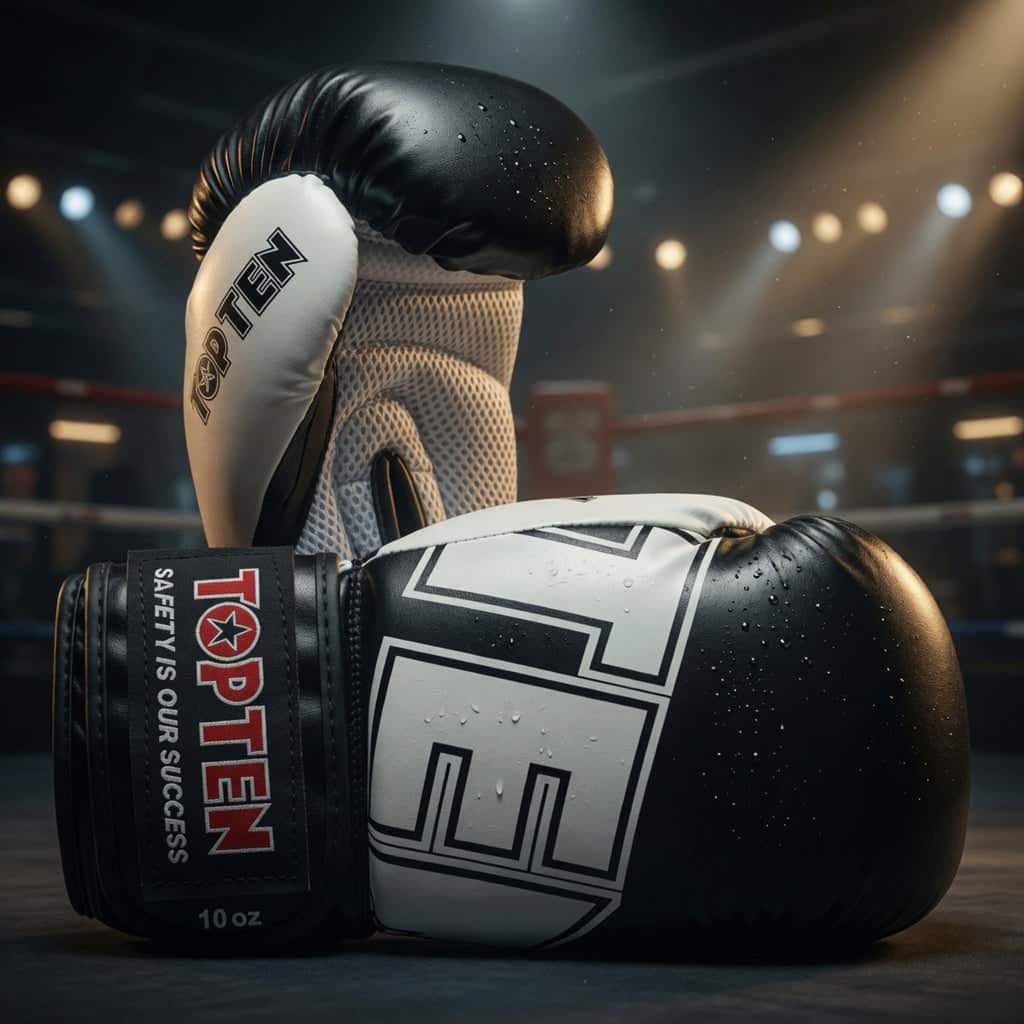
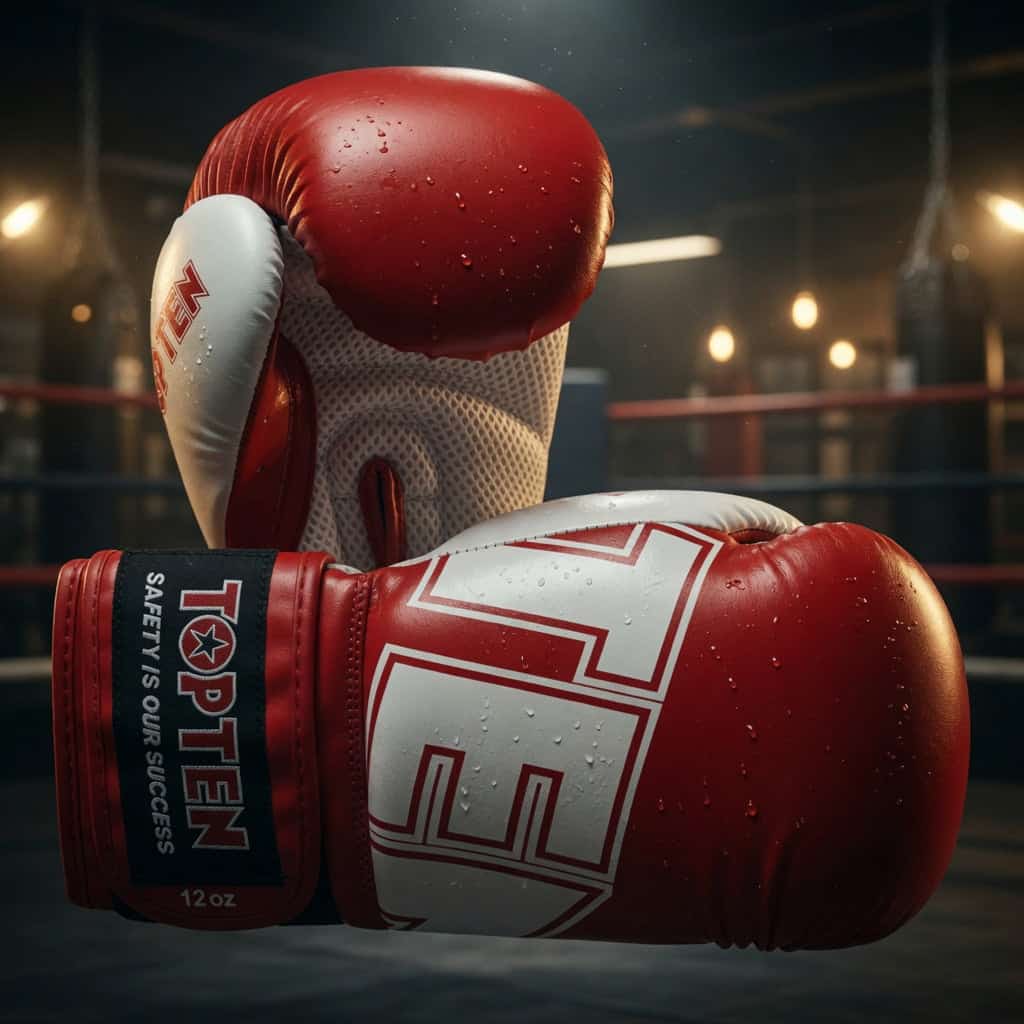


When you train a lot
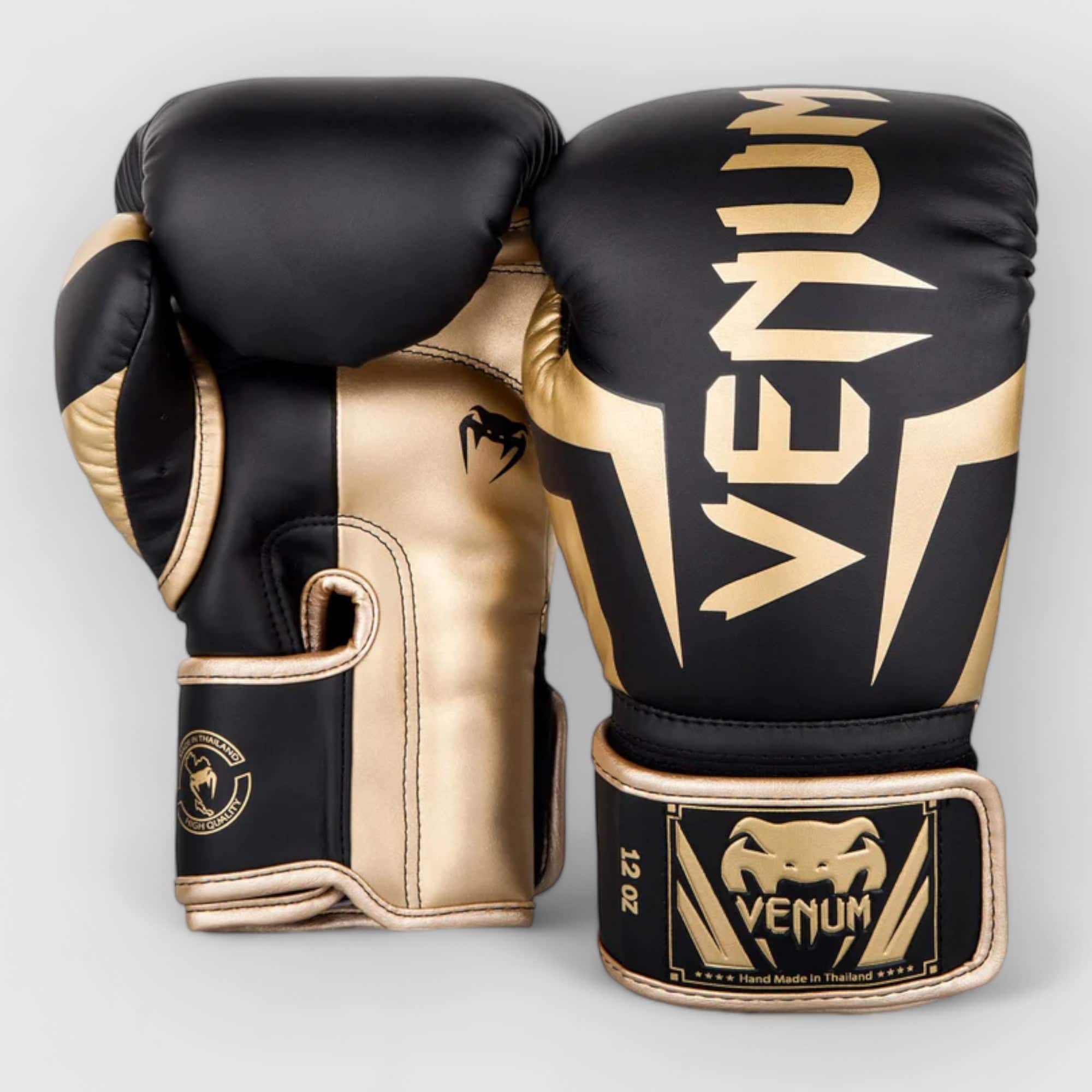
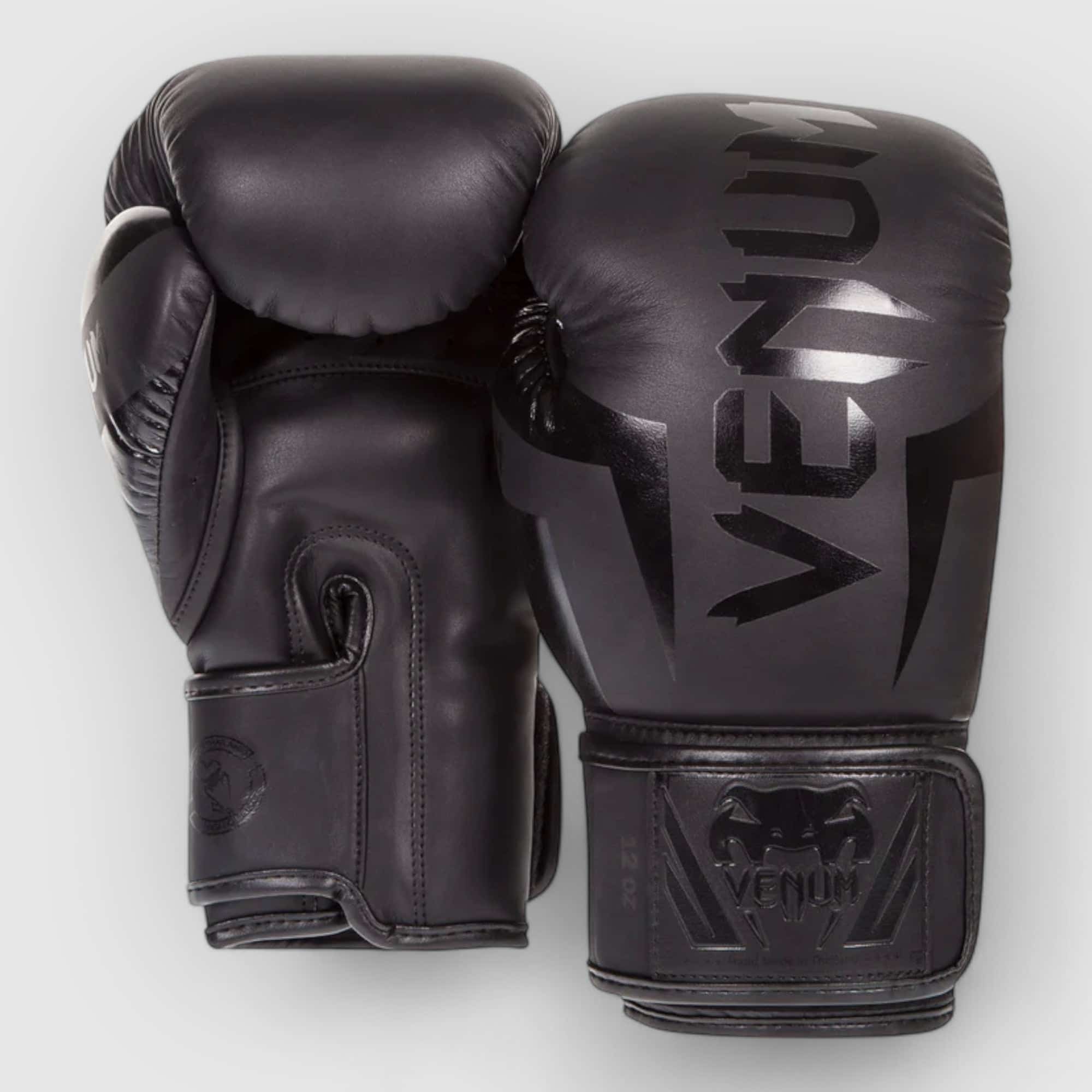


Handmade in Thailand. The store's best-selling glove for athletes who train several times a week.
For WAKO competitions
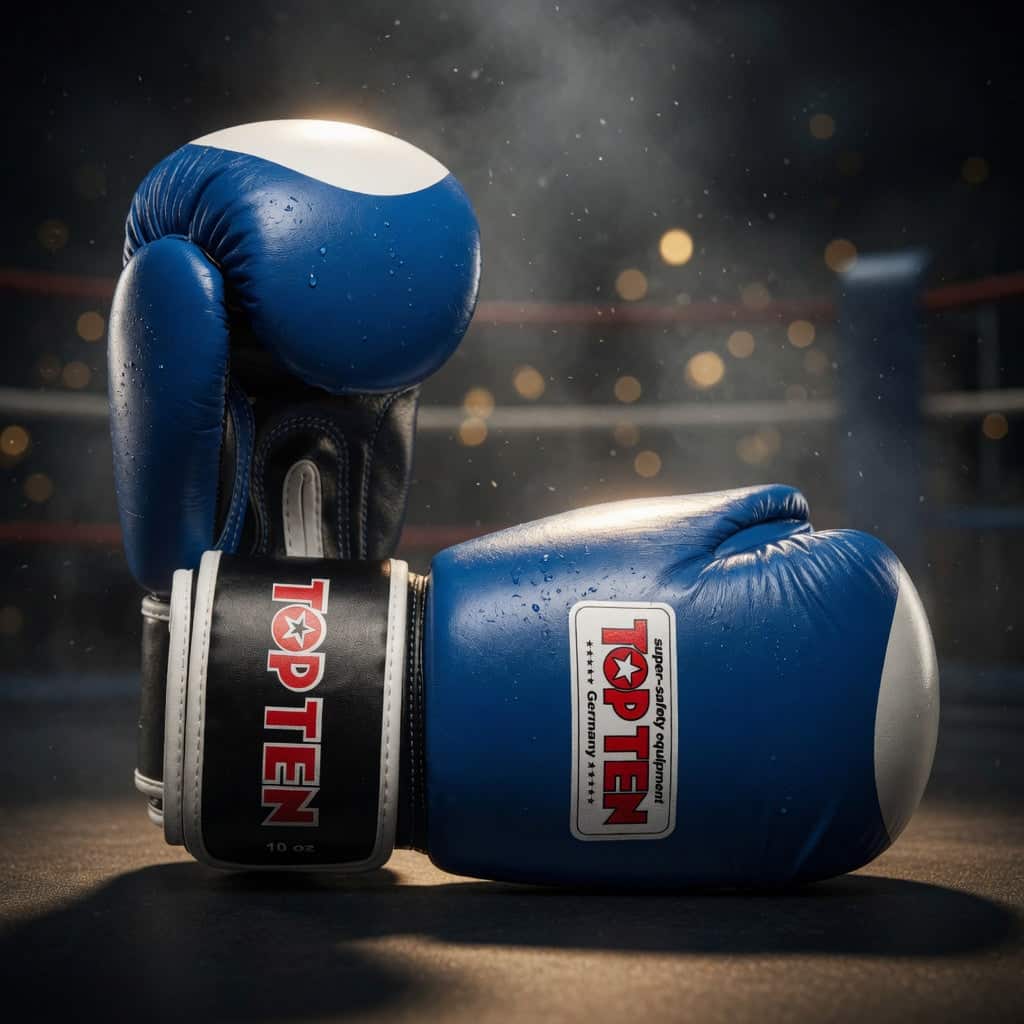
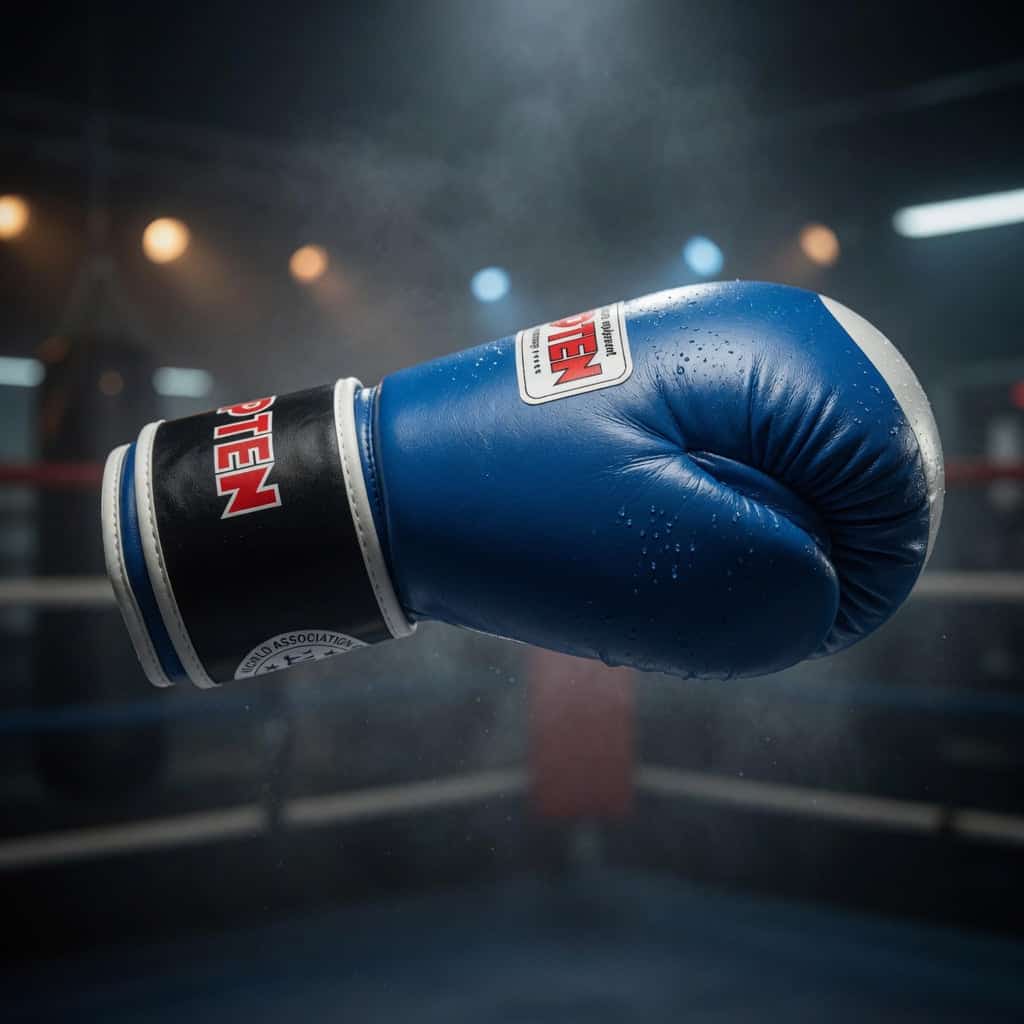


Carries the WAKO label the gear check looks for. Essential if you are going to compete.
For children

The right size matters more than room to grow. A glove that is too big gives poor control.
Frequently asked questions about boxing gloves
What size boxing gloves should I choose?
It depends on body weight and type of training. For most adults, 14 oz is a good starting point for all-round training, while 16 oz is recommended for sparring. Lighter athletes can manage with 12 oz for the bag and mitts.
Can I use the same boxing gloves for both bag work and sparring?
It is possible, but not ideal. Bag gloves are built for contact surface and feel, while sparring gloves have more and softer padding to protect your training partner. If you train a lot, it pays to have two pairs.
What is the difference between Velcro and lace-up gloves?
Velcro is the easiest to put on and take off yourself, and suits most training situations. Laces give a snugger, more precise fit, but usually need help to fasten correctly. Laces are mostly used in competition circles.
Do I have to wear hand wraps under boxing gloves?
Yes, it is strongly recommended. Hand wraps give extra support to the wrists and knuckles, reduce the risk of injury and affect the fit of the glove. Always choose your glove with wraps on to make sure you get the right size.
Read more about boxing gloves
- Best boxing gloves 2026 – our guide to choosing the right pair
- The best boxing gloves 2026: our experts' top picks
- Are these the best boxing gloves for the price?
- Which boxing glove should I choose?
- Choosing boxing gloves – boxing, kickboxing and Muay Thai
- How to choose the right kickboxing glove
- What size boxing gloves do you need? A guide for beginners
- A complete guide to oz and weight for boxing gloves
- Guide to oz and boxing glove sizes
- Guide to boxing gloves: size, weight and use