
Taekwondo is the world's most widespread martial art measured by number of athletes, and the only one apart from judo that is its own Olympic discipline. It is also one of the most confusing to buy gear for, because «taekwondo» in practice covers several federations with different rules, different uniforms and different approved competition gear.
This guide clears things up: what taekwondo is, what separates ITF from WT, where NTN fits into the Norwegian picture, and exactly what gear you need depending on which style your club follows.
What is taekwondo?
Taekwondo is a Korean martial art centred on kicks. The name roughly means «the way of the foot and fist», and although hand techniques are part of it, it is the kicks the sport is known for: high, fast, often spinning, and with a range of movement few other martial arts have.
Training is usually divided into three parts. Patterns, called tul in ITF and poomsae in WT, are set sequences of movements performed alone, which grading is based on. Sparring is fighting a partner, with rules that vary greatly between the styles. Technique and basic training covers stances, kicks on pads and conditioning.
International Taekwon-Do Federation (ITF)
The ITF is the original organisation, founded by General Choi Hong Hi in 1966. The style is recognisable by its sine wave motion, a controlled up-and-down movement of the body used to build power in the techniques.
Sparring in ITF is semi-contact. Athletes wear gloves and foot guards that cover the whole foot, and points are given for controlled hits. That makes the gear requirements clear: ITF-approved gloves and kicks, in red and blue for competition. The dobok has a black trim at the bottom of the jacket for graded athletes, and the jacket itself is pulled over the head instead of being tied.
See ITF gear from NTN and TOP TEN.
World Taekwondo (WT), the Olympic style
WT is the style you see at the Olympics. Here sparring is full contact to the body, and athletes wear a hogu, a padded chest protector, as well as a headguard, forearm guards and shin guards. Points are recorded electronically in modern competitions.
The WT dobok has a V-neck and crossover collar, and is cut differently from the ITF uniform. It can't be used in ITF competition, and vice versa.
NTN, National Taekwon-Do Norway
NTN is the Norwegian organisation for ITF taekwondo, and is behind a large number of clubs around the country. If you train at an NTN club, you follow the ITF style, and your gear follows the ITF requirements. NTN has its own requirements for uniforms and markings at gradings and competitions, so check with your instructor.
The differences summarised
| ITF | WT | |
|---|---|---|
| Type of sparring | Semi-contact, points for control | Full contact to the body |
| Dobok | Pulled over the head, black trim | V-neck, crossover collar |
| Hands | ITF gloves with open fingers | Bare hands or thin gloves |
| Feet | Kicks that cover the whole foot | Foot protector with sensor |
| Body | No vest | Hogu, padded chest protector |
| Patterns | Tul | Poomsae |
| Olympic | No | Yes |
Gear: what do you need?
Dobok and belt
The uniform is the first and only thing you need for regular training. Beginner uniforms are lighter and cheaper, while master uniforms have more elaborate embroidery and heavier fabric. A belt usually comes with beginner uniforms, but not always. See Taekwondo uniforms.
Gloves
ITF gloves are open at the fingers and padded over the knuckles. Competitions require an approved model in the right colour. See Taekwondo gloves.
Kicks and foot guards
Kicks cover the instep, heel and toes, and are what make semi-contact sparring possible. Weight matters a lot: a light model feels like almost nothing on the foot and affects kicking technique minimally. See Taekwondo safety kicks.
Headguard
Required for sparring in most clubs and at all competitions. See Taekwondo headguards.
Groin guard and mouthguard
A standard requirement in club training with sparring. See Mouthguards.
The belt system
ITF uses ten grades before black belt, called gup, and counts downwards: 10th gup is white belt, 1st gup is red with a black stripe. The order goes through white, yellow, green, blue and red, with an intermediate grade where the belt gets a stripe in the next colour. After black belt you count upwards in dan grades.
The colours have their own symbolism in ITF: white for innocence, yellow for the earth where the plant took root, green for growth, blue for the heaven it reaches towards, red for danger and control, and black as the opposite of white.
Our recommendations
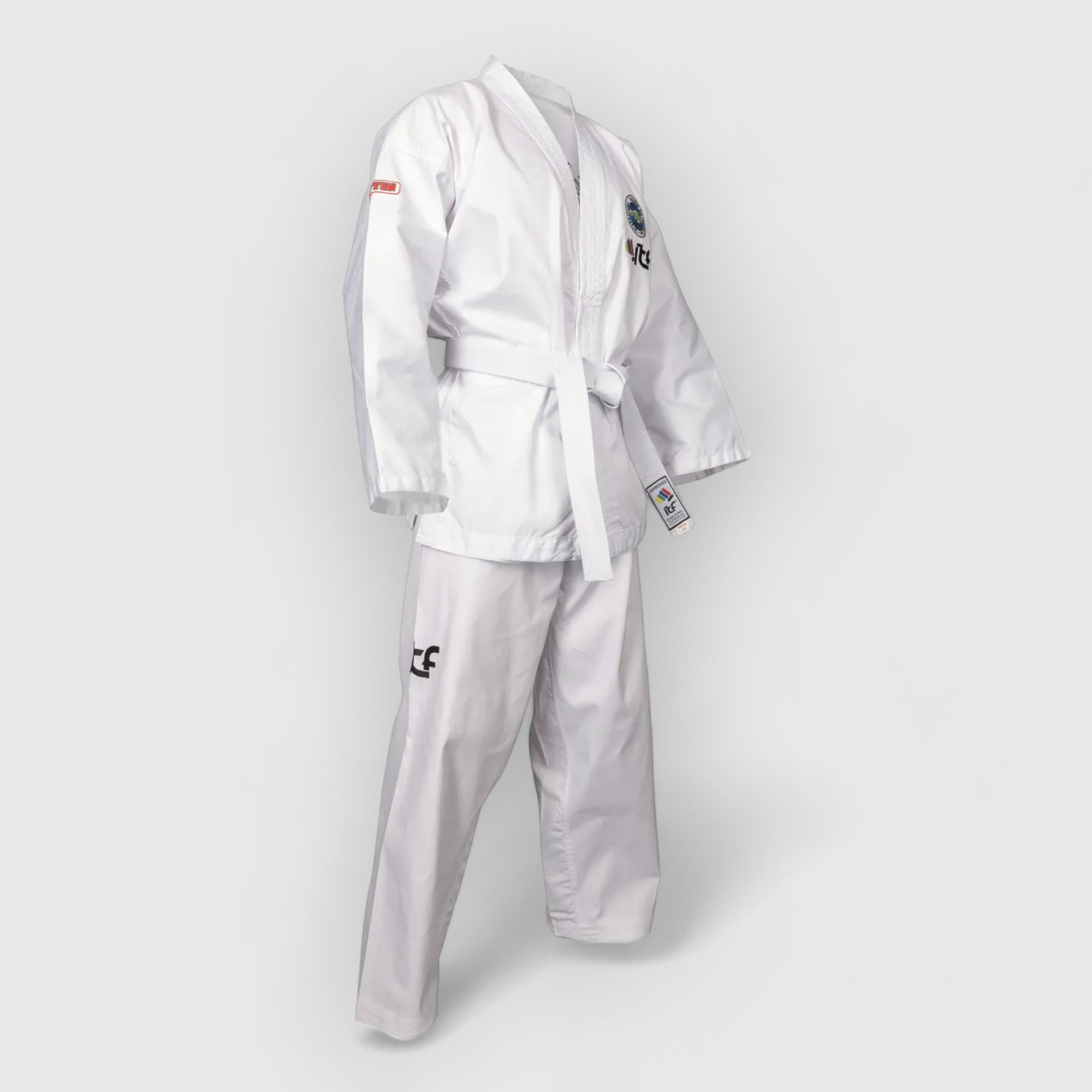 TOP TEN Elite Kyong ITF Beginner's Uniform for adultsFirst uniform, adult · An ITF-approved uniform at a beginner's price. Light fabric that withstands frequent washing. 599 kr.
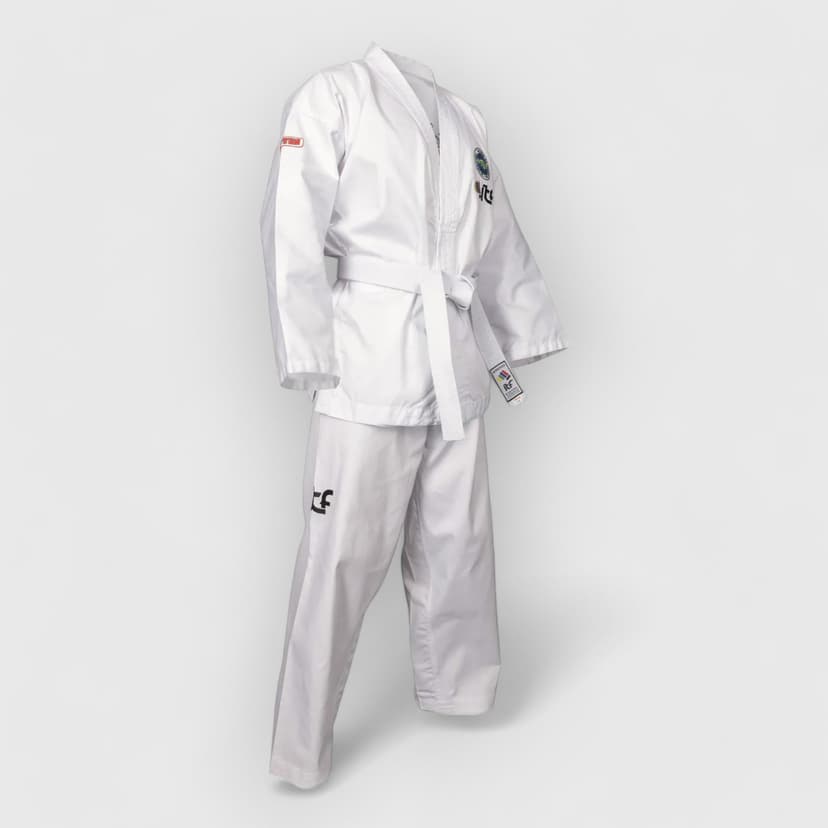 TOP TEN Elite Kyong ITF Beginner's Uniform for childrenFirst uniform, child · The same uniform in children's sizes. Consider choosing one size up if your child is growing. 549 kr.
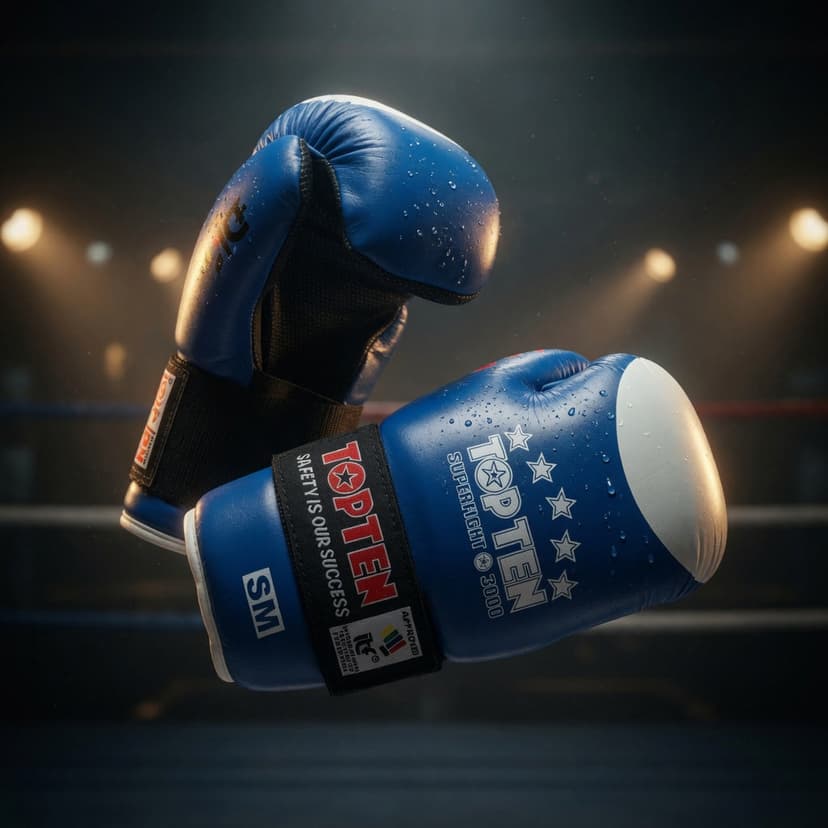 TOP TEN Superfight 3000 ITF Semi-Contact GlovesFor sparring · The official ITF model. Approved for competition and robust enough for daily club training. 799 kr.
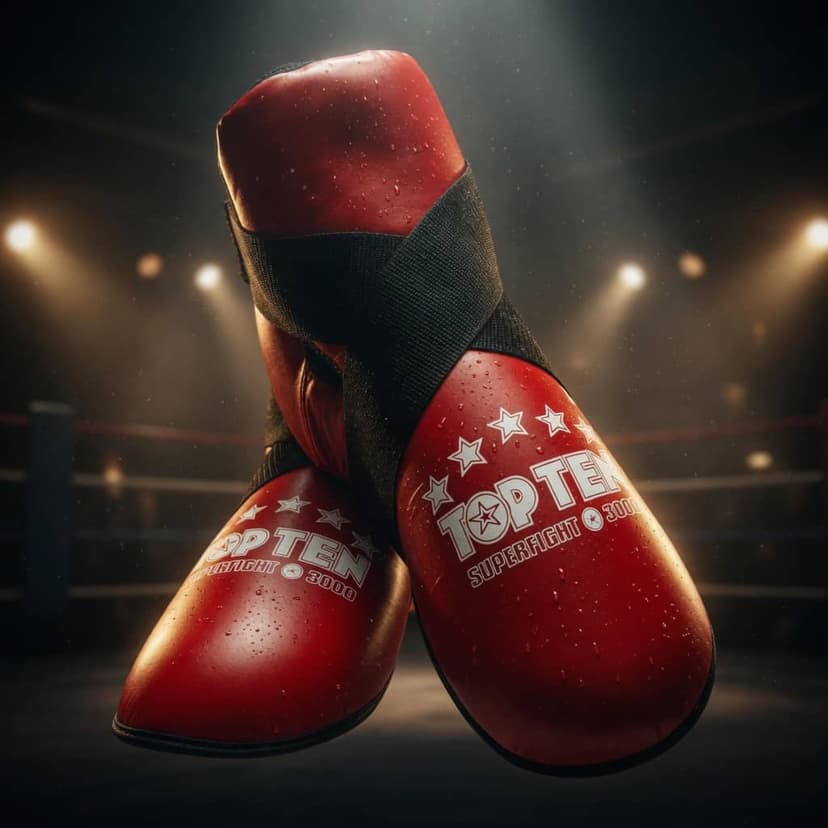 TOP TEN Superfight 3000 Instep Guard/KicksKicks · Covers the instep, heel and toes, and stays in place without slipping. Matches the gloves above. 890 kr.
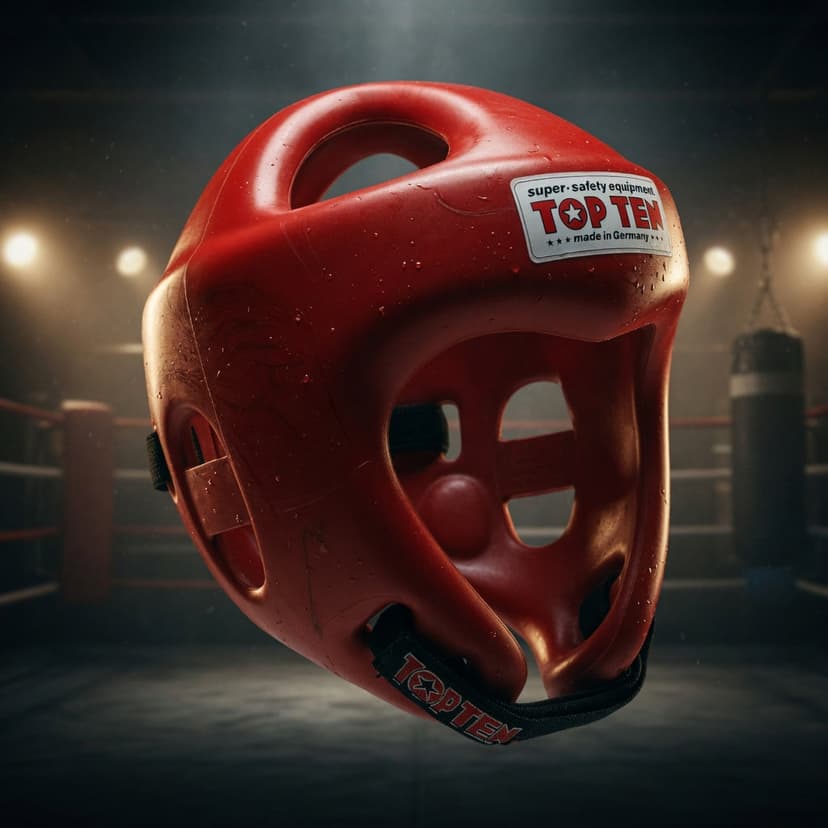 TOP TEN Fight HeadguardHeadguard · The classic among semi-contact headguards. An open field of vision and good cushioning at the forehead. 1449 kr.
Frequently asked questions
How do I know if my club is ITF or WT?
Ask the instructor. You can also tell from the uniforms: the ITF jacket is pulled over the head and has a black trim, the WT jacket has a V-neck.
Can I use an ITF uniform at a WT club?
For regular training, many clubs accept it for a while, but not for grading or competition. Check before you buy.
What size dobok should I get?
Uniforms are measured in centimetres by body height. If you are between two sizes, choose the larger, especially for growing children.
Do I need protective gear from the start?
No. The first few months are about technique and patterns. You buy sparring gear when your club says you are ready.
How long does it take to get a black belt?
With consistent training it usually takes four to six years in ITF. It varies with the club and how often you train.
Is taekwondo good for children?
Yes. The sport puts great emphasis on discipline, respect and gradual progression, and has a clear structure that many children thrive with.
Build your starter kit – everything for your first session, with 10% off