
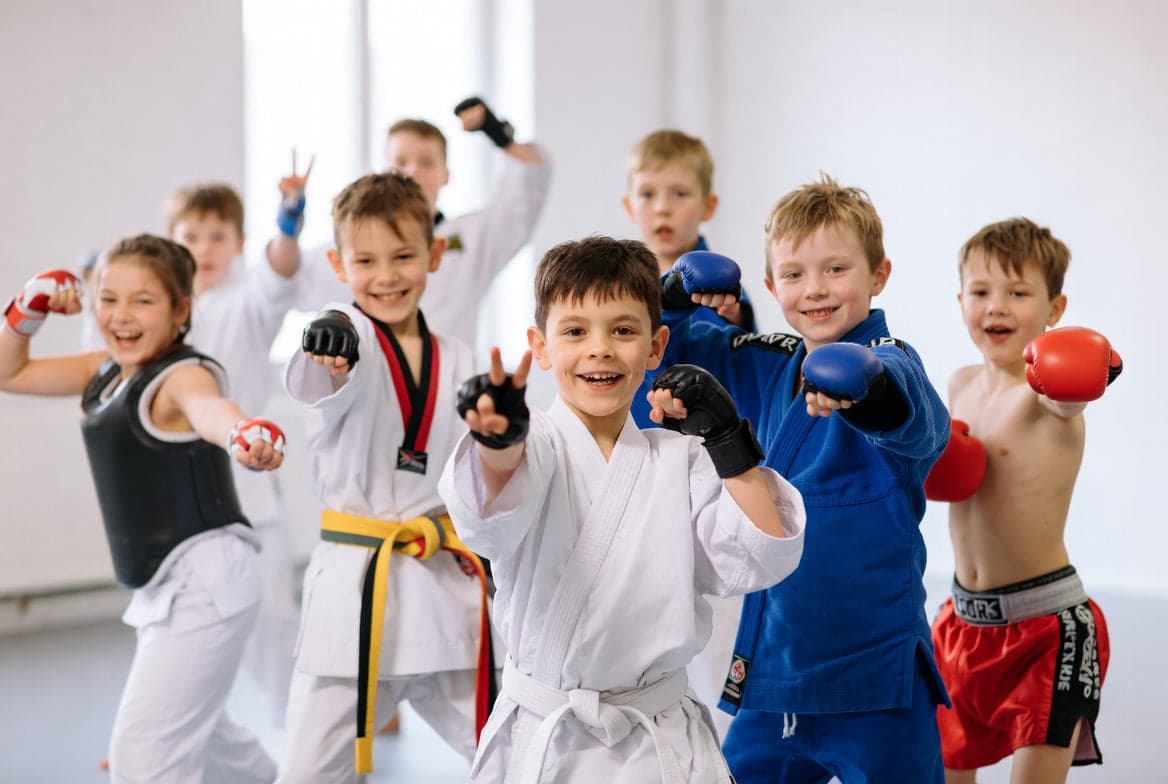
Is your child about to start a martial art, but you are unsure which style suits them best? You are not alone. Many parents ask the same question – and the answer is rarely the same for every child. Here we compare karate, taekwondo, BJJ and kickboxing in a simple way, with a focus on safety, age, type of training and what is needed at the start. The aim is for you to come away from this guide with a clear direction – not more confusion.
Physical activity is important for children of all ages. Helsenorge (the Norwegian public health portal) recommends at least 60 minutes of moderate to vigorous physical activity daily for school-age children – and martial arts are an excellent way of achieving this, while children also learn discipline, respect and self-confidence.
Why choosing a martial art should start with the child, not the gear
It is tempting to start by asking «what do we need to buy?» – but the right question is: what does my child enjoy? A child who loves moving fast and jumping will thrive differently from a child who likes solving problems and thinking tactically. Martial arts are not one thing – they are many different environments, ways of learning and physical expressions.
Norges Kampsportforbund (NKF, the Norwegian Martial Arts Federation) emphasises that children's sport should be playful, varied and built on a sense of achievement – and the best martial arts clubs for children follow exactly this principle. Choose a style and a club where your child feels safe and seen, not where you think it will be «toughest».
Four questions that decide what suits
Age and maturity
Most martial arts clubs take children from age 5–6, but it varies. BJJ classes for the very youngest are usually very play-based. Taekwondo and karate often have well-adapted children's classes from age 5–6. Kickboxing with contact is usually recommended from age 10–12. A younger child needs short, varied sessions with lots of play – an older child can handle more structure and technique.
Level of contact and sparring
This is the question parents ask most often. The truth is that all martial arts can be trained safely by children when the club is serious about it. BJJ is a contact sport, but without punches and kicks – children learn to fall safely and use their body technically. Karate and taekwondo have controlled contact in children's classes. Full-contact kickboxing is not an option for the youngest. Always ask the club: «How do you introduce sparring for beginners?»
Structure, discipline and learning style
Karate and taekwondo are known for clear structure, a belt system and rituals such as bowing and respect. This suits children who thrive with clear boundaries and visible progress. BJJ is more technical and problem-solving oriented – it suits children who like to «crack the code». Kickboxing is energetic and dynamic, and suits children who want to move a lot and quickly.
Start-up costs and first gear purchase
Most clubs let children try out in ordinary training clothes the first few times. Once your child has decided, the initial investment is relatively low: a uniform (gi or dobok) and possibly some simple protective gear. Don't buy gear before your child has settled on a style and club – then you know exactly what is needed.
Karate for children
Who karate often suits well
Karate suits children who like clear structure, want to learn self-defence and enjoy a mix of technique and physical activity. The belt system gives visible progress that motivates many children over time. Karate is also one of the most widespread martial arts in Norway, which makes it easy to find a local club.
What a typical start looks like
Most karate clubs offer trial sessions with no gear requirements. The child starts on white belt and learns basic techniques, breakfalls and simple kata (movement patterns). Sessions are structured with a clear start and finish, and respect for the coach and fellow students is central. Sakura Karate is a good example of a club with thorough beginner information for parents.
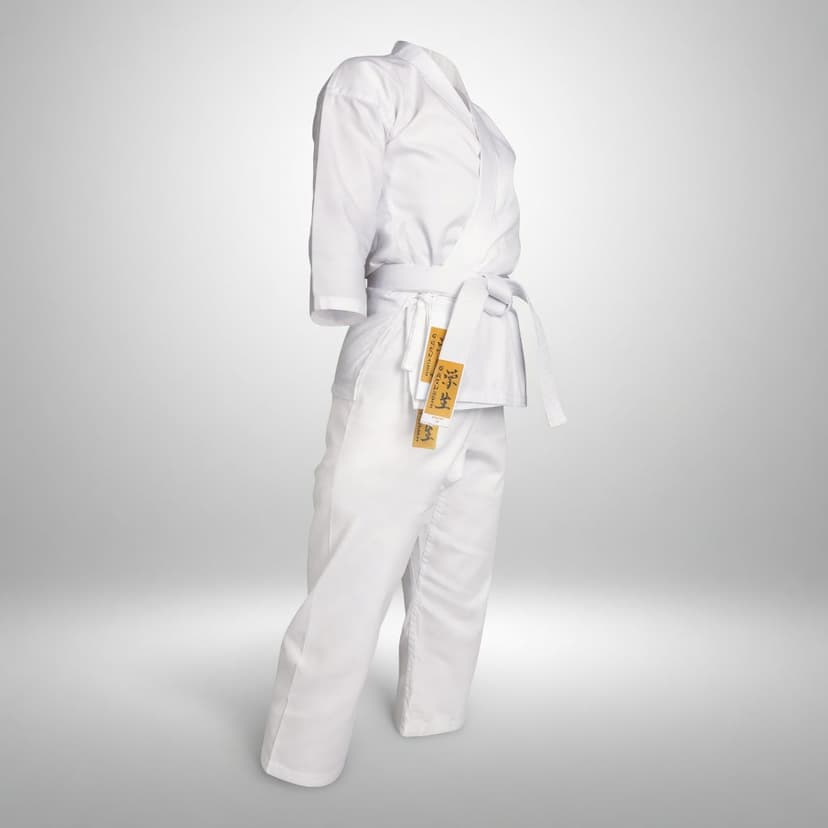
Want to read more about what you need to start karate? See our complete guide: Karate in Norway – what gear do you need to get started?
Typical starter gear
- Karate gi (white uniform) – mandatory from the first session in most clubs
- A belt usually comes with the uniform
- Protective gear (gloves, foot guards) – introduced gradually, not from day one
See HAYASHI karate gi for children
Taekwondo for children
Who taekwondo often suits well
Taekwondo is perfect for children who love kicking, jumping and moving dynamically. The sport is known for its spectacular high kicks and is an Olympic sport – something that inspires many children. ITF taekwondo (the most widespread style in Norway) has a clear belt system and puts great emphasis on discipline, respect and self-control.
Belts, rhythm and structure
The belt system in taekwondo is one of the sport's great strengths for children. Each belt represents new knowledge and skills, and the belt change is a small ceremony that gives a sense of achievement. Sessions have a fixed rhythm: warm-up, technique, pattern work (tul/poomsae) and a cool-down. Jessheim Taekwon-Do Klubb has good information about what parents can expect at the start.
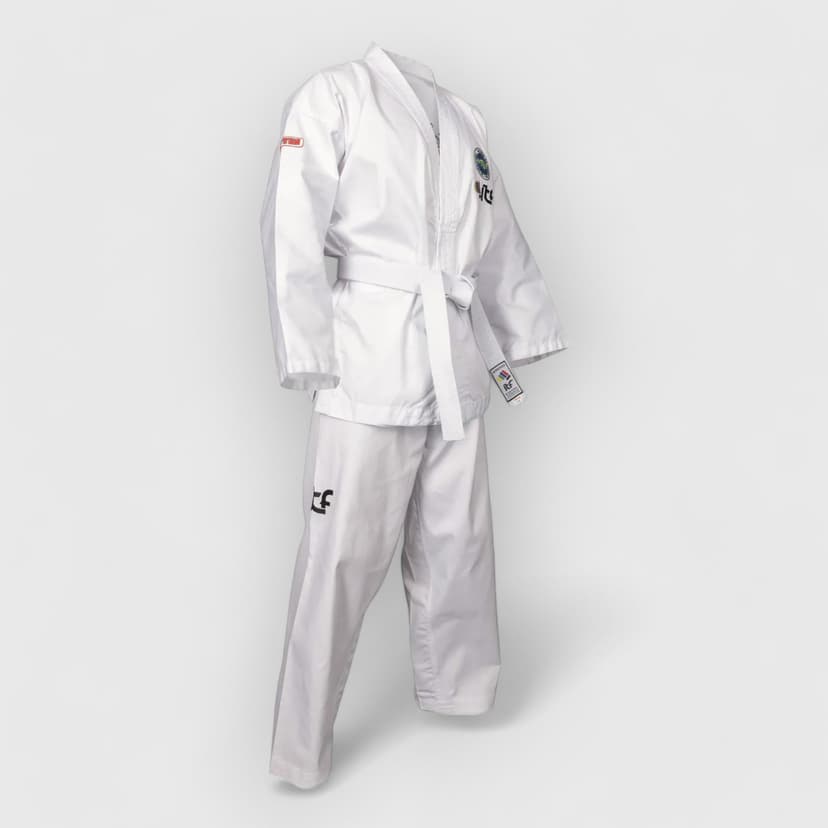
Read our complete guide to ITF taekwondo and approved gear: ITF taekwondo – history, NTN in Norway and approved gear from TOP TEN
Typical starter gear
- Dobok (taekwondo uniform) – white with a black collar for ITF
- A belt is usually included
- Gloves and foot guards – introduced when the child starts sparring
- Headguard – required in many clubs from a certain level
See the TOP TEN beginner's uniform for children
BJJ for children
Who BJJ often suits well
Brazilian jiu-jitsu (BJJ) particularly suits children who like to think tactically, solve problems and aren't afraid of physical contact. BJJ teaches children to use technique and position rather than strength – which makes it an excellent sport for smaller and lighter children too. Many parents choose BJJ precisely because it doesn't involve punches and kicks, yet still gives solid self-defence skills.
Grappling without punches and kicks
In BJJ, children practise taking down their opponent, controlling positions and using locks and chokes (adapted and safe for children). It sounds tough – and it is – but in a serious BJJ environment safety is always the focus. Children learn to «tap» (submit) and respect each other's limits from day one. Breakfall training is a natural part of the start.
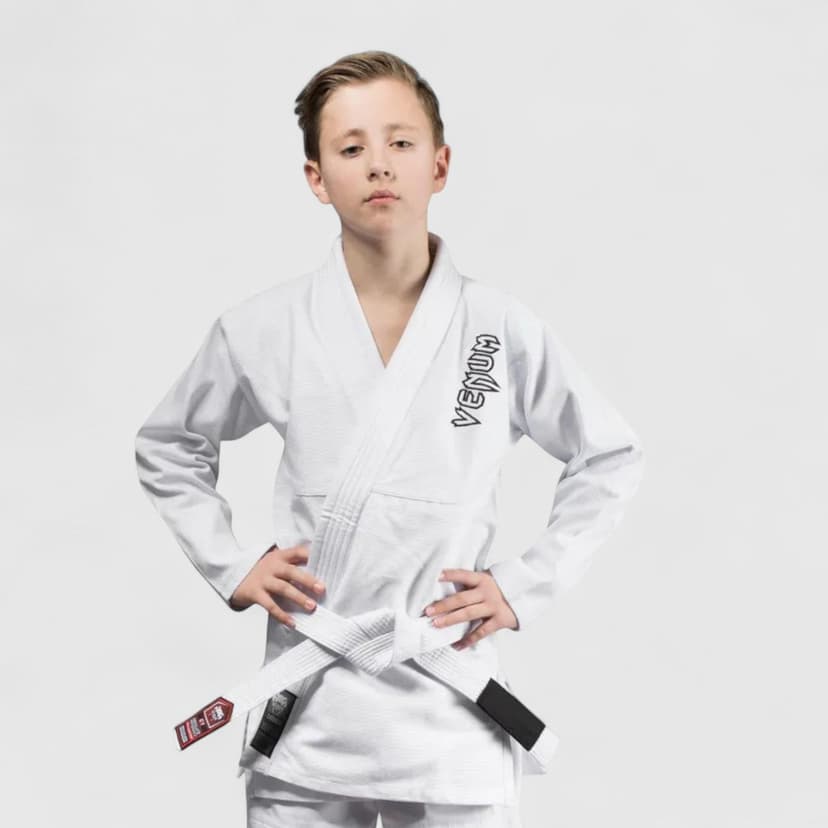
Read our complete guide to BJJ in Norway: BJJ in Norway – gear, belts and how to get started
Typical starter gear
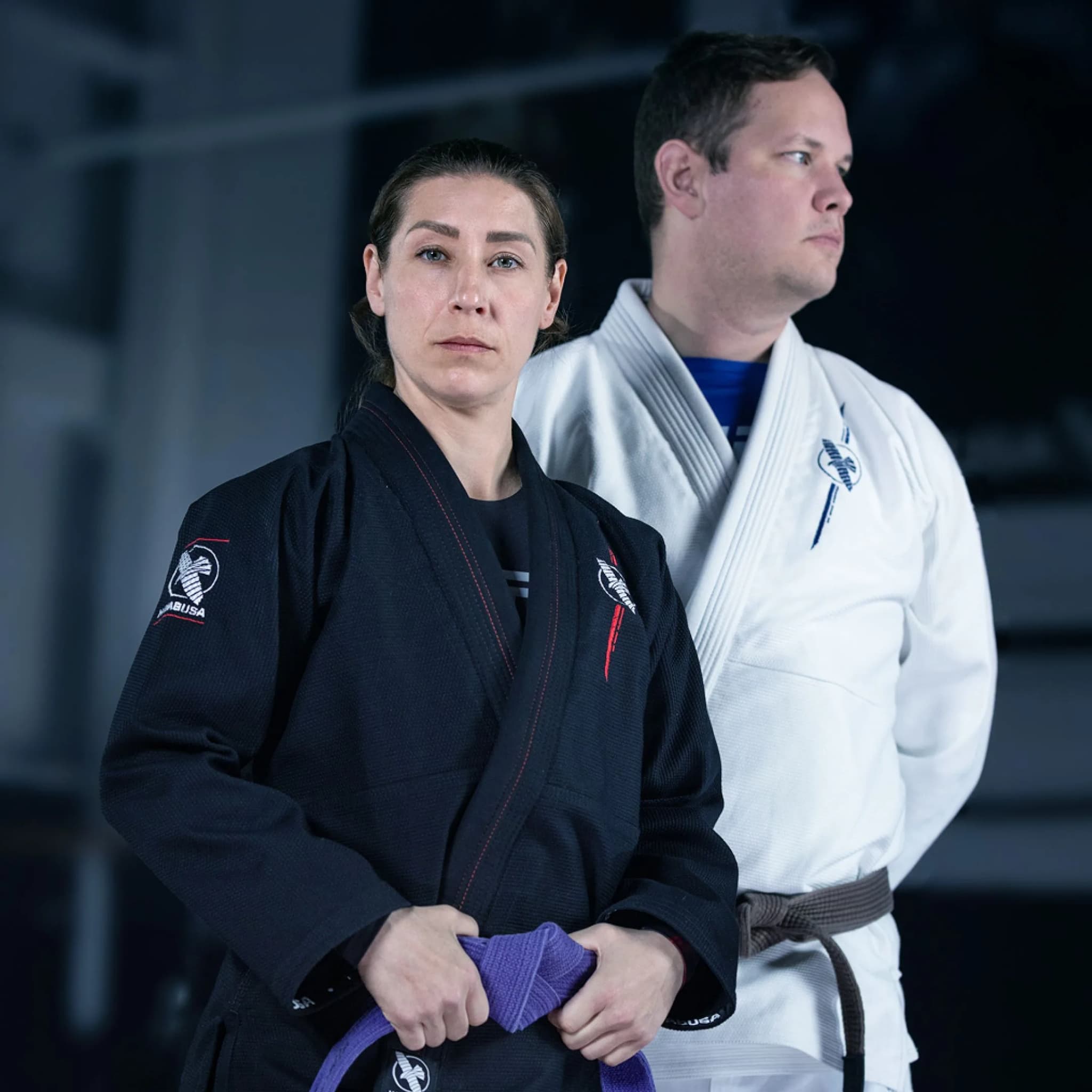
- BJJ gi (uniform) – white is standard for beginners
- Rashguard under the gi – recommended for comfort and hygiene
- No-gi shorts and rashguard – if the club offers no-gi classes
- Mouthguard – recommended from the start
What about kickboxing for children and young people?
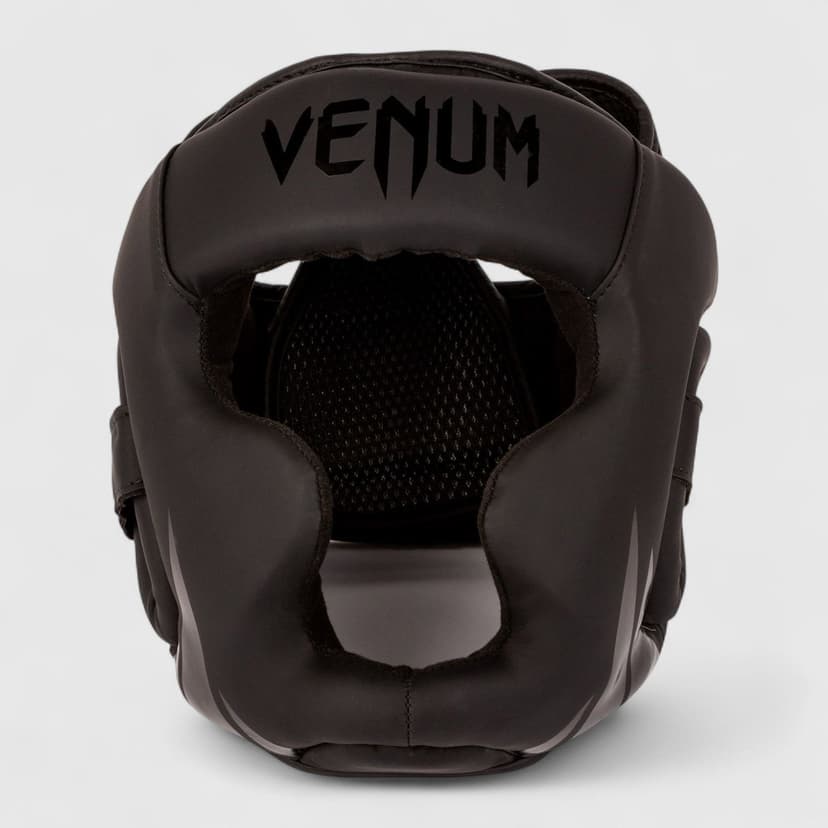
Kickboxing is an energetic and fun sport that combines boxing and kicks. For children and young people there are two variants: fitness kickboxing (no contact, focus on fitness and technique) and contact kickboxing (sparring with protective gear). Fitness kickboxing suits children from age 6–8 and is a great way into martial arts for children who like music, rhythm and a fast pace. Contact sparring is introduced gradually and is usually not relevant until age 10–12.
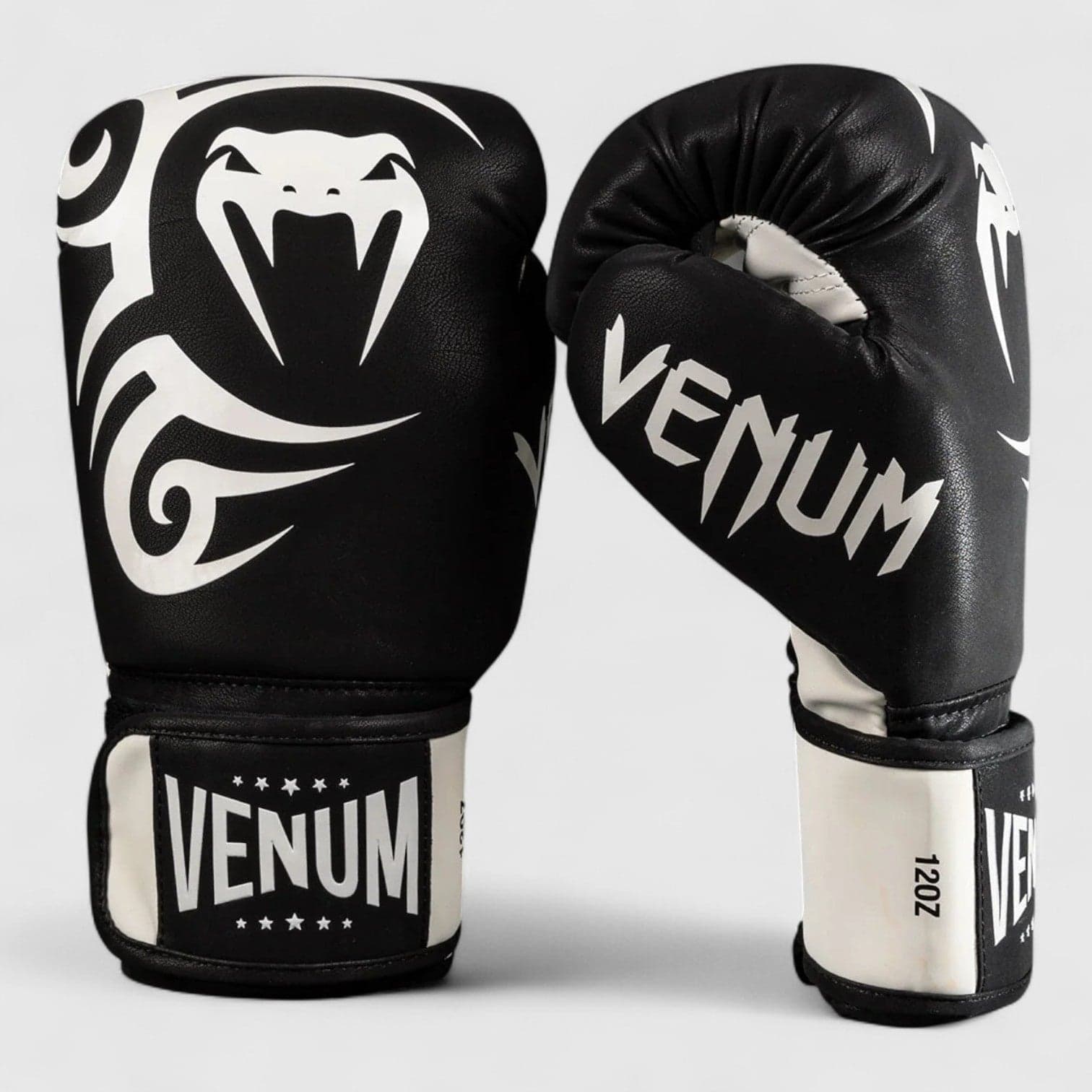
Kickboxing is perhaps the style that needs the most protective gear from the start: gloves, shin guards, foot guards and a headguard are standard once sparring is introduced. But in the first few months the child only needs training clothes and possibly simple gloves.
How to use trial sessions to choose the right one
The trial session is the most important tool you have. Here is what to look for:
- Does your child seem to enjoy it? Are they smiling, taking an active part, wanting to go back?
- How is the coach with the children? Patient, encouraging and clear?
- Is the environment safe? A tidy hall, good equipment, clear rules?
- Does the pace suit? Some children need a calmer start, others want a fast pace from day one.
- Ask the coach: «What happens in the first few months, and when is contact introduced?»
Let your child try two or three different styles before you decide. Most clubs offer free trial sessions – use them.
Common questions parents ask before starting
From what age can children start martial arts?
Most clubs take children from age 5–6. Some BJJ clubs have classes from age 4. The most important thing is that the child is ready for group activity and can follow simple instructions.
Are martial arts safe for children?
Yes – in serious clubs with qualified coaches, martial arts are very safe. The risk of injury is comparable to other contact sports such as football and handball. Always choose a club with certified coaches and clear safety routines.
Do we need to buy gear straight away?
No. Most clubs let children try out in ordinary training clothes the first few times. Wait until your child has settled on a style and club – then you know exactly what is needed and avoid buying the wrong things.
Which martial art is best for self-defence?
BJJ and karate are both recognised for self-defence. BJJ teaches children to handle situations on the ground, while karate gives techniques for distance and control. The most important thing is that the child trains regularly and enjoys it – then self-confidence and skills build naturally over time.
Can children switch style if they don't enjoy it?
Absolutely. There is no shame in trying things out. Many children start with one style and switch after a few months – and that is completely fine. The most important thing is that they are active and enjoy it.
Unsure which style suits? Start with a trial session – and then read our sports guides before you buy your first gear.