
You notice it quickly in your first MMA session: the wrong gloves are felt straight away. Either your knuckles are unnecessarily exposed, your wrist feels loose, or the glove gets in the way when you want to grip, wrestle and work on technique. If you are choosing MMA gloves as a beginner, it is not enough to look at design or brand alone. What counts is how the glove works in the training you are actually going to do.
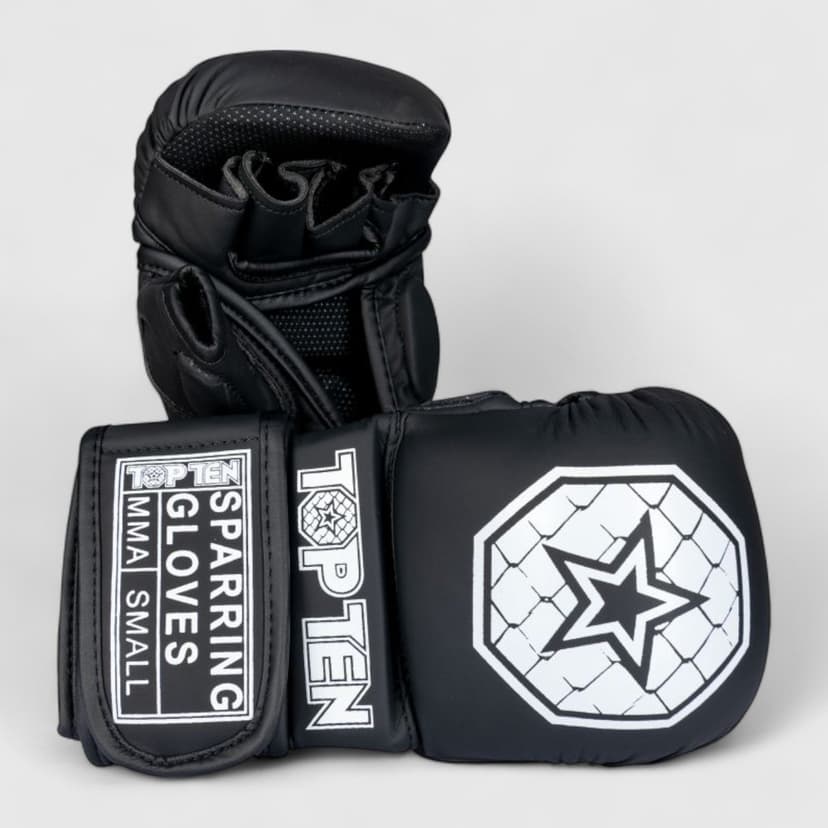
Training gloves or competition gloves?
This is the most important distinction, and it is where most beginners go wrong. Many look at light, compact MMA gloves and think they are the right choice because they look like what you see in the cage and in fights. In practice, it is often the opposite.
| Training gloves | Competition gloves | |
|---|---|---|
| Weight | 6–7 oz | Around 4 oz |
| Padding | Substantial foam over the knuckles | Minimal |
| Wrist support | Wide hook-and-loop strap, good support | Short and light |
| Made for | Pads, bag, drills, sparring | A few minutes in a fight |
| Beginner | Yes | No |
Competition gloves are made for a trained athlete to deliver maximum power in a short fight. They are not made for you to hit pads three times a week for three years. For beginners it is not about buying the most fight-like gear, but about buying gear that lets you train more, more safely and with better technical development.
What you should actually look for
Fit comes first. An MMA glove should fit snugly without pinching in the wrong places. If the glove slips when you punch, you lose stability. If it fits too tightly, you get poor comfort and less control when you open and close your hand. You should feel your hand being held in place, but still be able to grip naturally.
Padding is the next point. As a beginner it is normal to have a somewhat uneven striking surface, weaker hand position and less experience with load on the knuckles and wrist. That is why it pays to choose a glove with good, even padding. You do not need as much foam as possible, but enough that training is not unnecessarily hard on your hands or your partner.
The closure around the wrist also matters more than many people think. A solid hook-and-loop strap gives better support and makes the glove easier to put on and take off. The wrist is vulnerable while your technique is not quite there yet.
You should take material quality seriously. Cheap gloves often look fine when they are new, but lose their shape, crack on the surface or get slack in the padding faster than you would like. If you train regularly, you notice it quickly.
How to find the right size
Size in MMA gloves is not just a question of S, M or L. Different brands can feel quite different even when the label is the same. So look at how the glove is built inside, how tight the hand compartment is, and how much room you have when your hand is wrapped.
| Circumference around the knuckles | Usual size |
|---|---|
| Under 19 cm | S |
| 19–21 cm | M |
| Over 21 cm | L |
If you have wide hands or strong wrists, you should choose by width, not length. Measure with an open hand, around the knuckles, without pulling the tape measure tight.
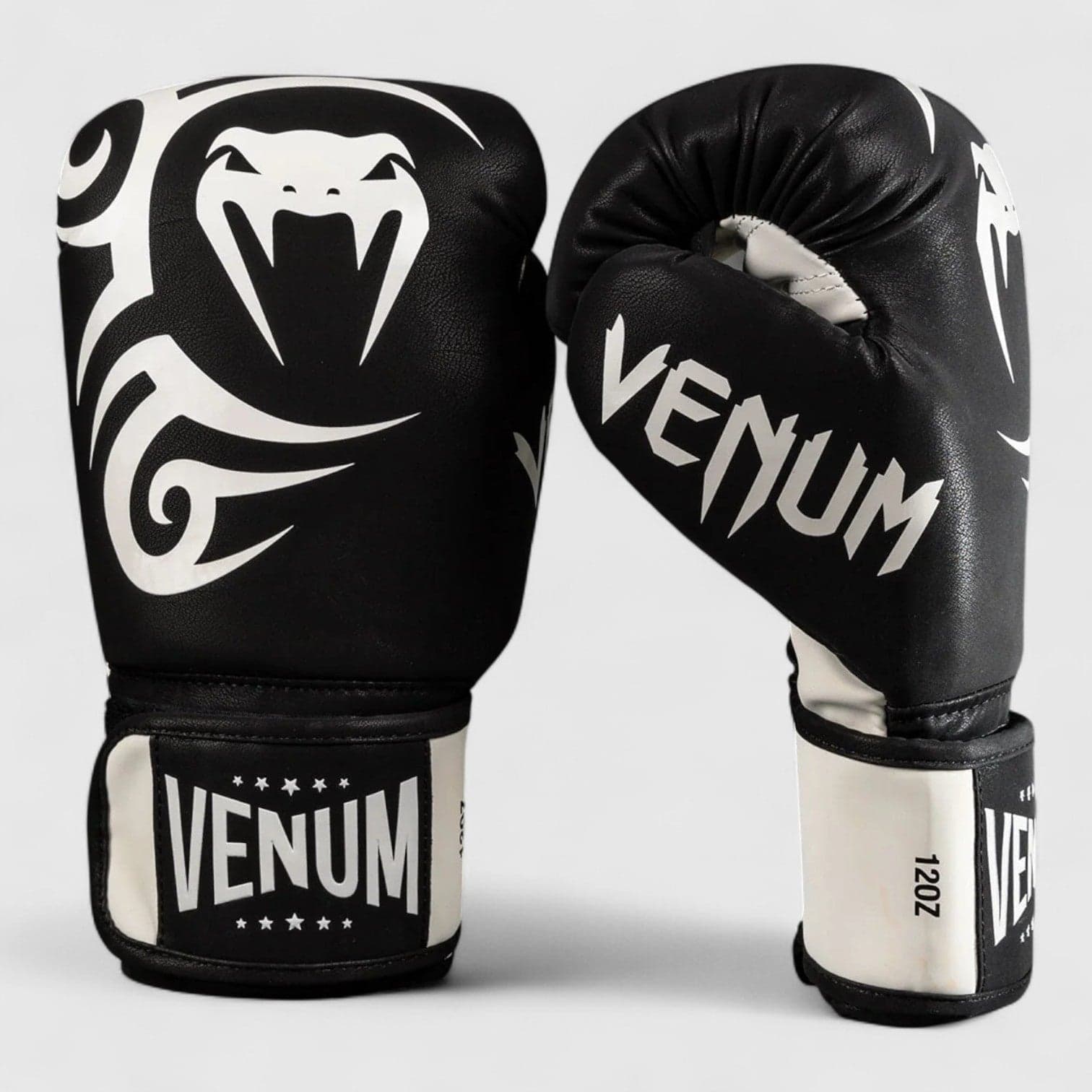
Four models by training volume
Most beginners land in one of three segments, and the choice is mostly about how much you are going to train.
One to two sessions a week
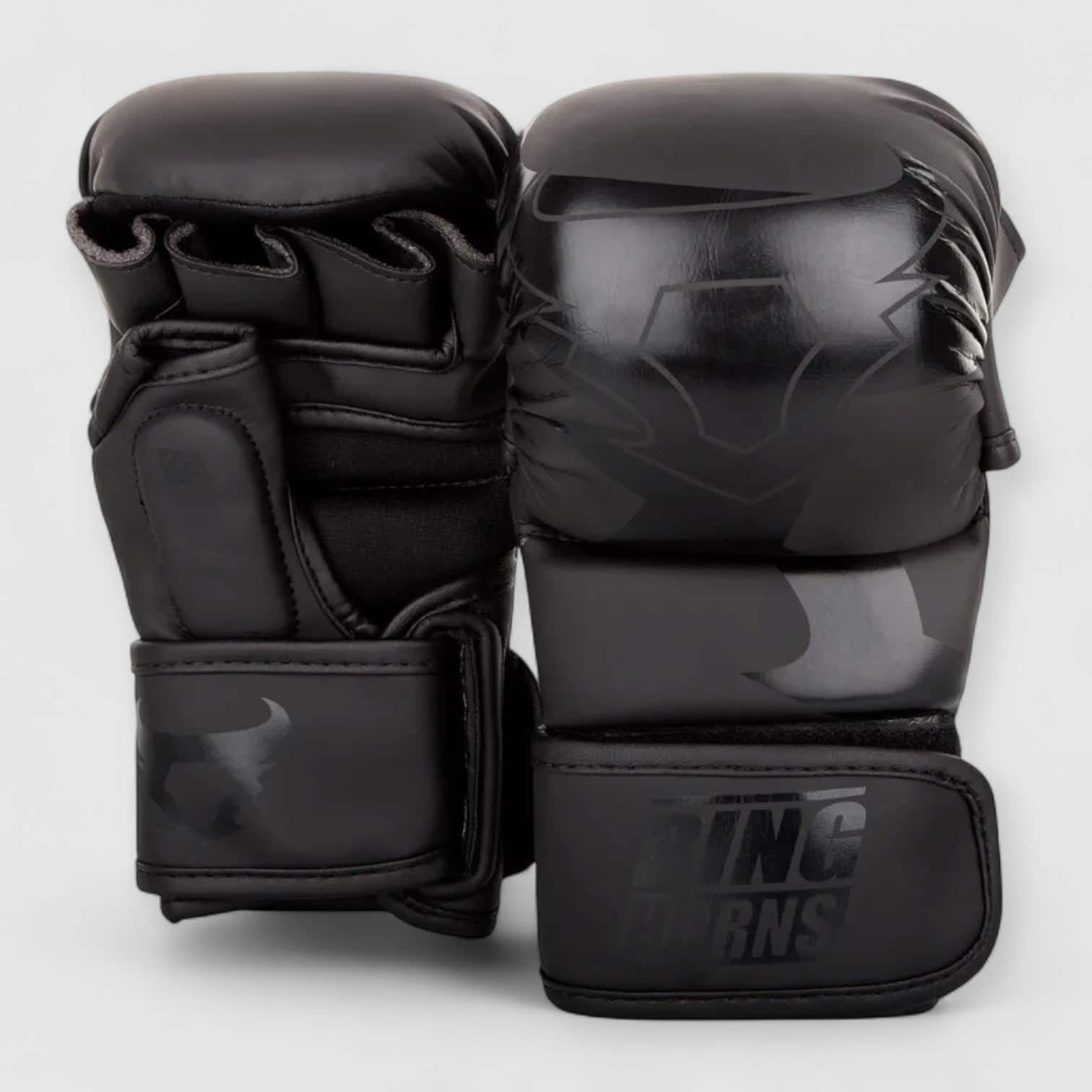
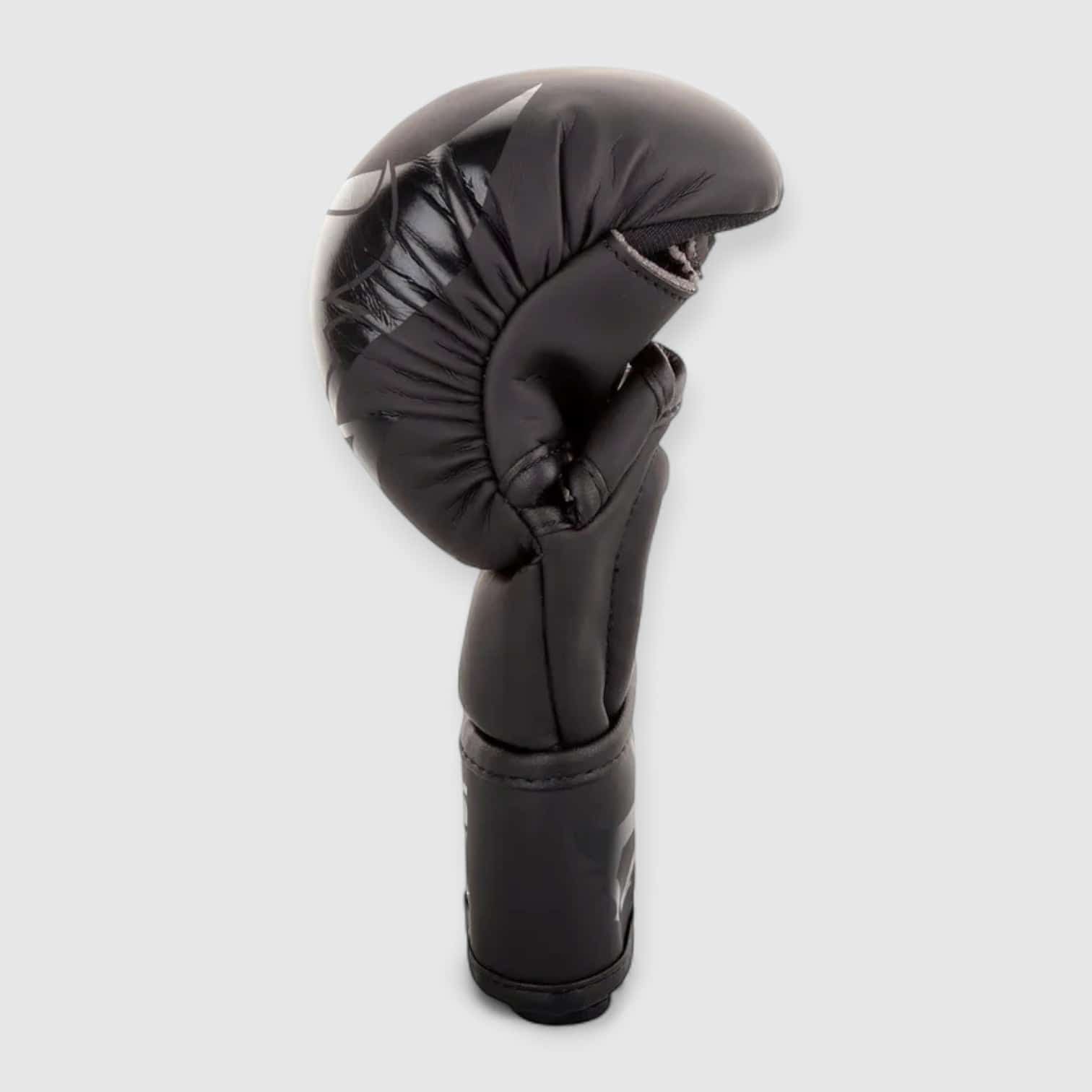
Good padding and a simple, stable hook-and-loop closure without costing much. A solid entry-level model.
Two to four sessions a week
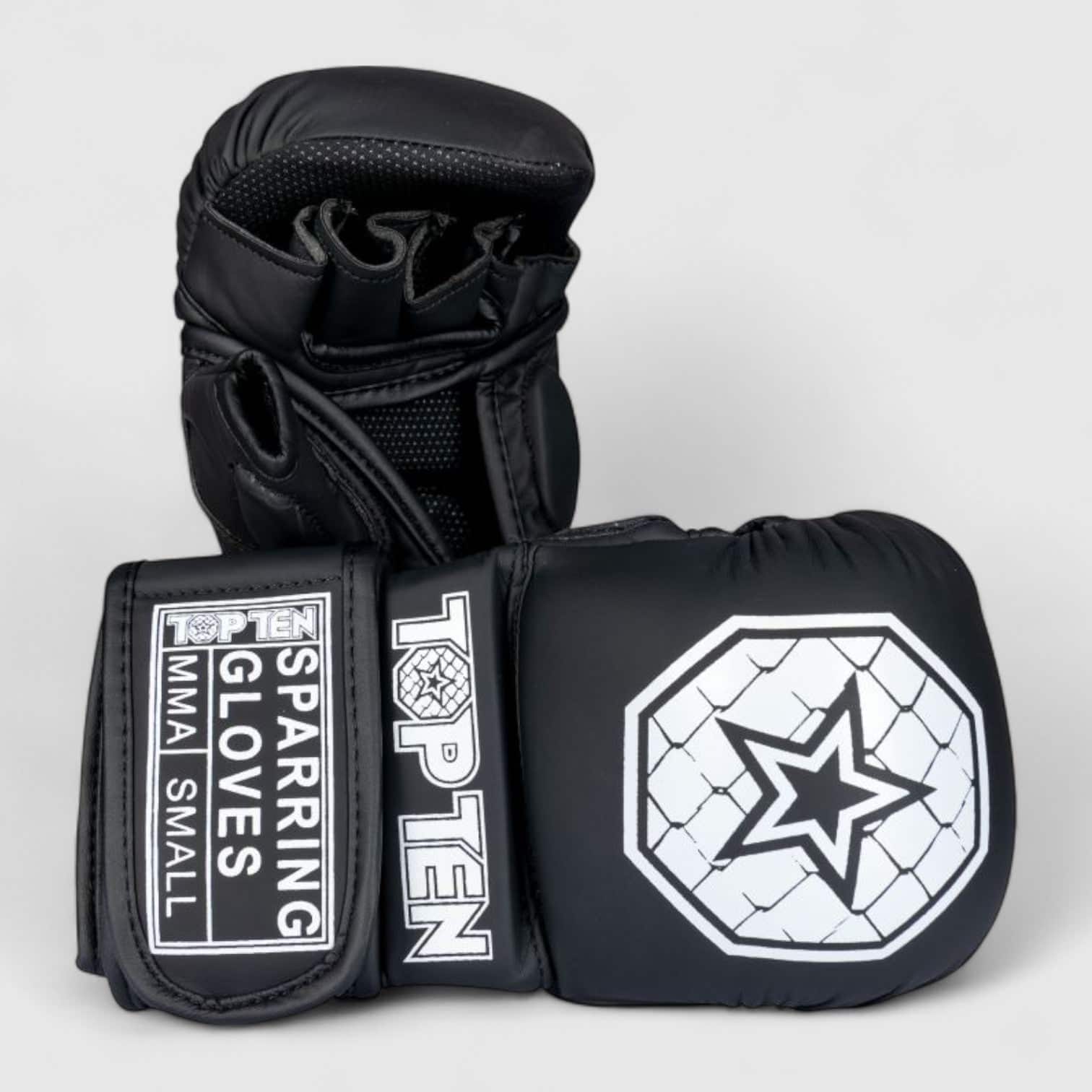
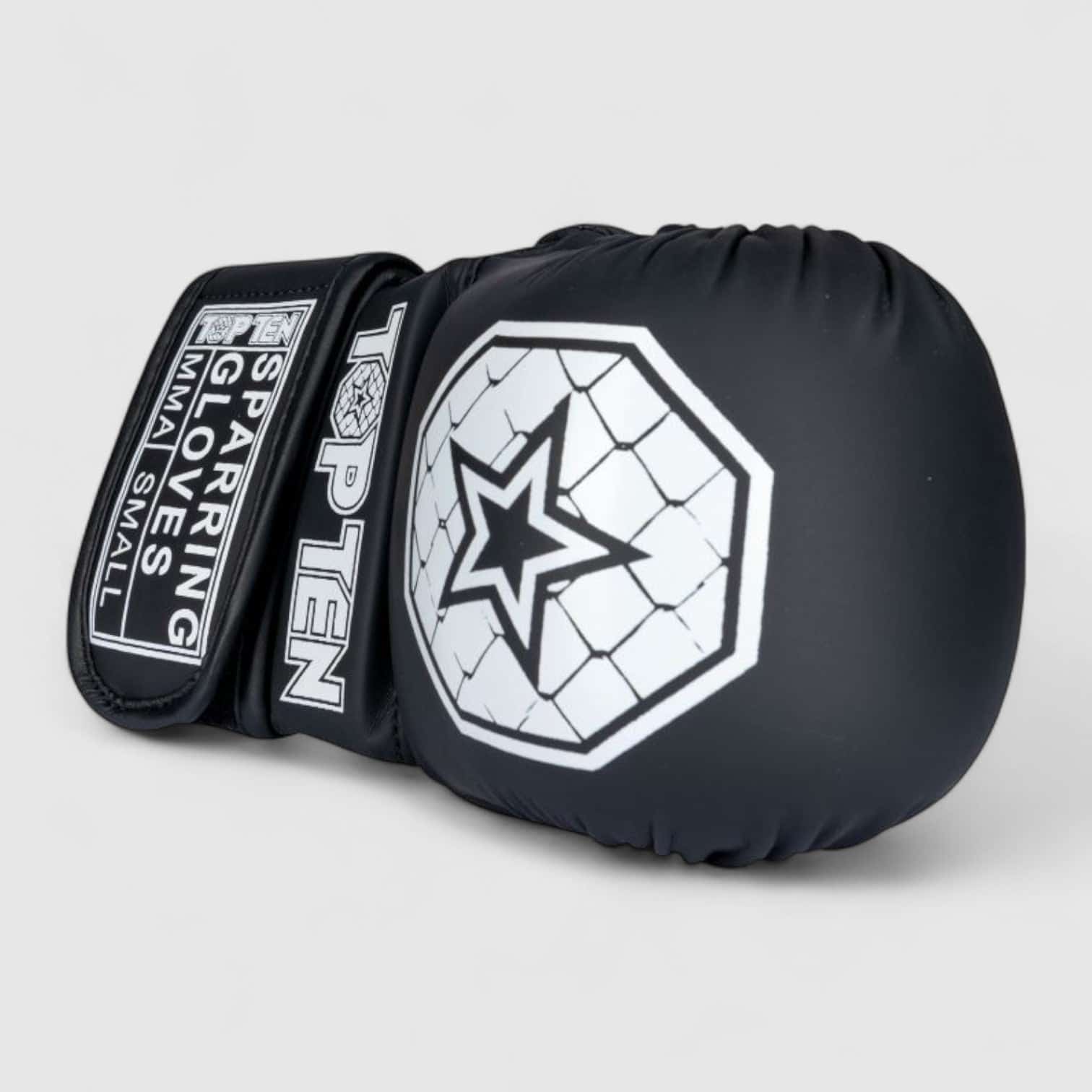


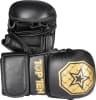

Better foam quality and more durable seams. This is the tier most beginners should land in.
Two to four sessions a week
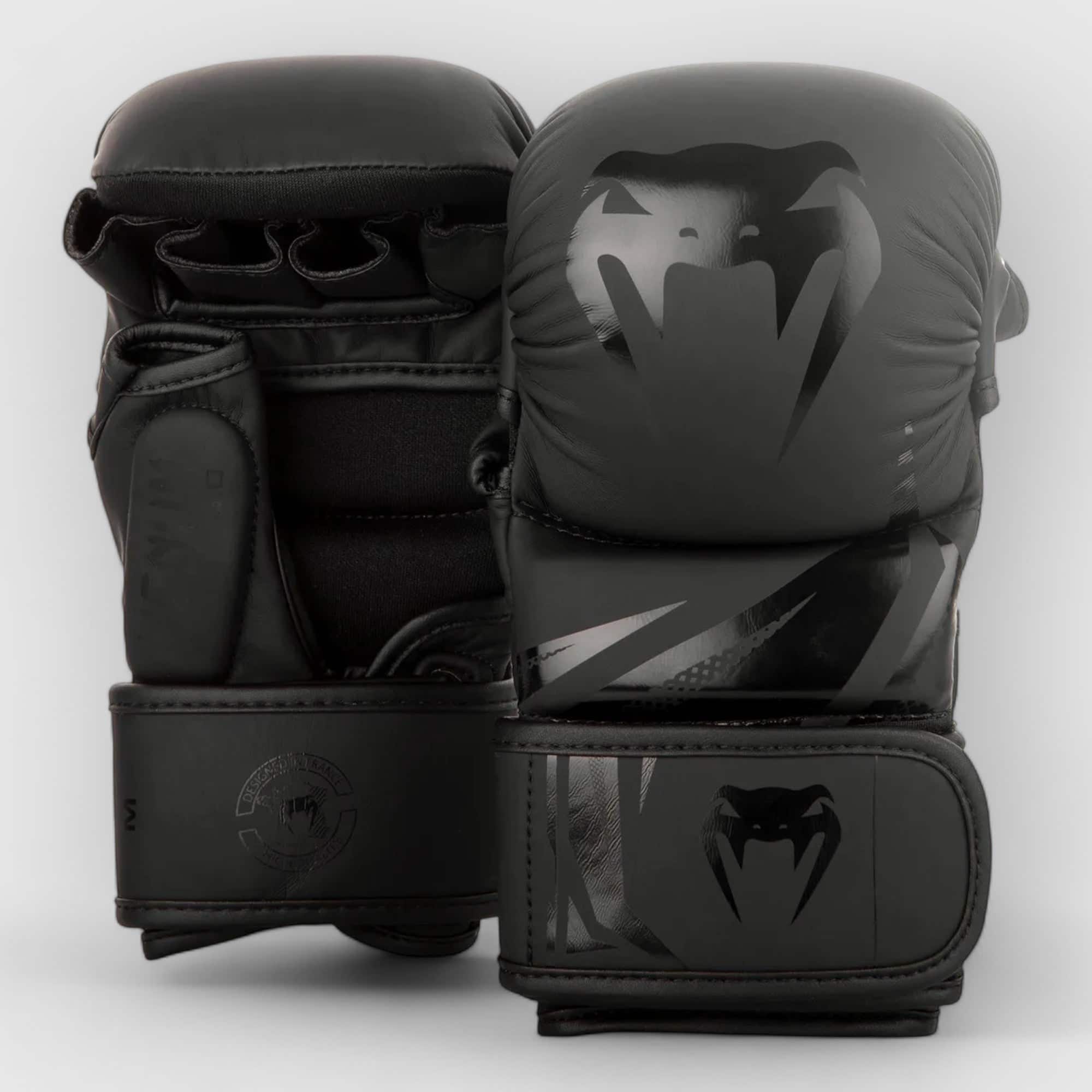
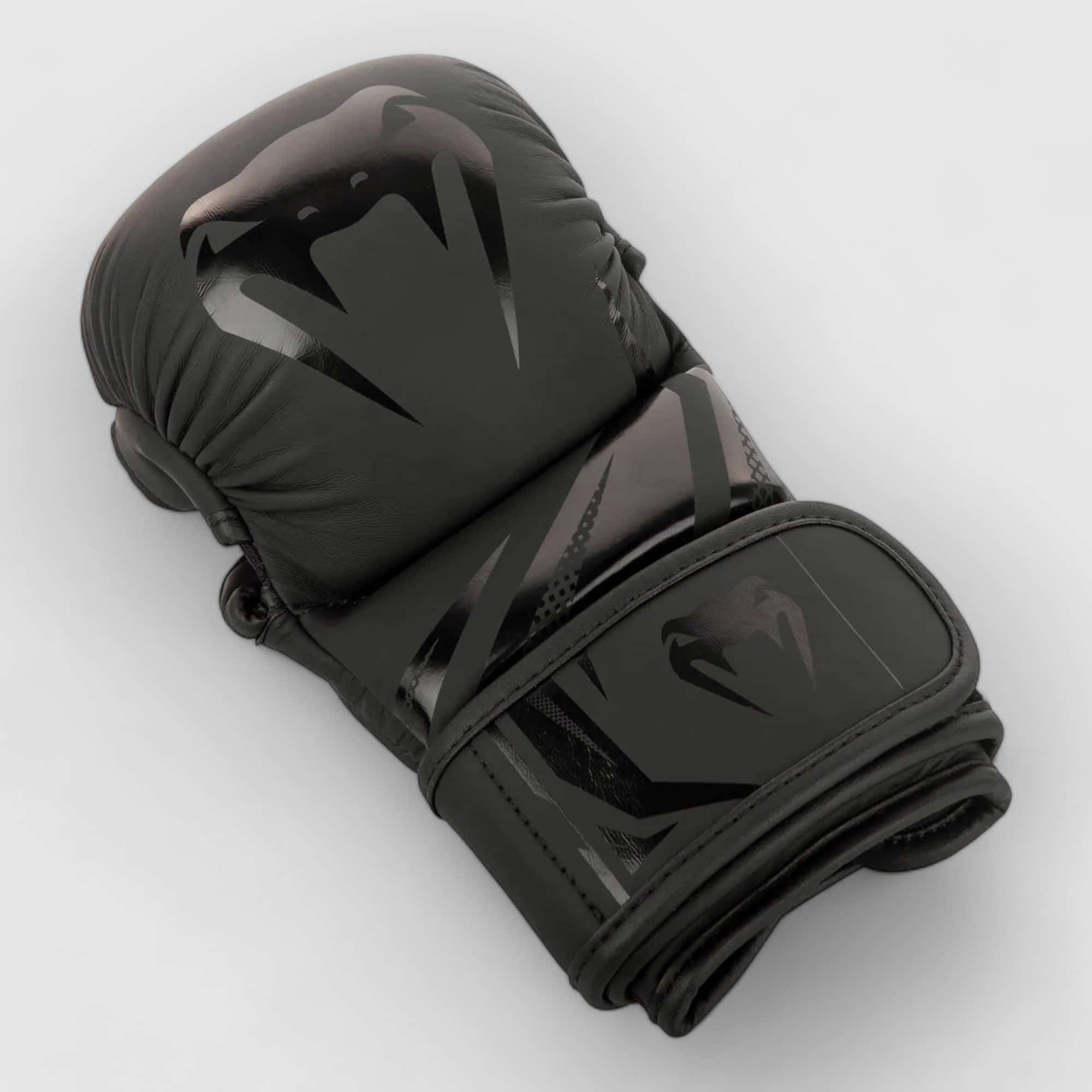
The same tier as the Contender, with a slightly different fit. Worth comparing if you have narrow hands.
When you know you are staying
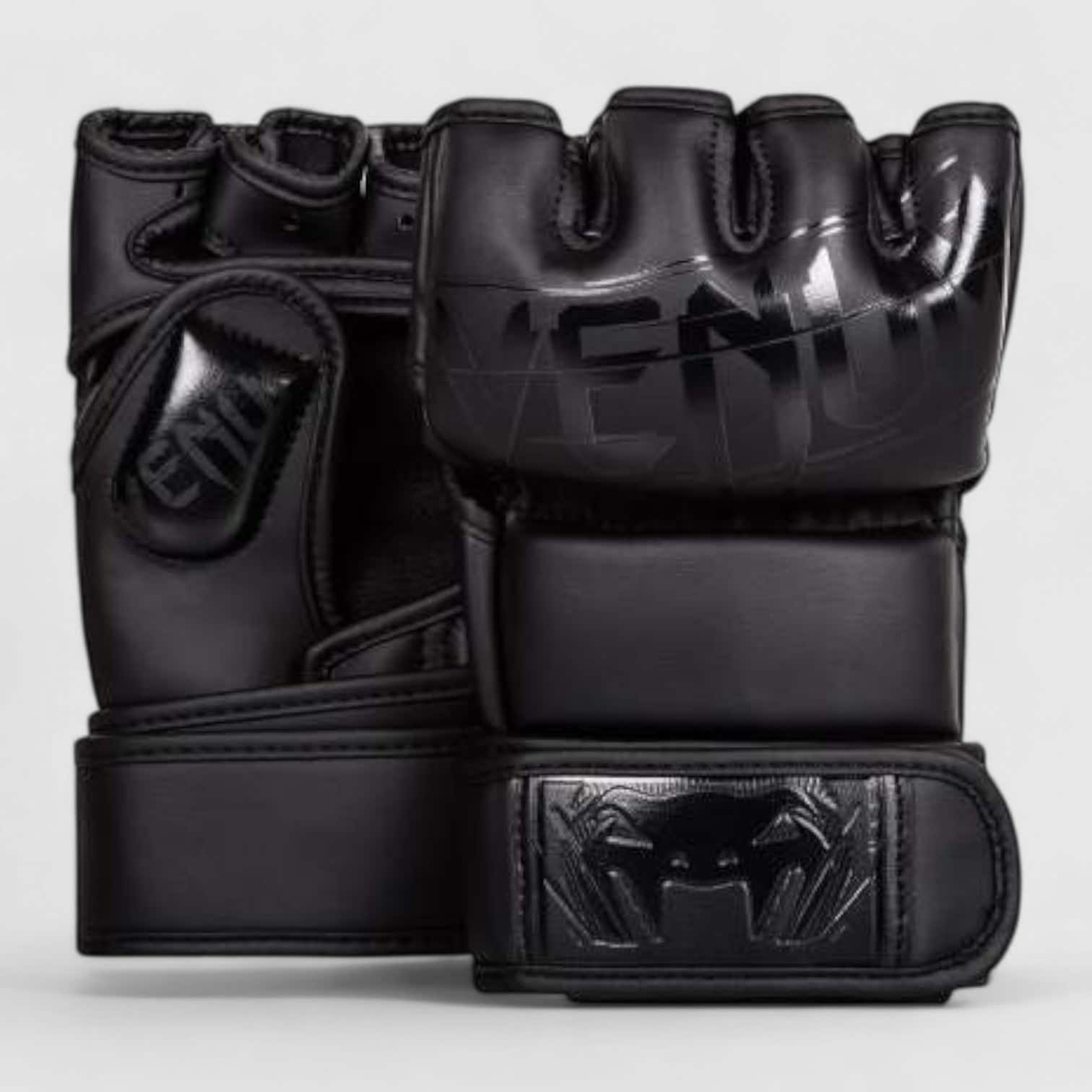
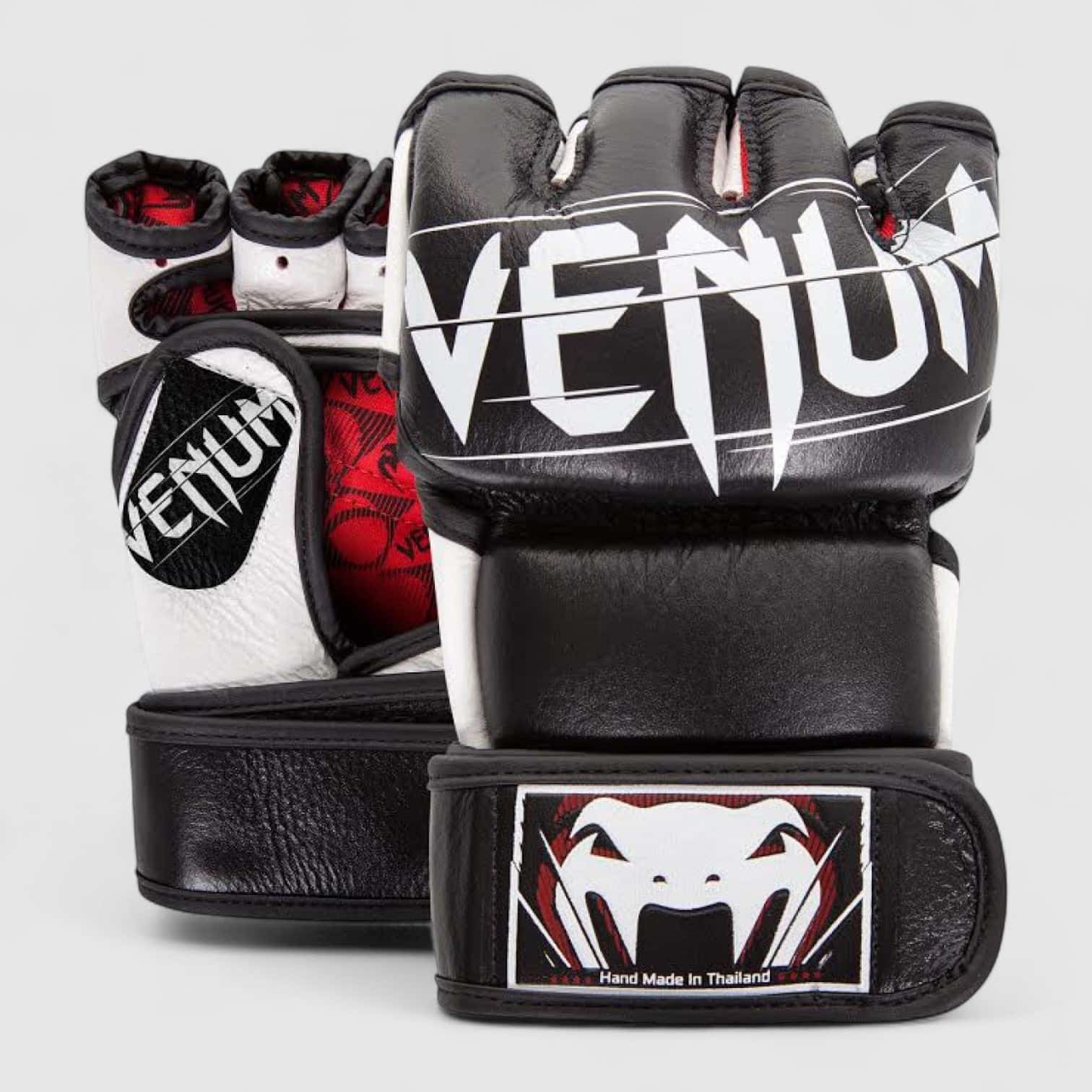


A well-made model that withstands years of use. Sensible if you train a lot and want to buy once.
See the full range of MMA gloves.
Do you train MMA, grappling or mixed sessions?
This is where many people go wrong the first time they shop. They buy one glove and expect it to cover everything. It rarely does.
| If you mostly train | Choose | Why |
|---|---|---|
| Pure MMA | MMA training gloves | An open enough hand for gripping, with protection for controlled strikes |
| Grappling | A light model or nothing | Mobility in your grip matters more than padding |
| Stand-up striking | Regular boxing gloves | More cushioning, and you do not need to grip |
If you train pure MMA with both striking and grappling in the same session, classic training gloves are a natural choice. If you train mostly stand-up, regular boxing gloves can still be your main choice, even if you attend the MMA class.
So the answer depends on the club, the sessions and the level of contact. Serious clubs often have clear recommendations. Follow them. It is better to turn up correctly equipped than to buy something that looks right in a photo and ends up left in the bag.
What separates good beginner gloves from bad ones?
The difference rarely lies in the marketing. It lies in the details. Good gloves keep the hand stable when you land. They have padding placed where the load actually comes. They are easy to clean, dry reasonably well between sessions and withstand repeated use without the seams and closures giving up early.
Bad gloves reveal themselves quickly. They can feel soft at first, but unstable at the moment of impact. They can have such a stiff opening at the fingers that gripping becomes clumsy. Or they can be so weak at the wrist that you have to compensate with excessive tension in your arm. For a beginner this is especially unfortunate: when the gear works against you, technical development slows down.
Care and when to replace them
Even good gloves have a short life if they are left sweaty in a closed bag. MMA gloves absorb moisture, and poor drying causes smell, wear and faster breakdown of the materials. After training you should open them up, wipe them and let them air dry properly. Our guide to avoiding bad smells in your training bag goes through what actually works.
If the padding has become uneven, the wrist support is noticeably weaker, or the glove no longer sits stably, it is time to consider replacing it. The same applies if the seams come apart or the surface gives way in places that affect function. Do not wait until the glove is completely finished – when the protection gets worse, it affects both safety and the quality of your training.
Frequently asked questions about MMA gloves
How many oz should MMA gloves for beginners be?
6 to 7 oz training gloves are the standard choice. 4 oz competition gloves have too little cushioning for regular club training, and they do not protect you or your training partner well enough over time.
Can I use boxing gloves for MMA training?
For pure striking on pads and the bag, yes, and many people do. But you cannot grip with boxing gloves, so for drills that combine striking and wrestling you need MMA gloves with open fingers.
Do I need hand wraps under MMA gloves?
It is recommended. Wraps stabilise the wrist and hold the small bones of the hand together. Use short wraps of around 2.5 metres, otherwise there will be too much volume in a glove that already fits closely.
What is the difference between MMA gloves and grappling gloves?
Grappling gloves have minimal padding and are made only for gripping and control, not for striking. MMA gloves have foam over the knuckles and can also handle controlled striking practice.
How long does a pair of MMA gloves last?
With two to three sessions a week, a good pair will typically last two to three years. What usually goes first is the hook-and-loop strap or the seam between the thumb and the palm.
Should I buy gloves before my first session?
No. Most clubs have loan gear for the first few weeks. Buy your own hand wraps straight away for hygiene reasons, and wait with gloves until you have talked to the coach about what the club recommends.