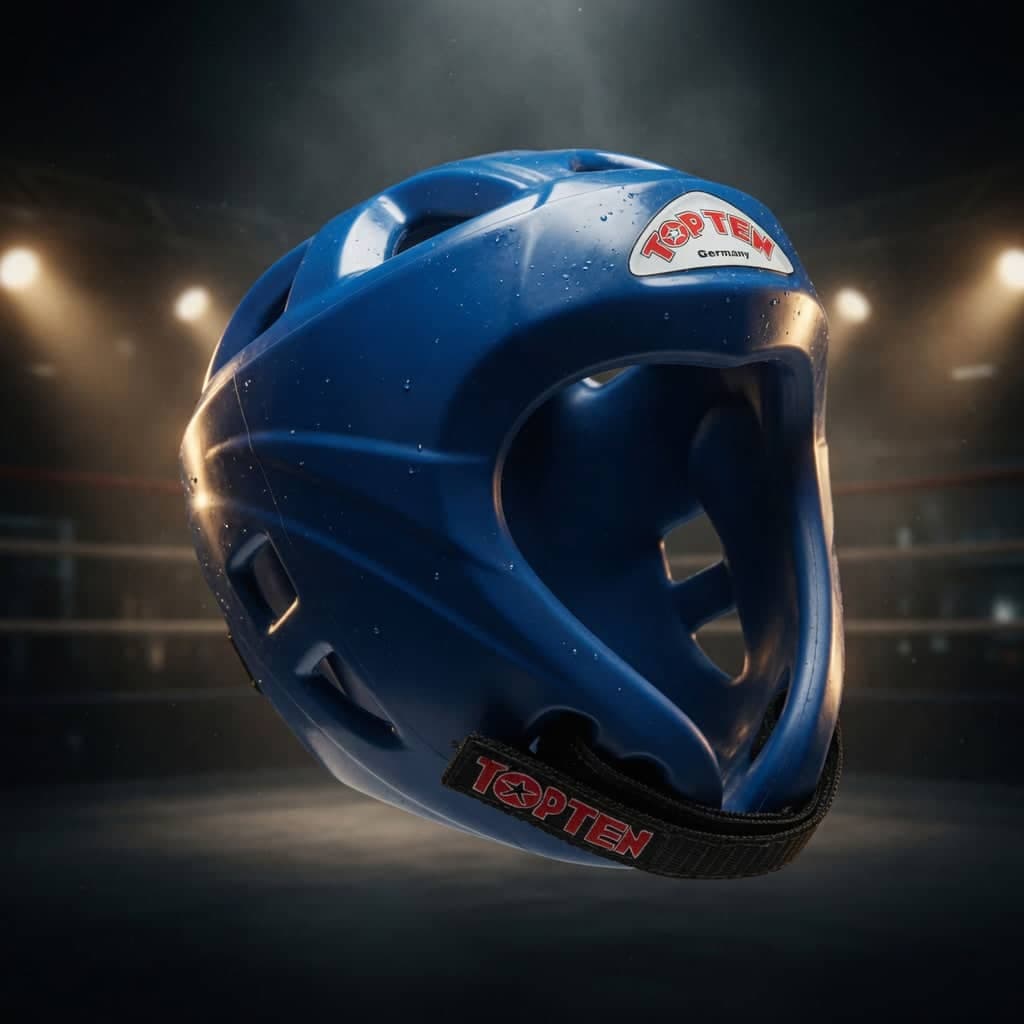
When you see a kickboxing helmet at a competition, whether it is the Norwegian Championships, the Norwegian Cup or the World Championships, chances are it is a TOP TEN. That is no coincidence, and it is not just a question of marketing.
The story is about a sport that grew up without its own protective gear, a German manufacturer that decided to make it, and a partnership with the federation that has lasted more than 40 years.
The timeline
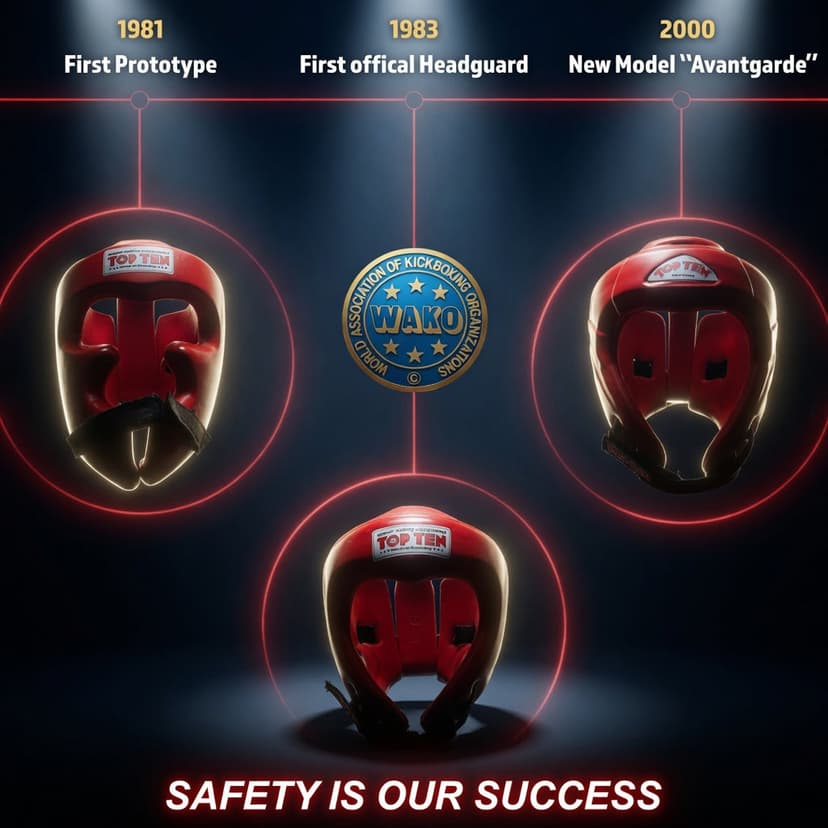
- 1981: the first prototype
In Germany, TOP TEN develops the first prototype of a head guard specially adapted for kickboxing. At the time the sport lacked proper specialised protective gear, and athletes borrowed from boxing and karate.
- 1983: launch and WAKO standard
The first official head guard is launched and is quickly adopted by WAKO as the standard in international competitions.
- 2000: Avantgarde
The Avantgarde model is launched and redefines what a kickboxing helmet should be. Its shape and construction have since been copied by countless manufacturers.
- Today: still made in Germany
The helmets are still made in Germany, in close collaboration with WAKO and with athletes at the highest level.
Why kickboxing needed its own helmet
Kickboxing places different demands on head protection than boxing does. The threats come not only from fists at one height, but also from kicks that can come high and from the side. At the same time, the athlete has to look down at the opponent's legs to read the kicks.
A boxing helmet is built for the first and not for the second. It protects well against punches from the front, but frames the field of vision more than a kickboxer can tolerate. That was the gap TOP TEN stepped into: a helmet that covers where the kicks land, without taking away your downward view.
What makes the helmet good
- The foam. The Fight model uses PUR foam tested to 100,000 impacts at the Technical University of Berlin. The Avantgarde uses Bayflex PUR foam. What matters is how long the foam keeps its shock absorption, not how soft it feels when new.
- The fit. A flexible back edge and adjustable hook-and-loop closures at both the chin and the neck mean the same model can be adjusted for both children and adults.
- The field of vision. The whole point of the design. A helmet you have to turn your head to see out of costs you points.
- The approvals. ITF and NTN for the Fight, plus WAKO for the Avantgarde. This means the helmet can be used at sanctioned events, not just at club training.
- The production. The helmets are made in Germany, with the quality control that entails.
The models today
Fight is one of the most widely used competition helmets on the market for kickboxing and ITF taekwondo. Approved by ITF and NTN, with adjustment at the chin and neck.
Avantgarde is the more widely approved of the two, with ITF, NTN and WAKO, and the only one that can be used with the SAFESTRIKE visor.
We have a separate walkthrough of the choice between the two in the article Fight vs Avantgarde.
About the WAKO tag
The WAKO tag is the label the referees check during the equipment check. It sits on the strap, not in the helmet shell itself, and can therefore be bought and replaced separately.
This has a practical advantage: if the strap is worn or the label has become illegible after a few seasons, you replace the strap instead of the whole helmet. If you are going to compete under WAKO, buy the strap at the same time as the helmet.
Care and lifespan
- Wipe the inside with a damp cloth after every session.
- Let the helmet air out, never on a radiator. Heat destroys foam and glue.
- Store it so that it is not squashed at the bottom of your bag.
- Check the hook-and-loop closures and straps regularly. They are usually what gives out first.
- Replace the helmet when the padding has become hard or flat, or after a heavy impact.
Our recommendations
The original
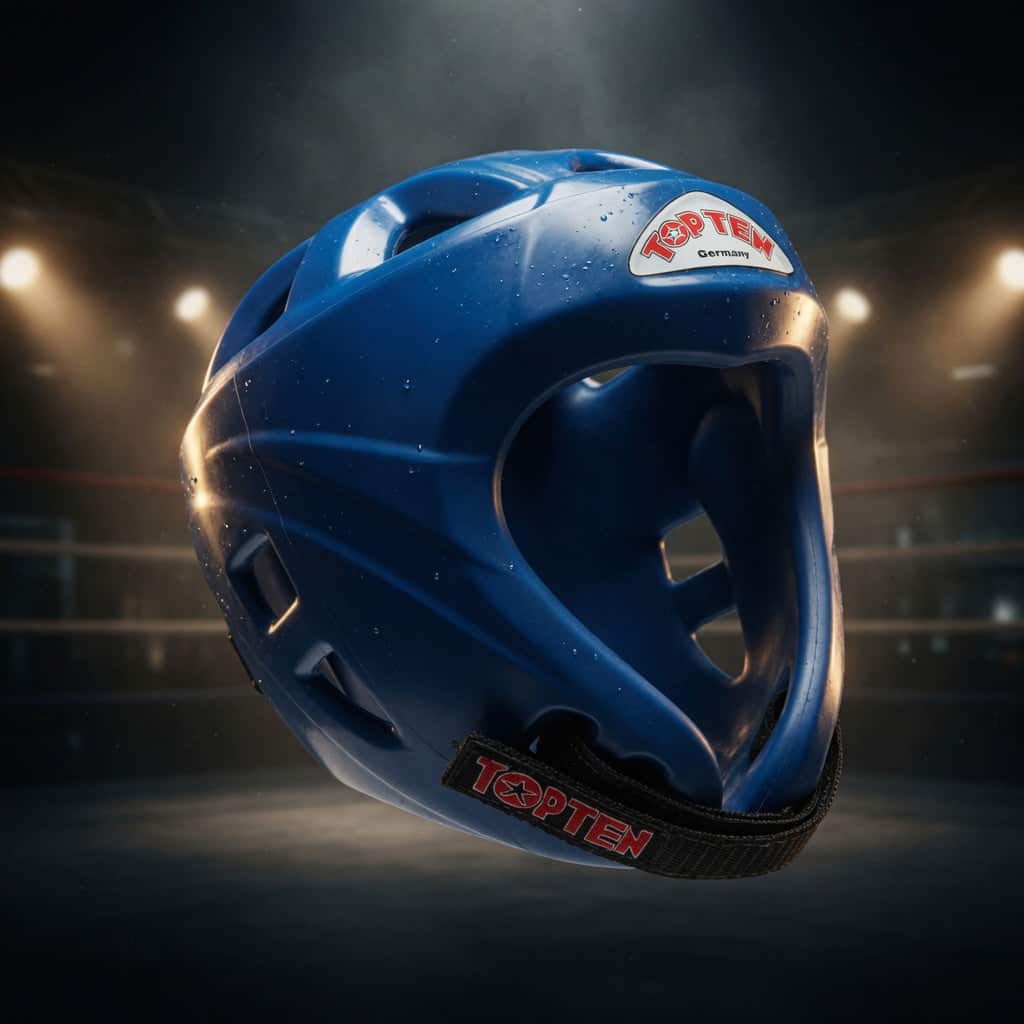
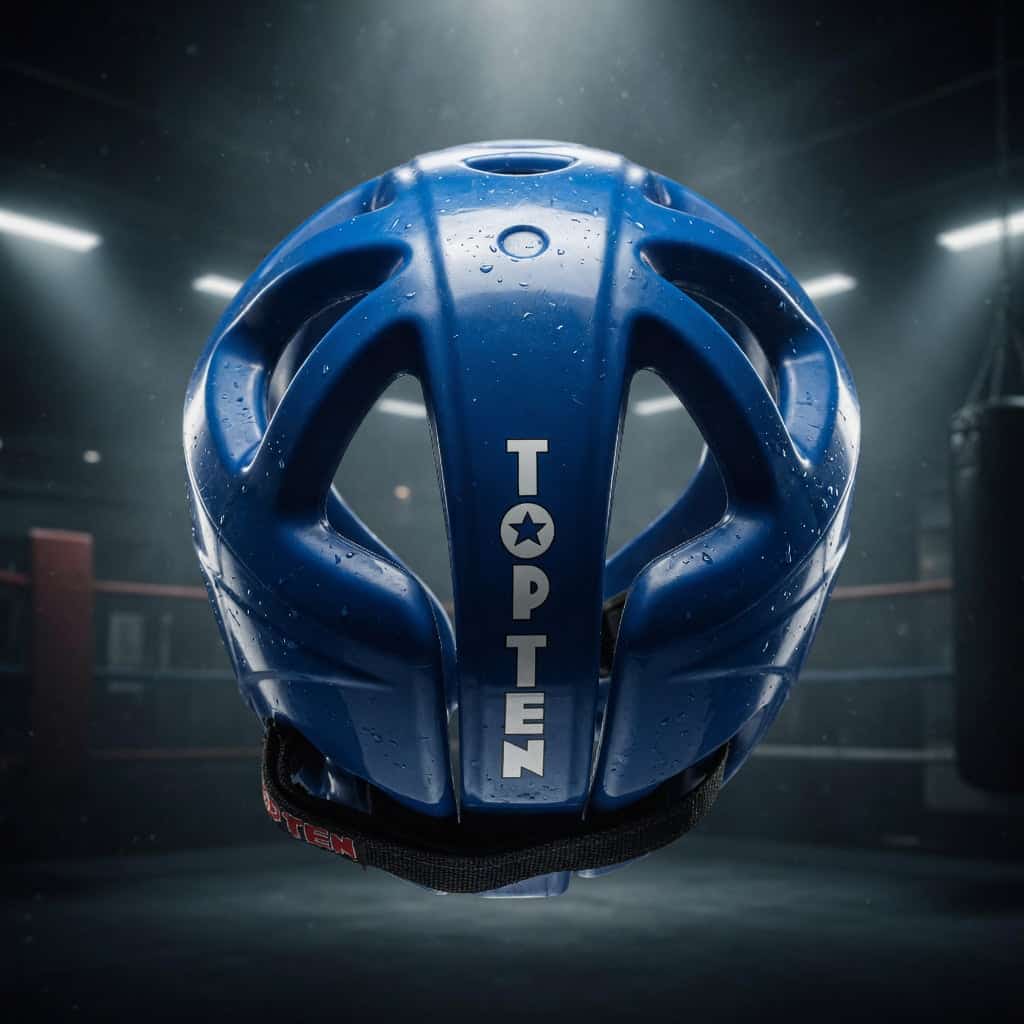


The model from 2000 that the rest of the industry has tried to copy. Bayflex PUR foam, approved by ITF, NTN and WAKO.
Most used
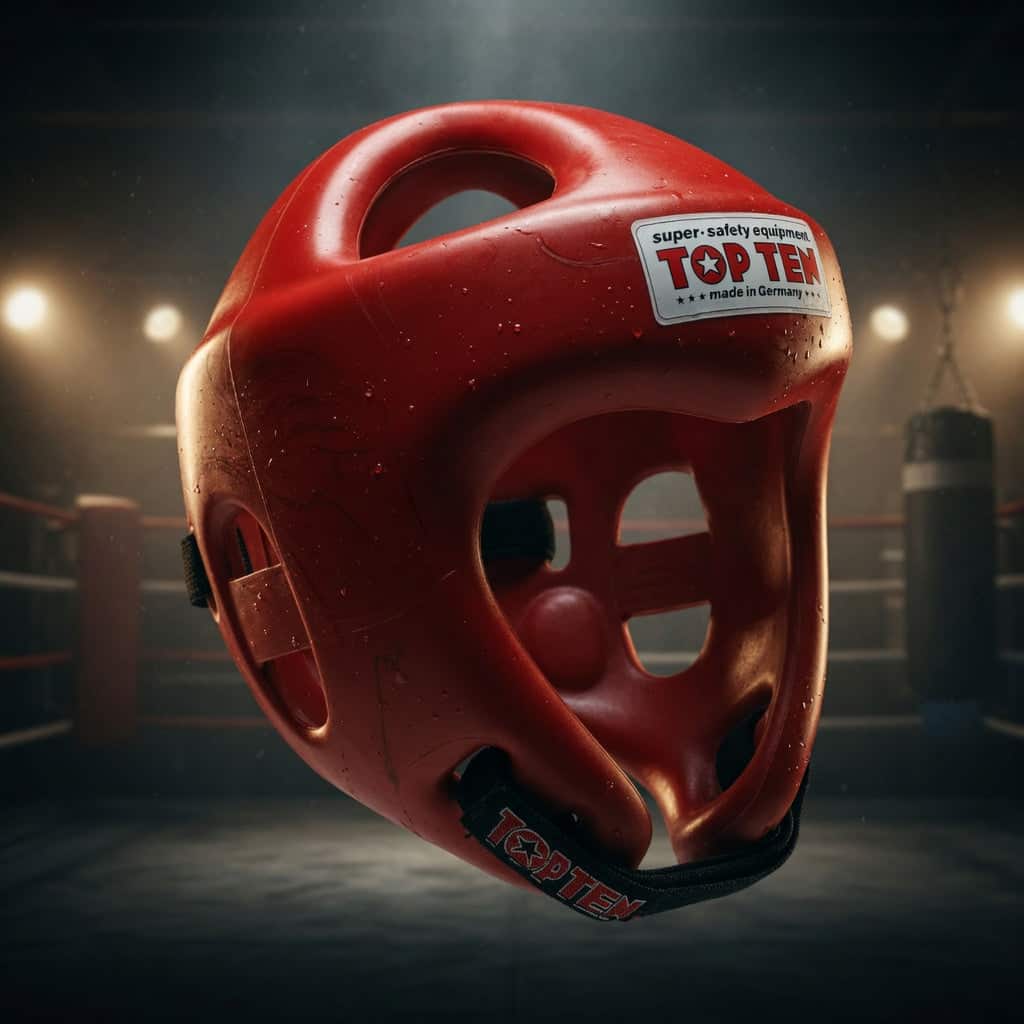
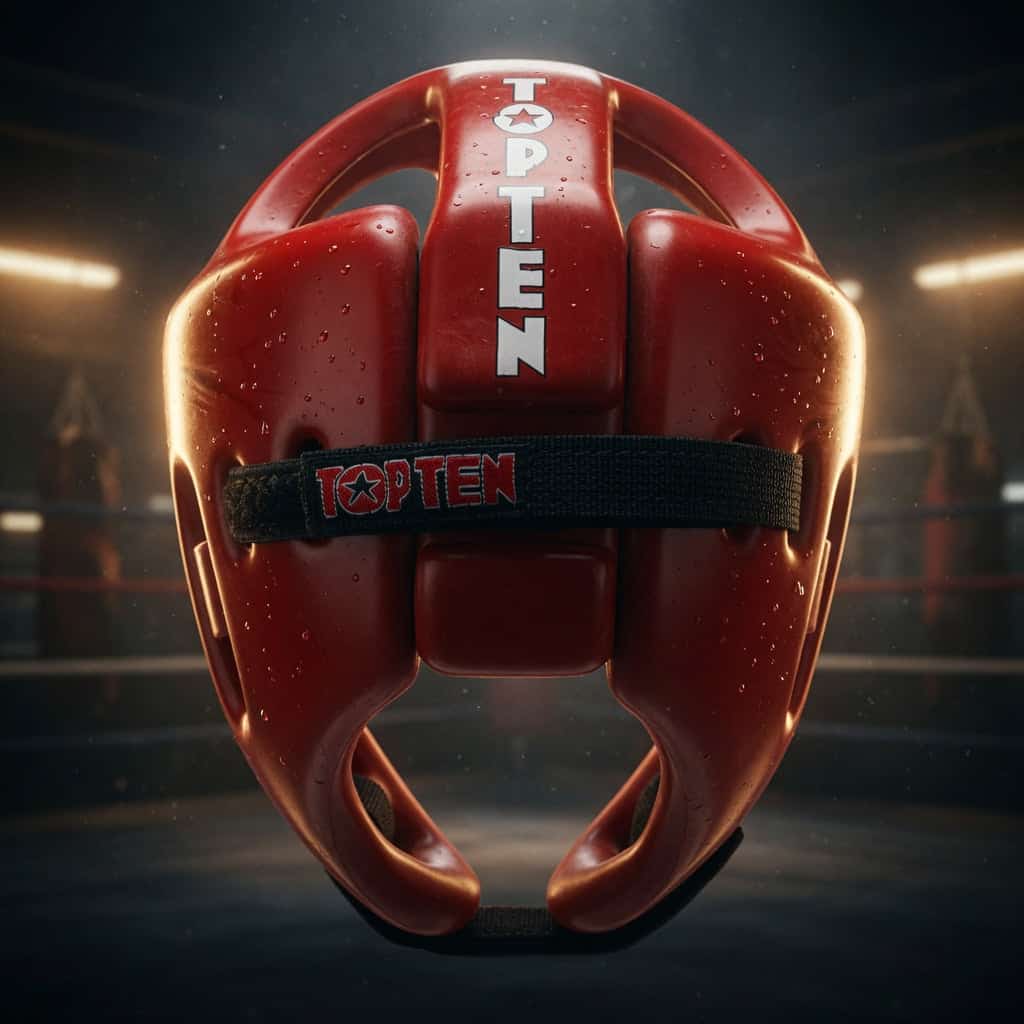


PUR foam tested to 100,000 impacts at the Technical University of Berlin. Approved by ITF and NTN.
Accessory
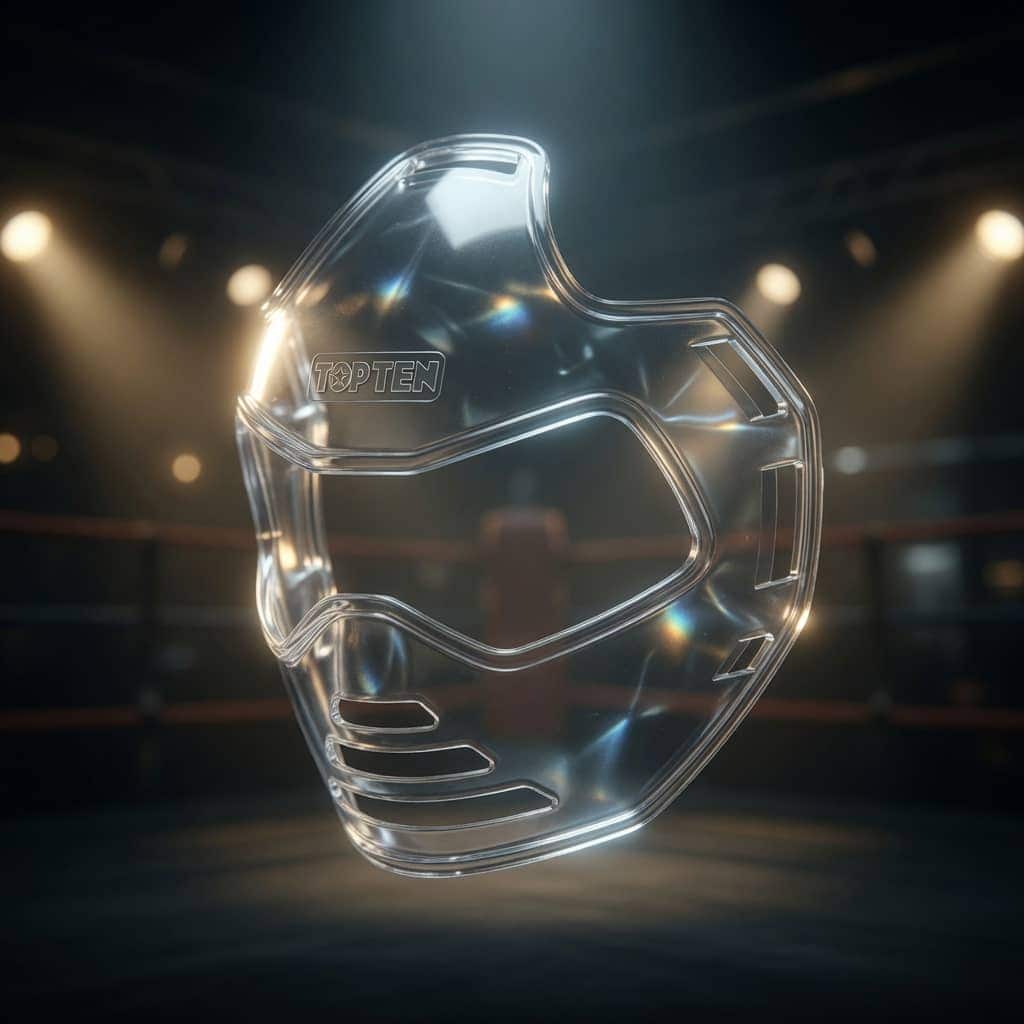
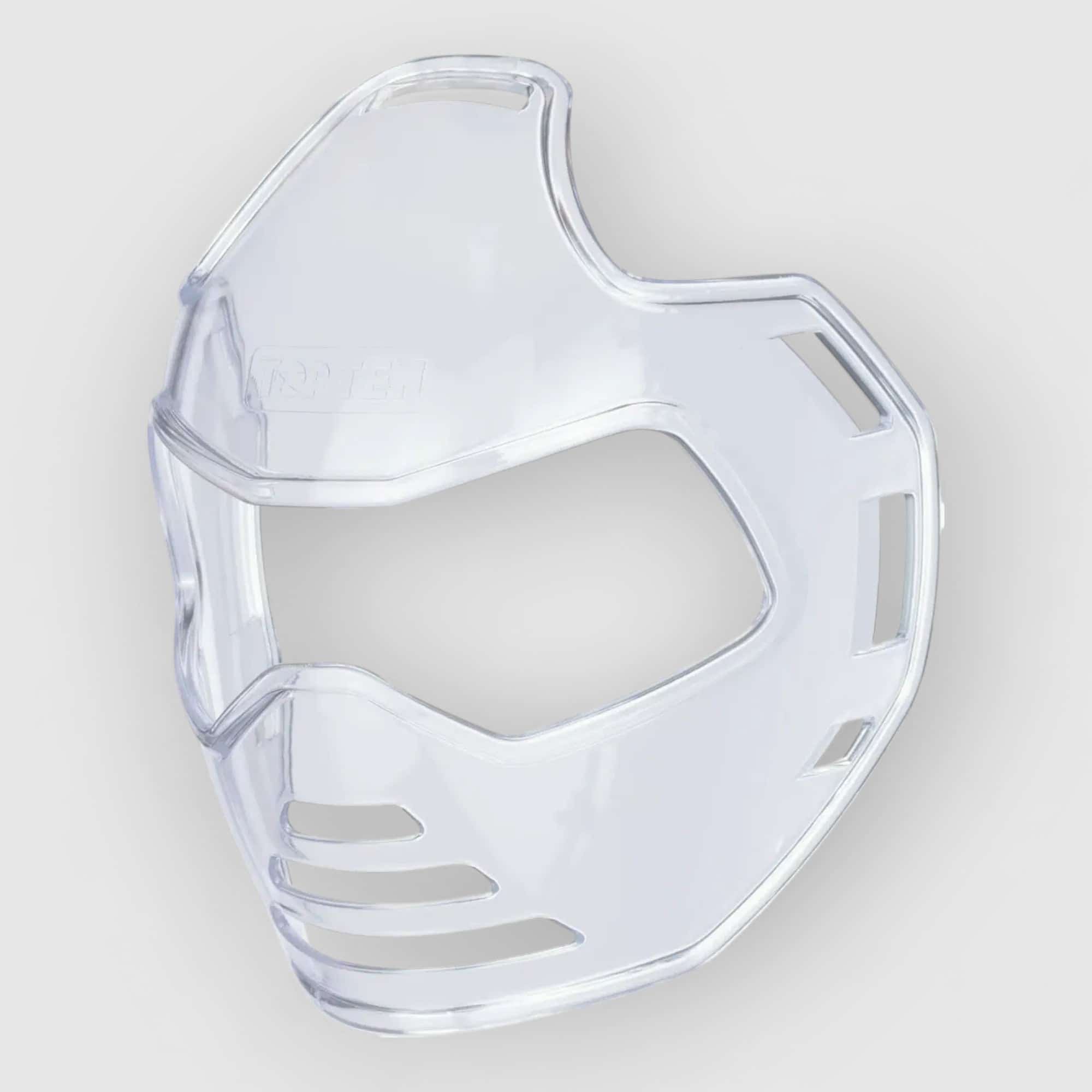
Fits the Avantgarde. Developed for light-contact sports.
Required for competition
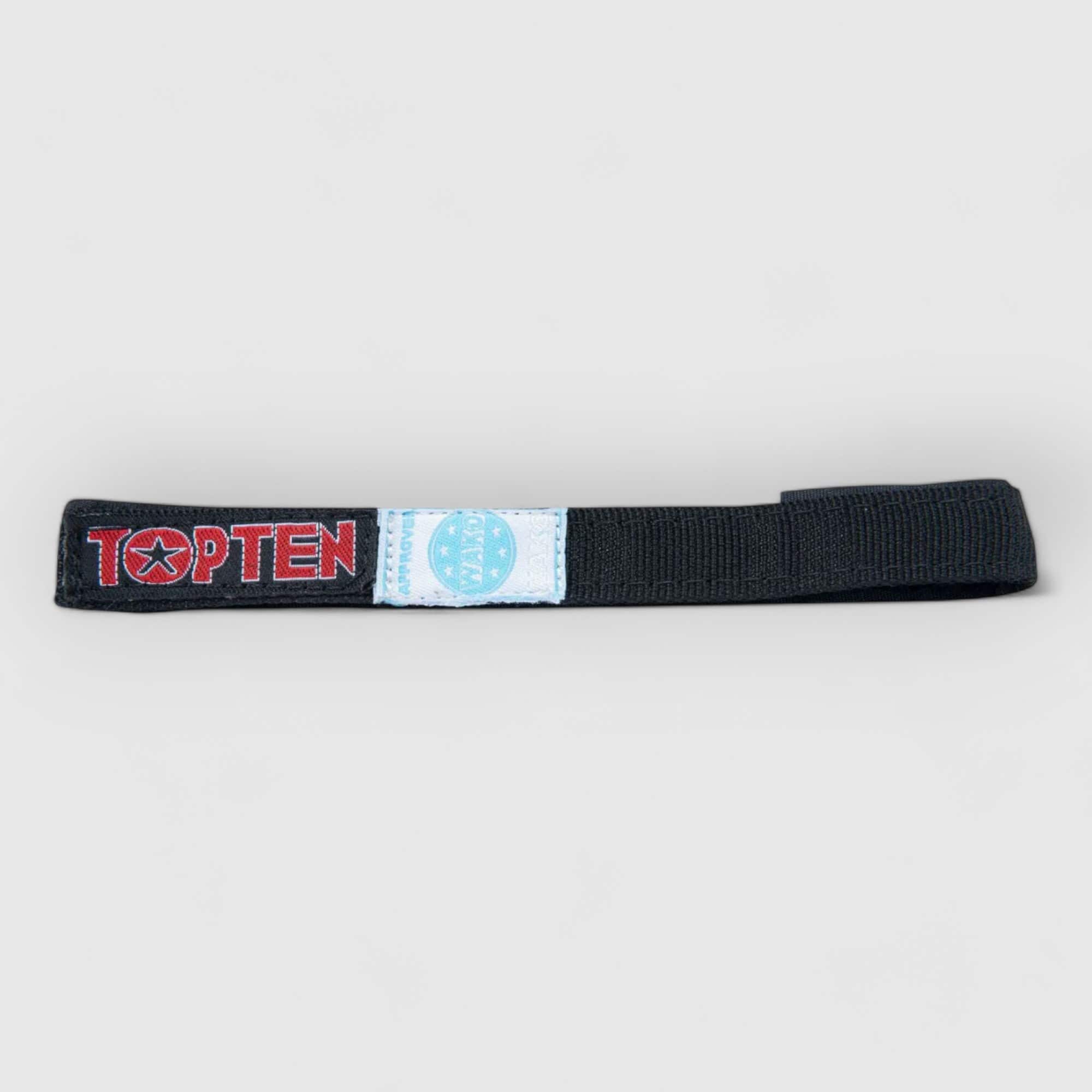
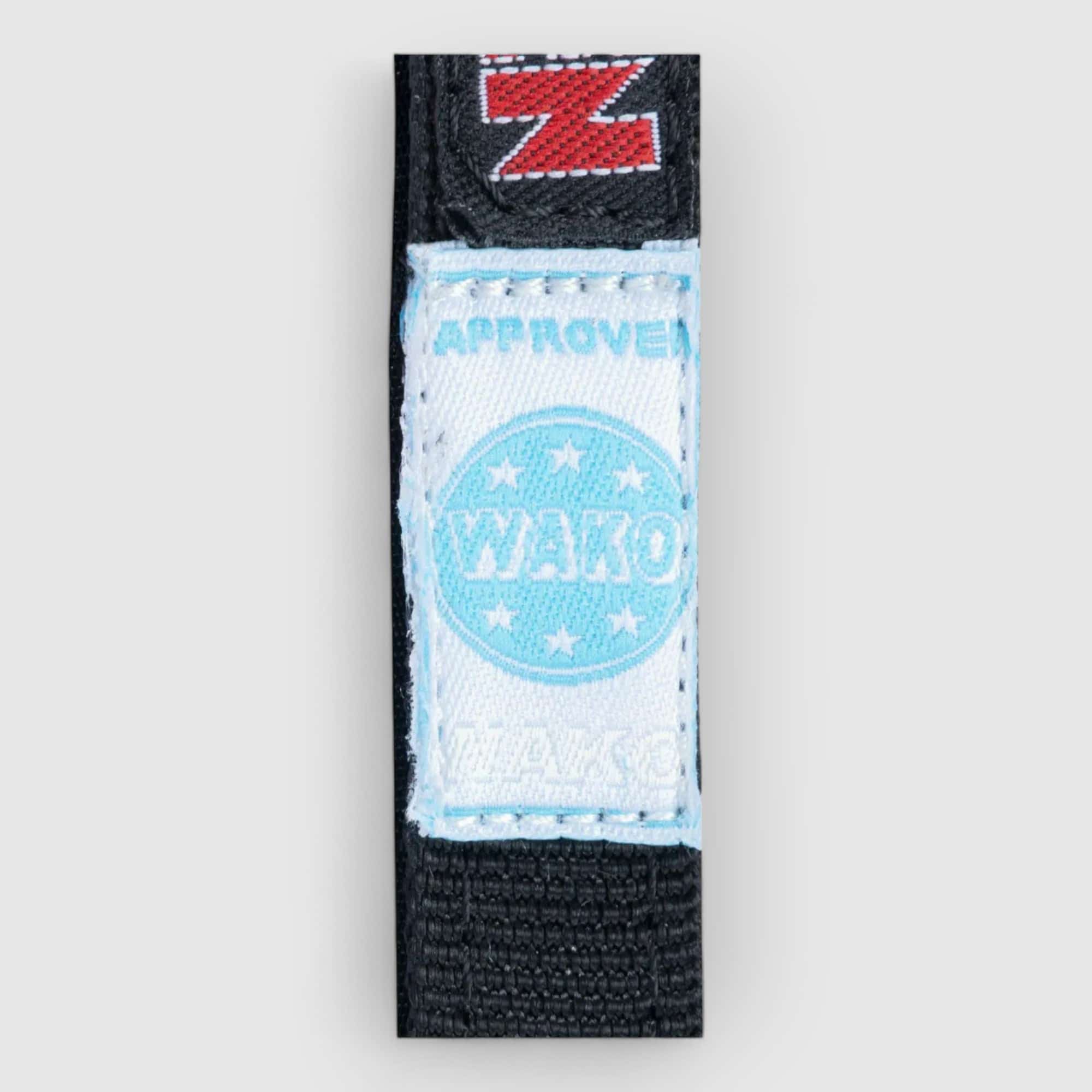
The strap that makes the helmet WAKO-approved. Sold separately.
Frequently asked questions
When did the first TOP TEN helmet come out?
The prototype was developed in 1981, and the first official model came in 1983.
Where are the helmets made?
In Germany, where they have been produced since the start.
Is the helmet WAKO-approved straight out of the box?
No. You also need a strap with the WAKO label, which is sold separately.
Which model should I choose?
The Avantgarde if you are going to compete under WAKO or want a visor. The Fight if you train ITF taekwondo. See the full comparison in Fight vs Avantgarde.
How long does a helmet last?
Many years with normal use. Replace it when the padding has become hard or flat, or after a heavy impact.
Can the helmet be used for taekwondo?
Yes. Both models are approved by ITF and NTN.