Few things are more frustrating than turning up to training or a competition with the wrong helmet. It sits too loosely, slides down into your field of vision or gets stopped at the equipment check. If you are buying a WAKO-approved kickboxing helmet, it is not enough for it to look solid. It has to match the rules, your head and the way you actually train.
For many athletes, the helmet is something they buy late in the process. Gloves and shin guards often get the most attention first. But a good helmet is not an add-on. In kickboxing it is an important part of your protection, and the difference between an average model and the right one is noticeable straight away – in comfort, vision and confidence in contact.
What does a WAKO-approved kickboxing helmet mean?
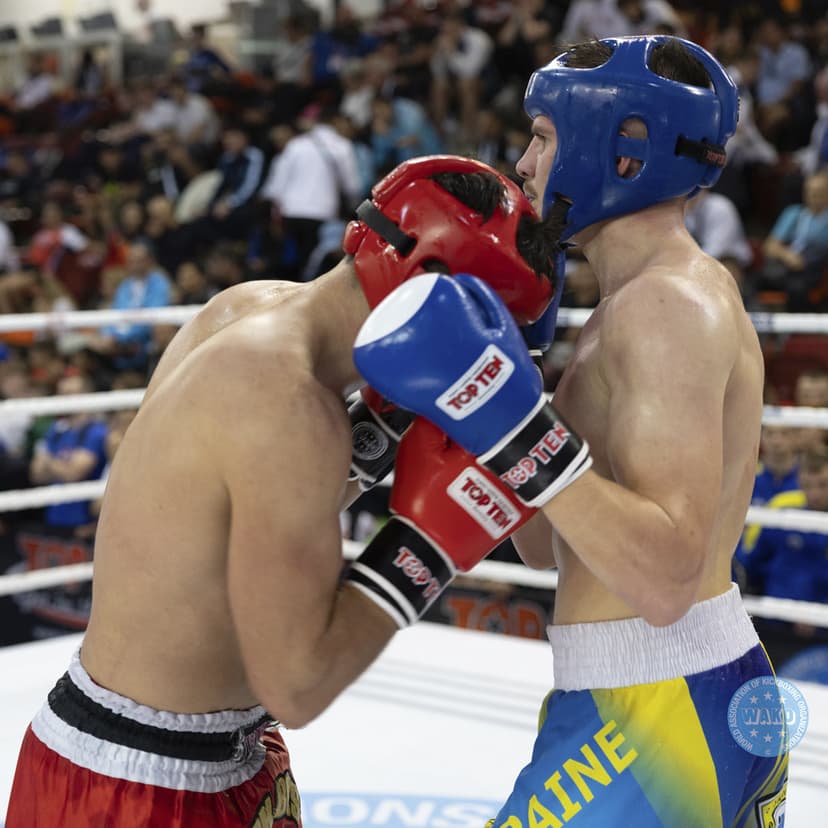
When a helmet is WAKO-approved, it means in practice that it is made to meet the requirements that apply in WAKO-regulated competition. It is not just about a logo or a brand. The approval is linked to the model, design and use in a setting where rules and safety are actually checked.
For you as an athlete, it means one thing above all: You reduce the risk of buying gear that cannot be used when it counts. Many helmets work fine for light training or recreational sparring, but that is not the same as being approved for competition. This is exactly where many people go wrong. They buy a generic kickboxing helmet and discover too late that the club or the event requires a specific standard.
At the same time, it is important to be precise. WAKO approval does not automatically make a helmet the best choice for all types of training. Some competition-approved helmets prioritise low weight and a good field of vision, while some athletes in hard sparring prefer a model with a slightly different feel or more padding. So yes, approval is crucial if you are going to compete – but it is still fit and intended use that decide whether the helmet is right for you.
Our recommended WAKO-approved helmets
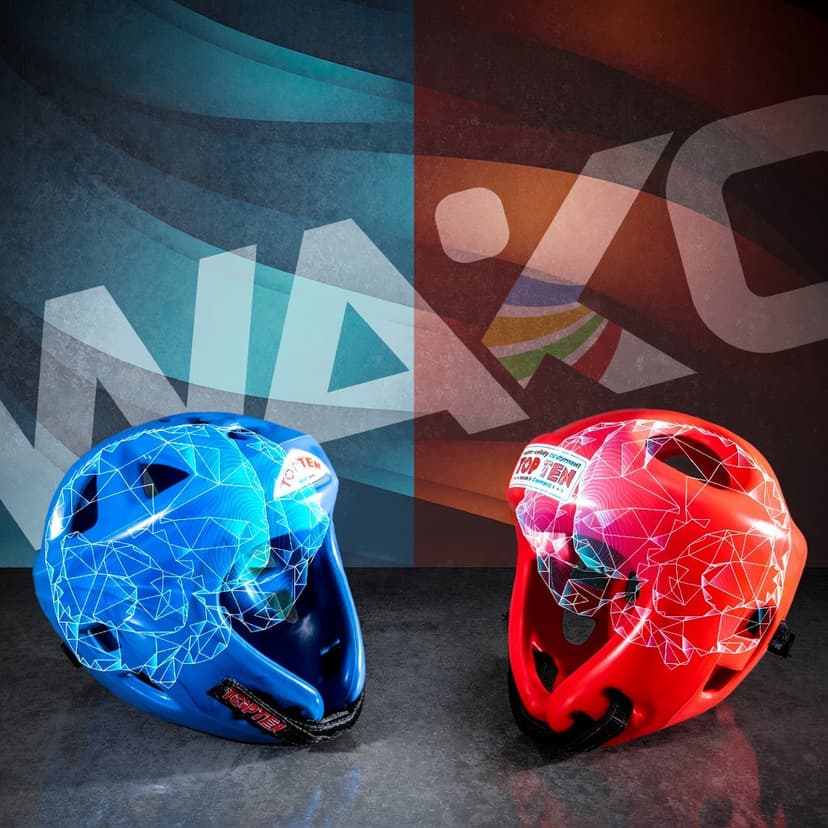
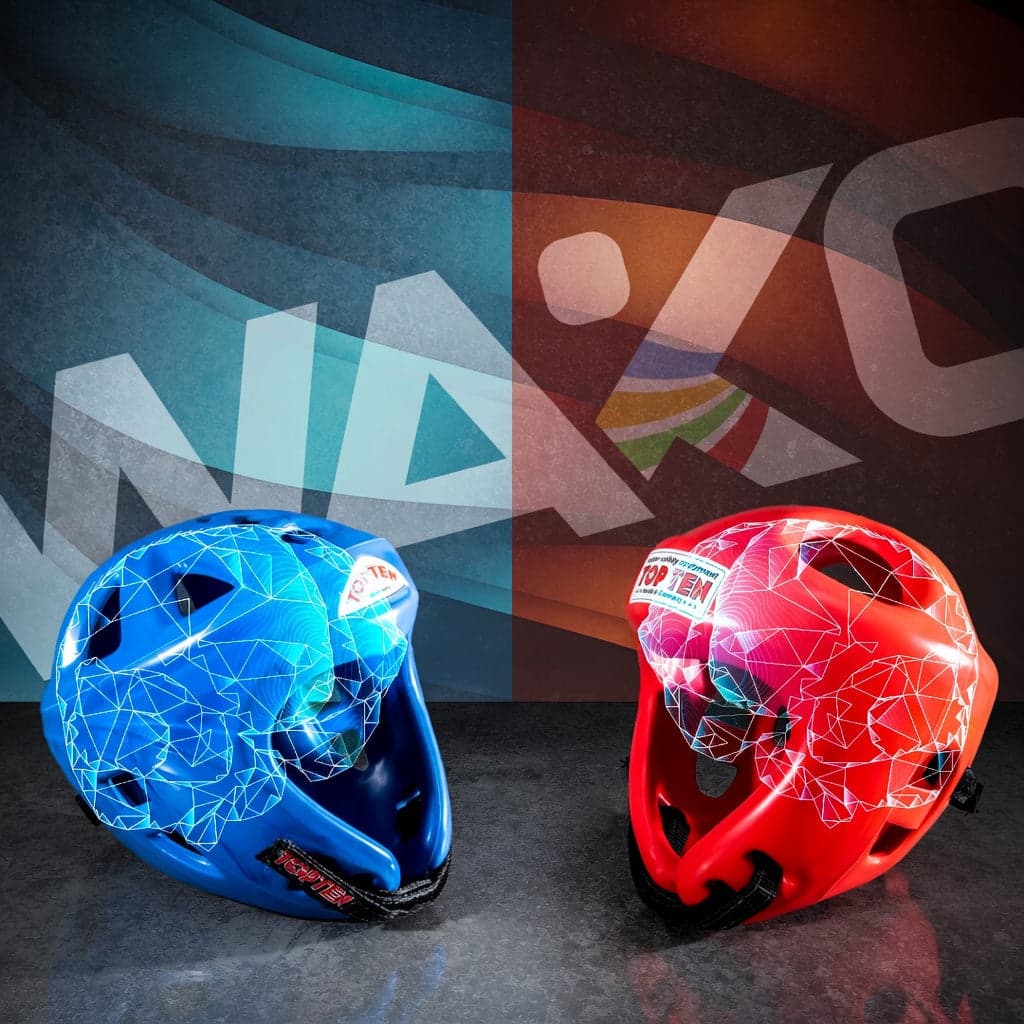
At Combat Store we stock two WAKO-approved helmets from Top Ten that are widely used in Norwegian and international competition:
- TOP TEN Avantgarde Head Guard – A light and ergonomic helmet with a good field of vision, popular among competitors in Point Fight and Light Contact.
- TOP TEN Fight Head Guard/Helmet – A solid and stable model with good coverage, well suited for Full Contact and K1 disciplines.
Remember the strap with the UV label! To take part in WAKO events, the helmet must be fastened with an approved strap that has a UV label. Without it you will not pass the equipment check. See TOP TEN Straps for the Avantgarde and Fight Head Guards.
When do you need a WAKO-approved kickboxing helmet?
If you compete, or train specifically towards competitions, you should choose correctly from the start. It saves you from buying twice and unnecessary uncertainty. For children and teens this is especially relevant, because parents often want to buy gear that lasts through both training and any competitions.
If you are a beginner training once or twice a week, your needs may be a little different. It is still smart to buy a helmet that meets competition standards, but the most important thing at the start is often that it fits well, is easy to put on and take off and does not create stress during training. A helmet that is technically approved, but that the child or adult athlete dislikes wearing, quickly ends up left in the bag.
For clubs and coaches there is also a point in standardising gear as far as possible. When athletes turn up with helmets that meet the same type of requirements, it becomes easier to ensure consistent practice in training and ahead of competitions.
How to assess fit
The most important test is simple: The helmet should fit snugly without pinching. It should not rotate easily when you move your head, and it should not slide down over your eyes when you take a hit or work in clinch-like situations. Many people buy a helmet that is too big because it feels comfortable for two minutes. After a round of sparring it feels different.
Fit is affected by more than just circumference in centimetres. Head shape plays a part, as does how much hair you have, whether you use a hair tie, and how tightly the closure system can be adjusted. That is why it helps to think of the helmet as functional gear, not just size S, M or L.
A good kickboxing helmet should give stability around the forehead, sides and back of the head without squeezing the cheeks or ears unnecessarily. If the helmet presses too much at one point, you will notice it quickly. If, on the other hand, it sits evenly and steadily, you think less about it – and that is exactly what you want.
Signs that the helmet is too big or too small
A helmet that is too big moves when you jab, nod or take light hits. You constantly have to adjust it, and your field of vision becomes unstable. A helmet that is too small often feels secure at first, but quickly becomes tiring. You get pressure on your forehead, heat builds up faster, and your concentration fades.
For children this is especially important. It is tempting to buy a little big so there is room to grow, but with helmets that often works poorly. Protective gear should fit now, not in six months.
Protection, vision and comfort – there is always a compromise
There is no single helmet that is best at everything. More padding can give a greater sense of security, but it can also add bulk and reduce mobility and awareness. A lighter and more open model often gives better vision and less heat, but some athletes feel it offers less shielding.
That is why you should be honest about how you train. If you do a lot of sparring and want a fight-like feel, field of vision and low weight are often top priorities. If you are new, a little tense in contact or train in groups with varying control, a sense of security and stability can matter more.
The materials also play a part. The surface should withstand sweat and regular use without breaking down quickly, while the inner padding should keep its shape over time. A helmet that feels good in the first week, but loses its spring and shape after a short time, quickly becomes a poor buy even if it was cheaper.
WAKO-approved kickboxing helmet for training and competition
Many people ask whether they can use the same helmet for everything. The answer is often yes, but not always ideally. For competition you want a model that is approved and fits predictably. For regular training you may in some cases want something slightly different, depending on intensity and type of session.
For most people, however, it is most practical to have one good helmet that covers both needs. Then you should prioritise a model that combines compliance with the rules, a stable fit and enough comfort that you actually wear it throughout the session. This is often the smartest choice for recreational athletes, youth athletes and active competitors alike.
If you train several disciplines, you should pay extra attention. A helmet that works well in one martial art is not automatically right in another. Rules, impact patterns and equipment requirements vary, as does what feels like the right protection.
What many people overlook before buying
The first is the closure system. Hook-and-loop closures and adjustments must be simple enough that the helmet can be adjusted quickly, but stable enough that it does not shift during use. The second is care. Helmets absorb a lot of sweat, and if they are not dried and aired properly, both the smell and the lifespan go the wrong way.
The third is where the helmet is used. If you train a lot in warm halls or long sessions, ventilation and weight will be noticed more than you might think. Small differences in construction become big ones after a few rounds on the mat.
And then comes the classic mistake: buying from the photo alone. Product images say something about design, but almost nothing about how the helmet fits on a real head in motion. That is why expert guidance matters so much when you are choosing protective gear.
Who should be extra careful with the choice?
Competitive athletes should be uncompromising on approval and fit. There is little reason to take chances here. Children and young athletes need helmets that are easy to wear correctly, because poor adjustment often happens in the rush before training. Parents should therefore choose models that give a secure and clear fit without a lot of trial and error.
Coaches and clubs should also be careful. When the gear is right from the start, less time is spent on corrections, and the athletes get a more professional experience. For those who train regularly several times a week, durability and stability are as important as price.
At a specialist like Combat Store, the point is precisely to distinguish between gear that only looks right and gear that actually works in everyday Norwegian club training and competition.
How to get the most out of your helmet after buying
Once you have found the right model, you should spend some time adjusting it from the first session. Adjust the helmet before you get sweaty and stressed. Test movement, field of vision and how stably it sits during simple punch combinations. If something feels wrong then, it rarely gets better when the pace picks up.
After training, the helmet should be wiped and aired well. Do not leave it wet in the bag. That extends its lifespan, keeps the materials in better condition and makes it far more pleasant to use the gear next time.
A good WAKO-approved kickboxing helmet should give you enough peace of mind to focus on the training, not on the gear. When the helmet fits as it should, you hardly notice it – and that is usually a sign that you have chosen correctly.