
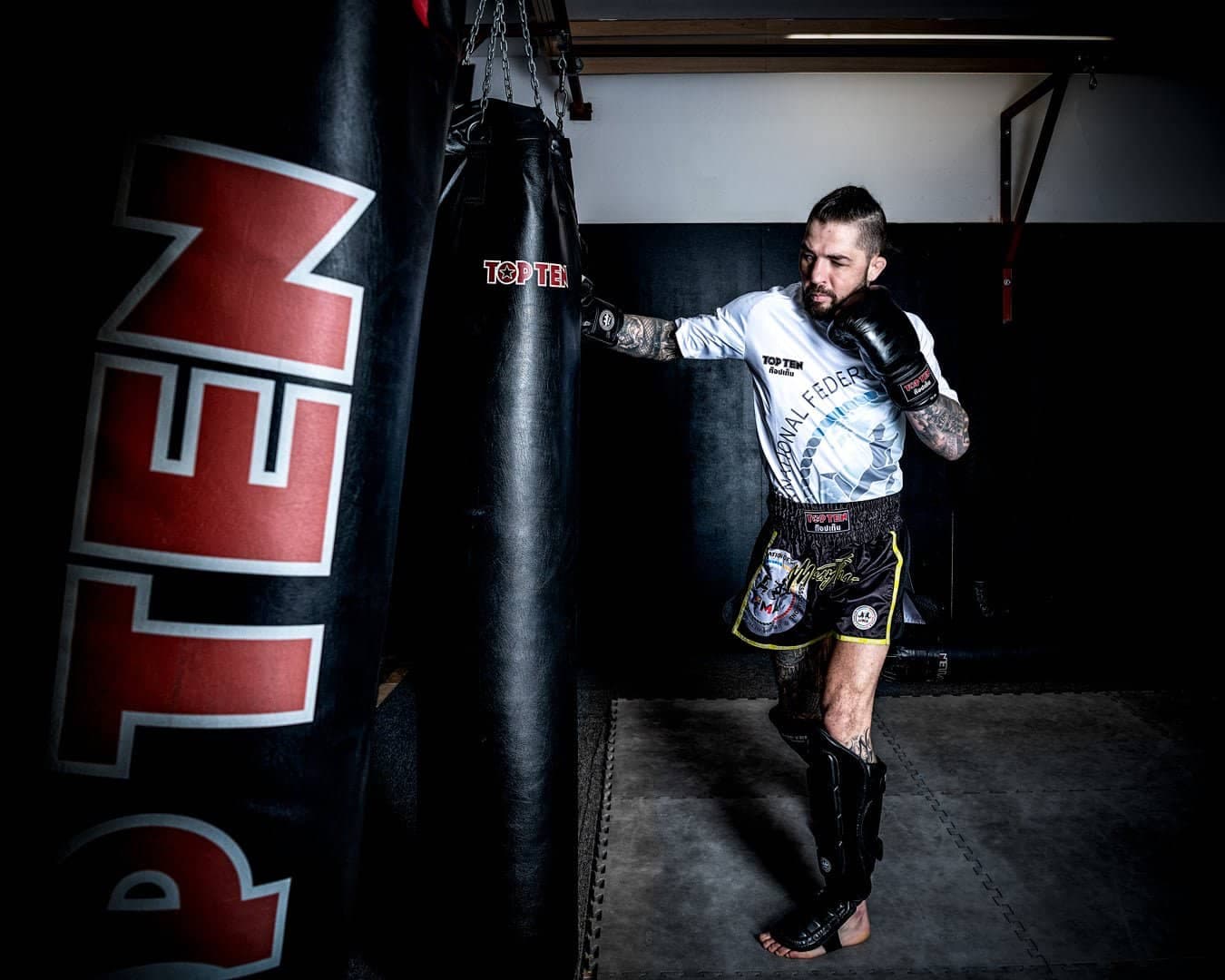
A punching bag is the simplest way to train martial arts at home, and the most common investment after gloves and hand wraps. It is also the easiest one to get wrong, because the choice depends as much on your home as on your training.
This guide goes through the four main types, how to choose height and weight, what mounting you need, and which mistakes most often leave the bag unused.
The four types of punching bag
| Type | Suitable for | Requires |
|---|---|---|
| Hanging bag | Punches, kicks, knees. The most versatile. | A solid ceiling mount or wall bracket |
| Free-standing bag | Flat, garage, movable placement | Floor space and water or sand in the base |
| Water bag | Body punches, easy on the shoulders | Ceiling mount, handles kicks less well |
| Speedball | Rhythm, timing, shoulder endurance | A dedicated speedball mount and platform |
Most people buying their first bag want a hanging or free-standing bag. Water bags and speedballs are add-ons once you already have the basic gear.
Hanging or free-standing?
This is the first and most important choice, and it is decided by where you live.
A hanging bag gives the best training feel. It moves naturally, you can circle around it, and you can hit from every angle. In return, it needs a mount that can take both the weight and the jolts, and that means a load-bearing beam, not a plasterboard ceiling. If you don't know how your ceiling is built, ask someone who does.
A free-standing bag needs no drilling. The base is filled with water or sand, typically 100 to 150 kilos, and the bag can be moved when it is empty. It takes up more floor space, and it feels slightly different because it tilts instead of swinging. For a flat it is almost always the right choice, and it bothers the neighbours less than a bag jolting the ceiling.
Height and weight
The top of the bag should be roughly at your own eye level, and the bottom down towards your hips. Then you can both strike at head height and work the body without changing position.
| Your height | Recommended bag length |
|---|---|
| Under 165 cm | 100 to 120 cm |
| 165 to 180 cm | 120 to 150 cm |
| Over 180 cm | 150 to 180 cm |
For weight, the main rule is that the bag should weigh about half of what you weigh. A bag that is too light swings out and is hard to work against. A bag that is too heavy gives no movement and puts unnecessary strain on your wrists and shoulders. We go into this in more detail in the article how heavy should a punching bag be.
Material and filling
On the outside there are three common materials. Synthetic leather is the most common today, very durable and easy to wipe down. Genuine leather lasts longest and feels best, but costs more. Heavy-duty nylon or canvas is used on outdoor bags and copes better with moisture.
The filling is usually a mix of textile scraps and foam. What matters is whether the filling is evenly packed. A bag that clumps becomes hard at the bottom and empty at the top, and then you are hitting a hard spot. Turn the bag now and then if it hangs freely.
Mounting and hanging
If you are going to hang the bag, you need three things: a mount in the ceiling or wall, a chain or strap, and ideally a spring or swivel between them.
- A ceiling mount is fitted into a load-bearing beam. It must withstand far more than the bag's weight, because a punch causes short jolts that multiply the load many times over.
- A wall bracket is the alternative when the ceiling won't do. It needs a solid wall and holds the bag out from the wall so you can move around it.
- A spring absorbs the jolt at the mount and makes the bag more comfortable to hit. It spares both the ceiling and your shoulders.
- A swivel or 360 hook stops the chain from twisting when the bag rotates.
How to choose, step by step
- Check where the bag will go
Measure the ceiling height and floor space, and find out whether you have a load-bearing beam to mount it on. This decides hanging or free-standing before anything else.
- Choose the length by your height
The top at eye level, the bottom at your hips. If you are torn between two lengths, take the longer one.
- Choose the weight by your body weight
Around half of what you weigh. If you kick a lot, you can go a little heavier.
- Add a mount and spring
Order the hanging kit at the same time as the bag. It is the most common reason a bag ends up standing in the hallway for three weeks.
- Have hand wraps and gloves ready
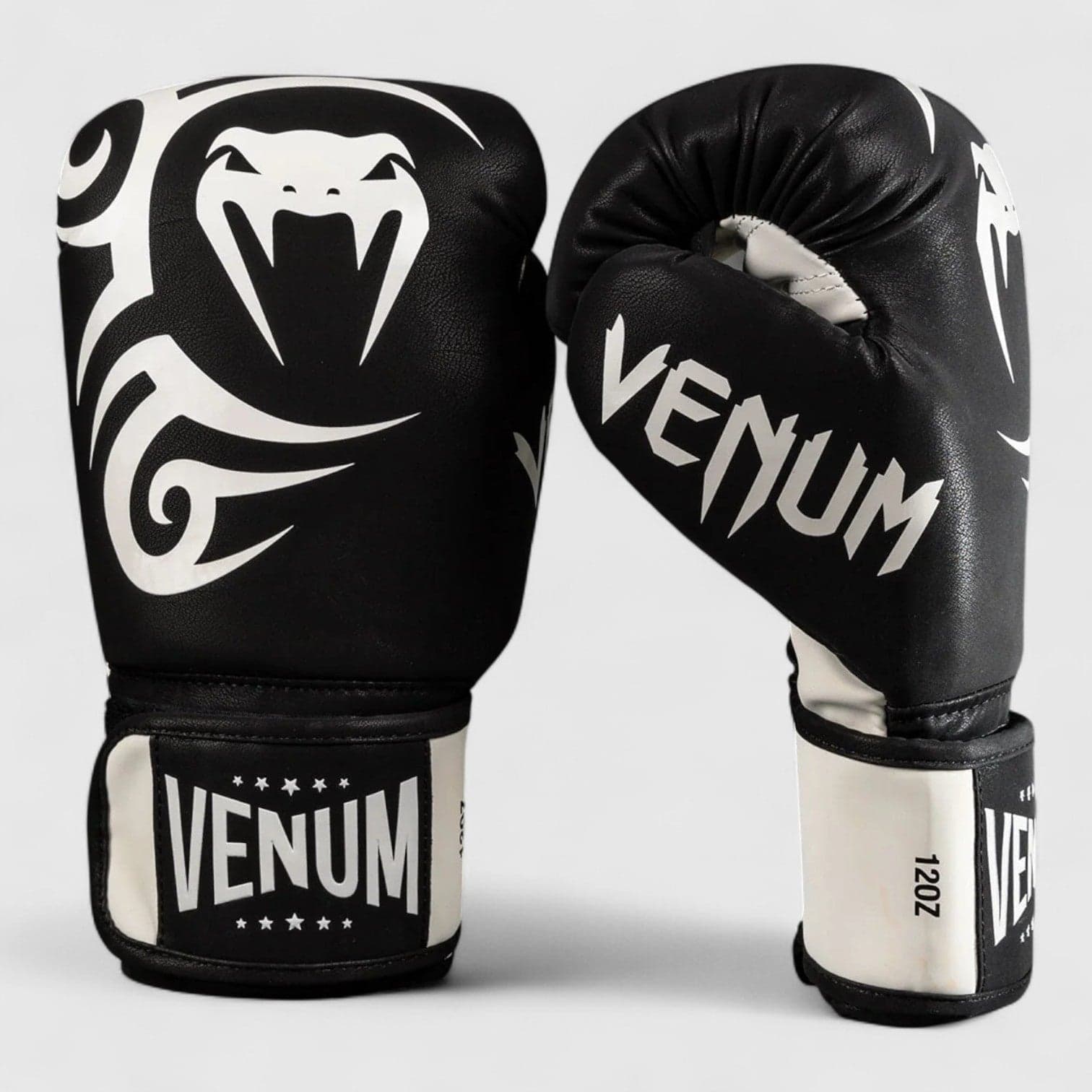
The bag is useless without them. Hand wraps first, then gloves that can handle bag work.
Our recommendations
Best for a flat
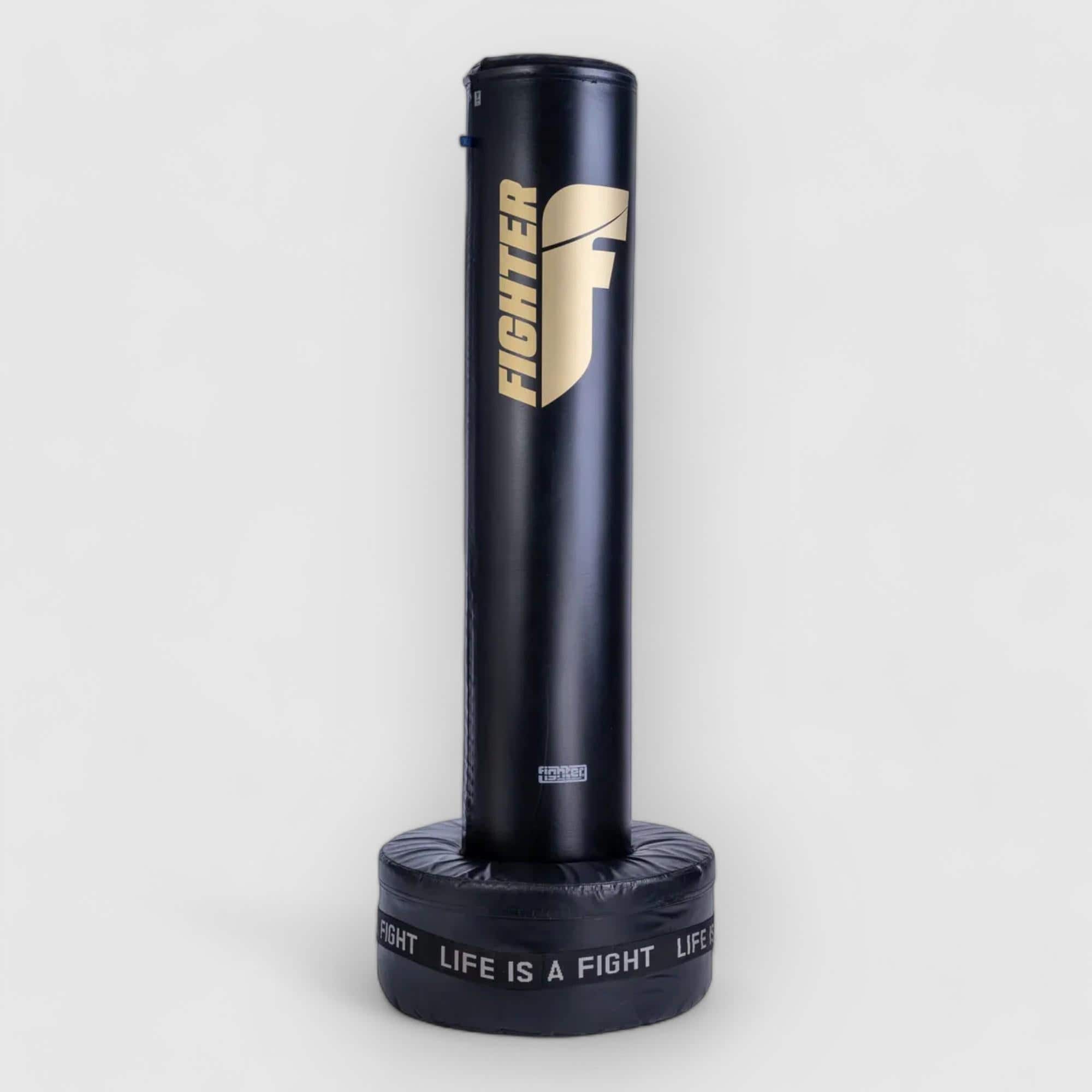
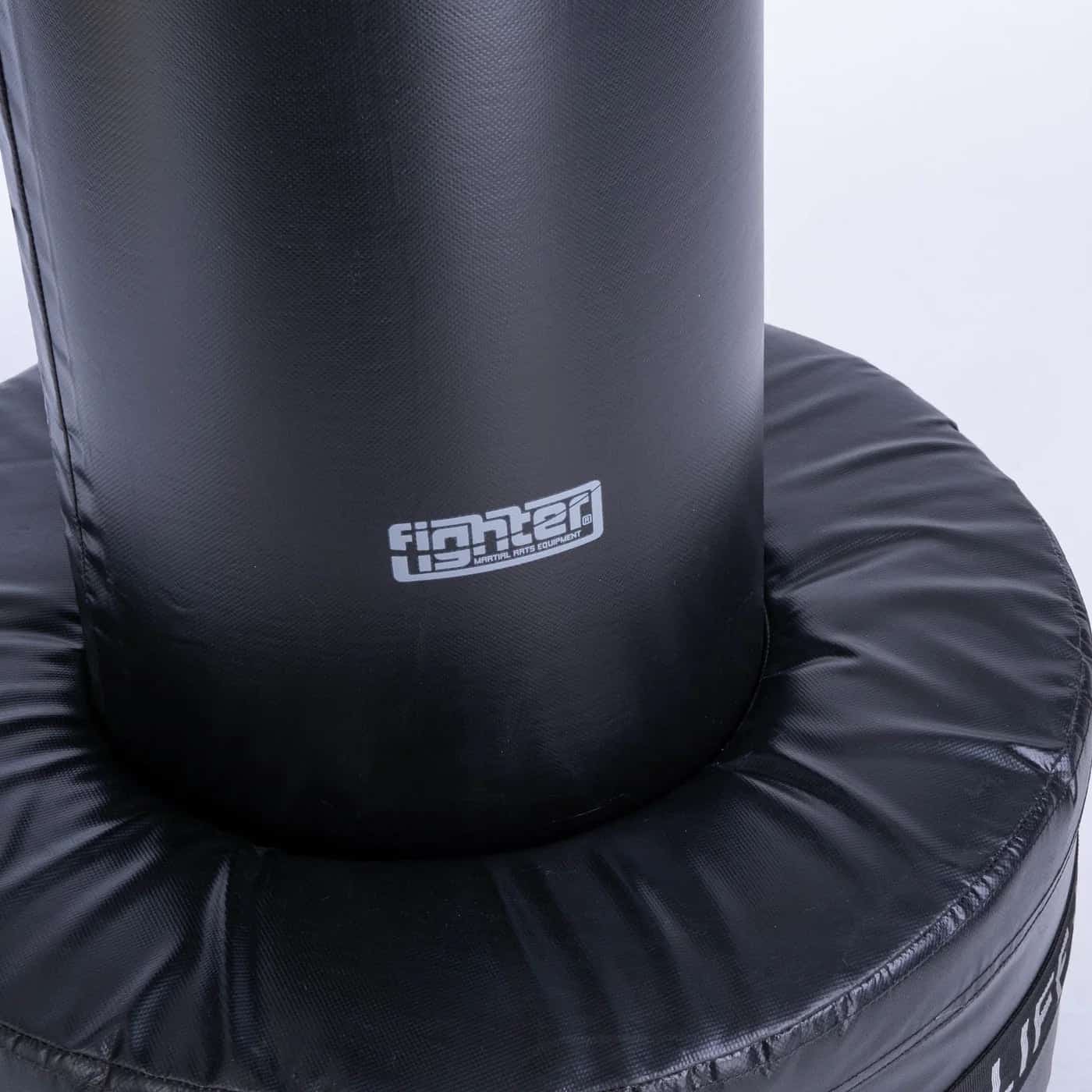
No drilling, no complaints from the neighbours. Fill the base with water or sand and move it whenever you like.
Most versatile
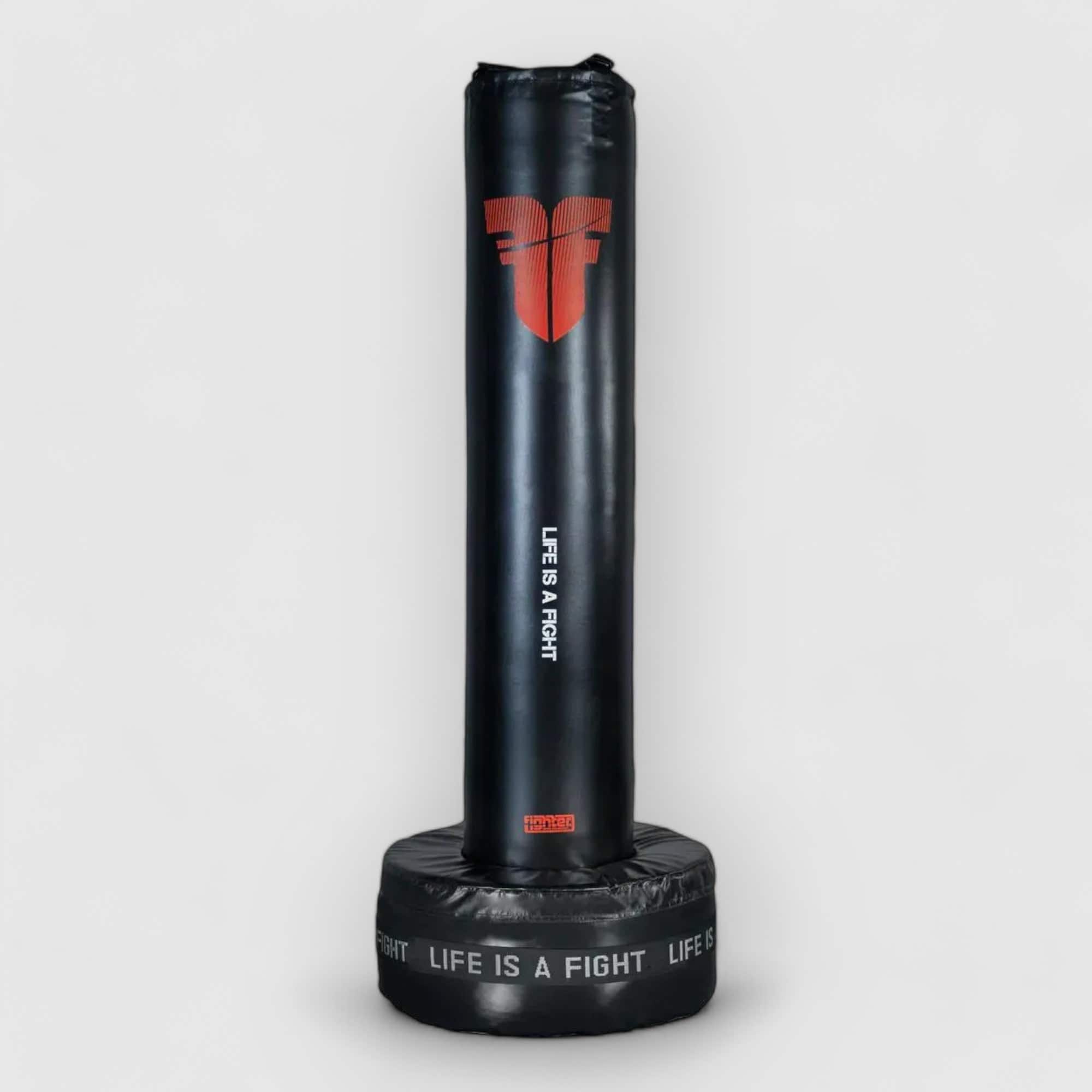
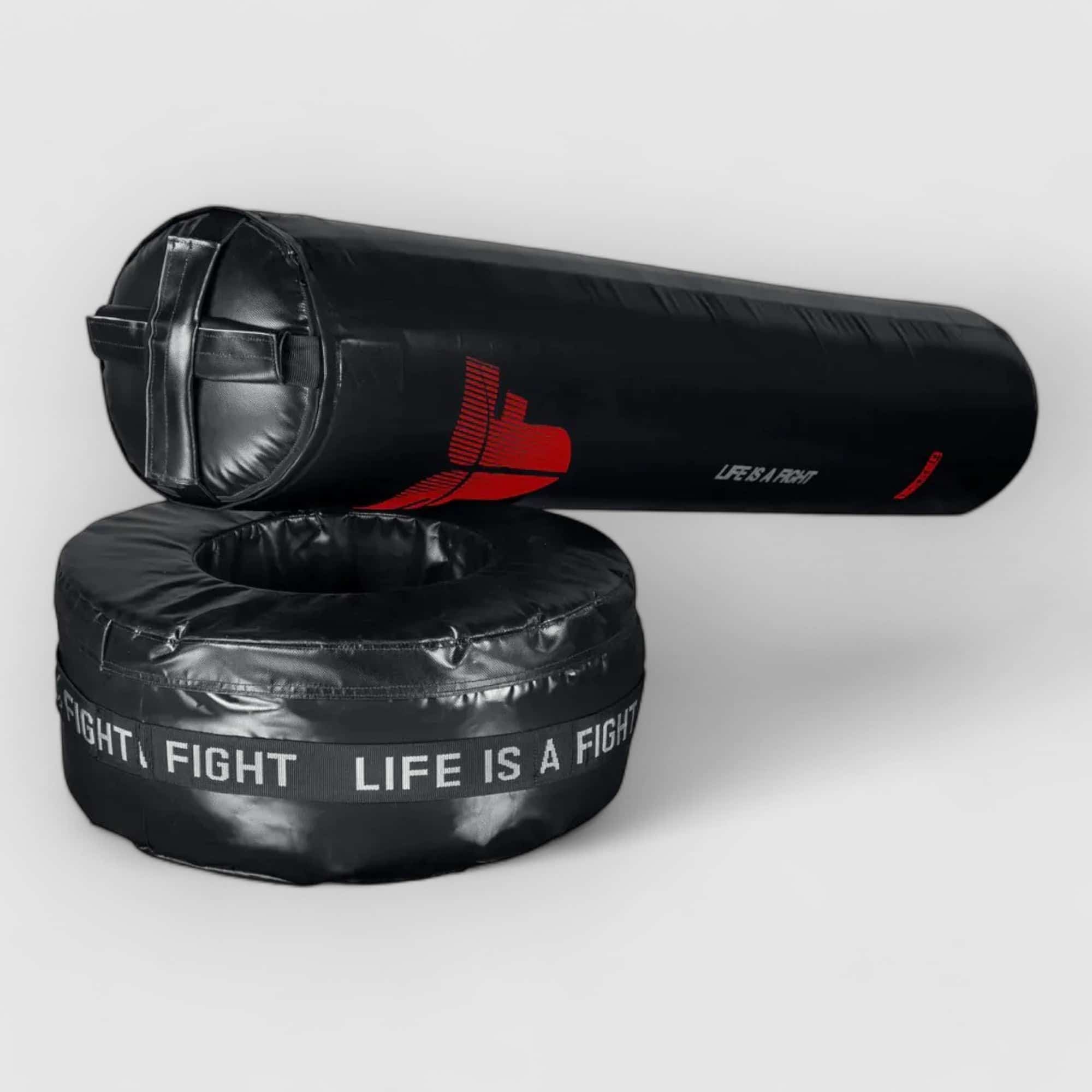
Three heights in one, so the high kick and the body punch each get their own surface. Built for boxing, kickboxing and MMA.
Classic hanging
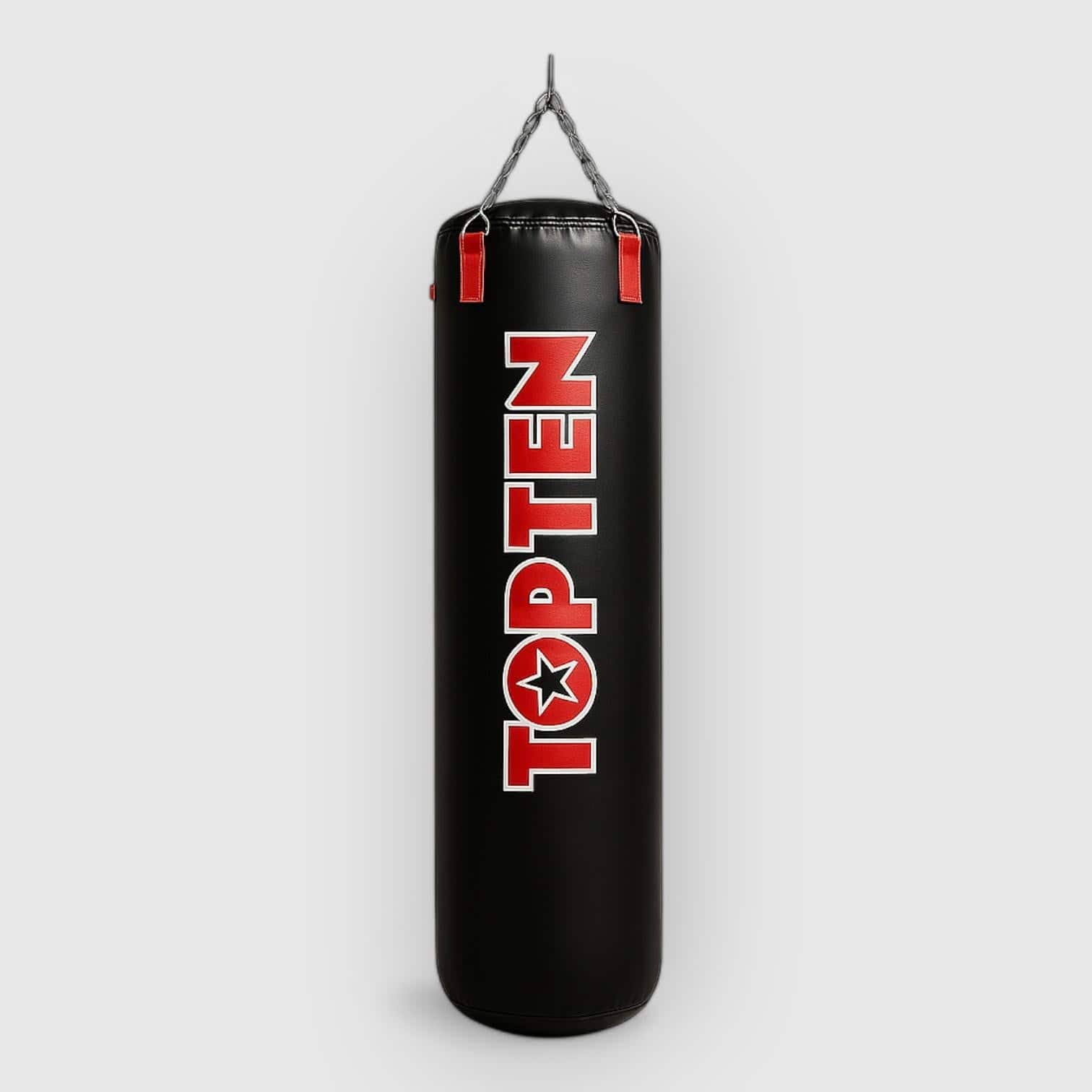
The standard length that suits most adults. Requires a solid ceiling mount.
Mount
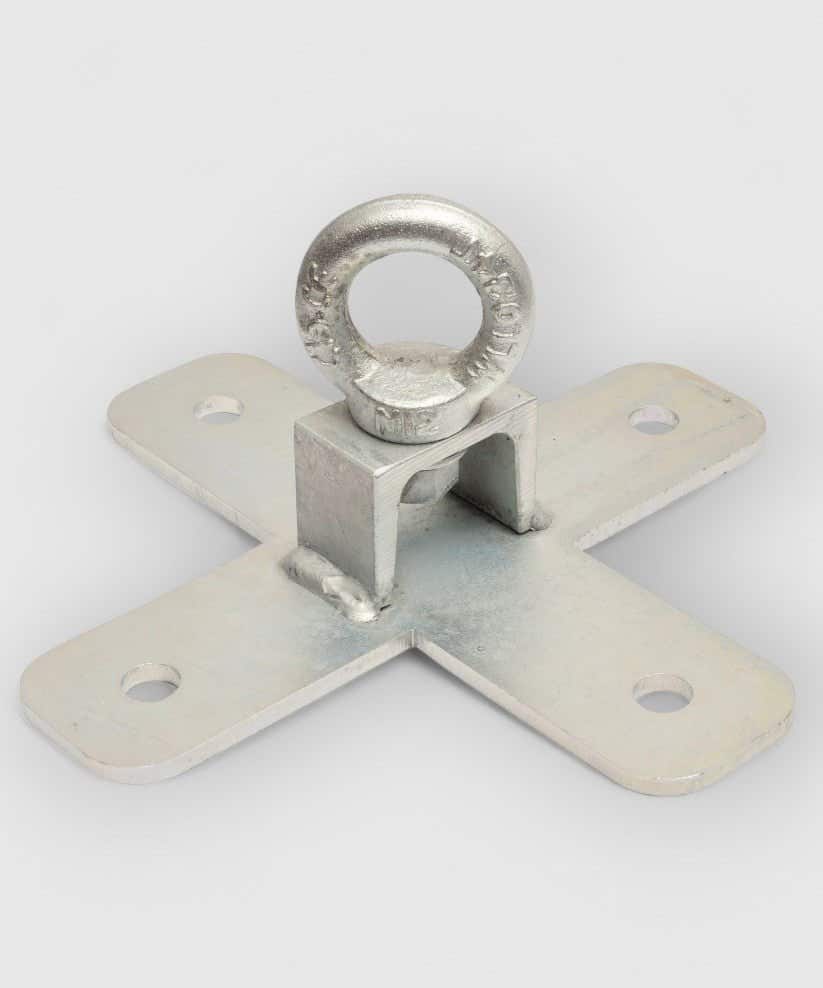
A heavy-duty ceiling mount for fitting into a load-bearing beam. Buy this at the same time as the bag.
Shock absorption
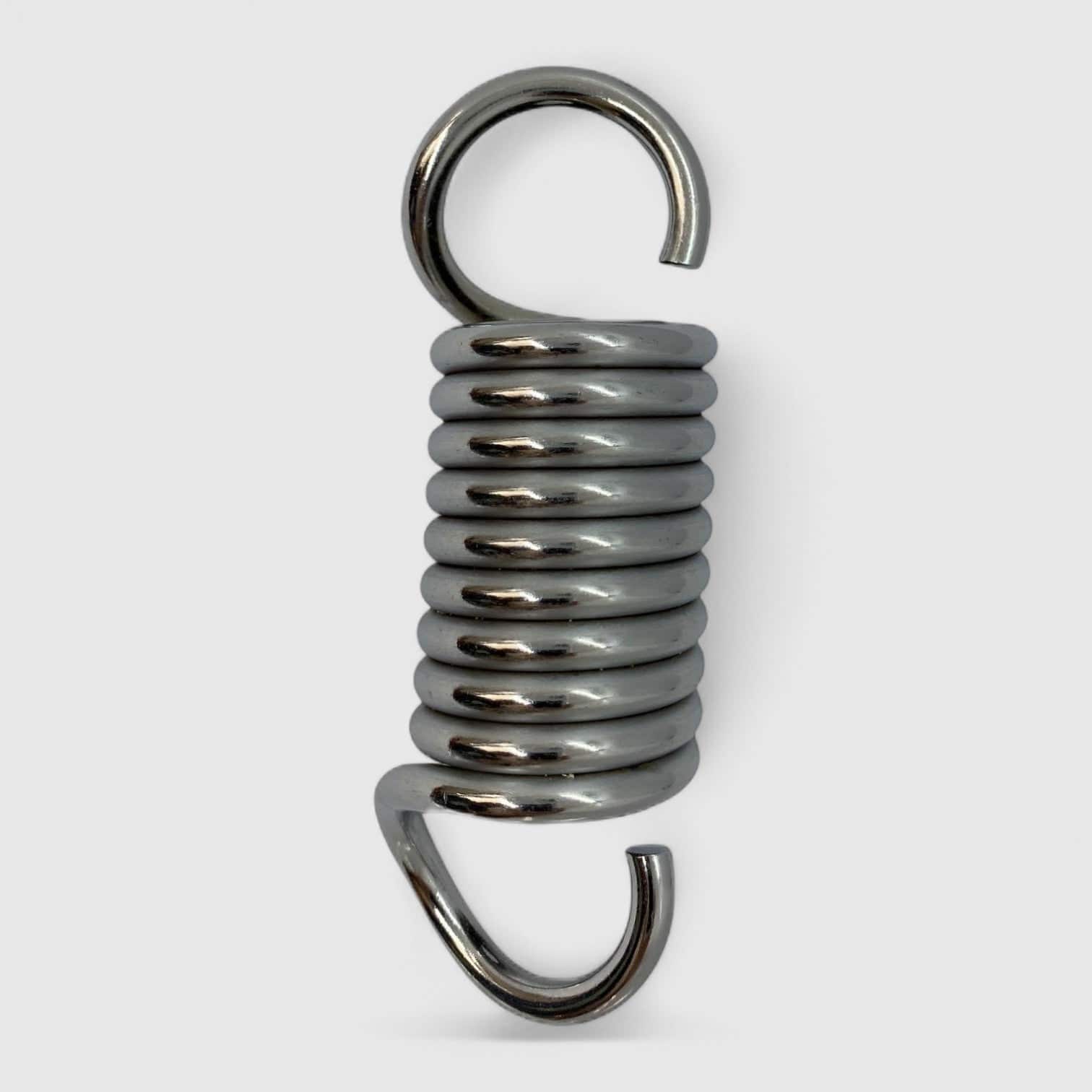
Goes between the mount and the chain. Absorbs the jolt and makes the bag softer to hit.
Frequently asked questions
Can I have a punching bag in a flat?
Yes, but choose a free-standing one. A hanging bag transmits jolts to the building structure, and the neighbours will notice.
How heavy should the bag be?
Around half your body weight as a rule of thumb. If you kick a lot, you can happily go somewhat heavier.
Do I need a spring in the hanging kit?
It isn't a must, but it is recommended. The spring absorbs the jolt at the mount and makes the bag more comfortable to work against.
Can I kick a free-standing bag?
Yes. Models built for kickboxing and MMA handle kicks well. Make sure the base is completely full, otherwise the bag tips too easily.
What kind of gloves do I use on the bag?
Regular boxing gloves of 12 to 16 oz, or dedicated bag gloves. Always with hand wraps underneath.
How long does a punching bag last?
A synthetic leather bag with even filling lasts many years with home use. If the bottom gets hard, the filling needs to be shaken loose or repacked.