Now begins the part of the year when there is a competition almost every other weekend. The Norwegian Cup (Norgescupen) rolls on through the autumn, the international cups are packed close together from September to November, and the whole season points towards NM in Fyllingsdalen in 2027. What separates a good competition weekend from a bad one is rarely form. It is the equipment.
We stand at the equipment check with our customers year after year, and it is mostly the same things that stop people: the wrong colour, a missing label, a helmet that is the right model but without the Velcro strap carrying the WAKO label. This guide goes through the whole calendar, discipline by discipline, and what each event actually requires you to have in your bag.
The competition year at a glance
The season has two quite different tracks. One is the Norwegian Cup, where you enter through your club and can compete at any level. The other is the international cups, where the requirements for labelled equipment are absolute and the check is a separate item on the programme. Both tracks use the same rules, but they enforce them with different strictness.
| Event | When | Who can compete | What decides it at the check |
|---|---|---|---|
| World Championships in Jesolo, Italy | 18-27 September 2026 | Athletes selected by the federation | Full WAKO labelling on everything, correct colour in every fight |
| Norwegian Cup, Bergen | September 2026 | All clubs, all levels | WAKO-labelled protection, club uniform |
| World Cup, Tashkent | October 2026 | Open international | Full WAKO labelling, valid licence |
| Bristol Open | October 2026 | Open international | Full WAKO labelling |
| European Championships in Skopje, North Macedonia | November 2026 | Athletes selected by the federation | Full WAKO labelling, spare equipment recommended |
| Swedish Open | November 2026 | Open, many Norwegian clubs travel | WAKO labelling |
| NM in Fyllingsdalen | 2027 | All Norwegian clubs | WAKO-labelled equipment in all disciplines |
The disciplines: what PF, LC, KL and FC require
Kickboxing is not one discipline, it is four forms of competition, each with its own equipment requirements. Many beginners buy full-contact equipment and discover on competition day that they should have had open gloves. Here is the difference.
| Discipline | How the fight works | In addition to the basic kit |
|---|---|---|
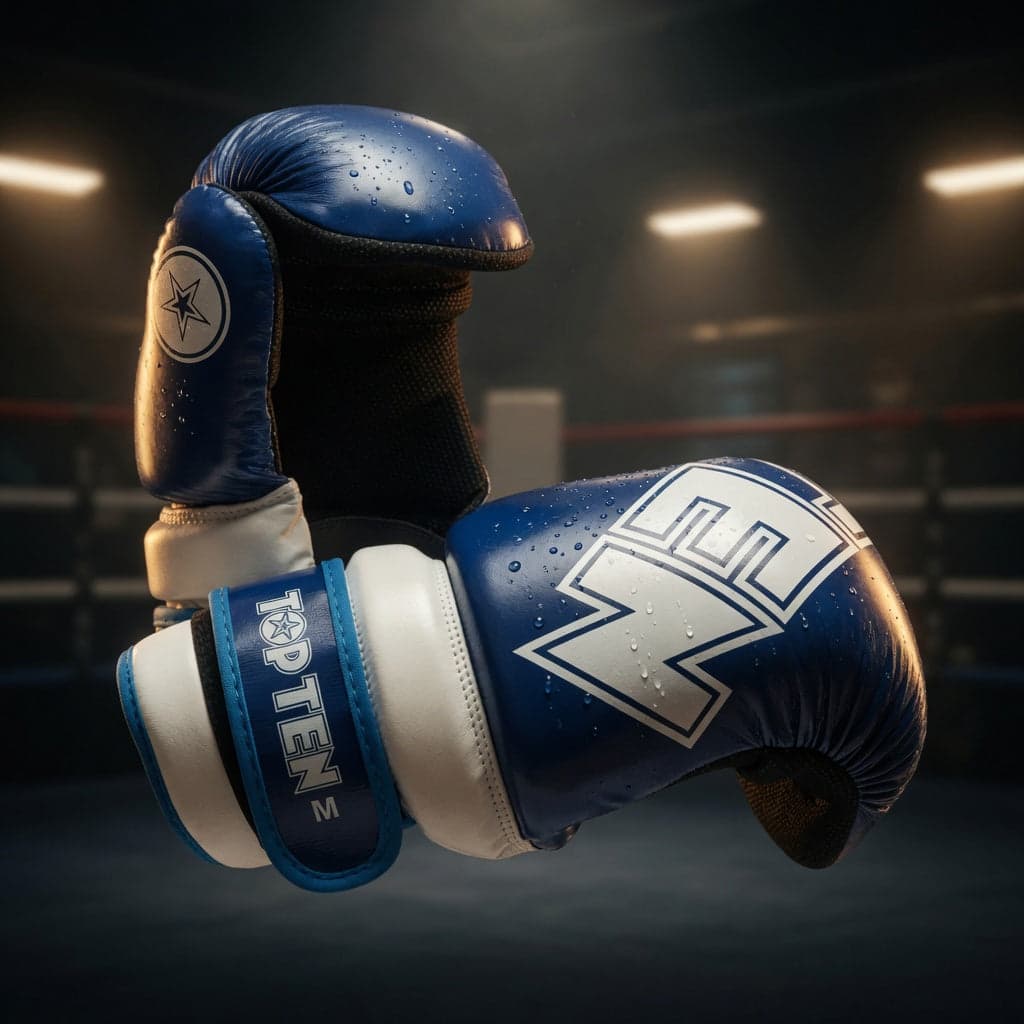
| Pointfighting (PF) | The fight is stopped every time the referees see a point. Short, explosive exchanges and many restarts. | Open semi-contact gloves, foot protectors covering instep and toes |
| Light contact (LC) | Continuous fighting with controlled power. Hard contact is penalised by the referee. | Boxing gloves, foot protectors |
| Kick light (KL) | Continuous fighting, harder than light contact but without knockout as the aim. Low kicks are allowed. | Boxing gloves, foot protectors, shin guards |
| Full contact (FC) | Rounds in a ring. Decided on points or stoppage. | 10 oz boxing gloves, shin guards, foot protectors, groin guard |
The basic kit is the same regardless of discipline: helmet, mouthguard, hand wraps under the gloves and an approved uniform. It is the layers on top that change. If you are competing in several disciplines the same weekend - and many do at the Norwegian Cup - you need both open gloves and boxing gloves in your bag.
The international cups
The difference between a Norwegian and an international event is felt long before the first fight. At the World Championships in Jesolo, the World Cup in Tashkent, the Bristol Open and the European Championships in Skopje, the equipment check is a separate stop you must pass before you are let into the pool. The inspectors look for three things: that the equipment is an approved model, that the WAKO label is on it, and that you have the right colour for your corner.
The colour requirement surprises most people. In many categories you are drawn to the red or blue corner, and the protection must match. In practice this means an athlete aiming for international competition owns their gloves and kicks in both colours, not just their favourite colour. It is also the reason we stock most competition models in both red and blue - not because it looks nicer, but because you need both.
Jesolo in September is the big highlight of the season for those who have been selected. For everyone else, the open cups - Bristol Open and Swedish Open - are the realistic route to international experience. There the club enters you directly, without selection, and the level is high enough that you learn something without championship pressure.
The Norwegian Cup
The Norwegian Cup is the backbone of the Norwegian season. The events are hosted by clubs around the country, the points are added up through the year, and you can compete whether it is your first event or your fiftieth. The autumn round in Bergen is for many the first proper test of the season.
Precisely because the threshold is low, this is where most equipment blunders happen. The most common: an athlete who has trained in their club gloves for two years turns up with a pair so worn that the label is gone or the seam has given way. The check at a Norwegian Cup event is friendlier than at a European Championship, but it is there.
If this is your first competition, also read our walkthrough of the WAKO rules for NM and the Norwegian Cup. It goes deeper into the rules than we have room for here.
NM 2027 in Fyllingsdalen
NM is the goal the whole season points towards. It will be held in Fyllingsdalen in 2027, and for most clubs the autumn cup events are the build-up to it. In practice this means the equipment you buy now is what you will compete in at NM - and that the wear from a whole season must be factored in.
Our advice to athletes aiming for NM: buy your competition equipment now, and train in something else. A pair of kicks used for daily sparring from September to Easter is not what you want to wear in Fyllingsdalen. Keep the competition set in a separate pouch in your bag, and use club equipment or a cheaper set for training.
The equipment that must be in place
These are the seven things that decide whether you get through the check. Everything is WAKO-labelled and in stock with us.
Helmet
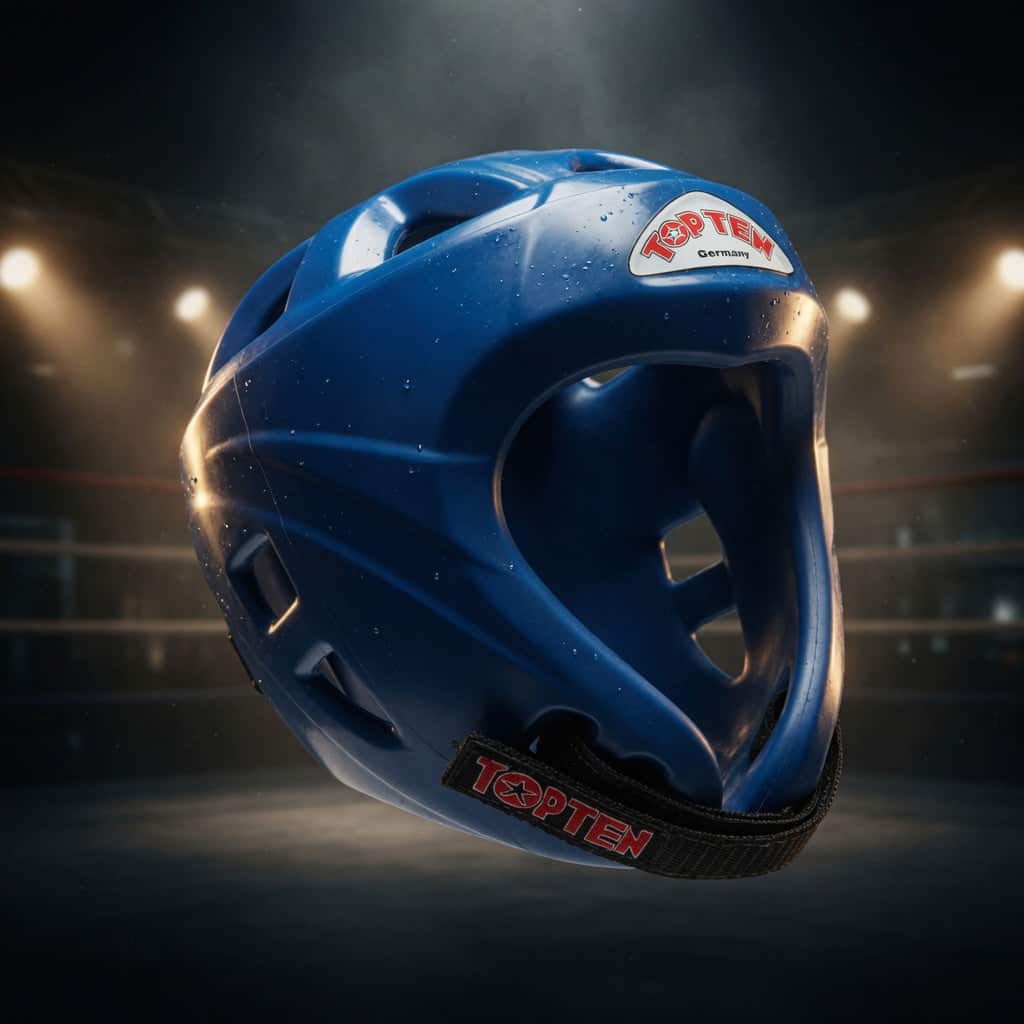
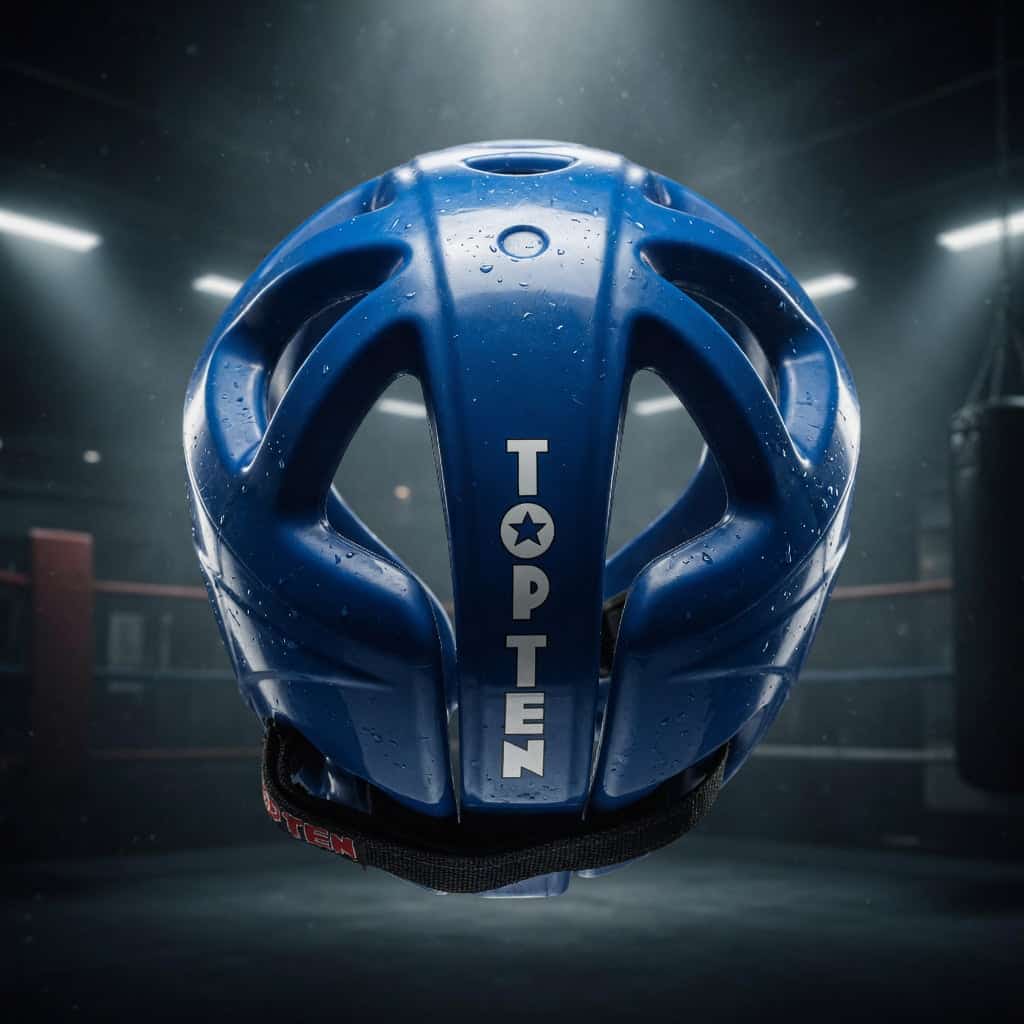


1,490 kr. Available in S, M and L, in blue, red and black. The most used competition helmet in Norwegian clubs. Remember the Velcro strap with the label - see the last item in the list.
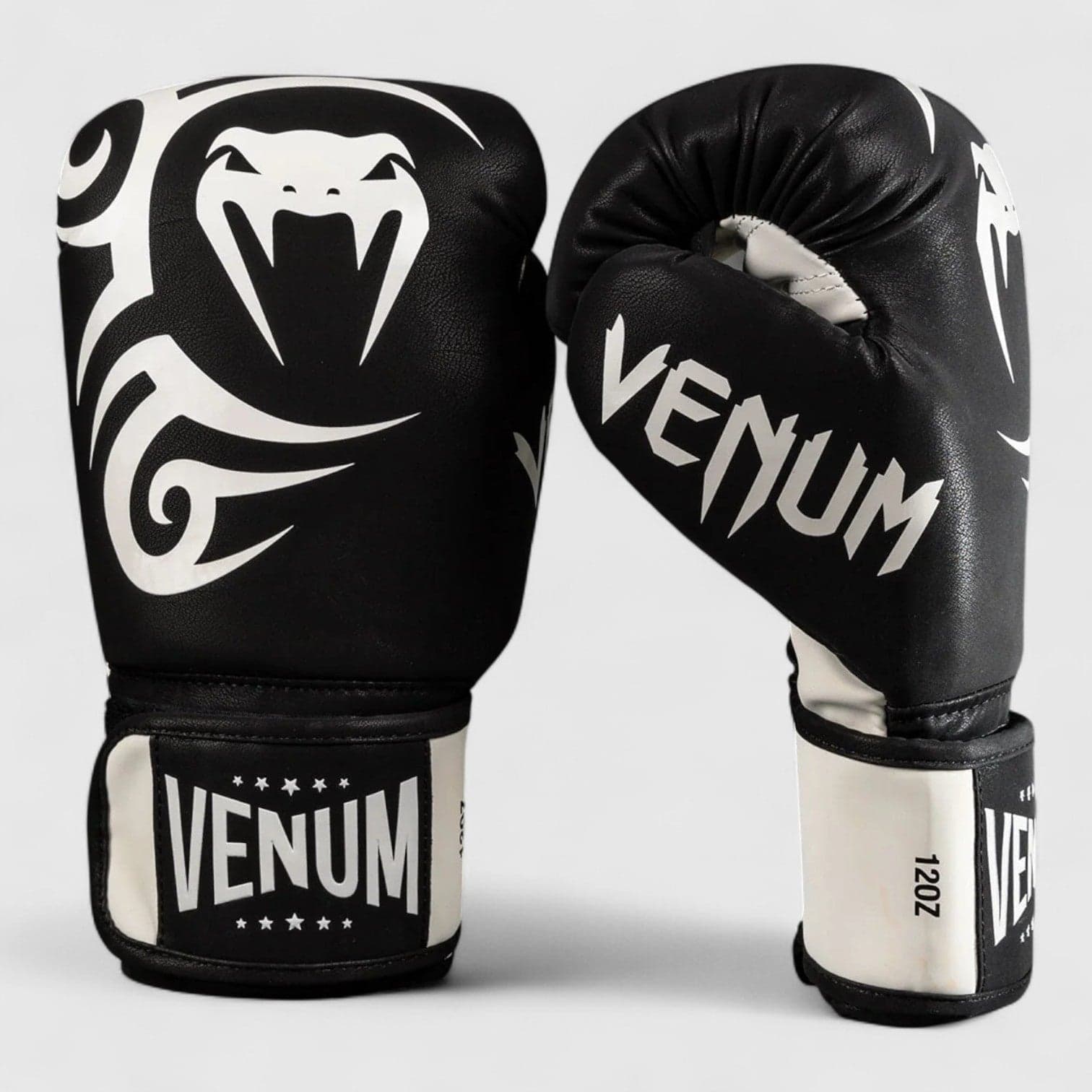
Full contact
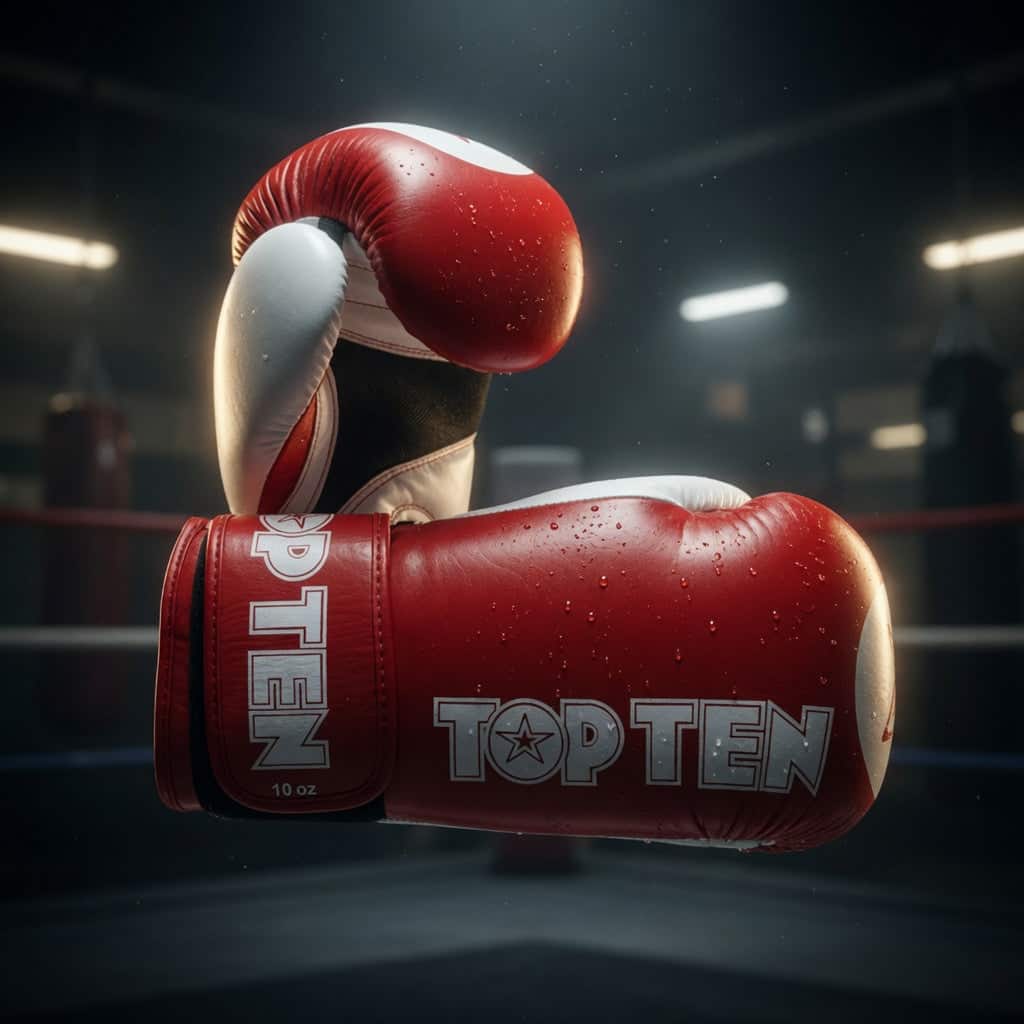
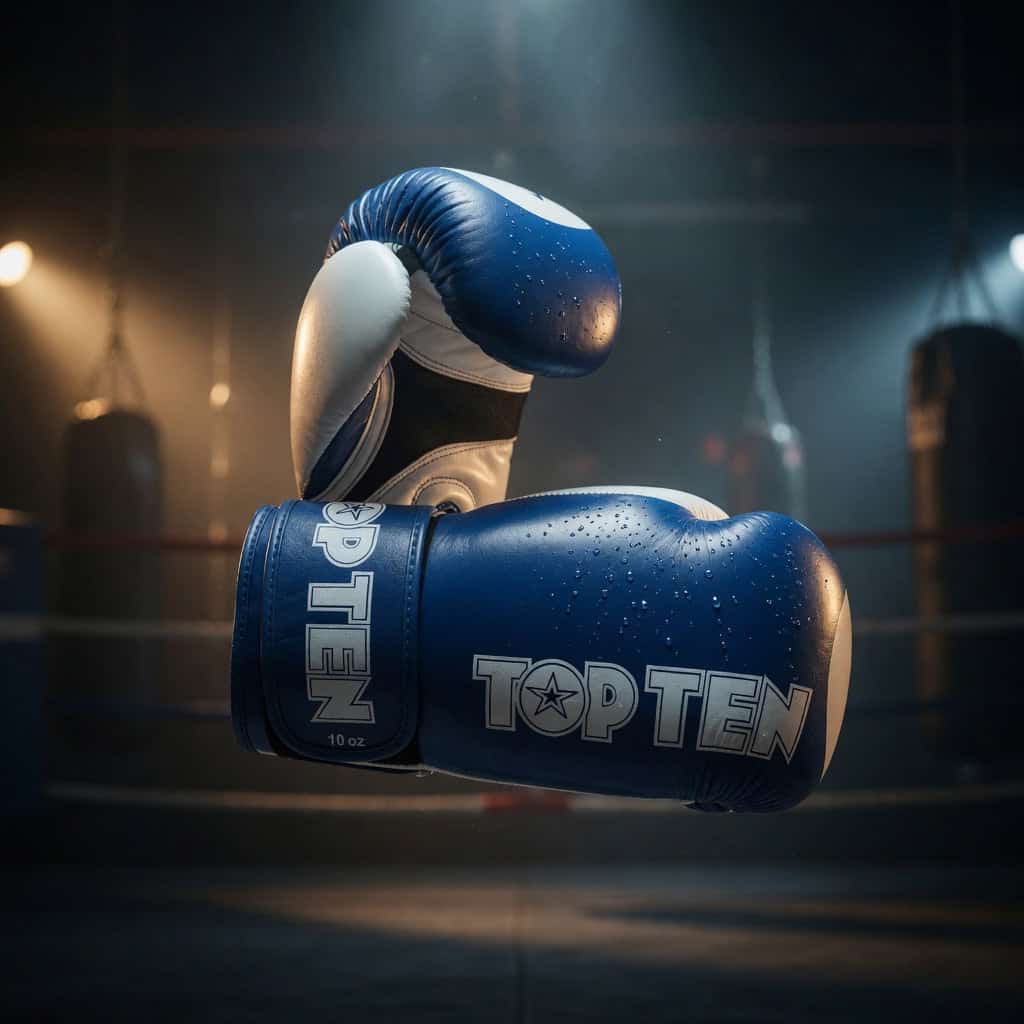


1,190 kr. 10 oz, in blue and red. The competition weight in full contact, and the colours you need to cover both corners.
Mouthguard
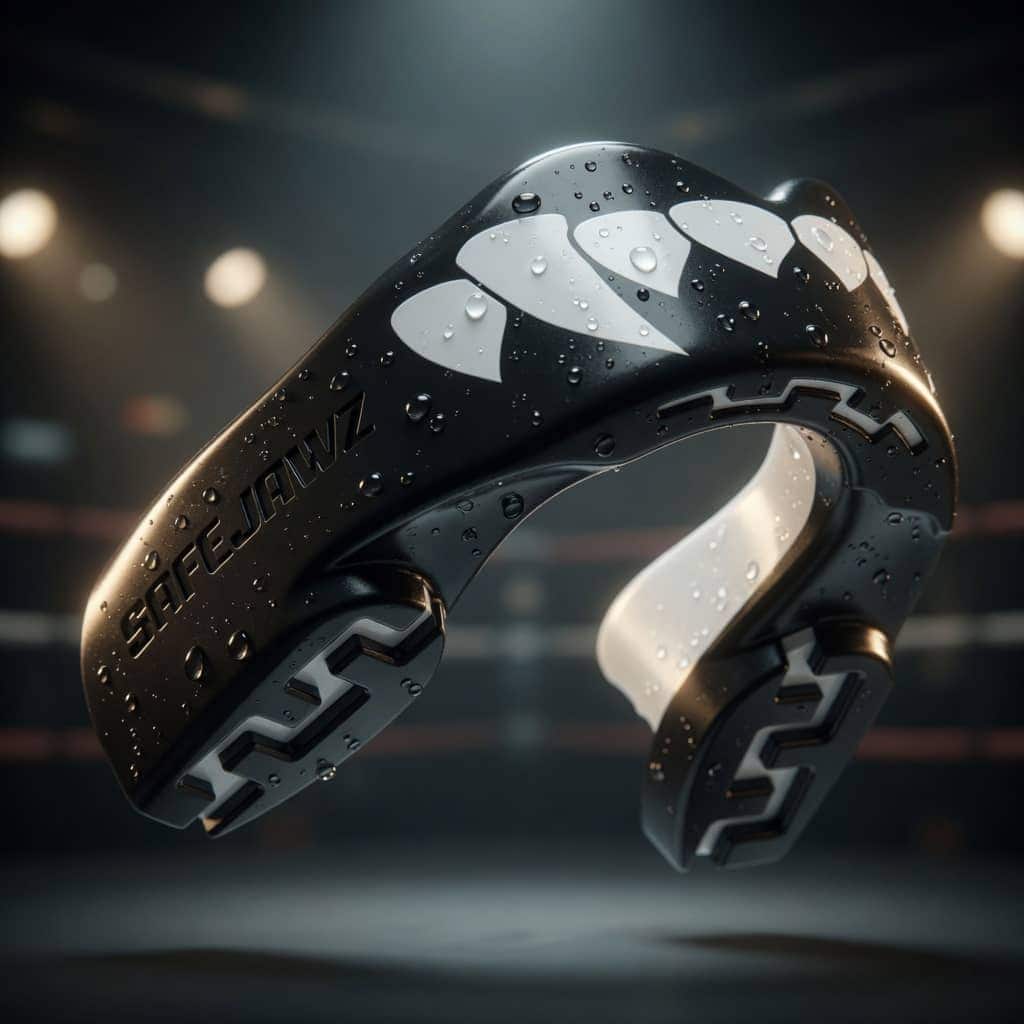
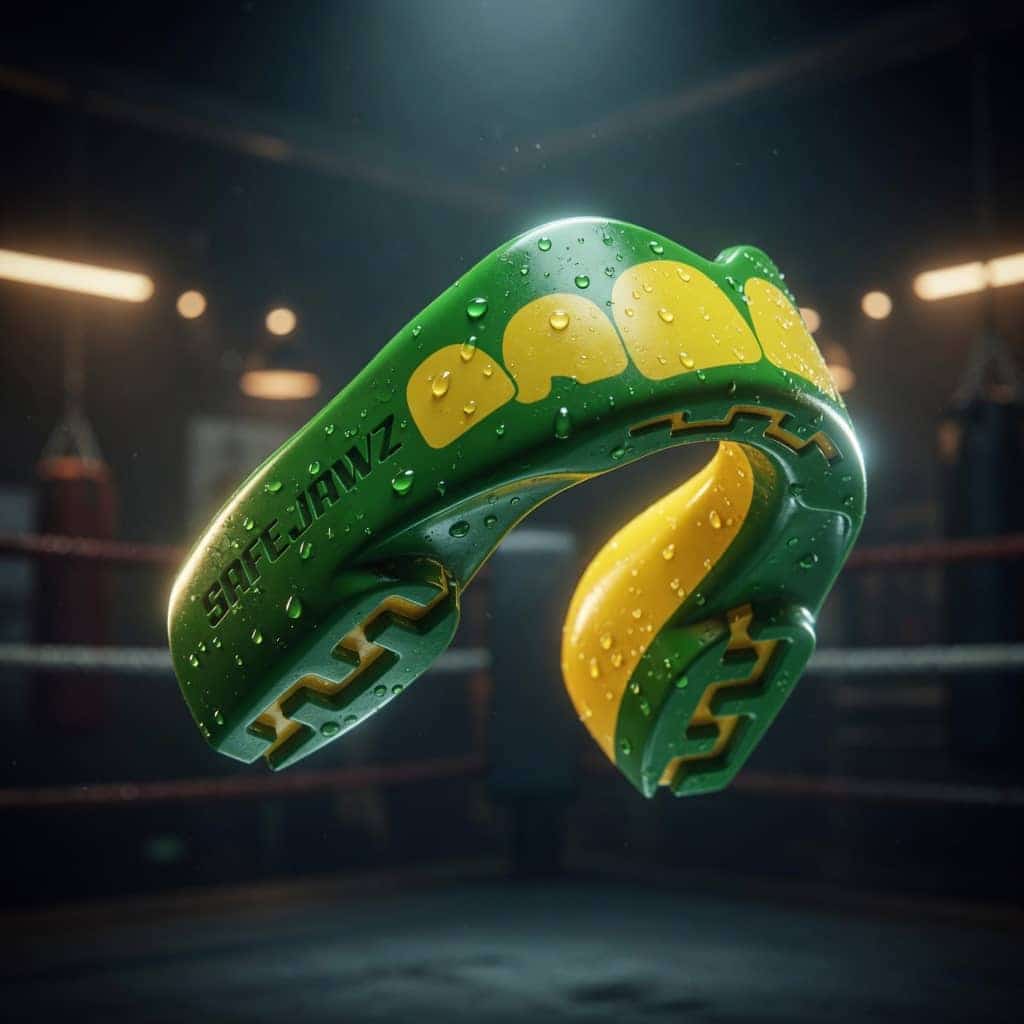


199 kr. Boil and mould it at home. Do it well before the competition - a mouthguard moulded on competition day never fits quite as well.
What everyone forgets
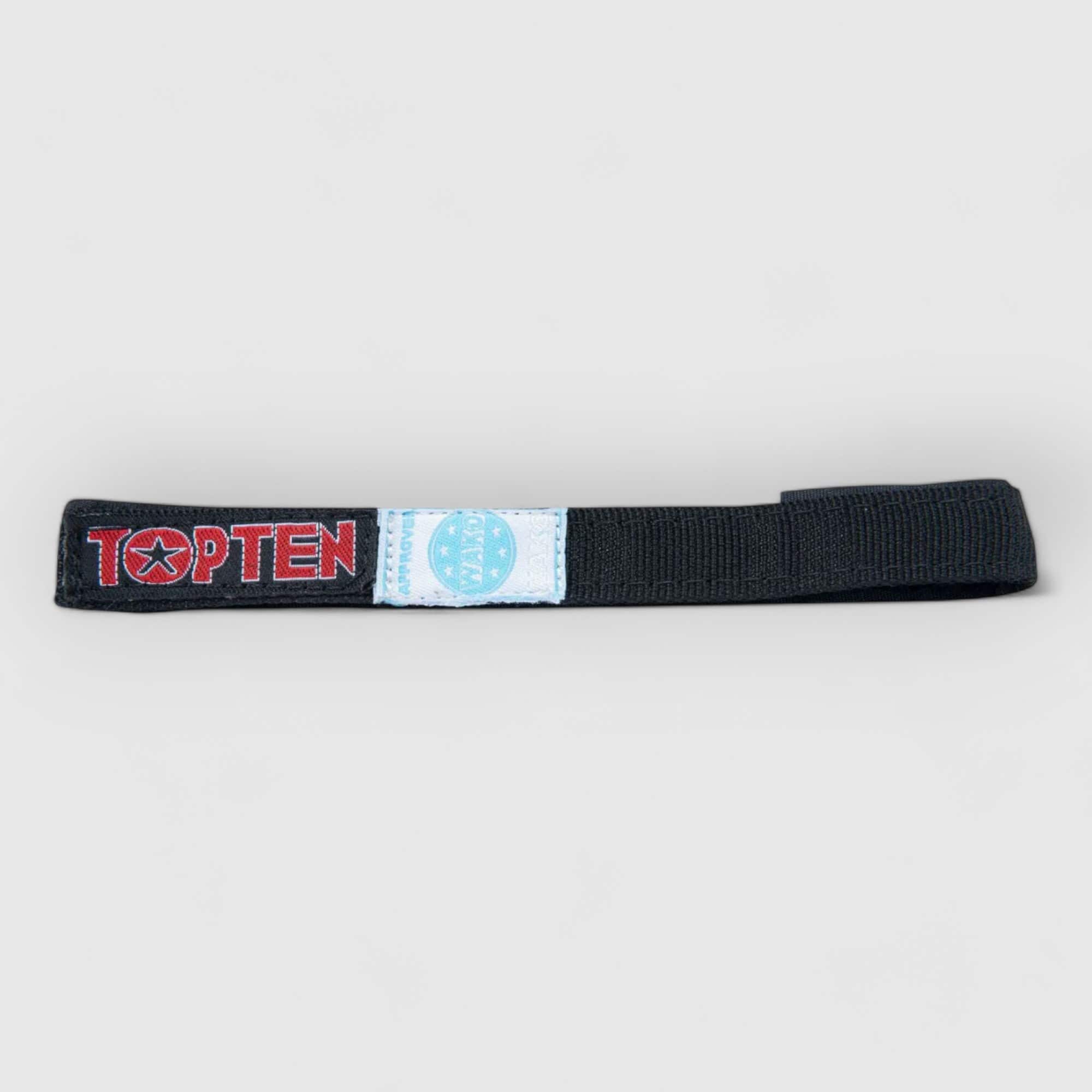
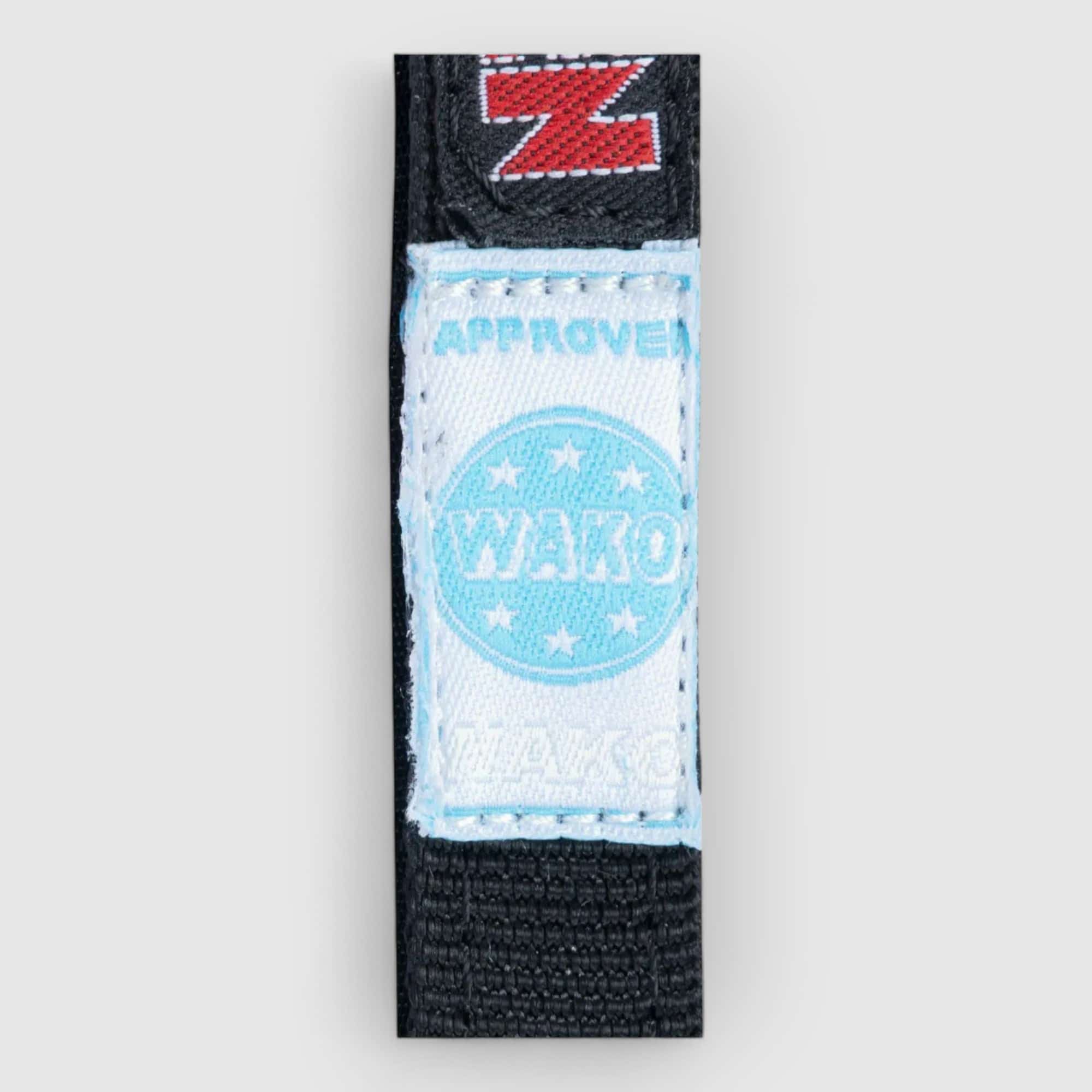
199 kr. The label on the helmet sits on a Velcro strap that is sold separately, and that wears out or gets lost. Without it the helmet is not approved at the check, no matter how new it is.
See all WAKO-approved equipment
The checklist two weeks before
Two weeks is the deadline that works. That gives you time to order what is missing, and time to break in what is new.
- Read the invitation again. The disciplines and categories actually on offer vary from event to event. Enter what exists, not what you usually do.
- Lay all your equipment on the floor. The whole set, together, once. That is where you discover that one shin guard is missing.
- Check the labels. Every label must be intact and legible. A half worn-off label does not count as a label.
- Check the colours against the category. If you are competing internationally, you need red and blue.
- Test the mouthguard. Does it still fit? The mouth changes, especially in teenagers.
- Weigh yourself. The weight class is decided at the weigh-in, not by what you remember from the spring.
- Order what is missing now. Not the week before.
- Pack your bag the night before, not in the morning. Hand wraps, a spare T-shirt, water bottle, licence and ID.
Frequently asked questions
Can I use the club's equipment at a competition?
At Norwegian events it is usually fine, as long as the equipment is approved and labelled. Internationally you should have your own - both because fit matters more when the margins are small, and because you need both colours.
What actually is the difference between semi-contact gloves and boxing gloves?
The semi-contact glove is open in the palm and lets you grip and open your hand. It is made for short point exchanges. The boxing glove is closed and has more padding, and is used in light contact, kick light and full contact.
Do children need the same equipment?
The protection requirements are the same, but in the children's categories the check is more concerned with the equipment fitting than with labelling. A helmet that sits loosely is more dangerous than a helmet without a label.
How long does a competition set last?
Used only for competitions: several seasons. Also used for daily training: one season, often less. Foam compresses, and a compressed glove protects less well even if it looks intact.
Where do I find the entry deadlines?
Through your club. NKBF's calendar gives the dates of the events, but the entry itself is handled by the club, and the deadline is typically three to four weeks in advance.
Read more
- WAKO-approved equipment - rules for NM, the Norwegian Cup and championships
- Guide to WAKO kickboxing - disciplines, equipment and competition requirements
- WAKO-approved kickboxing helmet - choose the right one
- TOP TEN Fight vs. Avantgarde - which head guard should you choose?
- Shin guards for kickboxing - how to choose the right ones