
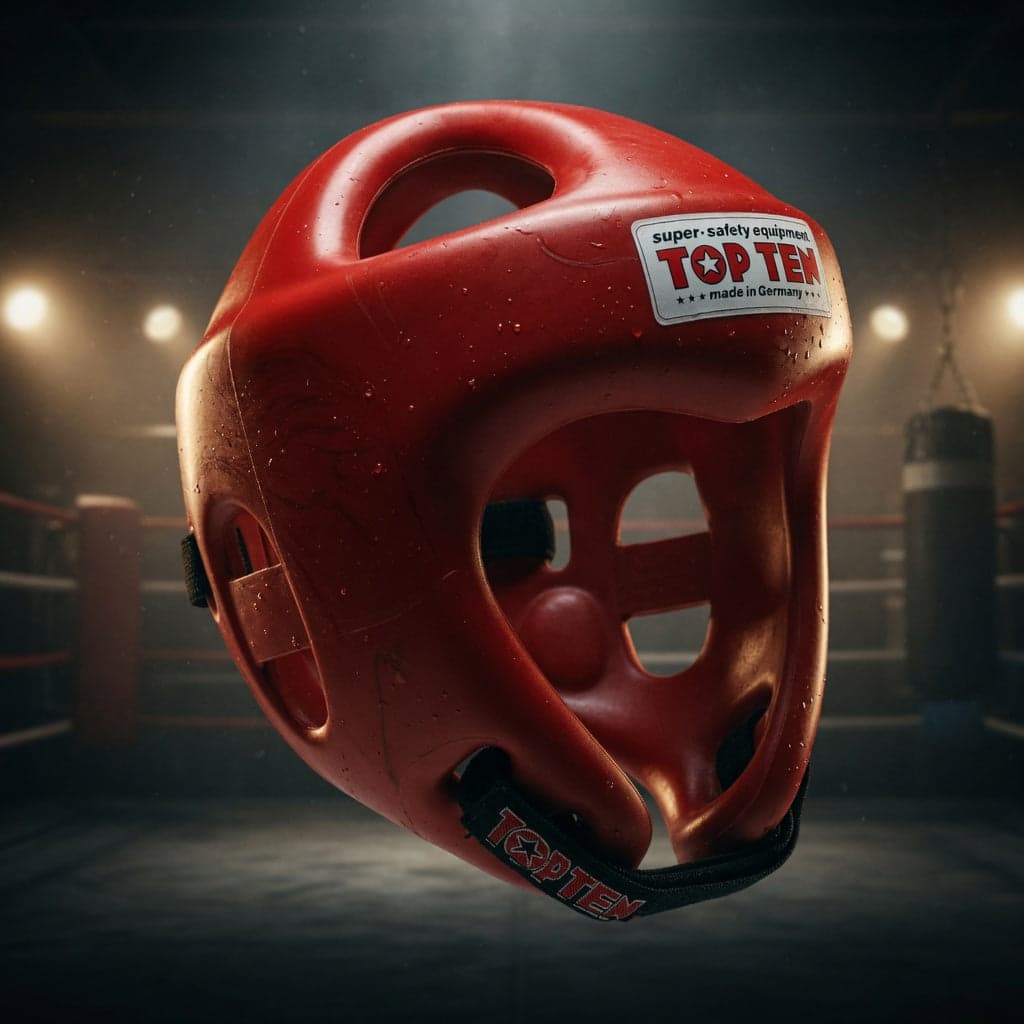
A decision is coming in November that could change what Olympic boxing looks like. World Boxing, which has taken over as the international federation for boxing ahead of Los Angeles 2028, is looking into reintroducing headgear for male athletes - and the matter goes before the federation's congress in Panama on 20 November.
For a store that sells headgear, this is obviously interesting. But it is also one of the most debated safety questions in the sport, and the arguments cut both ways in a way that is worth understanding.
Why the headgear disappeared
Until 2016, male amateur boxers wore headgear at the Olympics. The decision to remove it was made by the then international federation in 2013, and the reasoning was studies suggesting that headgear did not reduce the risk of concussion - and that in some cases it could increase it.
The logic behind it is less intuitive than it sounds. Headgear makes the head bigger. A bigger head gets hit more often, and over a larger surface. Headgear is effective at reducing cuts and external injuries, but concussion is about the acceleration of the head - not about how hard the skin is hit. Headgear also limits peripheral vision, and an athlete who does not see the punch coming takes it without bracing the neck.
The women's classes kept the headgear, and have used it ever since.
What is happening now
Two things have changed. Boxing has been included in the programme for Los Angeles 2028, and World Boxing is the federation governing the sport ahead of those Games. A new federation also brought a new review of the rules - and the headgear question is one of the issues that has been reopened.
World Boxing has announced that the question will be dealt with at the congress in Panama on 20 November. That is where the decision is actually made, and only after that will we know what applies ahead of 2028.
The arguments on both sides
| For headgear | Against headgear |
|---|---|
| Fewer cuts, broken noses and external injuries | No proven reduction in concussions |
| Athletes can compete more often without visible injuries | A larger target gives more hits to the head |
| Looks safer, and lowers the threshold for recruitment | Poorer peripheral vision - punches you do not see, you take unbraced |
| Younger athletes are protected from season-ending injuries | Can give a false sense of security and harder exchanges |
It is worth noting that both sides are right about their part. Headgear works well against what you can see, and poorly against what you cannot. The disagreement is about which of the two types of injury should weigh most.
What it means for Norwegian athletes
For the vast majority, it means nothing in the short term. Changes to international rules take effect through the federations, and it is Norges Bokseforbund (the Norwegian Boxing Federation) and the Norwegian competition rules that decide what applies in a Norwegian ring.
What is not in question at all is headgear in training. Sparring without headgear is not an option in any Norwegian club, whatever is decided about competition. If you are going to spar this winter, you need headgear - and it should fit.
And for kickboxing?
Nothing changes there. WAKO requires approved and labelled headgear in competition, and that stands regardless of what World Boxing decides about Olympic boxing. If you are going to the Norgescup (Norwegian Cup) or the Norwegian Championships, it is WAKO-approved headgear that applies, with the label in place.
It is a useful reminder that "boxing" and "kickboxing" are two different sets of rules with two different federations. Gear that is approved in one is not automatically approved in the other.
The headgear we carry
WAKO, compact
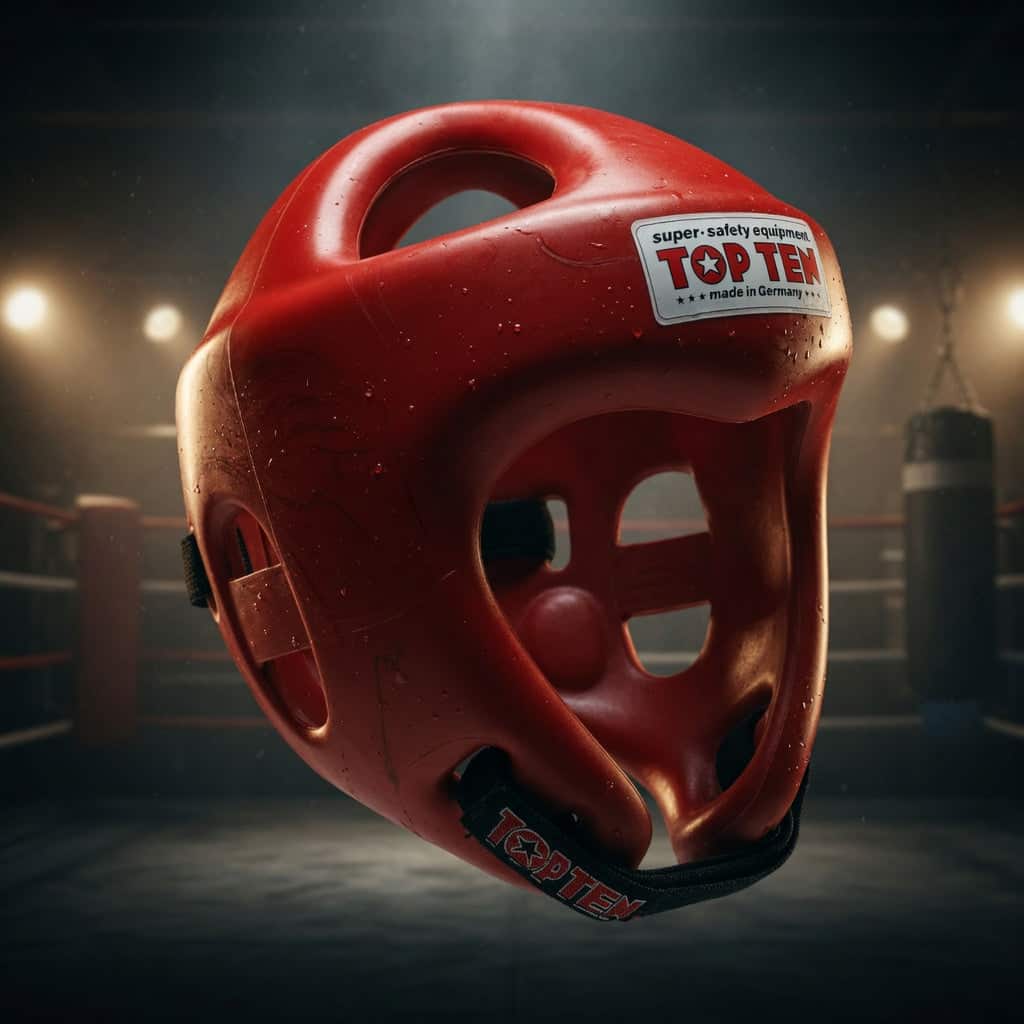
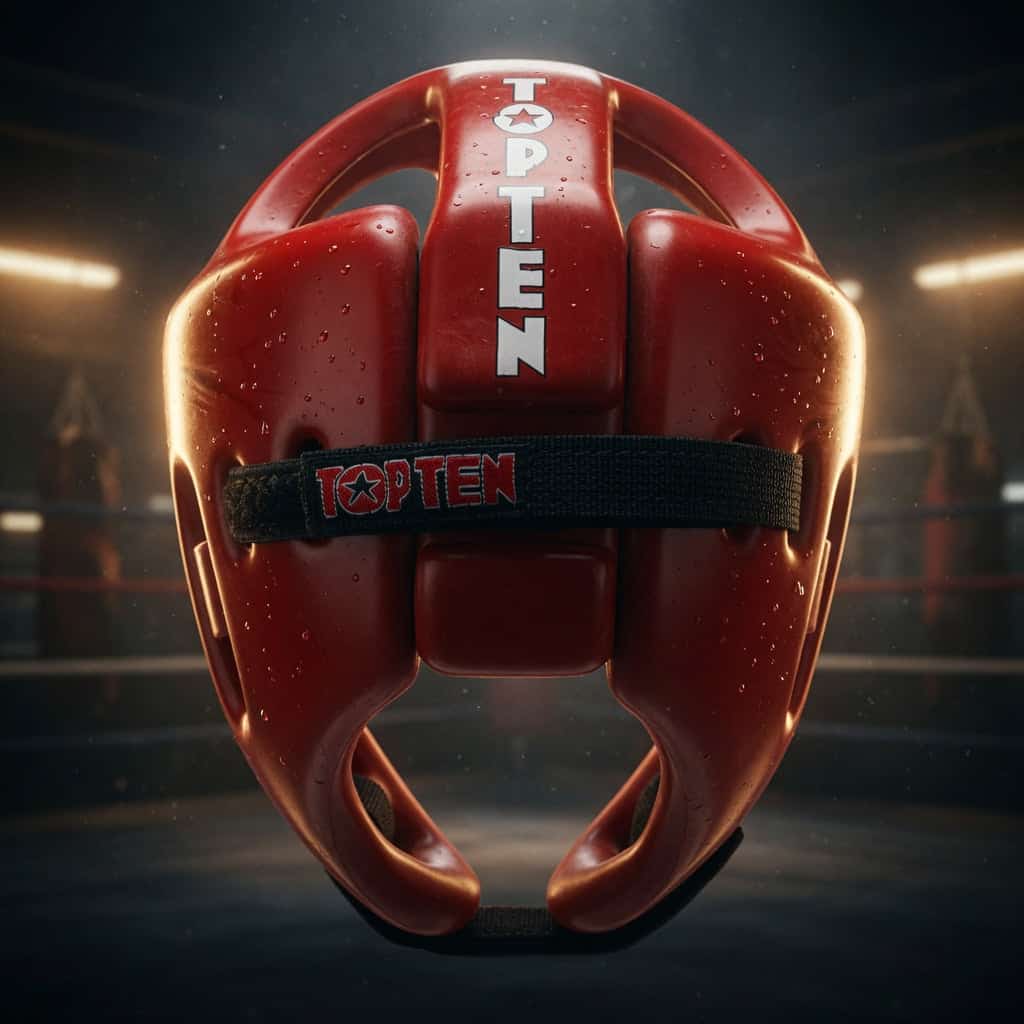


1,449 kr. We have compared it with the Avantgarde in a separate test.
WAKO, most used
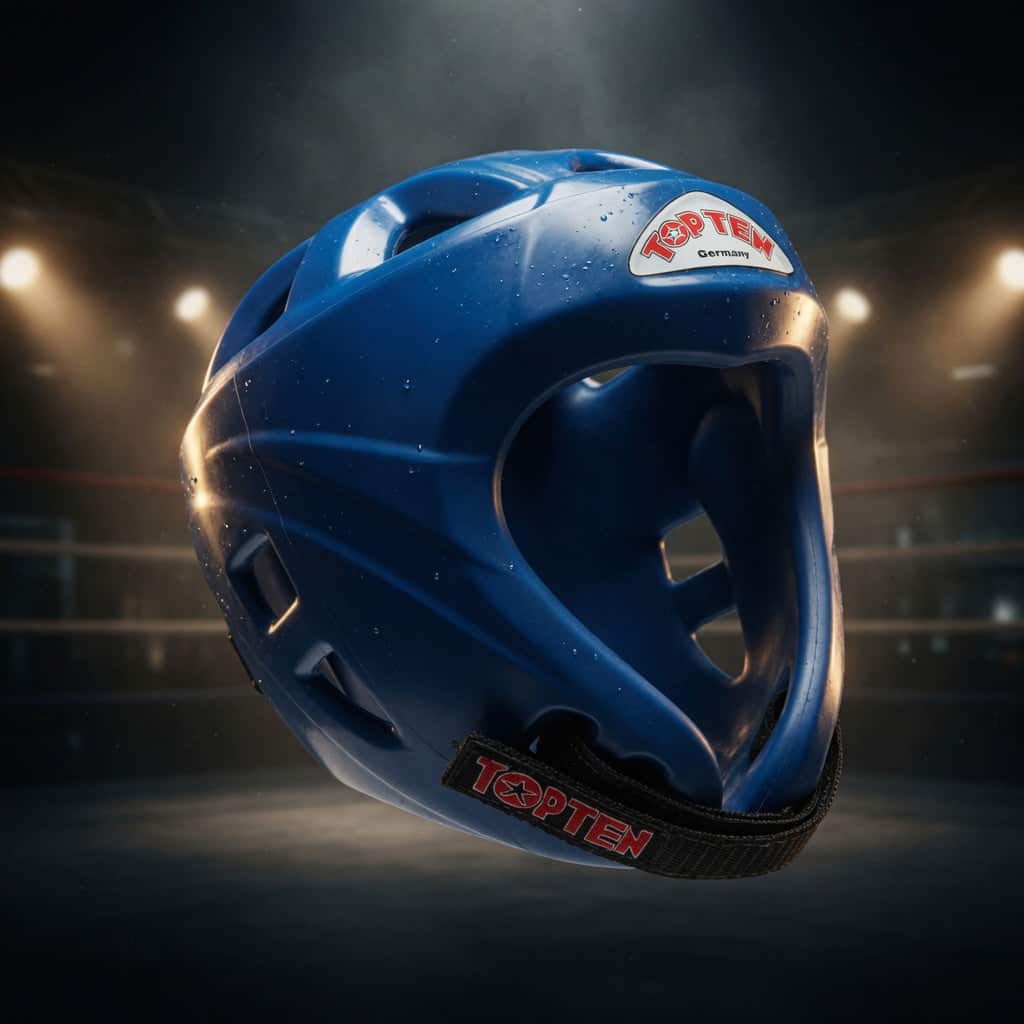
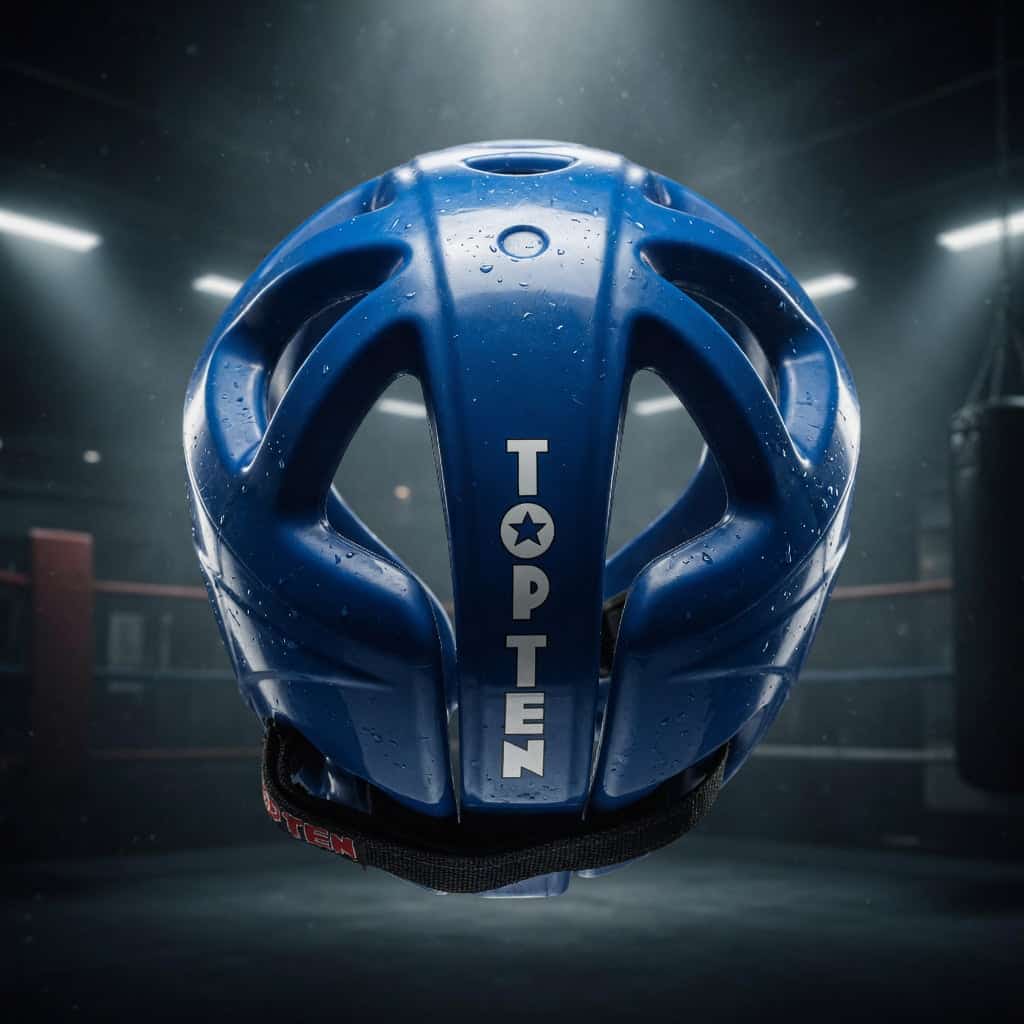


1,490 kr. S, M and L in blue, red and black. The most common competition headgear in Norwegian clubs.
Boxing
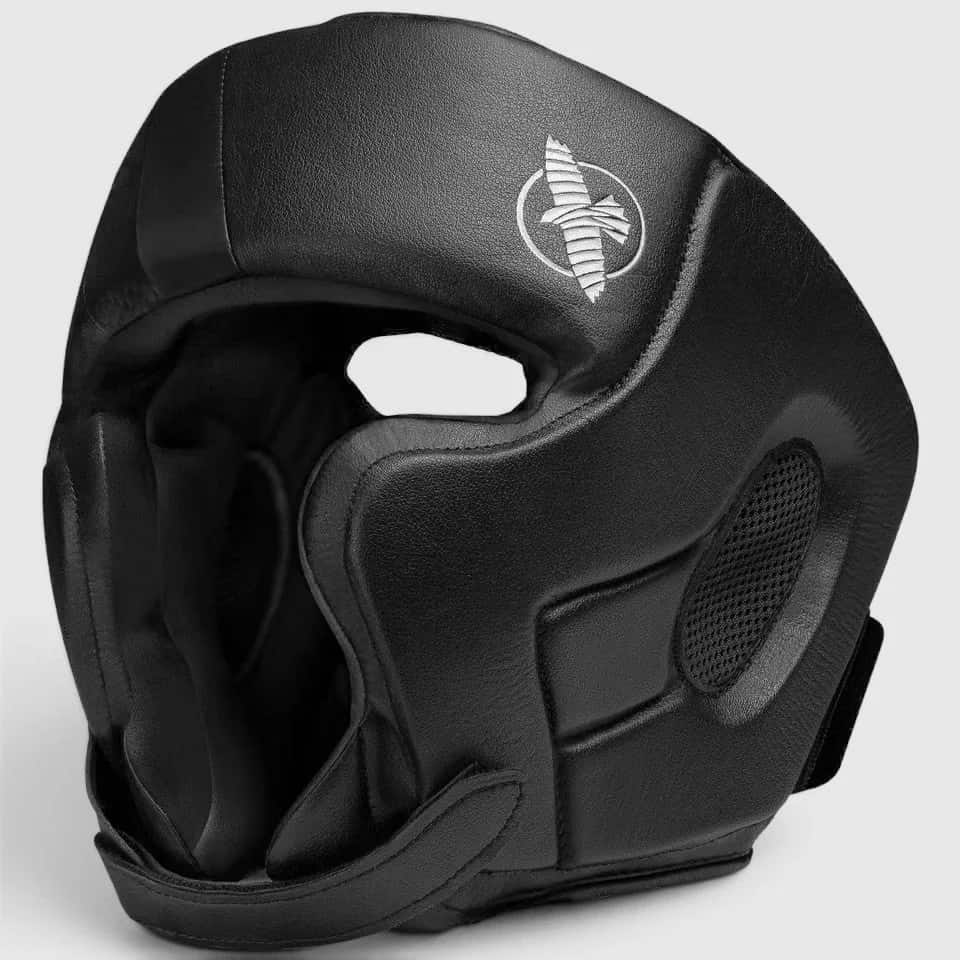
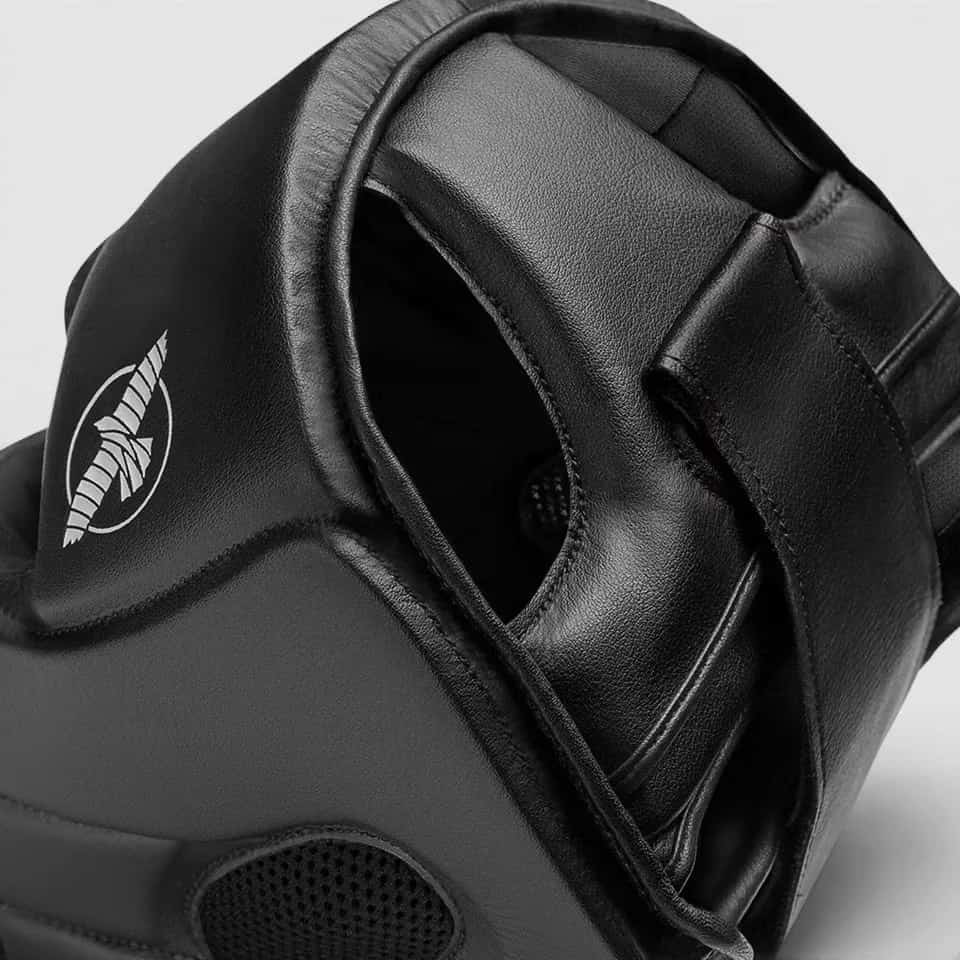
1,690 kr. Compact Mexican style with full cheek protection and a wide field of view - exactly the peripheral vision problem the debate is about.
Kids
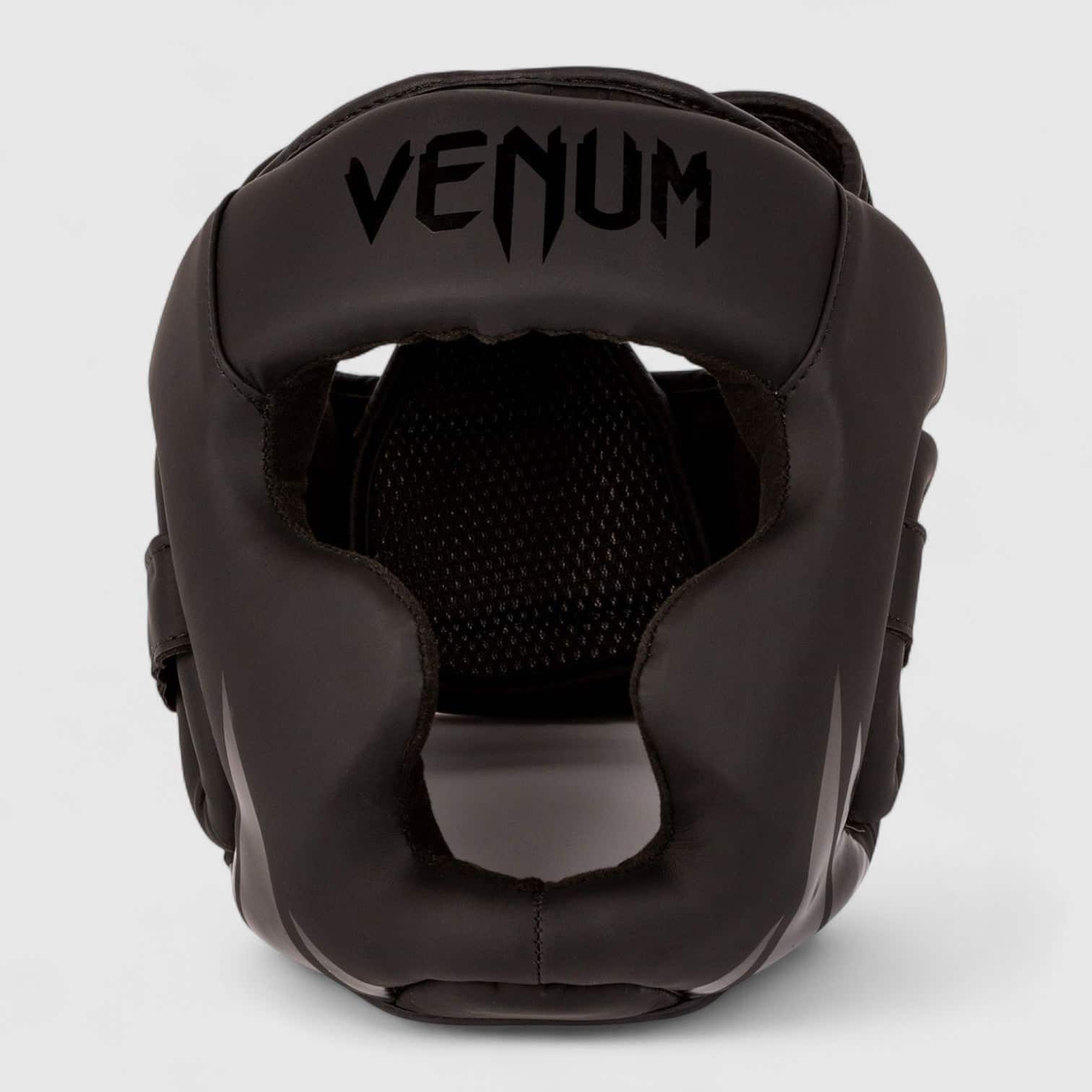
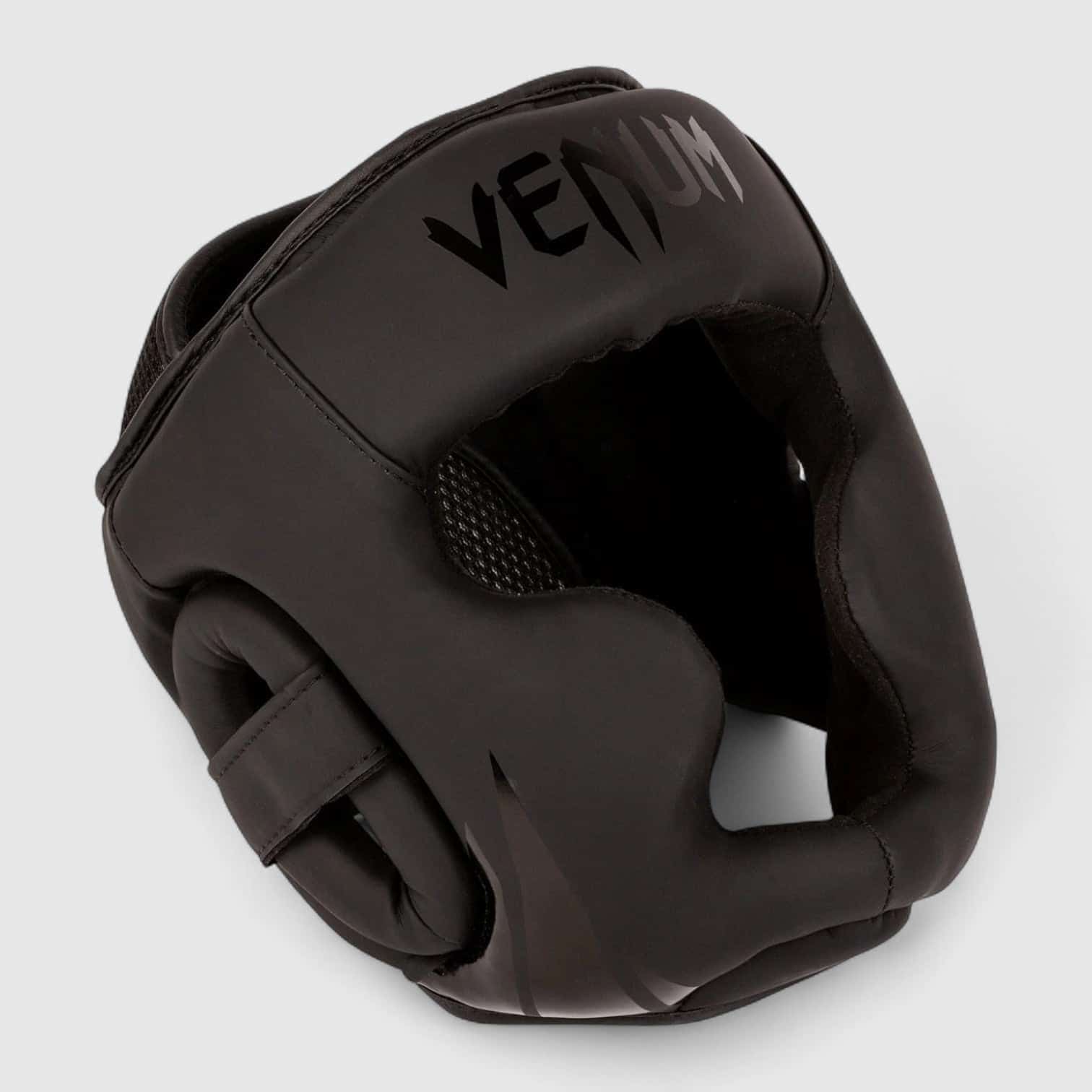
690 kr. In the children's classes, headgear is not up for discussion anywhere. Make sure it fits - loose headgear protects worse than none.
Extra face protection
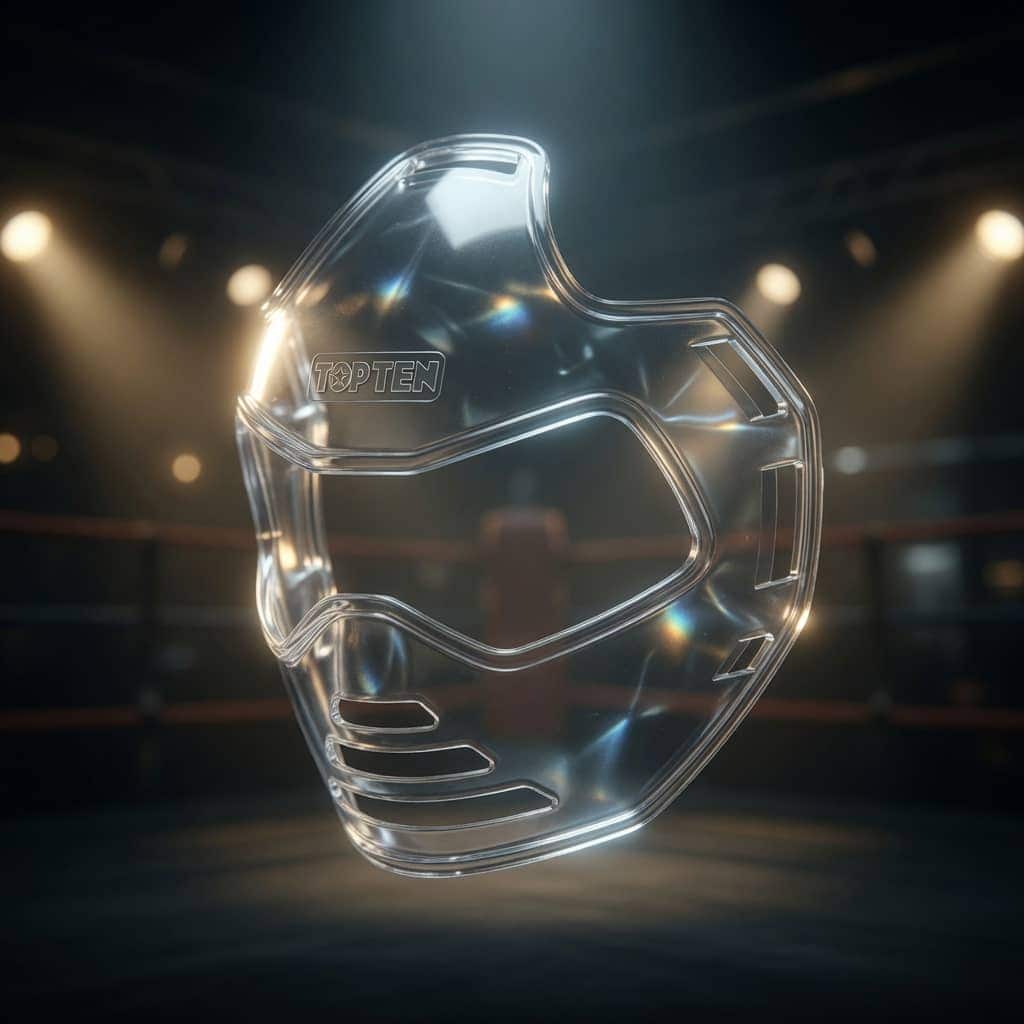
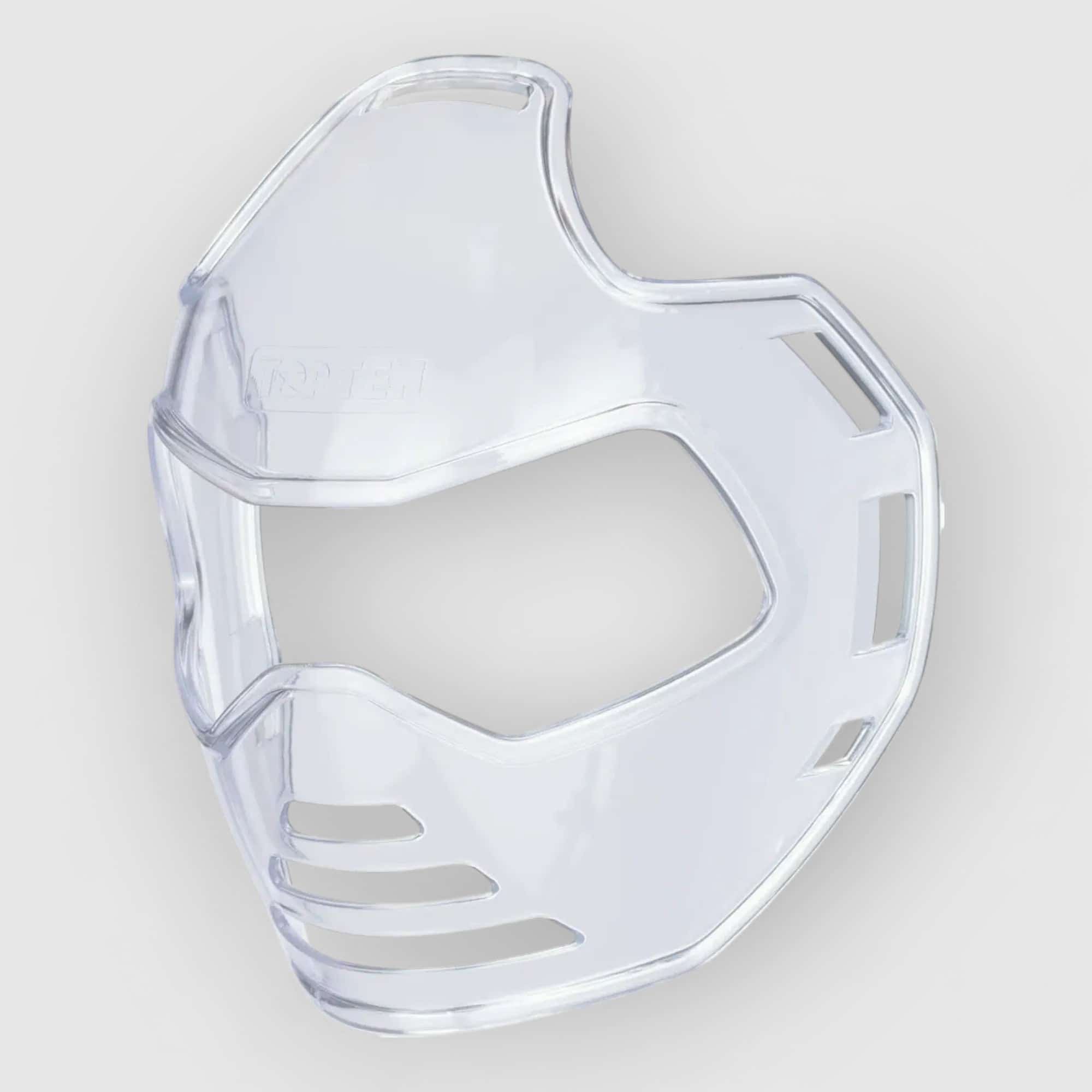
590 kr. Visor that mounts on the Avantgarde. Used especially by athletes who have had cuts or a nose injury.
Frequently asked questions
Do women wear headgear in Olympic boxing today?
Yes. Headgear was removed for men from 2016 onwards, while the women's classes have kept it.
Does this mean I have to replace my headgear?
No. Nothing has been decided, and any decision would apply to Olympic boxing - not kickboxing and not club training.
Is more expensive headgear safer?
Not necessarily. Fit matters more than price. Headgear that fits and that you can see out of is safer than a more expensive one that slips.
How often should headgear be replaced?
When the foam has settled, when it starts to slip, or when the label is gone. Foam compresses over time even if the headgear looks intact.
Can I use boxing headgear in kickboxing?
In training, yes. In competition, the headgear must be approved and labelled according to WAKO's rules.