
The European Championships in Skopje are the second championship of the season, and the last big one before Christmas. Whereas the open cups in October were something you could sign up for, this is a selection: you are there because your results have singled you out.
That makes the European Championships a different kind of event, even for those of us following from home. Here is what actually separates a championship from a cup.
Selection, not registration
For a European Championships, you are selected. The club cannot sign you up, and you cannot pay your way in. The basis is your results through the season – first and foremost in Norgescupen (the Norwegian Cup) and in the championships at home.
It is worth saying out loud for everyone going to their first competition this autumn: the road to a national team goes through exactly those cup events you might think are small. That is where selection is built, and that is why your coach cares that you compete in November even if you are not in top form.
The year behind a championship weekend
A championship is three minutes at a time, perhaps four times over a weekend. The year behind it looks like this, slightly simplified.
| Period | What is built |
|---|---|
| Winter and spring | Foundation work: technique, strength, volume. Little competition, lots of repetition. |
| Late summer | Competition-specific work. Sparring against people who resemble the opponents. |
| Autumn | Cup events that both give selection points and serve as dress rehearsals. |
| Last four weeks | Volume tapered down, intensity up. Weight adjusted in a controlled way. |
| Last week | Little work, lots of sleep. Nothing new is tried. |
The last row is the hardest to follow. It is tempting to do one more hard session when the nerves kick in, and it is almost always a mistake.
The weight class
Weight work is the part of championship preparation that is most often done wrong, and where the consequences are greatest. We do not give advice on weight loss here – that is a matter for the coach and possibly health professionals, not a gear shop.
But two practical things apply to everyone: the weight class is decided at the weigh-in, not by what you weighed last week, and an athlete who has drained themselves of fluid in the morning runs out of gas in the second round. If you are going to be close to a limit, it is something that is planned well in advance, not solved on competition day.
Travelling as a team
At a cup you travel with your club. At a championship you travel with the national team, and that is something else. You share a room with someone you may only know from the mat, you follow a joint programme, and you have coaches who are not necessarily your own coach.
For young athletes this is often the biggest adjustment – bigger than the level of the opponents. The advice from those who have been there is simple: keep your routines. Same breakfast, same warm-up, same order for your gear. It is the small rituals that turn a strange hall into a familiar place.
The details that decide the check
The check at a championship is a separate station with its own inspectors. There is no discretion, and it is not meant unkindly – it is the same for everyone. Three things stop people:
- The label that is missing. Especially the hook-and-loop strap with the WAKO label on the helmet, which wears out and gets lost.
- The wrong colour. If you are drawn into the red corner in one bout and blue in the next, your protection has to be changed between bouts.
- Gear that is an older model. Looks the same, but is not on the list.
All of this is something you sort out at home, weeks before departure. A full overview of the requirements per discipline is in the overview of the competition season.
The gear that must be in order
Helmet
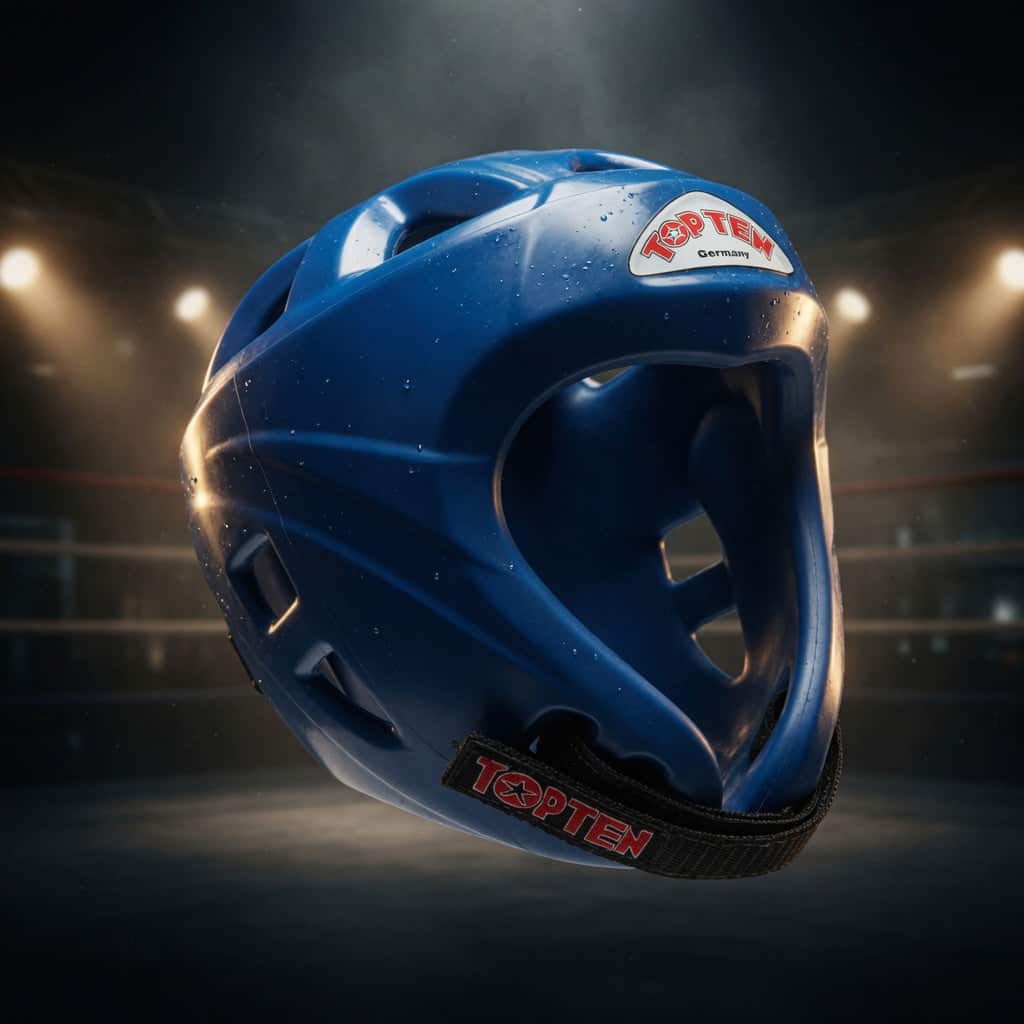
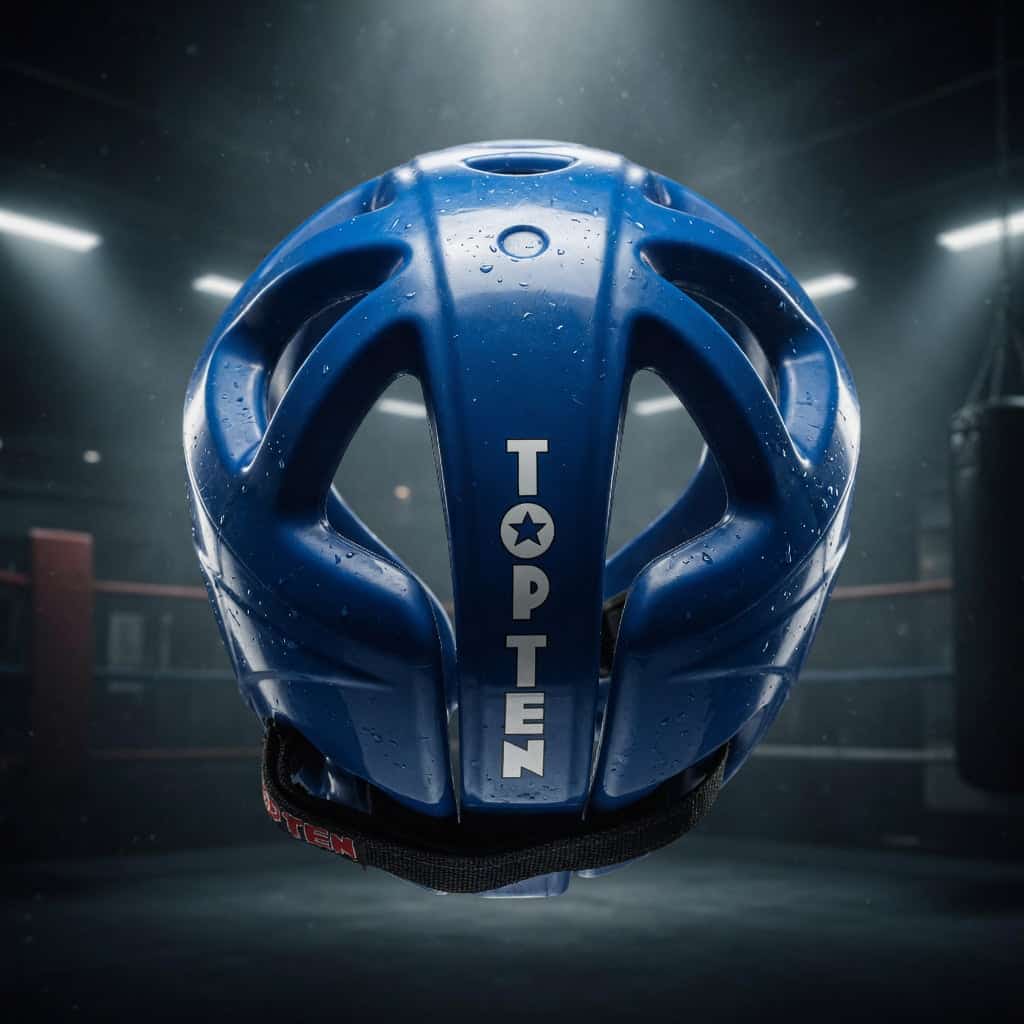


kr 1,490. S, M and L in blue, red and black.
The spare part
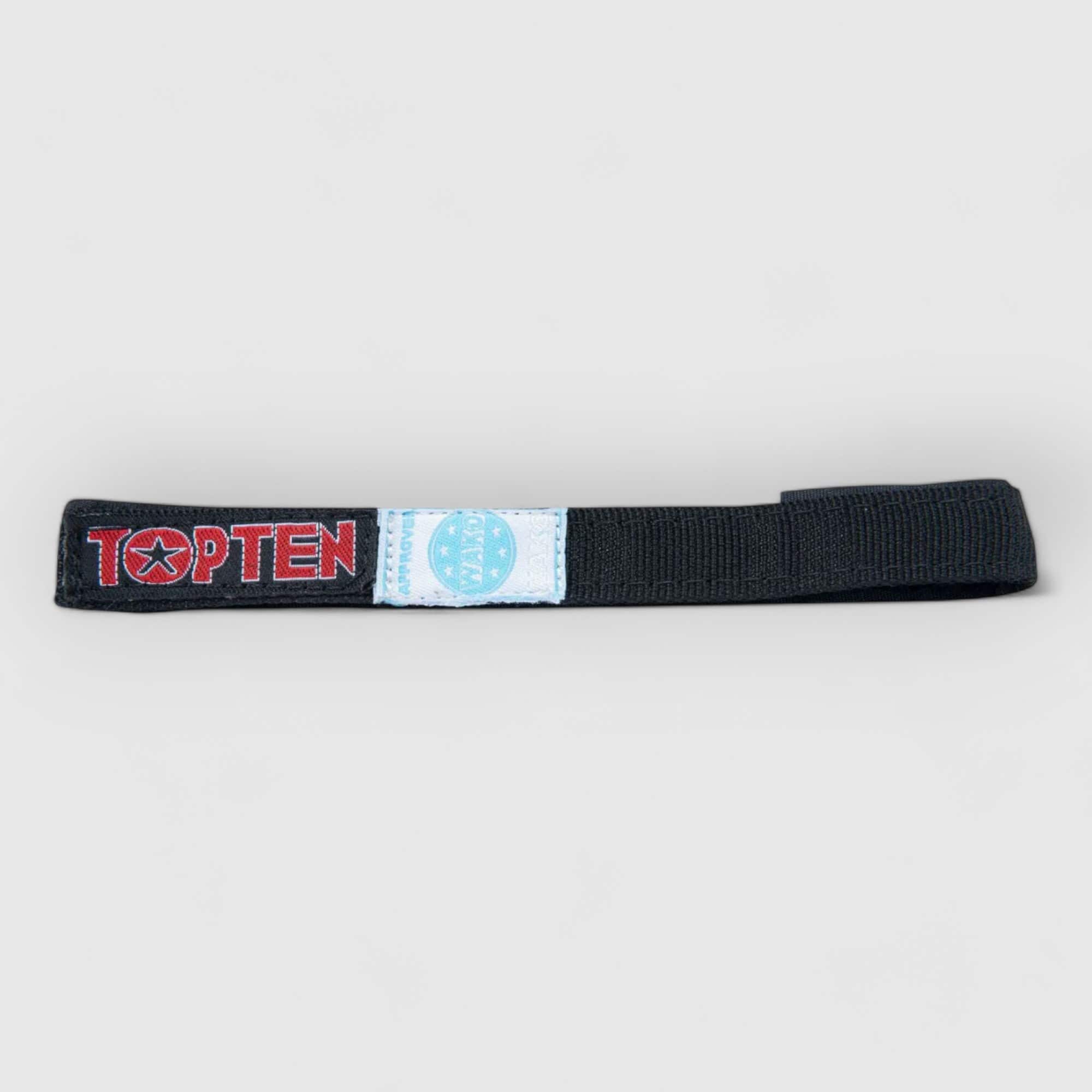
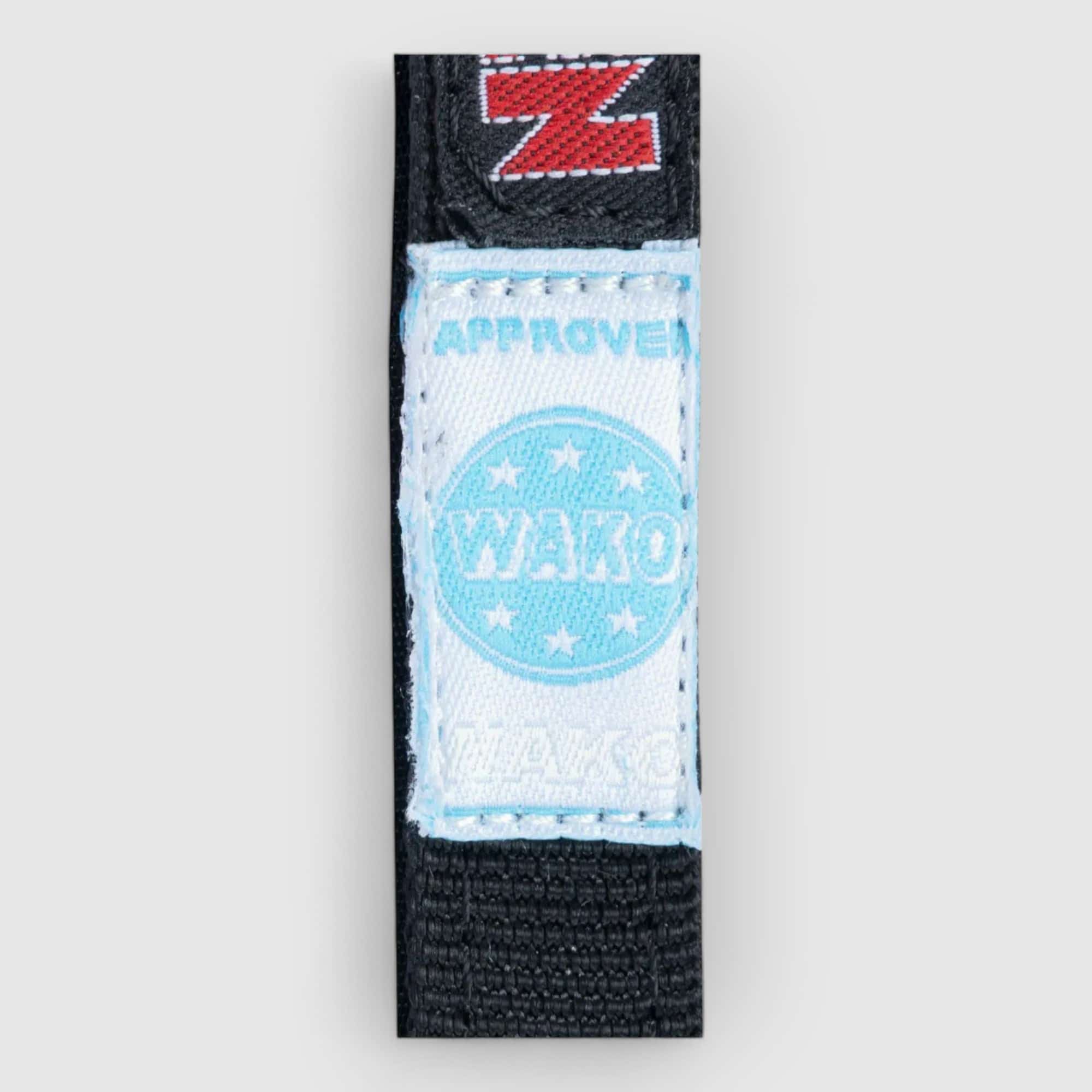
kr 199. The one part that stops the most people at the check. Bring two.
For the women's classes
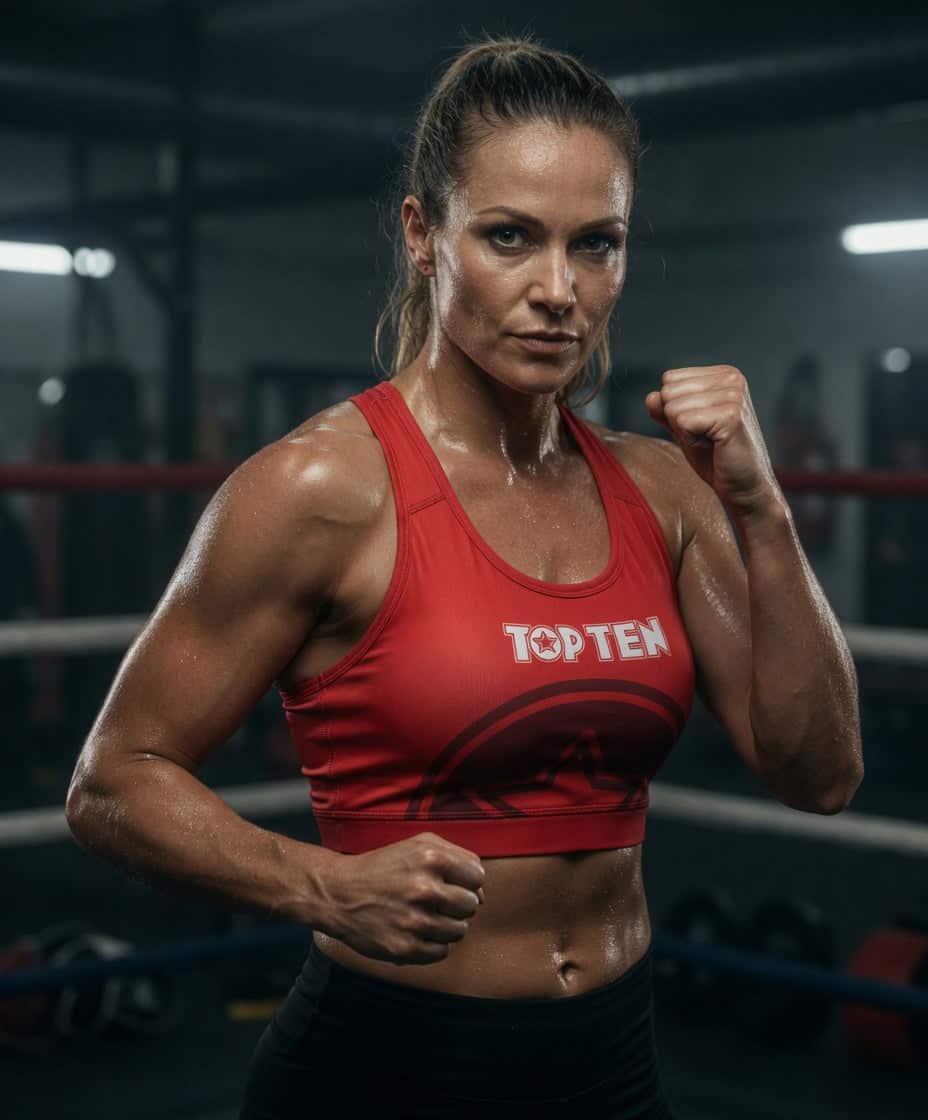
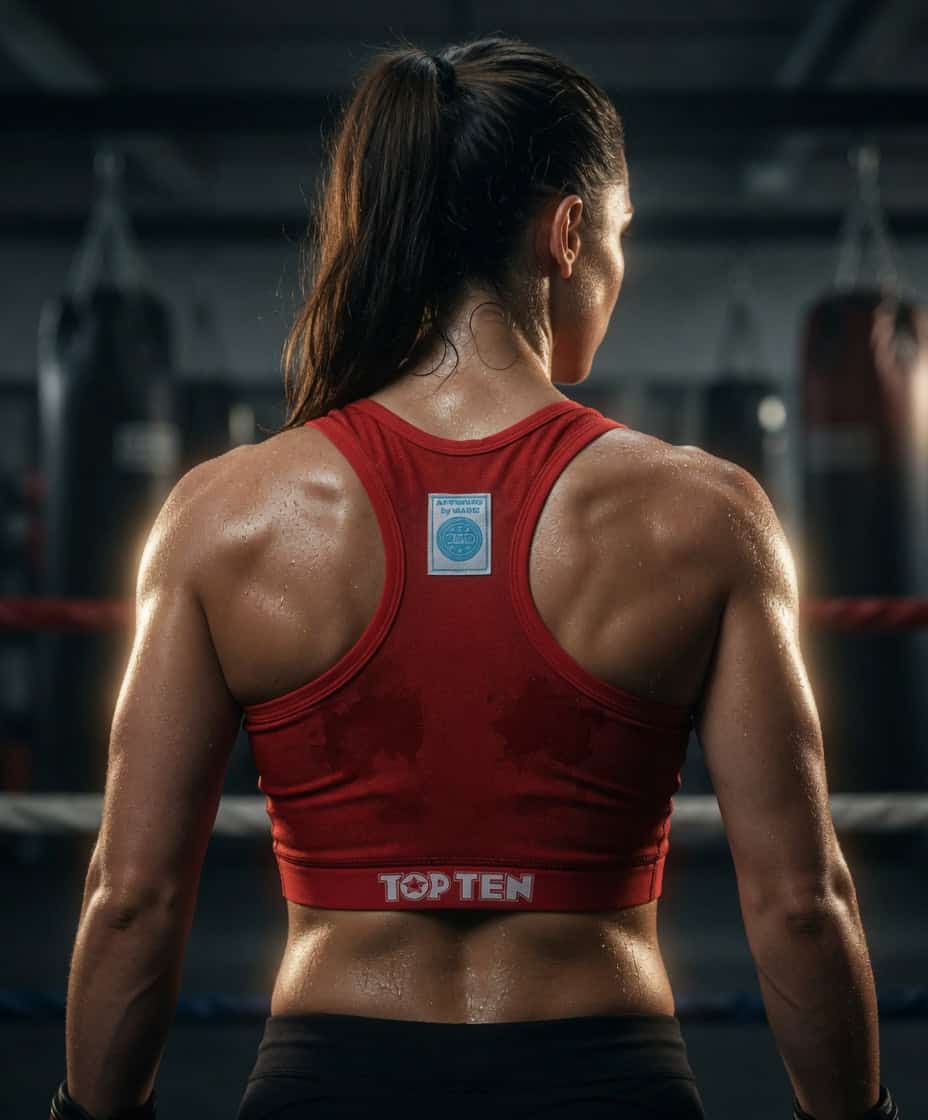


kr 590. WAKO-labelled, and one of the garments that gets overlooked until someone points it out at the check.
Frequently asked questions
Can my club sign me up for a European Championships?
No. Championships are by selection through the federation. The open cups are where you sign up yourself through your club.
How do you get onto the national team?
Through results in Norwegian competitions over time. There is no shortcut, and that is why the cup events this autumn matter more than they seem to.
Can I travel as a spectator?
Yes. Many clubs travel with support staff and family members. Ask your club whether they organise anything together.
Do I need a double set of gear for a championship?
In practice yes, at least in terms of colours. Gloves and foot protectors in both red and blue are standard for those who compete internationally.
Where can I follow the championships?
WAKO publishes draws and results as they happen, and the federation reports on the Norwegian athletes. If someone from your club is competing – let us know, and we will happily mention them by name.