
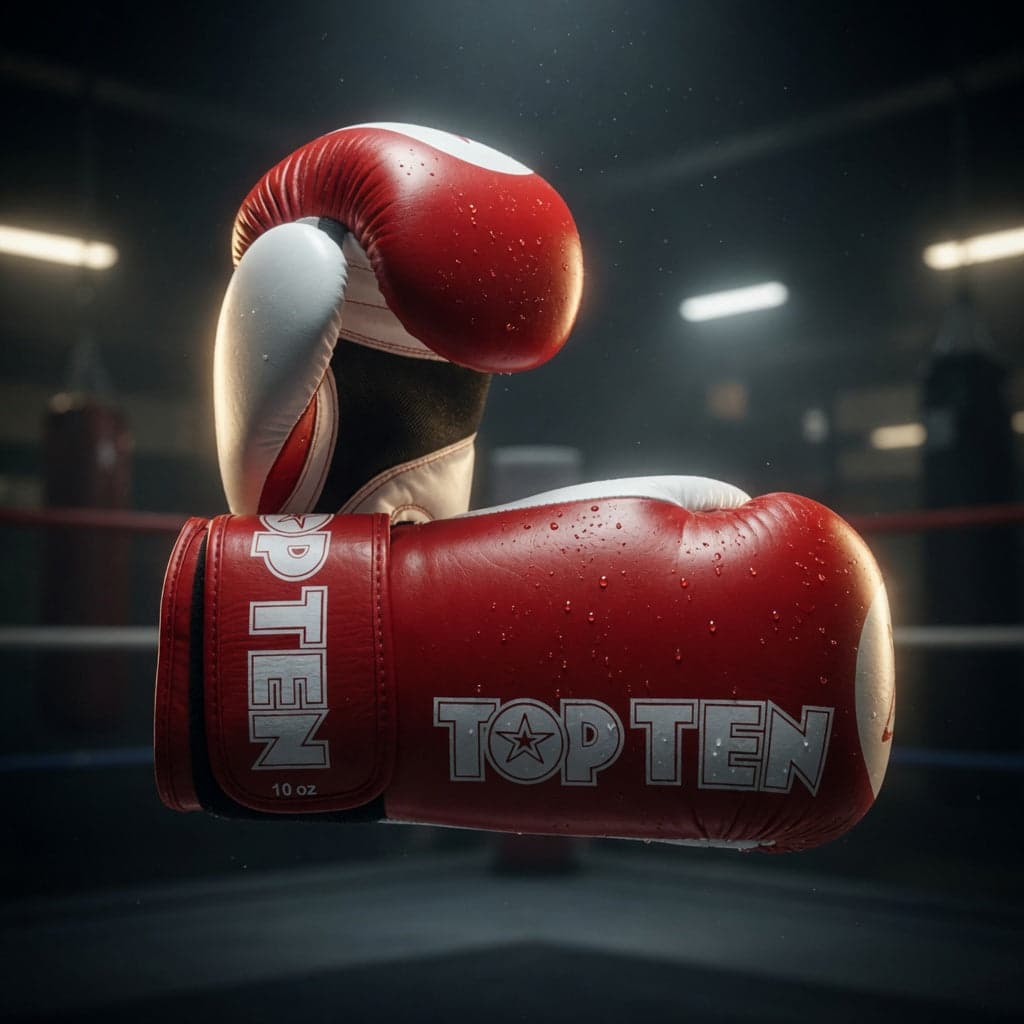
October has two international competitions on the calendar: the World Cup in Tashkent and the Bristol Open. Both are open cups - you are not selected, you enter through your club. And that is exactly why they are interesting for far more people than the national team athletes.
An open international competition is the shortest route to finding out where you stand. You meet athletes trained in a different way from those you spar with at home, in a format that resembles a championship. And you get to do it without the pressure of selection.
Two competitions, two very different trips
| World Cup, Tashkent | Bristol Open | |
|---|---|---|
| When | October 2026 | October 2026 |
| The journey from Norway | Long, with a layover and several hours of time difference | Short flight, no time difference to speak of |
| Suits | Those who have competed for a few seasons and want to test themselves broadly at international level | Your first trip out of Norway |
| Practical | Requires planning well in advance: travel documents, transport, accommodation | Can be done over a long weekend |
If this is your first time travelling to a competition abroad, the Bristol Open is the obvious choice. You get there without losing a day to travel, and you can concentrate on the competition itself instead of the logistics.
Who should enter?
The short answer is: those who have done a few Norwegian competitions and still want more. You do not need to have won anything. The open cups have broad classes, and you will find opponents at your level.
What you should have, however, is a routine for the competition format itself - weigh-in, roll call, the waiting between fights. We have described it in detail in the article on competition day at the Norway Cup. If you have that routine, the international one is just a longer trip, not a different sport.
Packing for a competition abroad
Here is the big difference from Norway: if you are missing something, you cannot buy it. There is no equipment shop in the hall, and whatever you might be able to borrow rarely fits.
- Protection in your hand luggage. Helmet, gloves, kicks and mouthguard. If your suitcase is delayed, you can still fight.
- Both colours. If you are drawn to the red corner in one fight and blue in the next, the protection has to be changed. This is the very reason international athletes have a double set.
- Spares of what breaks. Hand wraps, and the Velcro strap with the WAKO mark for the helmet. Both weigh nothing.
- Food you know. Do not make competition day the first time you try a new cuisine. Bring something familiar for breakfast and for between fights.
- Club uniform and ID. And a copy of the entry confirmation, on your phone and on paper.
The travel day and your form
A day of travel costs you more than you think. Your body stiffens from sitting, you drink too little on the plane, and your sleep is shorter than planned. What works is boring and simple:
Drink more water than you feel like throughout the travel day. Travel the day before if possible, not the same morning. Move lightly when you arrive - twenty minutes of easy work loosens you up more than a day in bed. And keep your meals in the same rhythm as at home, even if the clock says otherwise.
If the time difference is large, as it is to Tashkent, these are not details. Then it is the difference between going into your first fight awake or half asleep.
The check down there
The equipment check at an international competition is a separate station with its own inspectors, and they do nothing else all day. They look for an approved model, a WAKO mark that is intact and legible, and the right colour.
There is no negotiation at that check, and it is not meant unkindly: it is the same for everyone. But it is also the reason Norwegian athletes are sometimes left standing, while someone from another club with the same helmet gets through - the difference is usually the mark, not the helmet.
All the requirements per discipline are in the overview of the competition season.
The equipment you need two of
Everything below is WAKO-marked and in stock. If you are going international, the colours are the point.
Full contact, both colours
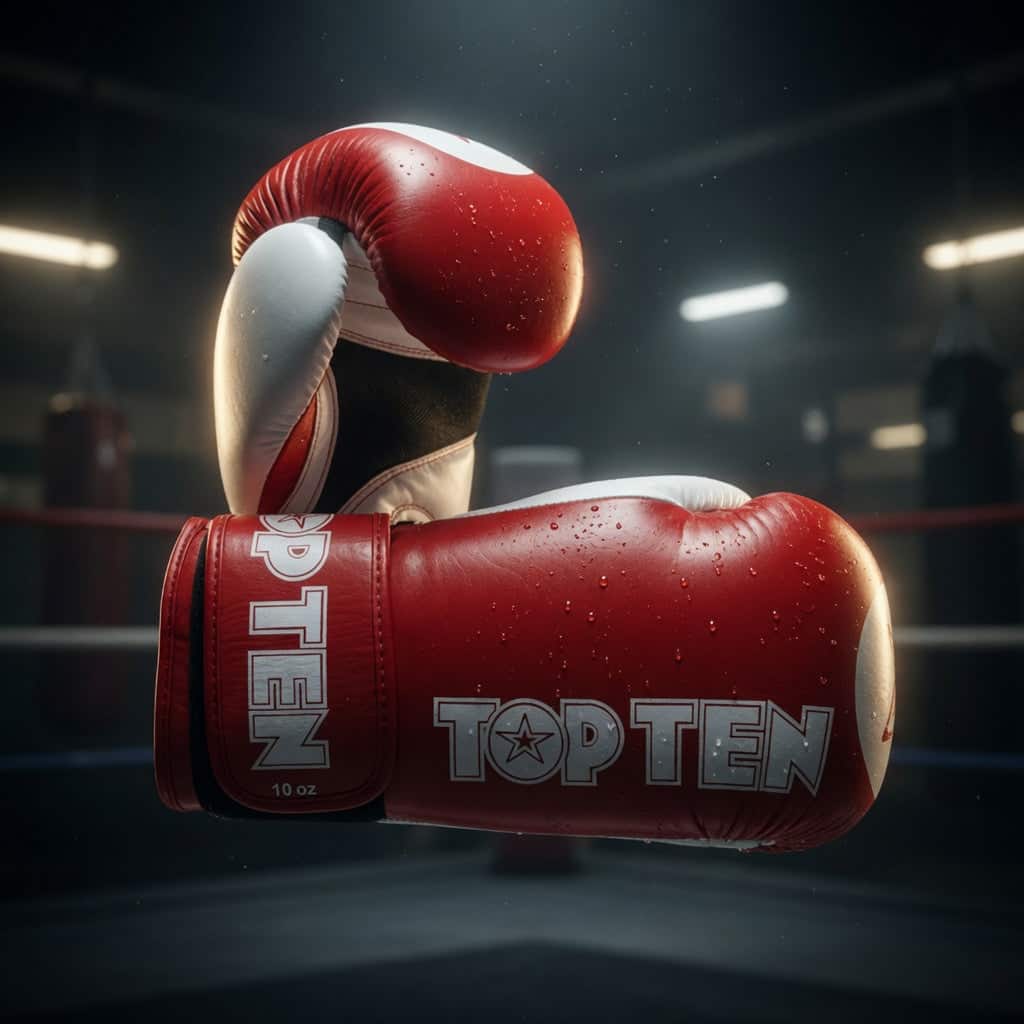
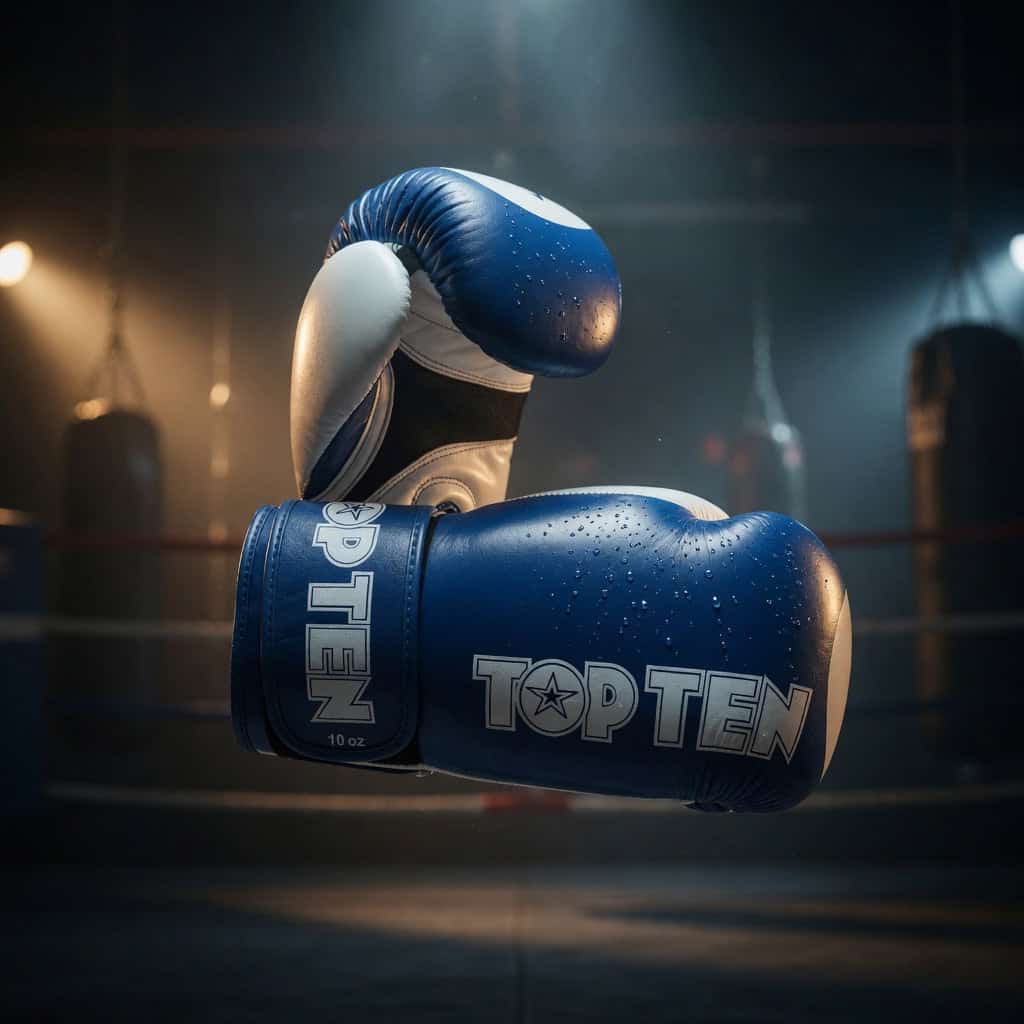


1,190 kr. 10 oz, in blue and red. The competition weight, in both corner colours.
Helmet
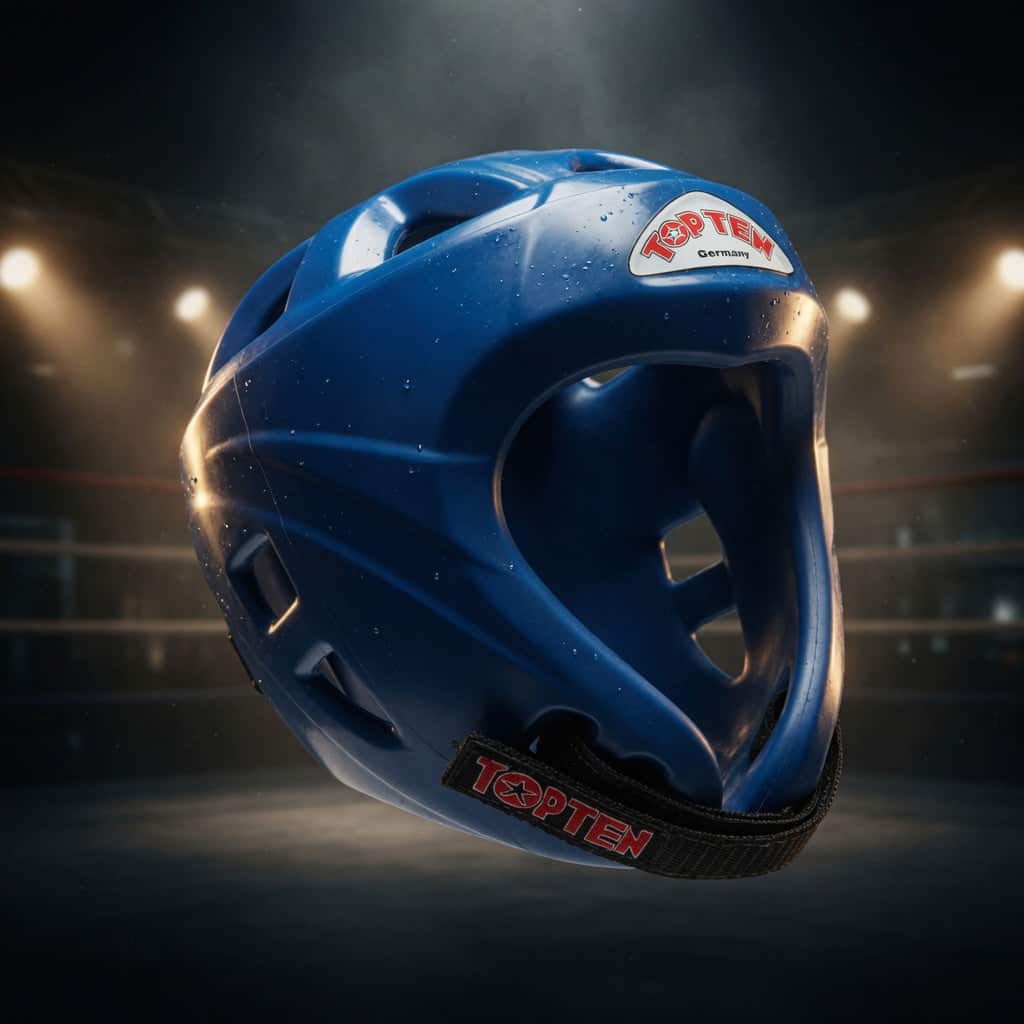
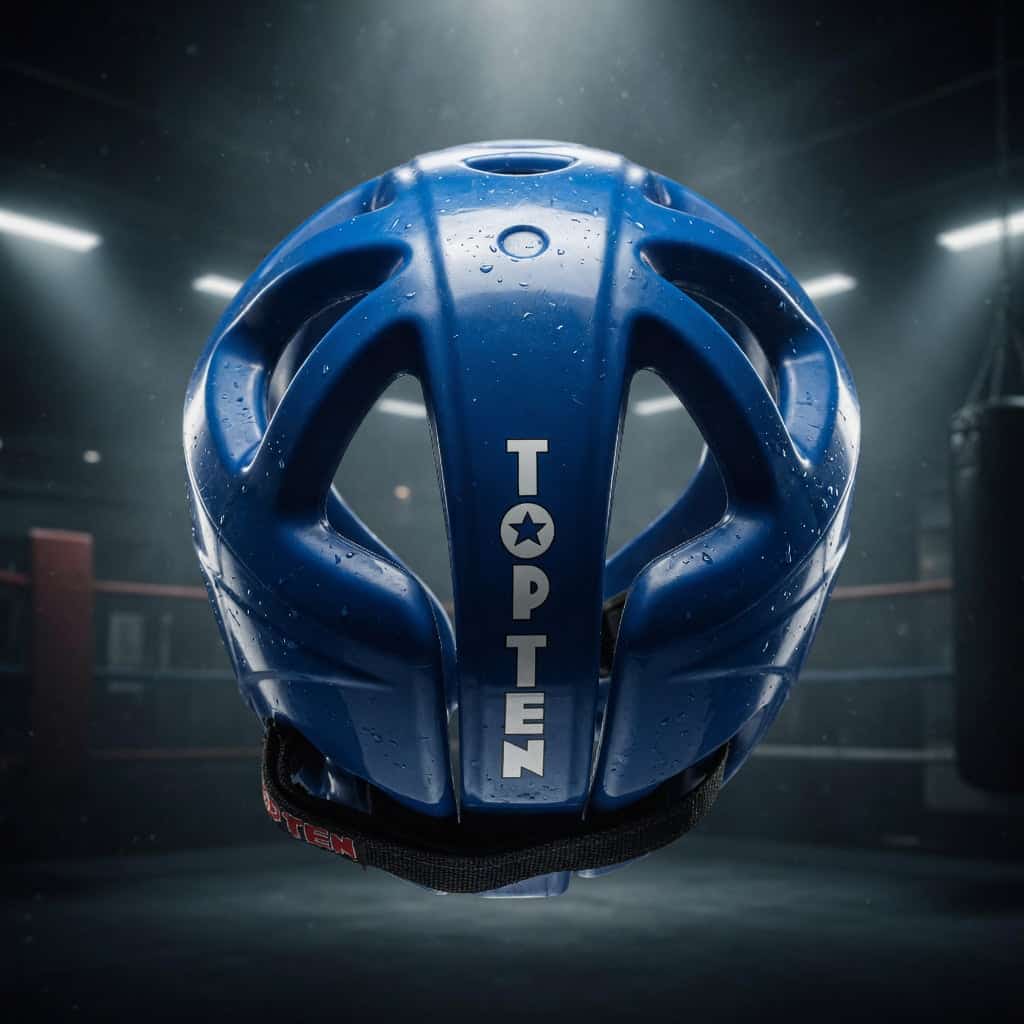


1,490 kr. S, M and L in blue, red and black.
The spare part
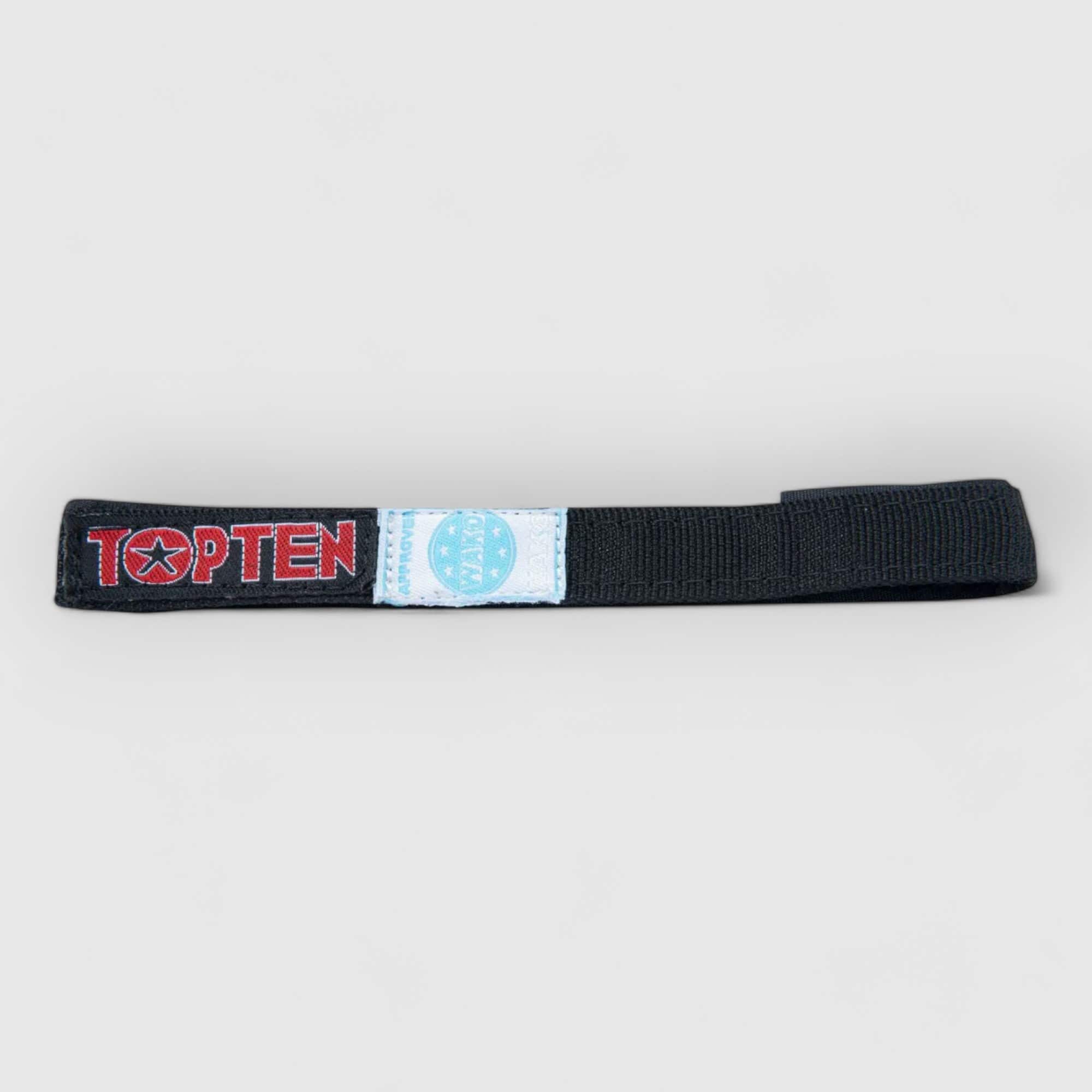
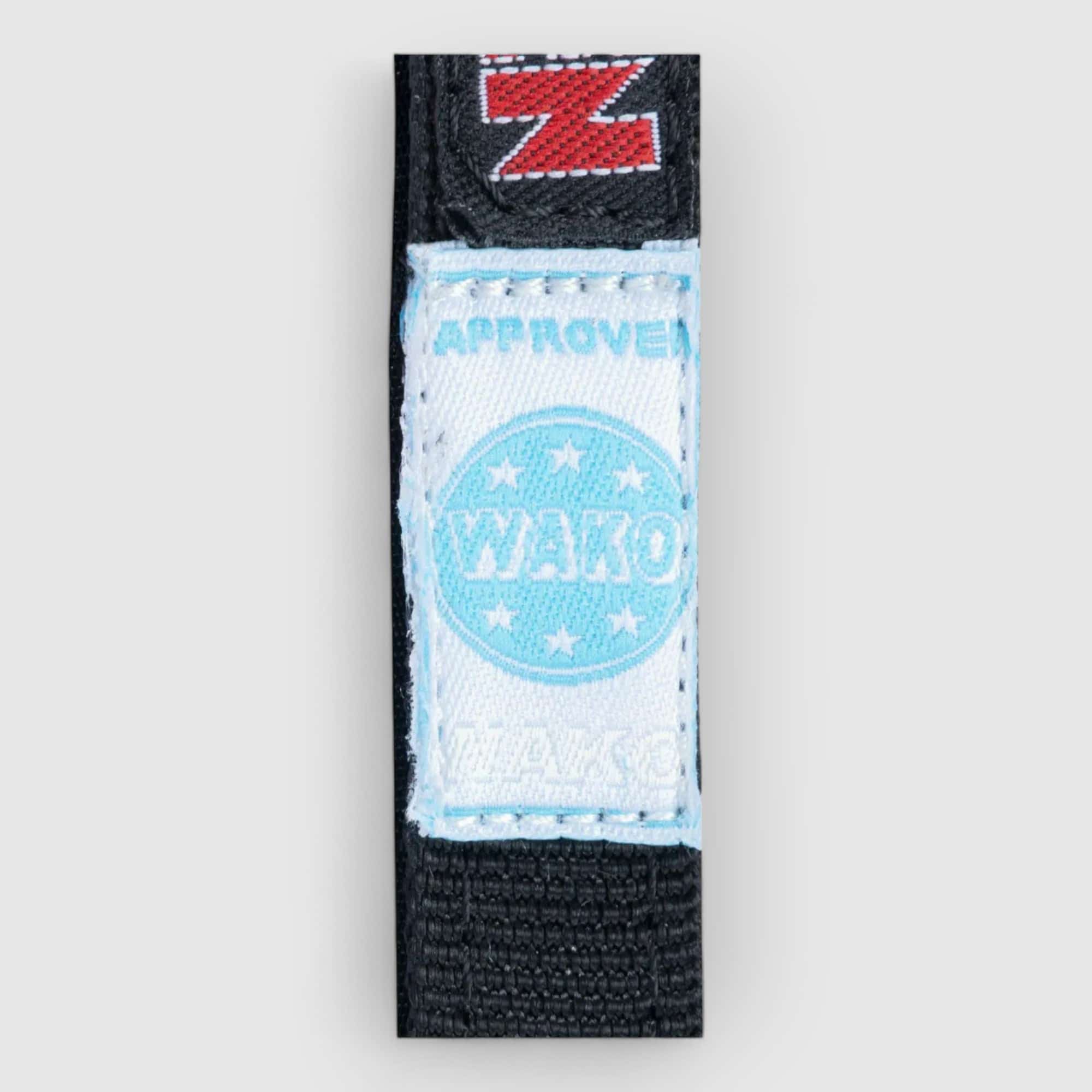
199 kr. The one part you absolutely should have an extra of when you travel abroad.
See all WAKO-approved equipment
Frequently asked questions
Do I have to be selected to travel?
No. Open cups are exactly that - open, and the club enters you. It is the championships, such as the World and European Championships, that are based on selection.
How early do I need to enter?
Earlier than for a Norwegian competition. Travel and accommodation have to be booked, and the entry deadlines are often several weeks ahead. Talk to your club in good time.
Can I buy equipment on site if something is missing?
Assume not. Some competitions have an equipment supplier present, but you cannot plan for it - and the size you need is the one they have run out of.
What about gloves in hand luggage?
Martial arts protective equipment is normally fine in hand luggage, but the rules vary between airlines. Check with the airline before you travel, especially on long routes with connections.
Is the level much higher than in Norway?
The range is wider. You meet both athletes who are weaker than the ones you are used to, and some who are clearly stronger. That is exactly why it is so educational.