
CompetitionThe 2026/27 competition season
The TOP TEN Norgescup (Norwegian Cup) brings together clubs from all over the country, and the Bergen round is for many the season's first real test. If you or your child are competing for the first time, it isn't the bout that is the unknown. It is everything around it: how long the day will be, when you should actually warm up, and what happens if something is missing from your bag.
Here is the whole day, as it actually unfolds.
In short
Expect a long day, not an hour. You arrive early, weigh in, go through the gear check, and then wait for your pool to be called. The bouts themselves make up a few minutes of the day. What decides how it feels is food, drink, a warm jumper and having your gear in order before you leave home.
Contents
- The schedule for a competition day
- Registration and weigh-in
- The gear check
- The waiting is the job
- For parents in the stands
- The bag: what actually needs to come along
- Gear that must be in order
- Frequently asked questions
The schedule for a competition day
The times vary from competition to competition - the invitation is the authority - but the order is the same everywhere.
WhenWhat happensWhat you doEarly morningThe hall opens, the clubs find their spot on the floor or in the standsArrive together with your club, not alone. Leave your bag where the team is sitting.Before the first boutRegistration and weigh-inHave your ID and licence ready. Weigh in wearing what you are to be weighed in.Straight afterGear checkBring all your gear together, not in bits from the bottom of the bag.Through the dayPools are called up in turnListen for the call. Warm up when your club is two or three bouts away.Between boutsWaiting, often longEat little and often. Stay warm. Don't lie on the floor with your phone for two hours.End of the dayFinals and medal ceremonyStay for the medal ceremony if your club has someone there. It means more than you think.
Registration and weigh-in
The weigh-in is where your weight class is decided, and it isn't up for negotiation. If you are over the limit on the day, you are moved up a class - or you sit it out. That is why your coach goes on about weight the week before.
Two practical things: weigh yourself at home in the days before, on the same scales every time, and weigh yourself in the morning. And don't try to drop two kilos on competition day. An athlete who has sweated out water in the morning is an athlete who runs out of gas in the second round.
If this is your first competition, check with your club well in advance that your licence is in order. It is the most common reason someone is left standing on the floor while the others go out on the mat, and it is completely unnecessary.
The gear check
At a Norgescup competition the check is friendly, but it is there. What they look for is whether the gear is an approved model, whether the WAKO label is in place and readable, and whether it fits the athlete.
The two things that most often stop people here in Norway:
- The label that has worn off. Especially on headguards, where the label sits on a separate Velcro strip that can come loose or disappear. A spare costs little, and it saves the day.
- Gear that is too big. Typically on children who have inherited gear from an older sibling. A headguard that sits loose gets stopped, and it is right that it does.
We have collected the full rules on what is required in each discipline in our overview of the competition season.
The waiting is the job
This is the part nobody prepares for. You can sit for five hours and fight for three minutes. How you use those five hours decides how the three minutes go.
- Stay warm. A sports hall in September is cold. Bring a jumper and trousers you can wear over your kit, and keep them on until just before you go up.
- Eat little and steadily. A banana, a slice of bread, nuts. Not one big meal, and not nothing.
- Drink throughout the day. Water, not energy drinks. A bottle you refill yourself.
- Warm up the right number of times. One proper warm-up as you get close, not five half ones through the day.
- Stay away from the stands between bouts. Your family means well, but you need to be in your club's camp.
For parents in the stands
If it is your child competing for the first time, there are three things that help most.
Leave the coaching to the coach. A child who hears instructions from two directions at once hears neither. Your job in the stands is to cheer, not to correct.
Bring food for both of you. The kiosk in a sports hall runs out, and the day is long. A bag of sandwiches, fruit and water saves you both money and mood swings.
And most important: say the same thing after a loss as after a win. Children read your reaction in a second. Ask how it felt, not why they lost. Those who quit after their first competition almost never quit because of the bout.
The bag: what actually needs to come along
- All the competition gear, together in one bag: headguard, gloves, foot guards, shin guards, mouthguard
- A spare WAKO Velcro strip for the headguard
- Two sets of hand wraps - one will get wet
- Club kit and approved shorts
- A jumper and trousers to wear over the top
- A towel and a spare set of dry clothes
- A water bottle and food for the whole day
- ID and licence
- Sandals or shoes to walk off the mat in
Pack the evening before, not in the morning. And pack together with the athlete if it is a child - then they know where things are when it's urgent.
Gear that must be in order
Everything below is WAKO labelled and in stock.
Headguard
TOP TEN Avantgarde Headguard
1 490 kr. S, M and L in blue, red and black.
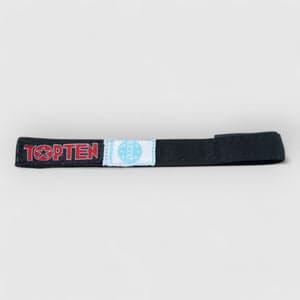
The spare part
Replacement Velcro strip with WAKO label
199 kr. Put one in your bag. This is the part most often missing at the gear check.

Semi-contact
TOP TEN WAKO Glossy Pointfighter
749 kr. An open glove for point fighting and light contact.
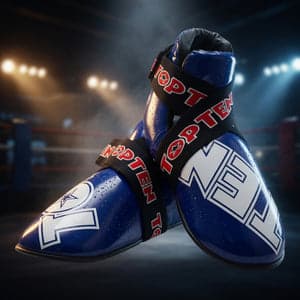
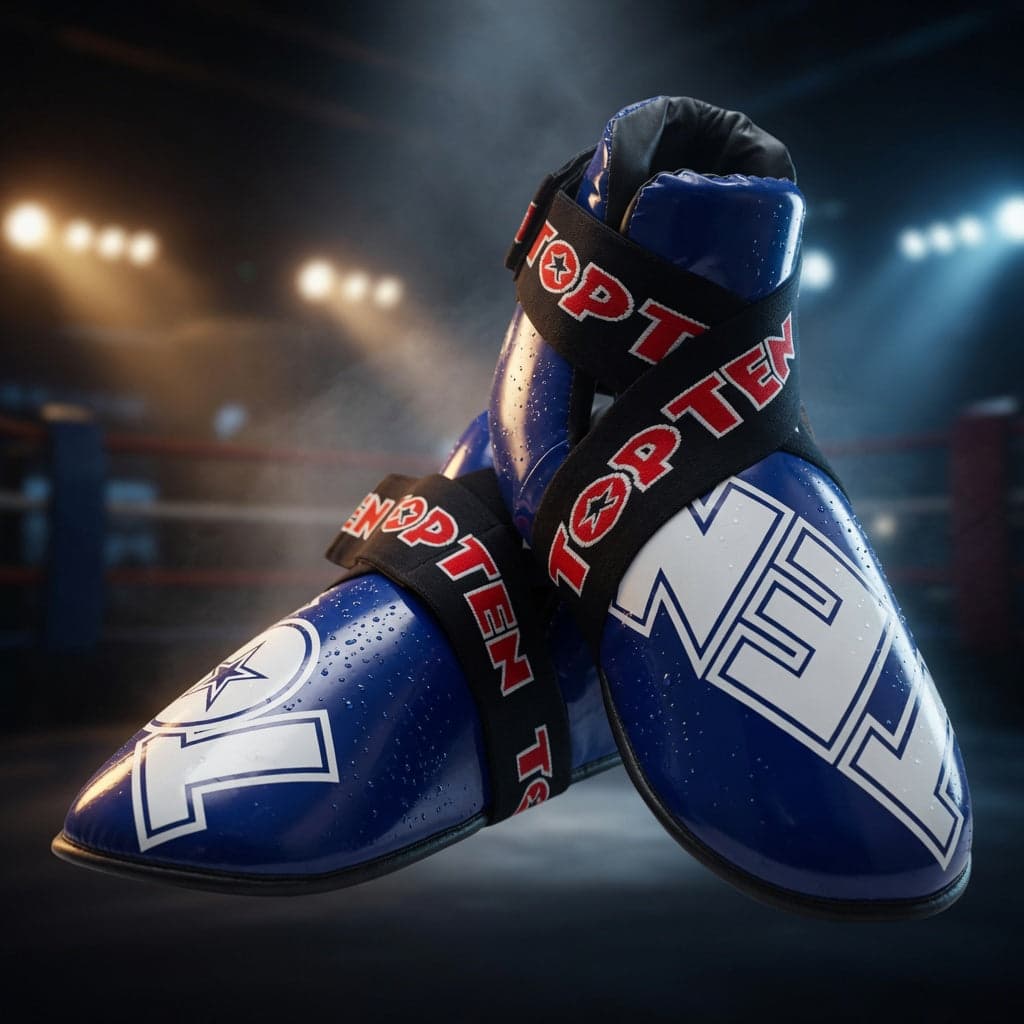
Foot guards
TOP TEN WAKO Competition Ultra Lett
790 kr. XS to M/L in blue, red and black.
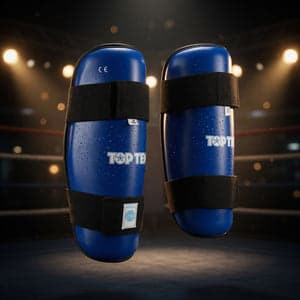
Shin guards
TOP TEN WAKO Shin Guard
569 kr. Required in kick light and full contact.
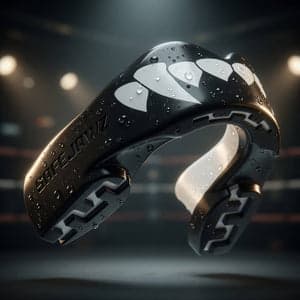
Mouthguard
SAFEJAWZ EXTRO
199 kr. Mould it at home in good time, not in the hall.
Frequently asked questions
How early do we need to arrive?
Follow your club's instructions, not the invitation's time for the first bout. The club meets up together, and you need to go through registration and the gear check before anything starts.
What if the gear is rejected at the check?
Then you need to borrow or buy something approved, if it is available on site. That is why we keep telling you to check the labels at home.
How many bouts do you fight in a day?
It depends on how many are in the category. Some fight one, others fight four. Plan for the possibility of more.
Can you watch without competing?
Yes. If you are unsure whether competing is for you, travelling with your club as a spectator is the wisest first step.
Is it allowed to use borrowed gear?
At Norwegian competitions it is usually fine as long as the gear is approved, labelled and fits. But borrowed gear that doesn't fit gets stopped.