Now in September the gyms are filling up again, and the pads that were put away in June are brought out. At many clubs it turns out that half of them have developed a soft spot in the middle, a split in the seam or a handle that has come loose. Now is the time to make the purchase, not in November when there are three weeks to the first competition.
The problem is that «pad» covers at least three completely different tools, each solving its own task. Buy the wrong type, and you get a pad that neither withstands what it is put through nor gives the coach what they need. Here is the difference, and what we recommend for which use.
Three pads, three completely different jobs
The simplest way to think about it is where the force ends up. Focus mitts take punches in the palm of your hand. Thai pads take kicks on the forearm. The shield takes everything, with the whole body behind it.
| Type | What it is made for | Who needs it |
|---|---|---|
| Focus mitts | Punch combinations, precision, timing and pace. The holder can move the target quickly and meet the punch. | Everyone. This is the one pad anyone who boxes should have. |
| Thai pads | Kicks, knees and powerful punch combinations. Strapped to the forearm and takes much more force than a mitt. | Muay thai, kickboxing and anyone who kicks pads. |
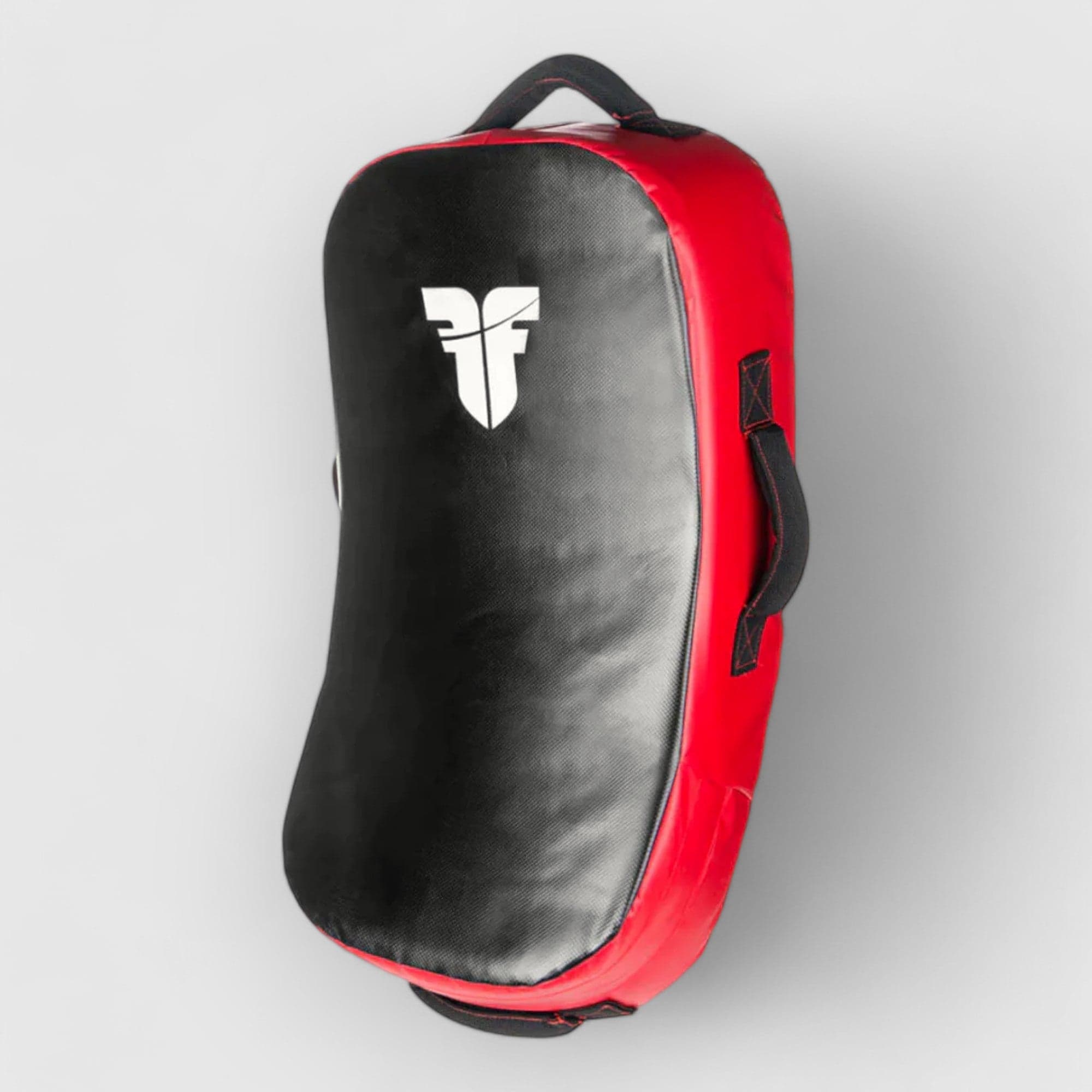
| Kick shield | The hardest kicks and forward knees. Held with both hands and the whole body behind it. | Clubs, and anyone who trains low kicks and teeps. |
The line between a Thai pad and a shield is blurry, and manufacturers use the names interchangeably. The practical distinction is how it is held: on the forearm with straps, or in front of the body with handles. If you need to take a full low kick from a heavyweight, you want the latter.
The pad holder is in charge
There is a lot of talk about who is hitting and little about who is holding, and that is the wrong way round. A badly held pad is both worthless as training and an injury risk for both people. Three things decide it:
- Meet the punch. The pad should move slightly towards the punch, not sit still and absorb it. If it stays passive, the impact goes straight into your shoulder.
- Hold it at the right height. The mitt should be where the head would be, not where it is comfortable for you. A pair of mitts held too low teaches the athlete to punch downwards.
- Lock your wrist. Most aches from pad holding sit in the wrist and elbow, and they come from holding loosely.
Should the club buy in?
Club purchasing follows a different logic from private purchasing. A pad in the club gym is used by twenty people a week, often by people who do not know how it should be held, and it ends up lying in a pile after training. Durability then matters more than feel.
Our experience with Norwegian clubs is that it pays to buy a mid-range option in quantity rather than the most expensive in a few units. Eight pairs of affordable mitts let the whole class work at the same time. Three pairs of premium mitts mean two thirds of the gym stand watching.
Use this as a starting point for a class of twenty:
- Eight to ten pairs of focus mitts, so everyone can work in pairs
- Four to six Thai pads or kick shields for the kick and knee rounds
- Two large shields for low kicks and the heaviest athletes
Pads at home in the living room
If you train at home with a partner, one pair of focus mitts is almost always enough. They take up little space, they weigh little, and they cover the punching work that is what most people actually do at home. If you also want to kick, a single curved kick pad is a better buy than a pair of Thai pads, because it can be held by one person without strapping anything on.
If you have no training partner, a punching bag is the right tool instead. Pads require a partner, and a pad that sits in the cupboard because nobody holds it is money down the drain.
Pads for the kids' class
Children do not hit hard enough to need heavy equipment, but they hit at an angle, and they often hit what they were not aiming at. For kids' classes, light pads in a soft design are the right choice - both because they are easier for the children to hold for each other, and because a heavy pad that is dropped hurts.
If children are to hold for each other, as they should learn to, the pad has to be something a child can actually control. That is the most common reason the pads in the kids' gym lie untouched: they were bought for adults.
Our picks right now
Everything below is in stock today. Prices are current.
Most affordable
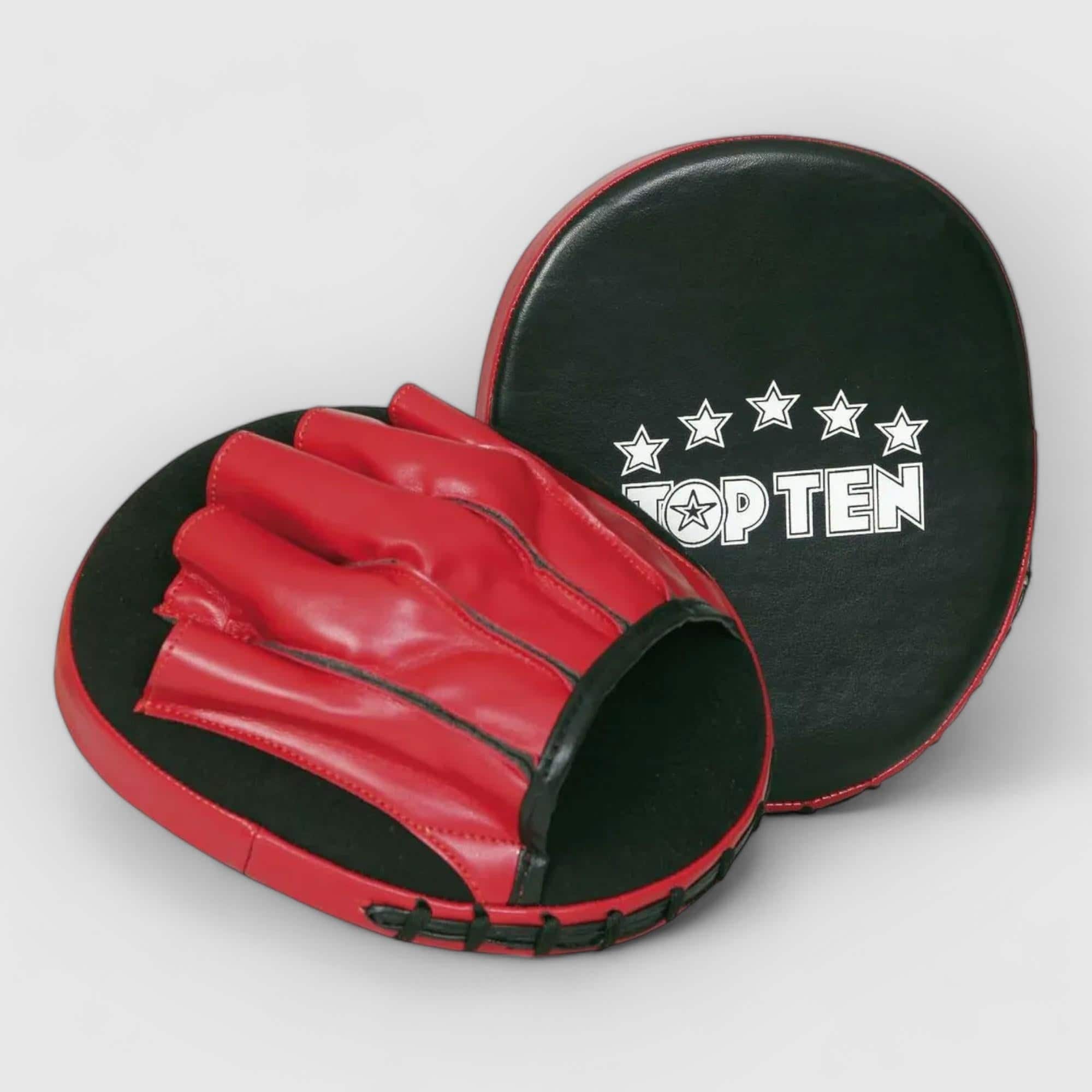
539 kr. Light mitts for pace and combinations. The cheapest place to start if you have never owned pads before.
For the club
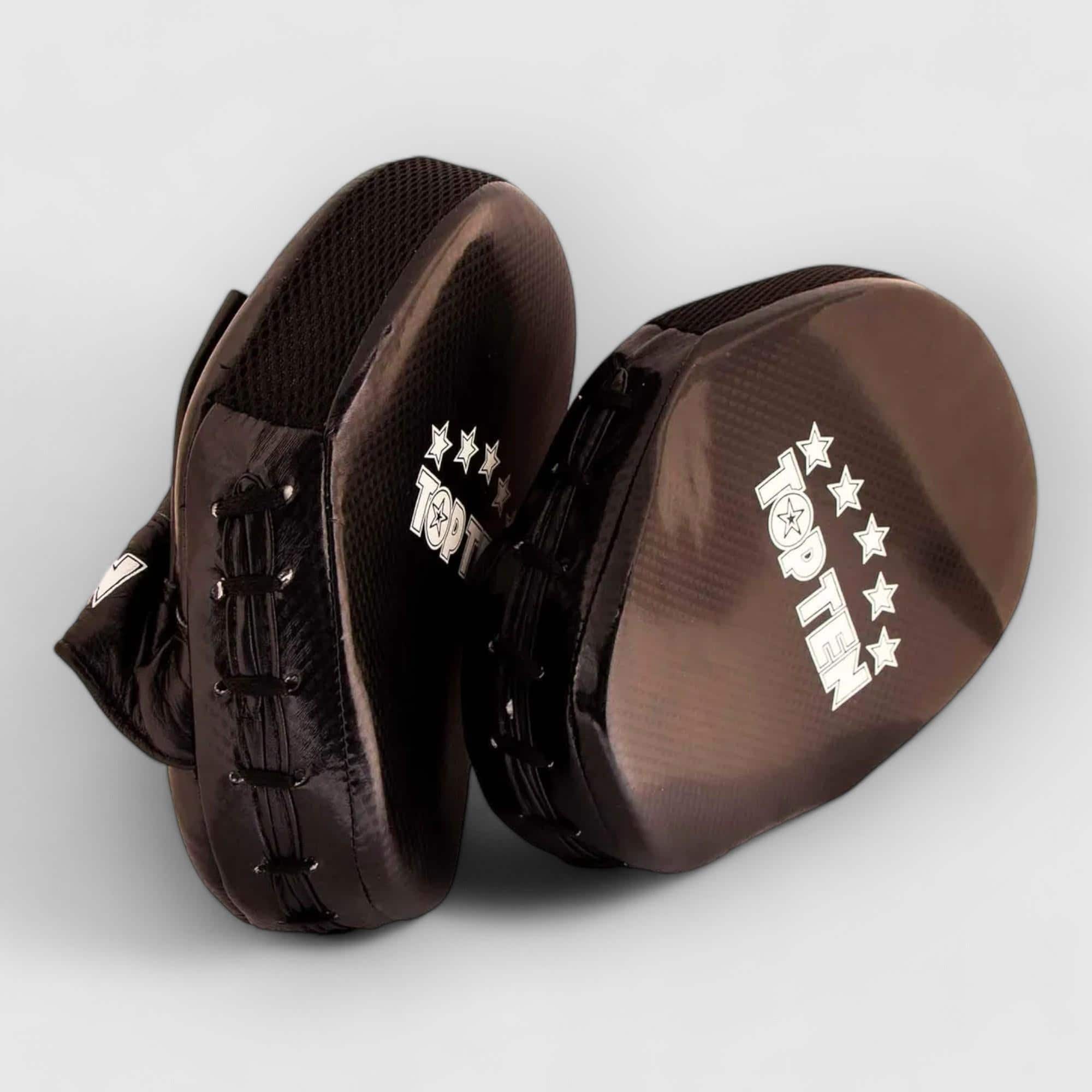
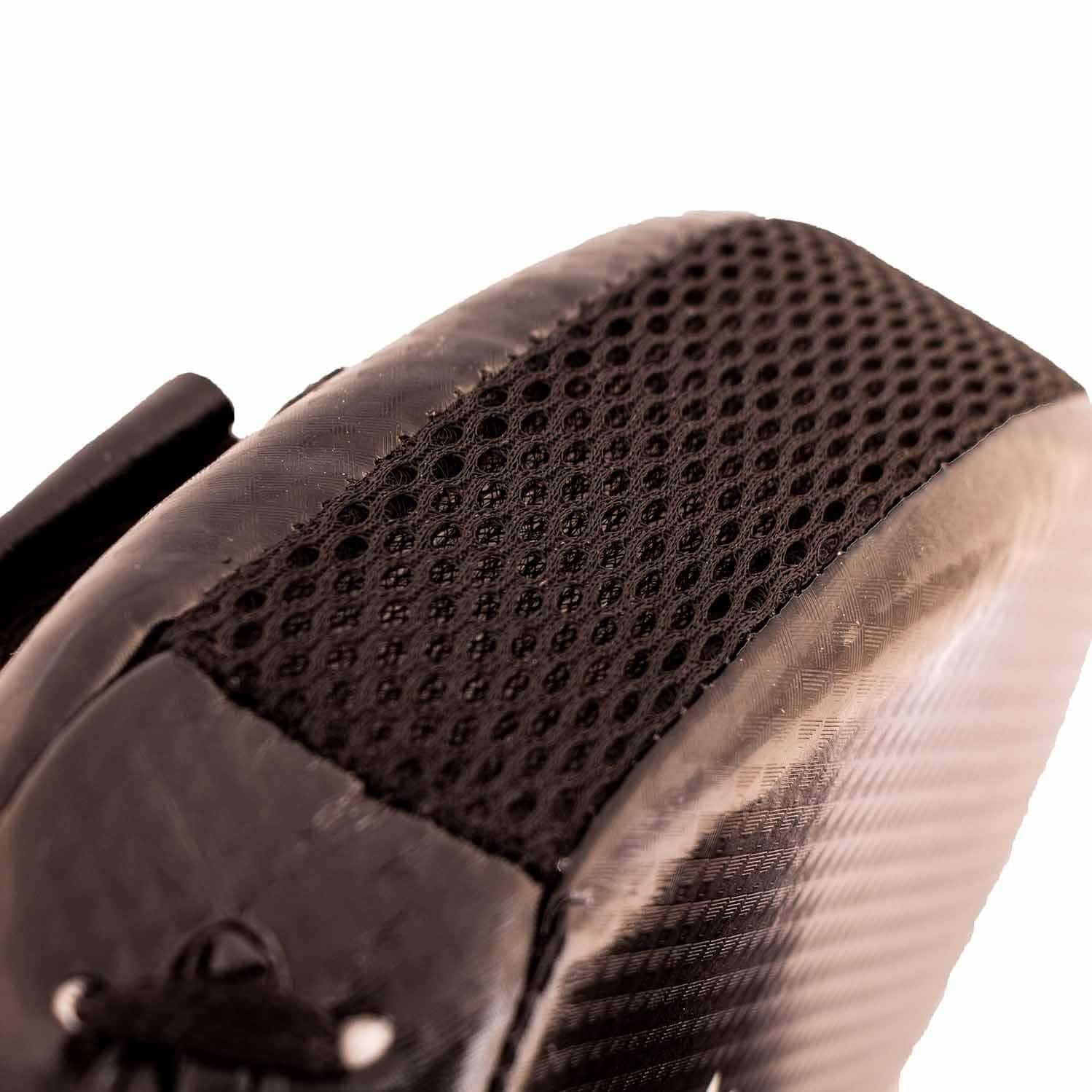
589 kr. Rexion synthetic leather with multi-foam padding. The one we recommend when the club is buying eight pairs, not three.
For those who hold a lot
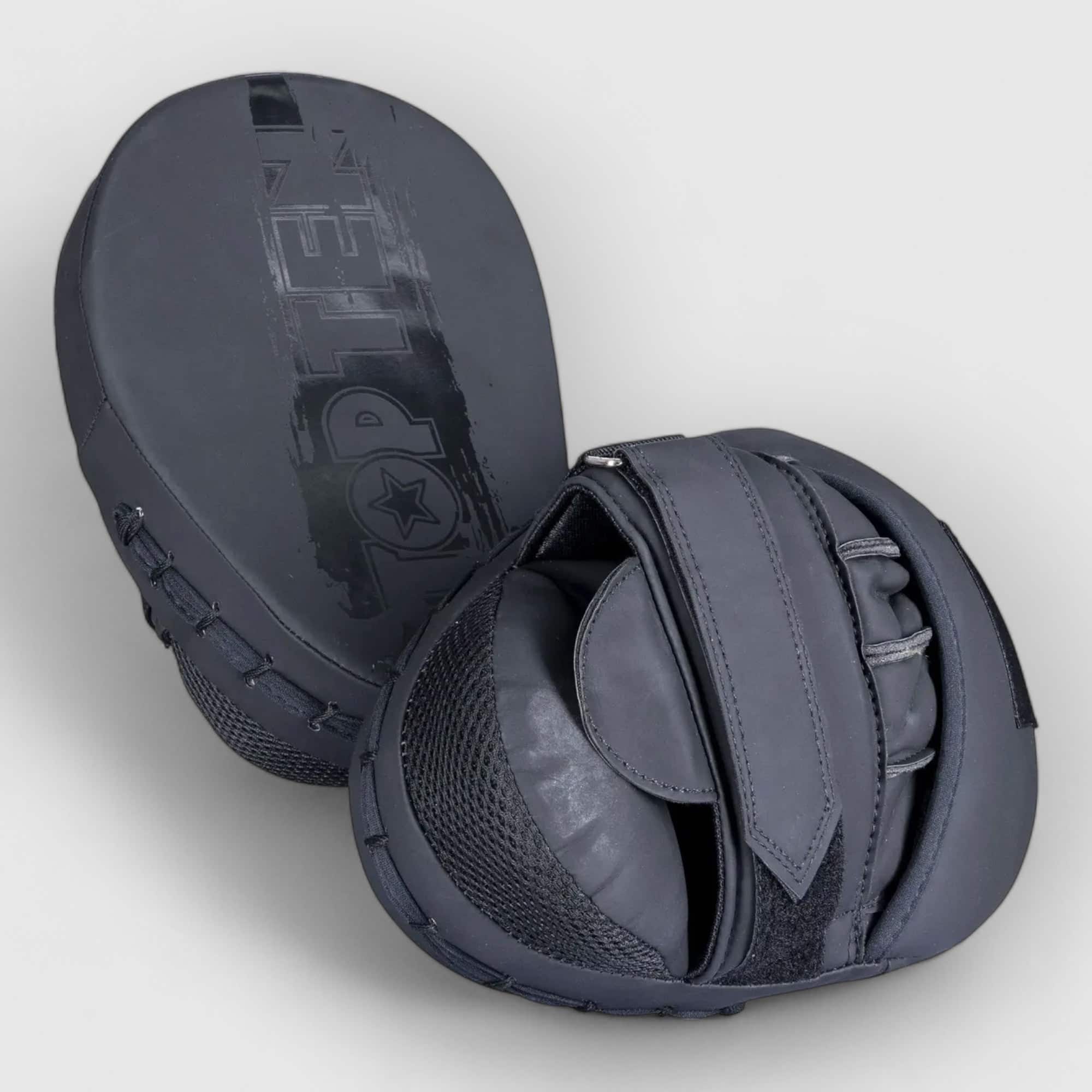
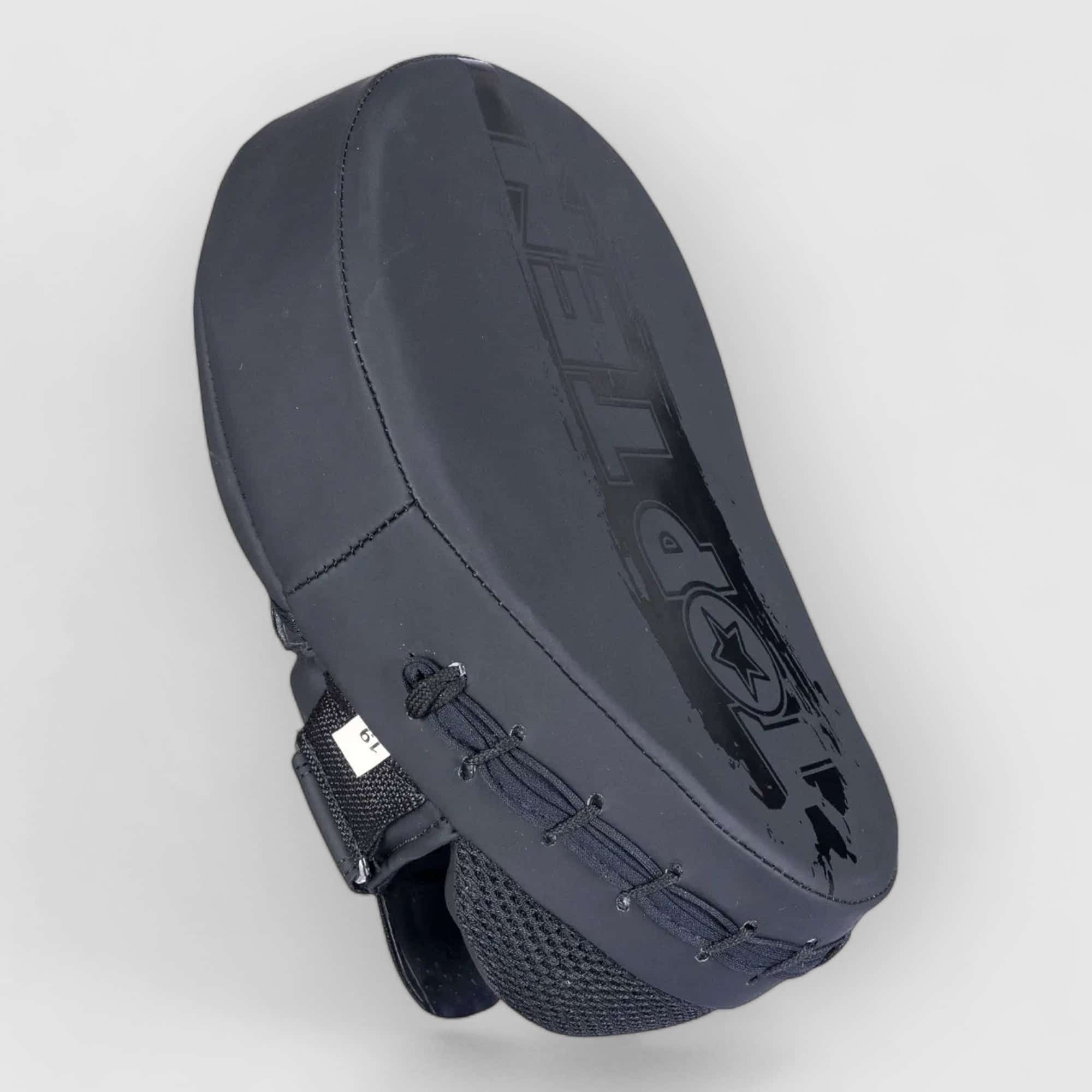
990 kr. A sturdier pad for coaches who hold session after session. You feel the difference in your wrist after a long evening.
Light and fast
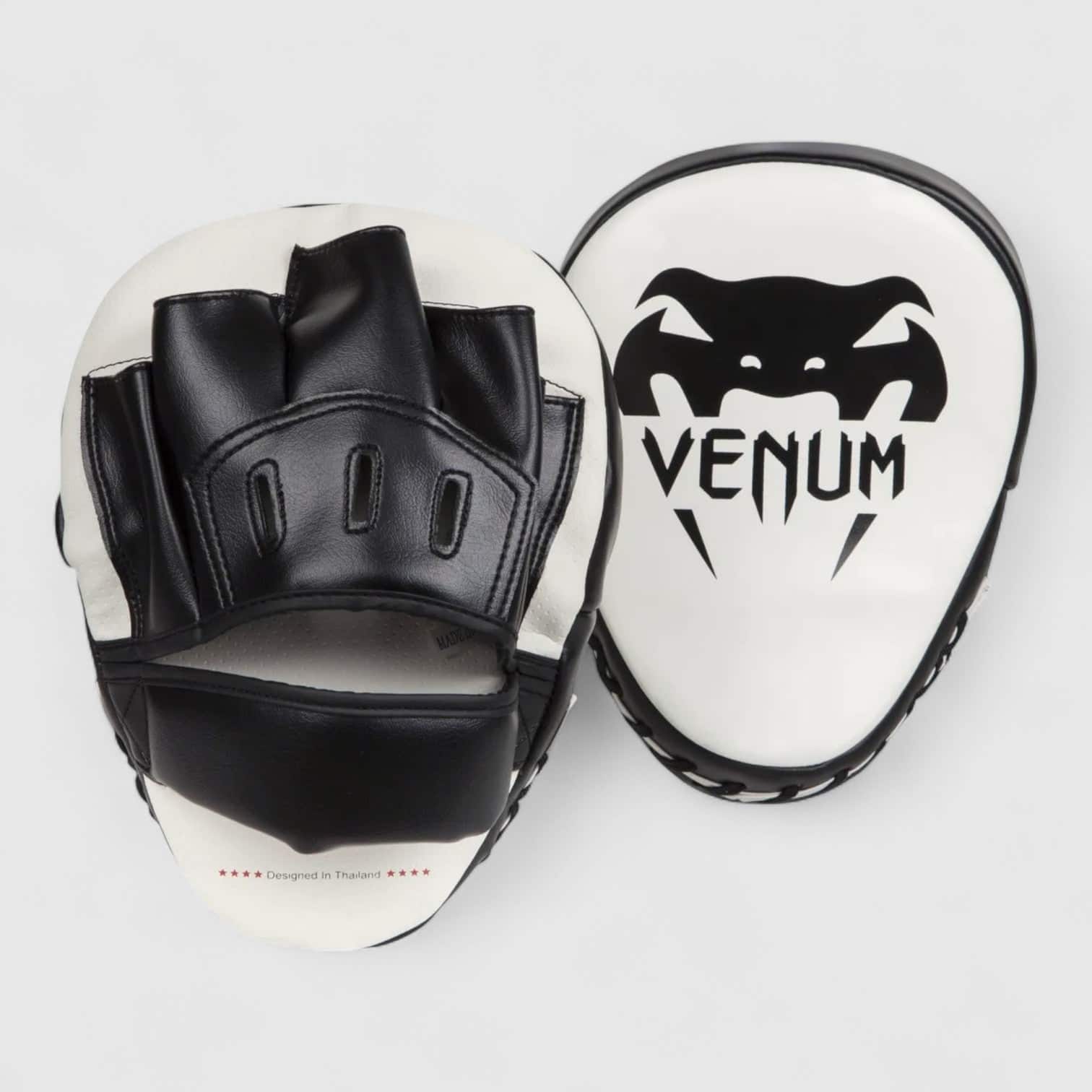
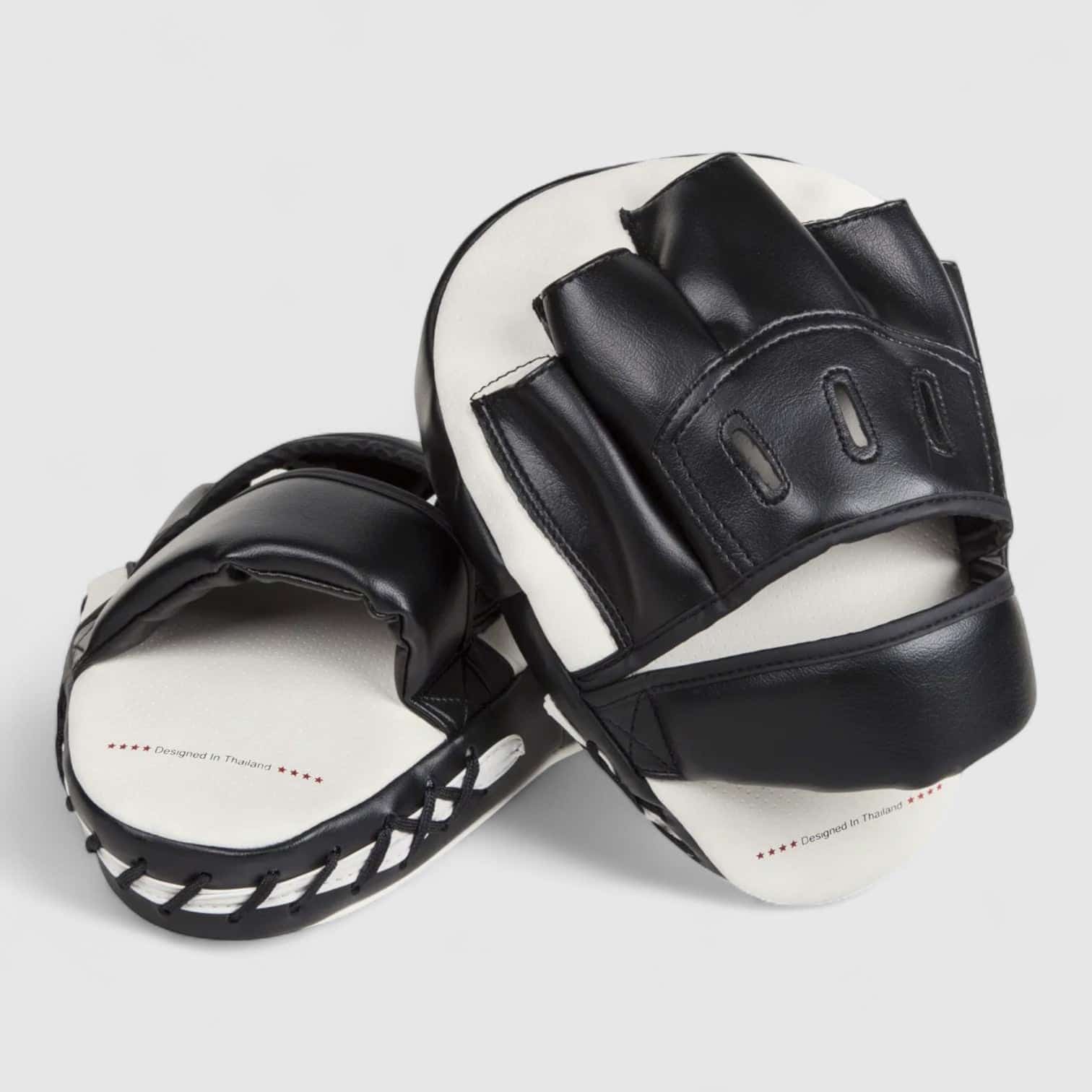
659 kr. Made for hand and elbow work. Light enough that the holder can keep meeting the punch right through the final round.
Single pad
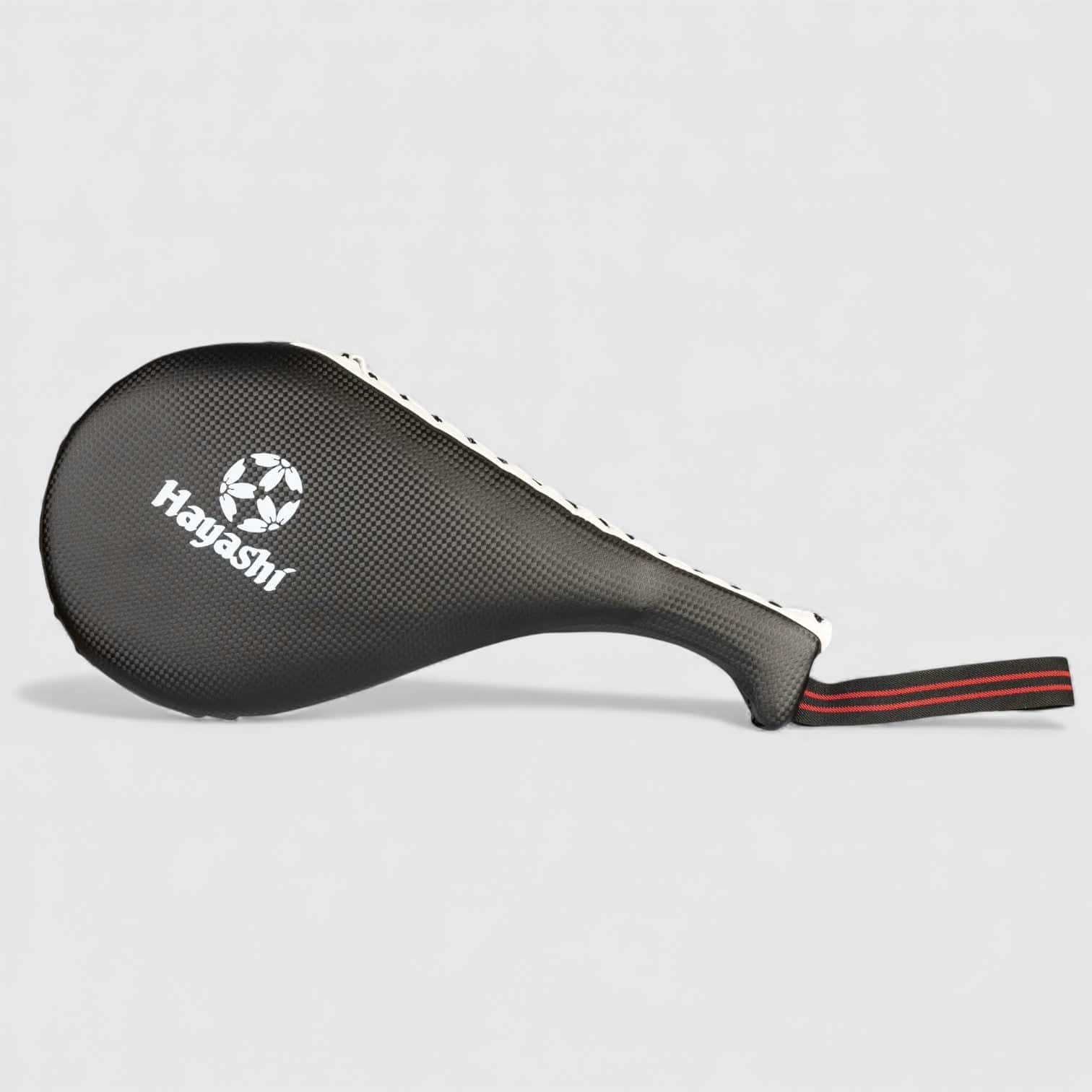
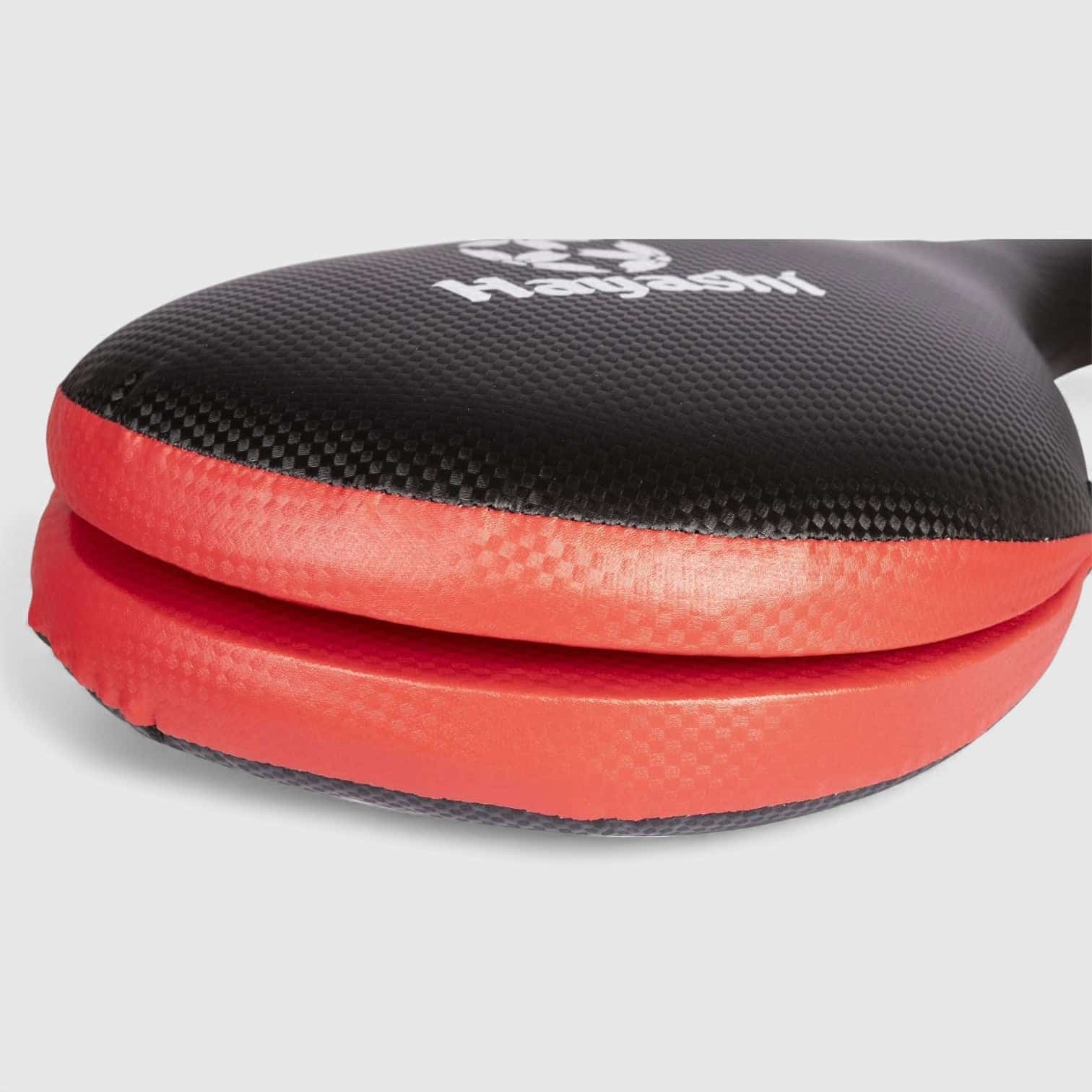


From 269 kr single, 390 kr double. The only one in the list sold individually - handy when the club needs to top up and is one short.
Kicks and knees
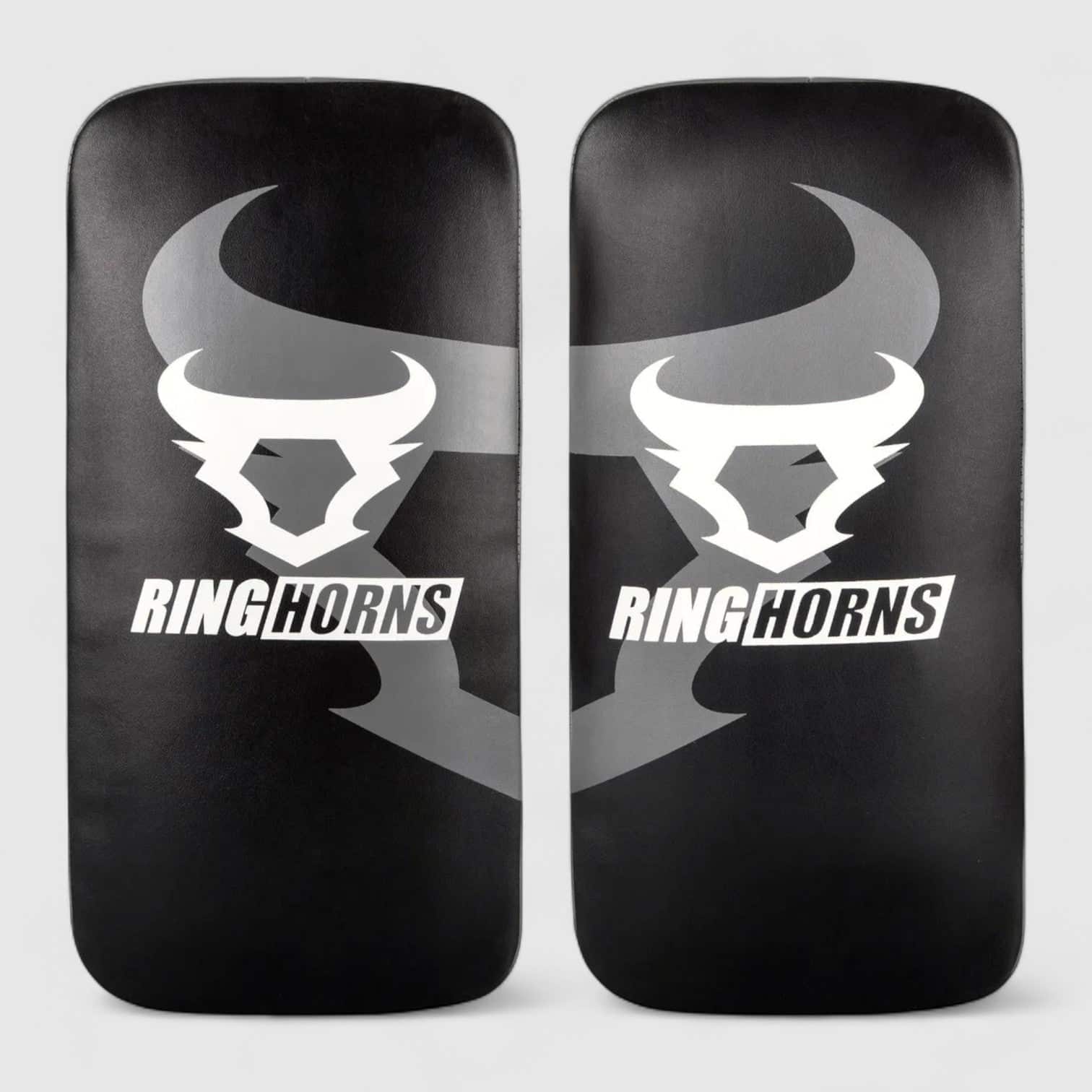
1,449 kr. For timing and precision in the kicks. The natural upgrade when mitts are no longer enough for the kicking rounds.
Best-selling shield
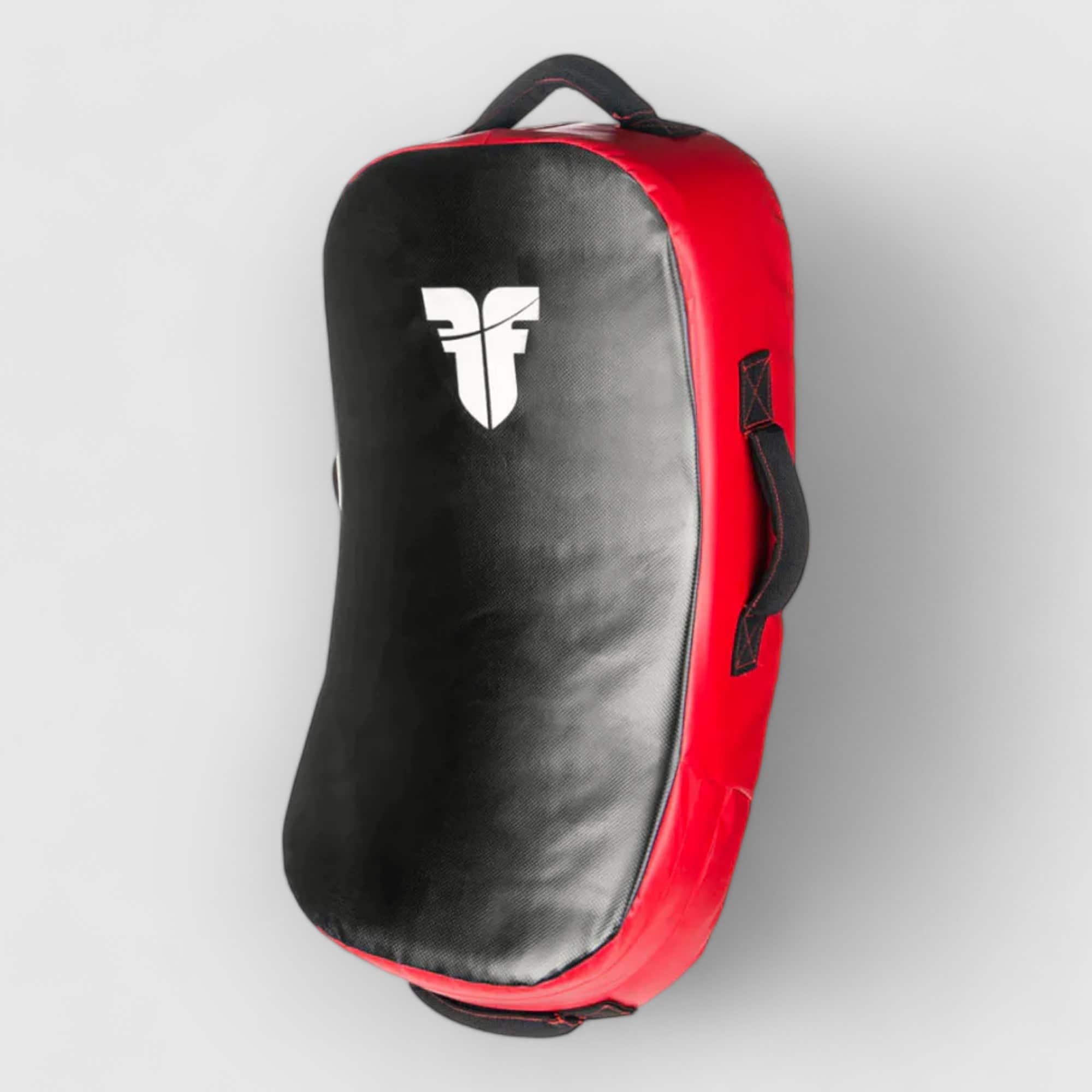
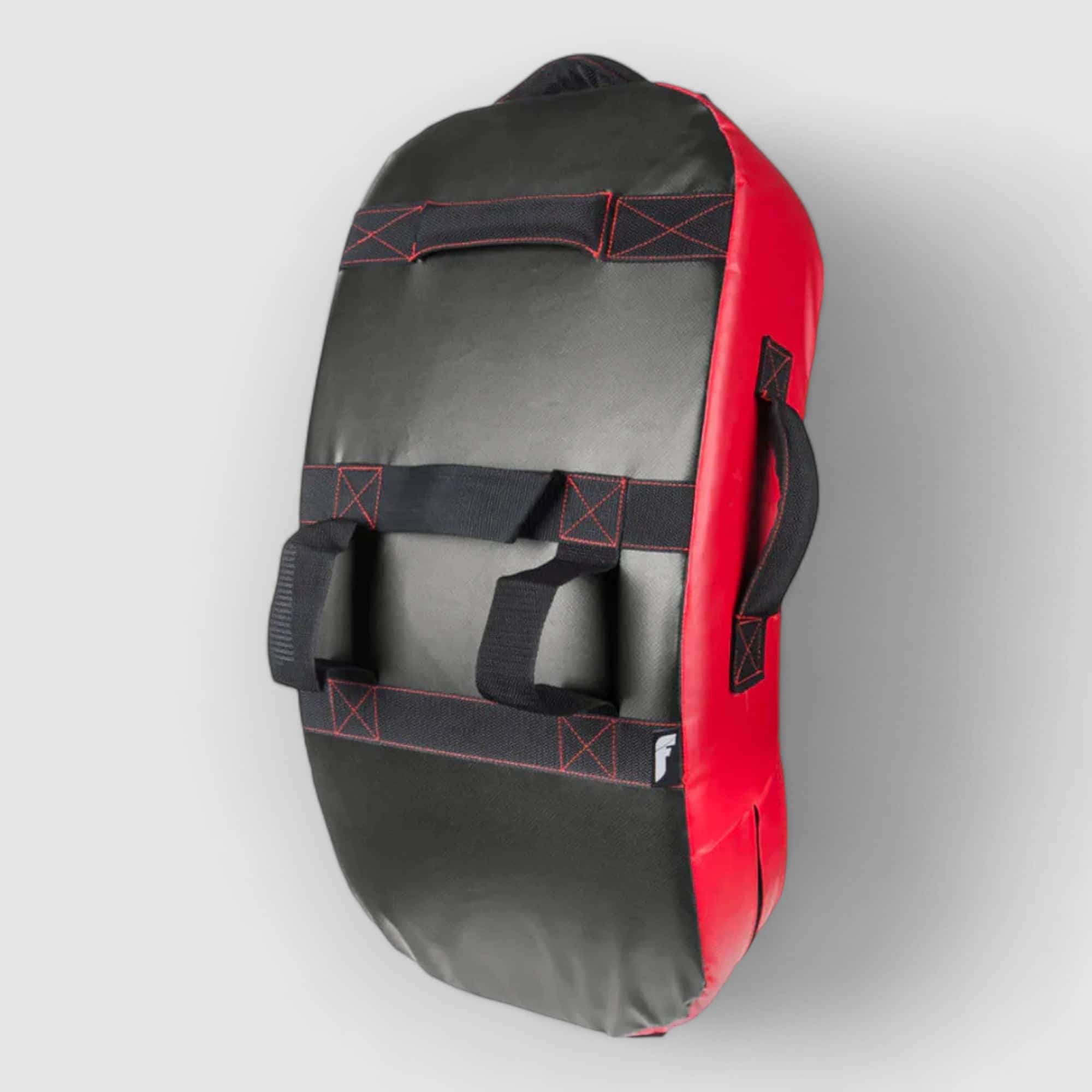


1,090 kr. Curved shield with shock-absorbing foam, made for hard kicks and punches. The multi-grip means it can be held in several ways - which is why clubs buy more of this one than any other.
Kids' class
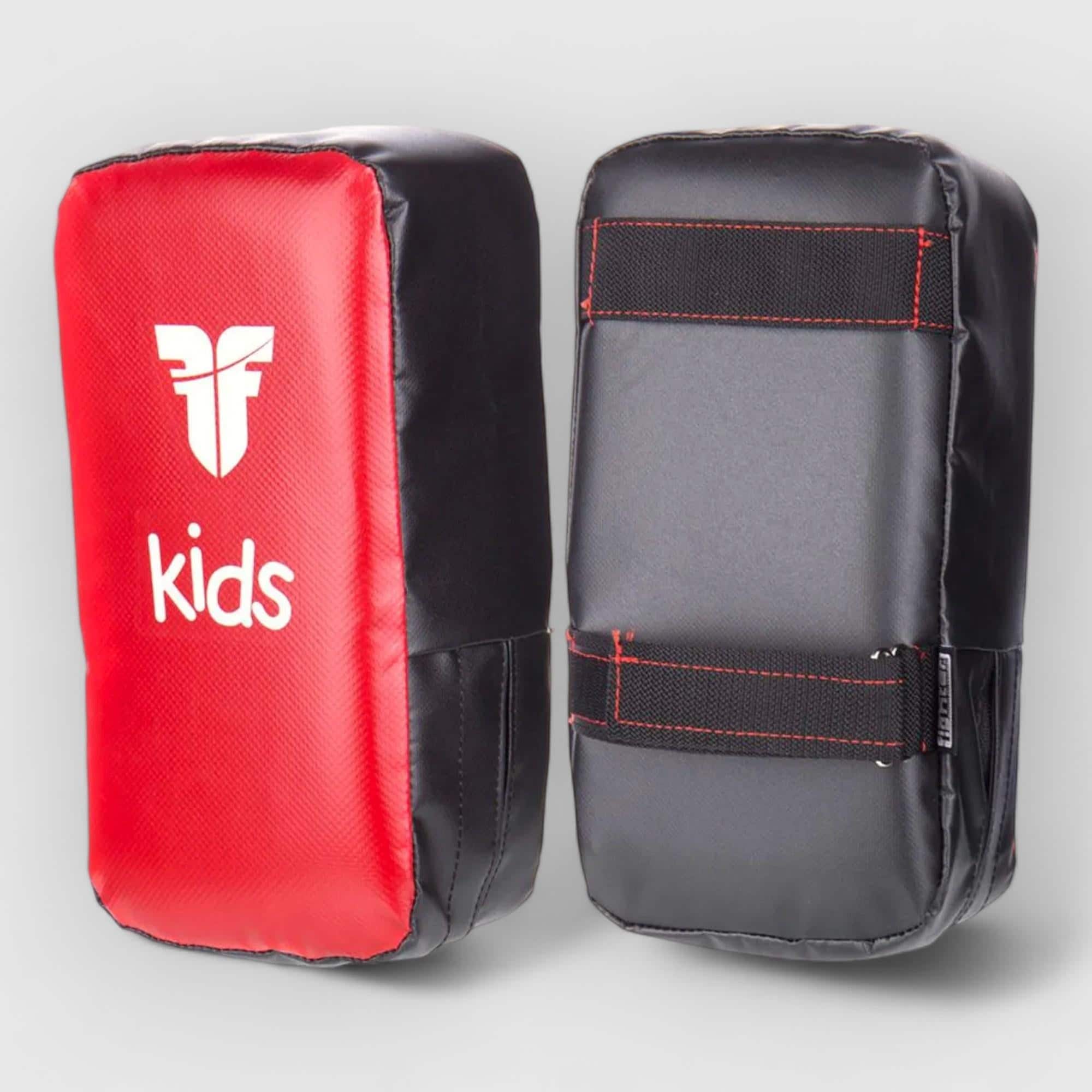
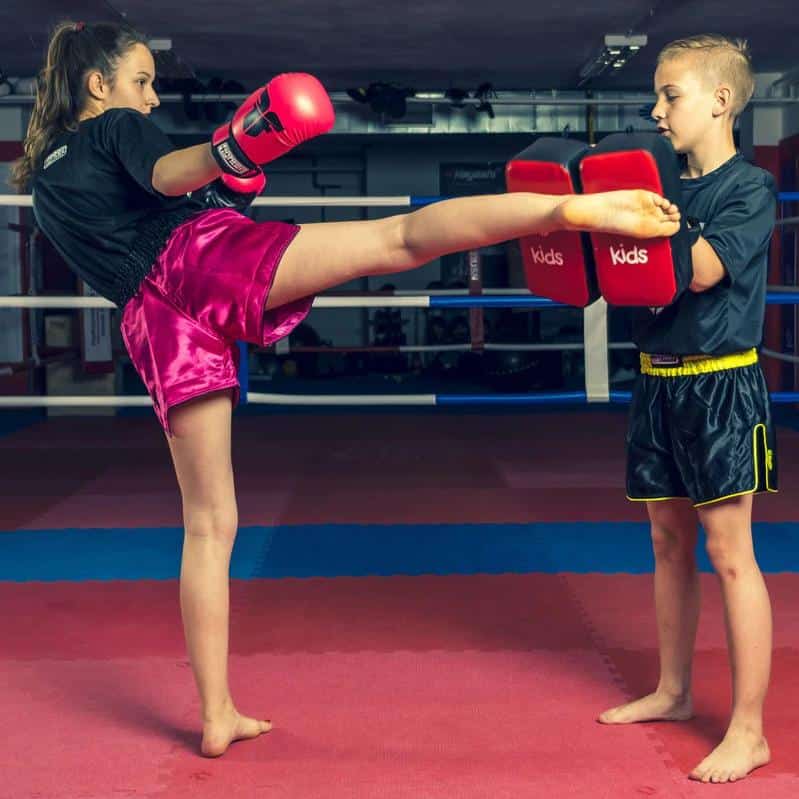
690 kr. Made for children aged 4 to 10. Light enough for the children to hold for each other, which is the whole point.
How to make the pads last a whole year
Pads rarely die from the punches. They die from moisture and from lying compressed in a bag.
- Wipe the outside after every session. Sweat breaks down the synthetic leather from the inside, and it is the sweat from the hands that does the most damage.
- Never in a closed bag overnight. Leave them open, with the inside exposed. This is also the best cure for odour in your gym bag.
- Do not stack anything heavy on top. The foam remembers the shape it was pressed into.
- Check the seams monthly. A small split that is stitched or taped early costs nothing. The same split three months later is a new pad.
- Label the club's pads. Numbered pads get returned. Unlabelled ones disappear.
Frequently asked questions
Can I kick focus mitts?
Light kicks against a mitt are fine, but that is not what it is made for, and the holder feels it immediately. If you want to kick, use Thai pads or a shield.
Do I need gloves when hitting mitts?
Yes. Hand wraps alone do not protect the knuckles against a pad that meets the punch. Use regular training gloves - see our guide to boxing gloves.
What is the difference between leather and synthetic leather in pads?
Leather lasts longer and moulds to the hand, but costs more and does not cope well with being left damp. Synthetic leather handles everyday club use better and dries faster. For a club gym we usually recommend synthetic leather.
How long does a pair of mitts last?
Private use twice a week: several years. In a club gym with daily use: one to one and a half seasons. What usually goes first is the seam by the thumb.
Can children hold pads for each other?
Yes, and they should learn to. But then the pad must be small and light enough for them to control it. Adult pads in children's hands just get dropped.