It is easy to understand the temptation. A factory in Pakistan or China promises 50 helmets with the club logo for a fraction of the shop price, the photos look good, and it says CE on the product sheet. Many clubs in Norway have ordered equipment this way, and the vast majority do so in good faith.
The problem is that much of this equipment is not legal. Helmets, shin guards, groin guards and chest protectors for martial arts are classed as personal protective equipment under EU rules, which also apply in Norway. It is not enough for the product to say CE. The model must be tested by an independent laboratory, someone in Europe must be responsible for it, and the paperwork must exist. If the club orders directly from the factory, often nobody has done any of this, and the club itself may end up being held responsible.
We have gone through the regulations, the guidance from the European Commission and the cases where the supervisory authorities have cracked down on martial arts equipment. Here is what clubs should know.
What the CE mark actually means
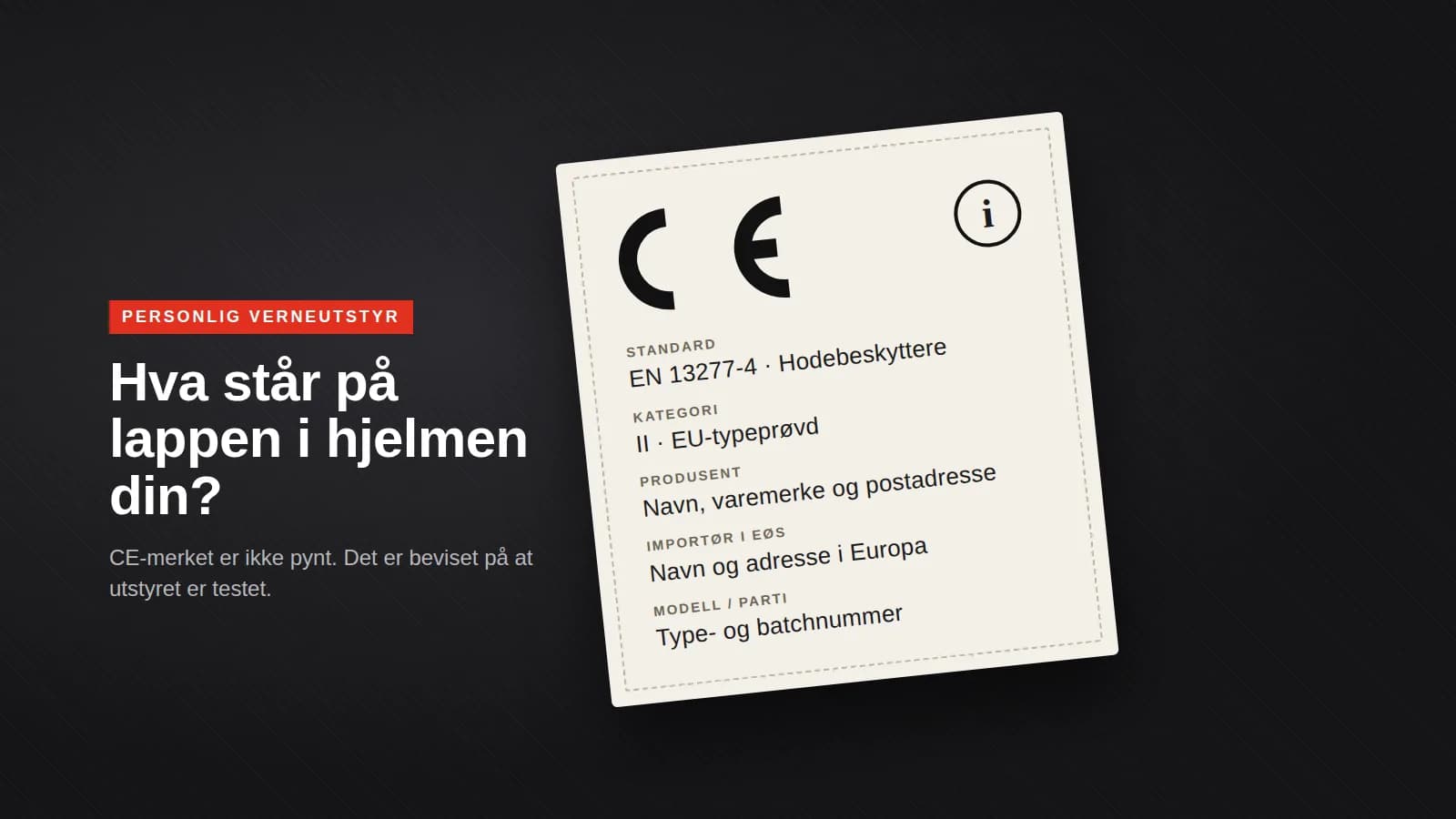
The CE mark is not a seal of quality or an award. It is the manufacturer's declaration that the product meets all the EU requirements that apply to it. For personal protective equipment, the requirements are set out in the EU Regulation on personal protective equipment, (EU) 2016/425. It has been incorporated into Norwegian law through the regulation of 22 June 2018 no. 1019 on personal protective equipment, and applies here just as in the rest of the EEA.
For simple equipment, it is enough for the manufacturer itself to assess and declare that the requirements are met. For equipment meant to protect against more serious injuries, the manufacturer's own word is not good enough. Then an independent, approved conformity assessment body, a so-called «notified body», must test and approve the model before it can carry the CE mark.
This is where a lot of equipment from unknown factories falls through. The CE mark is just two letters, and it costs nothing to print it on a helmet. What costs money is the testing and the documentation the mark is supposed to refer to.
The three categories, and where martial arts equipment ends up
The regulation divides protective equipment into three risk categories. The category determines how strictly the equipment must be checked before it can be sold.
| Category | Protects against | Checks before sale | Examples from martial arts |
|---|---|---|---|
| I | Only minimal risks, such as superficial injuries | The manufacturer declares this itself (internal production control) | Bag gloves |
| II | Everything that is not category I or III, including blows and impacts | Type examination by an independent conformity assessment body, plus production control | Helmet, shin and instep guard, groin guard, chest and body protector, hand and foot protectors |
| III | Risk of death or permanent damage to health | Type examination plus ongoing checks of production | Not normally relevant to martial arts |
The European Commission's guide to the regulation makes it clear that protective equipment for martial arts and self-defence sports, with karate as an example, is covered by the regulations. Head protection against blows in sport is listed as category II, and so are protectors such as shin guards, unless they are only designed to protect against superficial injuries.
What about boxing gloves?
Many people get this wrong, including those of us in the industry. The Commission's guide says that ordinary boxing gloves are not regarded as personal protective equipment, because the glove mainly protects the opponent, not the person wearing it. Bag gloves, which are only meant to protect your own hands against the bag, are however category I protective equipment.
This does not mean that all gloves are equally safe. Gloves must still comply with the general rules on product safety and chemicals, and in competition the federations' own approvals apply. But when we talk about type examination requirements in this article, it is helmets and protectors we mean.
EN 13277: the standard the equipment is tested against
The European standard series for martial arts protective equipment is called EN 13277. When a conformity assessment body type-examines a helmet or a shin guard, it is usually against this standard. The tests measure, among other things, how much of a blow gets through the protector, and whether the materials are safe against the skin.
| Part | Applies to |
|---|---|
| EN 13277-1 | General requirements for all martial arts equipment, including that the materials must not be harmful |
| EN 13277-2 | Shin, instep and forearm protectors |
| EN 13277-3 | Body protectors (chest protector, vest) |
| EN 13277-4 | Head protectors (helmet) |
| EN 13277-5 | Groin guards and abdominal protectors |
| EN 13277-6 | Breast protectors for women |
| EN 13277-7 | Hand and foot protectors |
| EN 13277-8 | Karate face protectors |
For helmets, this means the model is subjected to repeated blows in the laboratory, and the force that gets through to the head must stay below a fixed limit. A helmet from a factory that has never sent the model for testing can look identical. The difference lies in the foam you cannot see: density, thickness and how it handles blow number two, three and a hundred.
This must be in place before the equipment is legal
For category II protective equipment, that is helmets and protectors, all of this must be in place before the equipment can be sold, lent out or handed out in Norway:
- EU type-examination certificate
An independent conformity assessment body has tested this exact model and issued a certificate. The body has a four-digit number you can look up in the EU's NANDO database.
- CE mark on the product
Correctly designed, visible and durable. A sticker on the packaging is not enough when the mark can be placed on the product itself.
- Manufacturer and importer with name and address
Both the manufacturer and the importer in the EEA must be stated with name, trademark and postal address on the product, or on the packaging if there is no room. There must always be someone responsible in Europe.
- Type, batch or serial number
So the product can be traced if a model or batch turns out to be dangerous.
- Instructions in Norwegian
The Norwegian regulation requires the instructions and the information for the user to be in Norwegian. Among other things, they must state what the equipment protects against, how it should be used and maintained, and when it should be replaced.
- EU declaration of conformity
Comes with the product, or is available via an address in the instructions. It shows which standard the model has been tested against and which conformity assessment body has type-examined it.
If any one of these points is missing, the equipment may not legally be made available on the market, even if it turns out to protect well.
When the club orders directly from the factory
If you buy a helmet from a recognised brand from a retailer in Norway, every link in the chain has had a responsibility. The manufacturer has produced the documentation and had the model type-examined. The importer in Europe has checked that the paperwork is in order and put its name on the product. The retailer has checked the labelling and the instructions. When the equipment reaches the club, it can be traced all the way back to the laboratory.
If the club orders directly from a factory outside the EEA, the links in the middle disappear:
| Link in the chain | Recognised brand via retailer | Directly from factory |
|---|---|---|
| Type examination by a conformity assessment body | Yes, for every model | Rarely. Often a certificate for a different product is shown |
| Importer in the EEA who is responsible | Yes, named on the product | None, unless the club itself becomes one |
| Instructions in Norwegian | Yes | Almost never |
| Traceability in case of defects or recalls | Batch and model number | None |
| Who is liable if someone is injured | Manufacturer and importer | In practice, the club |
Can the club itself become an importer?
The regulation defines an importer as anyone who makes protective equipment from a country outside the EU and the EEA available on the market here. Making available includes selling, but also lending, renting out and giving away, and it makes no difference whether it is done for payment or free of charge.
The European Commission's «Blue Guide», the guide to how product legislation should be interpreted, says that non-profit organisations can also be regarded as carrying out a commercial activity. This is decided case by case, based among other things on how regular the supplies are. An individual who buys once for their own use is different from a club that year after year brings in helmets and protectors and sells them on to its members, or lends them out at training sessions.
If the club also puts its own name or logo on the equipment as a brand, it becomes even more serious. Anyone who places protective equipment on the market under their own name or trademark must be treated as the manufacturer under the regulation, with full responsibility for documentation and testing.
The certificate the factory sends you
Many factories willingly answer the question about CE, and are happy to send a document with a logo, a stamp and the word «certificate». The most common problem is that the document is not an EU type-examination certificate from an approved conformity assessment body, but a test report from a laboratory without such approval, a «certificate of compliance» with no legal value, or a certificate that applies to a completely different model. It was precisely the latter that formed the basis of the biggest Swedish case we have found.
The horror stories: fines, seizures and toxic substances
700,000 Swedish kronor for four helmets
In November 2021, the Administrative Court in Karlstad (Förvaltningsrätten i Karlstad) imposed a penalty fee of 700,000 kronor on the company Budo & Fitness Sport AB, following legal action by the Swedish Consumer Agency (Konsumentverket). The case concerned four different head guards. One had no CE mark at all, one had an incorrect CE mark, and for the last two the type-examination certificates could not be linked to the products that were actually sold.
The court wrote that the infringements were serious and could have had serious consequences, because they concerned protective equipment.
500,000 kronor for two martial arts helmets
The same year, in June 2021, the Administrative Court of Appeal in Gothenburg (Kammarrätten i Göteborg) upheld a penalty fee of 500,000 kronor against Sporttema Sverige AB. The company had sold two types of martial arts head guards that had not been tested and CE marked as the regulations require. The court emphasised that the equipment was meant to protect against serious head injuries.
Both cases concerned shops, not clubs. But the rules they were judged by are the same as those that apply to a club regarded as an importer.
60 per cent of protective equipment stopped at customs
In October and November 2025, customs authorities in the EU checked more than 2,000 personal protective equipment products bought online and shipped from countries outside the EU. The European Commission published the results in March 2026: 60 per cent of the products did not meet the requirements, and 91 per cent of the non-compliant protective equipment came from China.
Toxic substances in training gloves
Equipment from unknown factories can also be a problem for a completely different reason than protection. In July 2026, training gloves made in Pakistan were withdrawn from the market following an alert in the EU's Safety Gate alert system, sent by the Czech authorities and classified as a serious risk. The plastic material contained 24.7 per cent by weight of the phthalate DEHP, which can damage fertility, as well as PAH compounds that can cause cancer. The limit for DEHP in such products is 0.1 per cent, so the content was around 250 times above the permitted level.
These were not martial arts gloves, but training gloves for strength training. The point is the same: synthetic leather, foam and plastic from factories without controls can contain substances that are banned in Europe, and it is your skin that is in contact with them for an hour, several times a week. A study by consumer organisations in 13 countries, published by Sveriges Konsumenter (the Swedish Consumers' Association), found substances of very high concern in 24 per cent of 82 tested training products.
And in Norway?
In Norway, the Norwegian Directorate for Civil Protection (DSB) supervises personal protective equipment for private use, while the Norwegian Labour Inspection Authority (Arbeidstilsynet) is responsible for protective equipment used at work. DSB can take samples, require products to be withdrawn from the market and impose coercive fines, and the Product Control Act allows for infringement fines. We have not yet found any published Norwegian cases concerning martial arts equipment, but the regulations are the same as in Sweden, and supervision is risk-based. Waiting for the first case to be about your club is a poor argument.
Needles in the gloves? What is documented
Stories about needles and other sharp objects in cheap gloves and protectors keep circulating in changing rooms and comment sections. We have looked for documented cases in martial arts equipment, and have not found any we can point to. That is why we do not write that it has happened.
What is well documented is that broken sewing machine needles can end up in finished textile products. In 2015, for example, the clothing manufacturer Bonds in Australia recalled several baby garments because they could contain a broken needle from production. That is exactly why serious factories use needle detectors and metal checks on finished products, and why recognised brands require this of their manufacturers.
When the club orders from a factory it has never visited, there is no way of knowing whether such routines are in place. That applies to needles, it applies to what is inside the padding, and it applies to the chemicals in the materials.
What the federations require
In competition, the federations' own requirements come in addition to the law. WAKO's equipment rulebook says that only equipment from WAKO-approved manufacturers may be used, and that protective equipment must comply with international standards and directives for personal protective equipment. From August 2026, the Norwegian Kickboxing Federation (Norges Kickboxingforbund) requires the equipment at national events to carry an approved WAKO label. Norges Bokseforbund (the Norwegian Boxing Federation) and World Boxing have similar requirements for approved gloves and helmets in competition.
Equipment ordered from a factory with the club logo has none of these approvals. So it cannot be used in competition, however nice it looks. See the overview of approvals and competition rules for each discipline.
Checklist for the club
- Go through the equipment you have
Look for a CE mark, a manufacturer and importer with an address in the EEA, and instructions in Norwegian on helmets, shin guards, groin guards and chest protectors.
- Ask for the EU type-examination certificate
If you buy from someone, ask for the certificate for that exact model. Check that the conformity assessment body's number is in the NANDO database, and that the model name on the certificate matches the product.
- Do not hand out or sell equipment you cannot document
This also applies to loan equipment at training sessions and starter packs for new members.
- Buy protective equipment through a retailer in the EEA
Then the importer's responsibility lies with someone who has the paperwork, and the club does not have to document something it has no access to.
- If you want club branding, put it on the clothing
T-shirts, hoodies and bags with the club logo are not protective equipment. There, ordering from a factory is a completely different question than for a helmet.
Why we only sell recognised brands
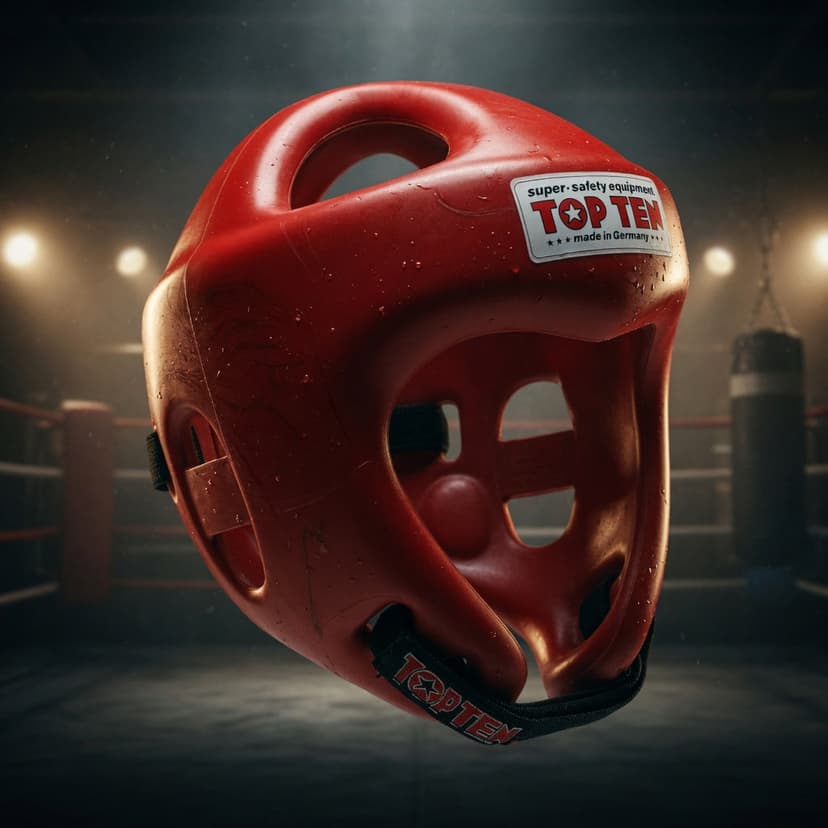
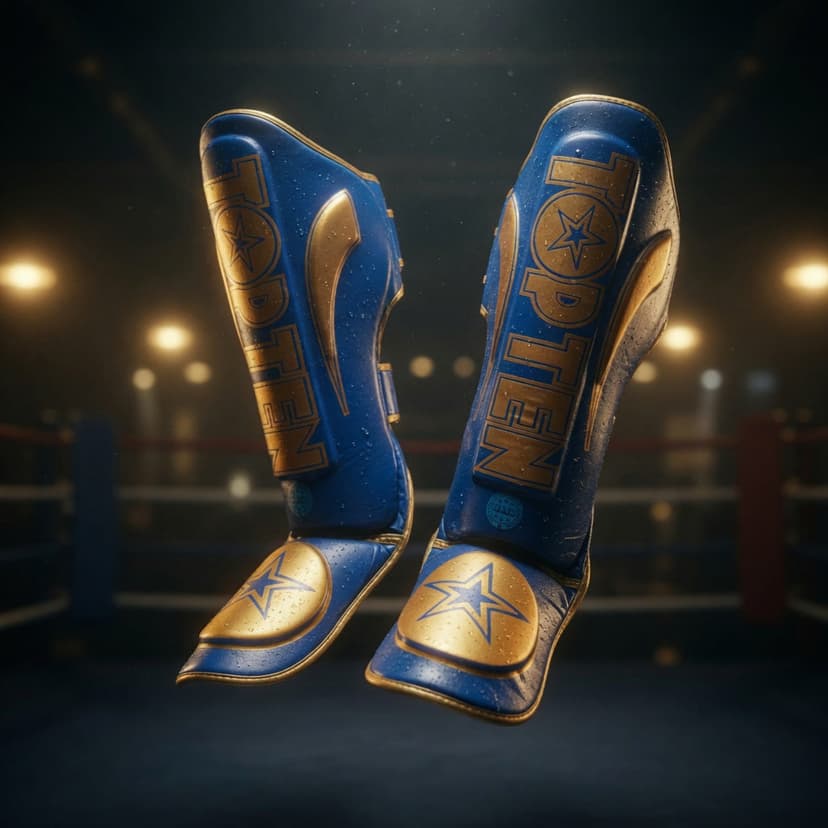
Combat Store carries equipment from manufacturers such as TOP TEN, Venum, Hayabusa, Sting and SafeJawz. These are brands with their own testing programmes, documentation and responsible importers in Europe, and many of them are approved by WAKO, IFMA and World Boxing. We are the equipment supplier to both Norges Kickboxingforbund and Norges Bokseforbund, and we know what equipment inspections look for.
If you run a club and want help going through your equipment, or you need a purchasing agreement with club prices, you will find more on the club and business page.
Kickboxing, most popular
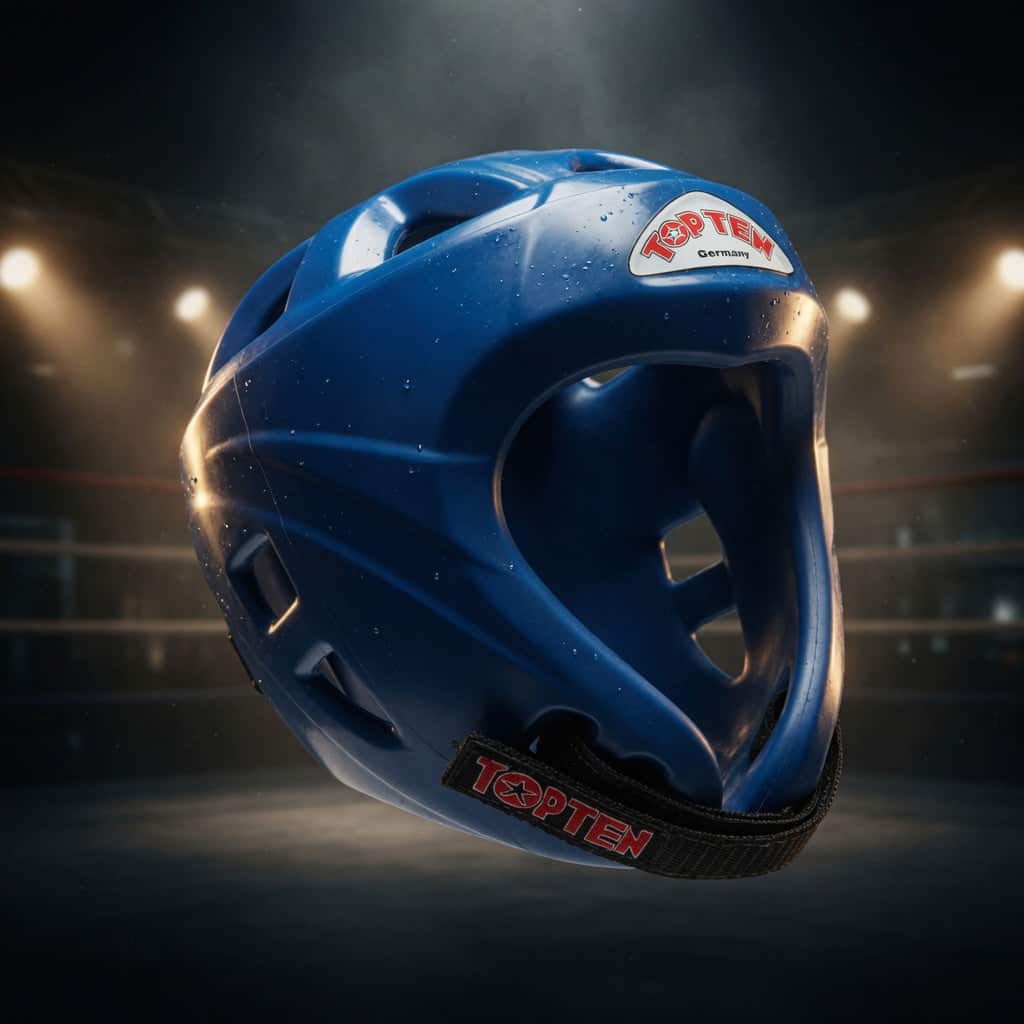
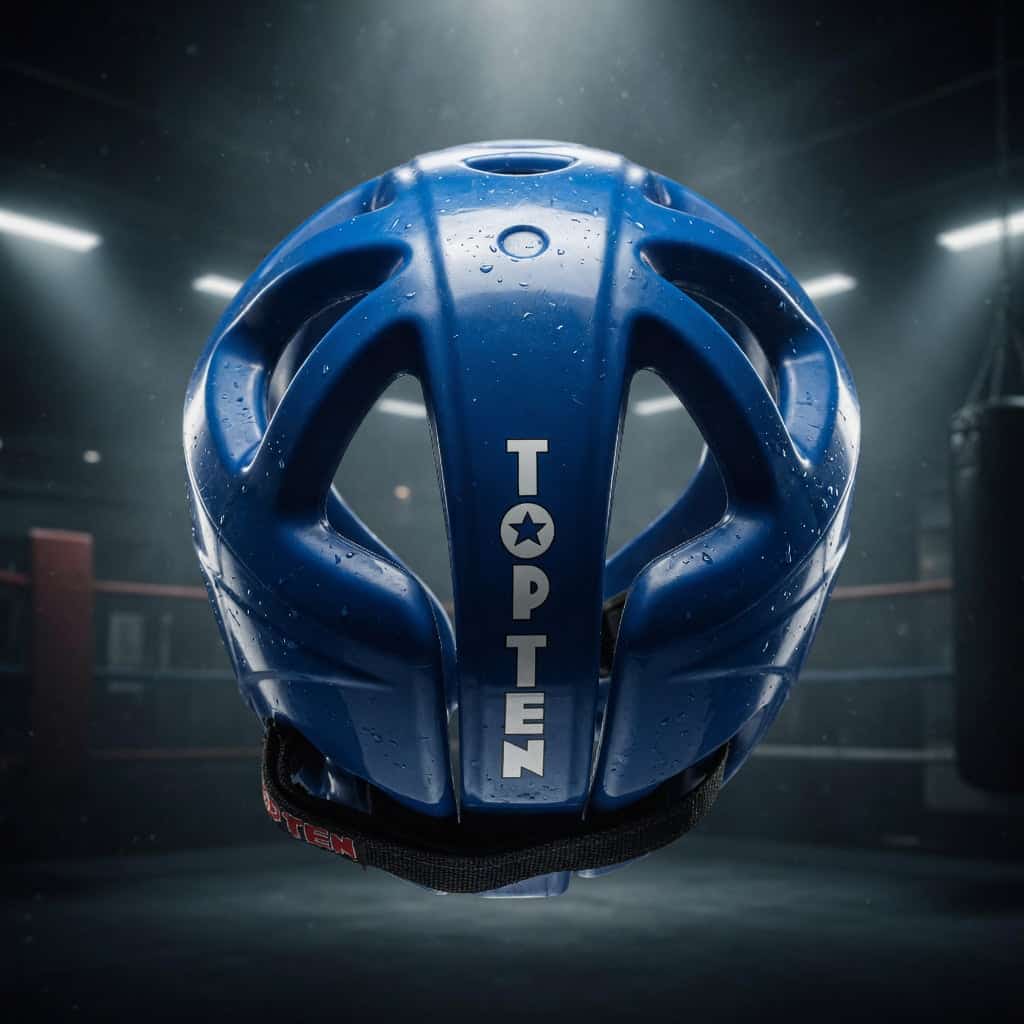


The most common competition helmet in Norwegian clubs, with WAKO approval.
Kickboxing, compact
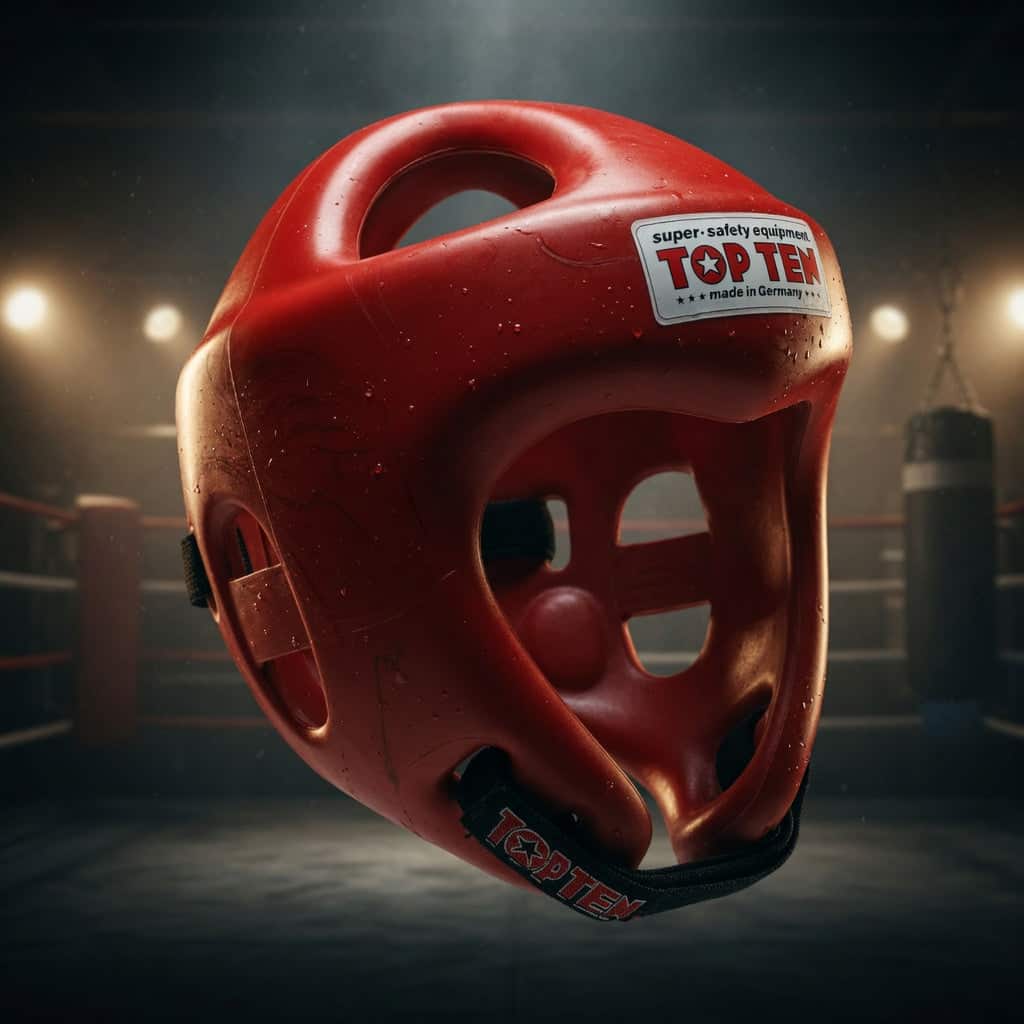
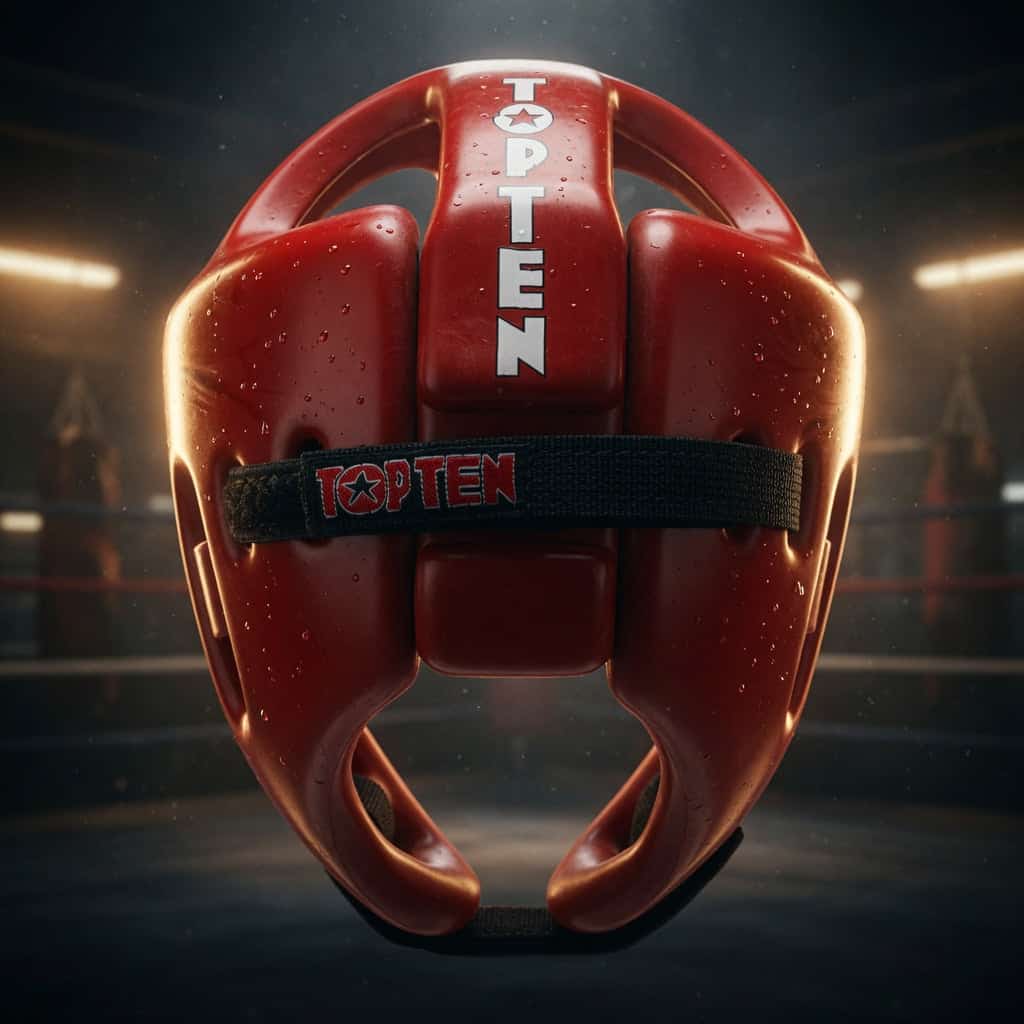


Lighter and more compact, for those who want better peripheral vision.
Boxing
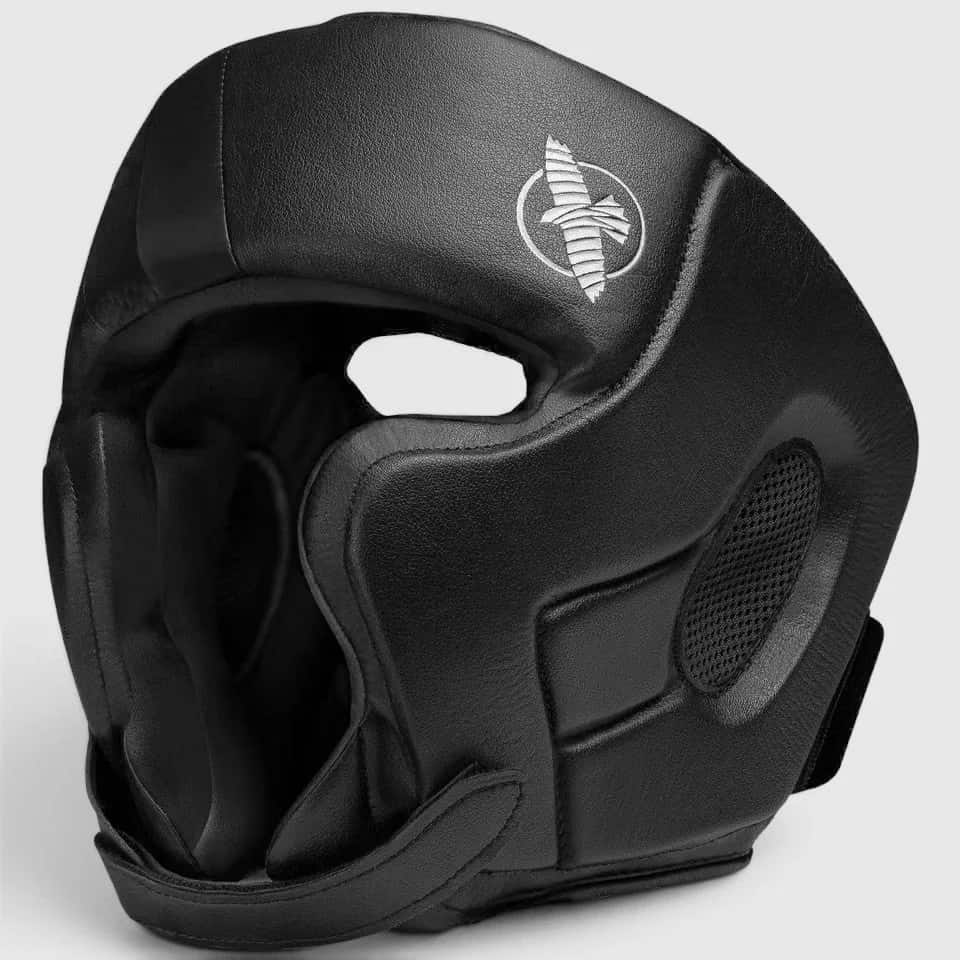
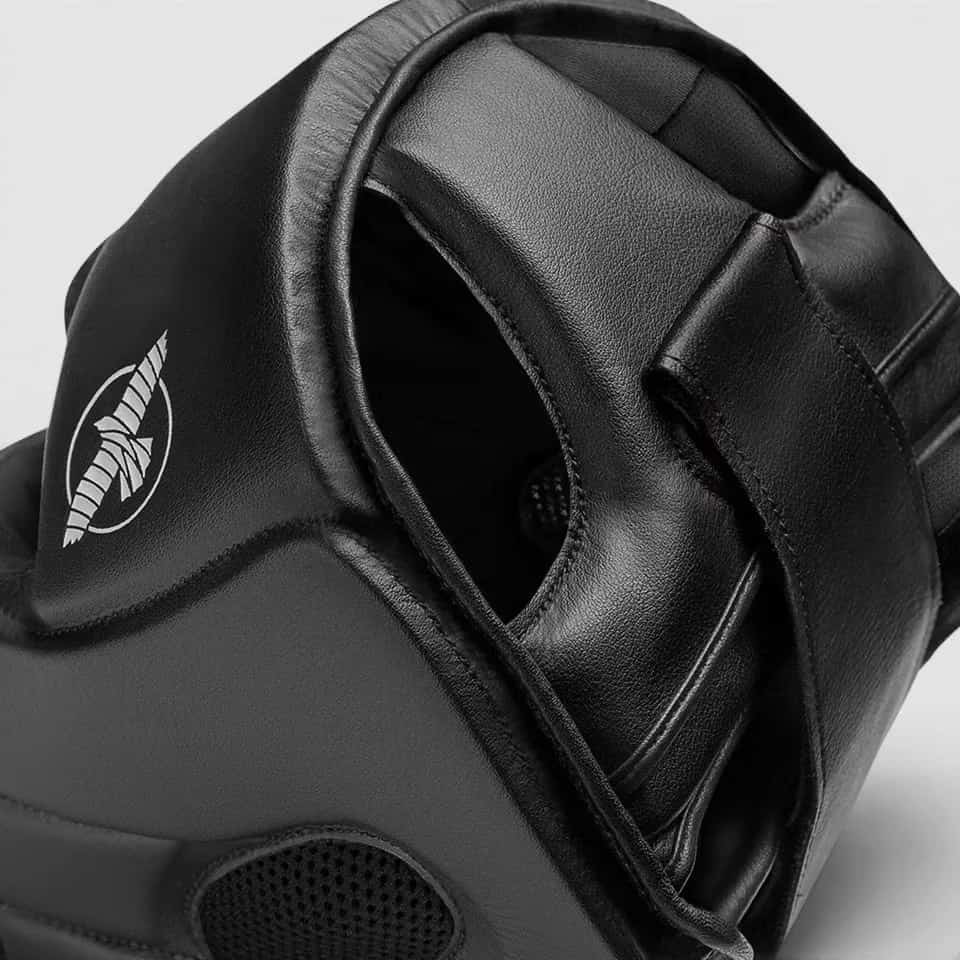
Compact helmet with cheek protection and a wide field of vision, for training and sparring.
Kids
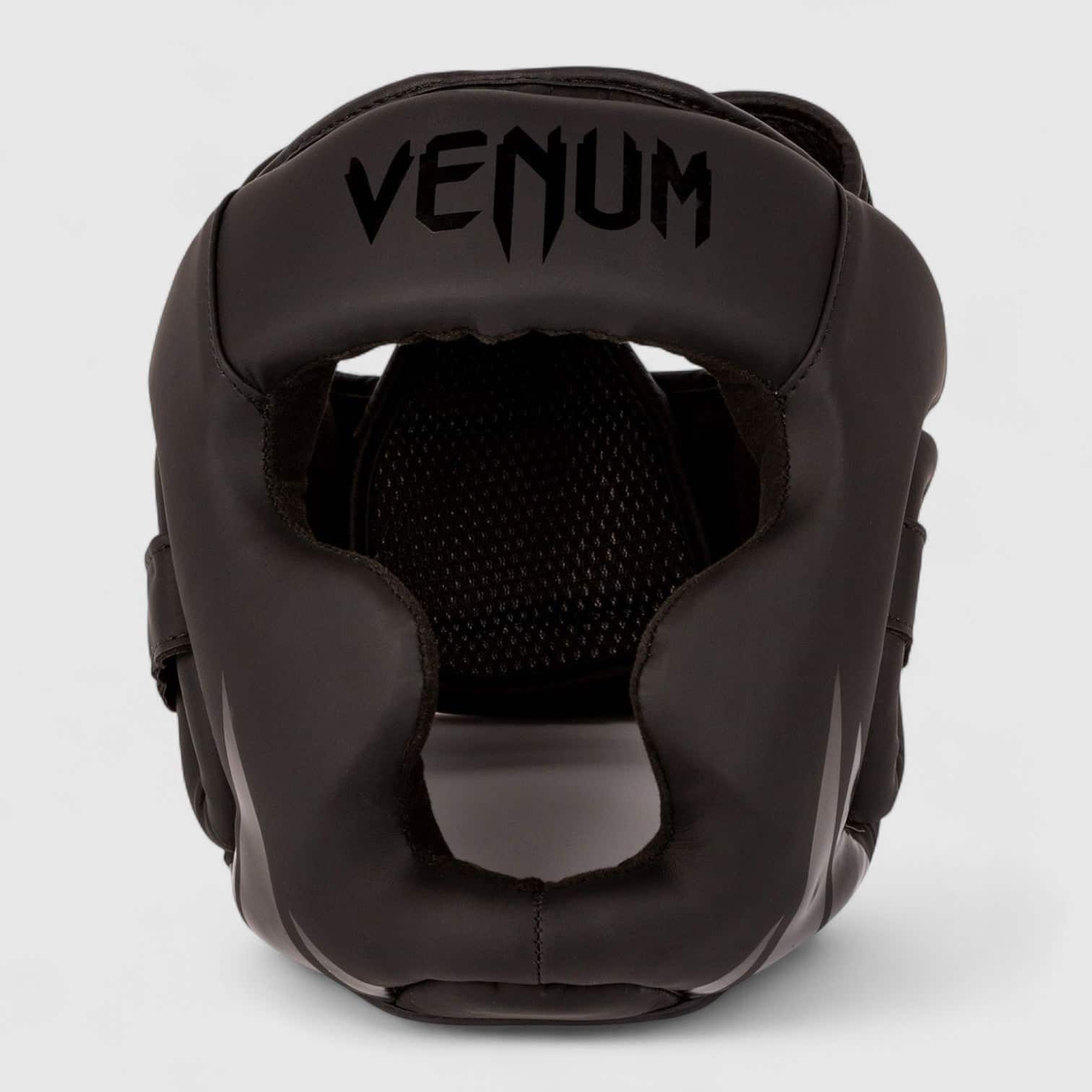
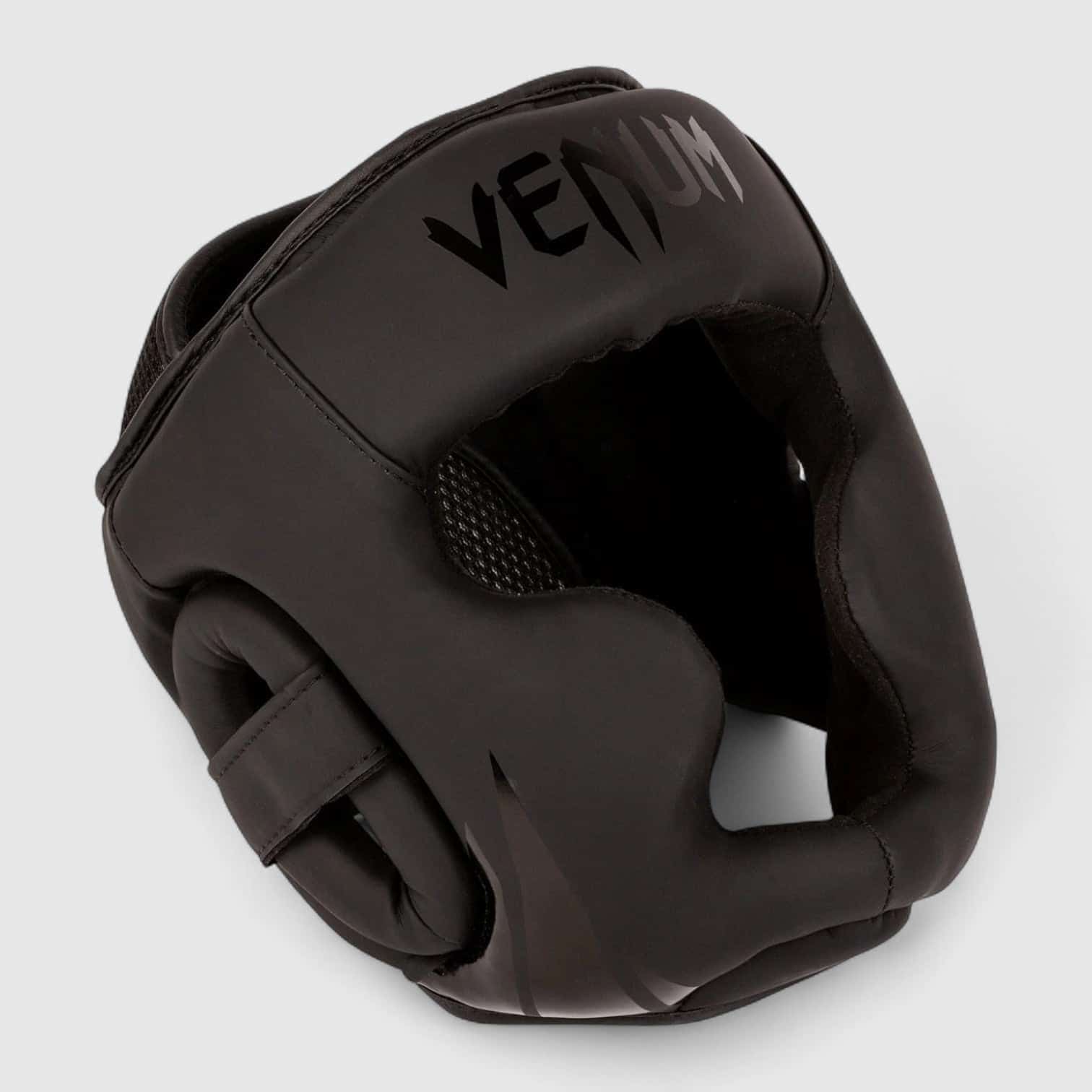
The right size for kids, instead of an adult helmet they have to grow into.
Muay thai
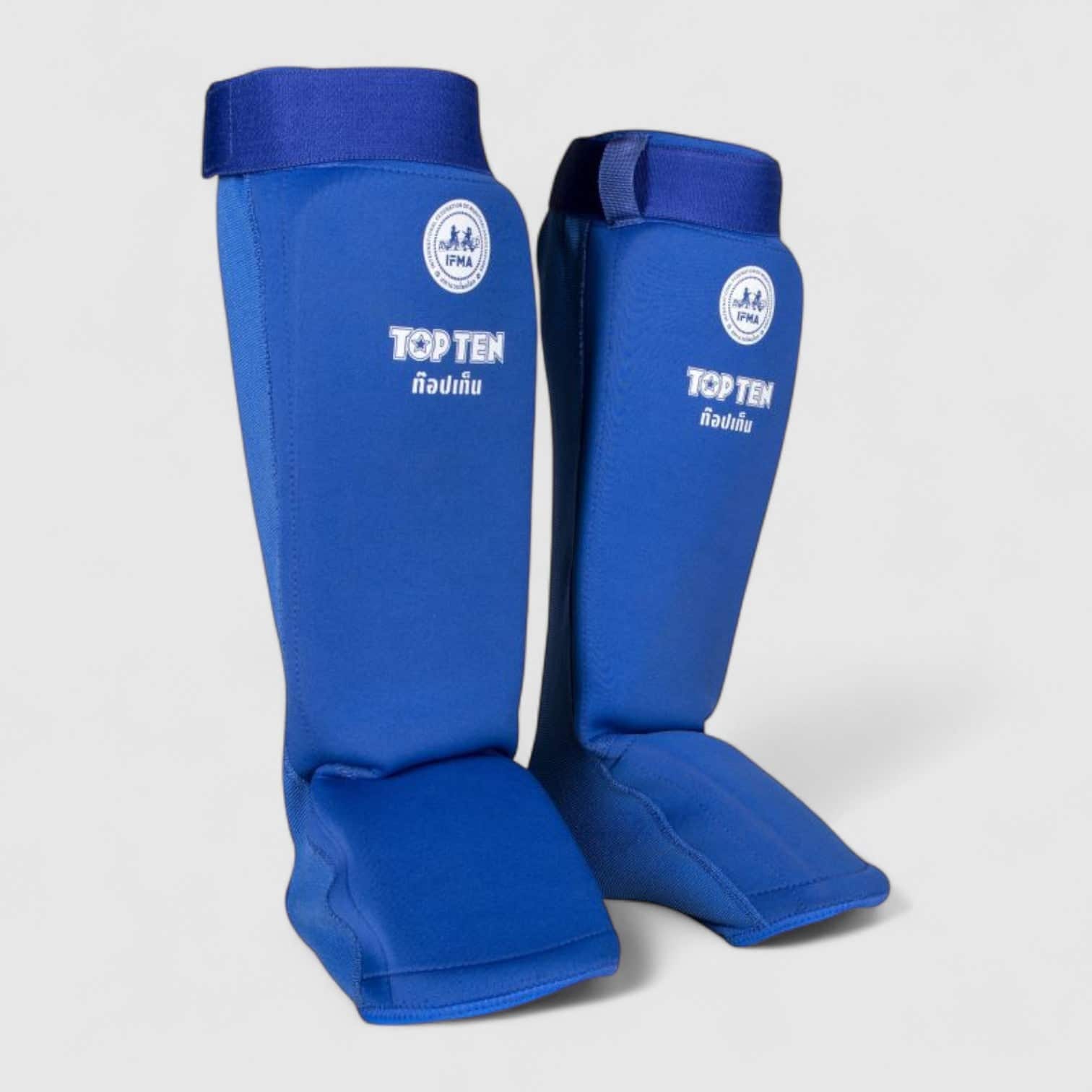


Built for IFMA rules, for training and competition.
Frequently asked questions
Is it illegal for a club to order equipment from a factory in Asia?
It is not illegal to buy from abroad. But protective equipment such as helmets and protectors must meet the requirements of the regulation before it is made available in Norway, and that also includes lending and gifts. If the club does this regularly, it may be regarded as an importer and become responsible for ensuring that the equipment is type-examined, labelled and has instructions in Norwegian.
Is it enough for the product to say CE?
No. For category II equipment, the CE mark must refer to a type examination by an approved conformity assessment body. Without that certificate the mark is not valid, and that is exactly what the Swedish cases were about.
Do boxing gloves have to be CE marked?
According to the European Commission's guide, ordinary boxing gloves are not personal protective equipment, because they primarily protect the opponent. Bag gloves are category I protective equipment. All gloves must nevertheless comply with the rules on product safety and chemicals, and in competition the federations' approvals apply.
How do I check whether a certificate is genuine?
An EU type-examination certificate is issued by a conformity assessment body with a four-digit number. Look up the number in the EU's NANDO database and check that the body is approved for Regulation 2016/425. Check that the model name and the manufacturer on the certificate match the product you have in your hand.
Who carries out supervision in Norway?
DSB supervises protective equipment for private use, such as training and sport. Arbeidstilsynet (the Norwegian Labour Inspection Authority) is responsible for protective equipment used at work.
What do we do with the equipment we already have?
Go through it and sort out anything that lacks a CE mark, an importer or instructions in Norwegian. If you are in doubt, you can contact us and we will help you assess it.
This article is a review of the regulations as they apply to martial arts equipment, and not legal advice. If you are unsure about the club's responsibility in a specific case, contact DSB or a lawyer.
Sources
- Regulation (EU) 2016/425 on personal protective equipment, Articles 3, 8, 10, 12 and 19, and Annex I
- Regulation of 22 June 2018 no. 1019 on personal protective equipment (Lovdata)
- European Commission: PPE Regulation Guidelines, 4th edition, October 2024 (the classification table, including points 9.7 and 9.12)
- European Commission: The Blue Guide on the implementation of EU product rules, 2022, section 2.2
- DSB: Fact sheet on personal protective equipment, 2025
- Konsumentverket: Judgment in the case Konsumentverket v Budo & Fitness Sport AB (Förvaltningsrätten i Karlstad, 10 November 2021)
- Konsumentverket: Judgment in the case Konsumentverket v Sporttema Sverige AB (Kammarrätten i Göteborg, 14 June 2021)
- European Commission, Taxation and Customs Union: results of customs checks on e-commerce, 3 March 2026
- Safety Gate: alert on training gloves «Power System Pro Grip Evo», July 2026
- Sveriges Konsumenter: Granskning av särskilt farliga ämnen i träningsutrustning (review of substances of very high concern in training equipment)
- SATRA: Overview of the EN 13277 standard series
- WAKO Equipment Book, Article 2.3.1, and Norges Kickboxingforbund: Approved equipment
- Australian Competition and Consumer Commission: recall of Bonds baby garments, 2015