October is the month when beginner classes fill up. The clubs have started the season, the first weeks of trial sessions are over, and most places still have room. If you are one of those who have been thinking about it for two years, this is the best month to show up.
This guide is not about which martial art to choose - we have written about that in a separate article. It is about the practical side: how to find a club near you, what to look for when you walk through the door, and what you actually need to buy.
Where to find the clubs
The best starting point is the national federation for the martial art you are considering. The federations have up-to-date club registers, and a club that is a member there is also subject to rules for coaches, insurance and children's sport.
- Kickboxing: Norges Kickboxing Forbund (the Norwegian Kickboxing Federation) has the overview of the clubs that compete in the Norway Cup and the national championships.
- Karate, taekwondo, jujutsu and more: Norges Kampsportforbund (the Norwegian Martial Arts Federation) brings several disciplines together, with separate sections for each sport.
- ITF taekwondo: Norsk Taekwon-Do Forbund (the Norwegian Taekwon-Do Federation) organises the ITF clubs in Norway.
- BJJ and MMA: The scene is more spread out, and many good clubs are organised as independent associations. Here, recommendations from people who already train are often the best way in.
The clubs can also be found on the municipality's list of clubs and associations, and most have their own page where the training times are kept up to date. Call or send a message before you show up - beginner classes usually have fixed start dates.
What to look for at the trial session
You will not be able to judge the technique. What you can judge is everything else - and that is actually what decides whether you are still training there a year from now.
| Look for | Good sign | Bad sign |
|---|---|---|
| How you are welcomed | Someone comes over, asks your name, shows you where to stand | Nobody says anything, and you figure everything out yourself |
| Differences in level | Experienced members help newcomers, without showing off | The strongest only train with each other |
| Warm-up and cool-down | Structured, with time for mobility | Straight in, and straight out |
| Sparring | Controlled, adapted to level, and voluntary at first | Newcomers are thrown into hard sparring on the first evening |
| The premises | Clean, aired, mats in good condition | Smell, worn equipment, damaged mats |
The questions you should ask
- What does membership cost, and what is included? The club membership fee and the training fee are often two different things.
- Is there a commitment period? Most sports clubs work by semester or year.
- When does the beginner class start, and how long does it run? Some run fixed courses, others have open classes.
- What do I need to have myself, and what does the club lend out? This decides what you need to buy.
- Who is the coach, and what is their background? A perfectly legitimate question, and one that good clubs are happy to answer.
- Is the club affiliated with a federation? It matters for insurance and for the chance to compete later.
What it actually costs
Martial arts are among the most affordable organised sports in Norway, and that is worth saying out loud. A club membership typically costs a fraction of a gym membership, and the equipment is a one-off cost that lasts for years.
What you should budget for in the first six months is membership, a licence if you are going to compete, and basic equipment. If you are doing kickboxing or boxing, gloves and hand wraps come first. If you are doing karate, taekwondo or BJJ, the uniform is the big expense.
What to buy, and when
Our advice is the same for everyone: buy as little as possible at first. Not because we do not want to sell, but because that is how you avoid being left with a full set of equipment for a sport you quit in November.
| When | What to buy |
|---|---|
| First time | Nothing. T-shirt, shorts or training trousers, water bottle. The club lends you the rest. |
| After two or three times | The personal items: mouthguard if there is sparring, hand wraps if there is striking, a uniform if the discipline requires it. |
| After a month | Your own gloves or protection. Now you know you are staying, and you know what the club actually uses. |
| After six months | Competition equipment, if you have started wanting to compete. |
There is one thing you should still buy straight away if the club does sparring: your own mouthguard. It is personal for obvious reasons, and it costs little.
Buy straight away
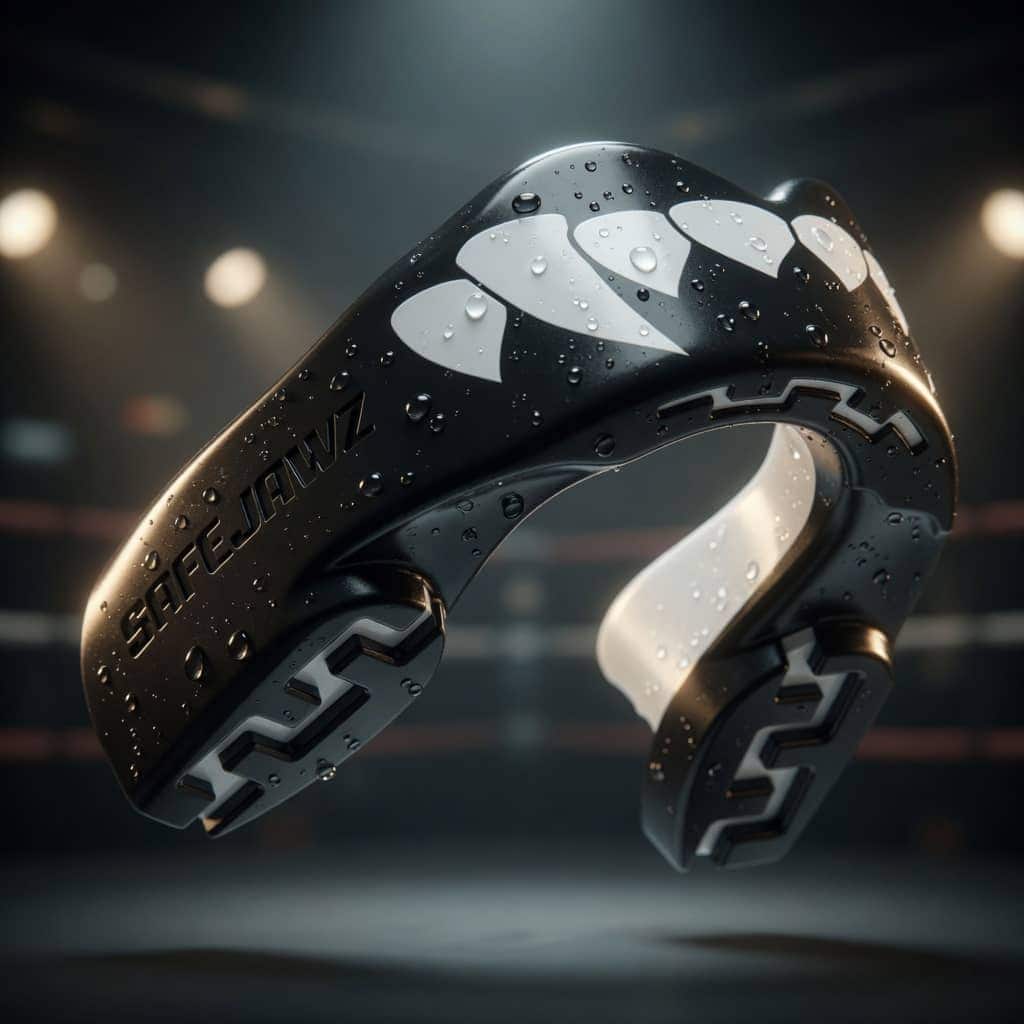
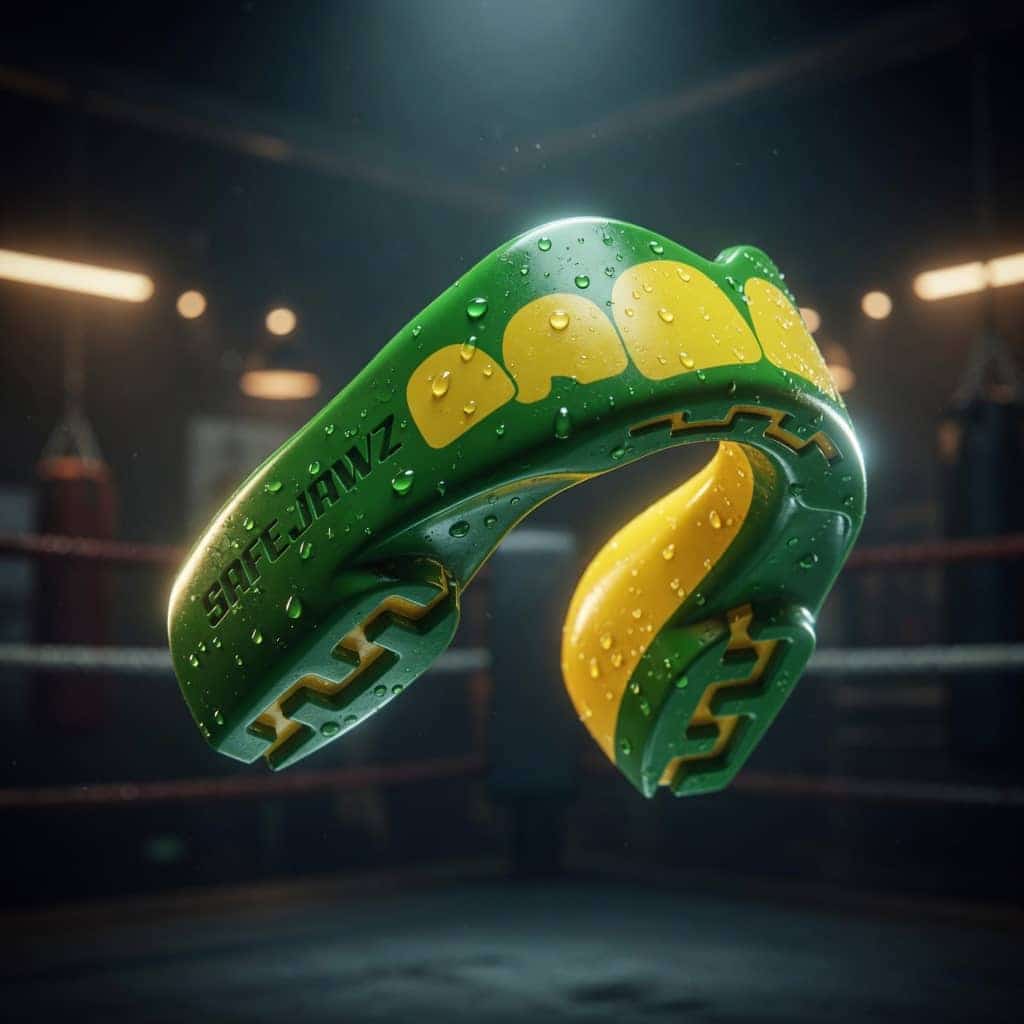


199 kr. Boiled and moulded at home. Also available as INTRO for 129 kr if you want to start even cheaper.
Do you strike?
259 kr. The simplest option for anyone who has not yet learned to tie hand wraps. Learn it eventually - we have a separate guide.
Karate
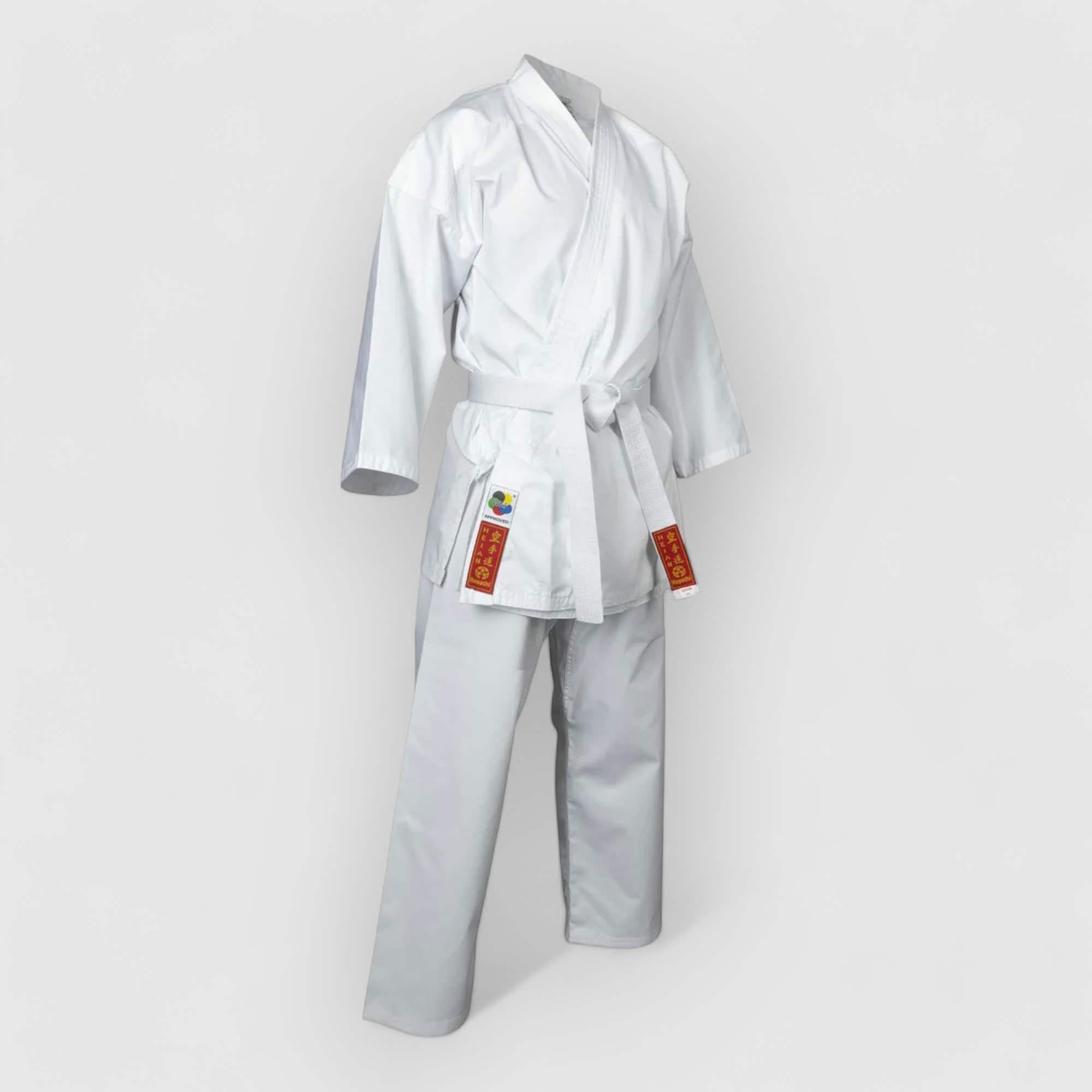
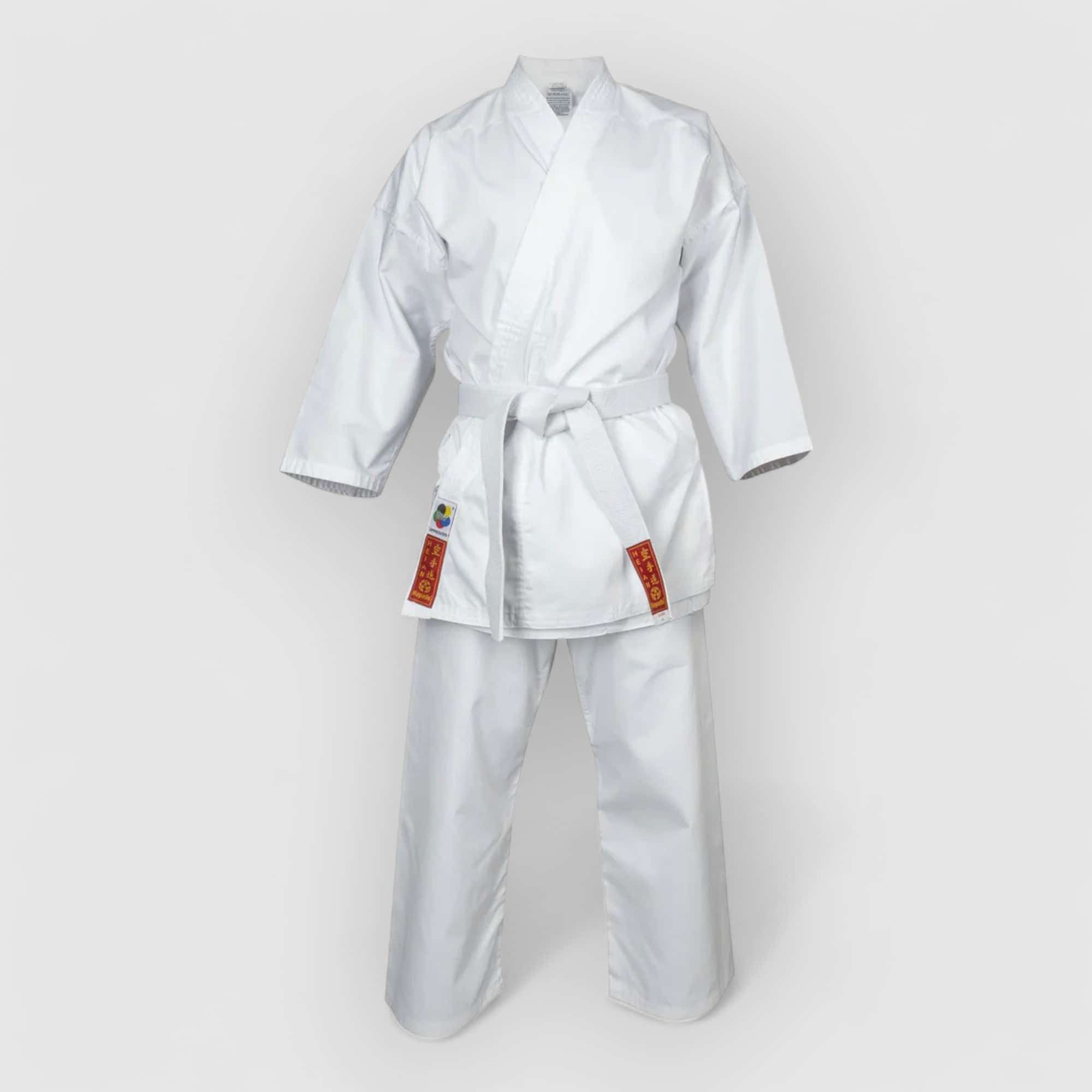
From 490 kr. WKF-approved, and the uniform we sell most of to new karate practitioners.
White belt
From 25 kr. The cheapest purchase in all of martial arts, and the one you start with.
The thing you forget
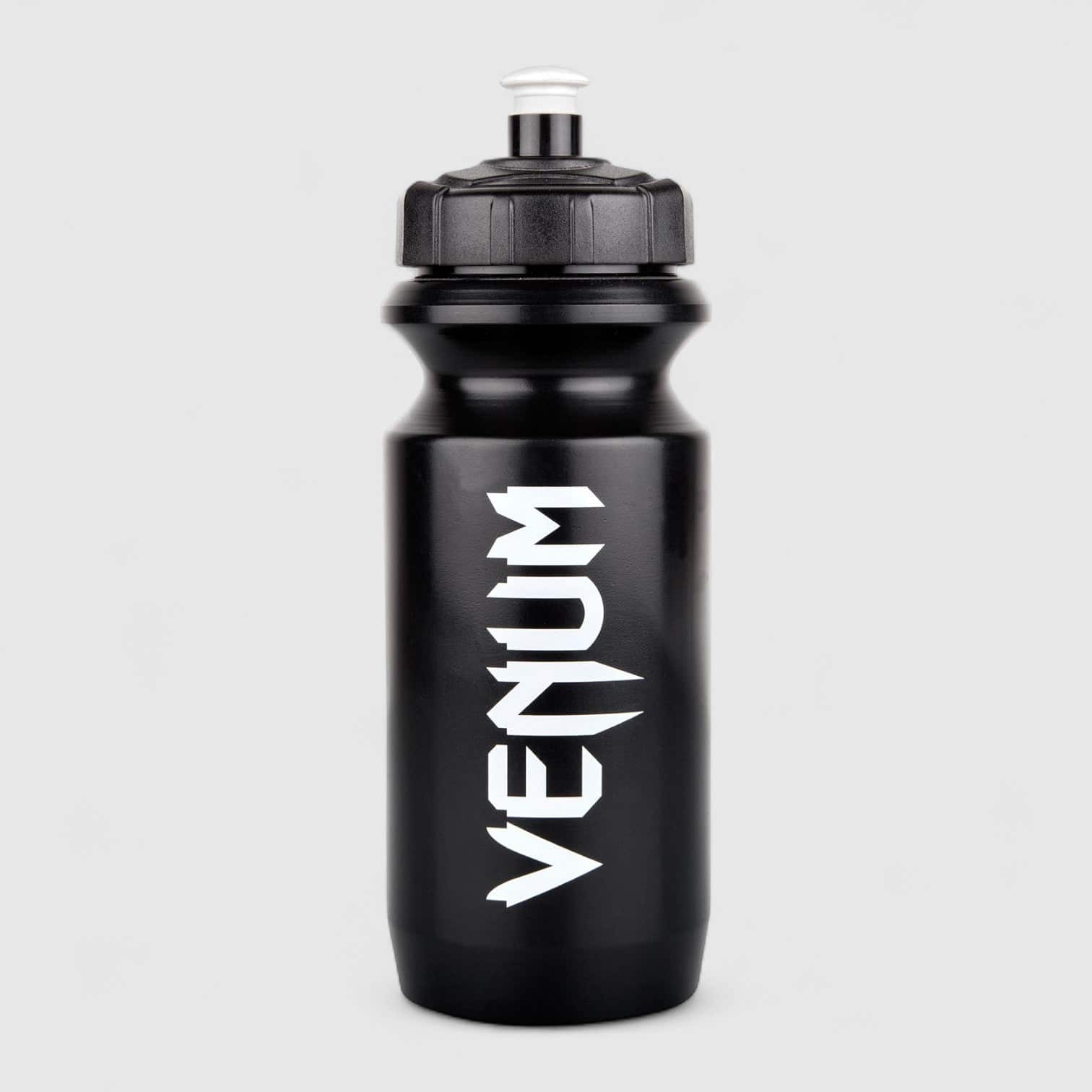
99 kr. Martial arts halls rarely have a water dispenser where you are standing. Bring your own.
See equipment for children who are starting
The first month, week by week
- Week 1: Show up. Bring a water bottle and clothes you can move in. Say that you are new.
- Week 2: Come back. The second time is the most important - that is where most people drop out, and that is where you start recognising faces.
- Week 3: Sign up if it feels right, and buy the personal equipment.
- Week 4: Ask the coach what you should work on. That gives you something concrete to take to the next session, and you stop being the new one.
Frequently asked questions
Am I too old to start?
No. Adult classes are full of people who started in their thirties and forties. What changes with age is how quickly you recover, not whether you can learn.
Do I need to be fit first?
No, and it is one of the most common reasons people put it off for years. The fitness comes from the training. Let the coach know if you have injuries or illnesses that are worth knowing about.
Do I have to spar?
Not at first, and in many clubs not at all if you do not want to. Ask about it at the trial session - the answer says a lot about the club.
What if I do not enjoy it?
Then you try another club. The atmosphere varies more between clubs than between martial arts, and it is perfectly fine to switch.
Can children and adults train at the same club?
Yes, and most clubs have separate classes for children, teenagers and adults. Read more about when children can start.