It often starts with a thought in August. Clubs post their beginner courses, someone at work has started training BJJ, and you wonder whether it might be something for you too. Then comes the question that holds people back longer than it should: which martial art is right for me?
The disciplines side by side
| Discipline | Where it happens | Barrier to entry | Gear in the first month |
|---|---|---|---|
| Boxing | Standing, hands only | Low | Hand wraps and gloves |
| Kickboxing | Standing, hands and kicks | Low | Hand wraps, gloves, later shin guards |
| Muay Thai | Standing, eight points of contact and clinch | Medium | Shorts, hand wraps, gloves |
| BJJ | On the ground, grips and position | Medium | Gi, or rashguard and spats |
| MMA | Both standing and on the ground | High | Rashguard, shorts, hand wraps |
| Karate and taekwondo | Standing, syllabus and gradings | Low | Uniform |
Below we go through what actually sets them apart, who they suit, and what you need in the first month. Note that last point: you need far less than you think to get started.
Boxing
Boxing is the easiest way in for most adults. You have two weapons and one set of rules, and the first months are about footwork, balance and learning to move your head. It sounds limited, but it is exactly that limitation that makes you good quickly.
The fitness demand is real. A boxing class is often the hardest session of the week, even for people who already train a lot. On the other hand, you do not need to be fit to start – you get fit by turning up.
Suits you if you want fast progression, a clear structure and a session that takes your fitness seriously.
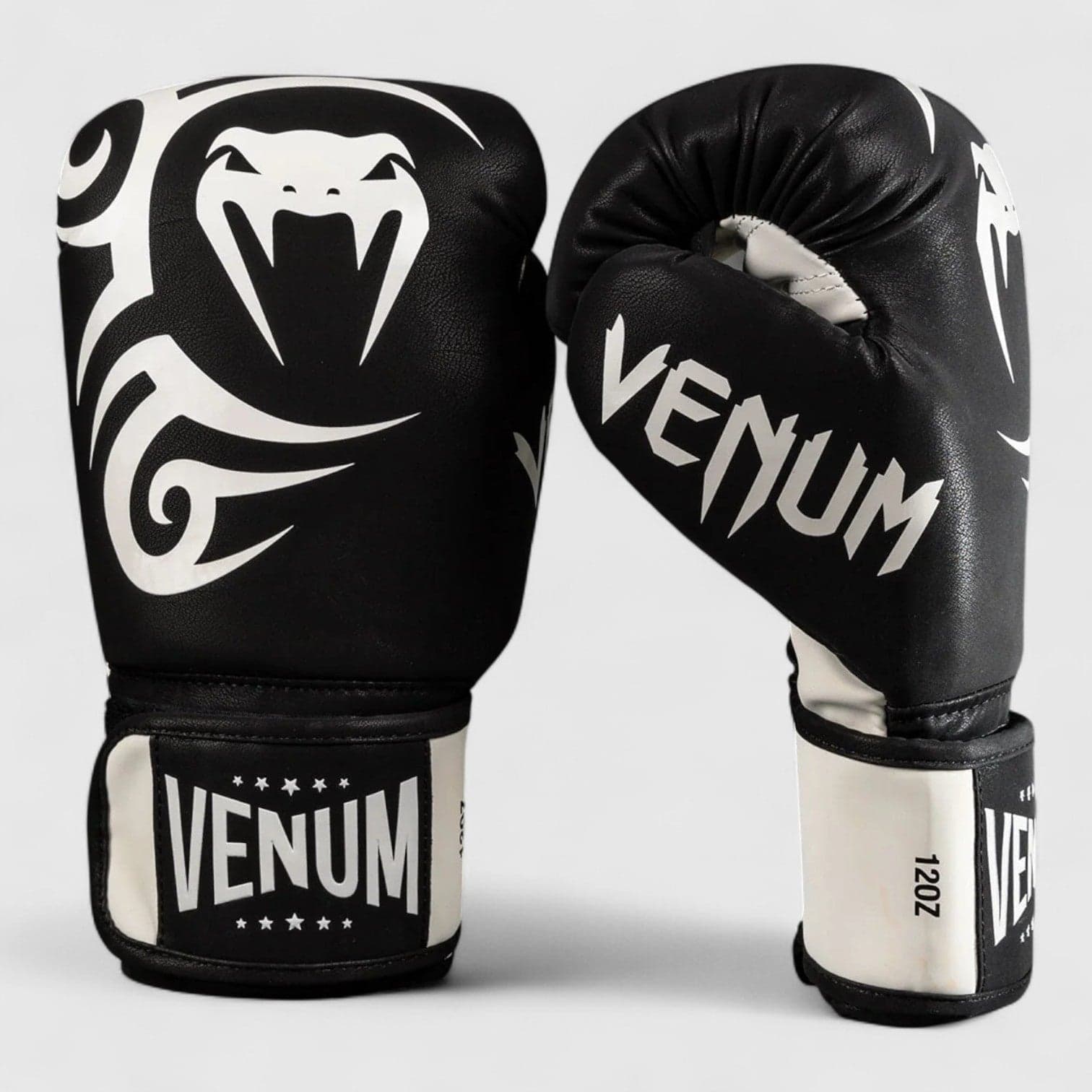
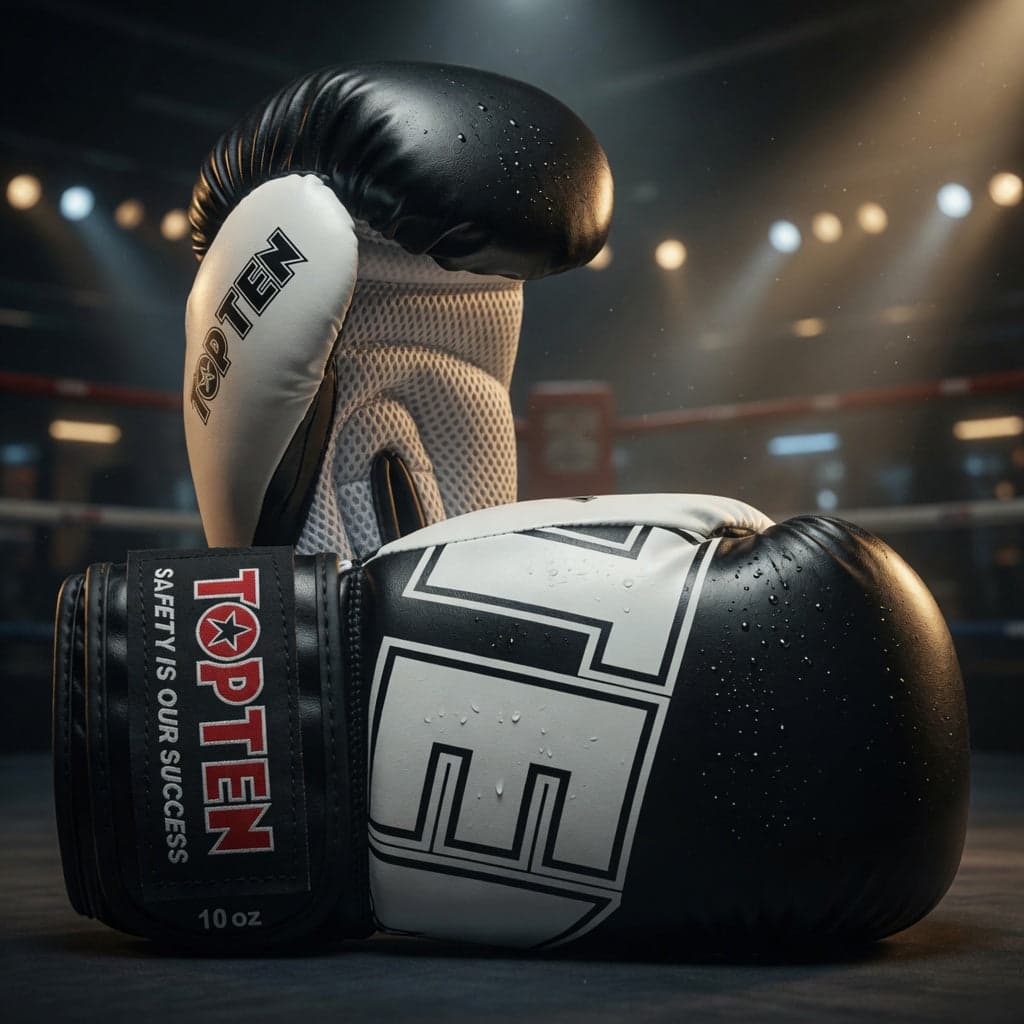
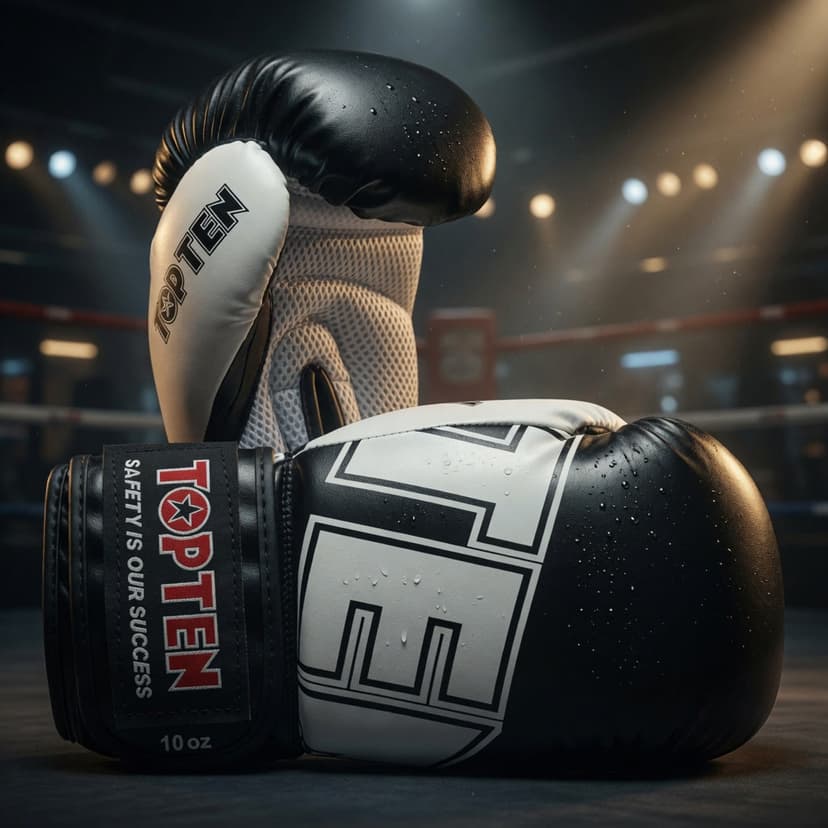
What you need in the first month: hand wraps and a pair of gloves. Many clubs have loan gear for the first few weeks, but you should buy your own hand wraps from day one for hygiene reasons. The TOP TEN NK 3 is a safe, federation-approved first glove. If you are unsure about size, read our guide on how to choose boxing gloves. See also beginner gear for boxing.
Kickboxing
Kickboxing is boxing plus kicks, and in Norway it is one of the best organised martial arts. There is a clear competition system through NKBF and WAKO if you want to go that way, and a large recreational community if you do not.
For beginners it often offers the best balance between variety and accessibility. You get more to work with than in boxing, but without the clinch and elbows that make Muay Thai more demanding in the first months. The disciplines also vary: point fighting is light-contact and technical, while full contact and K1 are heavier.
Suits you if you want to use both hands and legs, and like the idea that there is a competition system if you get a taste for it.
What you need in the first month: hand wraps and gloves, as in boxing. Shin guards come in as soon as you start sparring – see our guide to choosing shin guards for kickboxing. If you are going to compete, read about WAKO-approved head guards before you buy. See beginner gear for kickboxing, or read what kickboxing actually is.
Muay Thai
Muay Thai is often called the art of eight limbs: hands, elbows, knees and shins. On top of that comes the clinch, which is the part new athletes underestimate most. It is a physically demanding sport, but also one of the most complete stand-up styles.
The barrier to entry is a little higher than kickboxing, not because the technique is harder, but because the body needs time to tolerate the kicks. In the first weeks your shins hurt. That passes.
Suits you if you want the broadest possible stand-up repertoire and do not mind your body getting a proper workout.
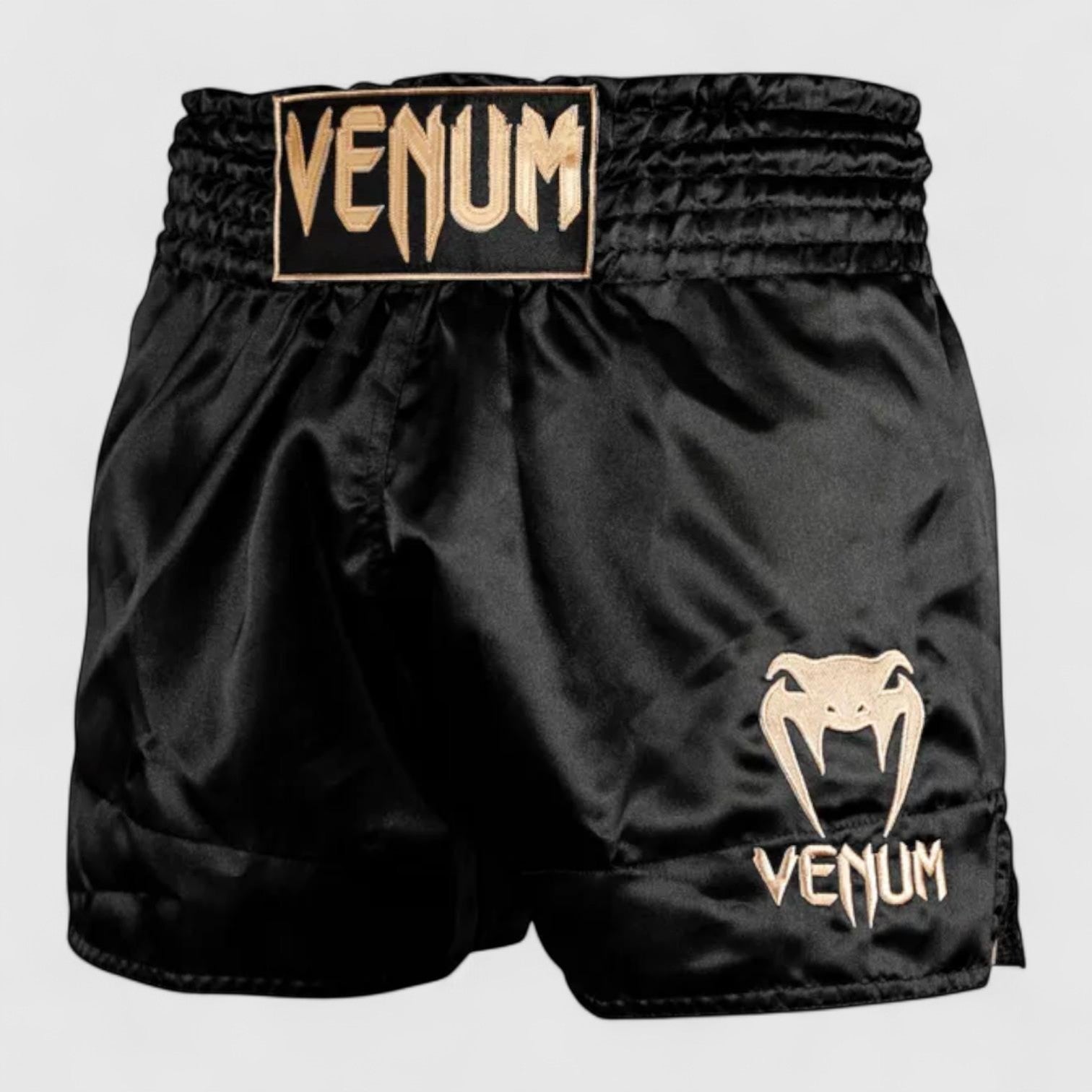
What you need in the first month: a pair of Muay Thai shorts, hand wraps and gloves. The shorts are not decoration – the short length and wide elastic exist because they give mobility for high kicks. If you are unsure about size, see our size guide. See beginner gear for Muay Thai, or read what Muay Thai is.
Brazilian jiu-jitsu
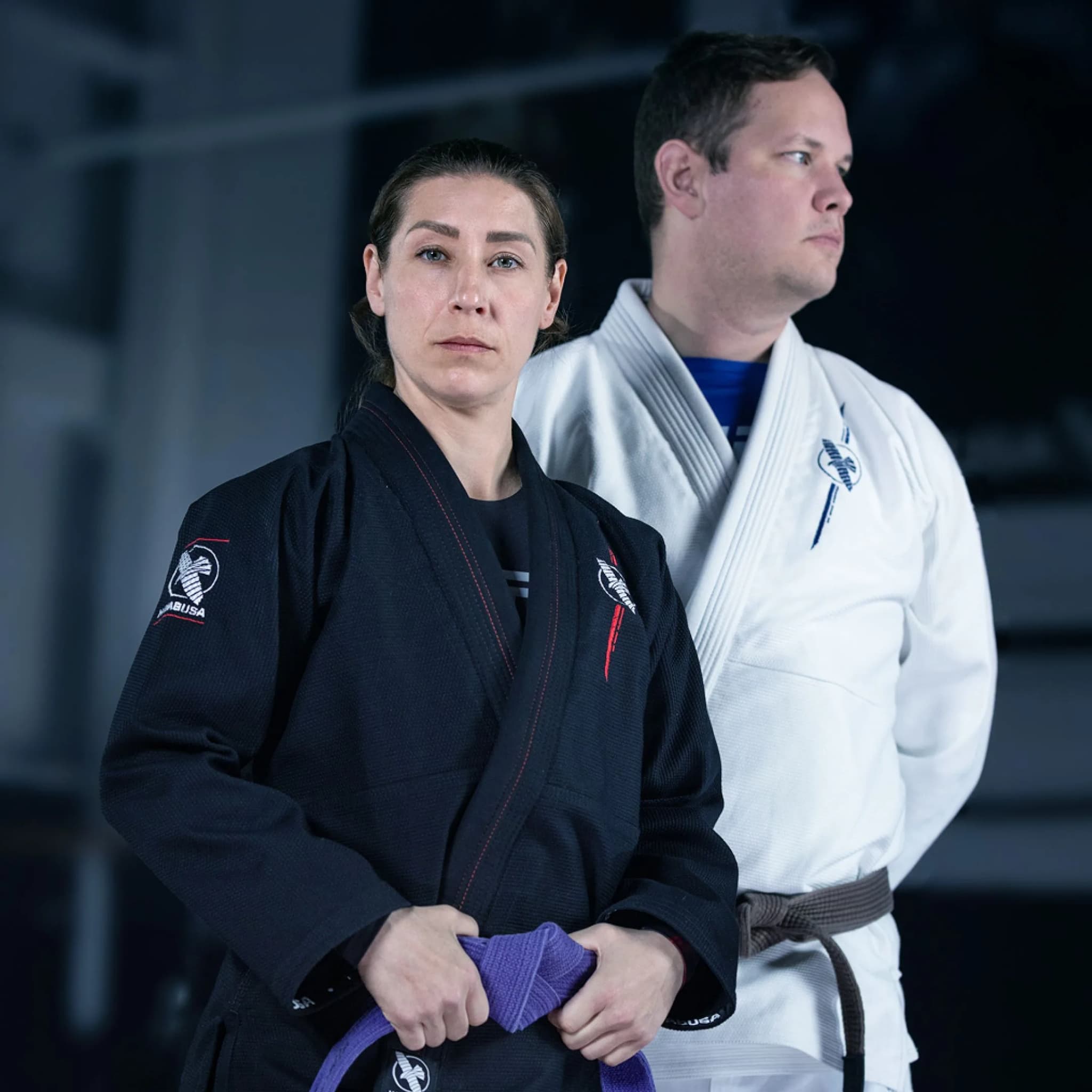
BJJ differs from everything above in that there are almost no strikes. Training takes place on the ground, with grips, positioning and submissions. It is the martial art most adults stick with for many years, and a big part of the reason is that you can train hard without taking blows to the head.
It is also the most technically demanding to get into. The first months largely consist of being held down by people who are smaller and older than you. It is frustrating, and that is the point: technique beats strength, and you feel it in your own body before you understand why. Grading is slow – if you want to know why, read about the BJJ belt order.
Suits you if you enjoy problem-solving, want to train for a long time without strain on your head, and can handle losing a lot at the start.
What you need in the first month: a gi if the club trains with uniforms, or a rashguard and spats if they train no-gi. Ask the club first – it varies, and many have loan gis for the first few weeks. See BJJ gear.
MMA
MMA combines stand-up and ground fighting. It gives the most complete skill set, but also the steepest learning curve, because you have to build two completely different skill sets at the same time.
Suits you if you have time to train several times a week and want the whole picture.
What you need in the first month: a rashguard, shorts and hand wraps. MMA gloves come when you start sparring – they are not the same as boxing gloves, and you should choose a training model rather than a competition model. Read MMA in Norway for the full picture, and see MMA gear.
Karate and taekwondo
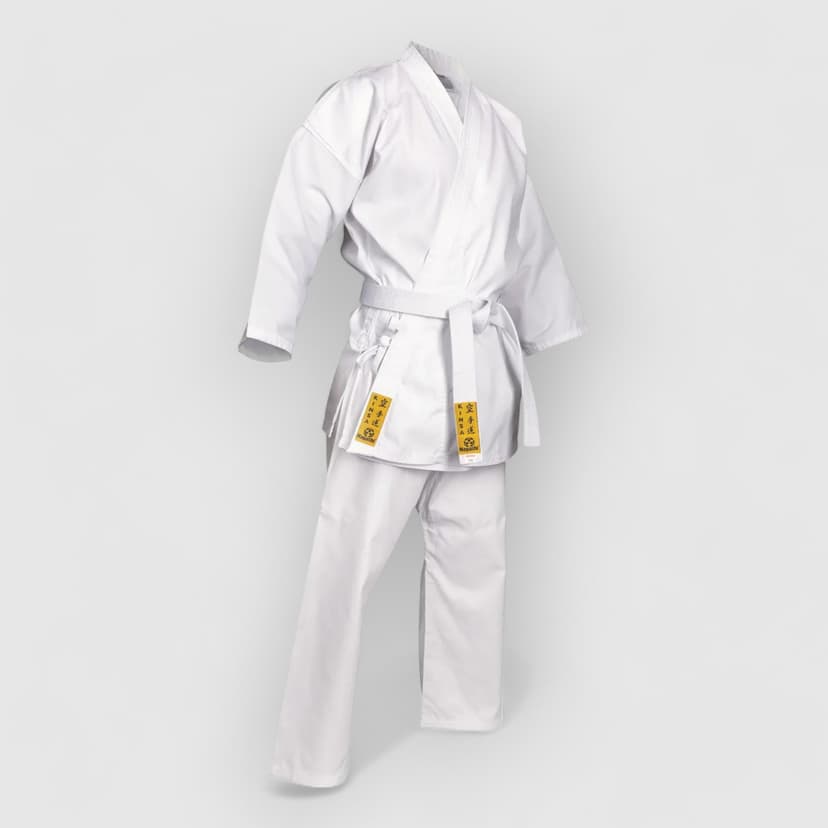
These two differ from the rest in that they have a clear syllabus and gradings you can measure yourself against. You know what is required for the next belt, and you know roughly how long it takes. For many adults, that very structure is motivating.
Both also have a strong club culture and good children's classes, which makes them popular with families where several members train. Karate is often split into kata, which is forms, and kumite, which is sparring – and you can put the emphasis where you like.
Suits you if you like measurable progression, technical precision and a clear syllabus.
What you need in the first month: a uniform. The Hayashi Kinsa is a typical beginner uniform for karate. For taekwondo, the requirement varies depending on whether the club follows ITF or WT, so ask before you buy. See beginner gear for karate, or read about the difference between ITF, NTN and WT in taekwondo.
What you do not need to buy before your first class
This is where people spend money unnecessarily. You do not need a head guard, shin guards, a groin guard or competition gear for a trial class. You need training clothes you can move in, a water bottle and a mouthguard if there is likely to be contact.
What you should buy straight away, on the other hand, is hand wraps if you are going to punch, and your own mouthguard if there will be contact. Both are hygiene items, and neither is expensive.
You buy the rest after three to four weeks, when you know you are going to continue and have had recommendations from your coach. We have a separate packing list for your first martial arts session if you want it completely concrete.
How to find a club this autumn
September is the best month to start. Clubs start beginner groups, you come in together with others who are also new, and you avoid jumping into a group that has trained together for six months.
Try at least two clubs before you decide. The environment matters more than the style for whether you continue. A good coach in a sport you were lukewarm about beats a mediocre coach in the sport you had in mind. Most clubs offer free trial classes or a trial week.
If you are unsure whether your age is a problem, the answer is almost always no. Adult beginners are the norm in Norwegian martial arts clubs, not the exception.
Frequently asked questions
Which martial art is easiest to start as an adult?
Boxing and kickboxing have the lowest barrier to entry. The rules are easy to understand, you need little gear, and you can take part in a regular class from the first time. BJJ has a slightly steeper start because the technique is less intuitive, but it is very beginner-friendly physically.
Am I too old to start martial arts?
No. Most Norwegian clubs have adult beginners of all ages, and many start in their forties and fifties. If you choose a sport without blows to the head, such as BJJ, the strain on the body is also lower than in many ball sports.
How much does it cost to get started?
Expect a club membership fee plus some basic gear. For boxing or kickboxing, you get a long way with hand wraps, gloves and a mouthguard. For BJJ and karate, the uniform is the single biggest expense. Competition gear can wait until you are actually going to compete.
How many times a week should I train?
Twice a week gives steady progress for most adult beginners. Once keeps you going, but progression will be slow. Three or more gives rapid development, but then you should take care with recovery, especially in the first months.
Do I have to spar?
Not at the start, and at many clubs not at all if you do not want to. Serious clubs let you build up gradually and choose sparring partners with care. Tell the coach what you are comfortable with.
Are martial arts suitable for children too?
Yes, and many families train in parallel. We have separate guides on which martial art suits children and when children can start.