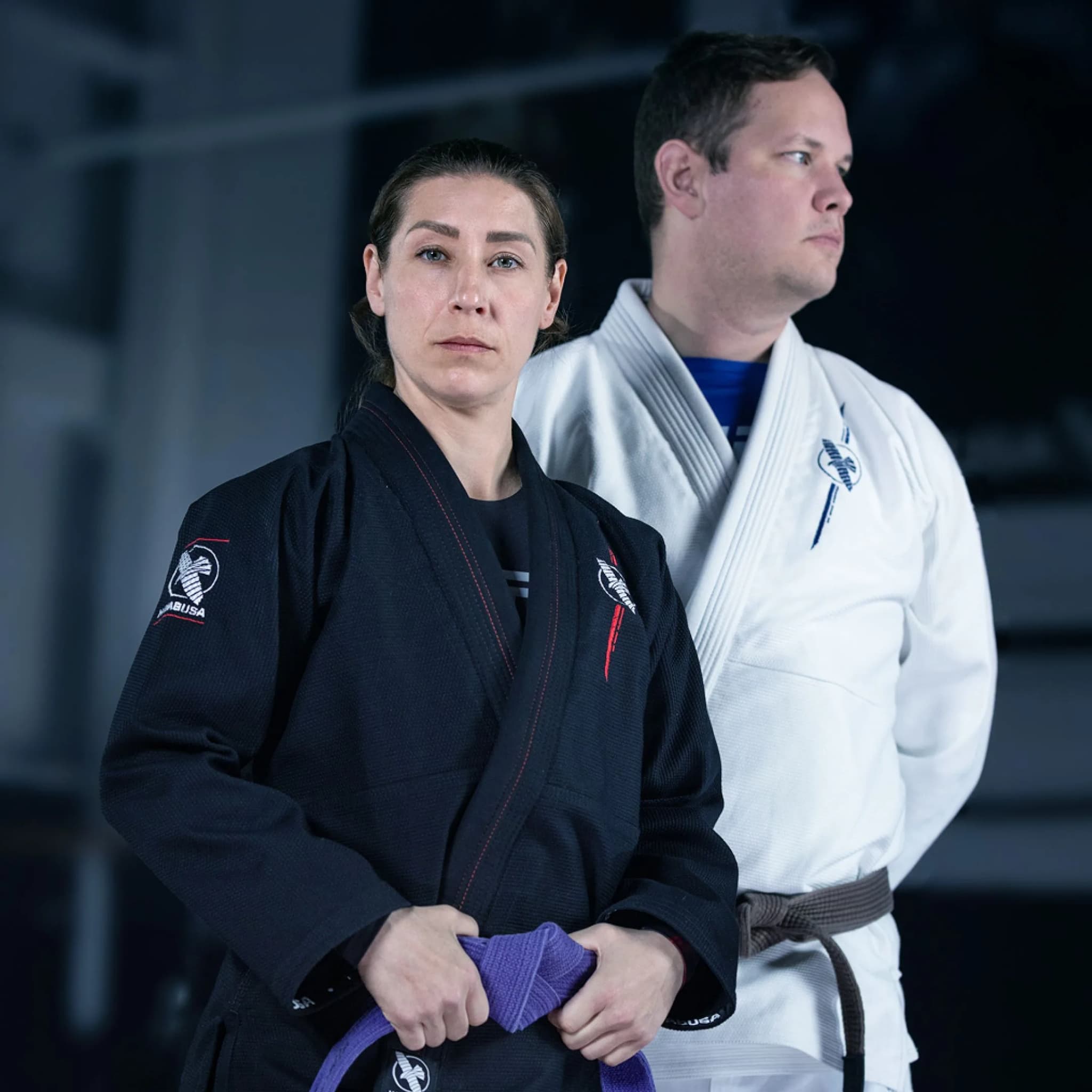

People start martial arts for many reasons: self-defence, fitness, competition, or just because they want to try something other than the treadmill. Most stay for completely different reasons from the one they started with.
This article is about what martial arts actually do for the body and mind, why this form of training works so well over time, and how to choose the one that suits you.
What martial arts do for the body
- Fitness. A typical session is interval training in practice: a high heart rate in rounds, short breaks, repeated. It is one of the most effective ways of building endurance.
- Whole-body strength. Punches come from the legs and hips, not the arms. Grappling is heavy, continuous work against resistance. Neither involves isolated exercises.
- Coordination. You learn to do several things at once with different parts of the body, and that carries over to movements outside training.
- Balance and body awareness. You learn where your body is in space, how to fall, and how to get back up again.
- Mobility. Kicks, knees and ground work demand a range of motion that few other adult activities provide.
Because training varies from session to session, the load is also more varied than in many other sports. That is one of the reasons people keep going for a long time without getting bored.

What they do for the mind
Full concentration. This is the effect most people mention. When you spar or drill technique with a partner, there is no room to think about work. It isn't mindfulness as an exercise, but as a consequence.
Clear progress. Martial arts have built-in yardsticks: techniques you couldn't do before, positions you can now get out of, gradings. Progress you can see is easier to keep going with than progress you can only hope for.
Losing in a controlled way. In grappling and sparring you lose all the time, in a safe setting, against people who are better than you. Over time it becomes easier to cope with not succeeding straight away, off the mat too.
Confidence without aggression. People who have trained martial arts for a while usually have less to prove, not more. You know what you can and can't do.
Routine. Fixed training times and a community that notices whether you turn up make it easier to keep going through a busy period.
Why people stay
The dropout rate in ordinary gym training is high. In martial arts clubs it is usually lower, and the reason isn't that the training is easier.
The first reason is that there is always something to learn. You are never finished with technique, which keeps the training interesting long after the novelty has worn off.
The second is other people. You train with someone, not next to someone. If you disappear for three weeks, someone notices. It is a simple mechanism, and it works.
Martial arts for children
For children there are some extra benefits. Structure and clear boundaries, with fixed rituals, clear rules and an instructor who expects them to be followed. Motor development, where balance, coordination and body control are trained systematically. And a progression through belts that makes progress visible.
Many parents worry that martial arts make children more aggressive. The experience from clubs is the opposite: children who learn what punches and throws actually do, in an environment where respect for your training partner is the first rule, rarely become more violent as a result.
How to choose the right martial art
- Don't want to take blows to the head? Choose Brazilian jiu-jitsu. There is no striking.
- Want fitness and simple gear? Choose boxing. Gloves and hand wraps, and you are good to go.
- Want to use your whole body? Choose Muay Thai or kickboxing.
- Want structure and grading? Choose taekwondo or karate.
- Want self-defence without competition? Choose Krav Maga.
- Want a bit of everything? Choose MMA.
Get started
Find a club nearby, take a trial session, and turn up twice. The first time always feels unfamiliar. The second time you start to recognise things, and that is when you can actually judge whether this is for you.
You need little to start. Most clubs lend out the essentials the first few times. Buy your own gear when you know you will keep going, and then buy what the club actually uses.
Our recommendations
Buy this first
Clubs will often lend you gloves, but rarely hand wraps.
First gloves
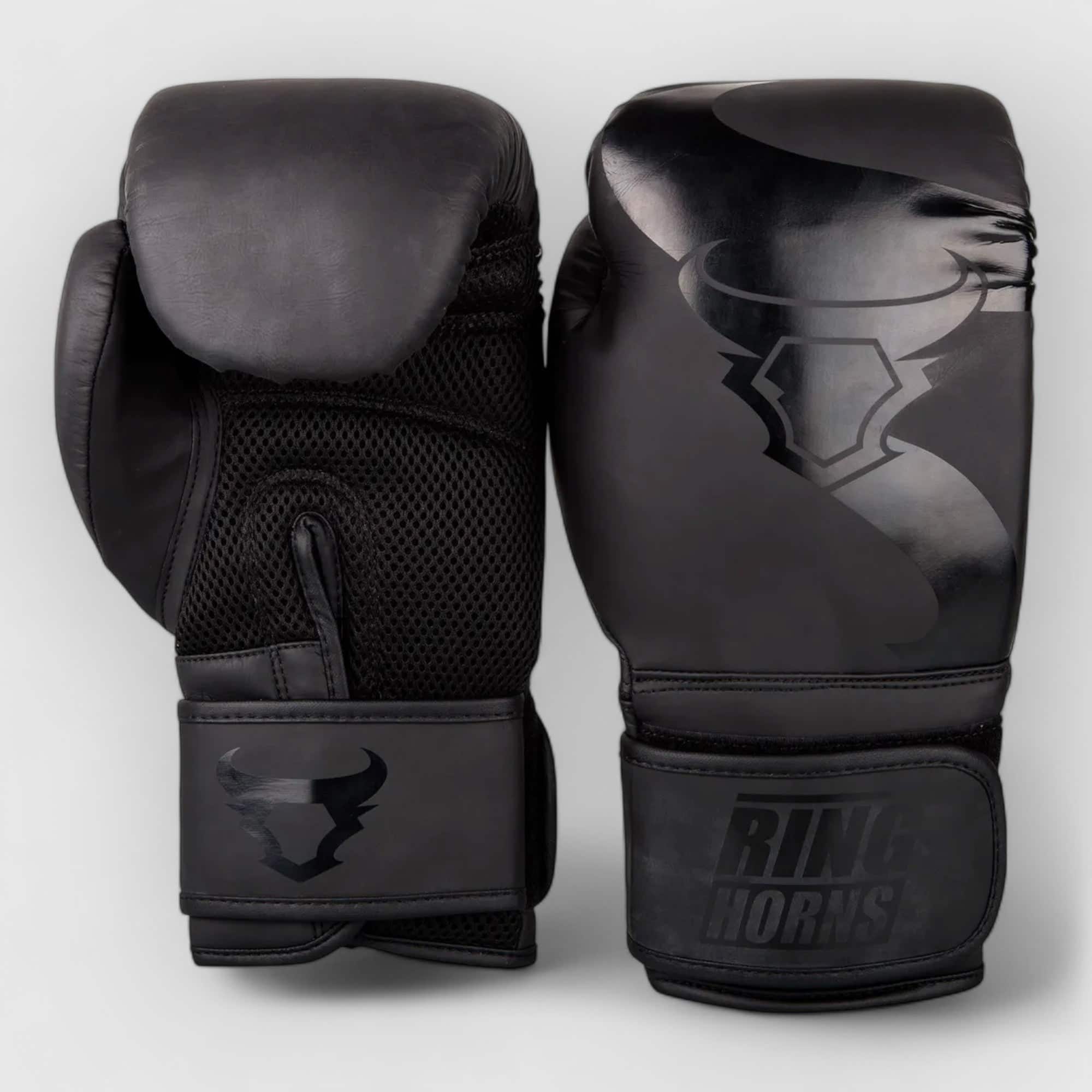
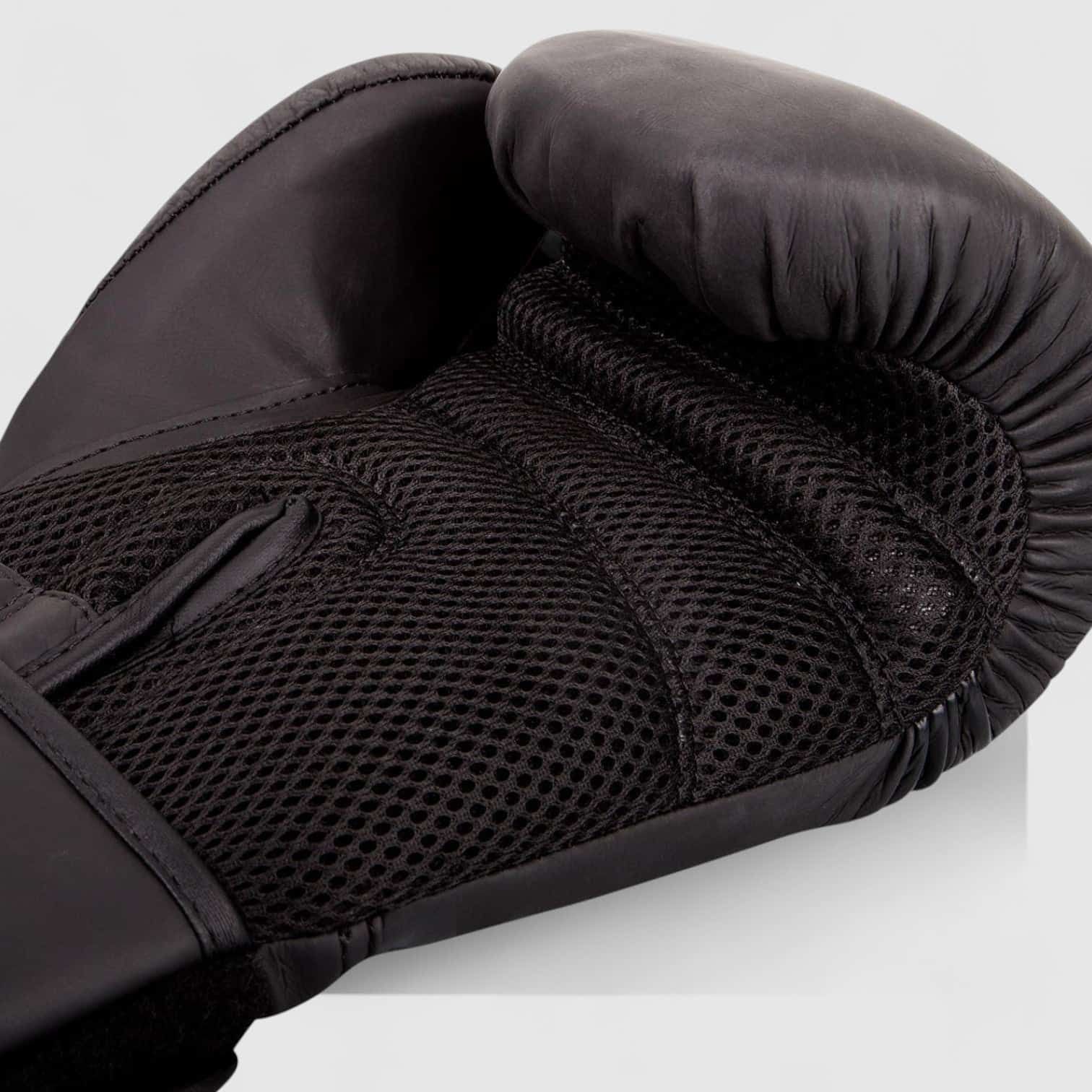
An affordable all-round glove for bag work, pads and light sparring.
Before you spar

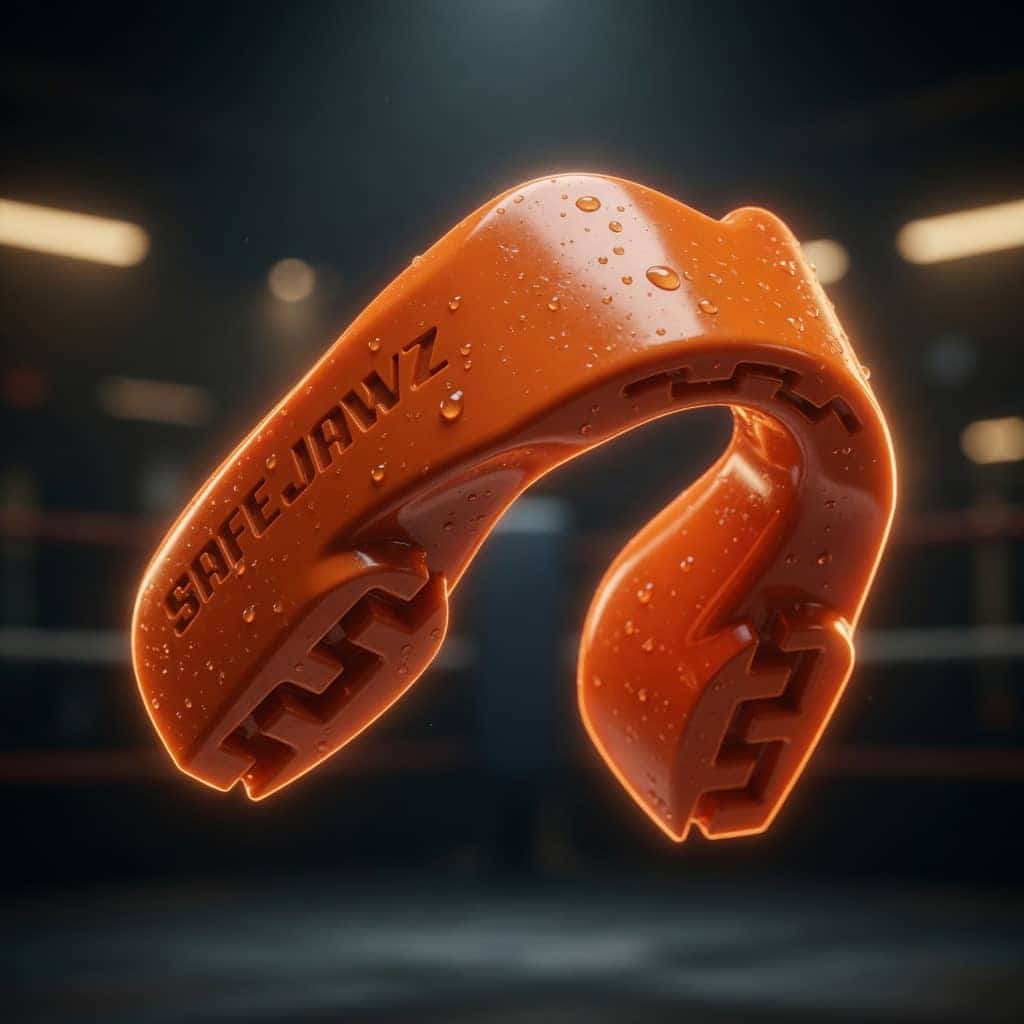


The cheapest gear you will buy, and the one you least want to be without.
For grappling
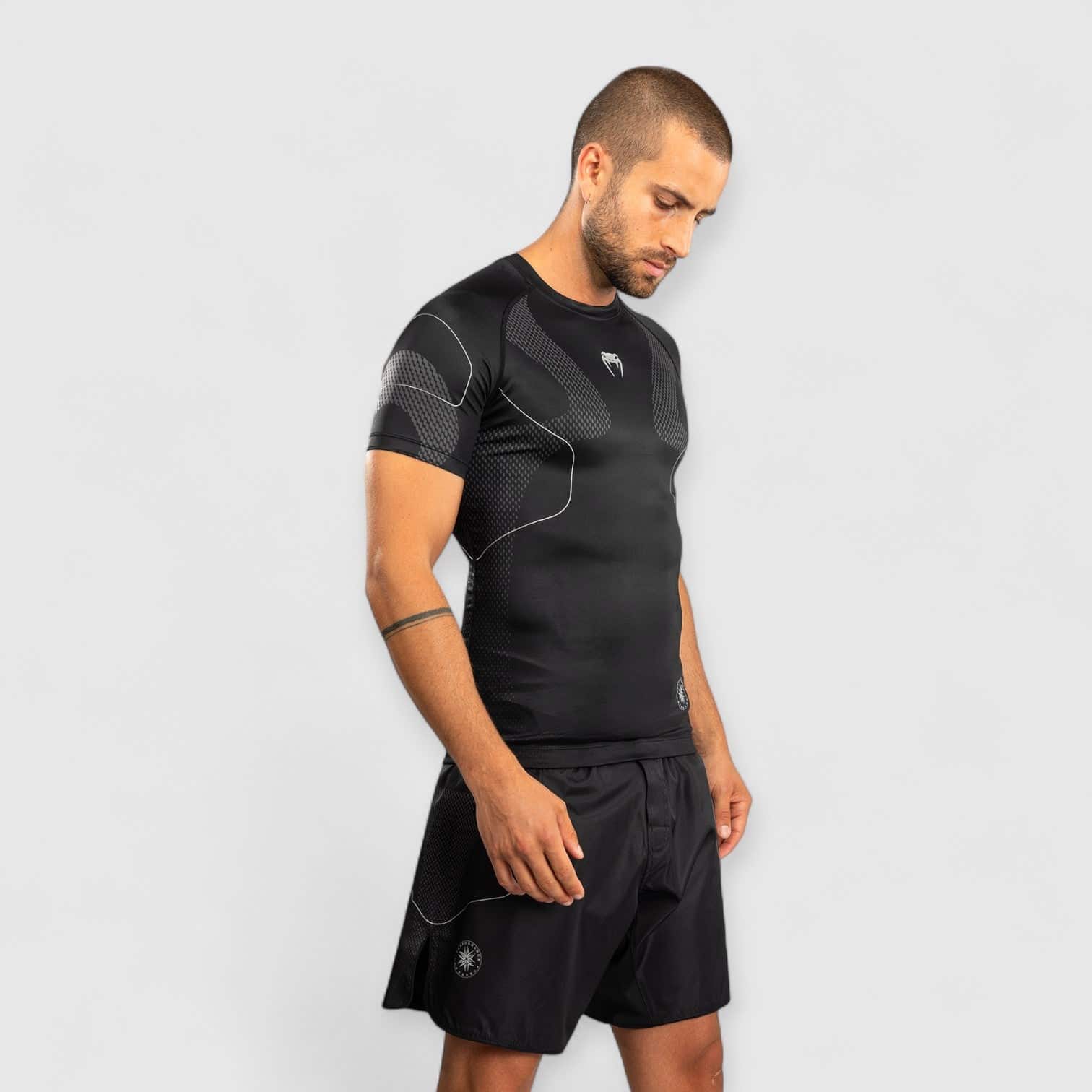
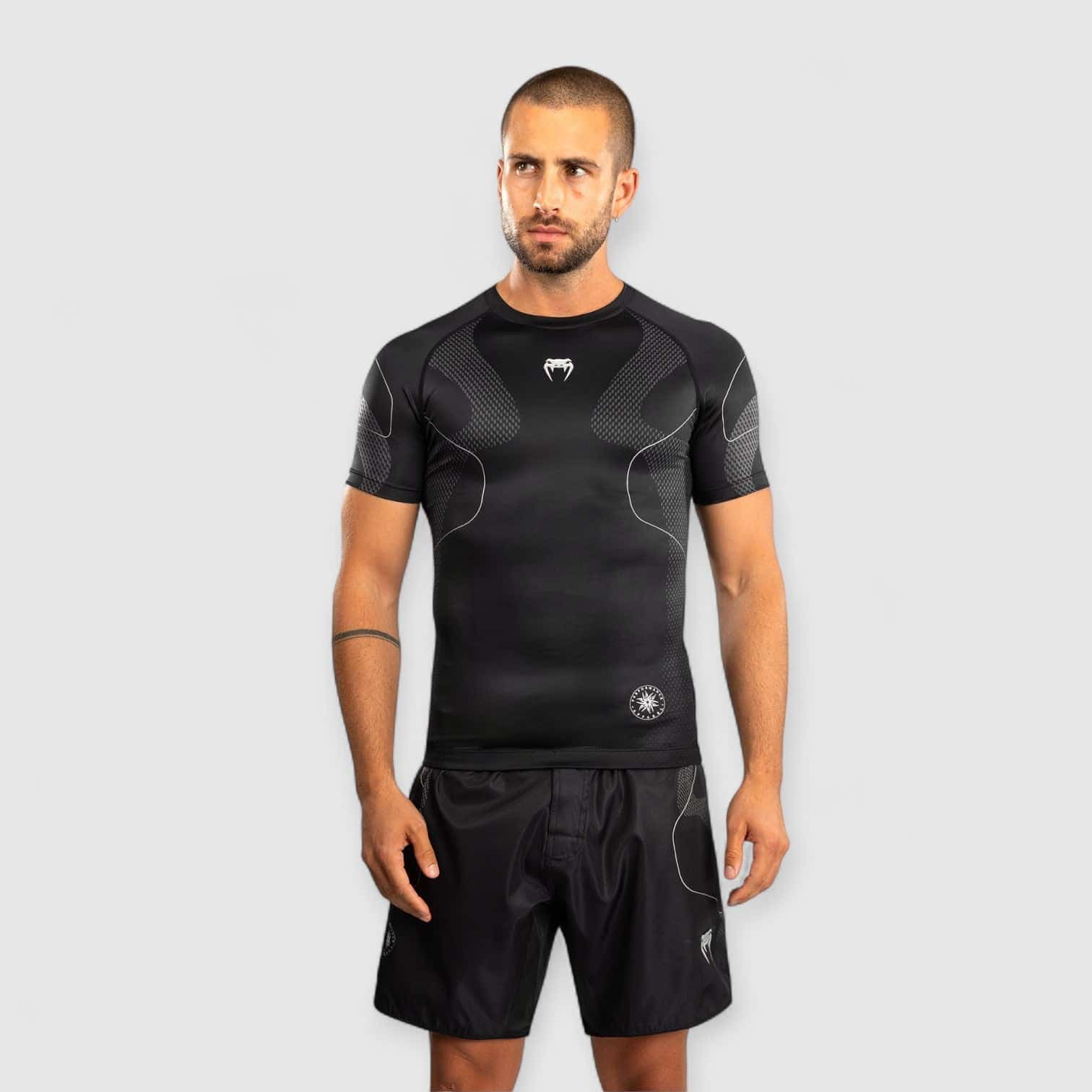
Protects your skin against mat burn. Standard in BJJ and MMA.
For the traditional arts
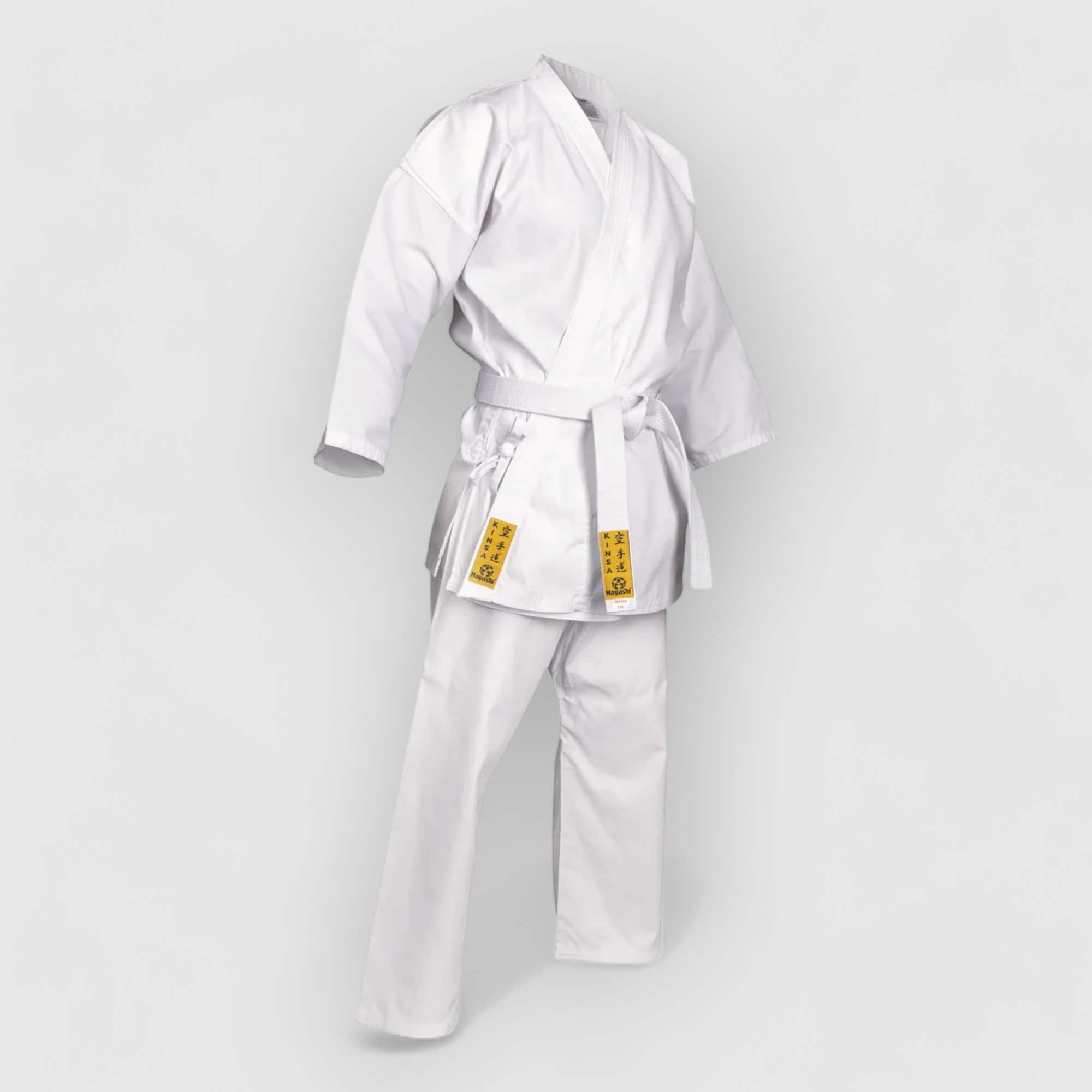
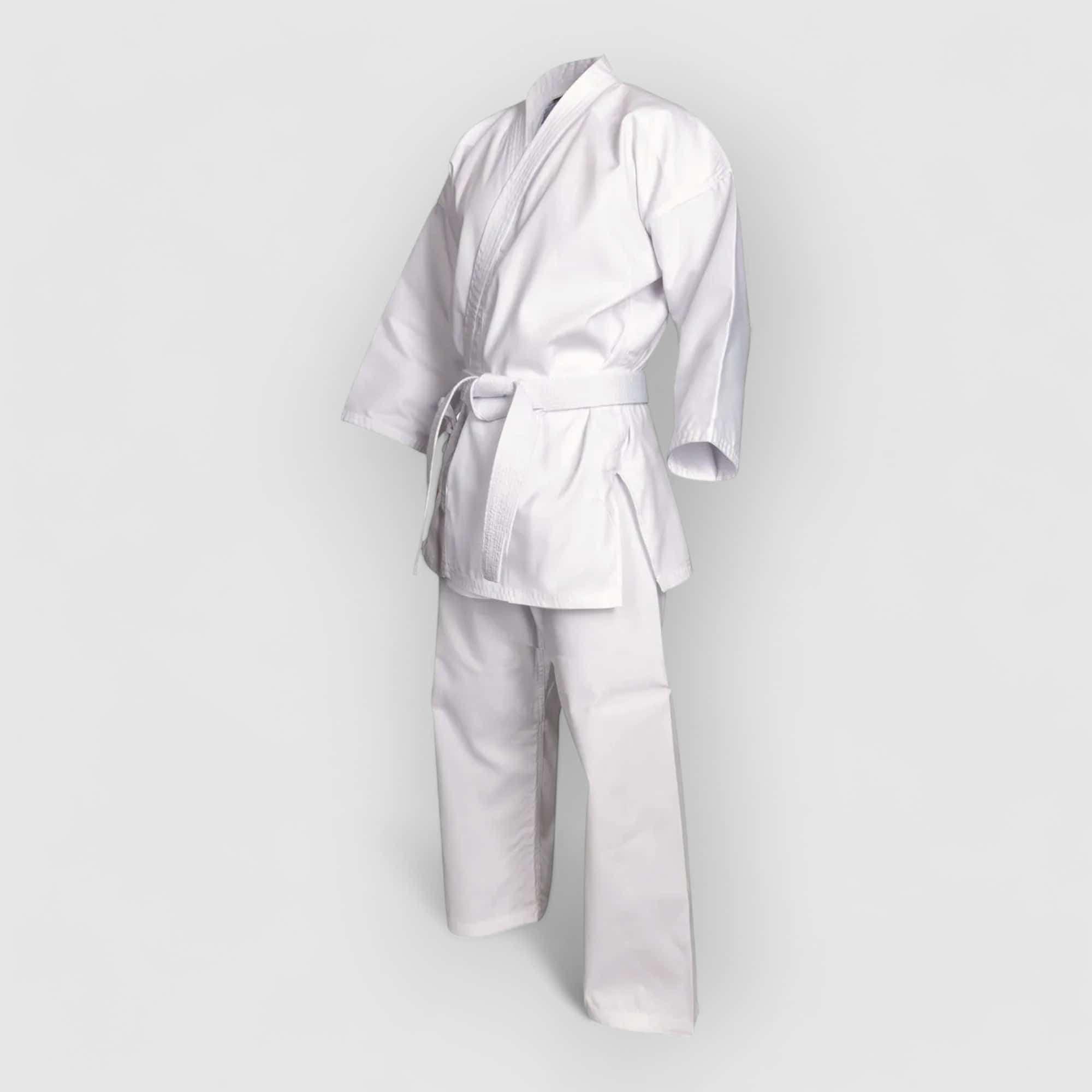
A karate gi at a beginner's price. Everything you need for the first year.
Frequently asked questions
Do I need to be fit before I start?
No. Fitness is what the training gives you. Beginners' classes are designed for people with no background.
Am I too old?
No. Many people start in their 30s, 40s and 50s. Choose a club with an adult class, and mention any injuries or things to bear in mind.
Do I have to spar?
No. In most clubs sparring is optional, and many people train for years without it.
Which martial art is best for children?
The one at a club nearby with a good children's class. The environment matters more than the style.
How often should I train?
Twice a week gives steady progress. The most important thing is that it is something you can keep up over time.
What do I need for my first session?
Training clothes and a water bottle. Most clubs lend out the rest the first few times.