
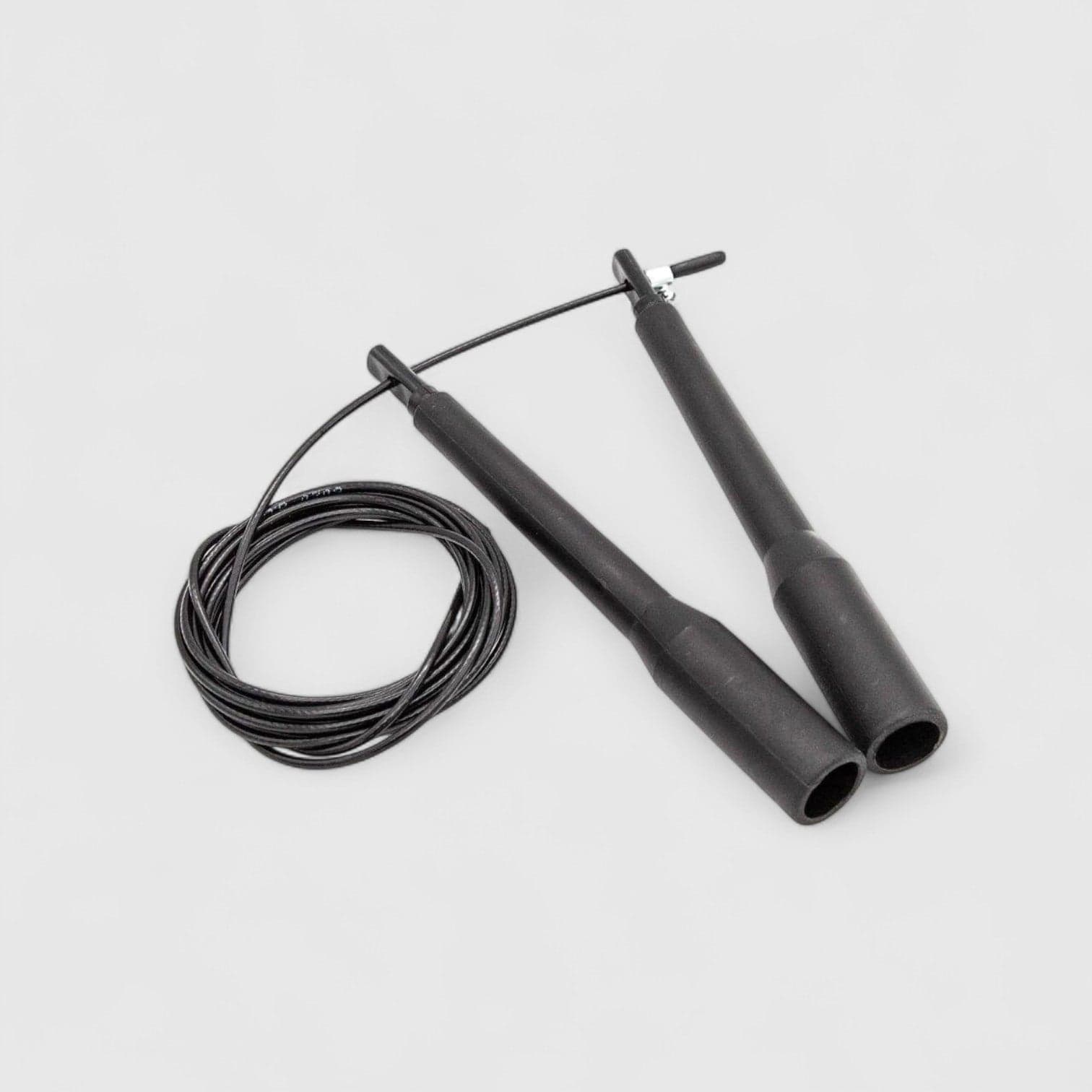
Walk into any boxing gym in the world and you hear the same sound before the session: rope against floor. It is not tradition. It is that skipping rope does exactly what a boxer needs – footwork, rhythm, conditioning and calves that can last three rounds – in one tool that costs under two hundred kroner and fits in a jacket pocket.
For anyone training at home this autumn, it is also the one piece of gear that gives the most per krone. Here is how to choose the right rope, and how to get from zero to ten minutes non-stop.
Why boxers skip rope
Four things happen at the same time, and it is the combination that is the point.
You learn to be light on your feet. Skipping rope forces you up onto the balls of your feet, exactly where you should stand in a fight. It is not an exercise that resembles footwork – it is footwork.
You build conditioning without running. Your pulse rises quickly, and you can work in rounds that resemble fight rounds. Three minutes on, one minute off, repeated. It is hard to find anything more specific.
You get rhythm. Martial arts are about timing, and rope work is rhythm training in its purest form.
Your calves can take more. Ankles and calves get stronger from hundreds of small landings. That in turn means you can handle more sparring without getting stiff.
Length: the only thing that has to be right
Almost everyone who "can't get the hang of" skipping rope has the wrong length. The test takes five seconds: stand with both feet in the middle of the rope, and pull the handles up along your body. They should reach roughly up to your armpits.
| Symptom | Cause | Fix |
|---|---|---|
| The rope keeps hitting your feet | Too long | Shorten it. Most ropes can be adjusted in the handle. |
| You have to jump high to clear it | Too short | Switch to a longer rope, or let out what you have shortened. |
| The rope twists and tangles | The rope has been coiled up for too long | Hang it up between sessions, do not stuff it in your bag. |
| Your shoulders get tired within a minute | You are turning from the shoulder instead of the wrist | Keep your elbows in towards your body and let the wrist do the work. |
PVC, steel cable or weighted
Three types cover practically everything, and they do different jobs.
- PVC rope. The standard. Light, cheap, handles concrete and parquet, and gives enough air resistance that you can feel where the rope is. This is what you should start with, and what most people stick with.
- Coated steel cable. Thin and fast. Gives higher speed and is what you want when you start doing double-unders. But it stings considerably more when you miss, and it wears faster on rough surfaces.
- Weighted rope. A heavier rope or weights in the handles. Works the shoulders, upper arms and grip more, and lowers the pace. Good as a strength element, bad as a warm-up.
The technique in thirty seconds
- Elbows in towards your body. Forearms point slightly outwards. Shoulders should be relaxed.
- Turn from the wrist. Big arm movements are the most common mistake, and the one that tires you out within a minute.
- Jump low. Two to three centimetres is enough. The rope is thin.
- Land on the balls of your feet. Your heels should barely touch the floor.
- Look straight ahead. If you look down at your feet, you lose the rhythm.
From zero to ten minutes
If you cannot manage thirty seconds non-stop today, that is completely normal. This progression takes around six weeks with three sessions a week.
| Week | Session | Goal |
|---|---|---|
| 1-2 | Ten rounds of thirty seconds, thirty seconds rest | Find the rhythm. Misses do not count – just start again. |
| 3-4 | Six rounds of one minute, thirty seconds rest | Full minutes without stopping. |
| 5-6 | Three rounds of three minutes, one minute rest | Fight rounds. Now the rope has become a warm-up, not an exercise. |
| After that | Ten minutes non-stop | Add variation: running steps, side steps, double-unders. |
Surface, shoes and calves
Jumping is load, and the surface determines how much of it ends up in your calves.
Concrete and tiled floors are hard, and that is where shin and calf pain develops. Parquet and wooden floors are gentler. Best is a mat that cushions a little without being soft – if it is too soft, you lose your bounce and the rope gets caught under your feet.
Shoes are not required, but help on hard floors. Wear something with a little cushioning at the front, and never shoes with a coarse tread that catches the rope. We have gone through footwear for the gym in a separate guide.
If your calves feel tight in the first few weeks, that is to be expected. If you feel a sharp pain along the shinbone, it is a signal to reduce volume and change surface.
The ropes we recommend
First choice
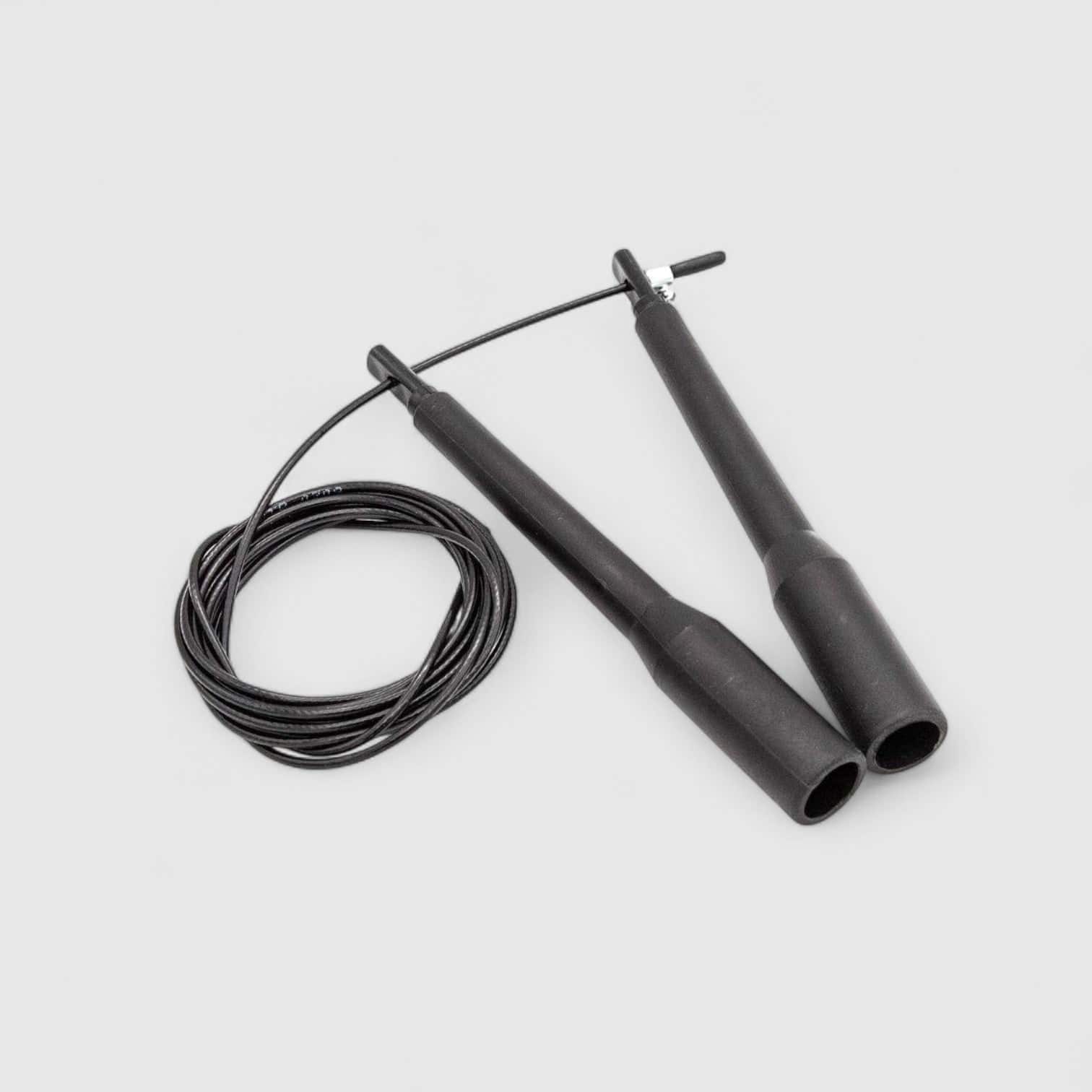
kr 149. Simple, robust and good enough for everything you will do in the first year. The rope we sell the most of, and the one we recommend to clubs buying for a whole group.
Cheapest
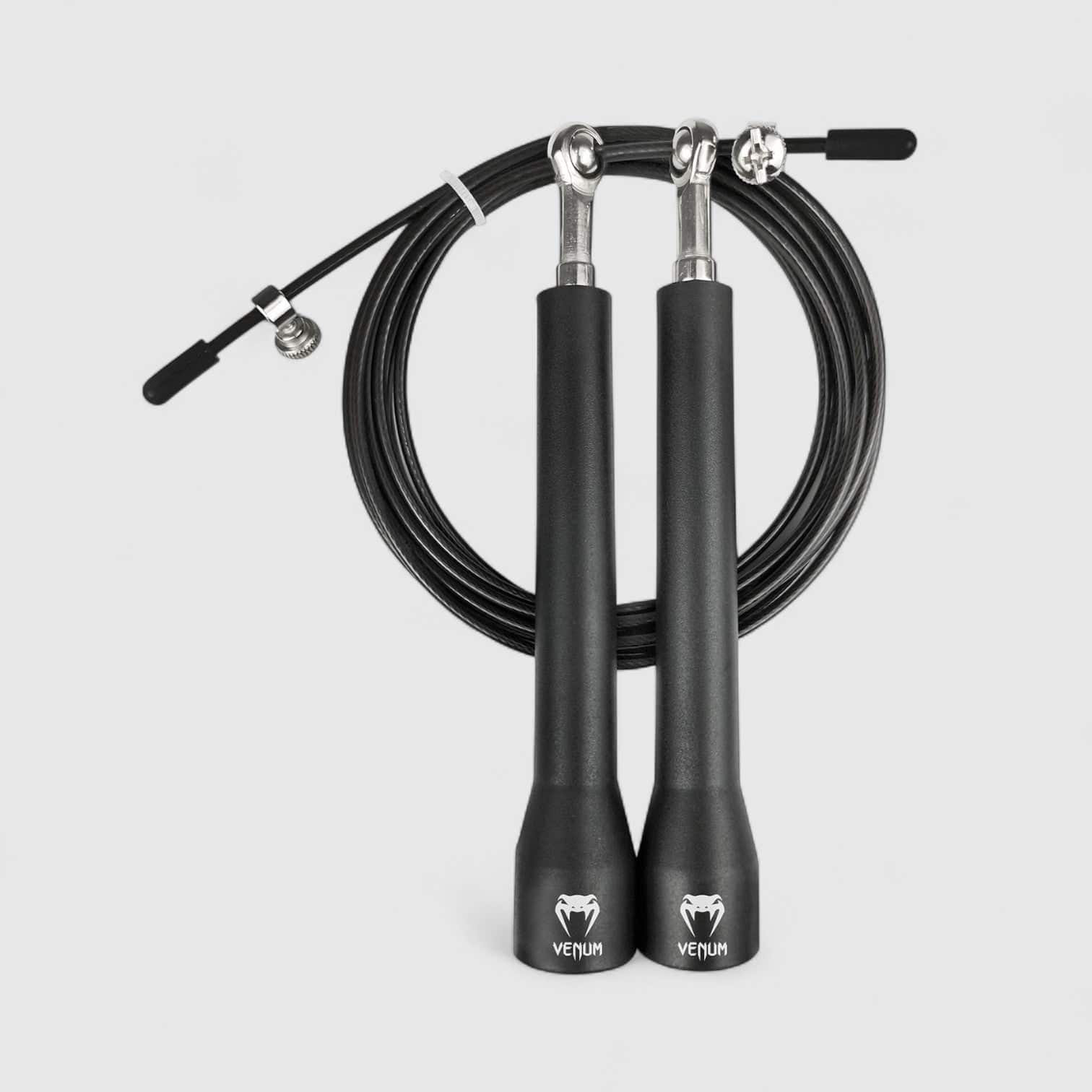
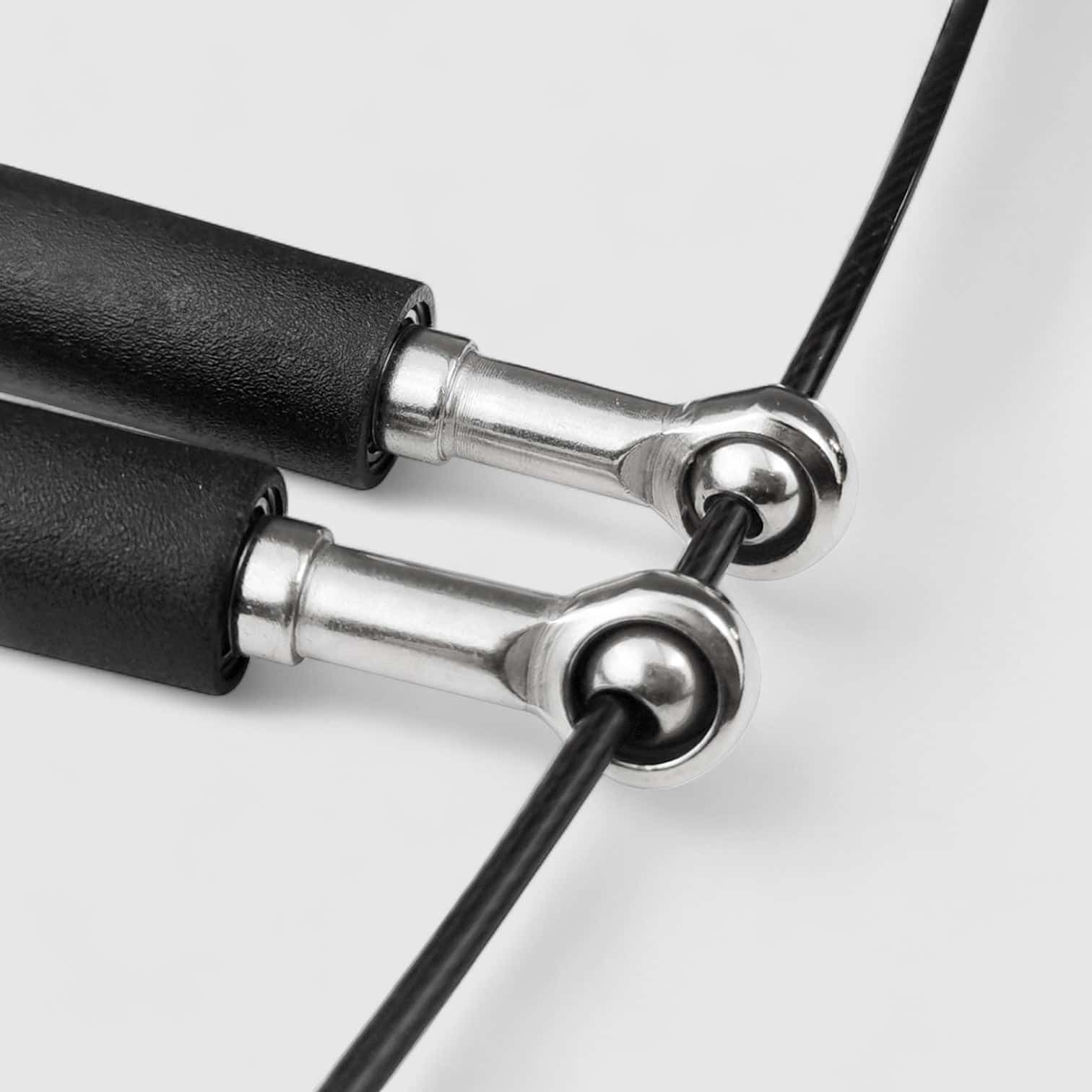
kr 169. Straightforward and easy to take anywhere. Put it in your bag and leave it there.
Speed
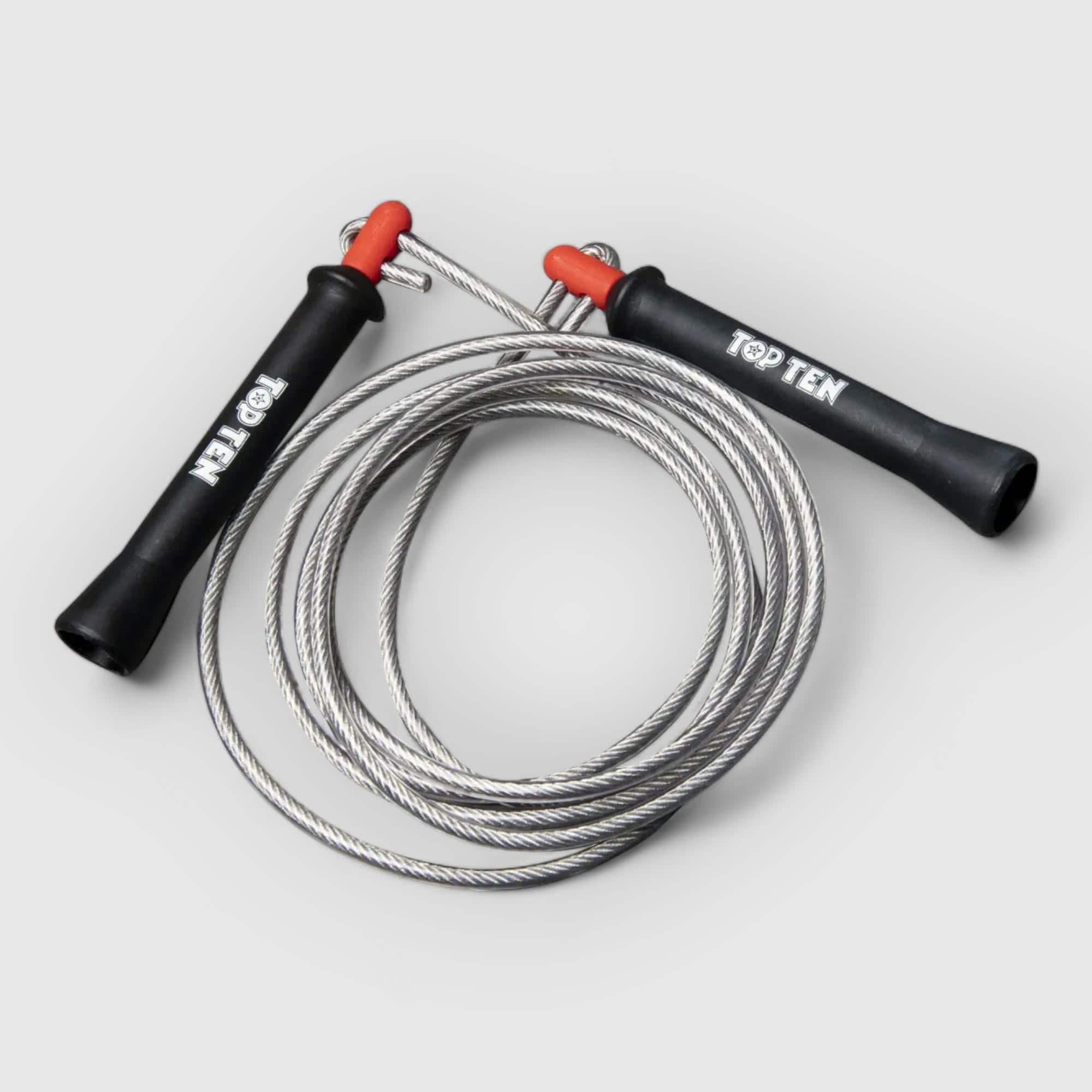
kr 269. Steel cable with a PVC coating. Faster rotation, and what you move on to when double-unders need to click.
Strength
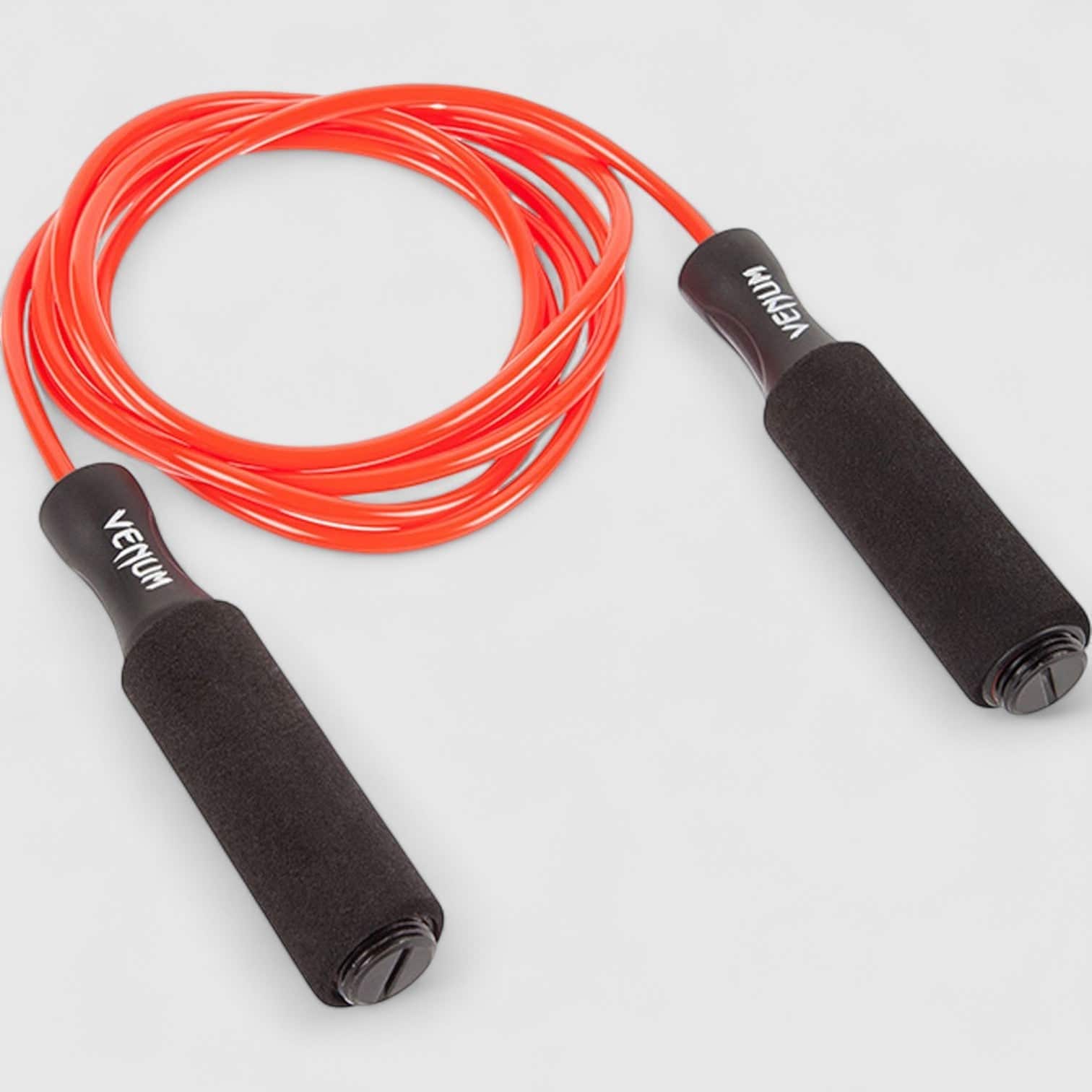
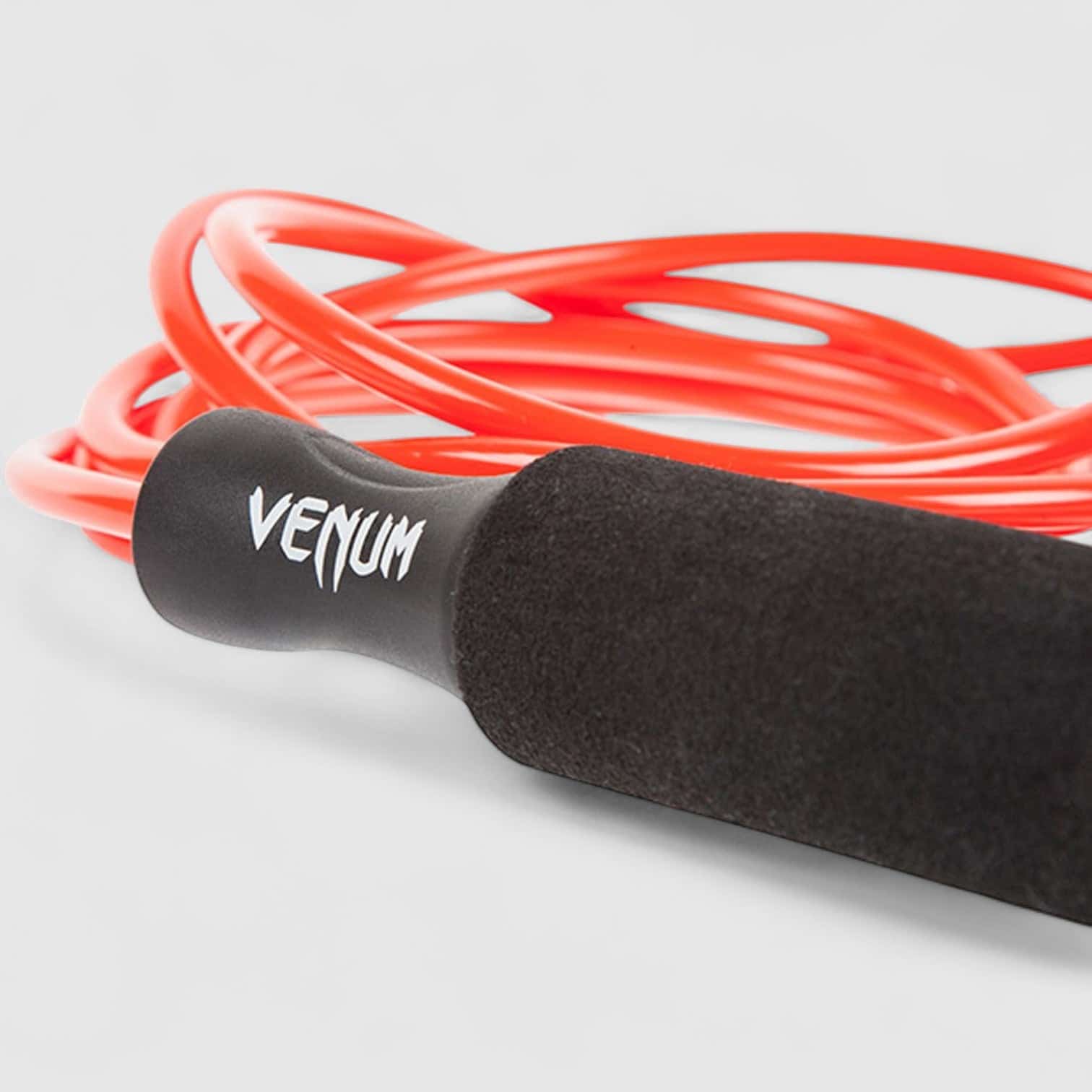
kr 379. Weighted, and noticeably heavier on the shoulders. Use it as a strength element, not as a warm-up.
Speed
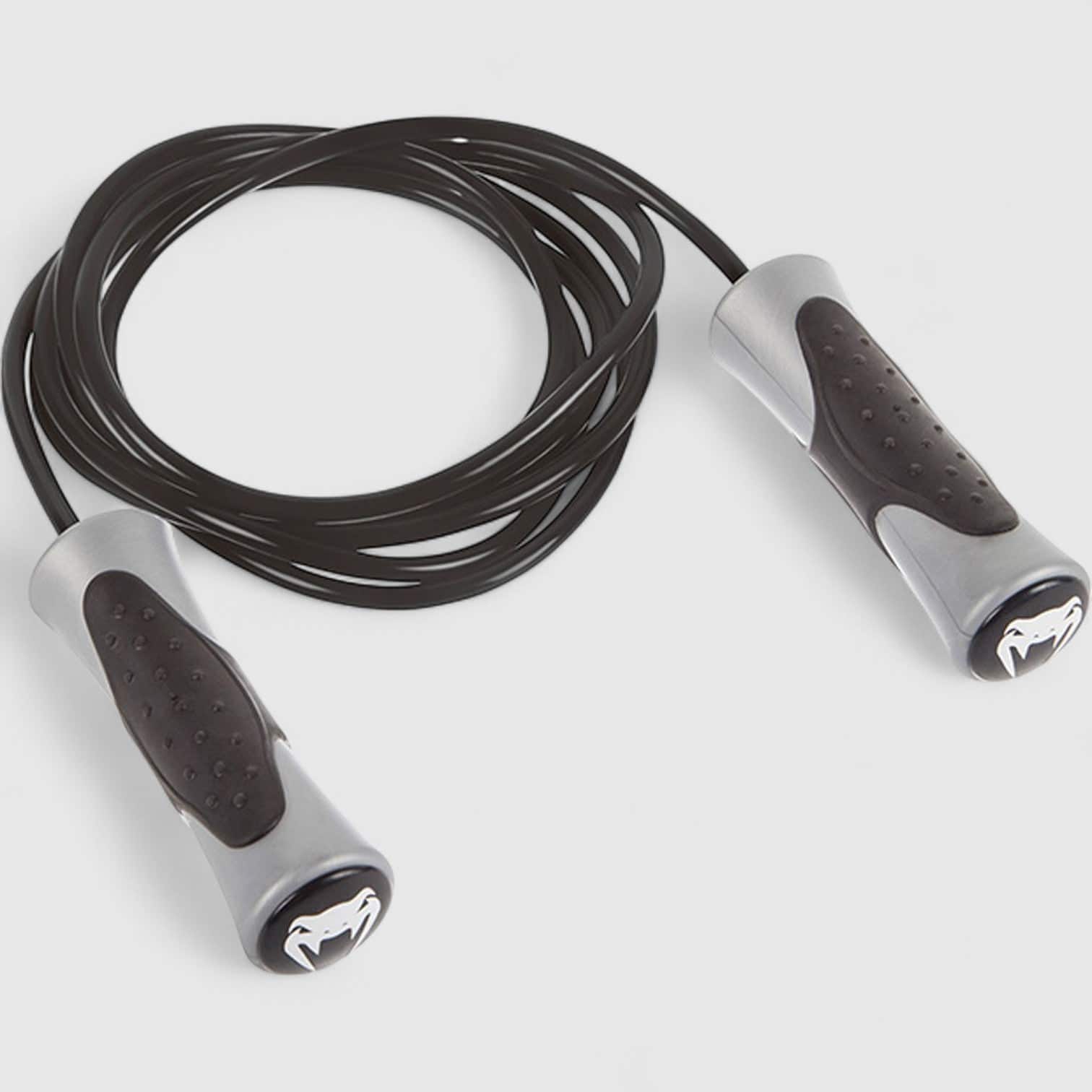
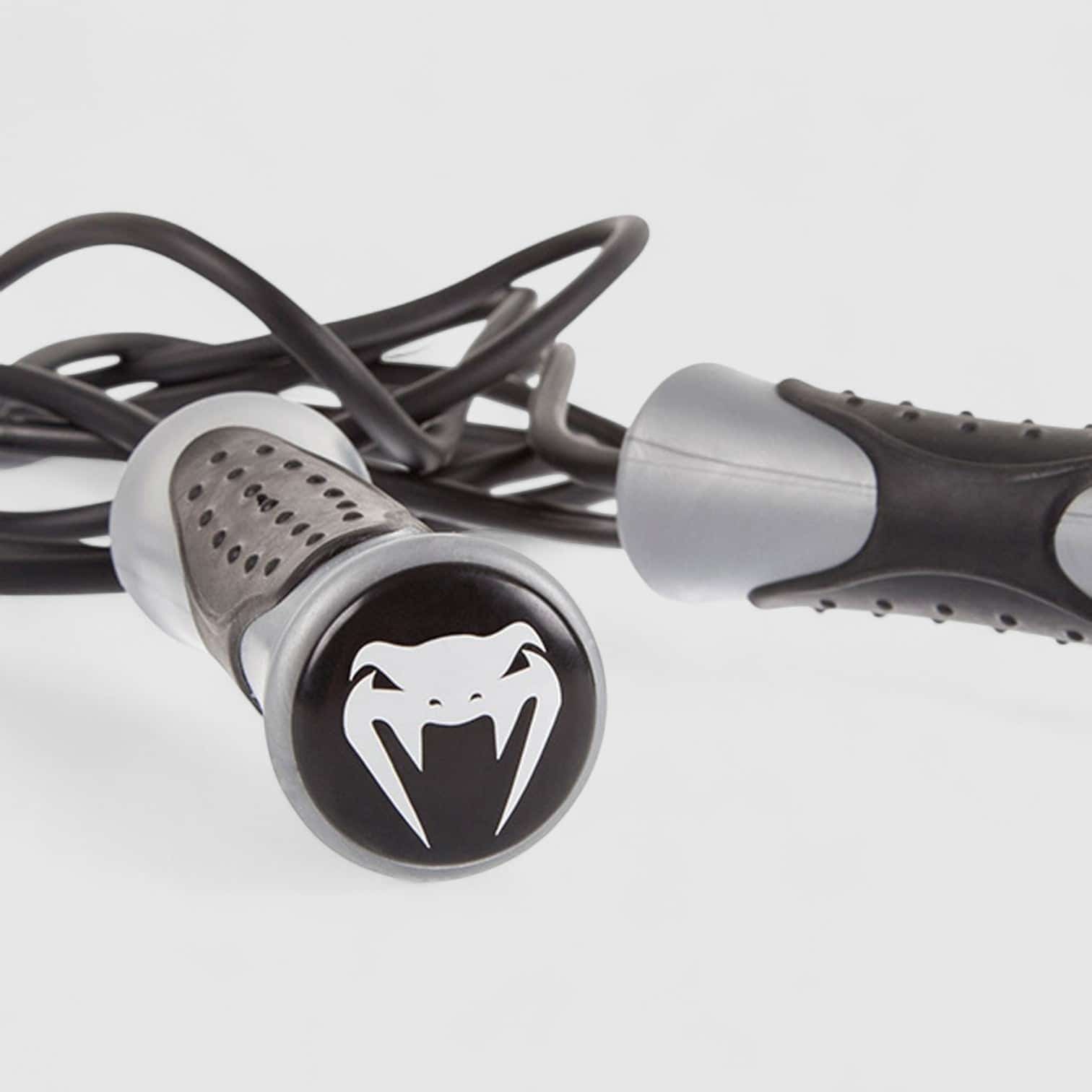
kr 329. Made for high rotation speed. For those who already have the rhythm and want to increase the pace.
Frequently asked questions
How long does it take to learn?
Most people get the rhythm in two or three sessions. Ten minutes non-stop takes a few weeks. It is the conditioning that takes time, not the coordination.
Can I skip rope in an apartment?
Yes, with a mat underneath and at reasonable times. It is the landings your downstairs neighbour hears, and a mat dampens them considerably.
How high does the ceiling need to be?
A little above your own height with your hands raised. Standard ceiling height is fine for the vast majority, but if you are tall, measure before you buy.
Weighted rope or regular for martial arts?
Regular. A weighted rope is a supplement for strength, not a better conditioning rope. Boxers skip light and fast, not heavy.
Why do my calves get so stiff?
Because jumping loads your calves in a way you may not be used to. Start with short sessions, increase gradually, and jump on something softer than concrete.