
When it gets dark early and the weather turns, the question comes up again: can I train at home too? The answer is yes, but it is easy to spend a lot of money on the wrong things. The most common is a punch bag bought without thinking about what the ceiling can take - which then ends up in the storage room.
Here are three levels, in the order we recommend building them. All three work. The difference is how much space you have, and how much noise you can make.
Start with the floor
This is the advice people skip, and it is the one that pays off most. A hard floor means you do not dare to jump, do not want to go down on your knees, and everything you do can be heard by the neighbour below. A mat solves all three.
Interlocking mats are laid like a jigsaw puzzle and can be taken up again. They absorb impact, they dampen noise, and they give you a defined area - which in practice is what makes the room "the training room" and not just a corner of the living room.
| Mat | Price | Suitable for |
|---|---|---|
| ProGame START | From 469 kr | Cardio, strength, stretching. The most affordable place to start. |
| ProGame GYM, MMA | From 690 kr | Grappling and breakfalls. Thicker, and made for someone to lie on it. |
| ProGame BASIC red and blue | From 499 kr | Classic martial arts mat in the competition colours. |
Level 1: under a thousand kroner
Here you get more than people think. With a mat, a skipping rope and bodyweight you can do complete cardio and strength sessions. This is also the level we recommend everyone starts at, regardless of budget - because it reveals whether you will actually train at home.
The floor
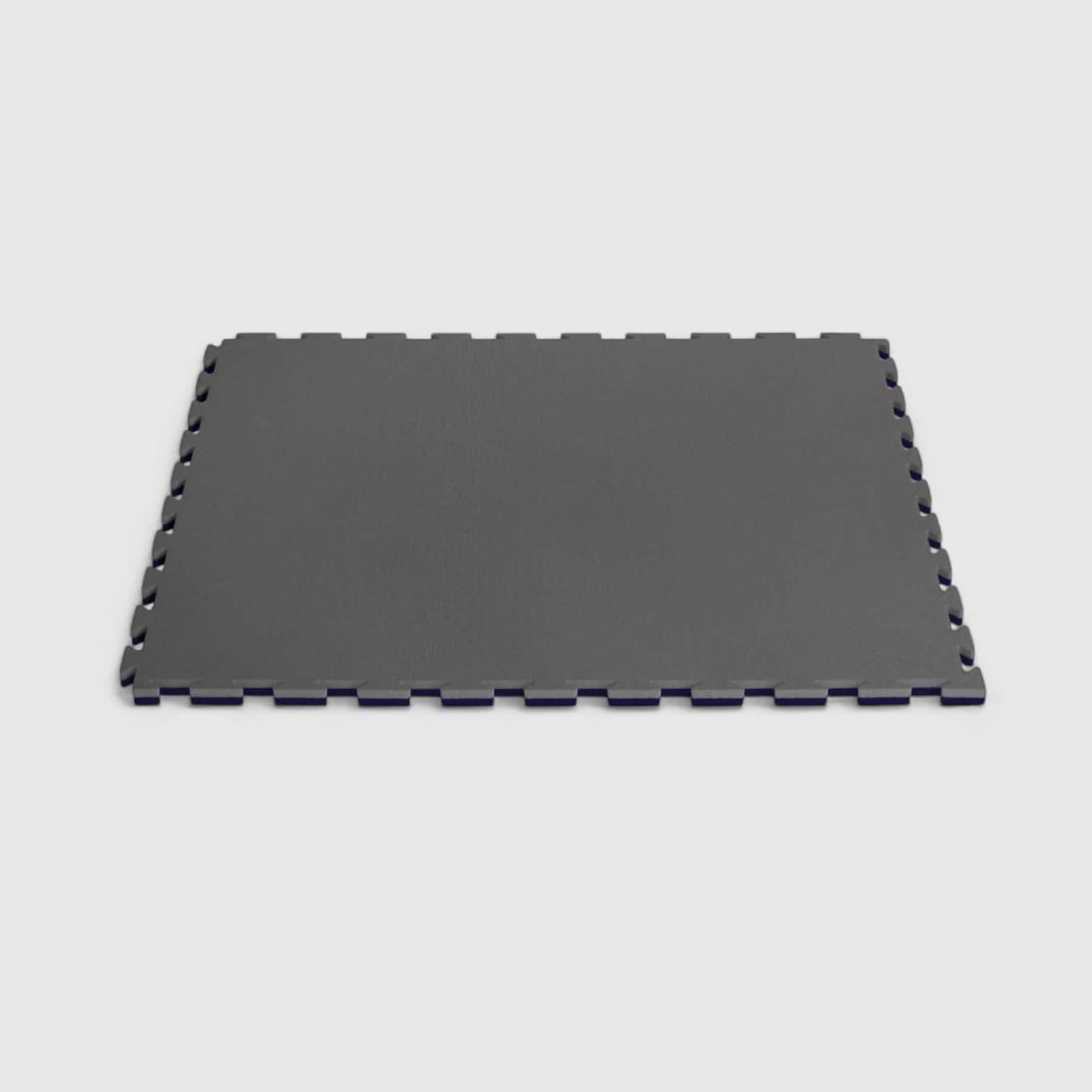
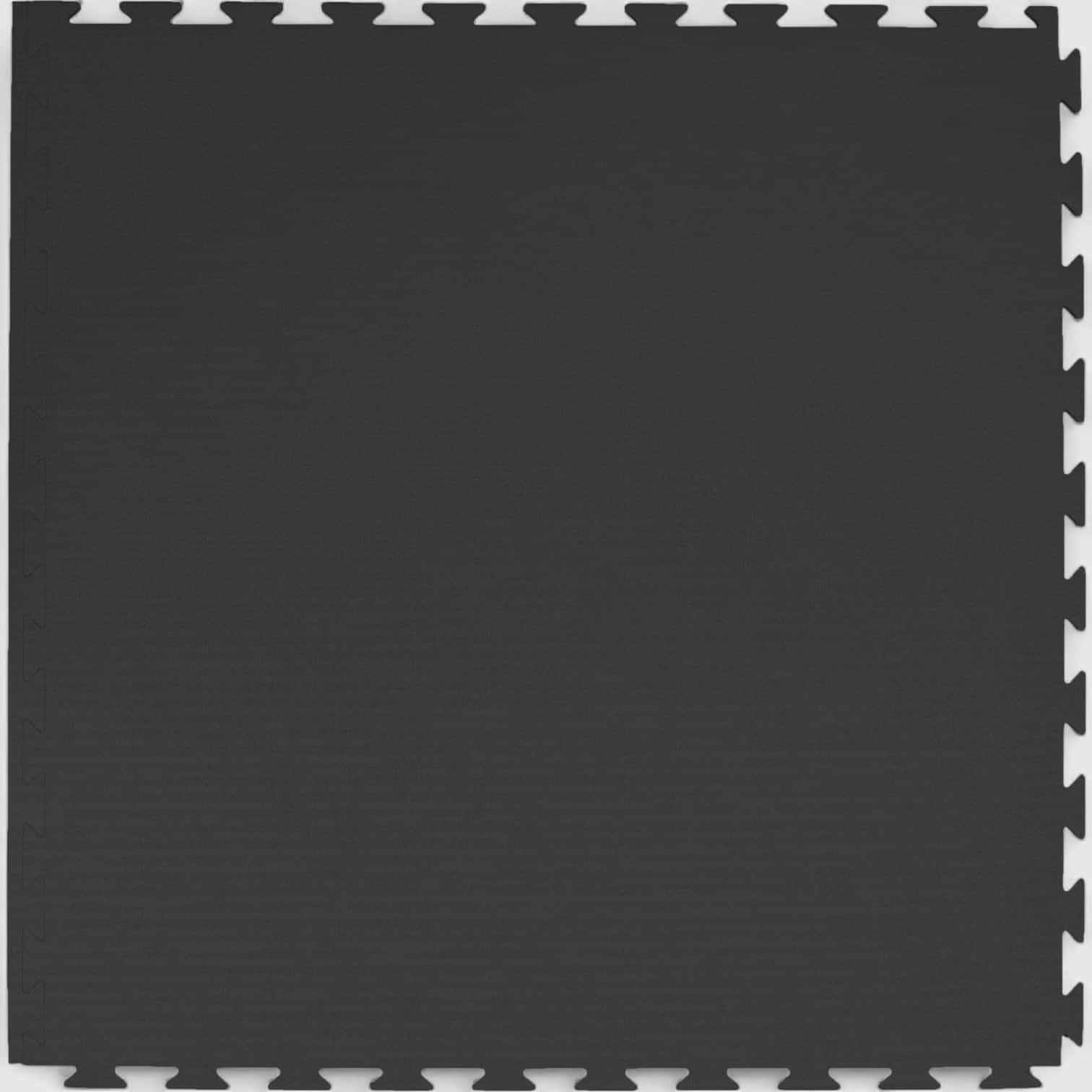
From 469 kr. Laid like a jigsaw puzzle, taken up again when you have visitors.
The cardio
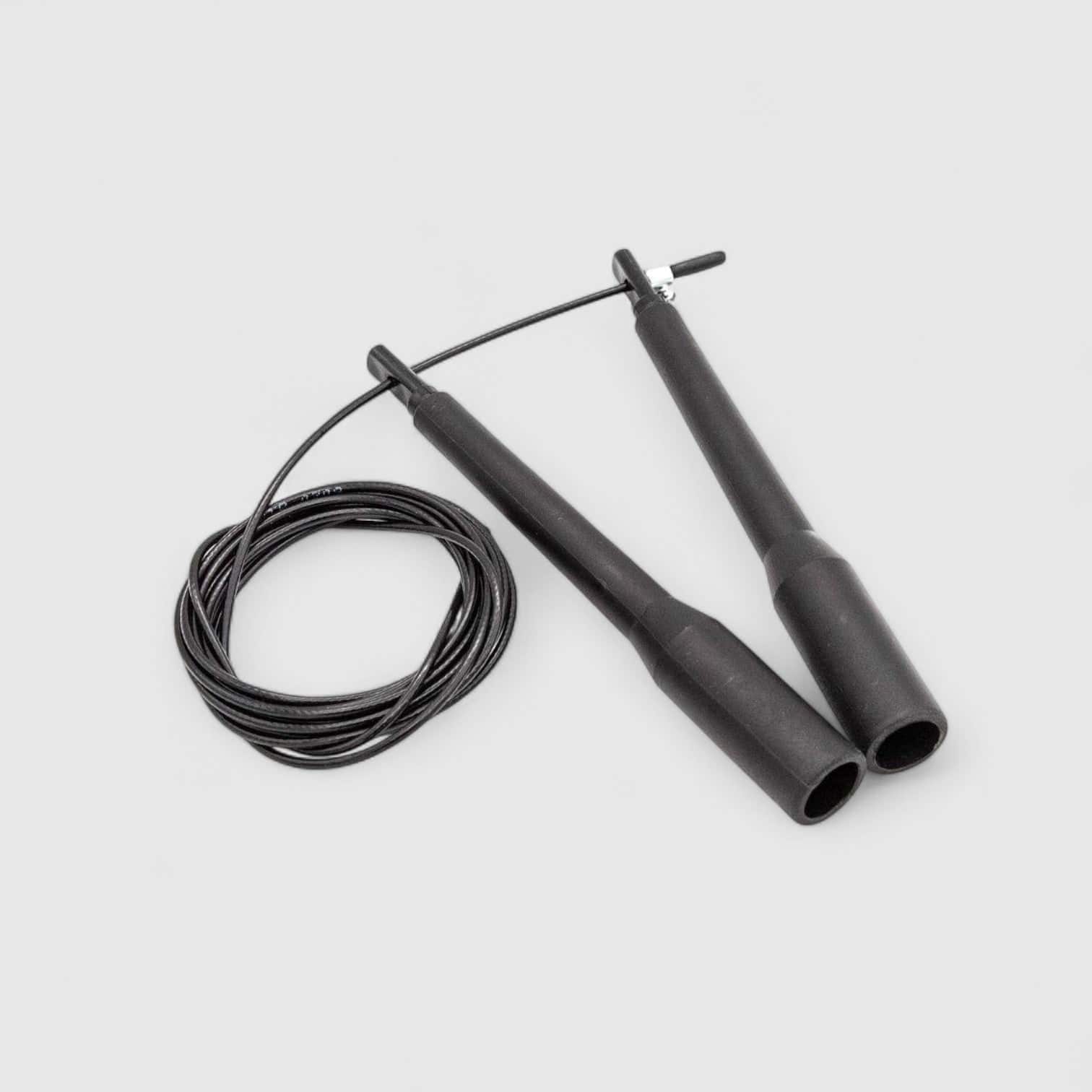
149 kr. The cheapest cardio tool there is, and the one used most in boxing clubs.
The strength
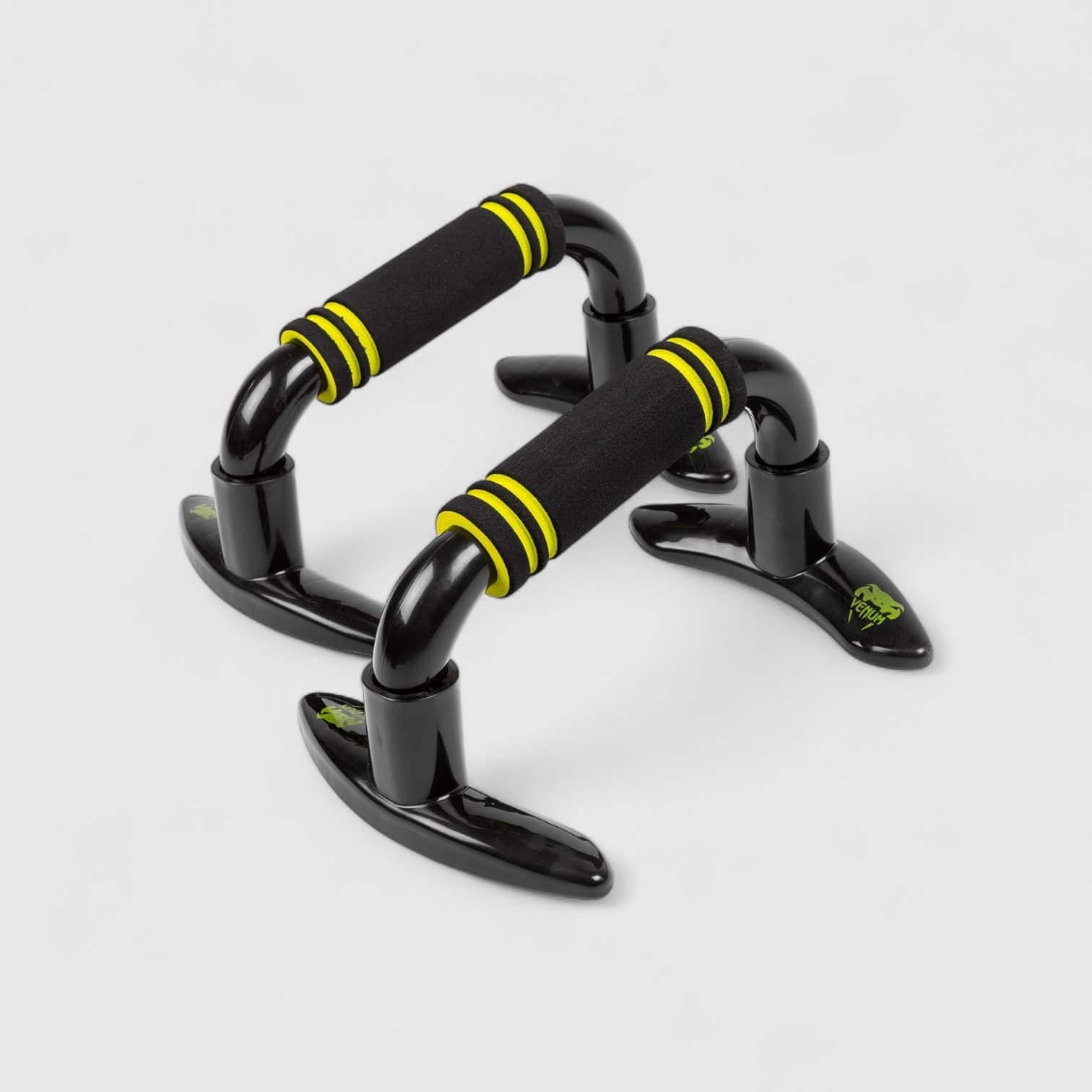
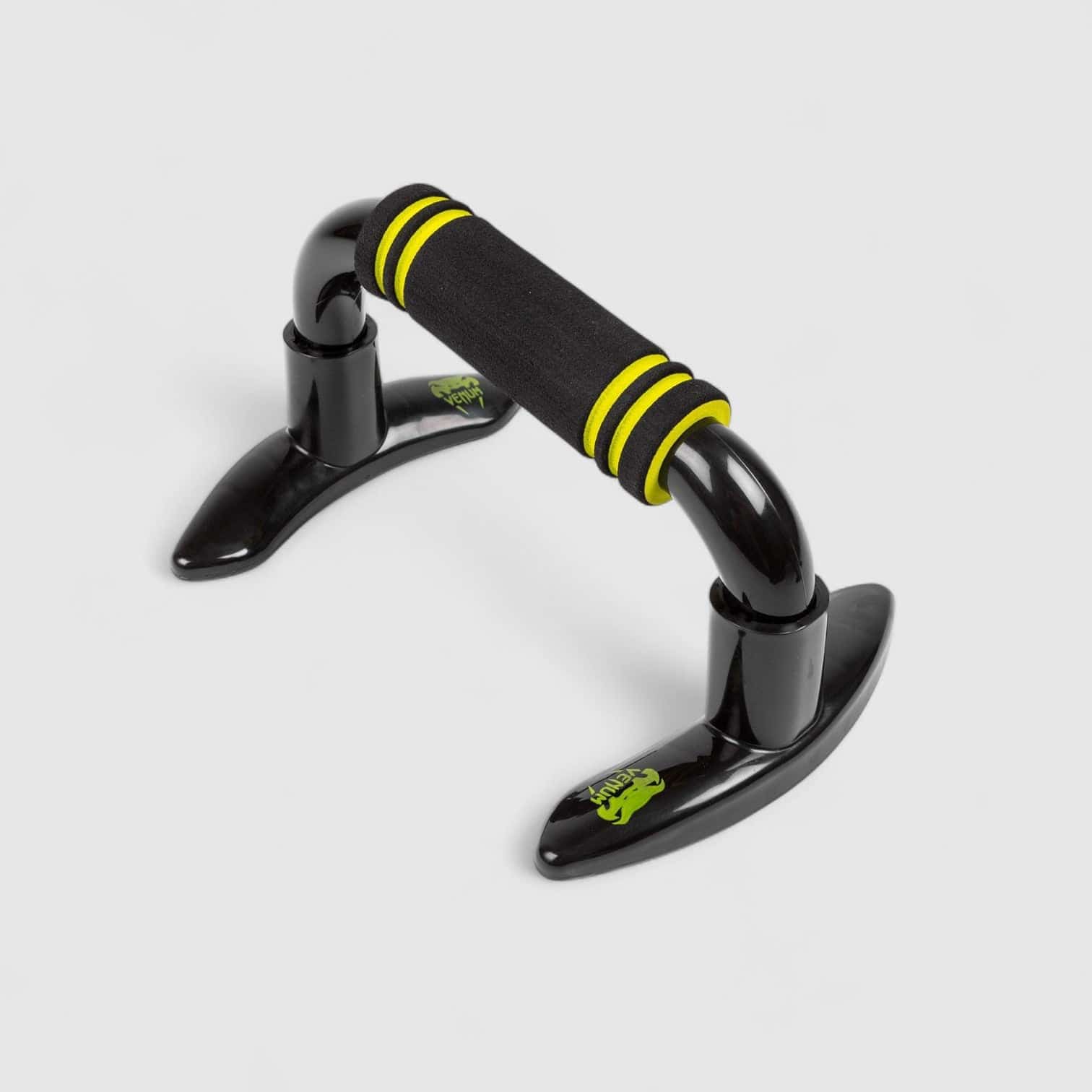
249 kr. Gives deeper push-ups and spares your wrists. Takes up no space.
The timing
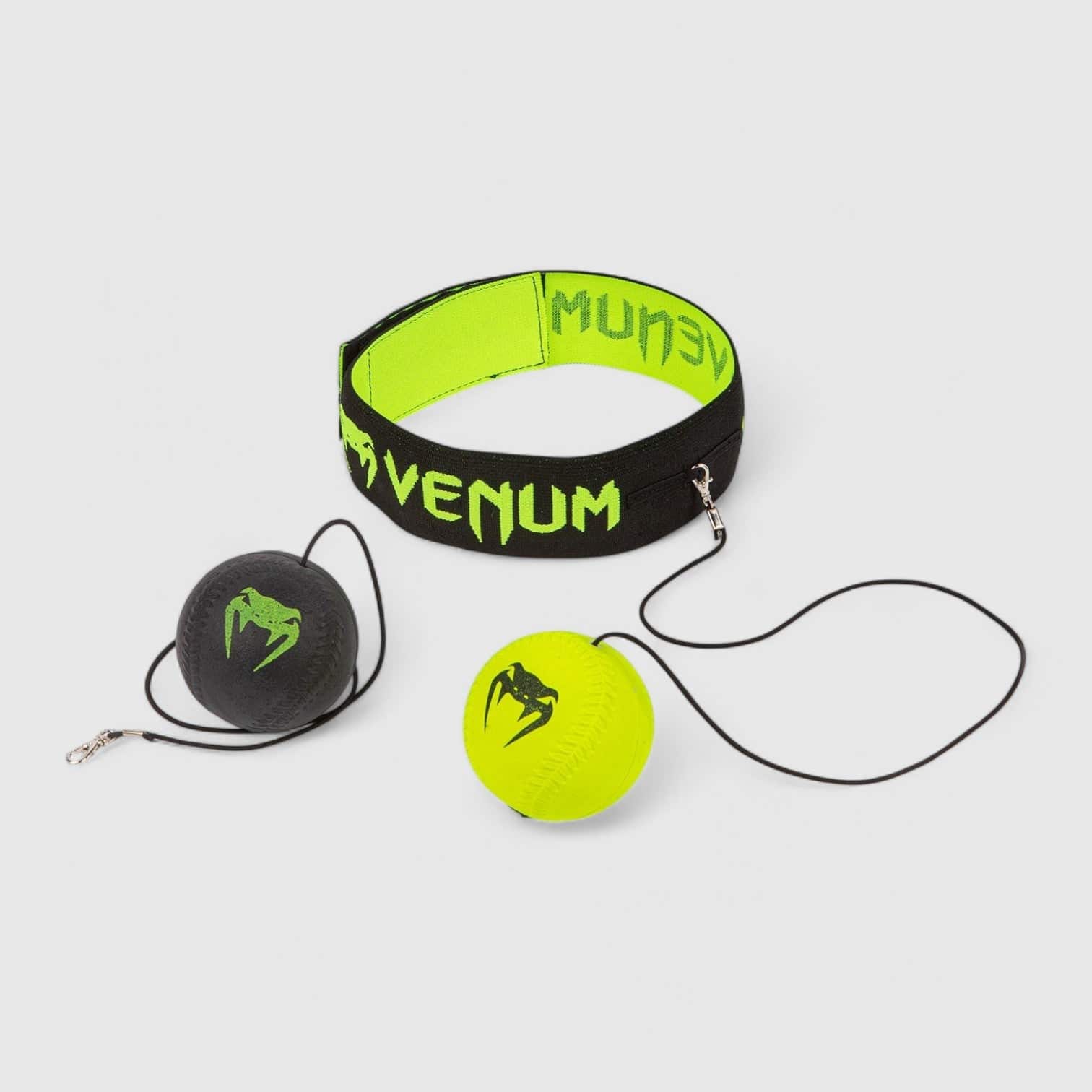
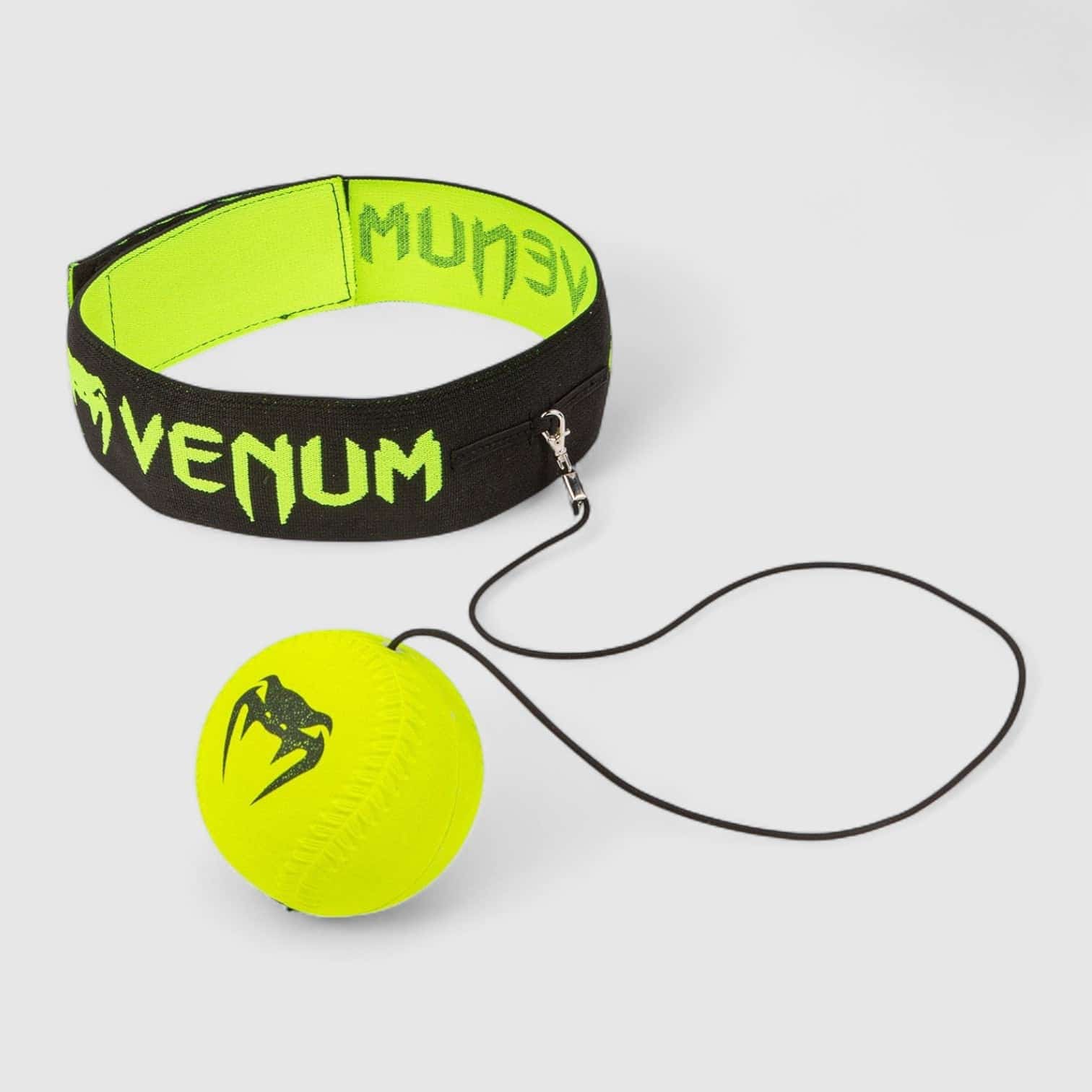
349 kr. A ball on an elastic attached to your head. Looks silly, actually does something for reactions and sense of distance.
Of course
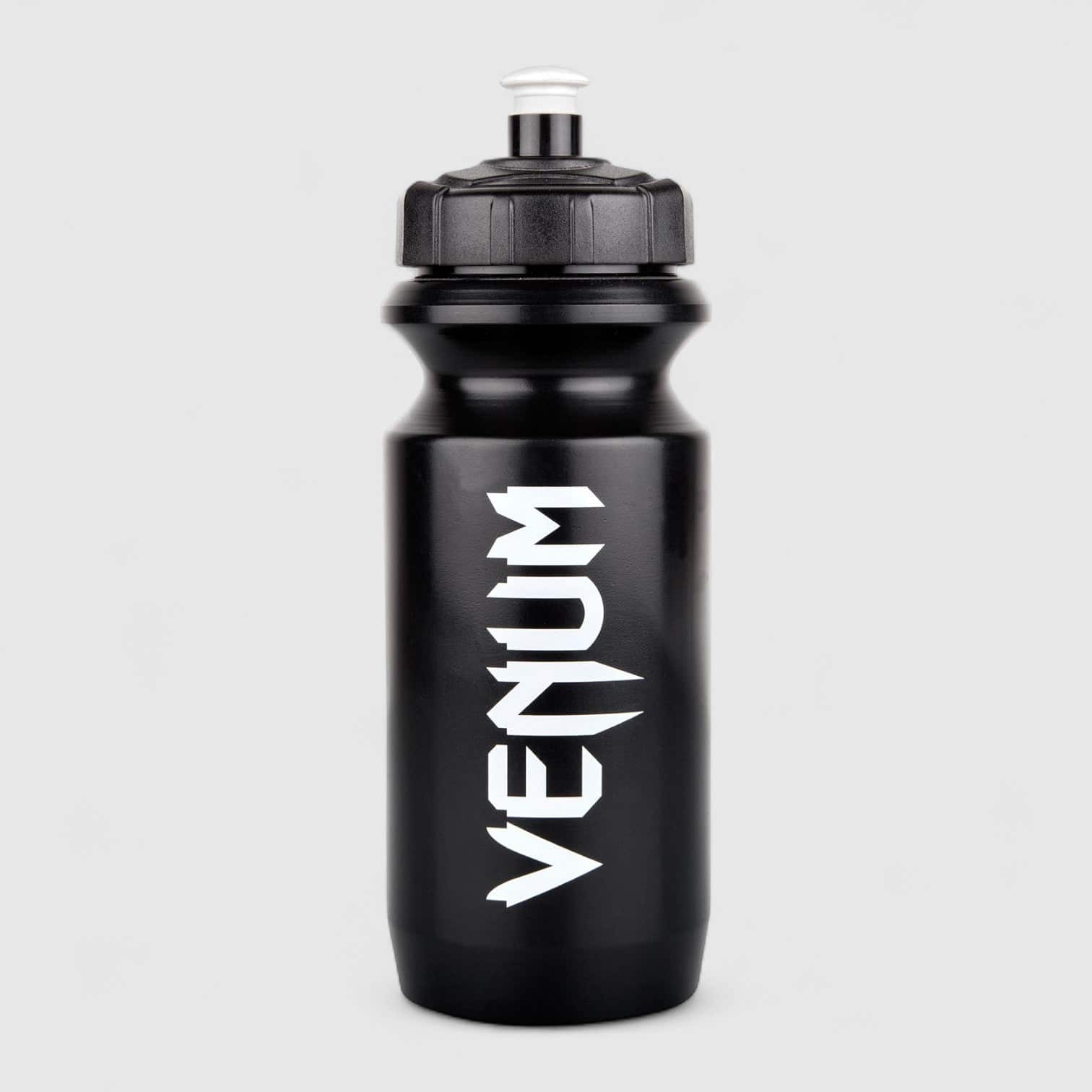
99 kr. Fill it before the session, so you do not spend the break in the kitchen.
Level 2: the bag comes in
Now the choice becomes real: hanging or free-standing. Here is the short answer.
A hanging bag gives the best feel, the most movement and can take the hardest work. But it requires a mounting point that can bear the load - a load-bearing beam or a solid wall, not a plasterboard. And it transmits sound and vibration through the structure, which in a flat means the neighbour below feels every punch.
A free-standing bag requires no installation. The base is filled with water or sand, and it can be moved. It moves differently from a hanging bag, and it cannot take quite such brutal treatment - but it is the only realistic solution for most people who live in a flat.
Free-standing
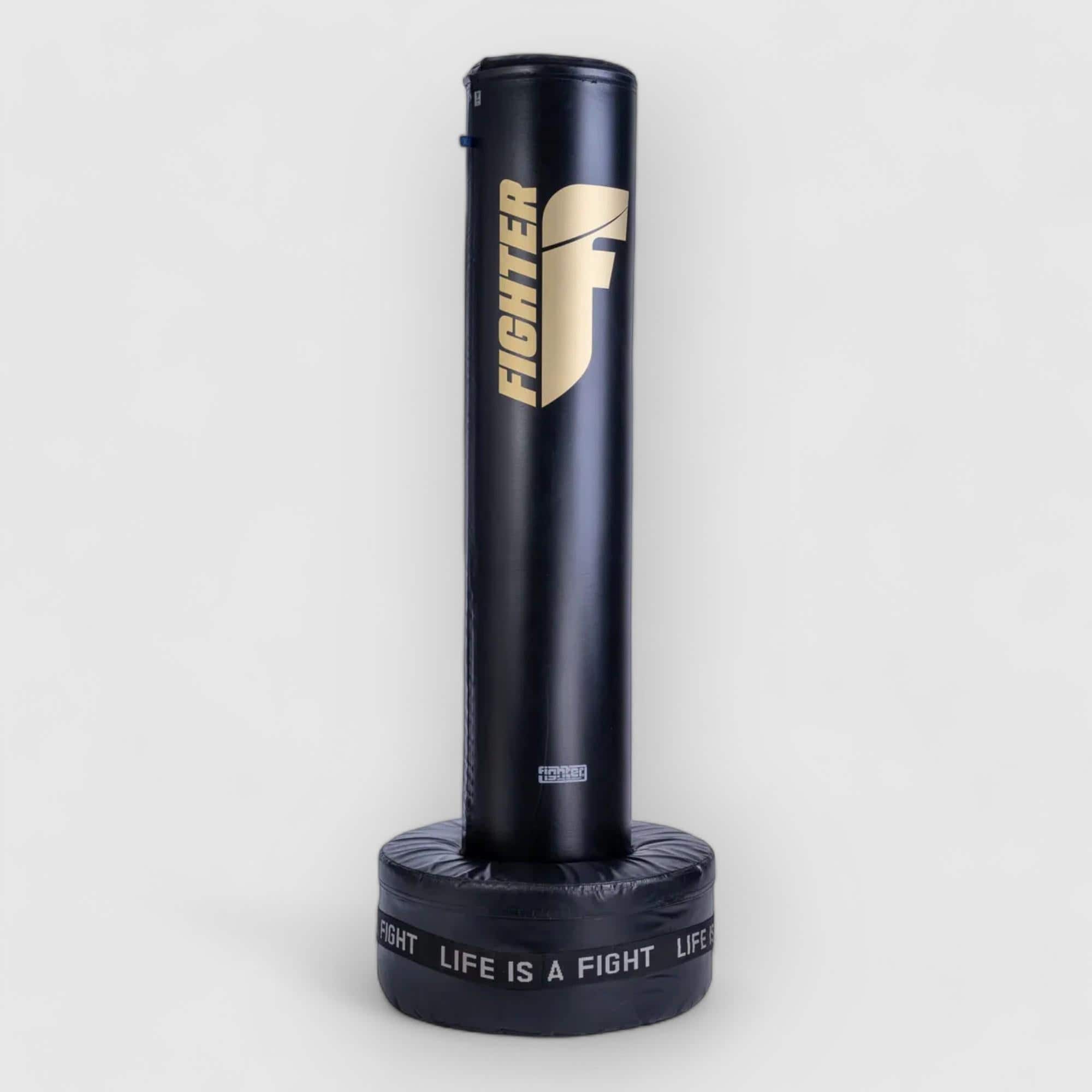
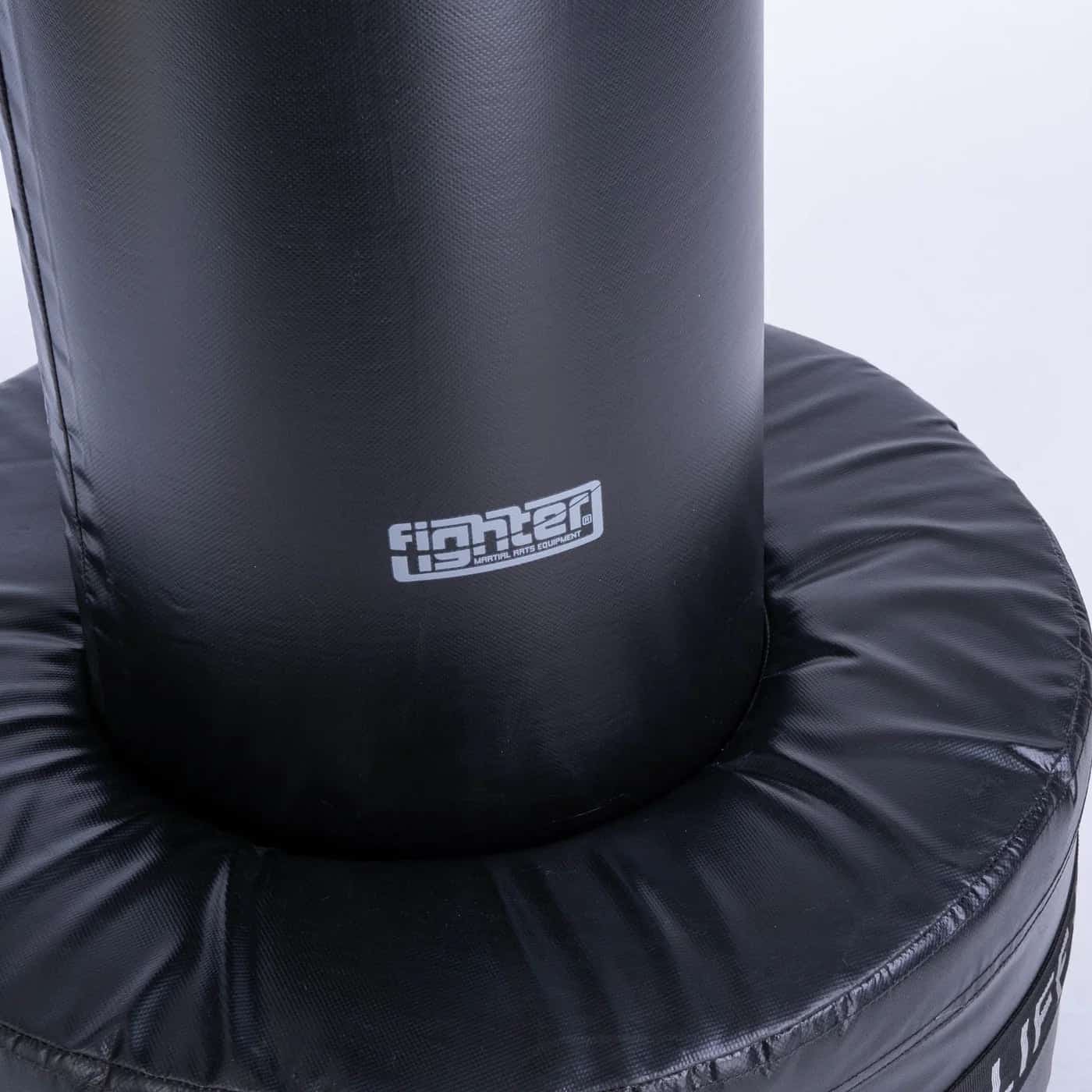
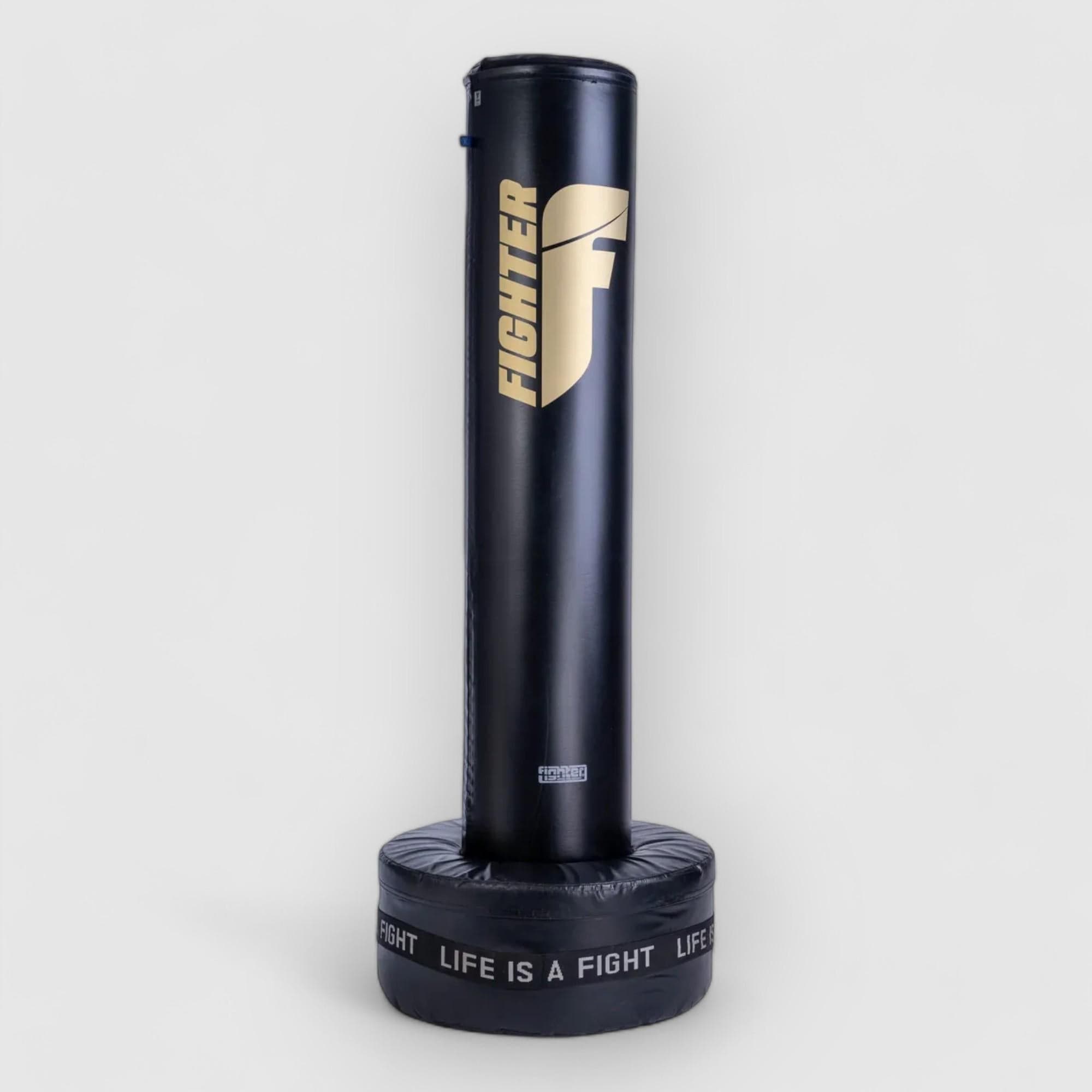
4,990 kr. No installation, no holes in the ceiling. The obvious choice in a flat.
Free-standing, more in one
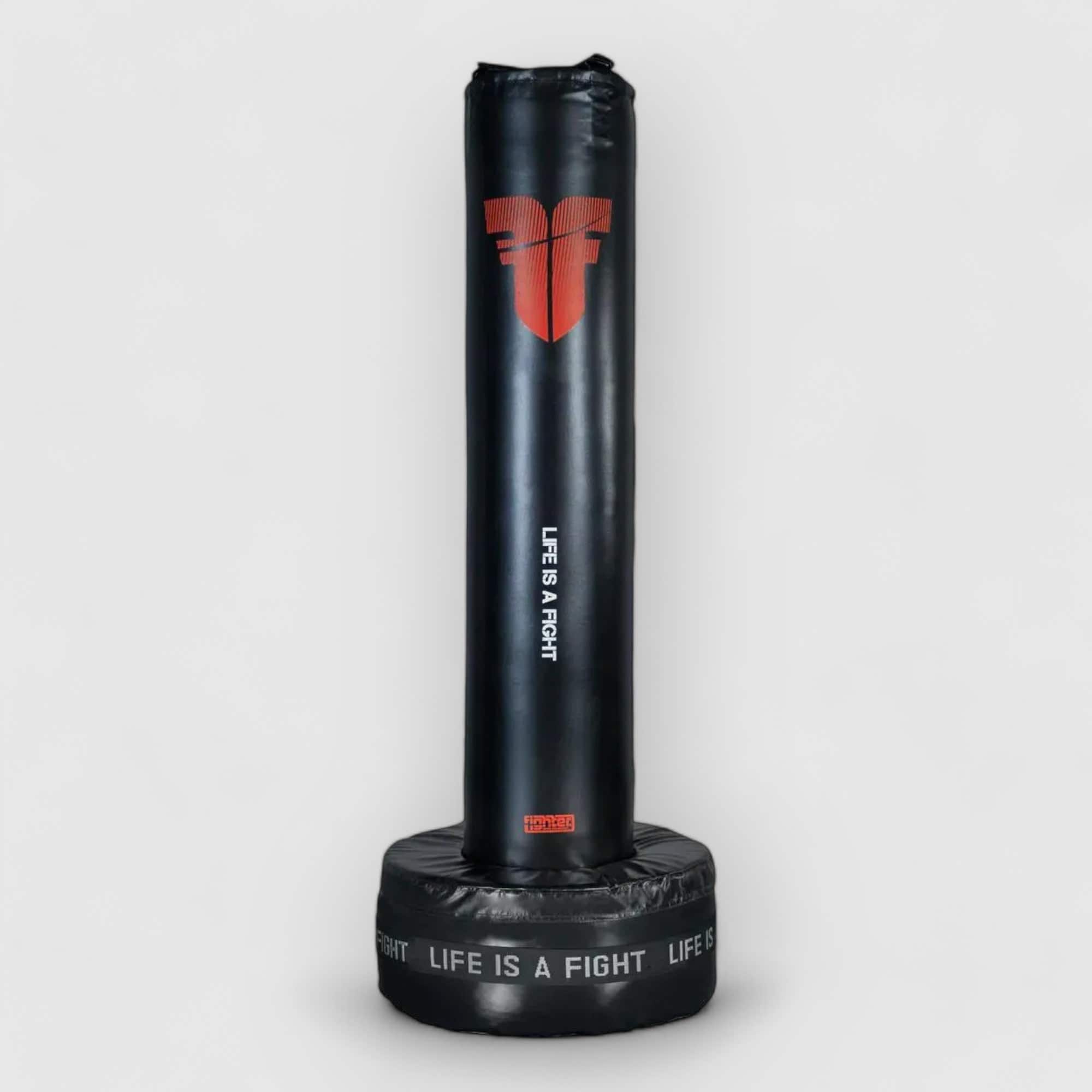
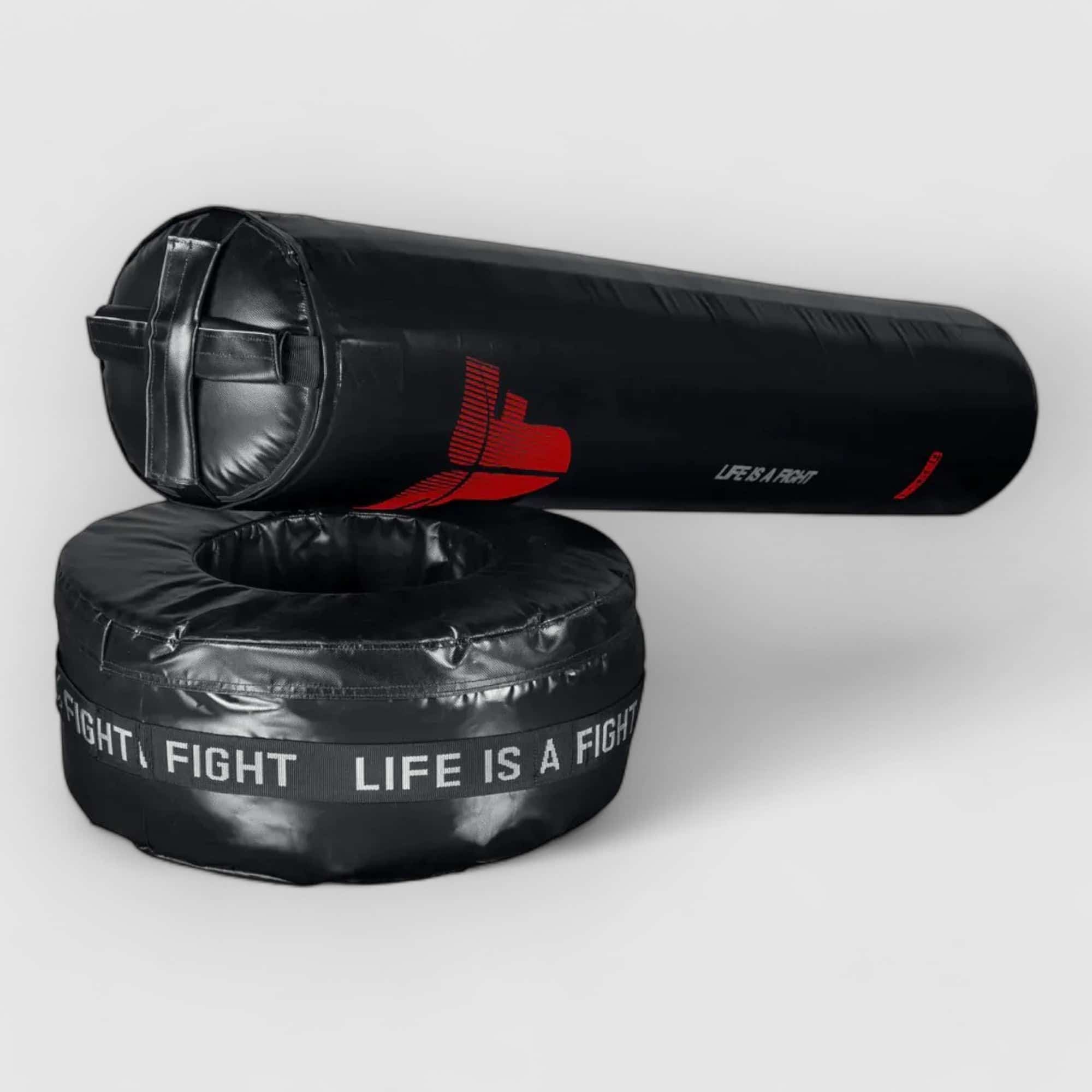
5,990 kr. Covers several types of work in the same unit - sensible when there is only room for one thing.
Hanging
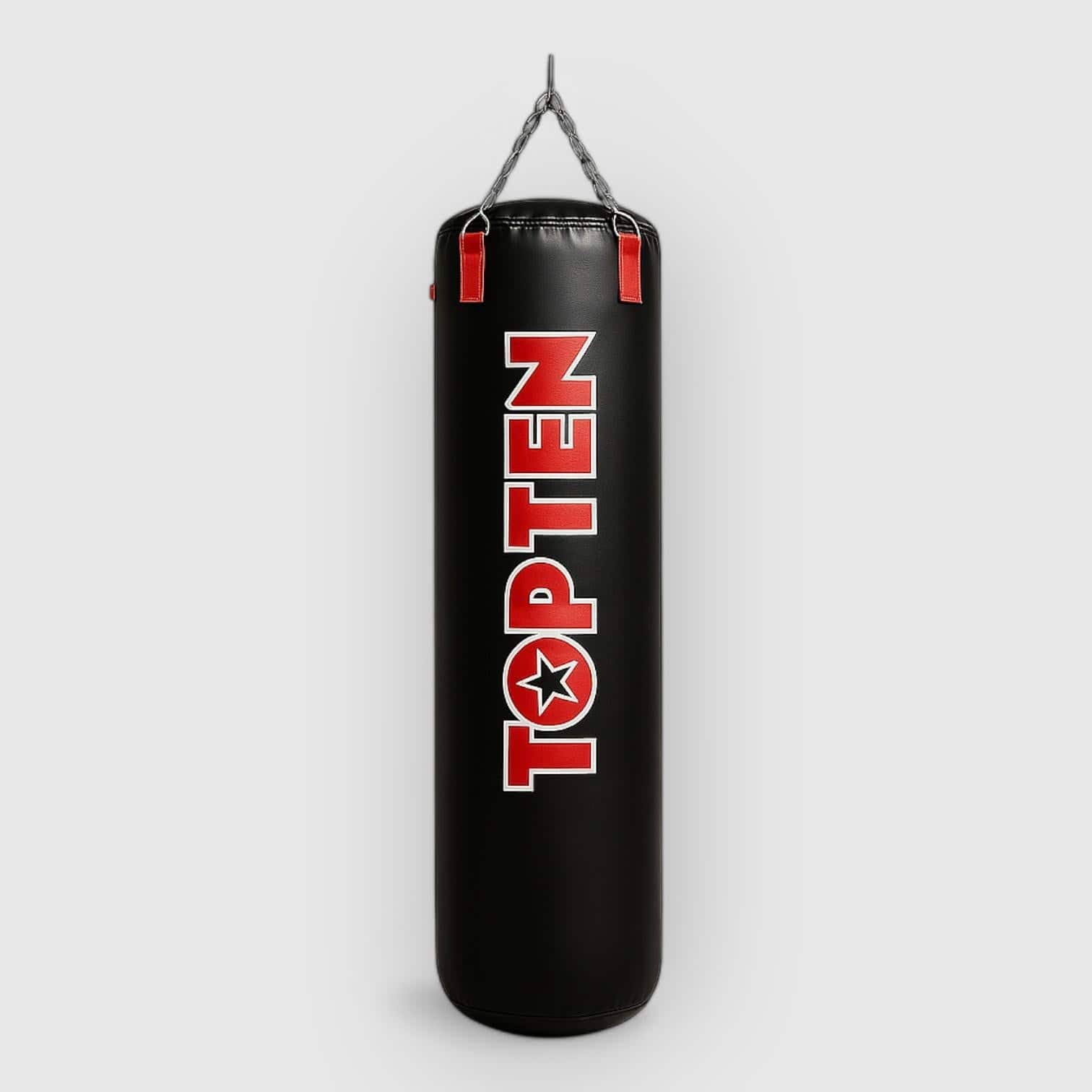
2,990 kr. Classic length that covers both head and body height. We are restocking throughout the autumn, so keep an eye out if your size is sold out.
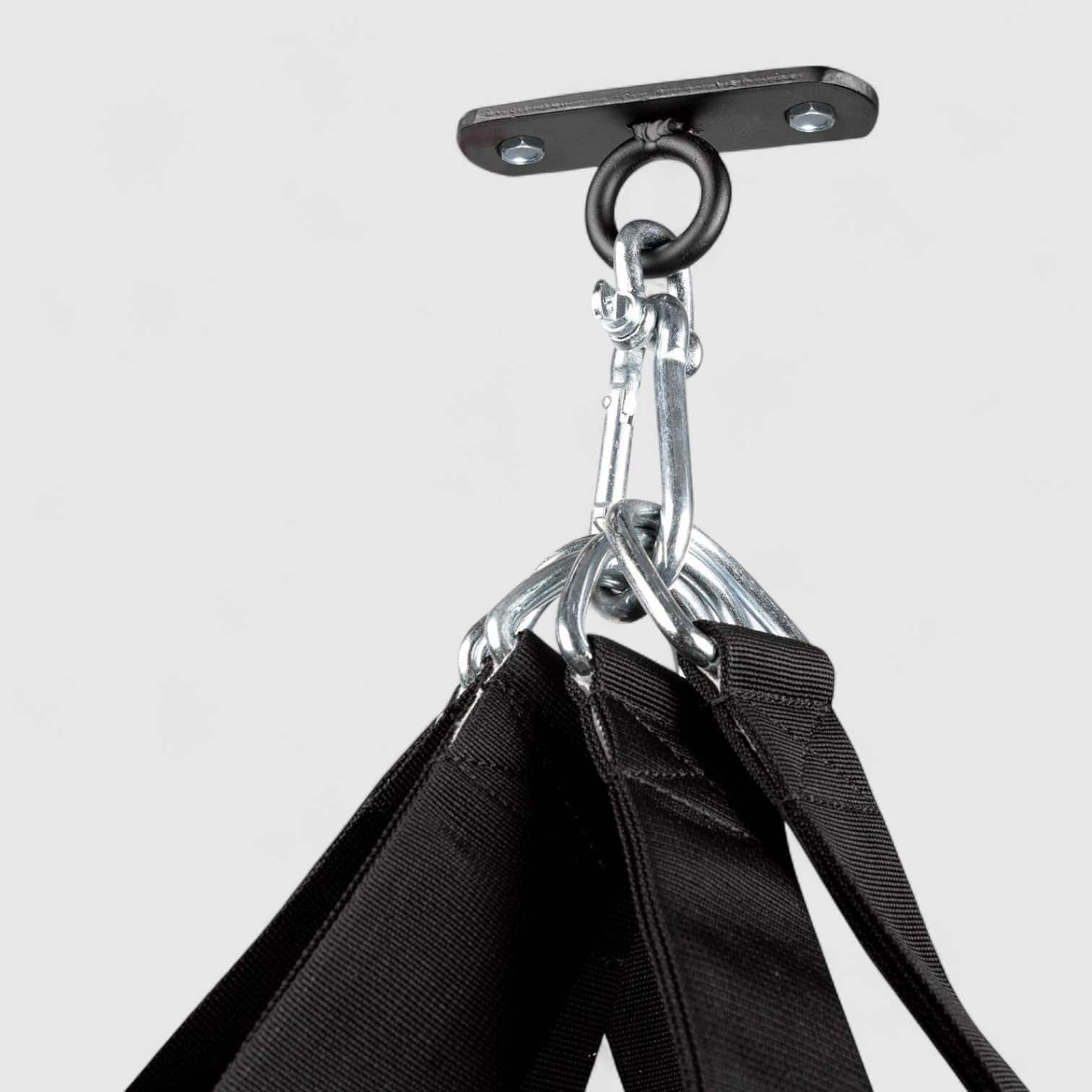
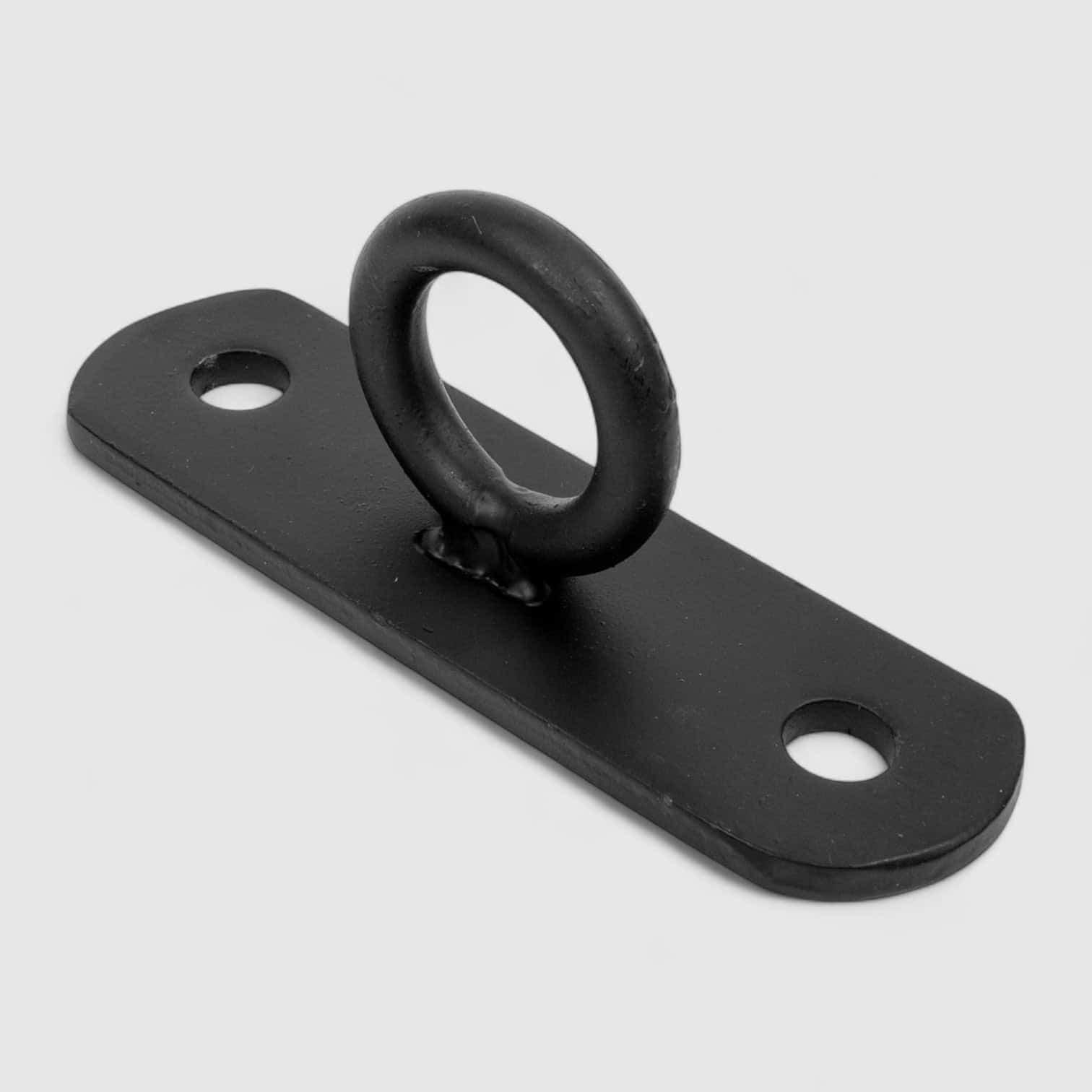
The damping
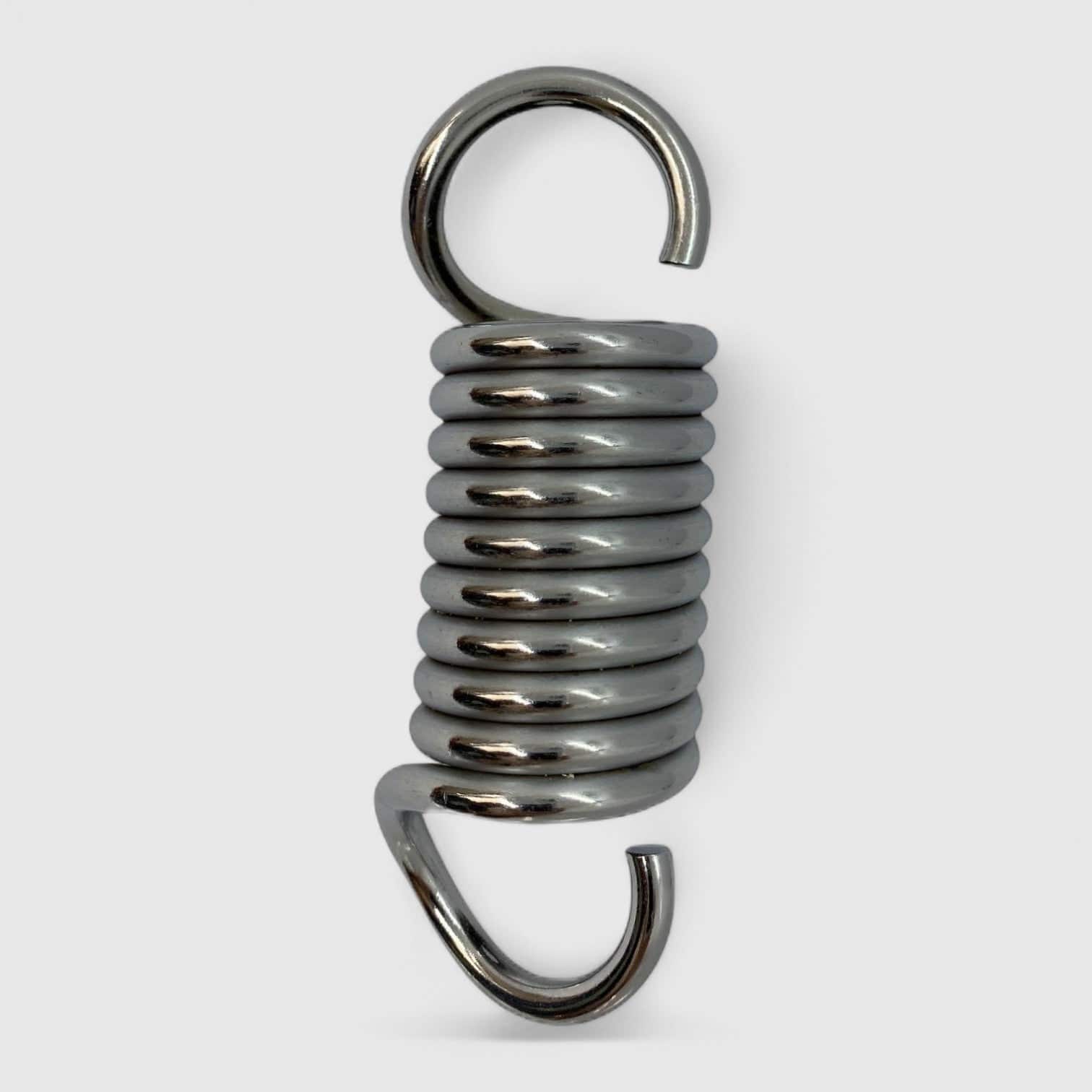
199 kr. Absorbs the jolt in the mount. The cheapest insurance against both noise and loose screws.
Level 3: the proper room
If you have a basement, a garage or a room you can dedicate to this, the calculation changes. Now it is not space that limits you, but what you will actually use.
Our advice at this level is to put the money into two things: more mats, and a pad or a shield. The mats because they decide what you dare to do, and the pad because it lets you train with a partner. A whole room with nothing to hit together with others quickly becomes a room you train in alone - and few people keep that up in the long run.
More floor
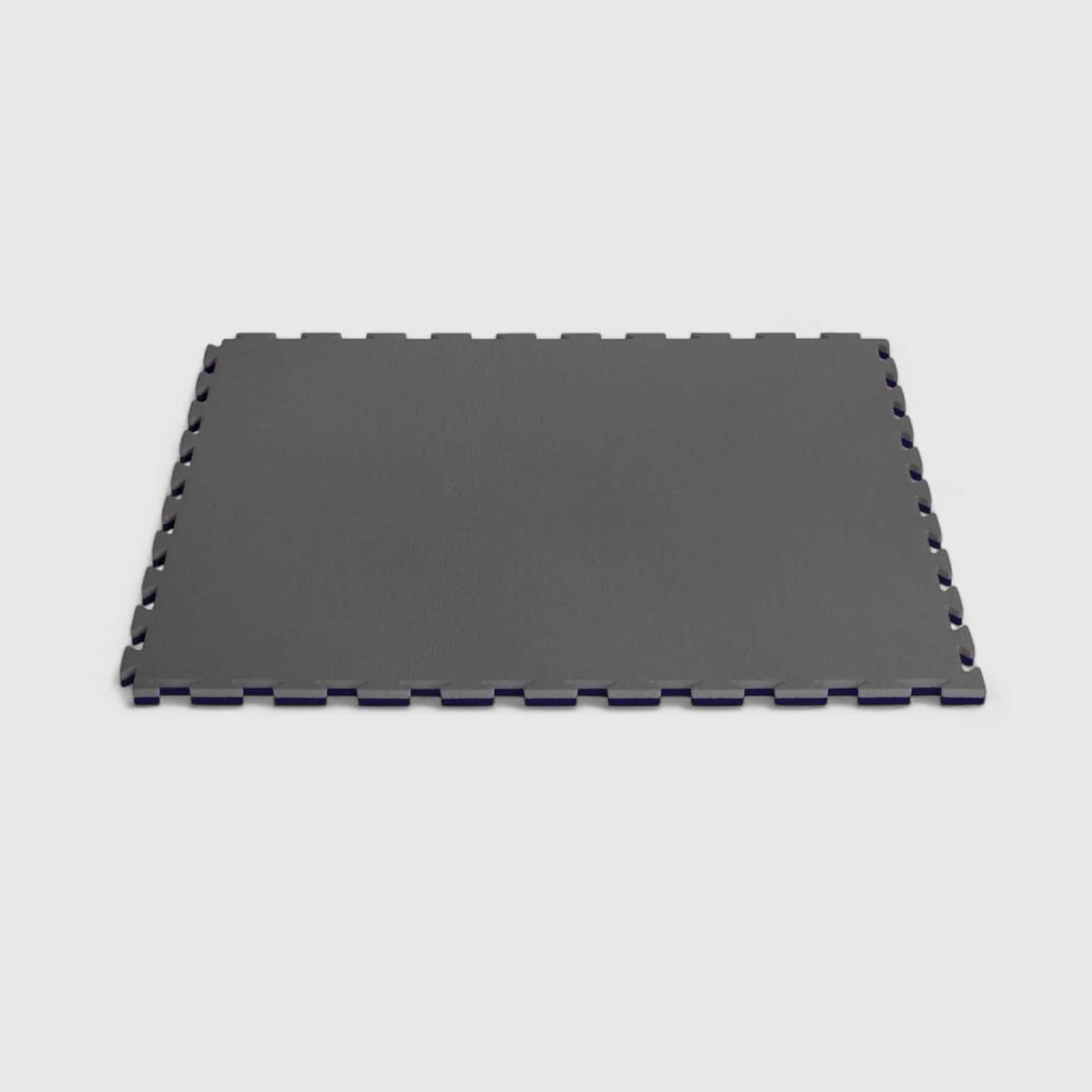
From 690 kr. Thicker mat made for grappling and falls. Lay as much as you have room for.
For your partner
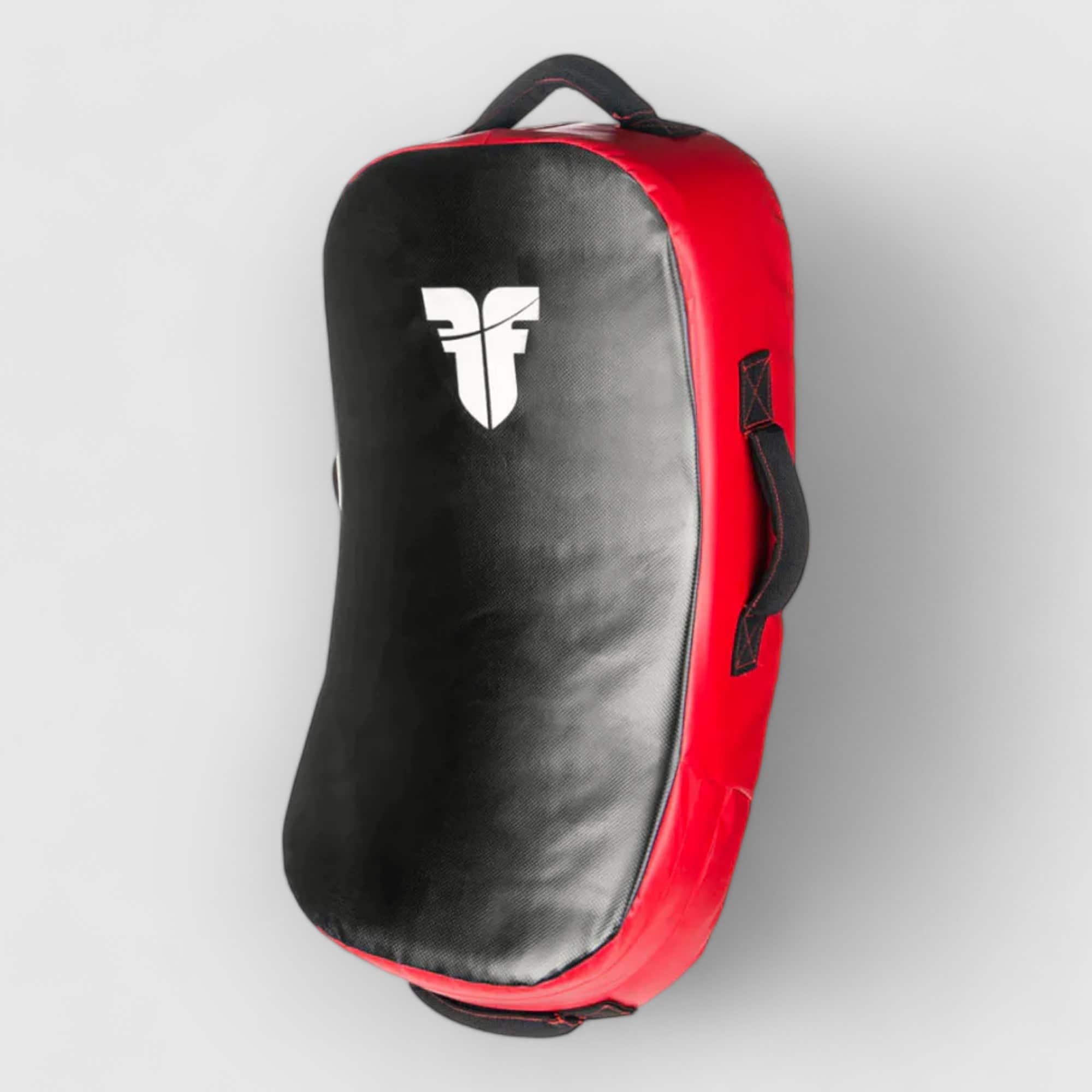
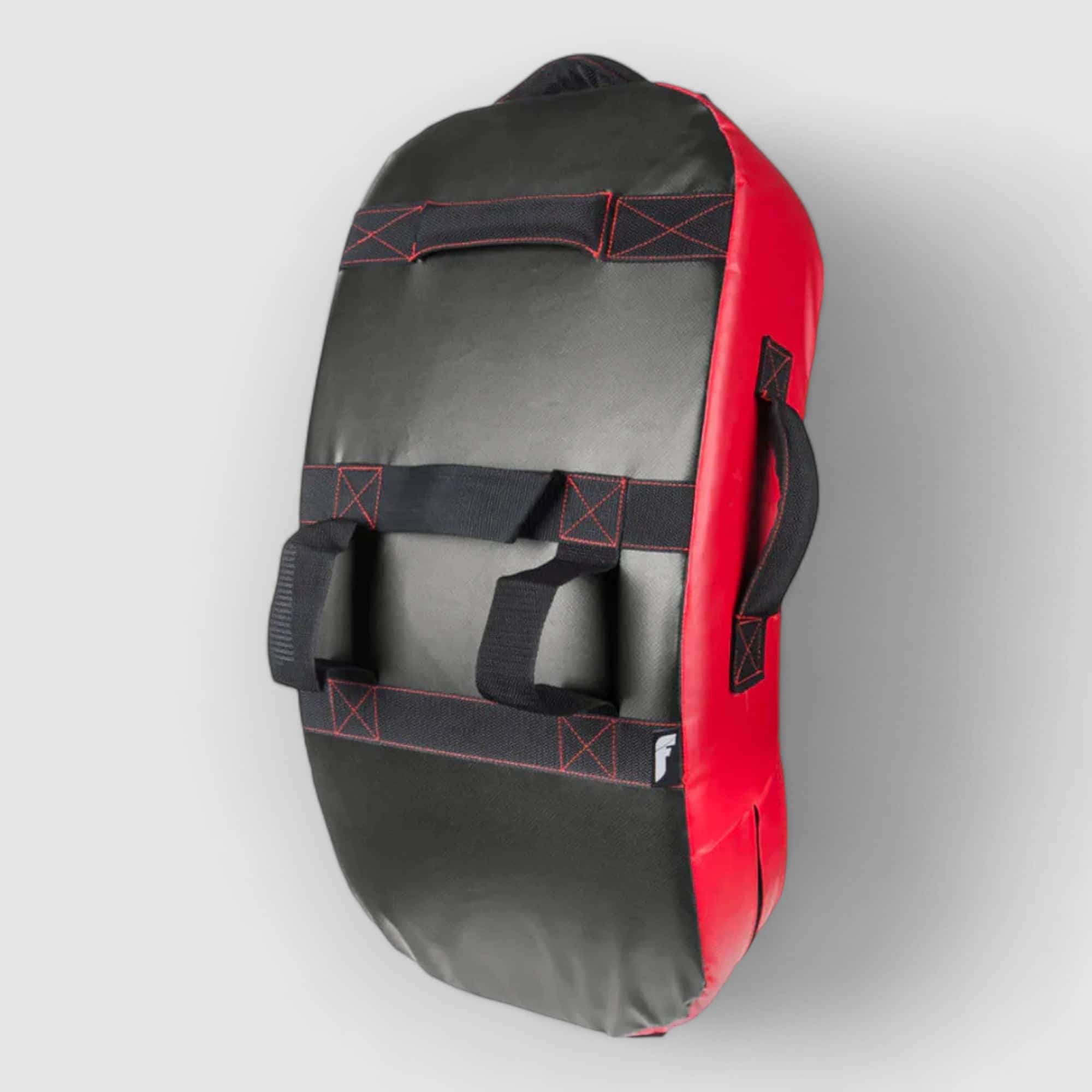


1,090 kr. Curved shield that can take hard kicks and punches. See also our guide to pads.
See everything for the training room
Noise, neighbours and the building
This is why home training rooms get shut down. Not motivation - the neighbour.
- Check what you are allowed to do. In housing cooperatives and owner associations there may be rules about what can be attached to load-bearing structures. Ask before you drill.
- Put a mat under everything. Especially under a free-standing bag, where the base would otherwise transmit every punch straight into the floor.
- Use a damped hanger if the bag hangs. Sound travels through the structure, not through the air.
- Stick to reasonable times. Half an hour at 8 pm is something else than the same half hour at 10 pm.
- Let the neighbour know in advance. It sounds trivial, but a heads-up in advance prevents almost all conflicts.
A session you will actually complete
The big problem with home training is not equipment, it is that the session never begins. The solution is to have a fixed session you can do without planning.
- Five minutes of skipping as a warm-up. Do not think, just jump.
- Three rounds of three minutes on the bag or shadowboxing, with one minute of rest.
- Three rounds of strength: push-ups, squats, plank.
- Five minutes of stretching on the mat.
It takes around twenty-five minutes, and you can do it in tracksuit bottoms. The point is not that it is optimal - the point is that it gets done on a Tuesday evening in November.
Frequently asked questions
Can I hang a bag from an ordinary ceiling?
No. It has to go into a load-bearing beam or a solid wall mount. If you are unsure about the structure, choose free-standing - it is cheaper than repairing the ceiling.
How much space do I really need?
Two by two metres is enough for skipping, strength and shadowboxing. For a bag you also need a metre around it that you can move in.
Water or sand in the base of a free-standing bag?
Sand is more stable, water is easier to move and to empty. If you live in a flat and will move it now and then, go with water.
Does this replace club training?
No. You can build fitness, strength and technique at home, but not timing against a person. See the home room as a supplement, not a replacement.
Which gloves should I use on the bag at home?
Regular training gloves, preferably a little heavier than the ones you use on pads. See the guide to boxing gloves, and wear hand wraps underneath.