
Autumn gradings come in November and December at most clubs, which means preparation starts now. If you have skipped a grading, or this is your first, it is worth knowing that grading is rarely about what you think it is about.
It is not about showing something new. It is about showing that what you already know holds up when someone is watching.
Three systems, three logics
| Sport | How grading works | What you need |
|---|---|---|
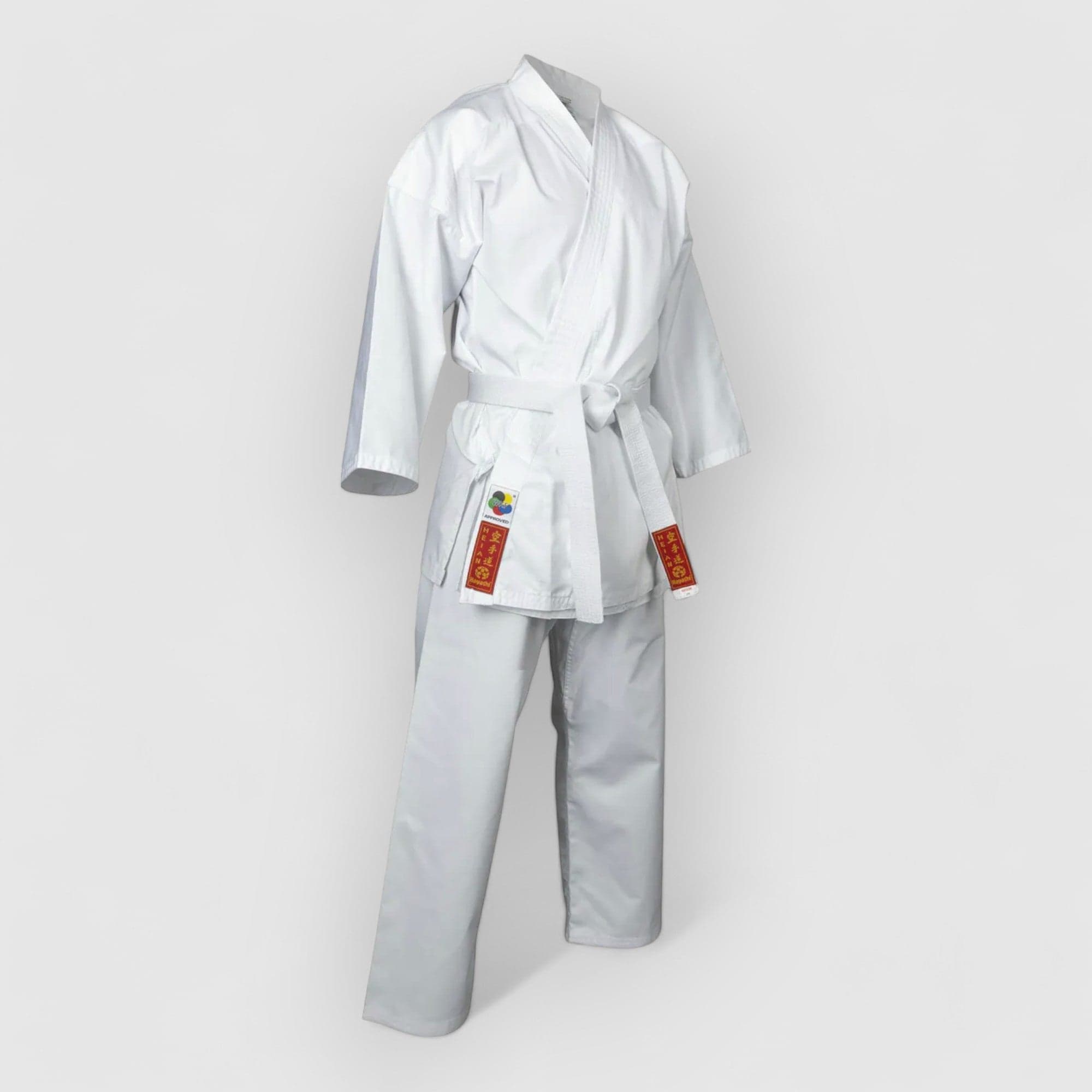
| Karate | Fixed syllabus per kyu grade, grading a couple of times a year, assessed by judges or the sensei | White karate gi, belt in the right colour. A WKF-approved uniform is required in competition, not necessarily for grading. |
| ITF taekwondo | Fixed syllabus, gup grades up to black belt, then dan grades | Dobok. The model changes with level - student, master and instructor are separate versions. |
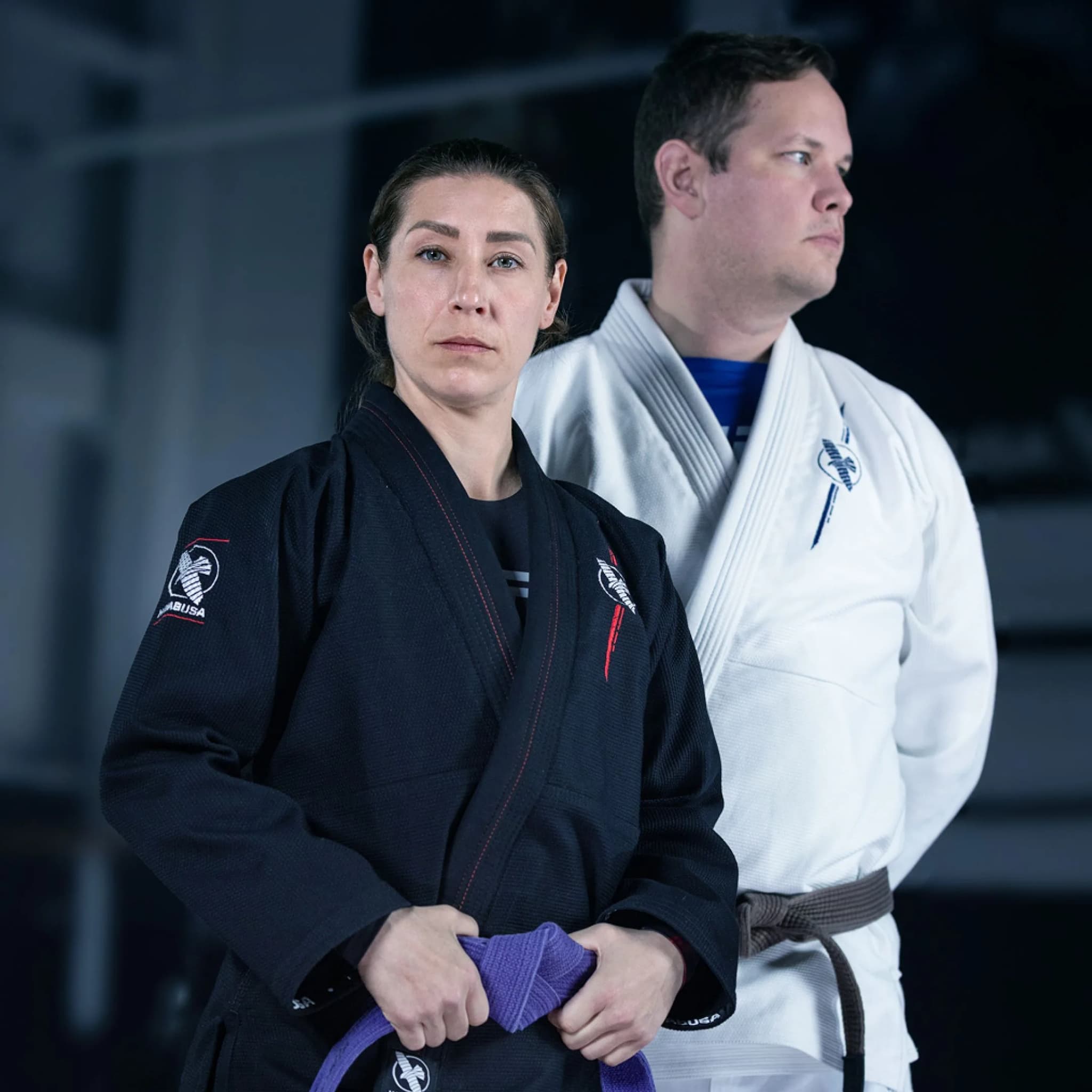
| BJJ | No fixed date and no fixed syllabus. The instructor grades you when they think you are ready. | A gi in a colour your club allows, and a belt of the right length. |
The most important difference is psychological. In karate and taekwondo you know when the test is coming, and you can work towards a date. In BJJ you cannot - and that is one of the reasons BJJ practitioners rarely talk about "taking" a belt.
Karate: kyu, syllabus and the uniform
Karate grading is based on the syllabus: kihon, kata and kumite at the level the grade requires. What separates a pass from a fail is rarely whether you remember the order, but whether your basic stances hold when you are tired towards the end.
A white karate gi is worn for grading. The weight of the fabric varies - a lighter uniform is comfortable for training and for kata in the children's classes, while a heavier uniform fits better and gives the snap in the fabric that belongs to kata. If you are also going to compete, a WKF-approved uniform is what counts, and then that is the one you should buy straight away.
We have written more about what you need to get started in the guide to karate in Norway.
ITF taekwondo: dobok and dan
In ITF taekwondo the uniform follows the grade. A student wears a student dobok, while the master and instructor grades have their own versions - with us you will find both 1st to 3rd dan and 4th to 6th dan as separate models. It is not decoration: the dobok shows where you stand in the system.
The gradings here cover the gup grades up to black belt, with theory, patterns (tul), technique and usually also breaking. If you are unsure what each grade involves, we have a separate run-through of ITF grading and what the belts mean.
BJJ: grading without a date
BJJ has no grading days. The instructor takes you aside after training, and then it is done. There is no syllabus to memorise and no date to work towards - just time on the mat.
What is graded is in practice how well you hold your own against people at your own level, whether you have a game that works, and whether you show up. The last one is underrated: in BJJ, attendance over time is the qualification itself.
We have gone through the order of the belts and what each of them involves in BJJ belt order explained simply.
The uniform on grading day
This is the part that is easy to fix, and that still goes wrong every year.
- Intact and clean. A uniform with a hole in the knee or a coffee stain on the jacket sends a signal you do not mean to send. Wash it, and mend it if it needs it.
- The right size. Especially for children who have grown since May. The sleeves should not cover the hands, and the trousers should not be trodden on.
- The belt should be yours. Not borrowed from a clubmate half an hour before. A belt that is too long or too short is a distraction you do not need.
- Try everything on the week before. Not on grading day.
Four weeks, week by week
- Four weeks to go: Ask your instructor straight out what you will be assessed on. Most are happy to answer, and you will find out which two or three things you should spend your time on.
- Three weeks to go: Check your uniform and belt. Order new ones now if anything needs replacing.
- Two weeks to go: Run through the syllabus slowly, not fast. The mistakes are in the details, and they disappear at high speed.
- The week before: Train as normal. Do not try to make up three months in five days - you will only arrive at the test tired.
- The day before: Lay everything out, eat normally, sleep. That is all that is left.
Uniforms and belts we recommend
Karate
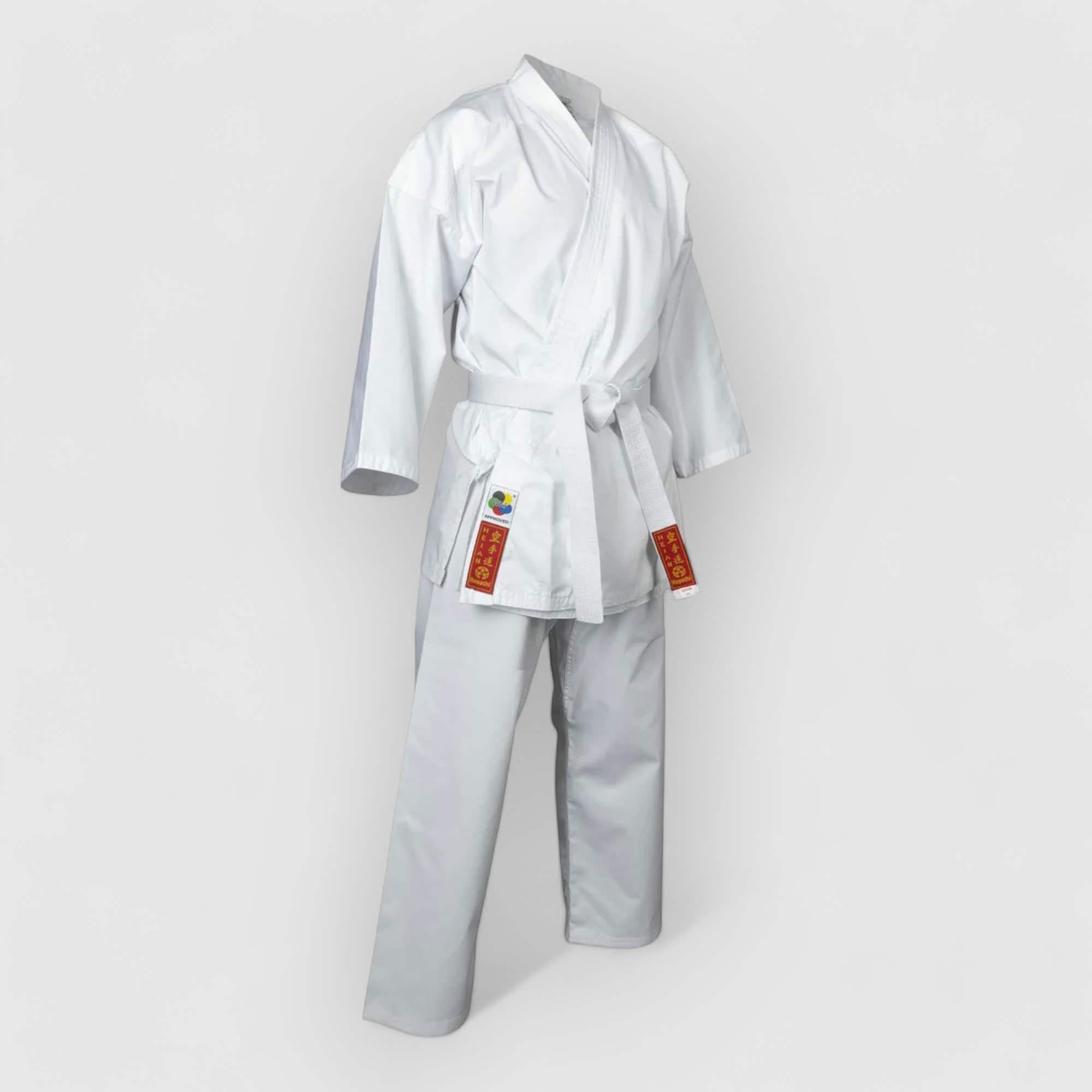
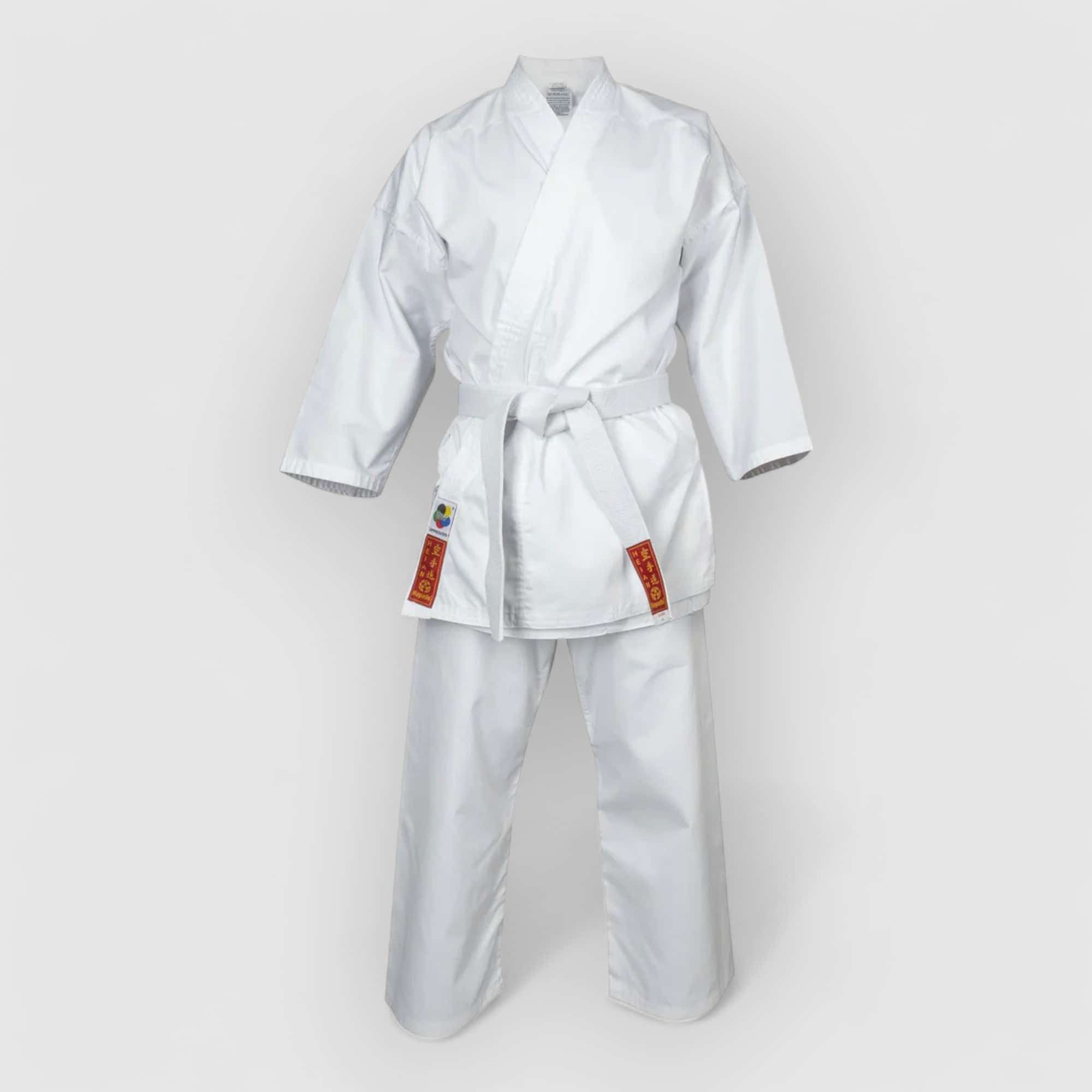
From 490 kr. WKF-approved, and the uniform we sell the most of. If you are buying one uniform to cover training, grading and competition, this is it.
Karate, lighter uniform
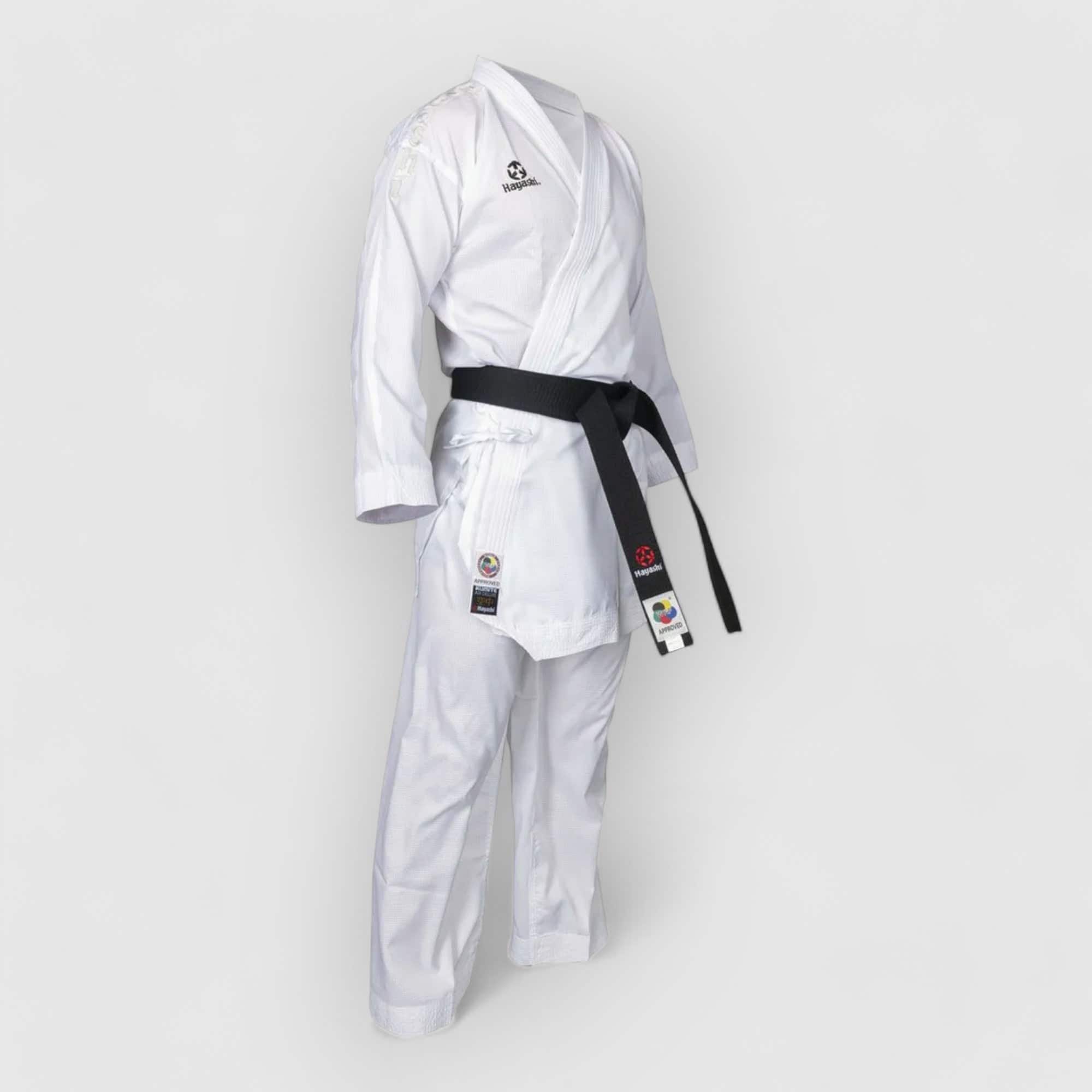
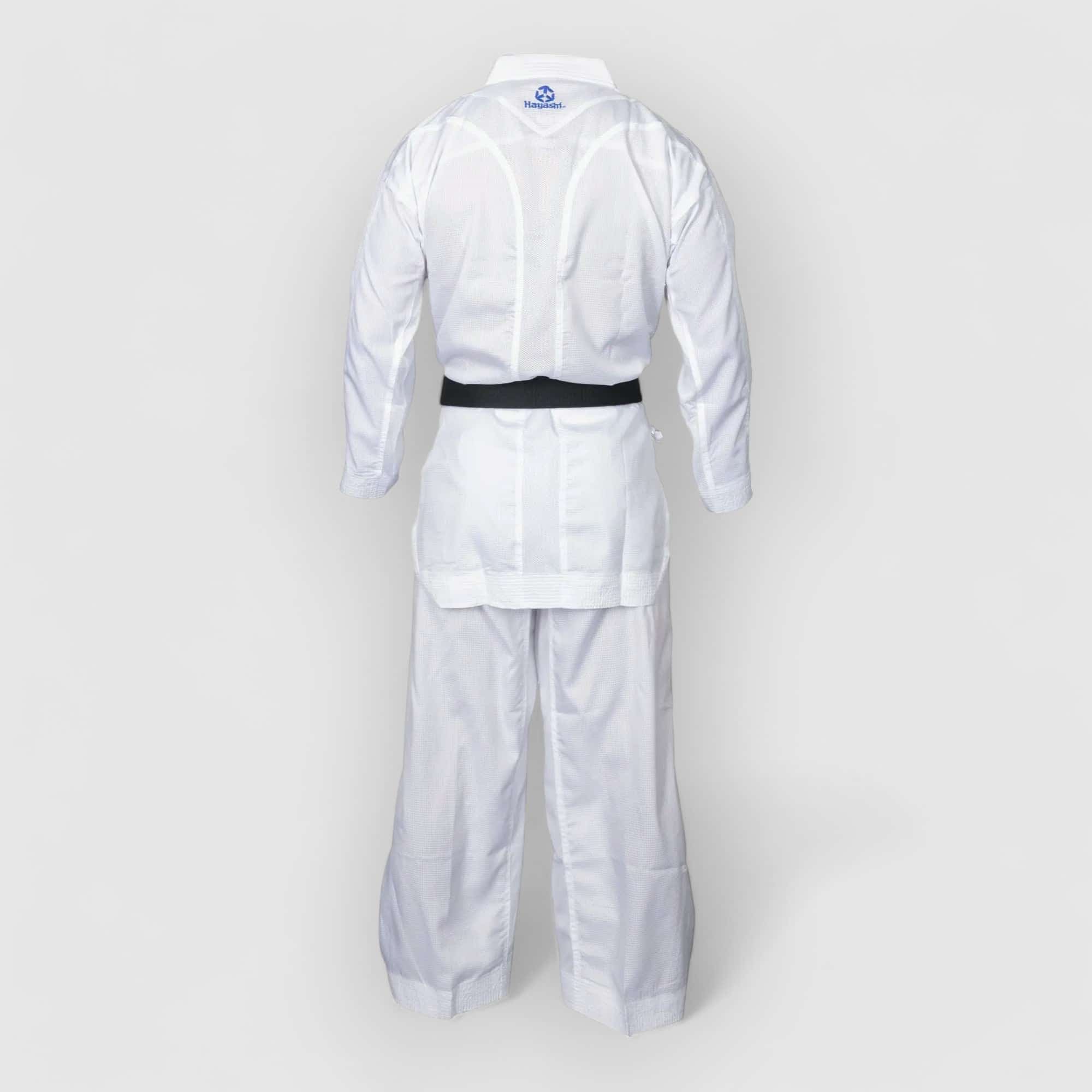
From 1,290 kr. A lighter uniform for those who train a lot and want something breathable.
Belt
From 50 kr. Officially approved WKF belt. If you have moved up a grade, this is the cheapest purchase you will make all year.
Beginner
From 25 kr. For those who have just started, and for clubs that need a stock of white belts for new members.
ITF taekwondo
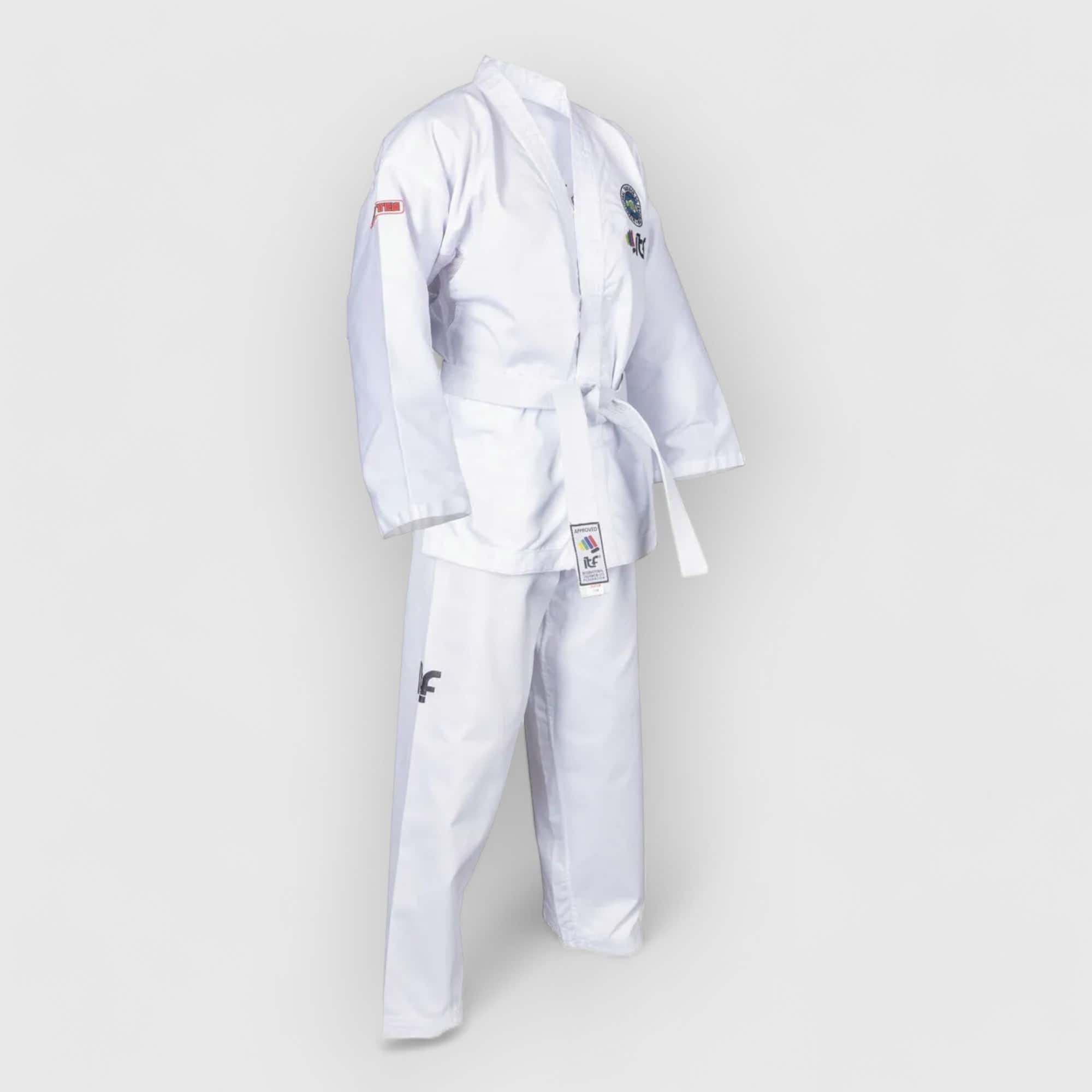
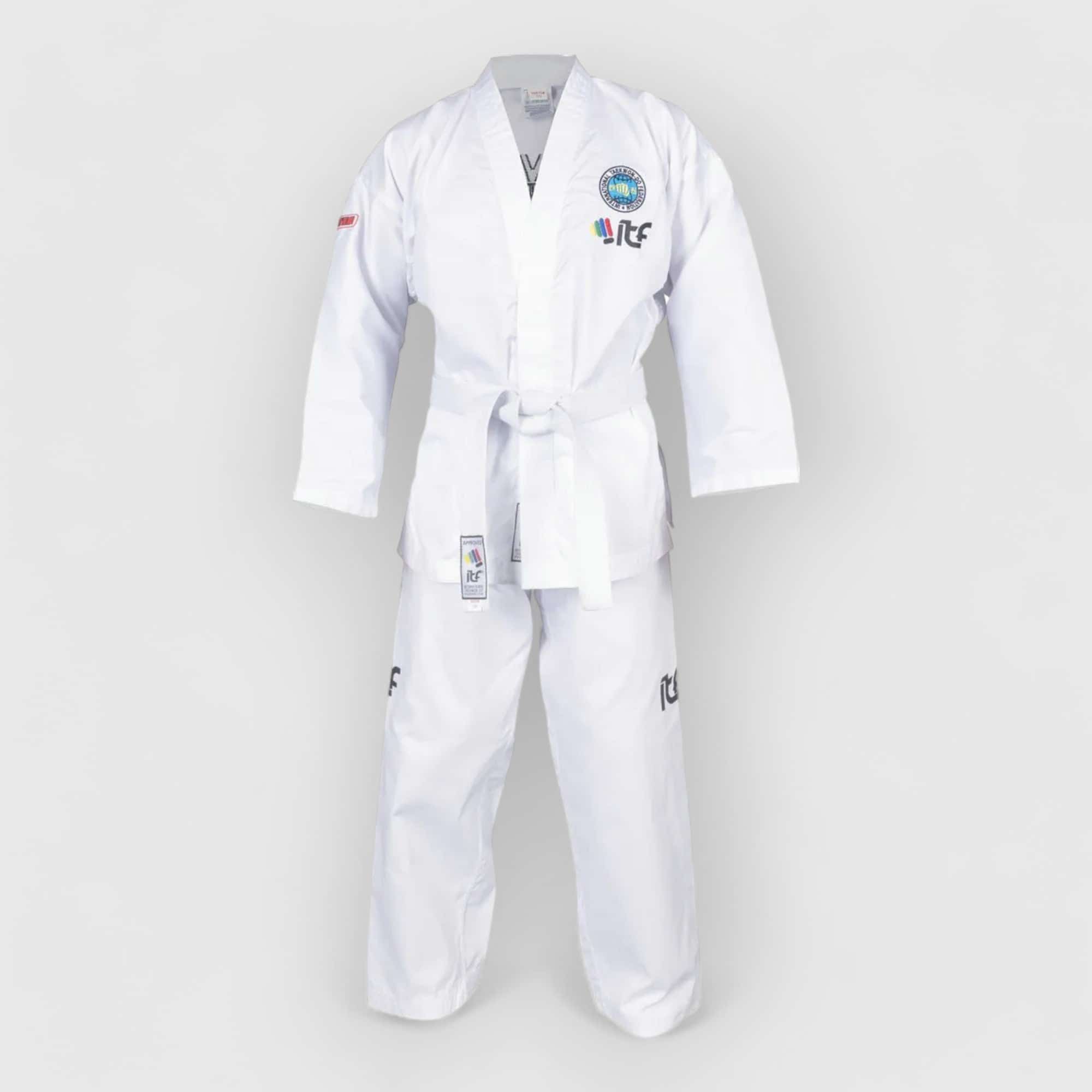
From 890 kr. ITF-approved student dobok. The starting point for most people grading through the gup grades.
1st to 3rd dan
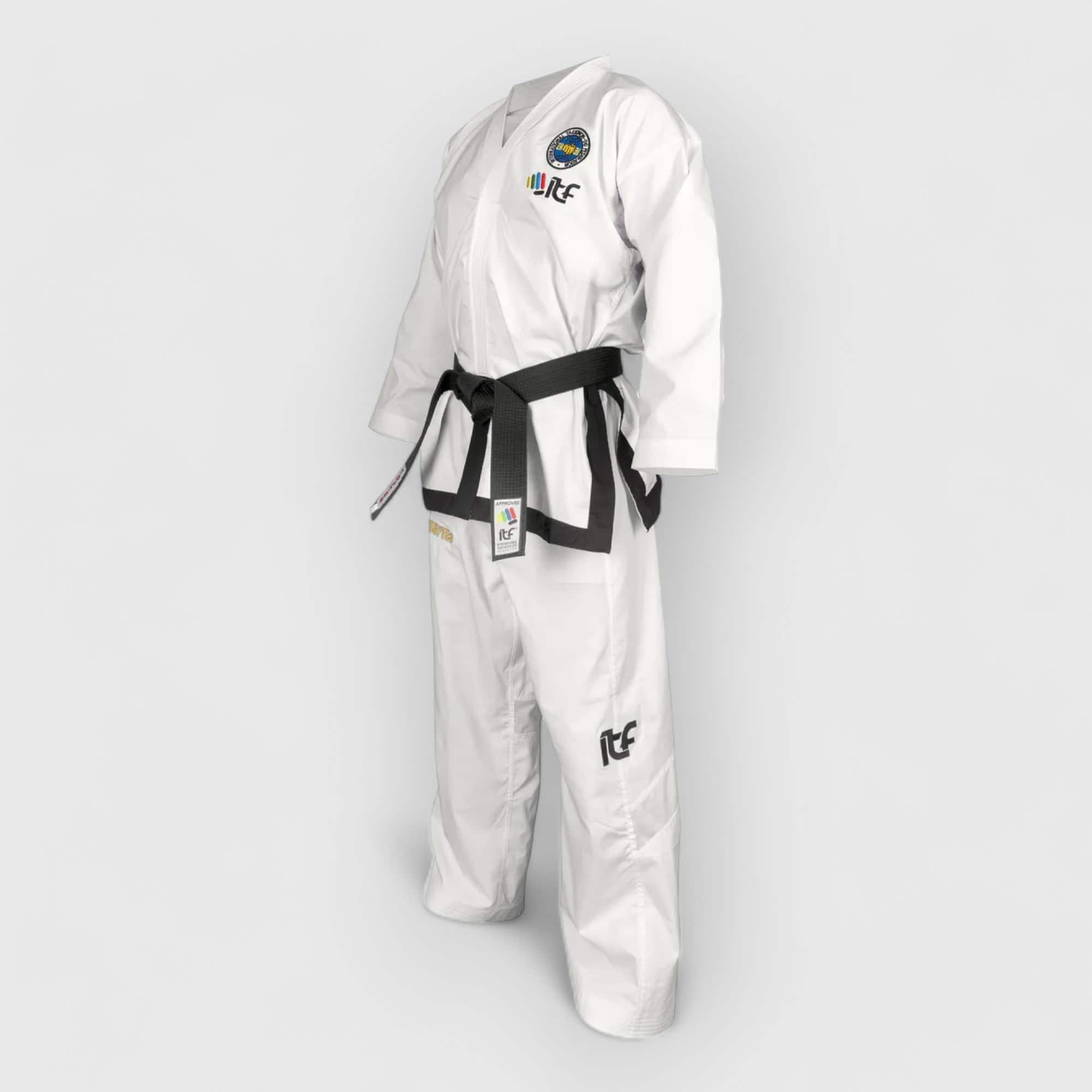
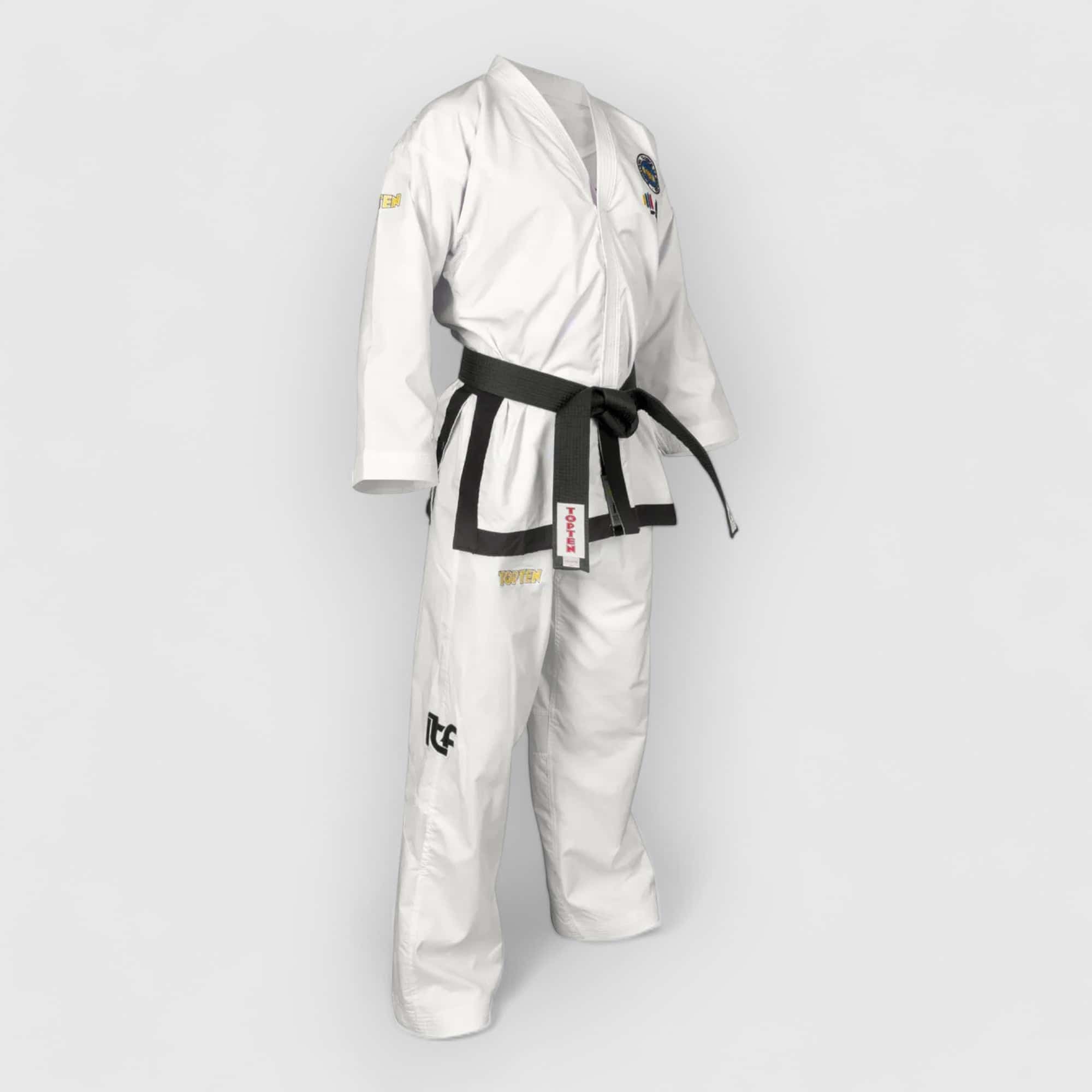
From 1,390 kr. ITF-approved for 1st to 3rd dan. Check with your instructor which model your grade requires before you order.
BJJ
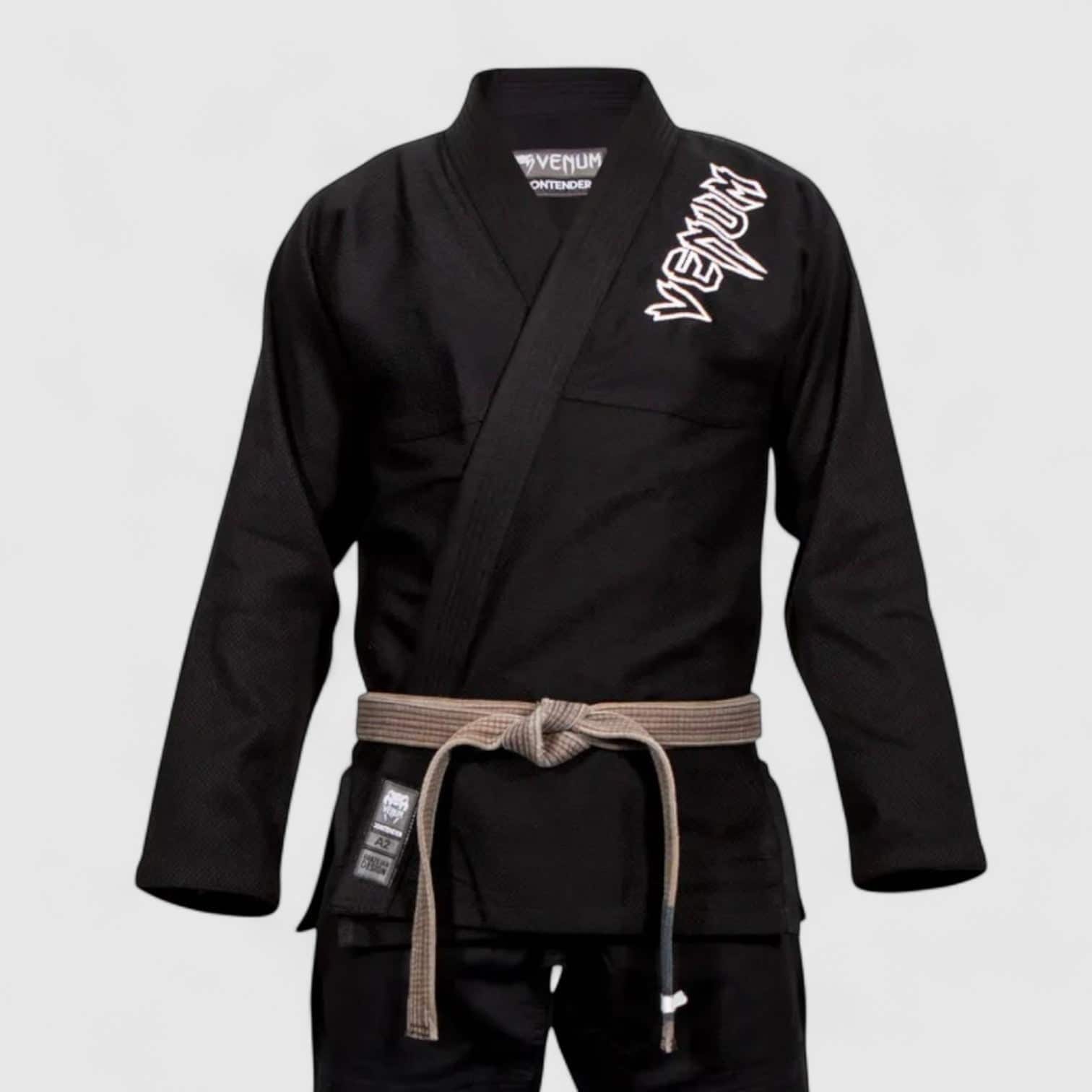
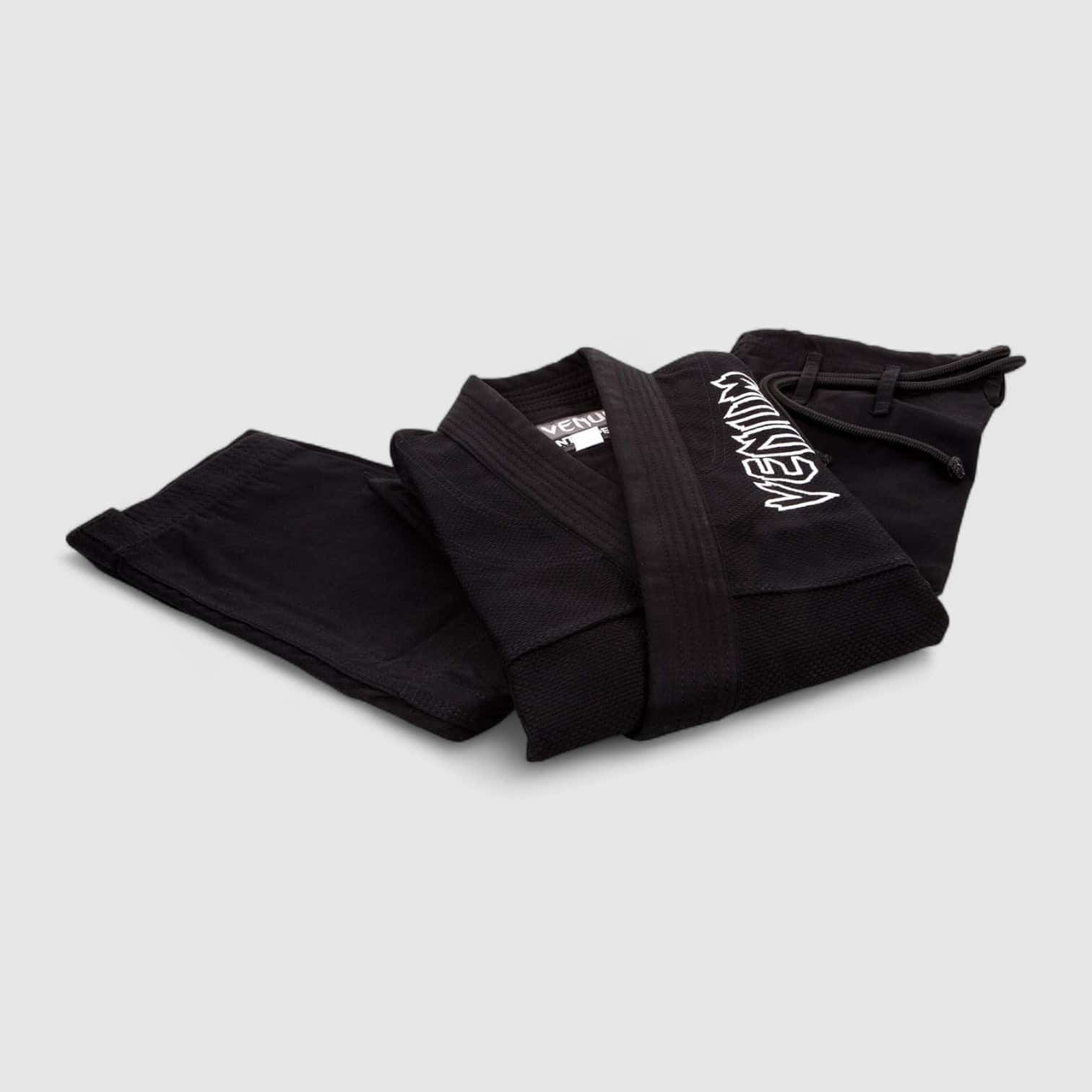
From 1,490 kr. Also available in white. Check which colours your club allows before you choose.
BJJ belt
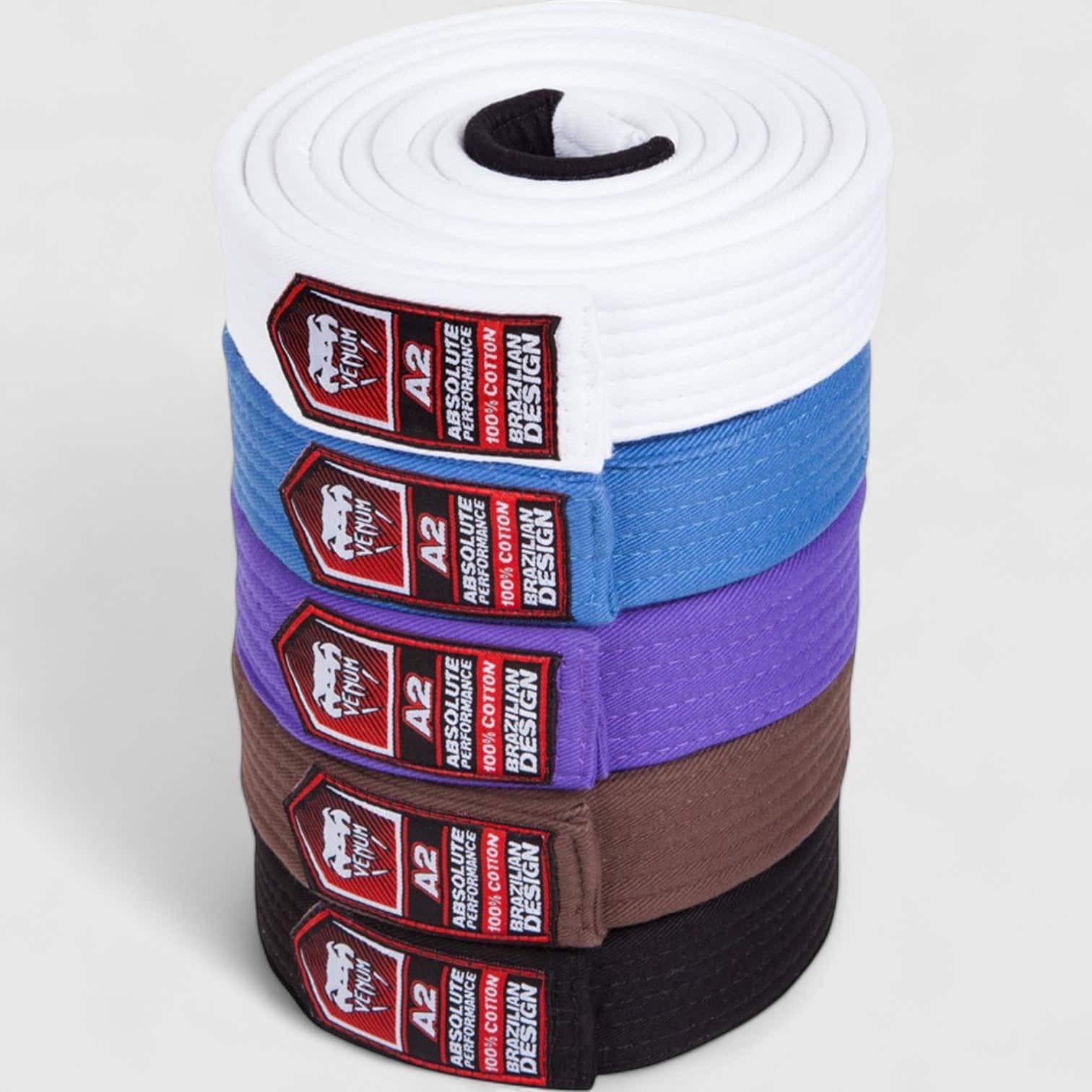
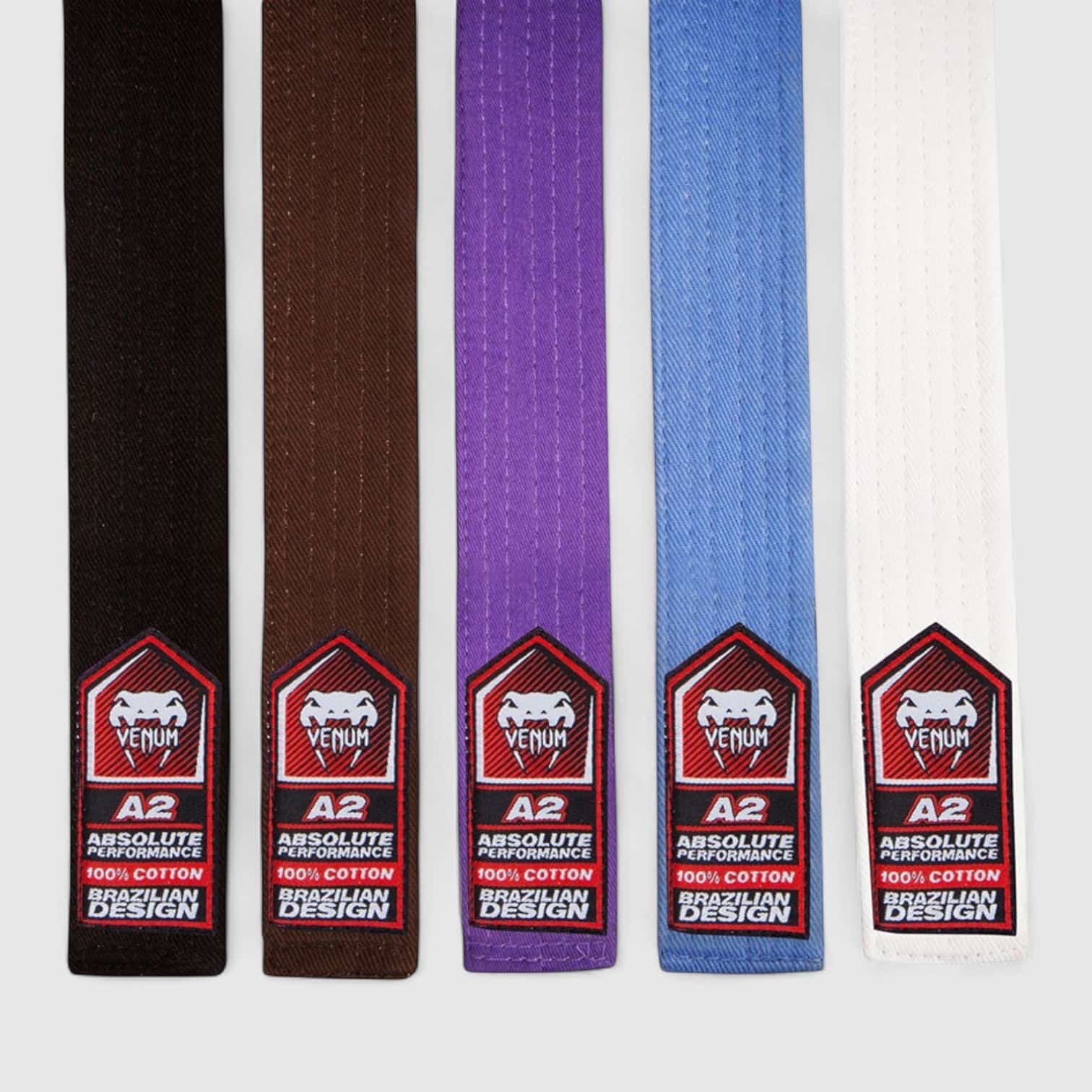


From 299 kr. Buy the length that fits you, not the one that was left in the club cupboard.
Frequently asked questions
Do I need to buy a new belt when I move up?
Yes. The belt shows your grade, and a borrowed belt in the right colour is not the same as your own. It is also the cheapest equipment in all of martial arts.
Can I use the same uniform for training and grading?
Yes, as long as it is intact and clean. Many still have one uniform they save for grading and competition - it is not a requirement, but it makes the choice easier on the day.
What happens if I do not pass?
You try again at the next opportunity. It is not unusual, and an instructor who has you try again is doing you a favour - a grade you cannot carry is no grade at all.
How long should the belt be?
When tied, the ends should hang down about the same length, somewhere between the hip bone and mid-thigh. If in doubt, measure a belt you know fits and use it as your reference.
How often are children graded?
More often than adults at most clubs, with shorter steps between grades. That is deliberate: for a child, the next belt is one of the strongest motivational tools there is.