
It is a pattern every club recognises. The class is full in September, well attended in October, and on a Tuesday in November there are eight people left out of twenty. Nothing has happened to the training. It has just got dark at four o'clock.
We sell gear, and we could have written that the right gear is the answer. It is not. What keeps people going through the dark season is logistics and habits - and some of them are so small they seem too simple to count.
Why November is the worst
Three things hit at once. It is dark both when you leave for work and when you get home, so all your training happens in the dark. The novelty of September has worn off, and you are no longer "the new one" everyone looks out for. And cold season means one week away easily becomes three.
The third is the most dangerous. It is rarely a decision to quit. It is a week of illness, a week with too much at work, and then a week where it feels strange to come back. By then a month has passed.
Decide once, not every day
The most common mistake is treating every session as a new decision. At five o'clock on Tuesday you ask yourself "can I face it today?", and in November the answer is no about half the time.
The solution is to make the decision once, for the whole winter: Tuesday and Thursday are training days. Full stop. Then there is nothing left to consider - it is just something that happens, like work or dinner.
Choose times that can survive a bad day. A session at 18:00 that you can make without rushing from work beats a session at 17:00 that requires everything to go like clockwork.
The bag in the hallway
This sounds too simple to work, and it works anyway. Pack your bag the night before, and put it by the door.
The point is not the time you save. The point is that every single thing you have to find as you are heading out is a chance to change your mind. If your hand wraps are missing, you have to look for them - and while you look, you think that maybe tomorrow would be just as good.
- Pack the night before, every time. Make it part of your evening routine.
- Have two sets of hand wraps. One in the bag at all times, so there is never a reason to search.
- Let the gear live in the bag. Gloves, mouthguard, towel. Only the clothes get swapped.
- Put it in the hallway, not in the bedroom. It should be in the way.
People beat willpower
If you only do one thing from this article: train with someone.
Club training has a built-in mechanism that home training never achieves. Someone notices you did not come. Someone asks where you were. And you have agreed to hold pads for someone on Thursday. That agreement gets you out the door on an evening when you would never have gone out alone.
If you are already in a club: make a concrete agreement with one person to meet on fixed days. If you are not in a club yet, finding one is the most effective thing you can do for your winter training - more effective than any gear we sell.
The minimum session
Define in advance what counts as a completed session on a bad day. Not a good session - just a session.
| Day | What you do | Why it is enough |
|---|---|---|
| Normal day | The full club session | This is where progress happens. |
| Tired day | Show up, warm up, do technique. Skip the sparring. | You have kept the routine, and you will be there on Thursday too. |
| Terrible day | Ten minutes of skipping at home | The streak is not broken. That is the whole point. |
| Ill | Nothing | Training with a fever makes you worse, not better. Take a proper break. |
The rule behind the table is simple: never two cancelled sessions in a row. One missed session is a missed session. Two is the start of a break.
When you really cannot get out
Some evenings it just does not work. Sick children, work that drags on, an evening where it simply cannot be done. Then the point is to do something short at home, not to do nothing.
Ten minutes of skipping and three rounds of shadowboxing take a quarter of an hour, need no space, and keep both your fitness and the habit going. We have written about how to build a home training room in a separate guide - but for this purpose you need nothing more than a rope.
The little things that make the way shorter
None of these things creates motivation. They remove friction, which is something else - and in November it is the friction that decides.
The bag that stays ready
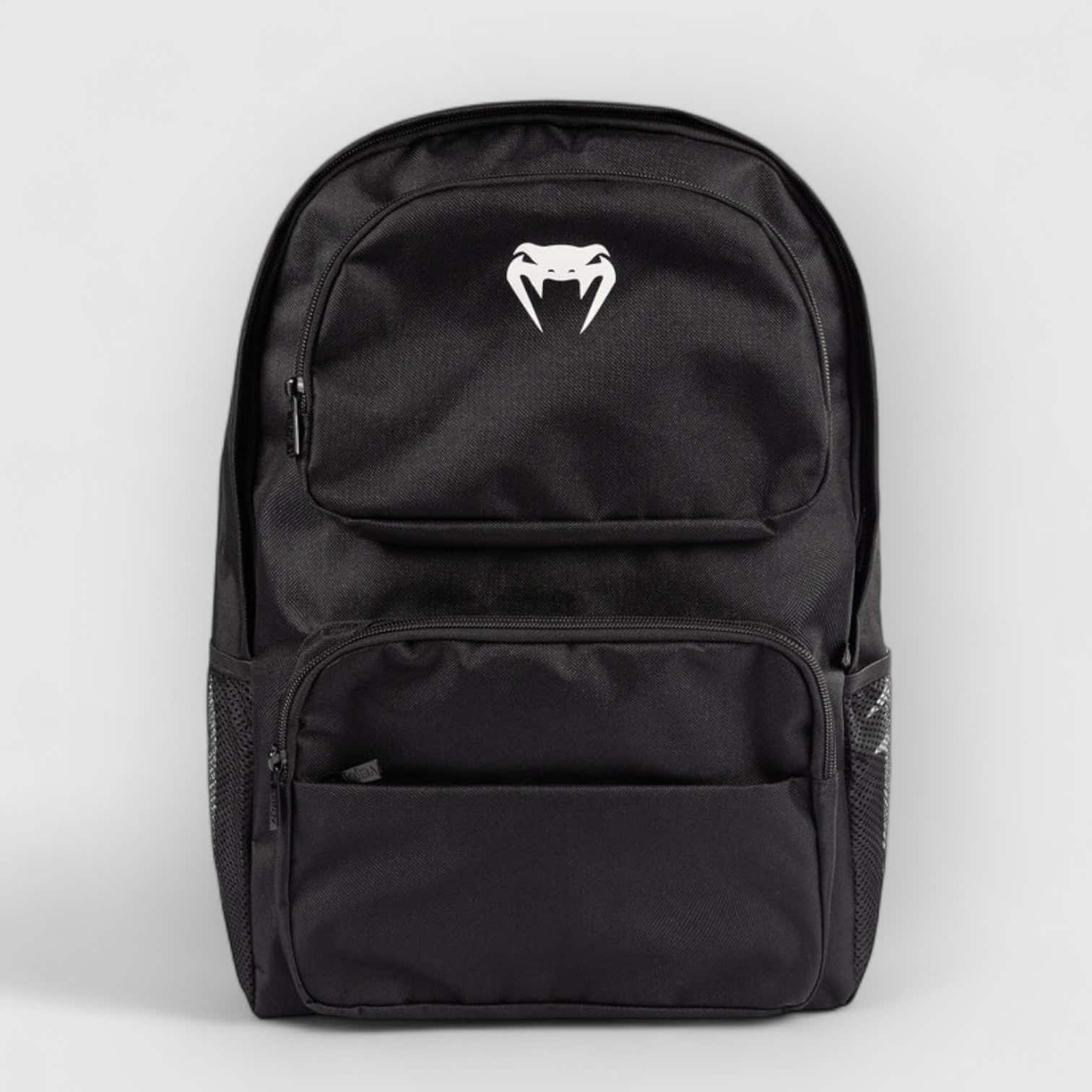
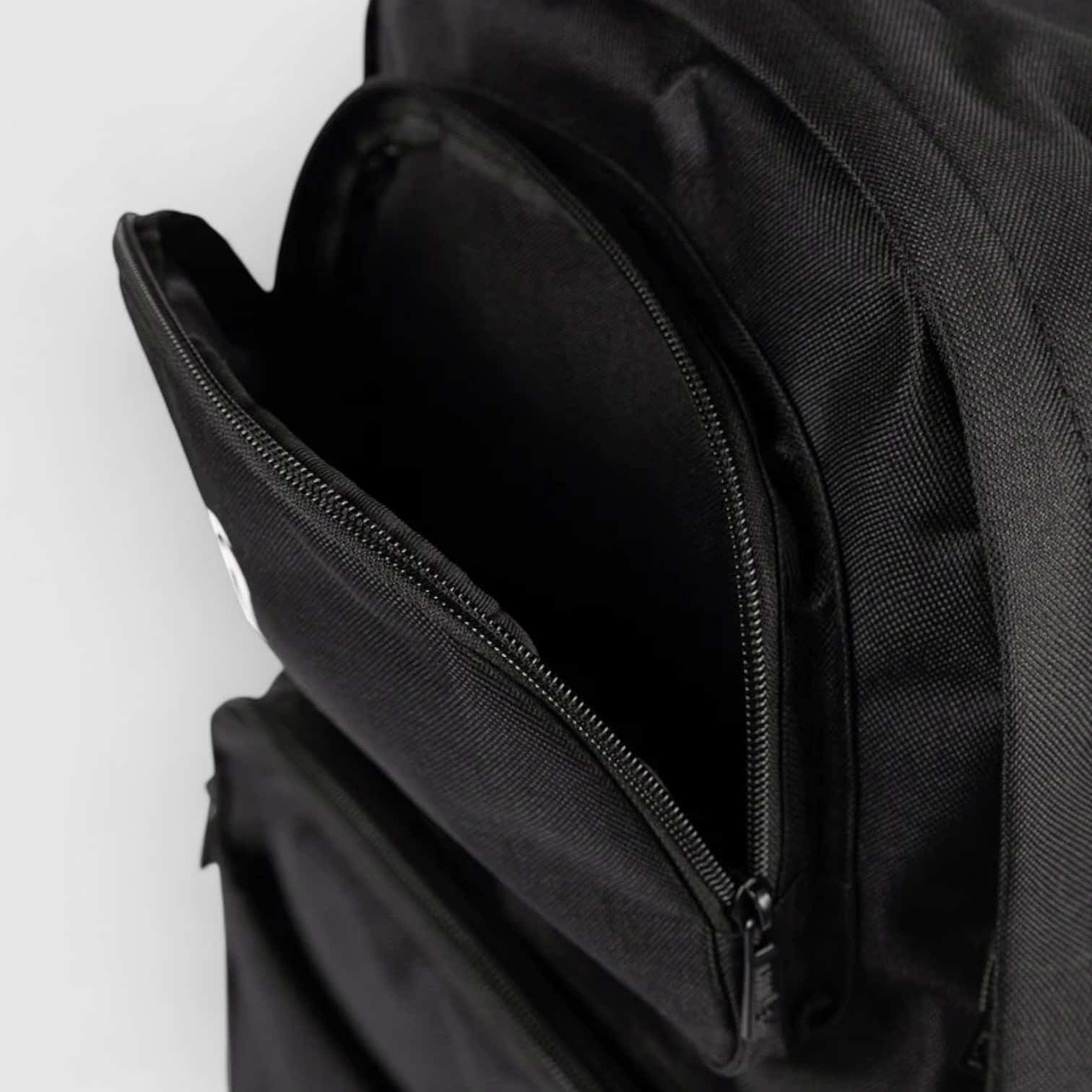
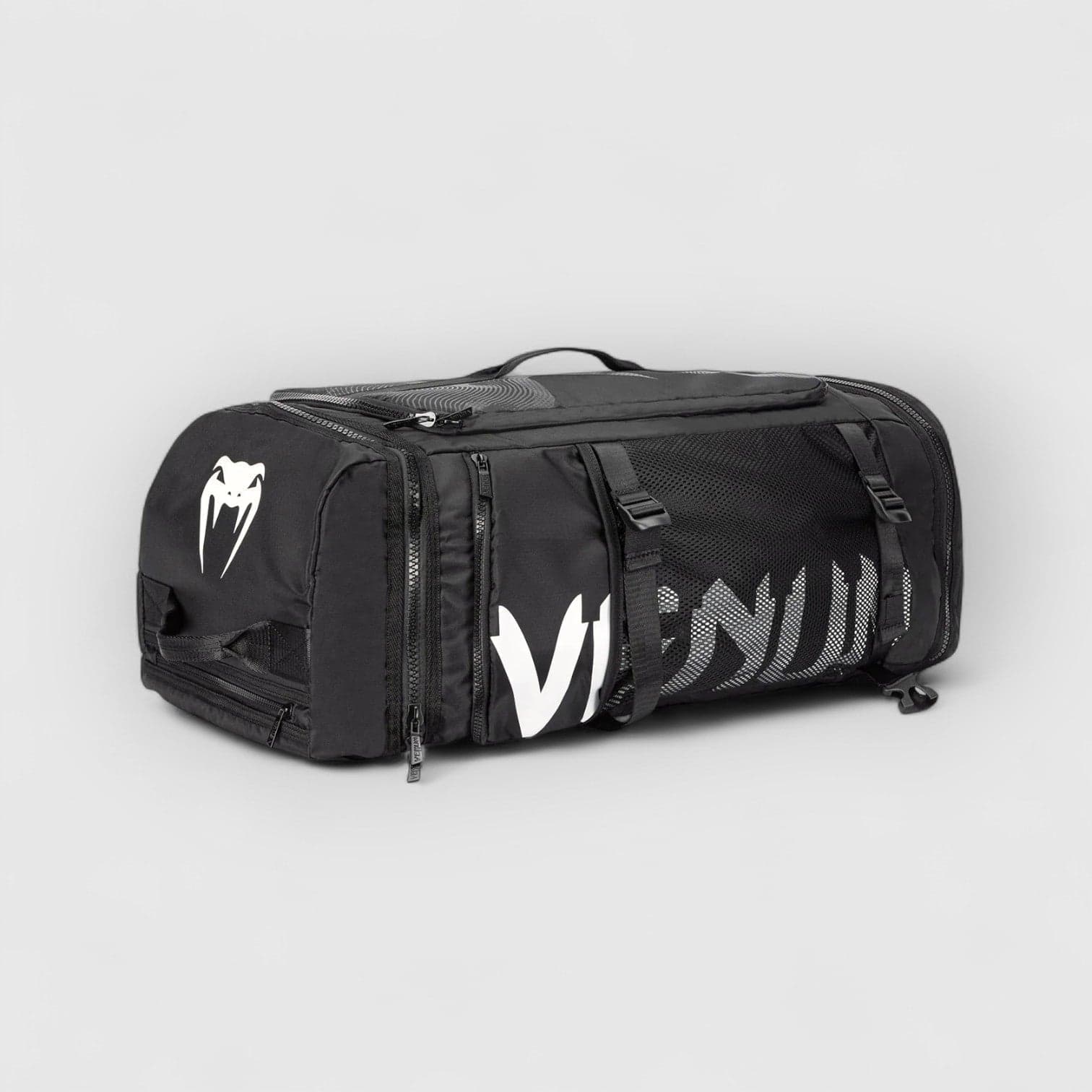
549 kr. Big enough for gloves and a towel, small enough to bring to work. A dedicated training bag that is never emptied is half the job done.
Bigger
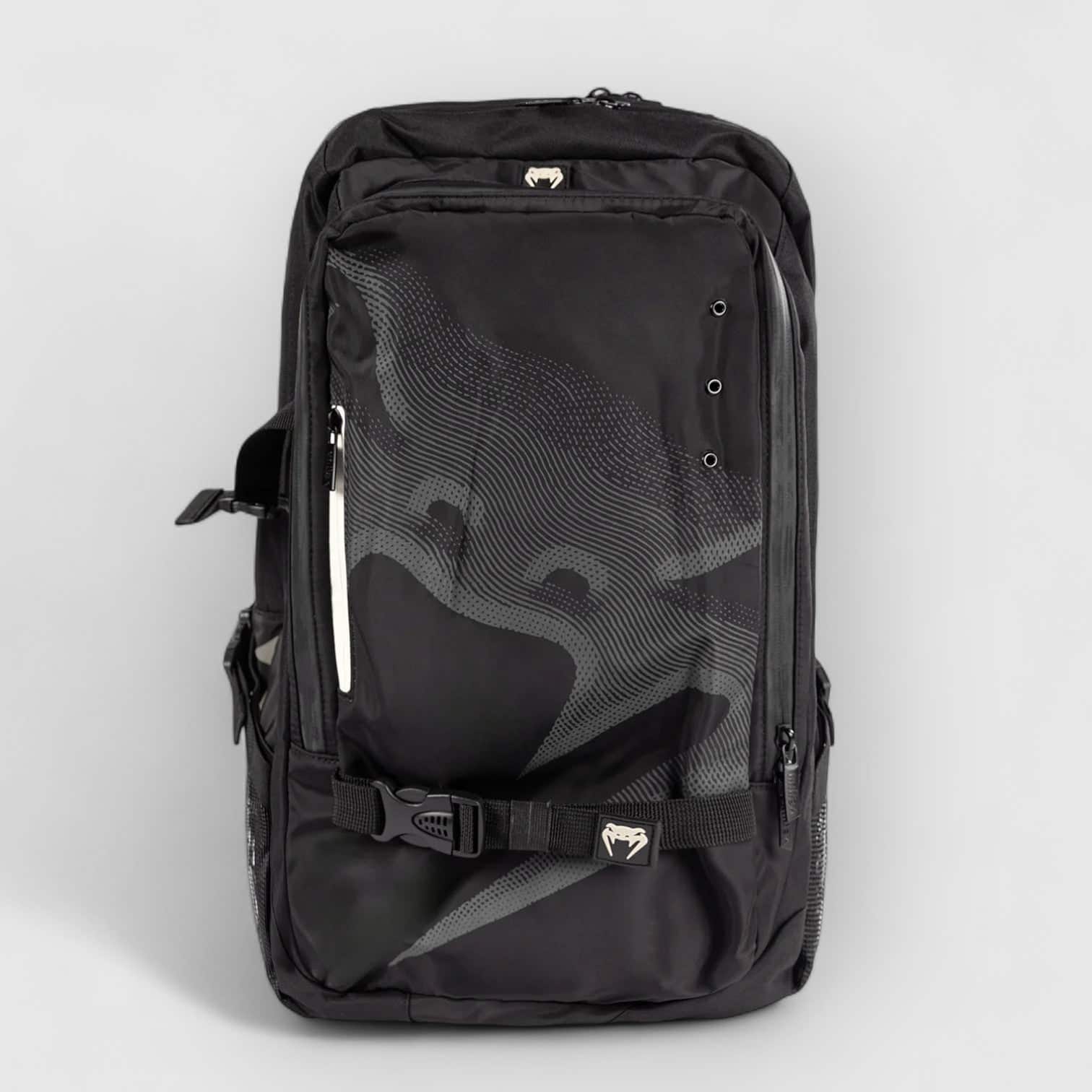
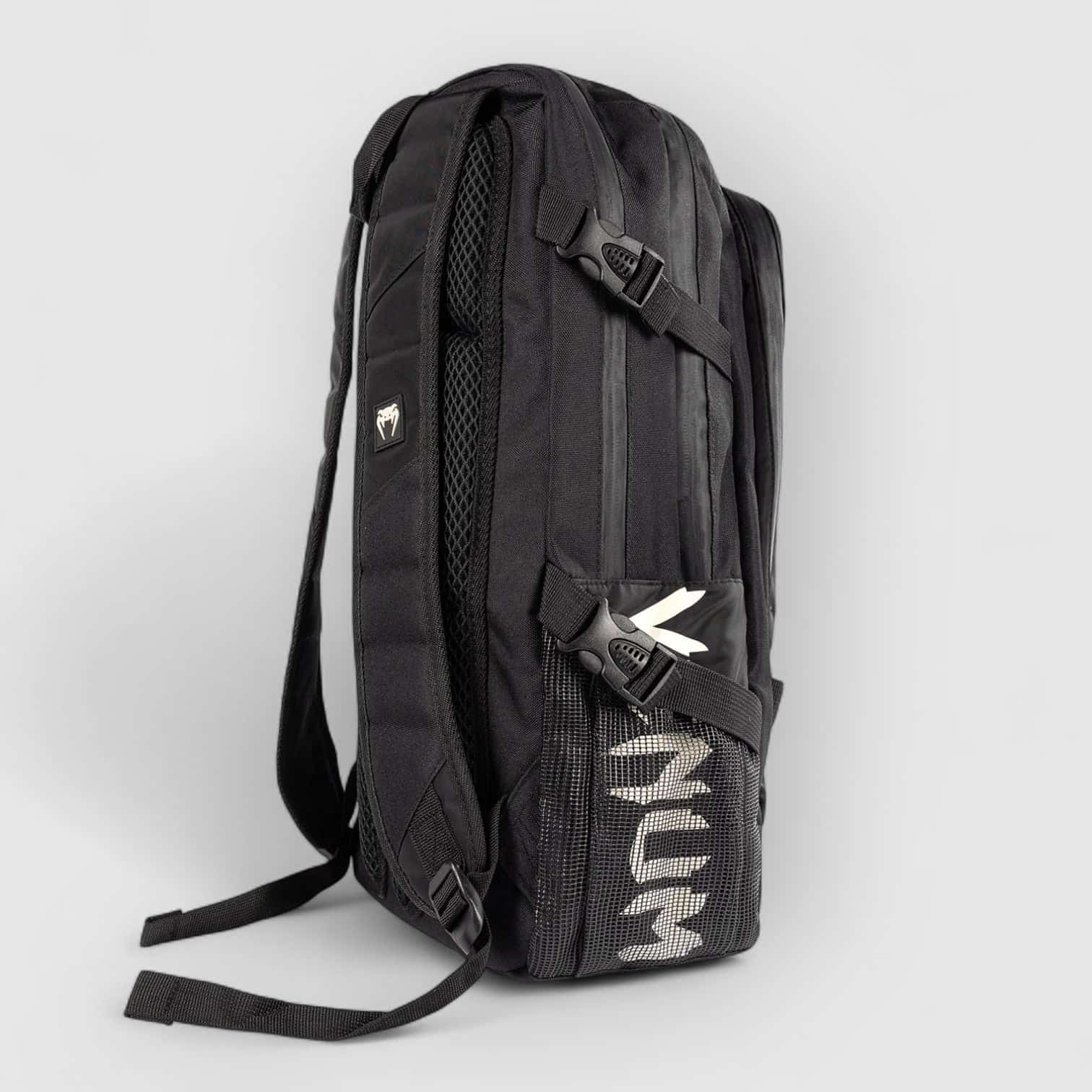
990 kr. For those who go straight from work with both training clothes and a change of clothes.
The emergency session
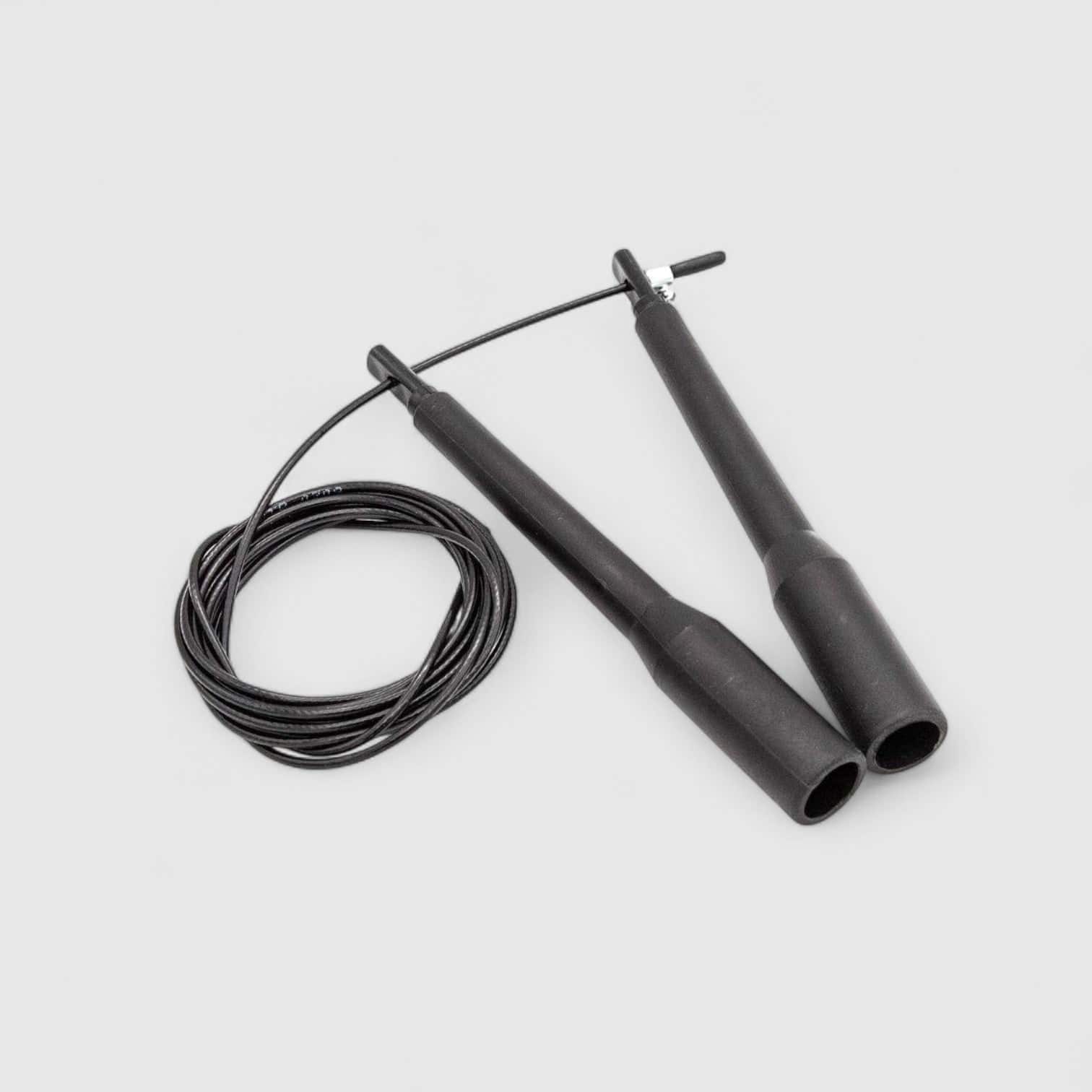
149 kr. Lives in the bag and weighs nothing. See the skipping rope guide for a progression that works.
To and from in the dark
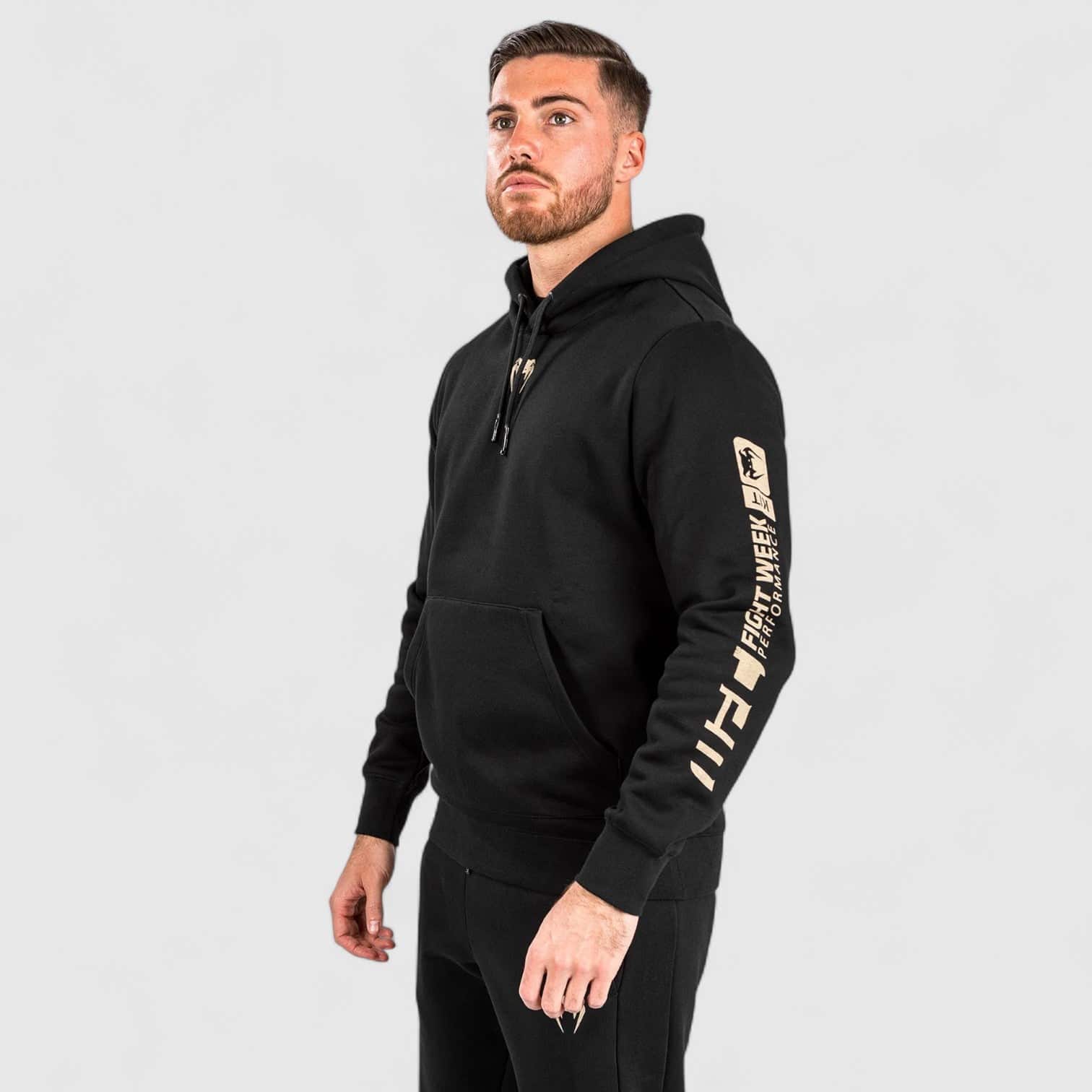
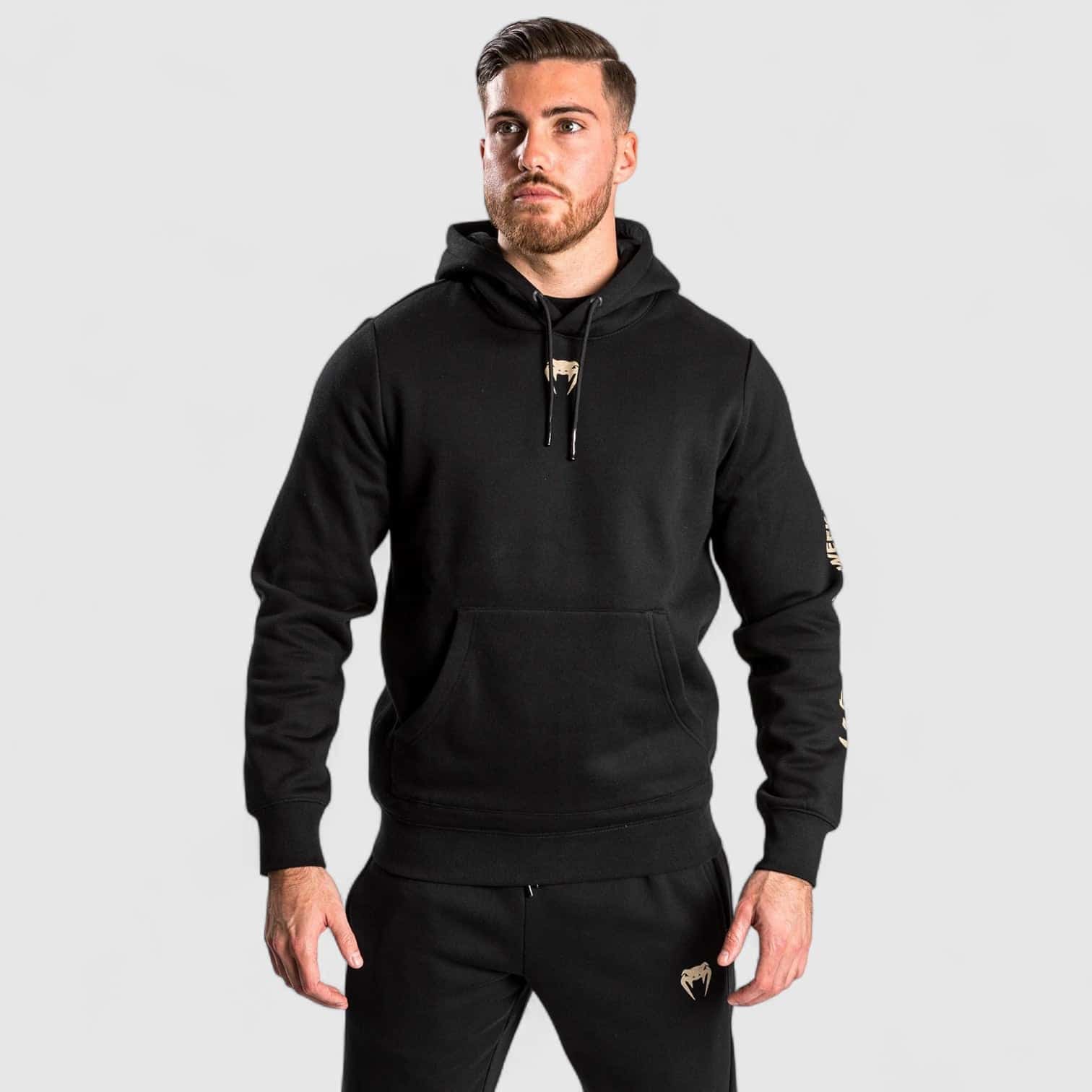
699 kr. Something warm to wear on top both before and after the session. Getting cold on the way home is one of the most common reasons the next session gets postponed.
One less thing to think about
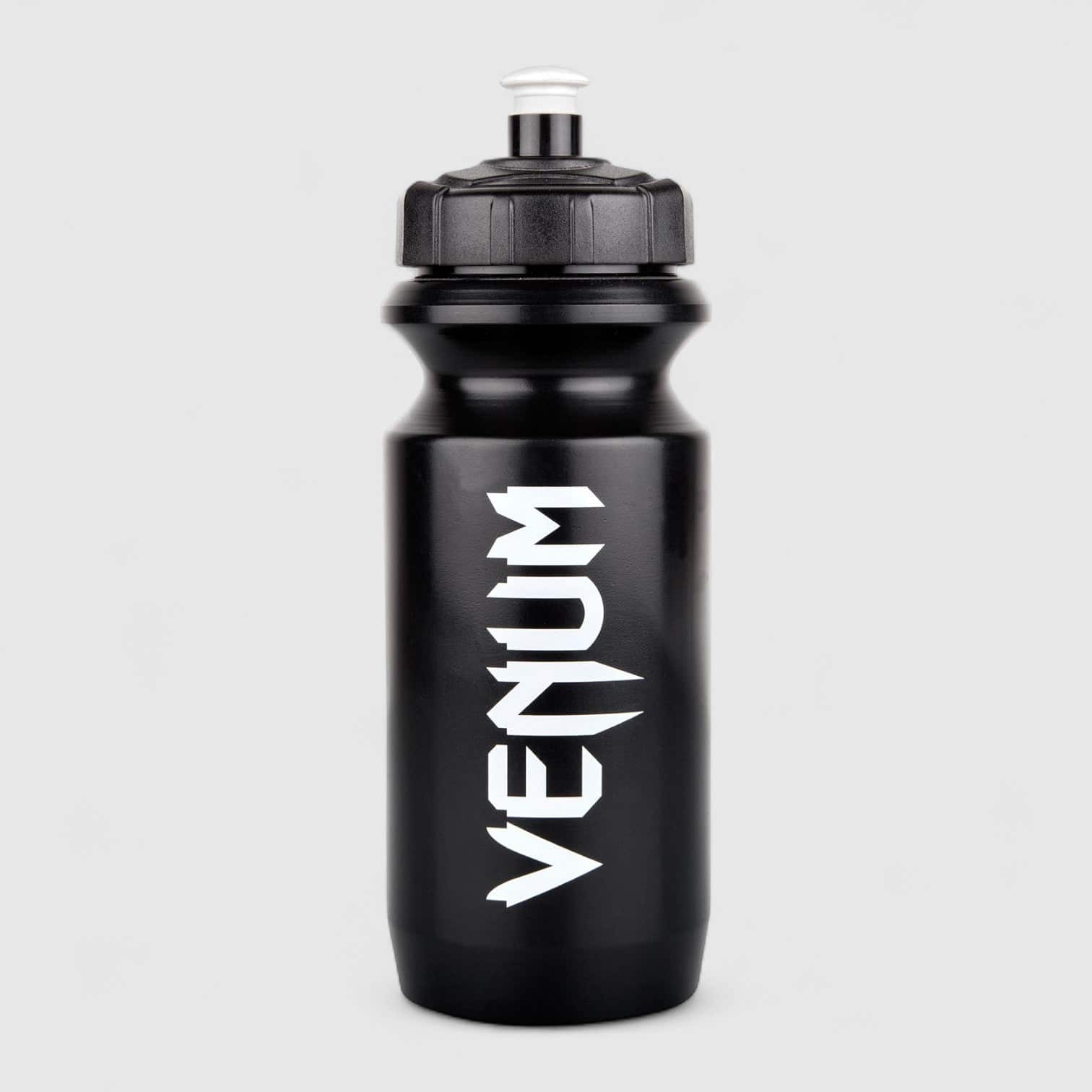
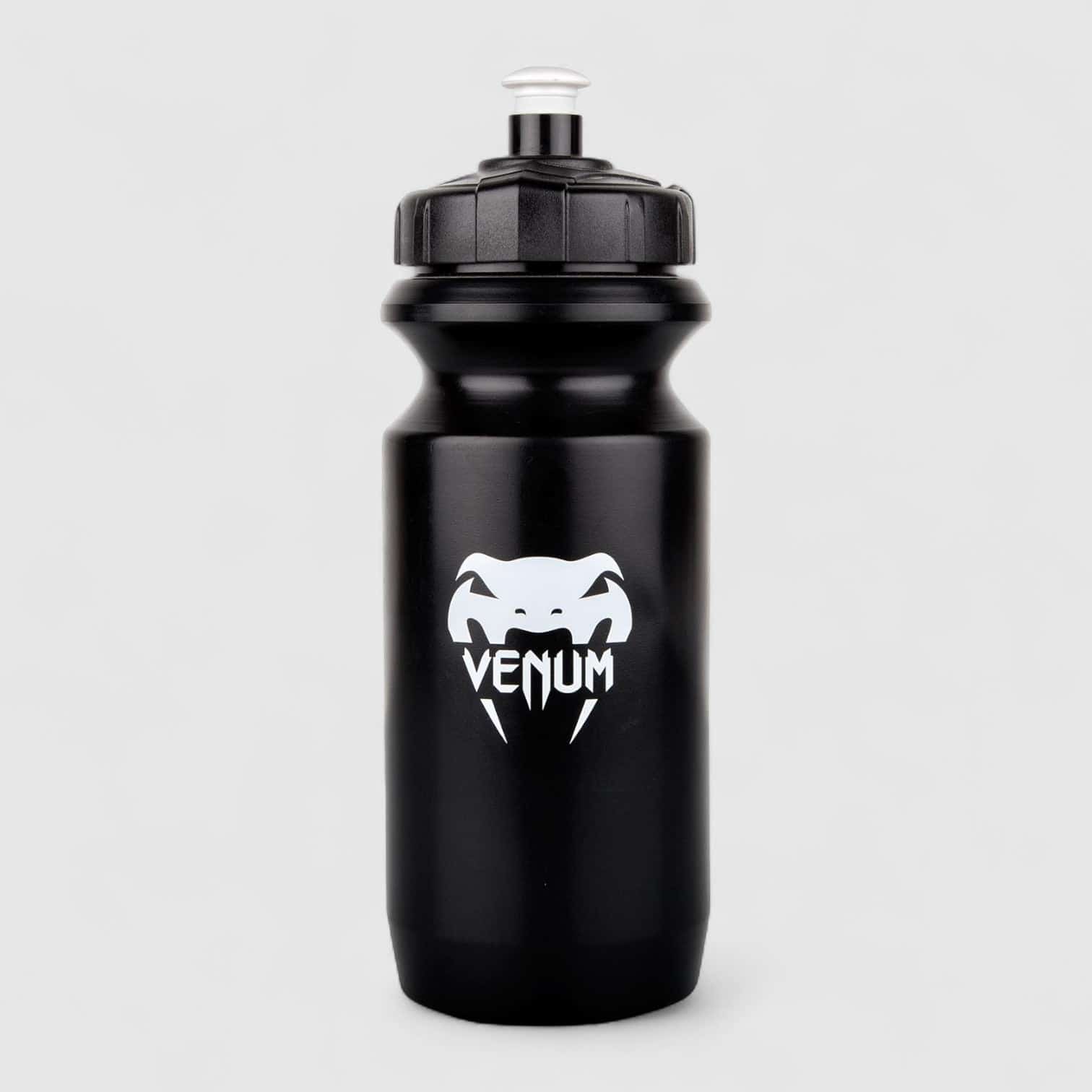
99 kr. Filled in the kitchen the night before and put in the bag.
Frequently asked questions
Is it better to train in the morning in winter?
Only if you actually do it. Morning training works well for some because nothing has time to get in the way - but a morning session you do not get up for is worthless compared with an evening session you complete.
Should I train when I have a cold?
Light training with a runny nose is usually fine. Fever, aching muscles or symptoms in your chest mean a break. And stay at home out of consideration for the others on the mat.
I have been away for two months. Is it too late?
No. Your fitness comes back faster than it was built the first time, and the club is the same. The hard part is the first evening back, and that lasts twenty minutes.
Does it help to set a goal?
Yes, if the goal has a date. "Get better" does not work in November. "Enter a competition in February" or "grade before Christmas" does - see the competition calendar for dates to aim for.
What if my club does not have a session that suits me?
Talk to the coach. Many clubs have more classes than the timetable shows, and some open new ones when enough people ask.